Key Largo Inshore Fishing with Captain Ricky
Looking for a solid day of fishing in the pristine waters around Key Largo? Captain Ricky Spikes knows these flats and backcountry waters like the back of his hand, and he's ready to put you on some serious fish. This four-hour private charter is perfect for families wanting to introduce kids to fishing or experienced anglers looking to target some of Florida's most prized species. With room for up to four guests, you'll have plenty of space to cast, fight fish, and enjoy the crystal-clear waters that make the Upper Keys a world-class fishing destination.
What to Expect on the Water
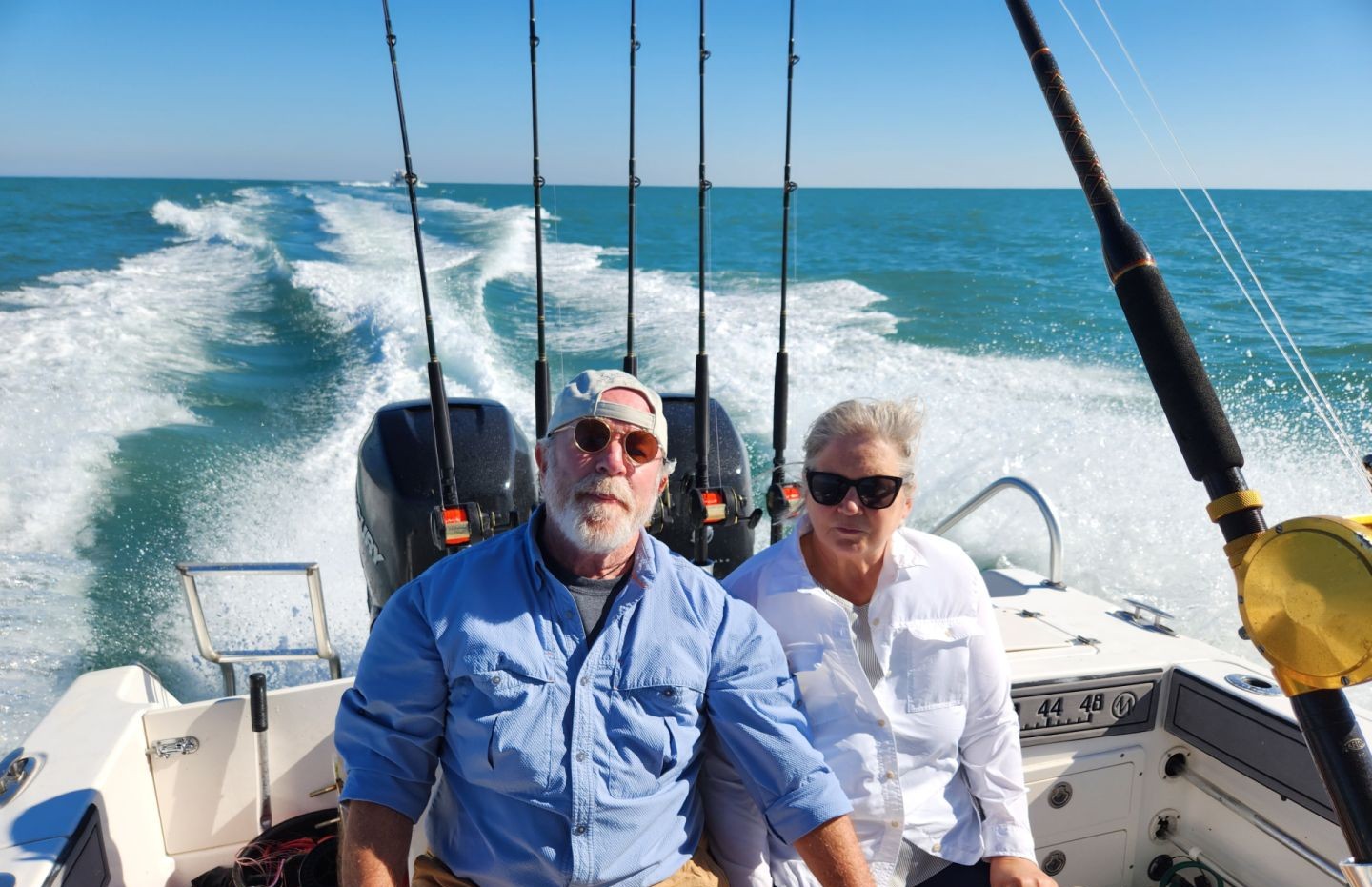
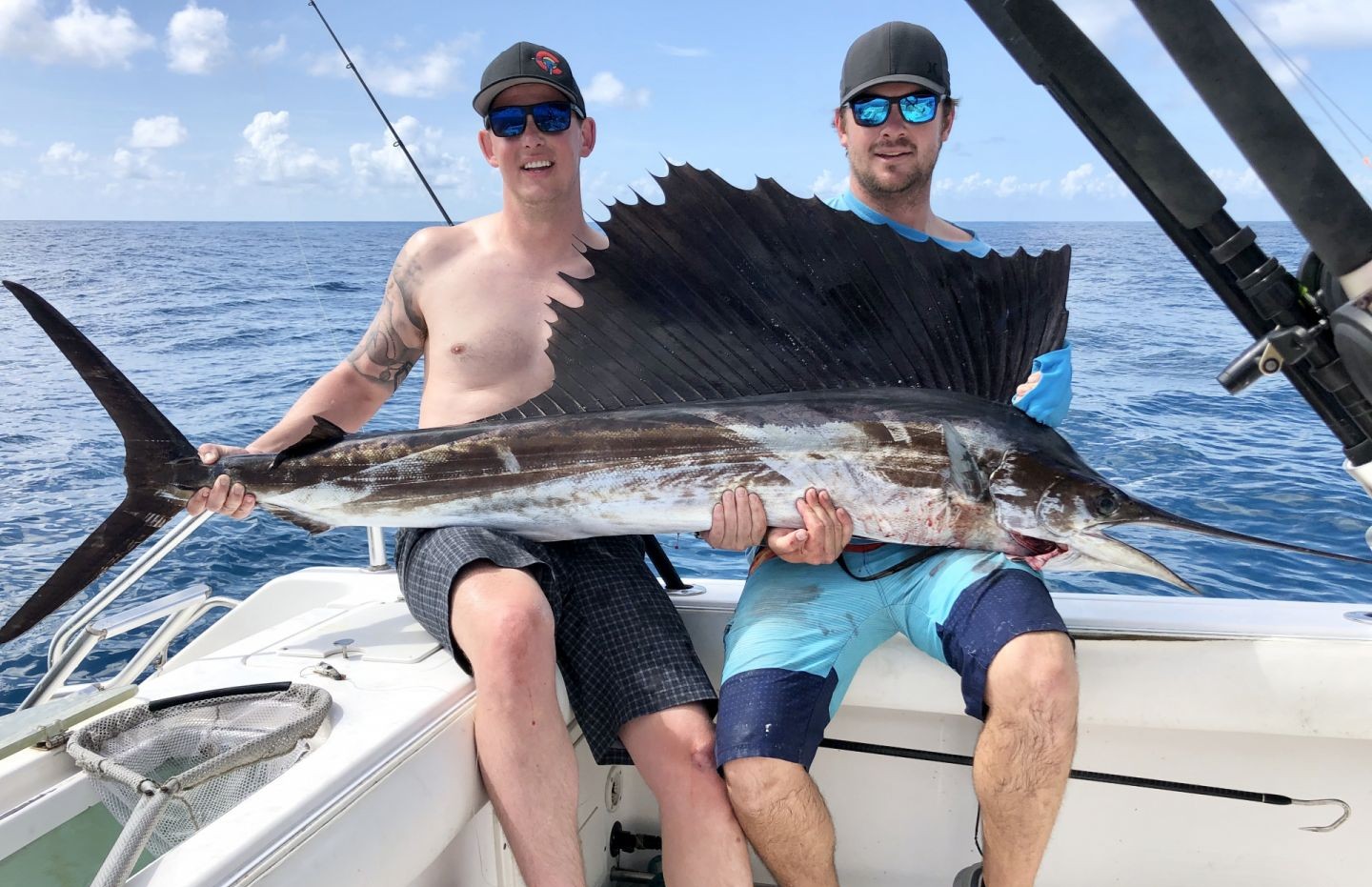
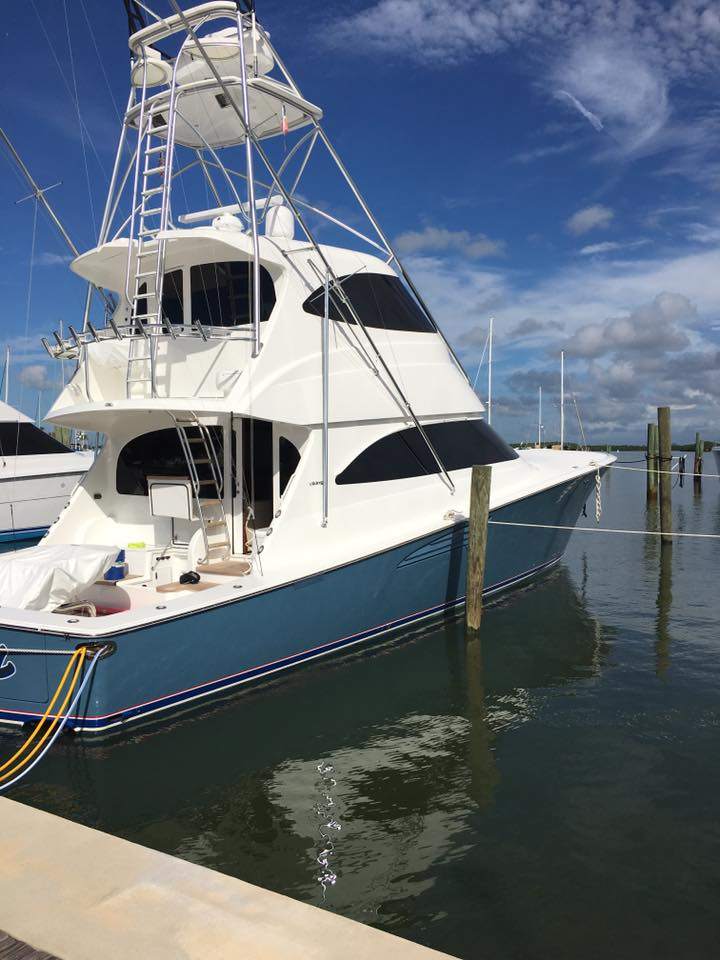
Captain Ricky runs a clean, well-maintained boat equipped with everything you need for a successful day of inshore fishing. You'll start your trip from Key Largo and head out to productive waters where mangroves meet grass flats and structure holds hungry gamefish. The beauty of inshore fishing here is the variety – one minute you're sight-casting to cruising Cobia, the next you're working a snapper hole or throwing live bait at aggressive Snook. The captain provides all the tackle, from light spinning gear for snapper to heavier setups when those big Amberjack show up. Don't worry about experience level either – Captain Ricky takes pride in teaching newcomers proper techniques while challenging seasoned anglers with different presentations and spots.
Techniques and Tactics
Inshore fishing in Key Largo means adapting to conditions and what the fish are telling you. You'll likely use a mix of live bait and artificials depending on the target species and time of year. For Snook around the mangroves, expect to throw live pilchards or work soft plastics along the edges where these ambush predators lurk. When targeting Red Snapper and Mangrove Snapper, you'll drop down with circle hooks and fresh cut bait or live shrimp around structure and ledges. The real excitement comes when Cobia cruise by – Captain Ricky will have you sight-casting with live crabs or jigs to these curious brown sharks. For Amberjack, it's all about getting baits down to structure quickly before these powerful fish drag you into the rocks. The captain carries an arsenal of tackle options, from 20-pound spinning outfits to 50-pound conventional gear for the bigger players.
Species You'll Want to Hook
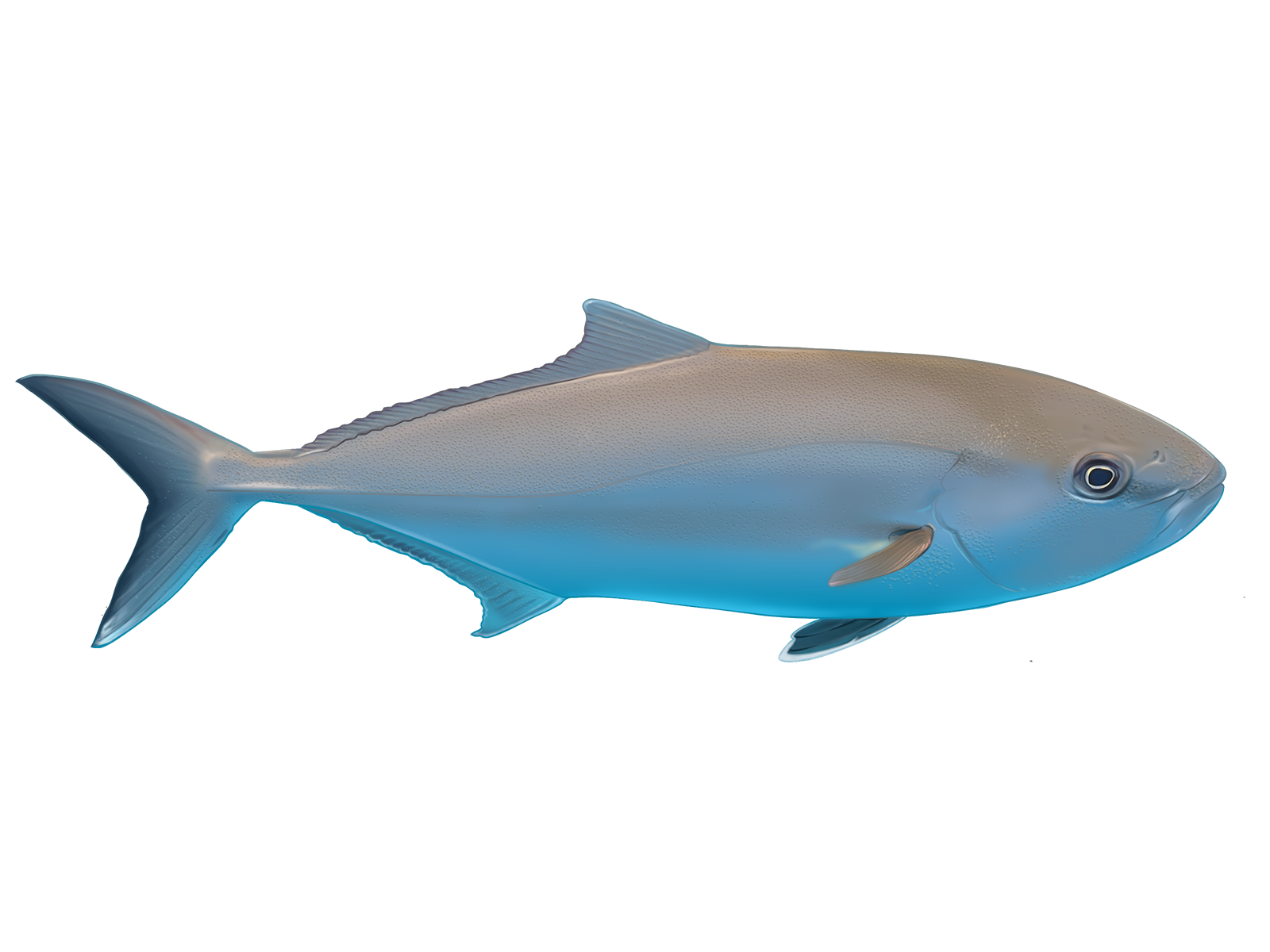
Greater Amberjack are the bulldogs of the reef, and Key Largo's waters hold some serious specimens. These powerful fish typically range from 20 to 60 pounds, with the occasional monster pushing 80 pounds or more. Spring and early summer offer the best action when they move shallow to spawn. What makes Amberjack so exciting is their initial run – they'll strip line faster than you can believe and test every knot in your system. Captain Ricky knows the wrecks and ledges where these fish stack up, and he'll have you dropping live goggle eyes or large jigs to entice them up from the depths.
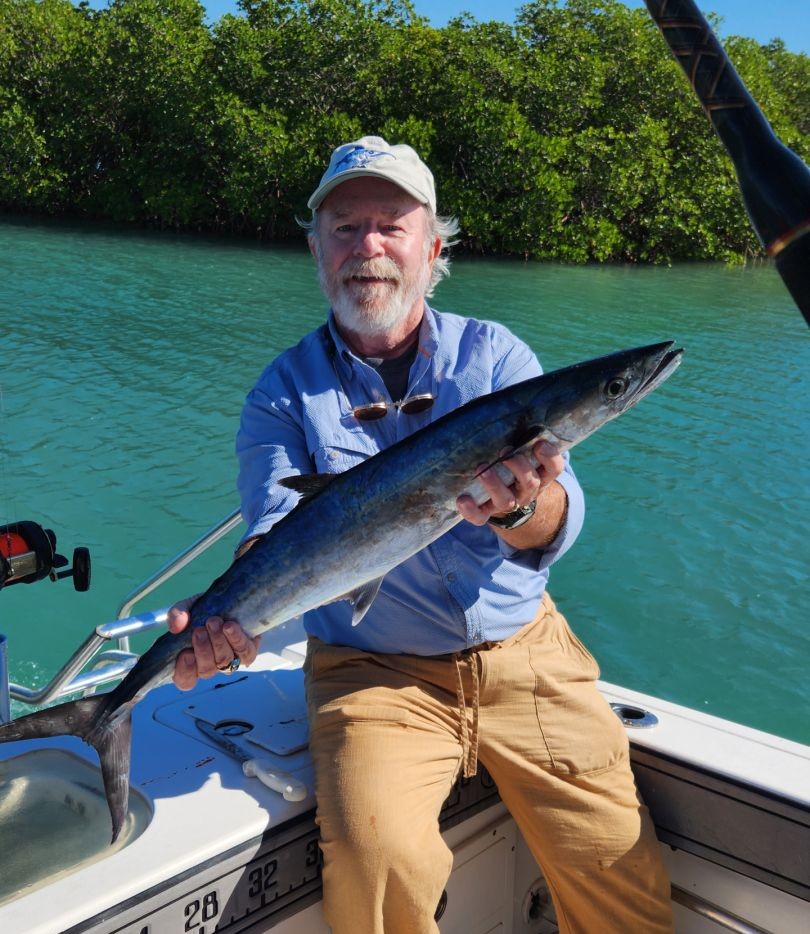
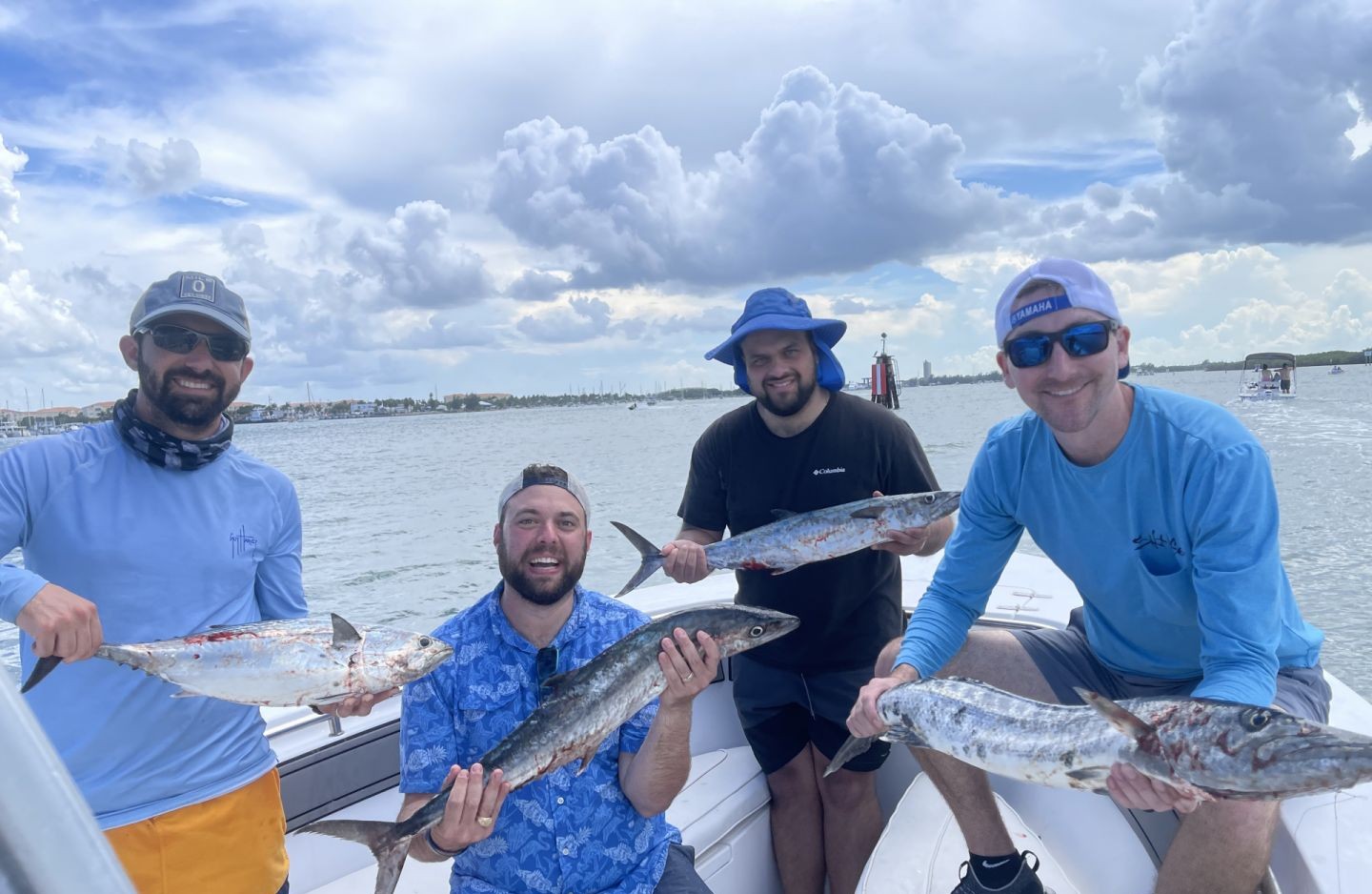
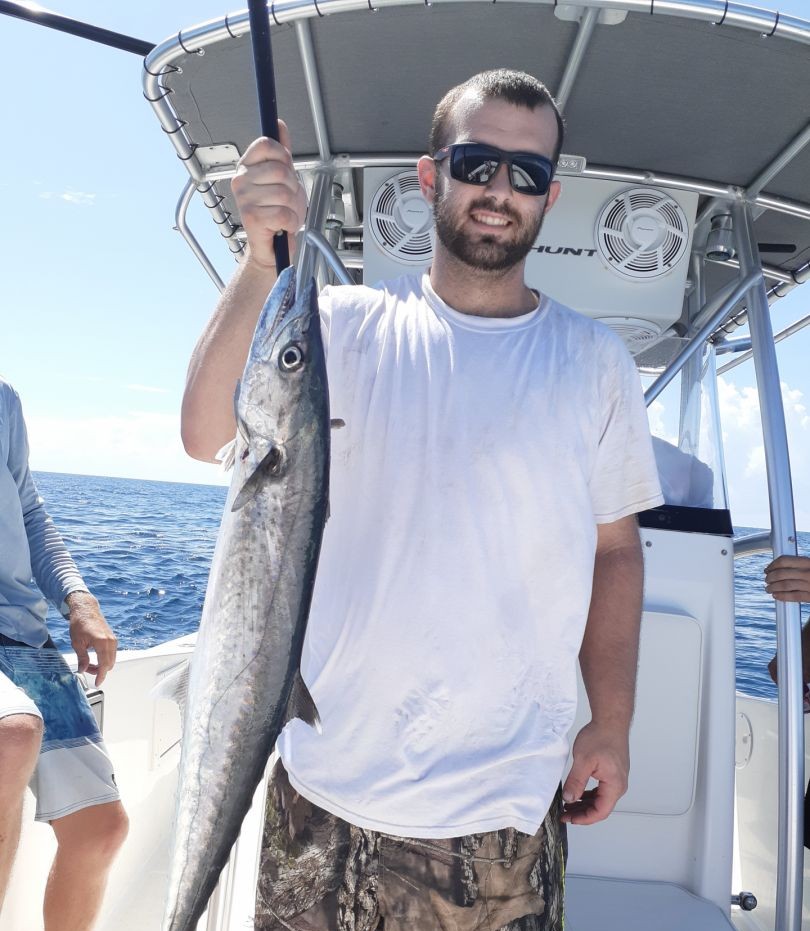
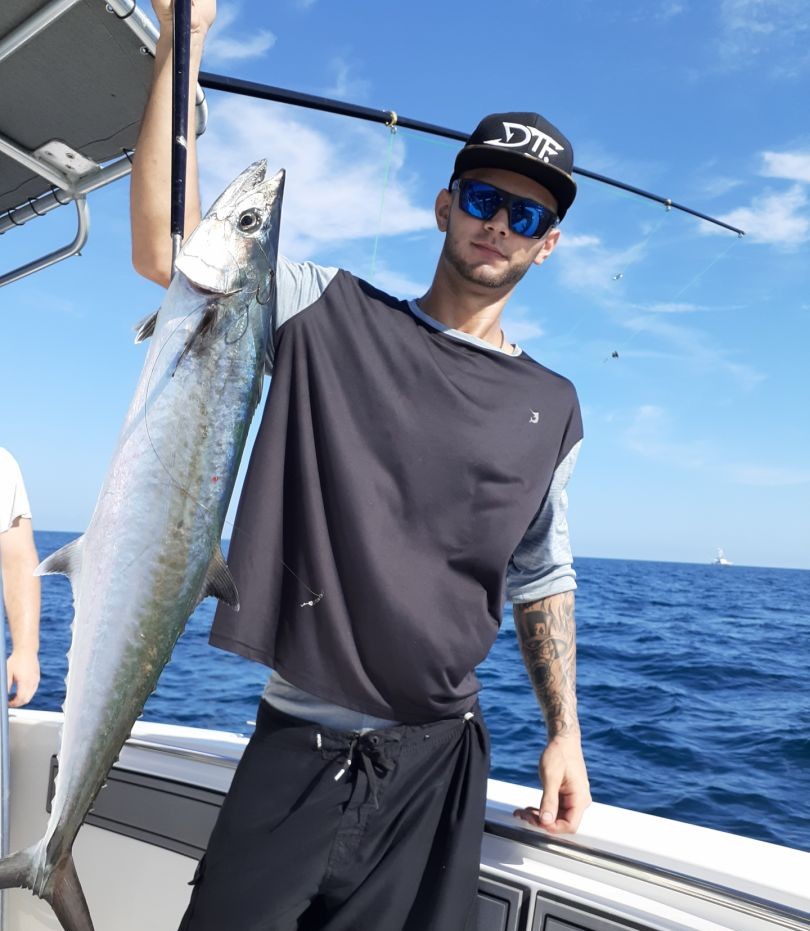
Wahoo might seem like an offshore fish, but Key Largo's unique geography brings these speedsters within inshore range. These silver rockets can exceed 40 mph and regularly reach 30 to 50 pounds in local waters. Fall and winter months see the best Wahoo action when they follow baitfish closer to shore. The strike is explosive – often resulting in spectacular jumps and blistering runs that will have your drag screaming. Captain Ricky targets them with high-speed trolling using wire leaders and flashy lures, or by drifting live bait around structure where they ambush unsuspecting prey.
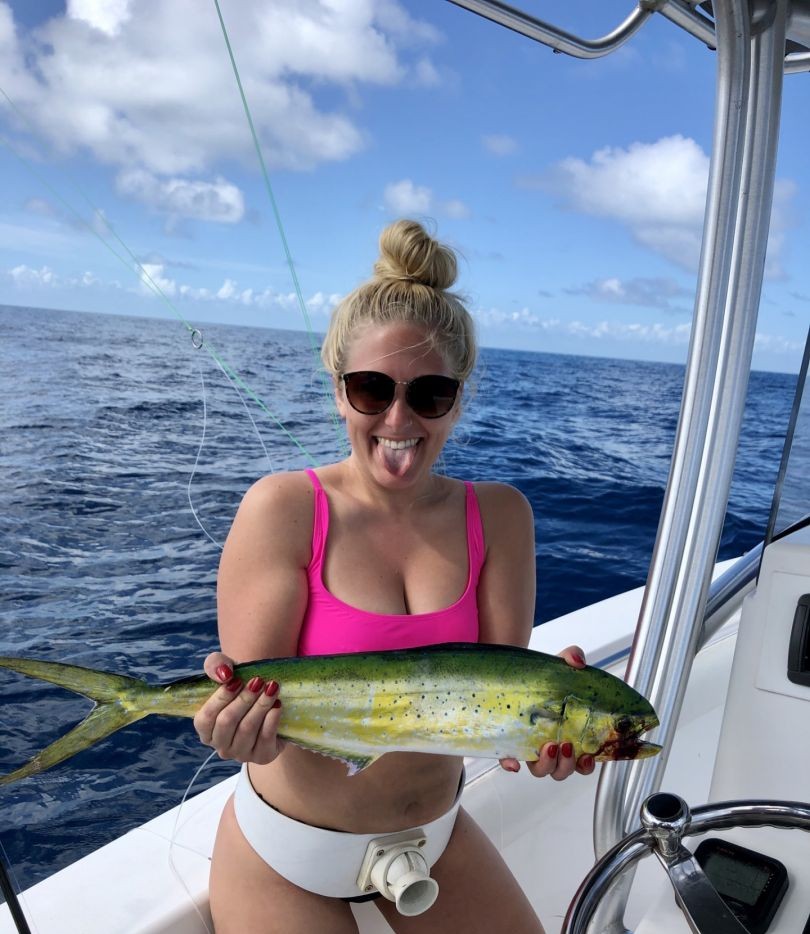
Cobia are perhaps the most underrated gamefish in Florida waters, and Key Largo consistently produces quality fish from 20 to 60 pounds. These curious fish cruise shallow waters from spring through fall, often following rays and sharks while looking for easy meals. What makes Cobia fishing so addictive is the visual aspect – you'll actually see these brown submarines swimming toward your bait. They fight dirty too, using their broad sides to pull hard and making multiple runs toward structure. Captain Ricky keeps live crabs and eels on hand, plus an assortment of bucktail jigs that drive these fish crazy.
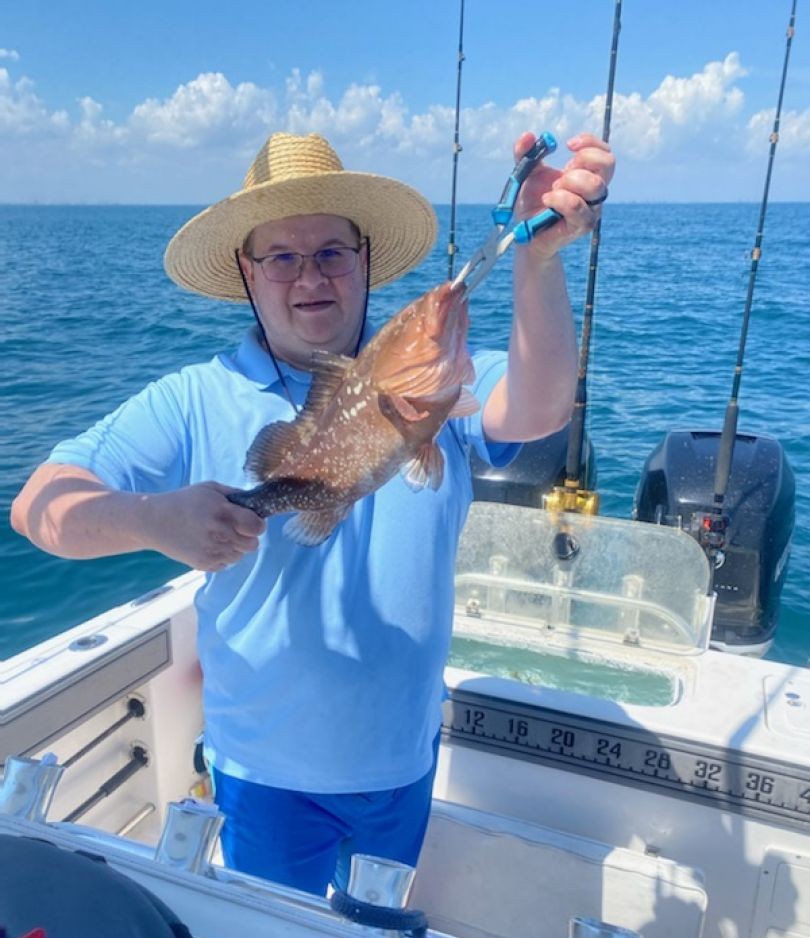
Red Snapper remain one of the most sought-after species in Key Largo waters, with good reason. These beautiful fish average 5 to 15 pounds but can grow much larger, and they're absolutely delicious on the table. Summer months typically offer the best Red Snapper fishing when regulations allow harvest. They're structure-oriented fish, holding around ledges, rocks, and artificial reefs. The key is getting your bait to the bottom quickly and keeping it there – Red Snapper are aggressive feeders but they want their meal presented properly. Captain Ricky uses everything from live pinfish to cut sardines, depending on current and conditions.
Snook are Florida's signature gamefish, and the waters around Key Largo offer excellent opportunities year-round. These greenbacks typically range from 5 to 20 pounds, with trophy fish exceeding 30 pounds. They're ambush predators that love structure – mangrove shorelines, docks, bridges, and any place that provides cover and current. What makes Snook so special is their explosive strike and aerial ability. They'll hit a bait hard, then immediately jump and gill-rattle trying to throw the hook. Captain Ricky targets them with live pilchards, pinfish, and an assortment of plugs and soft plastics worked along likely structure.
Time to Book Your Spot
Captain Ricky Spikes has built a reputation as one of Key Largo's most reliable fishing guides, and his four-hour trips offer the perfect balance of fishing action and family-friendly fun. Whether you're looking to check multiple species off your bucket list or simply want to enjoy a relaxing day on some of Florida's most beautiful waters, this charter delivers. The boat runs rain or
 Private Trip
 Inshore Fishing
 Fort Pierce


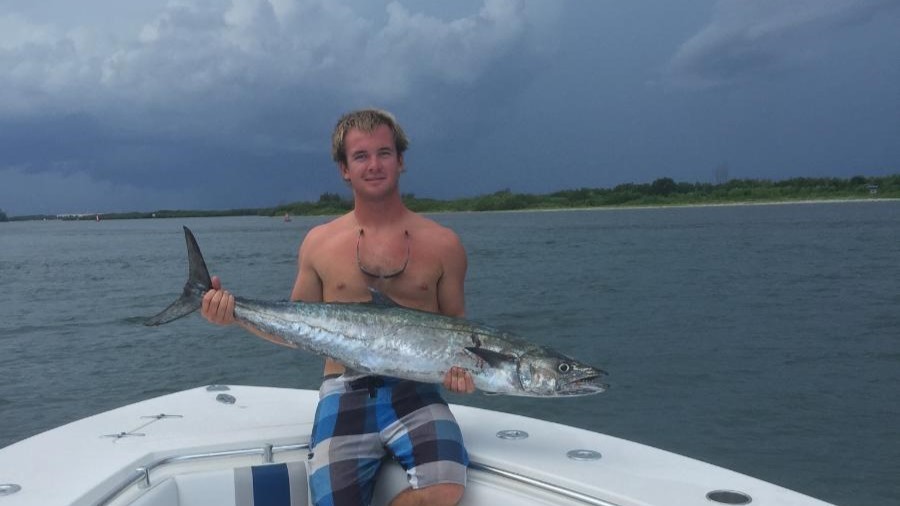
 Four-hour private inshore fishing charter for up to four guests