8 Hour Inshore Virginia Fishing Charter
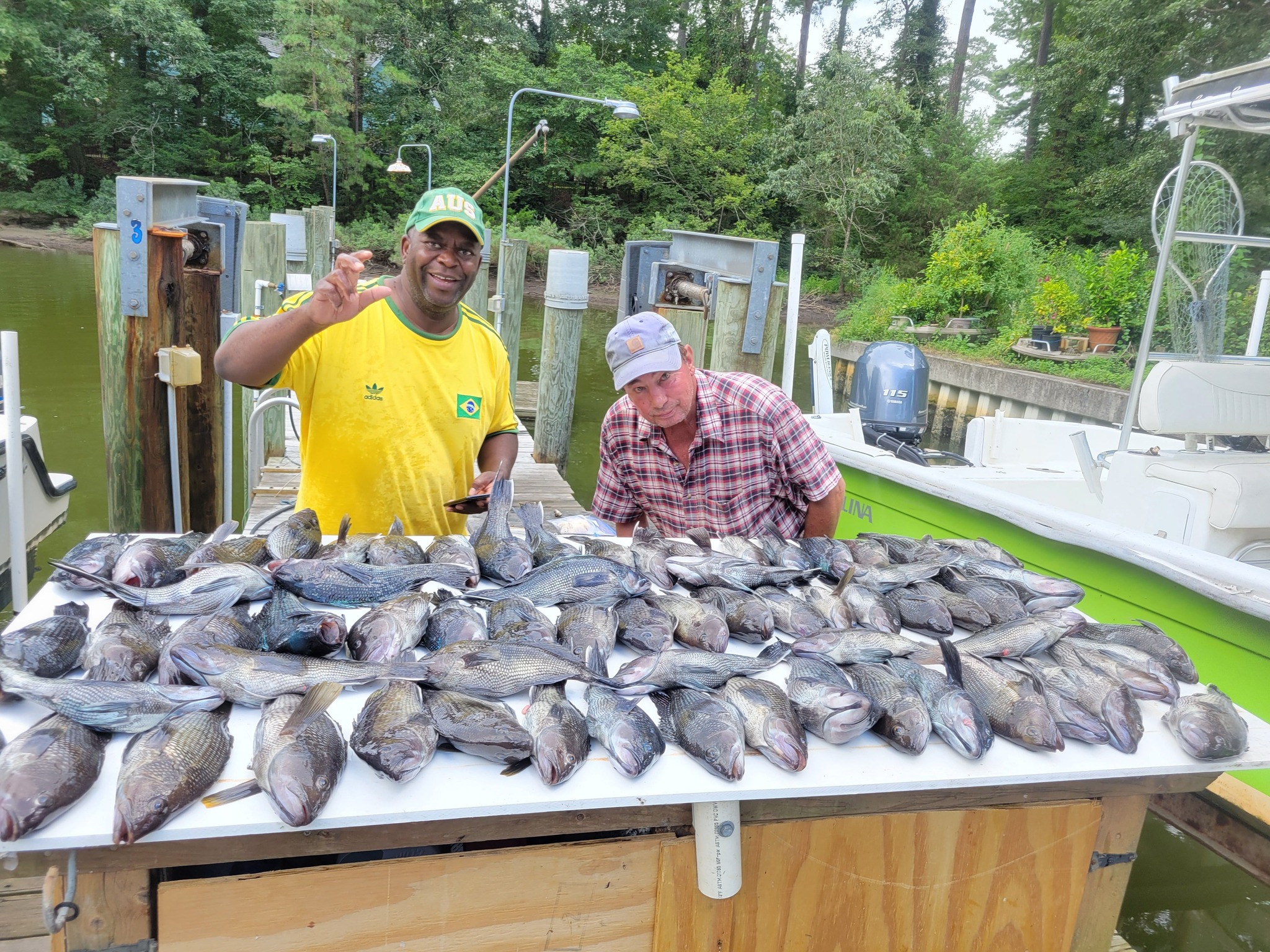
Nothing beats a full day on Virginia's inshore waters when the fish are biting and you've got all the time in the world to work the structure. This 8-hour charter with Remedy Sport Fishing gives you the real deal – a proper full day targeting everything from hard-fighting tautog around the bridge pilings to cobia cruising the reefs. Running March through December, this trip covers prime tautog season while hitting all the seasonal species that make Virginia's inshore fishing so special. We're talking about covering serious ground with trolling and bottom fishing techniques, hitting the spots that consistently produce fish year after year.
What to Expect on the Water
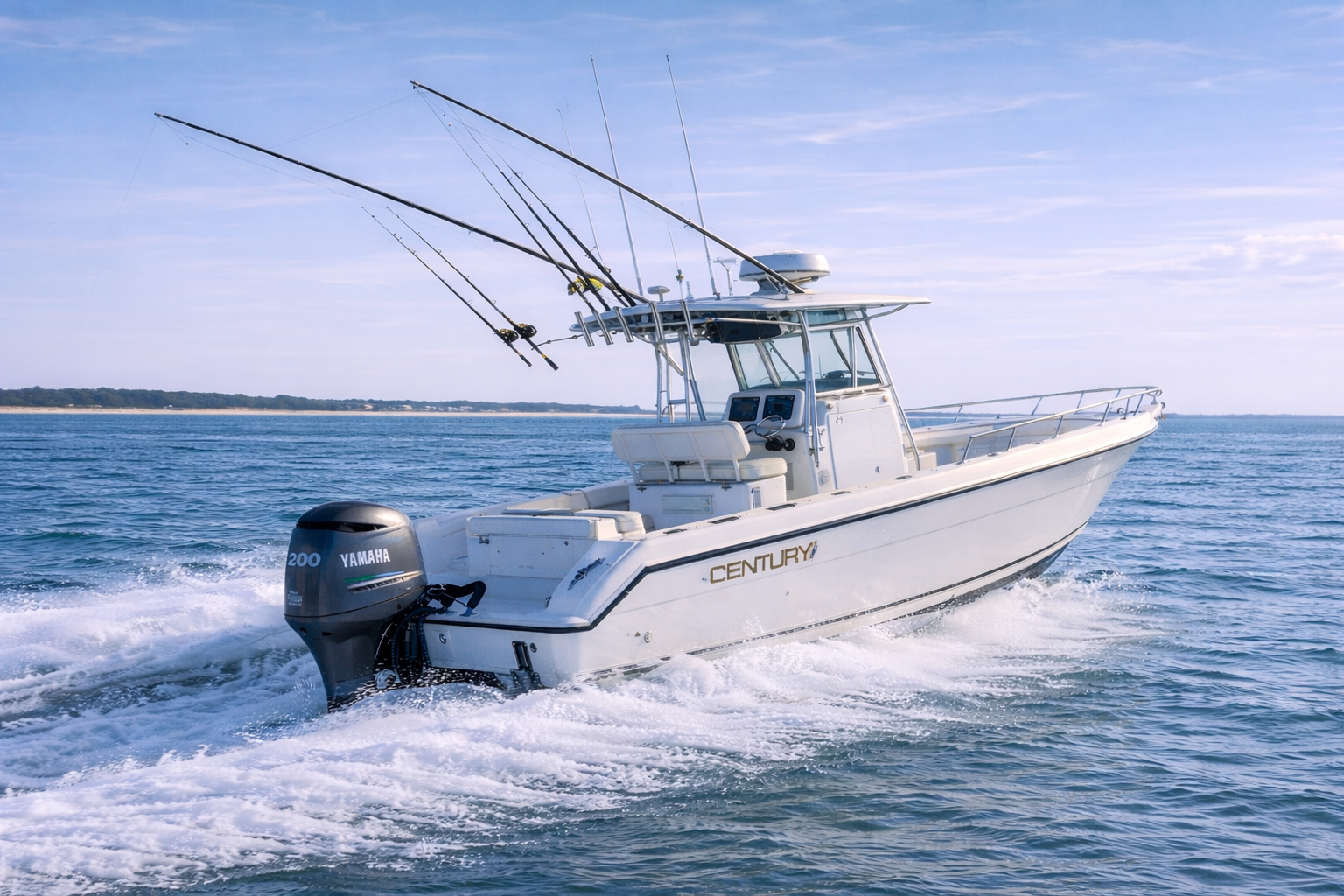
This is the kind of charter where you really get to settle in and fish. Eight hours gives us the flexibility to chase whatever's biting best – maybe we start the morning working bridge structure for tautog and sheepshead, then move out to the reefs for some cobia action in the afternoon. The boat holds up to four anglers comfortably, with room for a fifth if your group needs it. All fishing licenses are covered, so you just need to show up ready to fish. We're hitting productive inshore structure – think bridge pilings, artificial reefs, and natural bottom that holds baitfish and draws in the predators. The beauty of a full day is we're not rushed. If the bite's hot in one spot, we can stay and work it. If it slows down, we've got time to move and find where they're feeding.
Trolling and Bottom Techniques
We run a mix of trolling and bottom fishing depending on what we're targeting and where the fish are holding. Trolling lets us cover water efficiently, especially when we're looking for cobia or spanish mackerel that might be scattered across the reefs. We'll pull spoons, small plugs, and live bait rigs at varying speeds to match what the fish want on any given day. When we switch to bottom fishing around structure, that's where things get interesting. Heavy jigs and fresh bait work the pilings for tautog, while lighter tackle around the reef edges can produce flounder, spadefish, and drum. The key is reading the structure and current – tautog love tight to the pilings, while cobia often cruise just off the structure where they can ambush baitfish. All tackle and bait are provided, from heavy conventional gear for the big drum to lighter spinning tackle for the finesse fishing.
Top Catches This Season
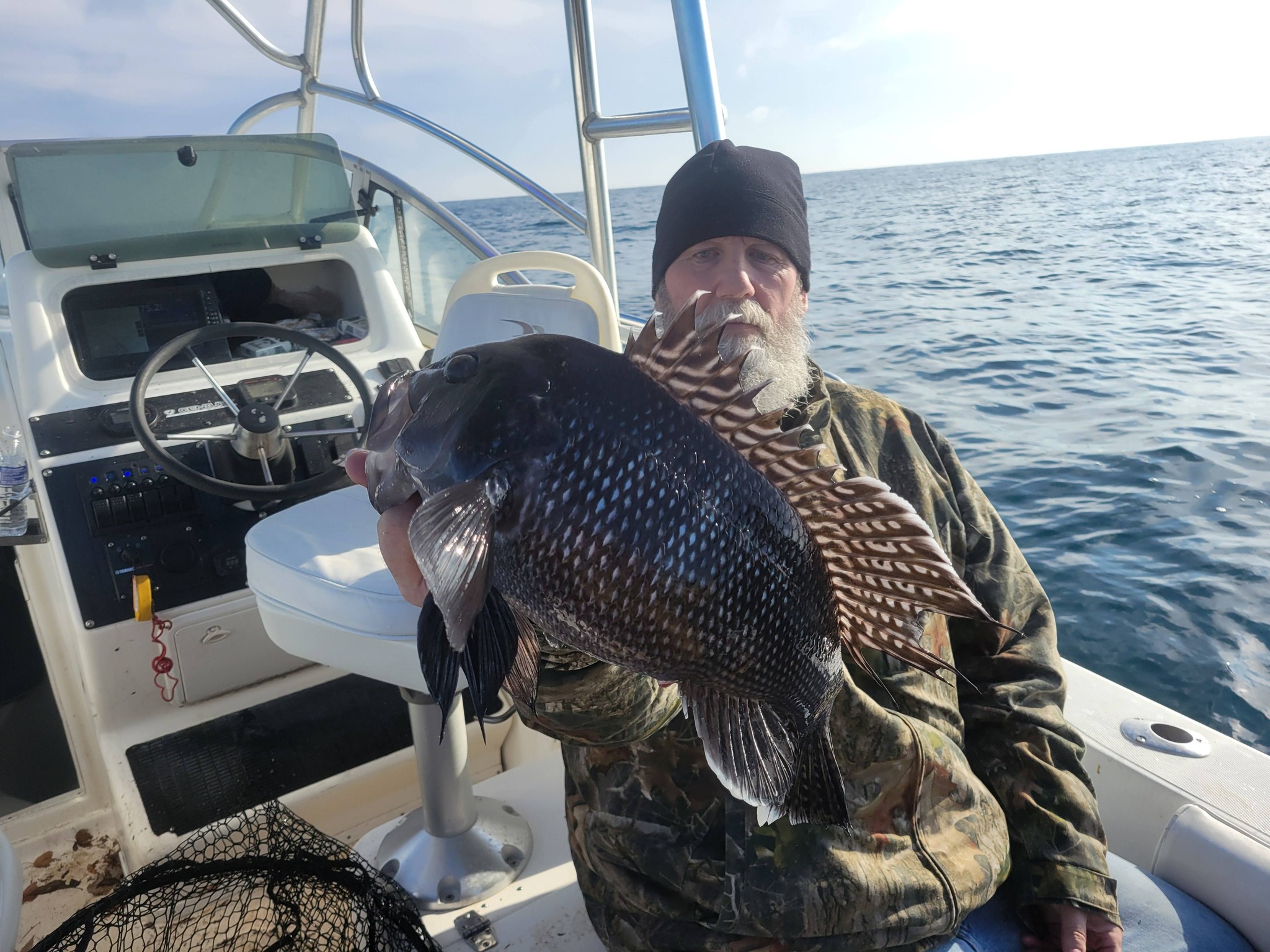
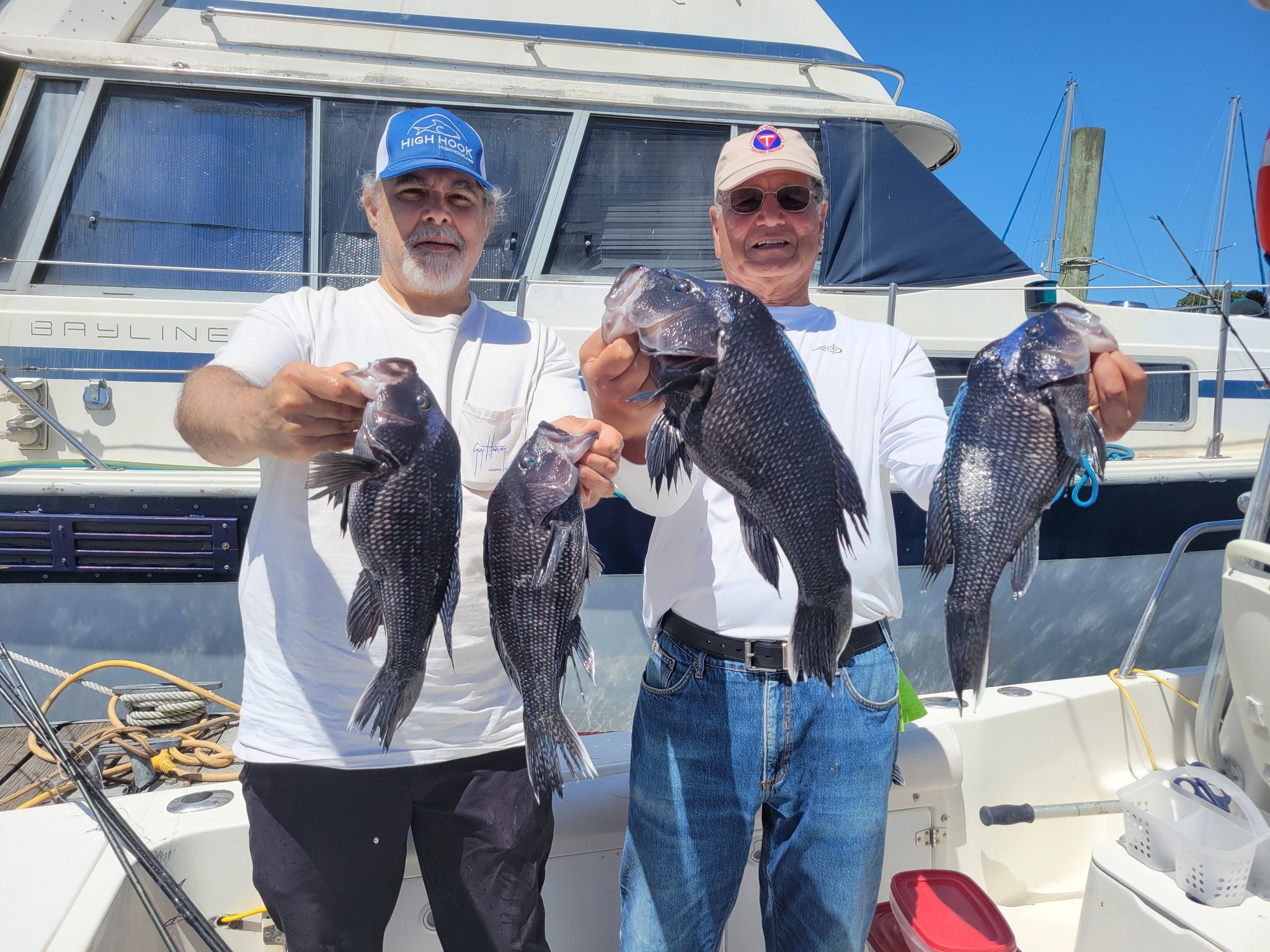
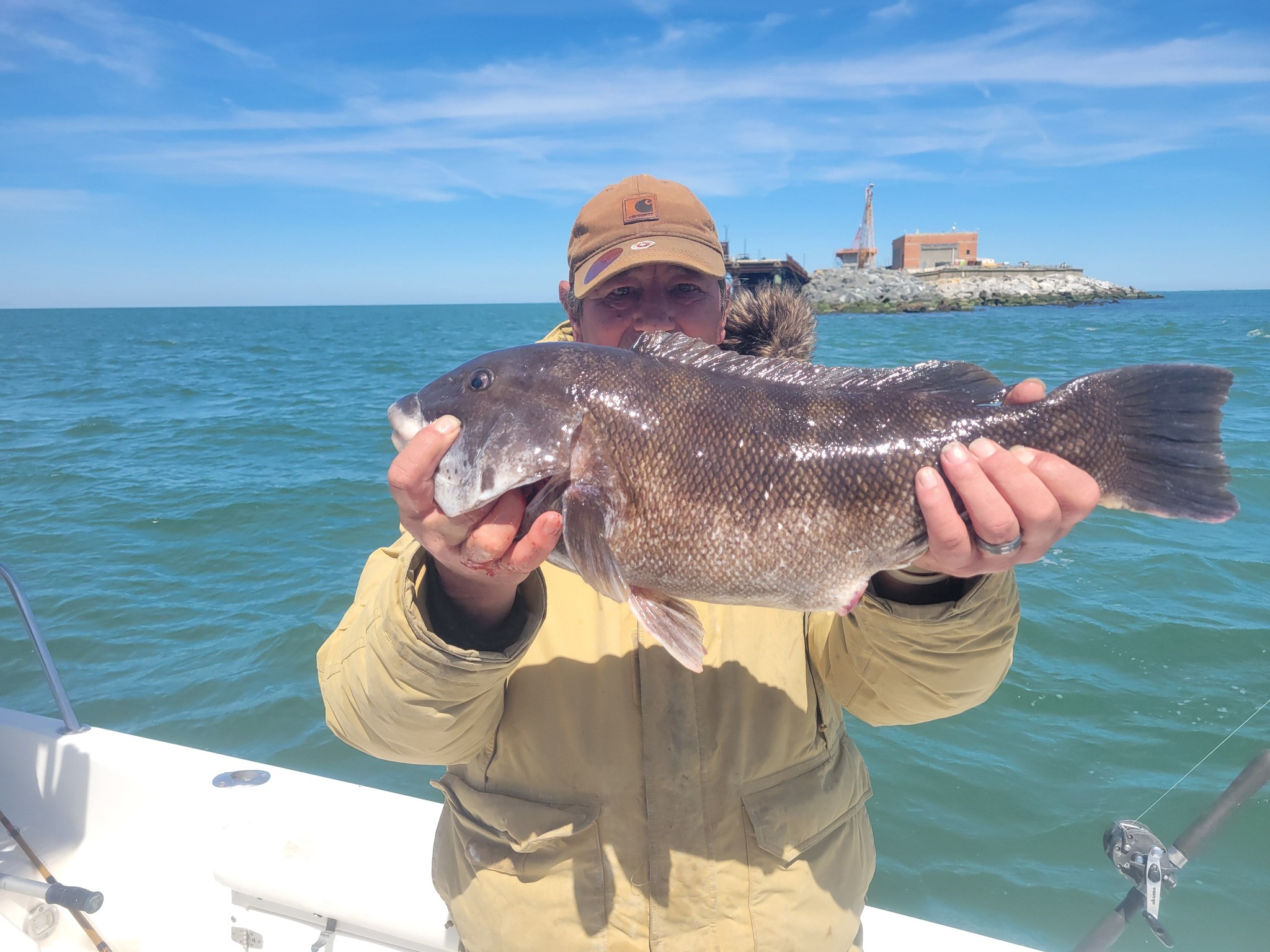
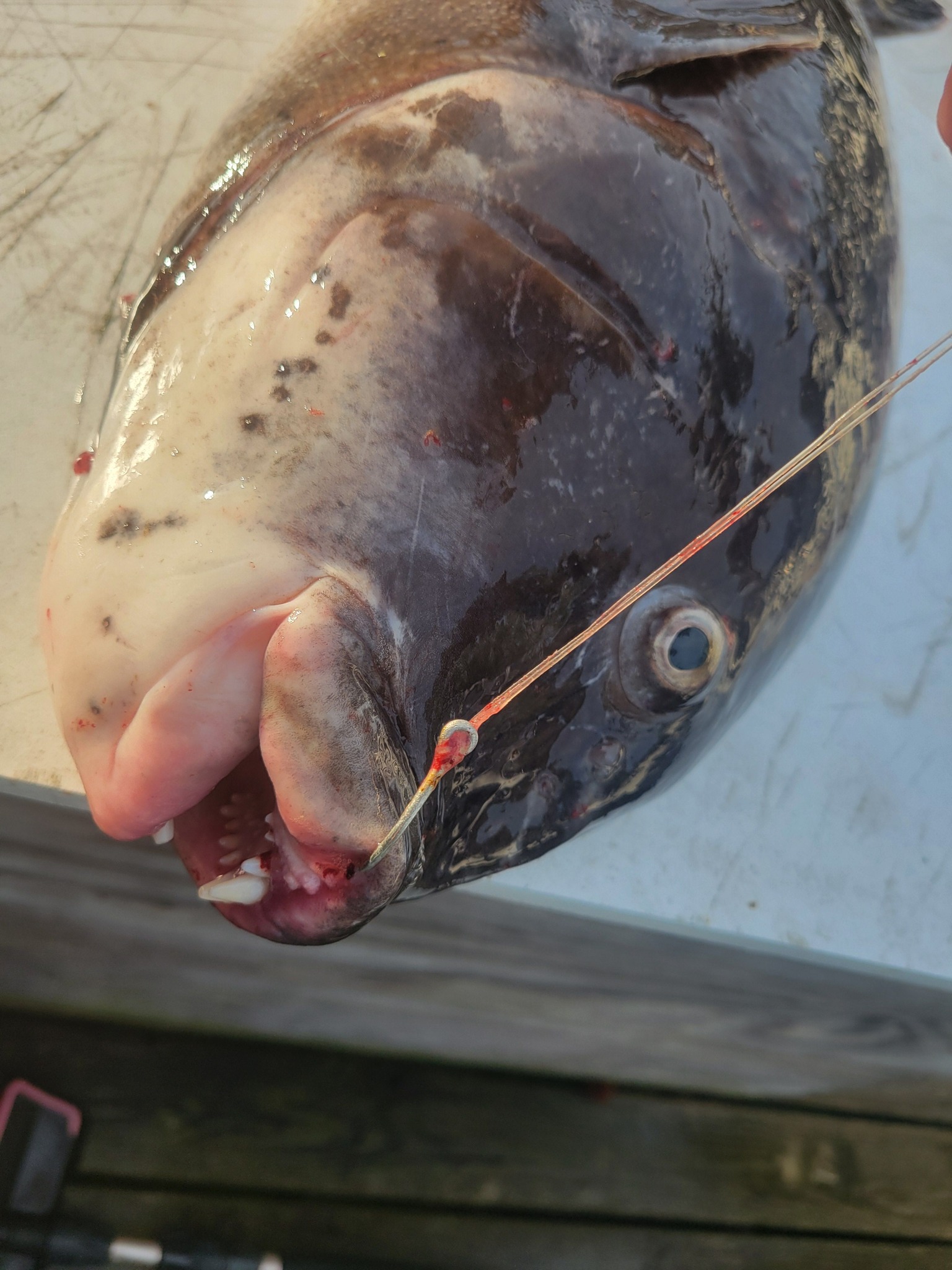
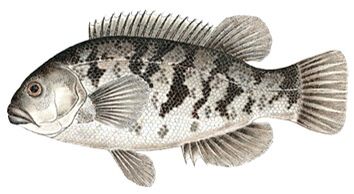
Tautog are the bread and butter of this fishery, especially during their peak season. These fish are built like bulldogs and fight twice as hard as you'd expect for their size. Most Virginia tautog run 2-6 pounds, but the structure around here regularly kicks out fish pushing 8-10 pounds that'll test your drag system. They're structure-oriented fish that rarely venture far from their home pilings or rocks, so once you find a good population, you can often work that spot for hours. Best months are typically April through June and again in October through December when they're feeding heavily.
Spanish mackerel show up in numbers during the warmer months, usually May through September. They're speed demons that hit fast and fight dirty, making long runs and jumping when hooked. Most fish run 1-3 pounds, perfect for light tackle action. They school up around baitfish, so when you find one, there's usually more underneath. They're also excellent table fare, making them a customer favorite for folks who want to take home a quality meal.
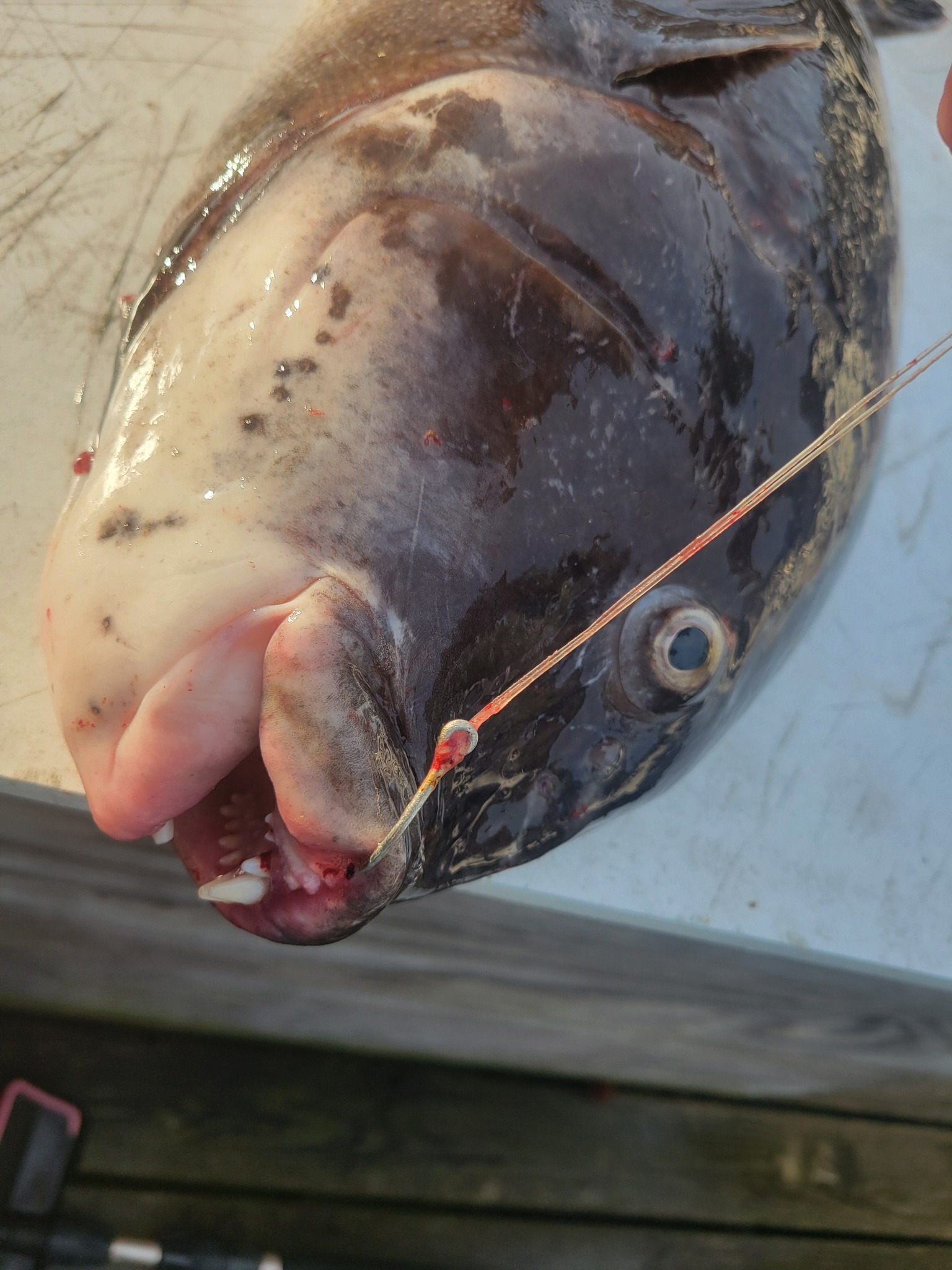
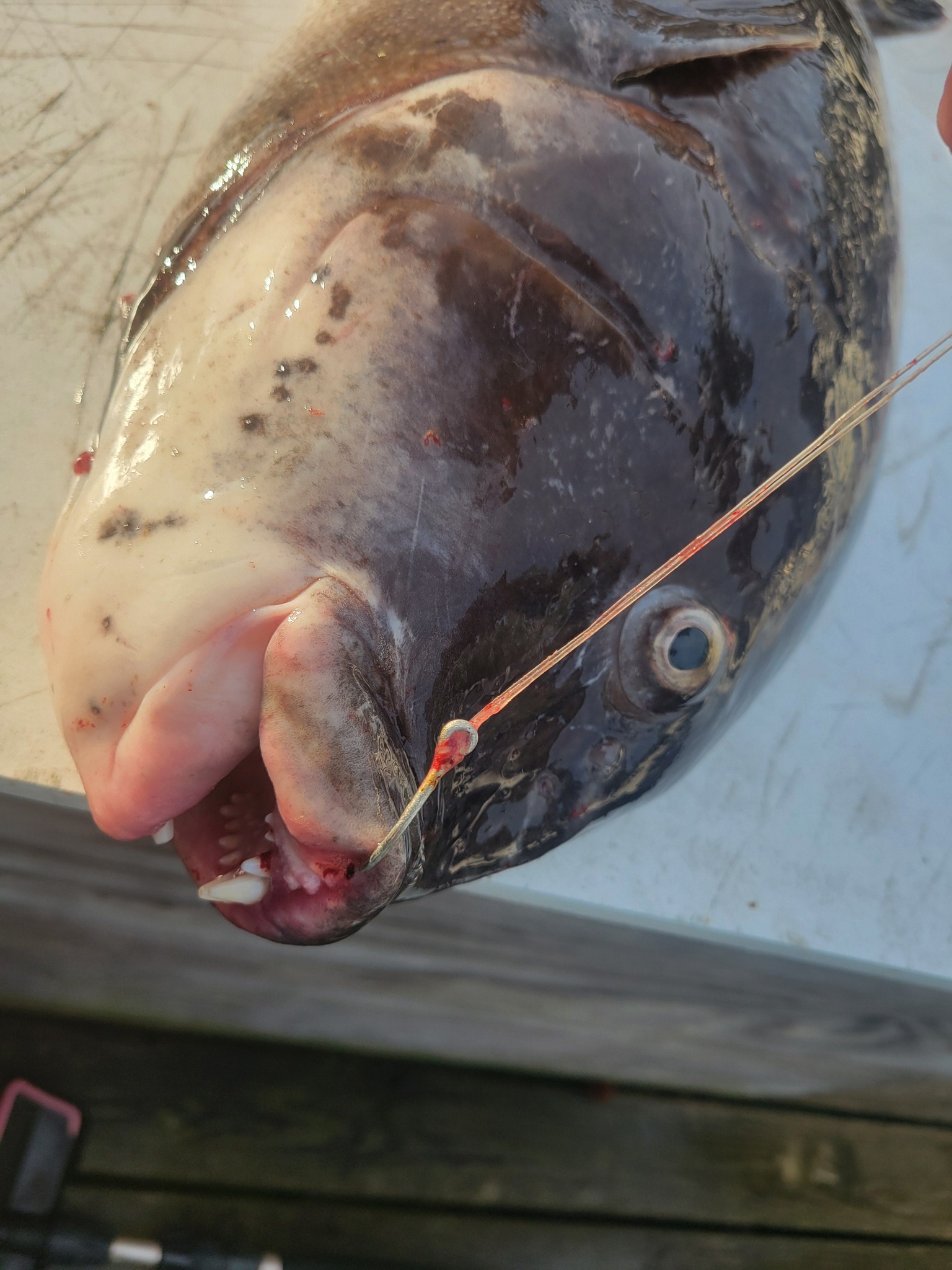
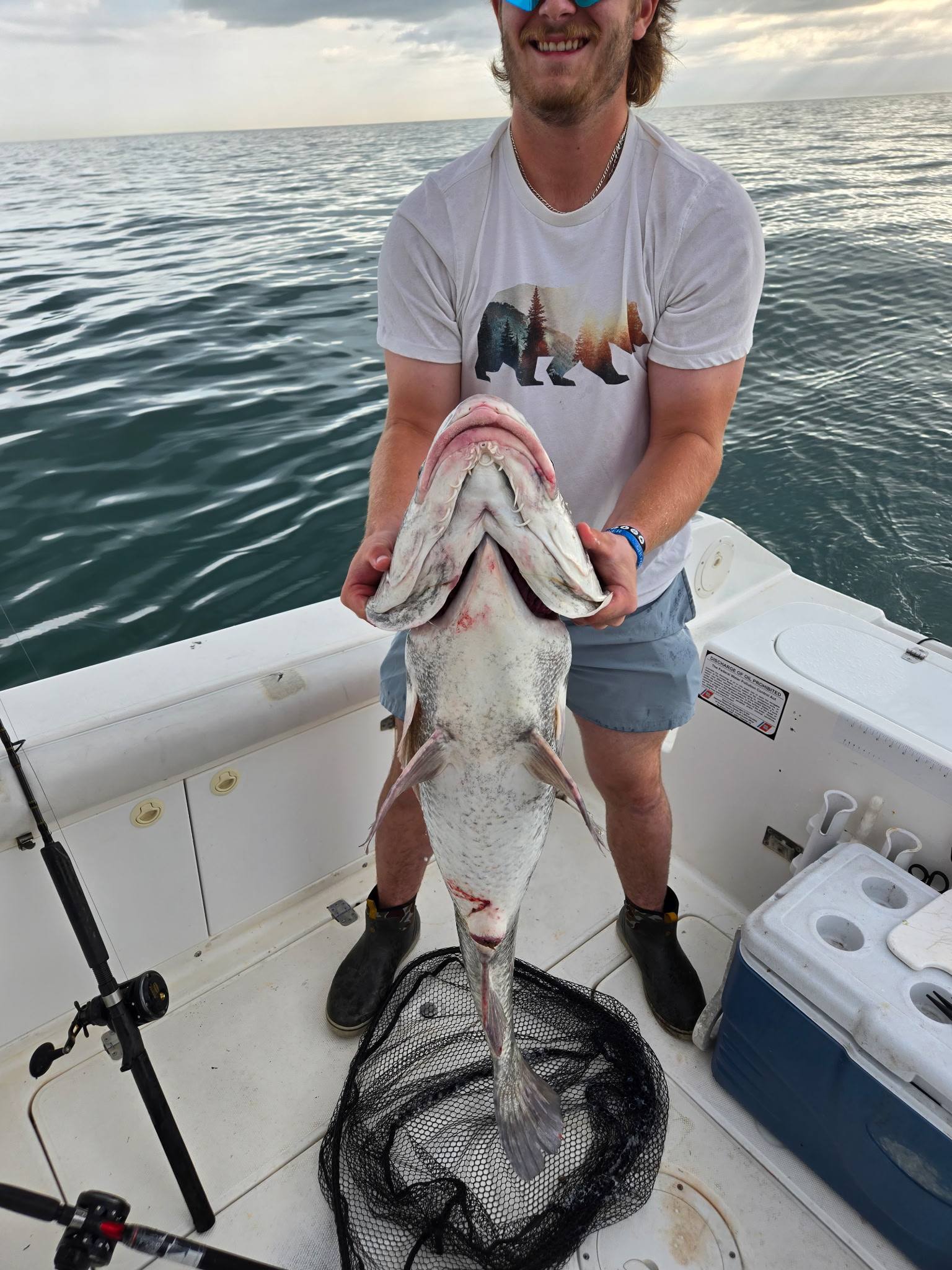
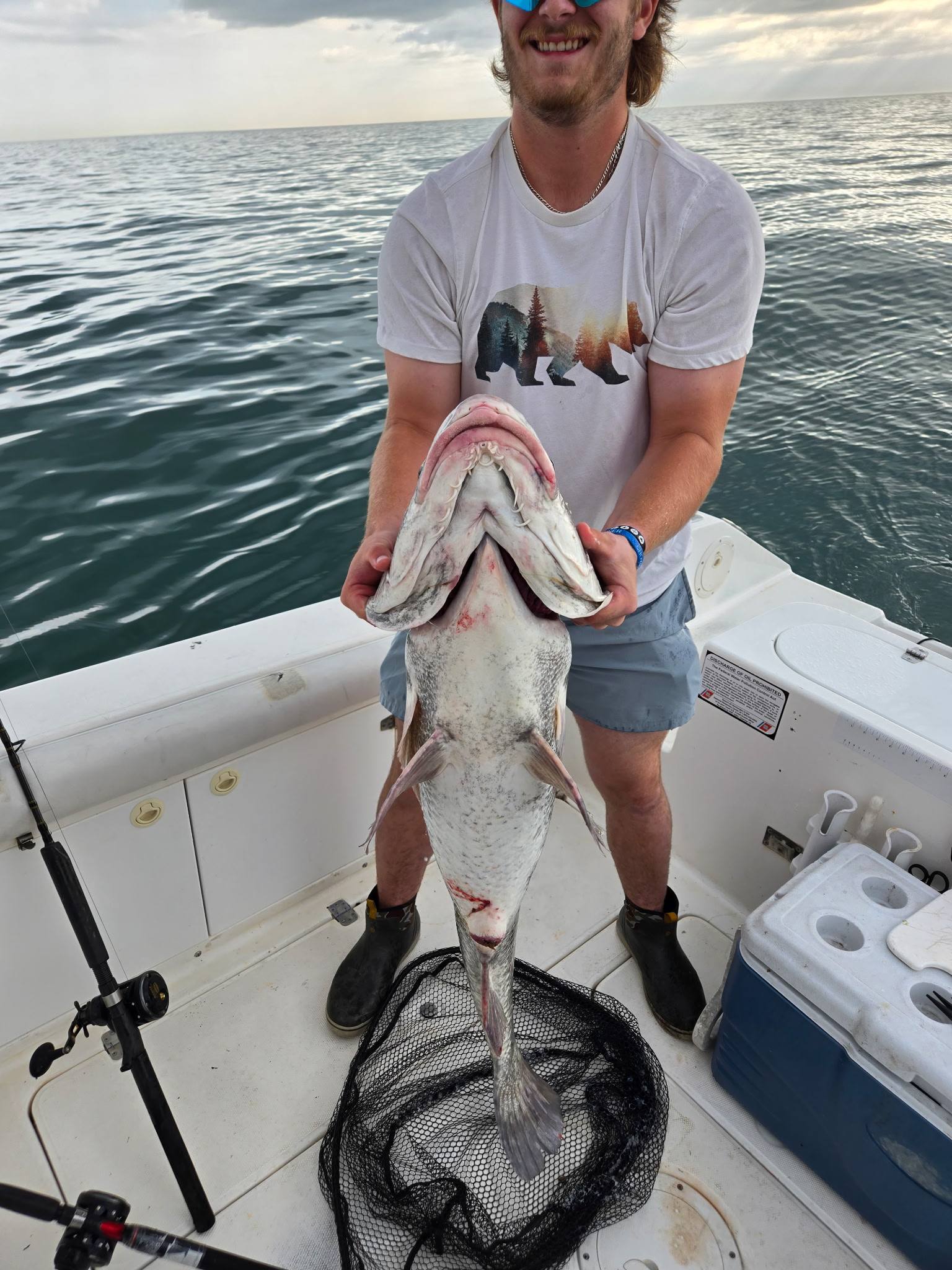
Black drum are the heavyweights of this fishery. These fish can push 40-60 pounds and provide the kind of fight that makes your arms burn. They're bottom dwellers that love structure and current, often found around bridge pilings where they feed on crabs and shellfish. Peak season runs from April through October, with the bigger fish often showing up in the fall. Landing a big drum on the right tackle is one of those experiences that keeps anglers coming back year after year.
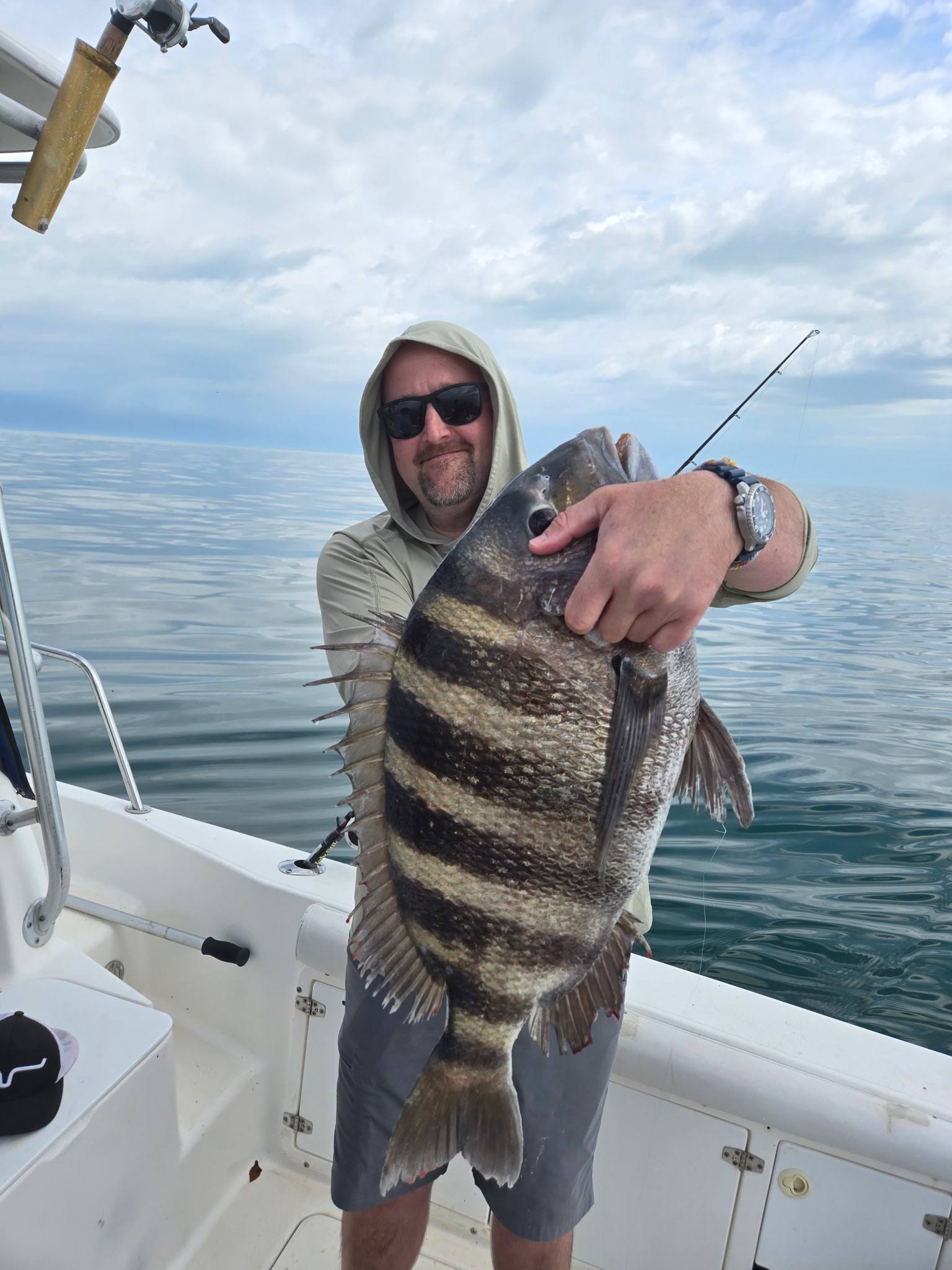
Sheepshead are the pickpockets of the inshore world – they'll steal your bait before you know they're there if you're not paying attention. They've got human-like teeth designed for crushing shellfish, and they use those teeth to nibble bait right off the hook. But when you connect with a good sheepshead, they fight hard and make excellent eating. They're structure fish like tautog, often found around the same pilings and reefs. Most run 2-5 pounds, with the occasional monster pushing 8-10 pounds.
Cobia are the wildcards that can make any trip memorable. These fish look like sharks when they cruise up to the boat, often following hooked fish or just checking out what's happening. They can range from small rats around 20 pounds up to monsters pushing 50-60 pounds. Cobia are curious fish that will often eat a variety of baits, from live eels to heavy jigs. They're strong fighters that make long runs and often jump, plus they're fantastic eating. Peak season in Virginia typically runs from May through September when they're moving through our waters.
Time to Book Your Spot
At $900 for up to four anglers, this represents serious value for a full day on the water with all licenses included. The March through December season gives you flexibility to hit different species as they move through Virginia's inshore waters. Whether you're a group of experienced anglers looking to put some quality fish in the boat or newcomers who want to learn proper inshore techniques, eight hours gives us time to adapt to conditions and put you on fish. The deposits are non-refundable, so when you're ready to commit to a day of serious fishing, give Remedy Sport Fishing a call and let's get you set up for the kind of charter that reminds you why Virginia's inshore fishing keeps drawing anglers back season after season.
 Private Trip
 Inshore Fishing
 undefined, undefined


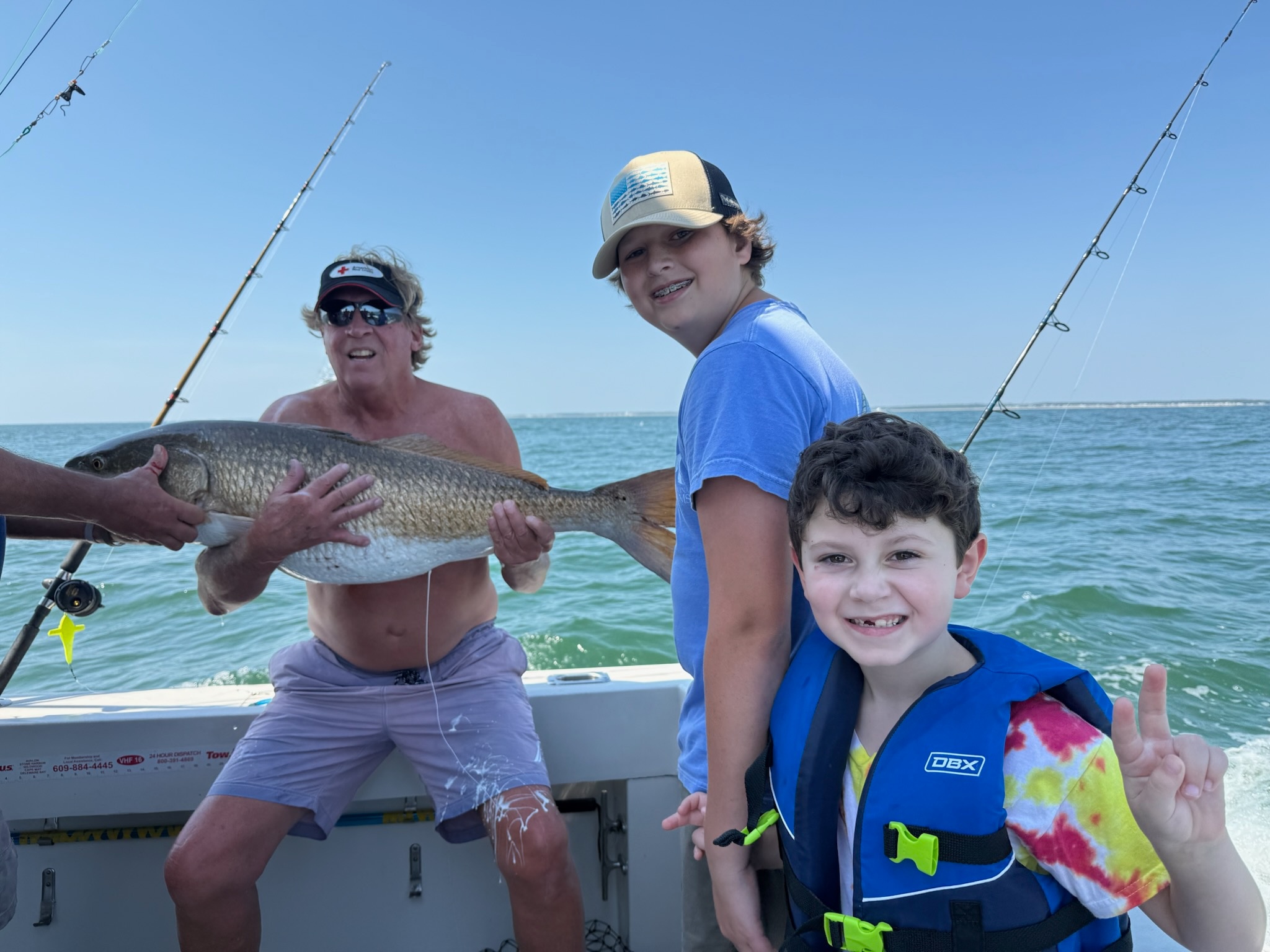
 Full 8-hour inshore charter targeting seven different species