Charter Fishing in NJ: Wreck Adventure
Ready to drop lines on some of New Jersey's most productive underwater structure? This inshore wreck fishing charter puts you right where the big boys hang out – around the artificial reefs and natural structure that hold everything from chunky sea bass to screaming king mackerel. You'll be fishing solo with Captain on Retriever Fishing Charters, giving you the personalized attention that makes all the difference between going home with stories and going home with a cooler full of fish. New Jersey's wreck fishing scene is legendary among East Coast anglers, and once you experience why these underwater monuments attract such incredible variety and size of fish, you'll understand what keeps locals and visiting anglers coming back season after season.
What to Expect on the Water
This trip targets the productive inshore wrecks and artificial reefs scattered along New Jersey's coast, where decades of intentionally sunk vessels and natural structure create the perfect habitat for aggressive predators and bottom dwellers alike. You'll be working water depths typically ranging from 40 to 80 feet, where the structure breaks up current flow and creates feeding zones that concentrate baitfish – and the gamefish that hunt them. The beauty of wreck fishing lies in its variety; one drop might produce a hefty black sea bass, while the next could see you battling a tiger shark that wandered up from deeper water. Captain knows these spots intimately, reading the fish finder and positioning the boat to maximize your chances whether you're bouncing bottom rigs or working the water column above the structure. The single angler capacity means you get undivided attention on technique, location selection, and species targeting – no rushing to keep up with a crowded boat or waiting your turn for prime fishing spots.
Techniques & Tackle Setup
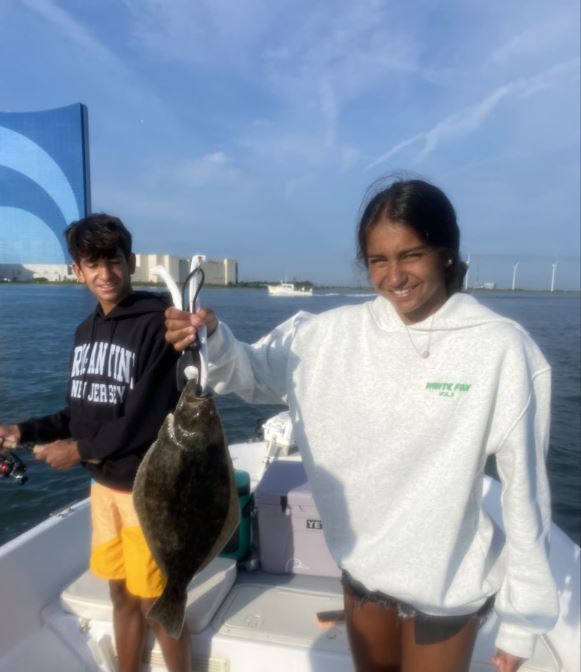
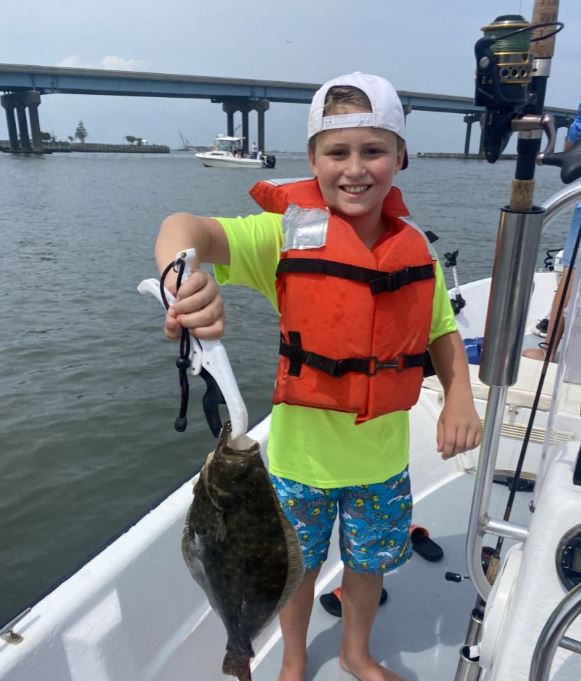
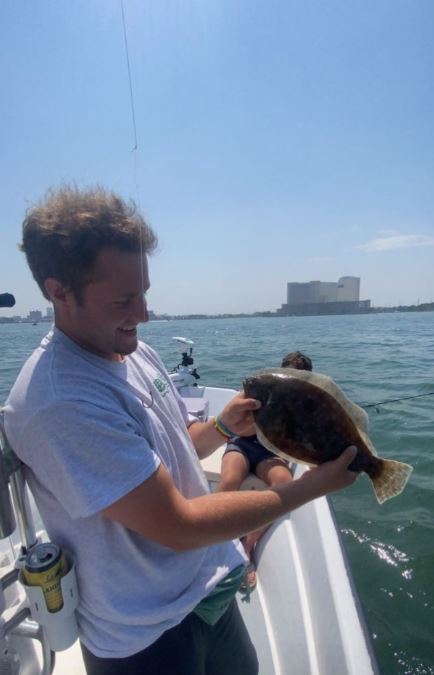
Wreck fishing demands versatility in your approach, and Captain comes prepared with the arsenal needed to match conditions and target species effectively. Bottom fishing forms the backbone of wreck fishing, using conventional rigs with circle hooks and enough weight to hold bottom in the current – typically anywhere from 6 to 12 ounces depending on tide and wind. High-low rigs work great for sea bass and trigger fish, while single hook bottom rigs excel when targeting larger flounder and tog around the structure. But don't think you'll be stuck on bottom all day; when pelagics like king mackerel, little tunny, and bluefish show up in the water column, it's time to switch gears to trolling or live bait fishing. Captain reads the water and adjusts techniques throughout the trip, maybe starting with bottom fishing at first light when the bass are active, then switching to trolling or drift fishing when the kings start showing on the fish finder mid-morning. The key to successful wreck fishing is staying mobile and adaptable – these fish don't read the playbook, and neither should you.
Target Species
King mackerel represent the speed demons of this fishery, typically showing up from late spring through fall when water temperatures climb above 68 degrees. These silver bullets can stretch 20 to 40 pounds and provide some of the most blistering runs you'll experience in New Jersey waters. Kings hunt the edges of wrecks where baitfish congregate, and when one hits your trolled bait or live offering, you'll know instantly from that signature screaming run. They're incredibly popular because they fight clean – lots of long runs and jumps – plus they're outstanding on the dinner table when handled properly.
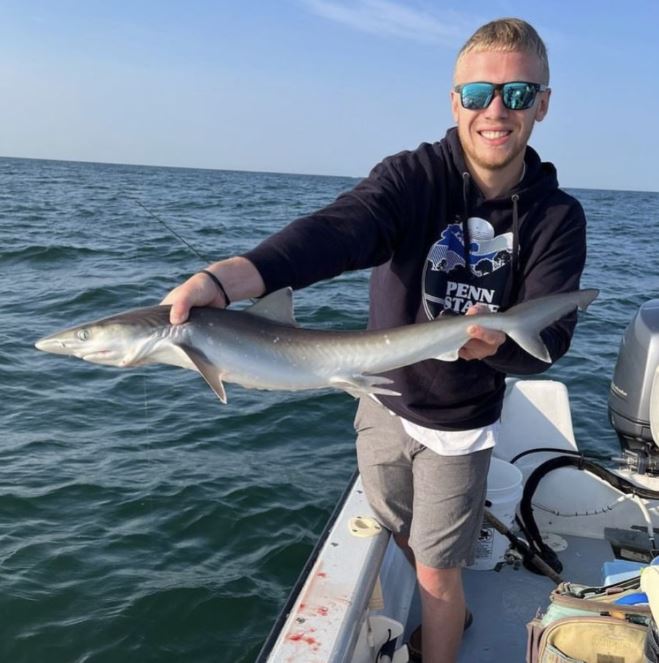
Tiger sharks bring the big game element to New Jersey wreck fishing, especially during summer months when these apex predators follow warm water and abundant food sources inshore. While catching one isn't guaranteed, the possibility adds serious excitement to every fight. Tigers can range from small juveniles to monsters pushing several hundred pounds, and their powerful, determined fighting style tests both angler skill and tackle limits. Most anglers target them specifically using heavy conventional tackle and large baits, though they're opportunistic enough to grab intended sea bass baits on lighter tackle – creating memorable battles that become legendary fish stories.
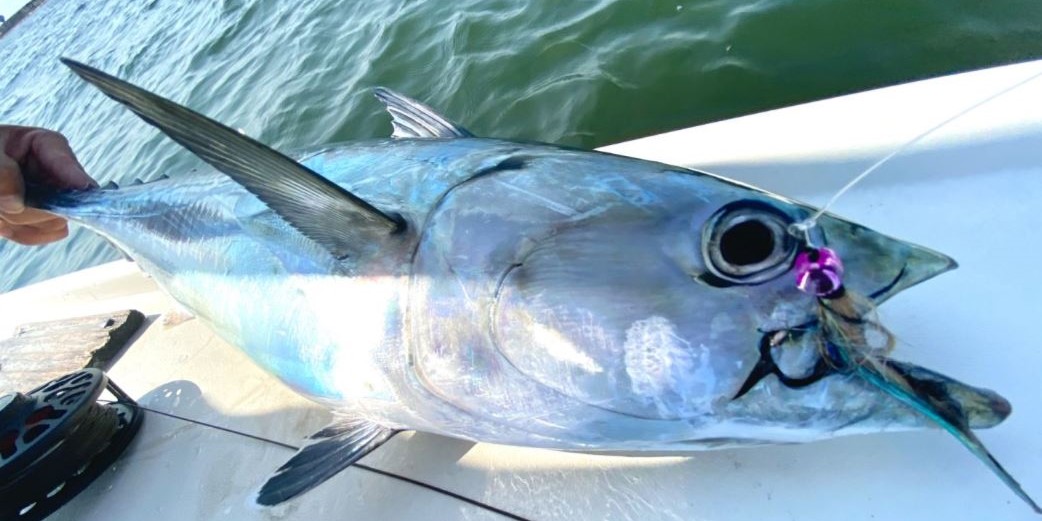
Little tunny, also called false albacore, show up around wrecks from mid-summer into fall, offering light tackle excitement that's hard to match. These 5 to 15-pound speedsters school up and feed aggressively on small baitfish, creating topwater action that gets your heart pumping. They're fantastic on spinning tackle, providing multiple jumps and blistering runs that showcase their tuna genetics. Anglers love them because they're willing biters when located, often resulting in multiple hookups and non-stop action during feeding periods.
Bluefish remain one of New Jersey's most reliable and aggressive species around wreck structure, particularly during spring and fall migrations. These choppers range from snapper-sized juveniles to hefty adults pushing 15 pounds, and they're never shy about attacking baits. Blues hunt in schools and feed with reckless abandon, often creating feeding frenzies where multiple hookups are common. They're popular because they're consistent producers, excellent fighters for their size, and respond to various techniques from trolling to bottom fishing.
Black sea bass anchor the bottom fishing action around New Jersey wrecks, with these chunky fighters available virtually year-round in fishable numbers. Structure-oriented fish that rarely venture far from cover, sea bass use their powerful bodies and knowledge of the wreck to test your drag and try wrapping you off on the nearest piece of steel. They typically run 1 to 4 pounds with occasional larger specimens, and they're prized for their cooperative nature and outstanding table fare. Sea bass fishing teaches you to fish structure effectively – you need to get your bait down into their domain while maintaining enough control to pull them away from the wreck when hooked.
Time to Book Your Spot
New Jersey's wreck fishing scene delivers the goods year-round, with each season bringing different species and opportunities to test your skills against structure-savvy gamefish. This single angler setup gives you the personalized experience that makes the difference between a good trip and a great one – no crowded rails, no rushing
 Private Trip
 Wrecks/Reefs Fishing
 Atlantic City


 Target flounder, sea bass, triggerfish, and tog around underwater wrecks