Master Your Cast with Mississippi Fly Lessons
Perfect your fly casting technique with Richard Schmidt's one-hour private lessons right here in Mississippi. Whether you're brand new to the long rod or looking to dial in your accuracy before hitting our coastal waters, these sessions give you the focused instruction you need. Limited to just two students, you'll get personalized attention that covers everything from basic casting mechanics to advanced presentation techniques. Morning sessions start at 9 a.m. when conditions are calm and perfect for concentrated practice. All gear provided if you need it, so you can jump right in and start learning.
What to Expect on the Water
Your hour kicks off with the fundamentals – proper grip, stance, and the timing that makes fly casting look effortless. Richard breaks down each movement so you understand why the rod loads and unloads the way it does. You'll practice the basic overhead cast until it feels natural, then move into roll casts for tight spots and sidearm presentations for windy conditions. Line control comes next, teaching you how to mend, strip, and manage your fly line like a pro. The session wraps up with presentation tips that'll help you drop flies exactly where fish are feeding. These aren't just casting drills – everything you learn translates directly to catching more fish when you're out there for real.
Technique Breakdown & Gear
Fly casting is all about timing, not muscle. Richard focuses on teaching the pause between back cast and forward cast that lets your line fully extend. You'll learn to feel the rod load as it bends under the line's weight, then release that energy smoothly on the forward stroke. The lessons cover different line weights and how they affect your casting stroke – lighter lines for delicate presentations to spooky redfish, heavier lines for punching through wind to reach schooling trout. Rod selection gets explained too, from fast-action sticks that launch line quickly to slower rods that help with accuracy at close range. All gear can be provided, but if you have your own setup, bring it along so you're practicing with equipment you'll actually fish with.
Target Species You'll Be Ready For
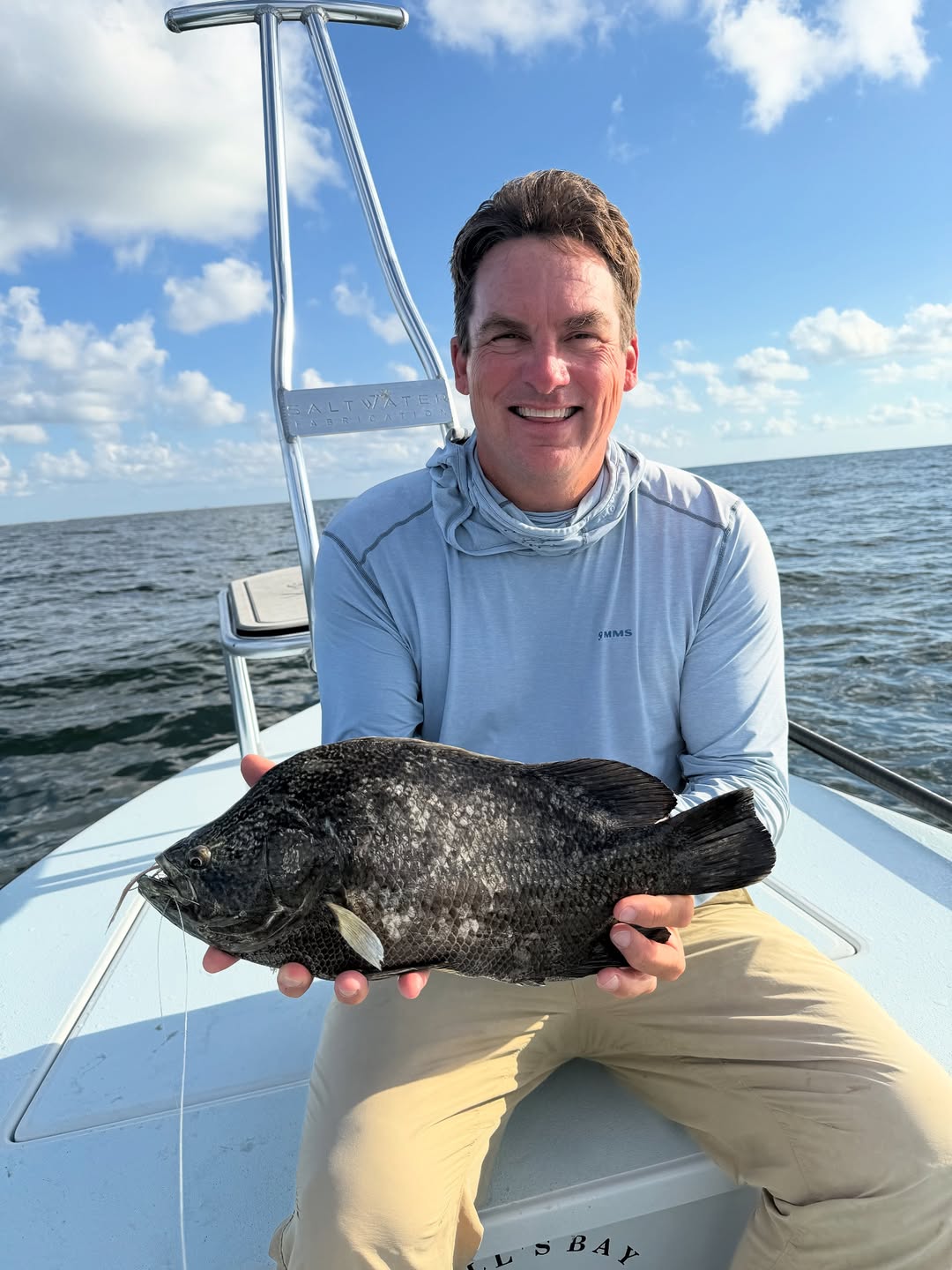
Black drum are Mississippi's bulldogs, powerful fish that cruise shallow flats looking for crabs and shrimp. These copper-colored bruisers can push 30-40 pounds and will test everything you learned about line control. They're most active during spring and fall when water temps are moderate. What makes them exciting is their habit of tailing in super shallow water – you'll see their black tails sticking up as they root around the bottom. Getting a clean presentation to a tailing drum without spooking it is pure fly fishing gold.
Sheepshead are the pickiest eaters you'll encounter, but that's what makes them so rewarding. These black-and-white striped fish have human-like teeth for crushing barnacles and oysters. They hang around structure like pilings, jetties, and oyster bars year-round, with peak action in cooler months. Sheepshead require pinpoint accuracy and a dead-drift presentation – skills your casting lesson will definitely improve. Land one of these 3-5 pound fighters and you've earned serious bragging rights among local anglers.
Sea trout are Mississippi's most cooperative gamefish, making them perfect for putting your new casting skills to work. These spotted beauties patrol grass flats and channel edges, especially during spring and summer. They hit topwater flies early and late in the day, giving you plenty of chances to practice different retrieves. Trout average 2-3 pounds but fight way above their weight class with spectacular jumps. Their willingness to eat makes them ideal confidence builders for newly trained fly casters.
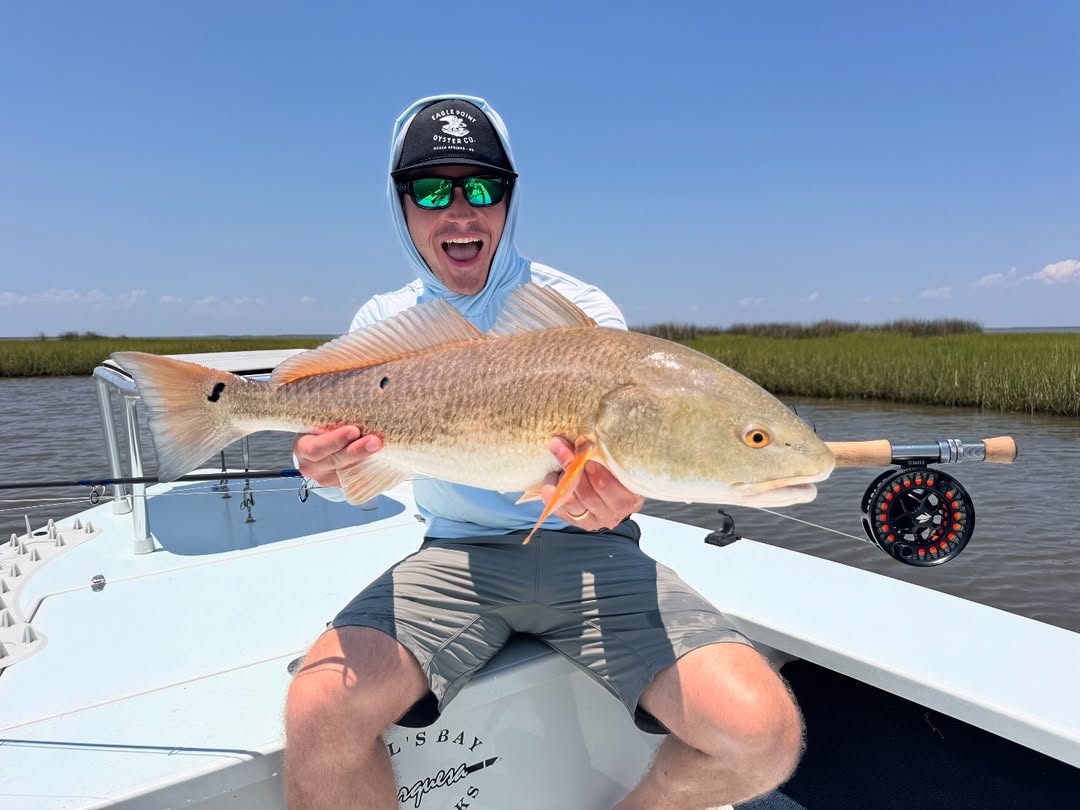
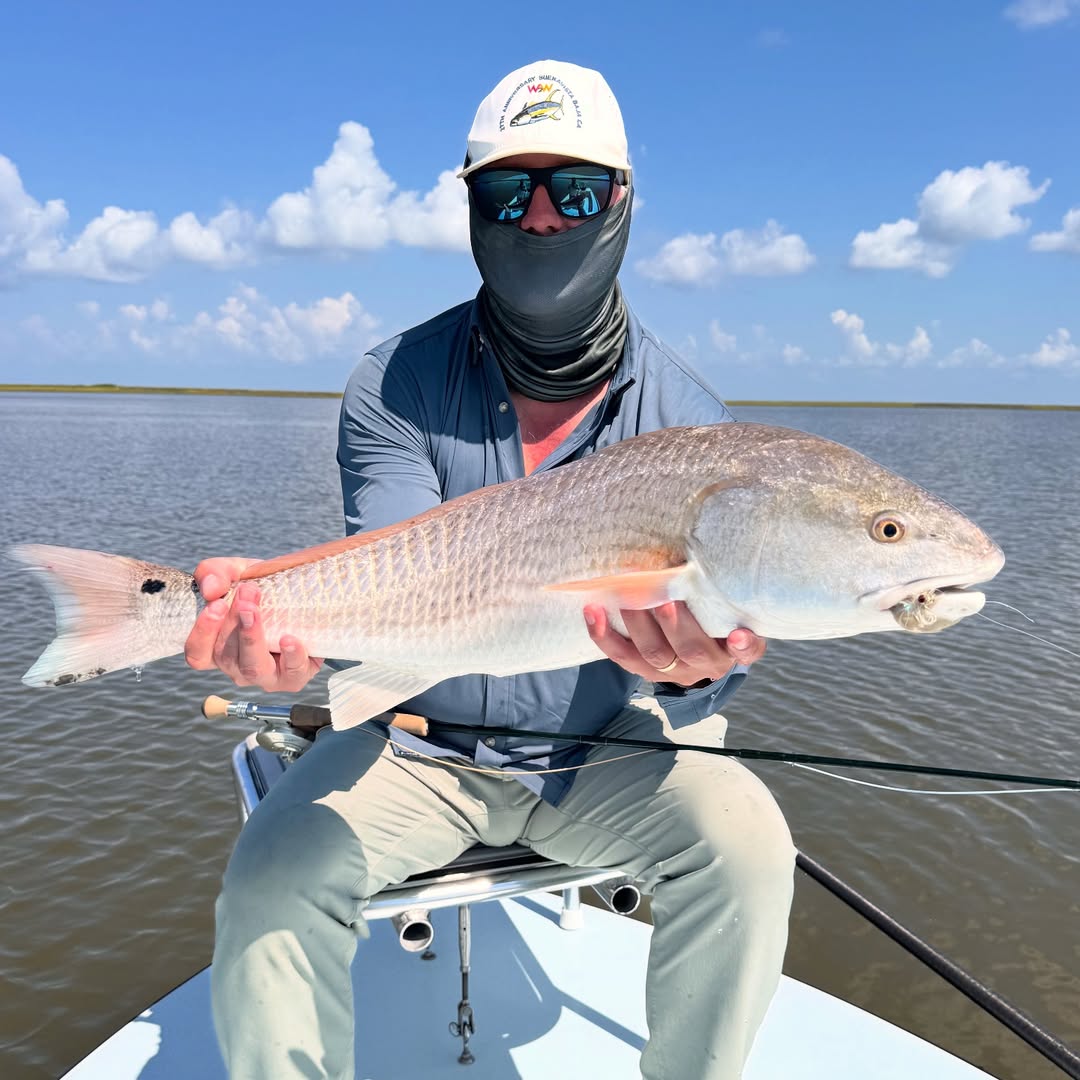
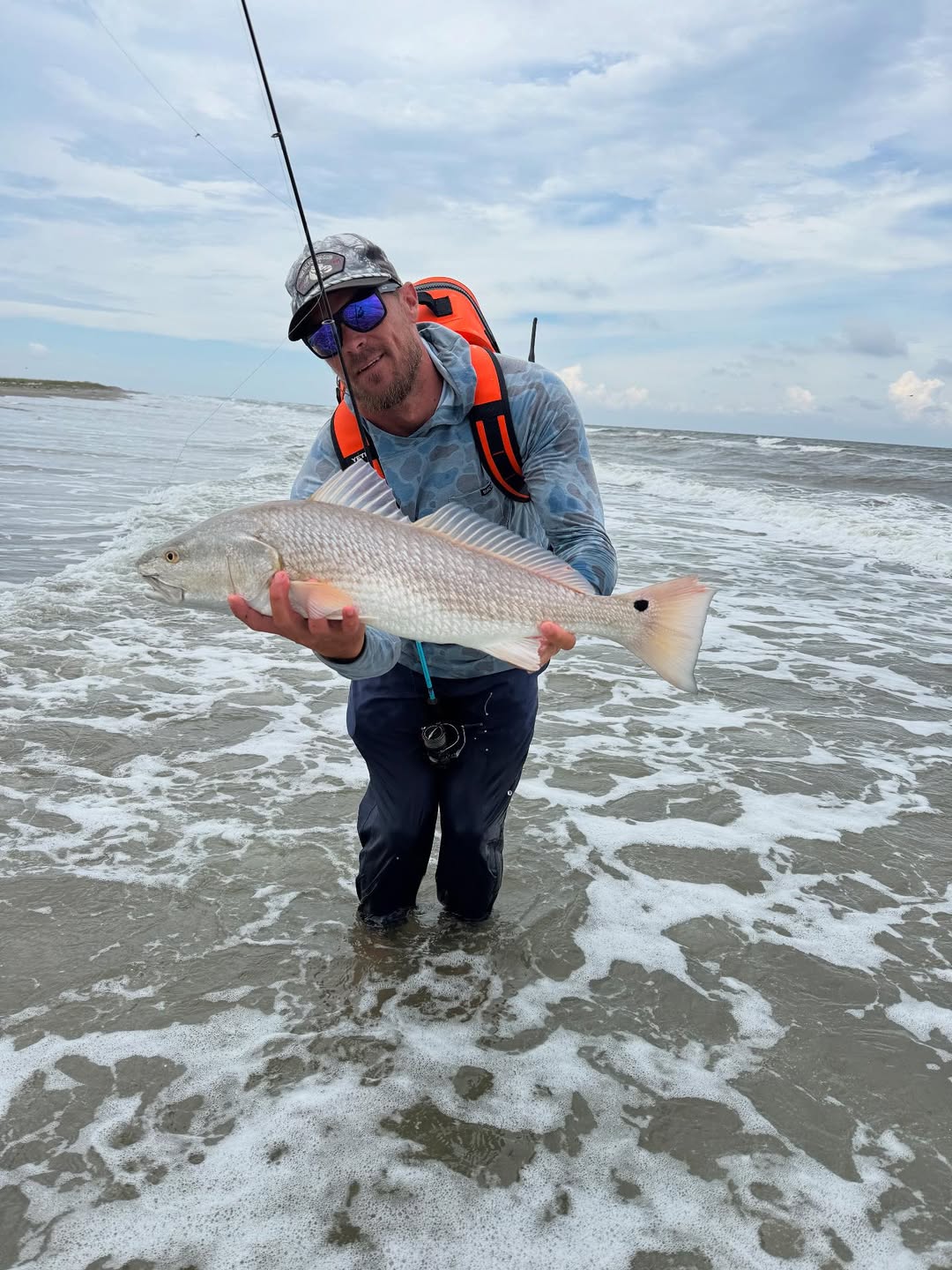
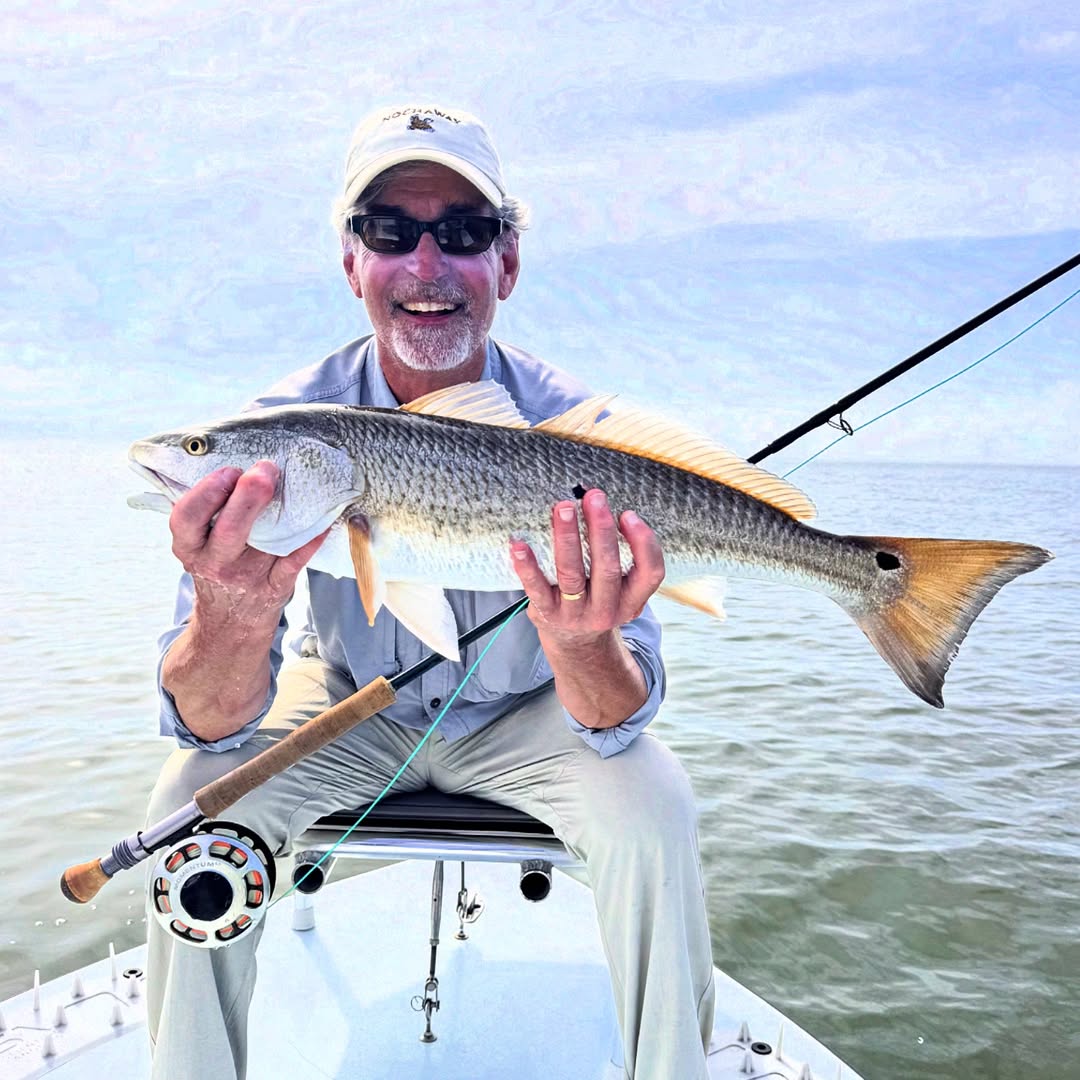
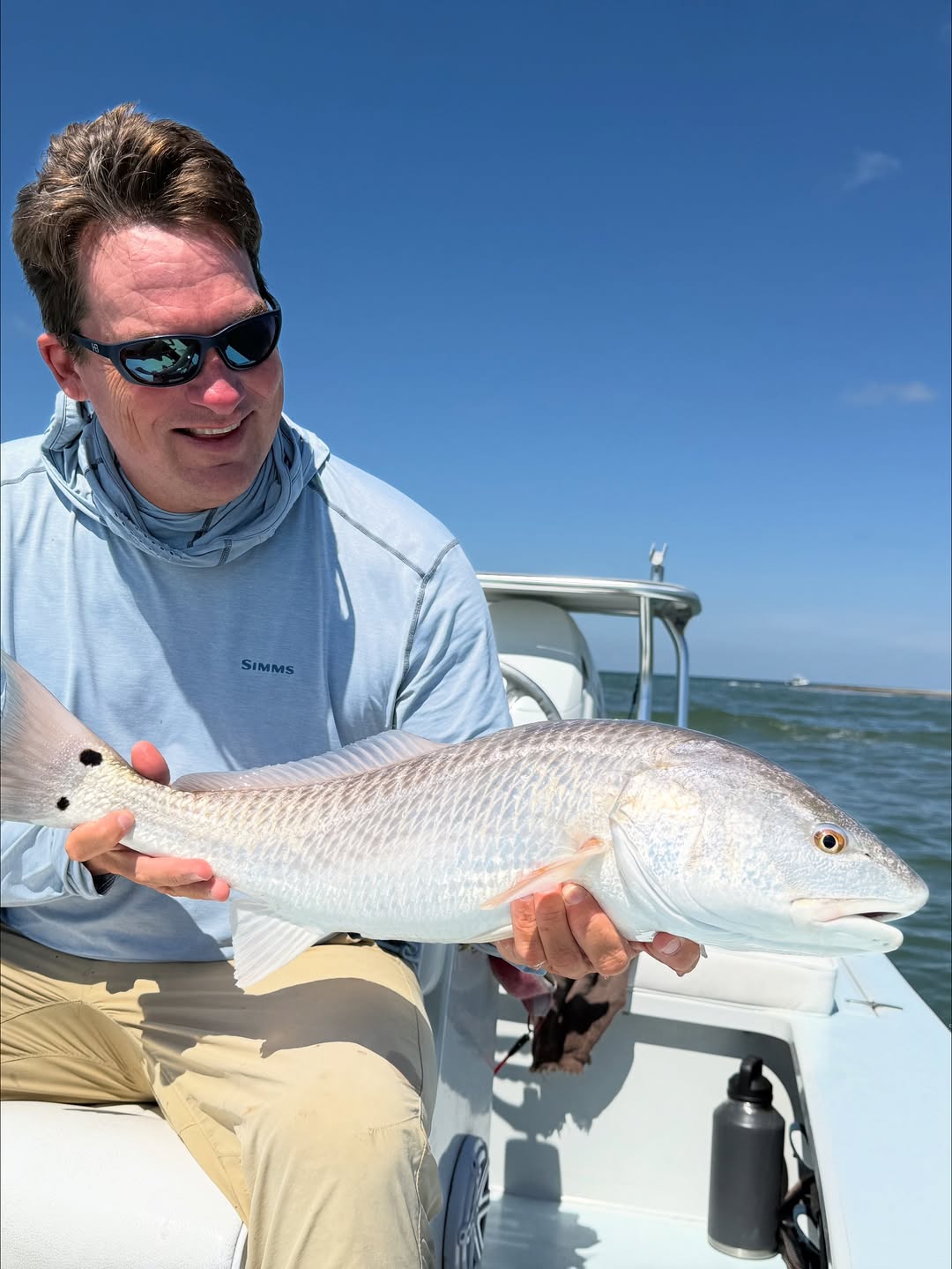
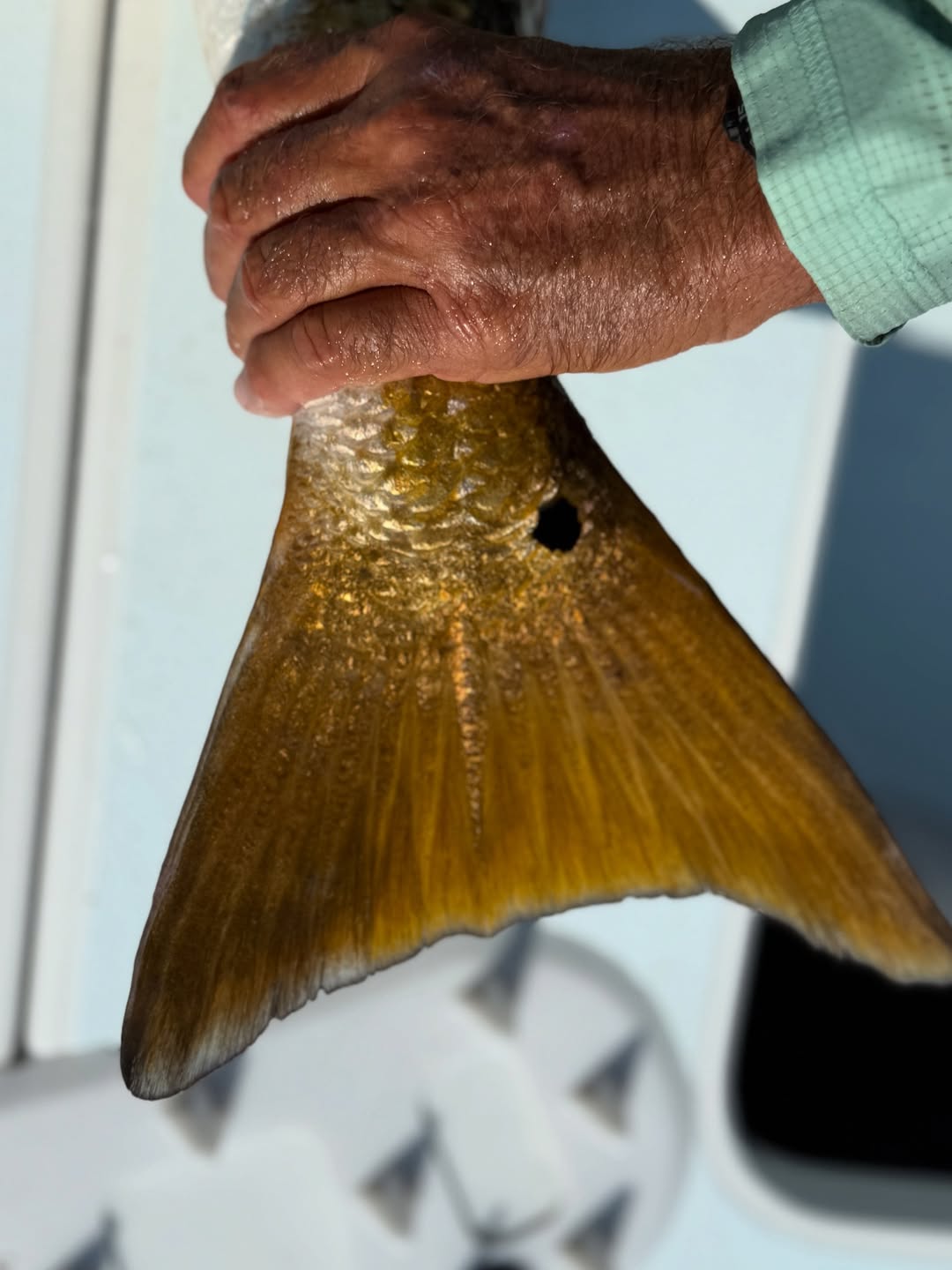
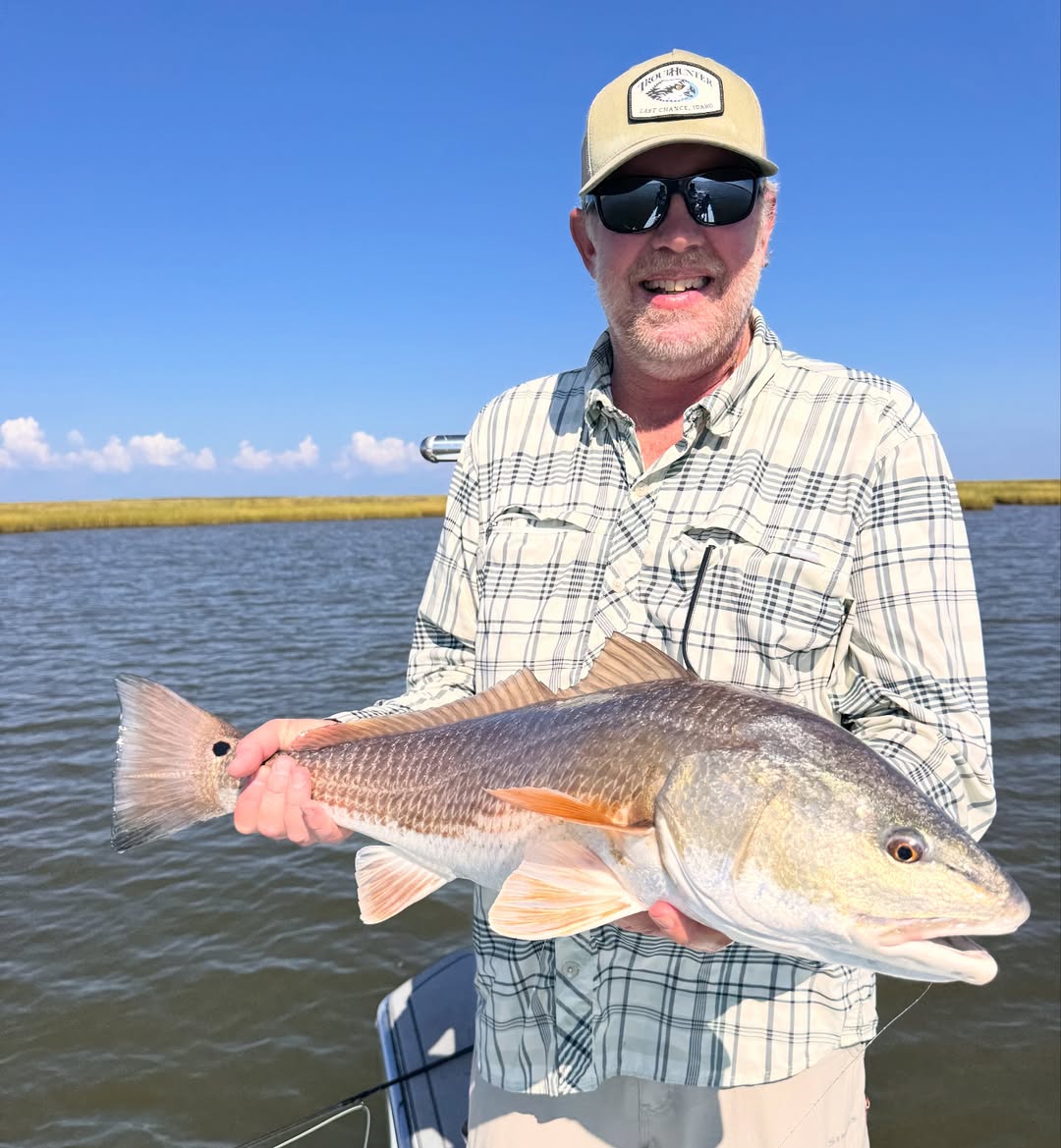
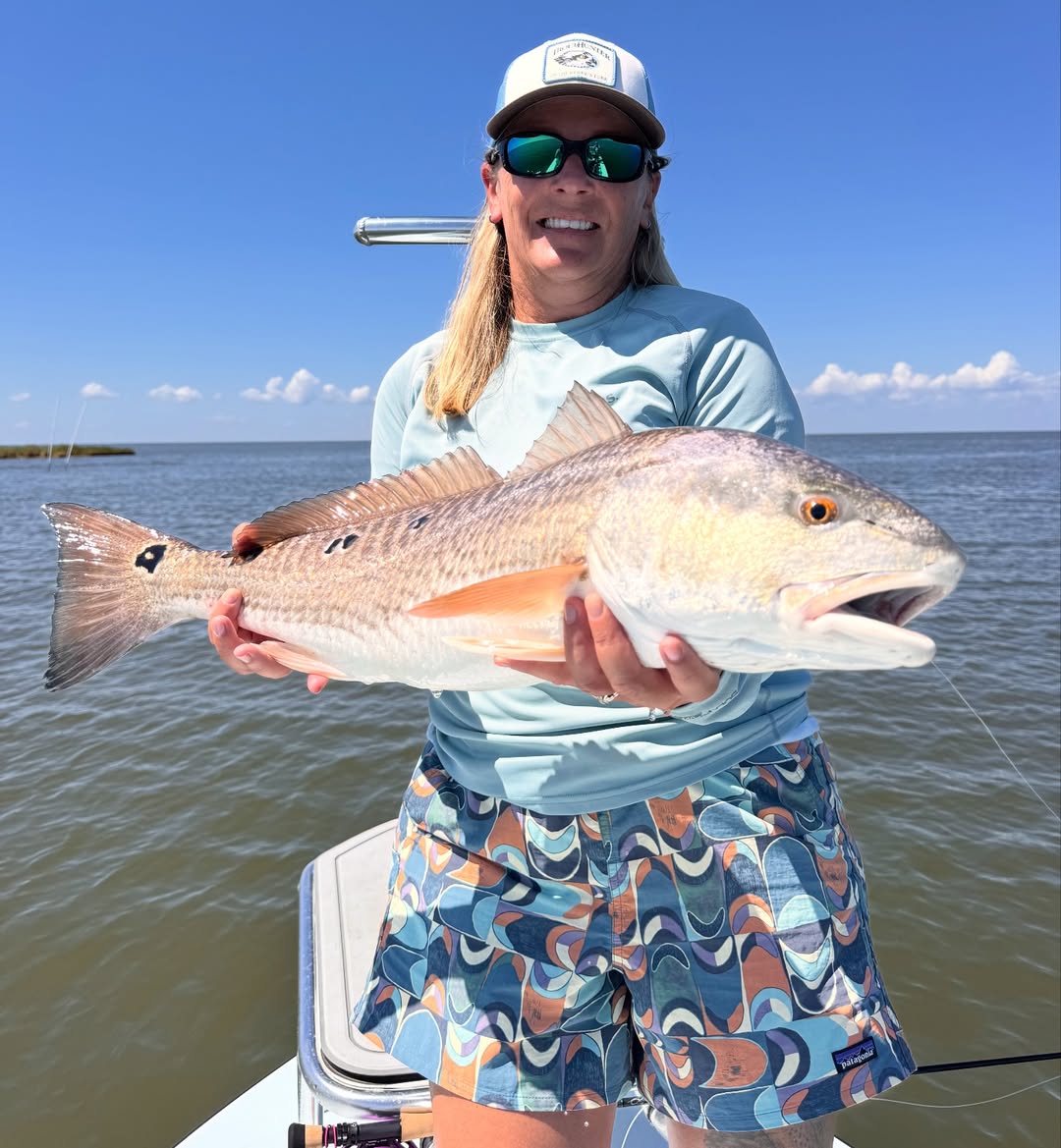
Redfish are the ultimate sight-fishing target and exactly why you want your casting dialed in. These bronze-backed bulls cruise shallow water hunting baitfish and crustaceans. Spring through fall offers the best action, with reds often feeding in water so shallow their backs show. A spooked redfish means a blown opportunity, so accurate casting is everything. When you connect, expect blistering runs toward the nearest oyster bar. Reds average 8-12 pounds in Mississippi waters and provide the kind of visual excitement that makes fly fishing addictive.
Time to Book Your Spot
Don't head out on the water unprepared – solid casting fundamentals make the difference between watching fish swim away and actually catching them. These private lessons give you skills that'll last a lifetime, whether you're targeting our local inshore species or planning trips elsewhere. Morning sessions offer perfect conditions for learning, and the small class size means you get the individual attention needed to really improve. Richard's instruction focuses on real-world applications, so every technique you practice has immediate value on your next fishing trip. Remember that deposits are non-refundable, so commit to improving your game and book your casting lesson today.
 Private Trip
 Inshore Fishing
 undefined, undefined


 Private one-hour fly casting sessions for up to two students