Half Day Fishing Trip - Carolina Beach, NC
Looking for some solid inshore action without burning the whole day? Captain Ray Dixon and Rip N Lips Charters have you covered with this top-rated 5-hour fishing adventure that puts you right where the fish are biting. We're talking productive waters around Carolina Beach where Red Drum cruise the shallows, Spanish Mackerel tear up the surface, and Speckled Trout hang around structure waiting for the right presentation. This morning trip gives you plenty of time to work different spots while still having your afternoon free. Whether you're bringing the family, meeting up with fishing buddies, or just want to get your line wet in some of North Carolina's best inshore waters, Captain Ray keeps things comfortable and focused on putting fish in the boat.
What to Expect on the Water
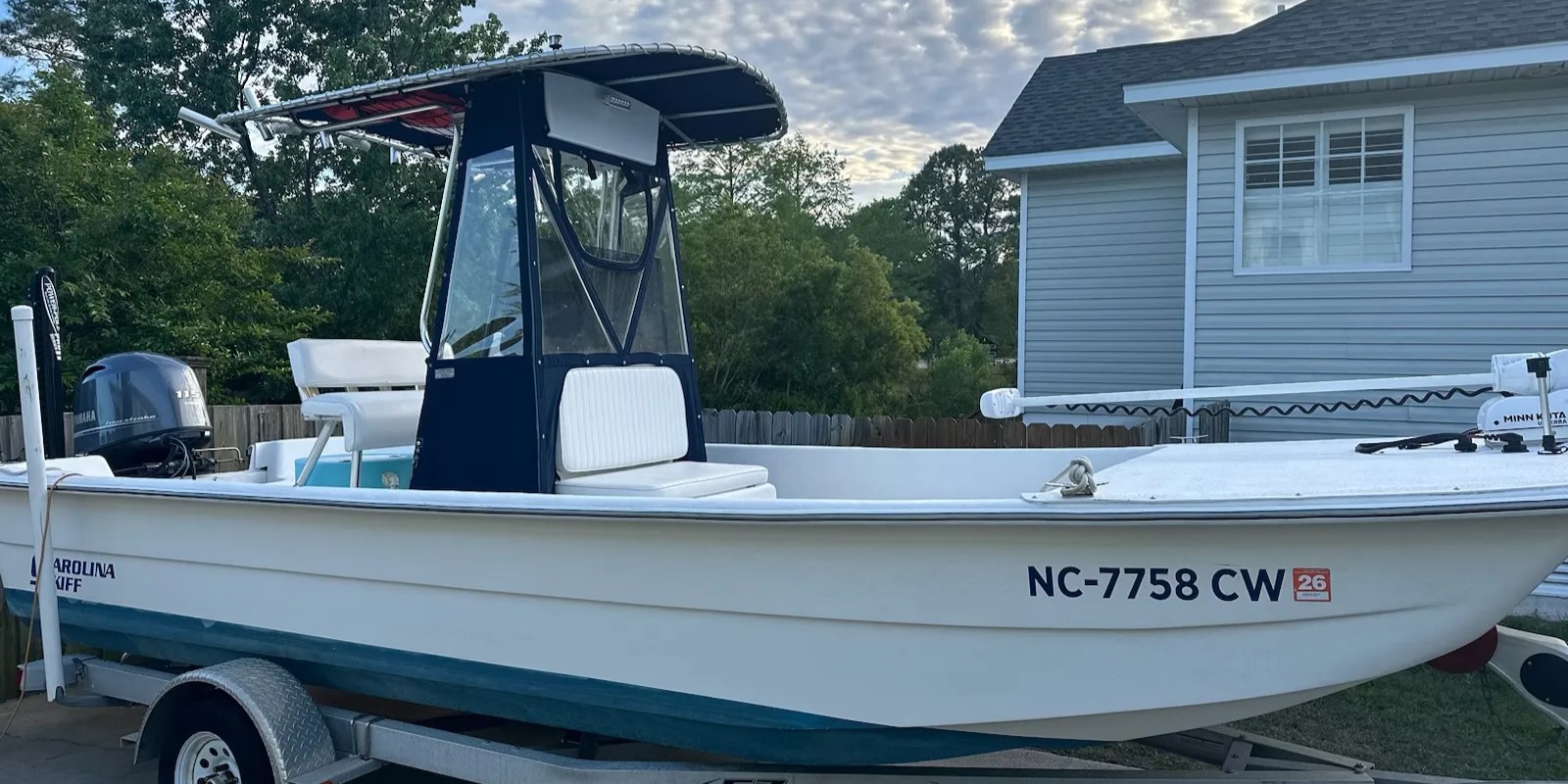
Captain Ray Dixon brings 6 years of local knowledge to every trip, and that experience shows in how he reads the water and adjusts to conditions. You'll launch in the morning when the bite is usually at its best, working productive inshore spots that hold fish year-round. The beauty of this setup is the flexibility - if the reds aren't cooperating in the grass flats, we might slide over to some structure for trout, or hit the nearshore waters if the Spanish Mackerel are running. Ray keeps quality gear on board, so you don't need to worry about bringing tackle unless you've got favorites you prefer. With just 3 anglers max, everyone gets personalized attention and plenty of room to fish comfortably. The pacing stays relaxed but productive - no rushing between spots, just solid fishing in waters that consistently produce.
Techniques & Tackle
Inshore fishing around Carolina Beach means versatility is key, and Captain Ray comes prepared for whatever the fish want. Live bait is often the ticket here - we're talking finger mullet, mud minnows, and shrimp that trigger aggressive strikes from hungry reds and trout. When the Spanish Mackerel are running, small spoons and Got-Cha plugs can create fast action that keeps everyone busy. For targeting flounder, we'll work soft plastics along the bottom structure where these flatfish ambush prey. The gear stays appropriate for the conditions - medium action spinning rods that can handle everything from 14-inch trout to slot-sized red drum. Ray knows when to anchor up and fish structure, when to drift with live bait, and when to cover water looking for active schools. The technique changes with the tide, the season, and what's biting, but the focus always stays on giving you the best shot at consistent action.
Species You'll Want to Hook
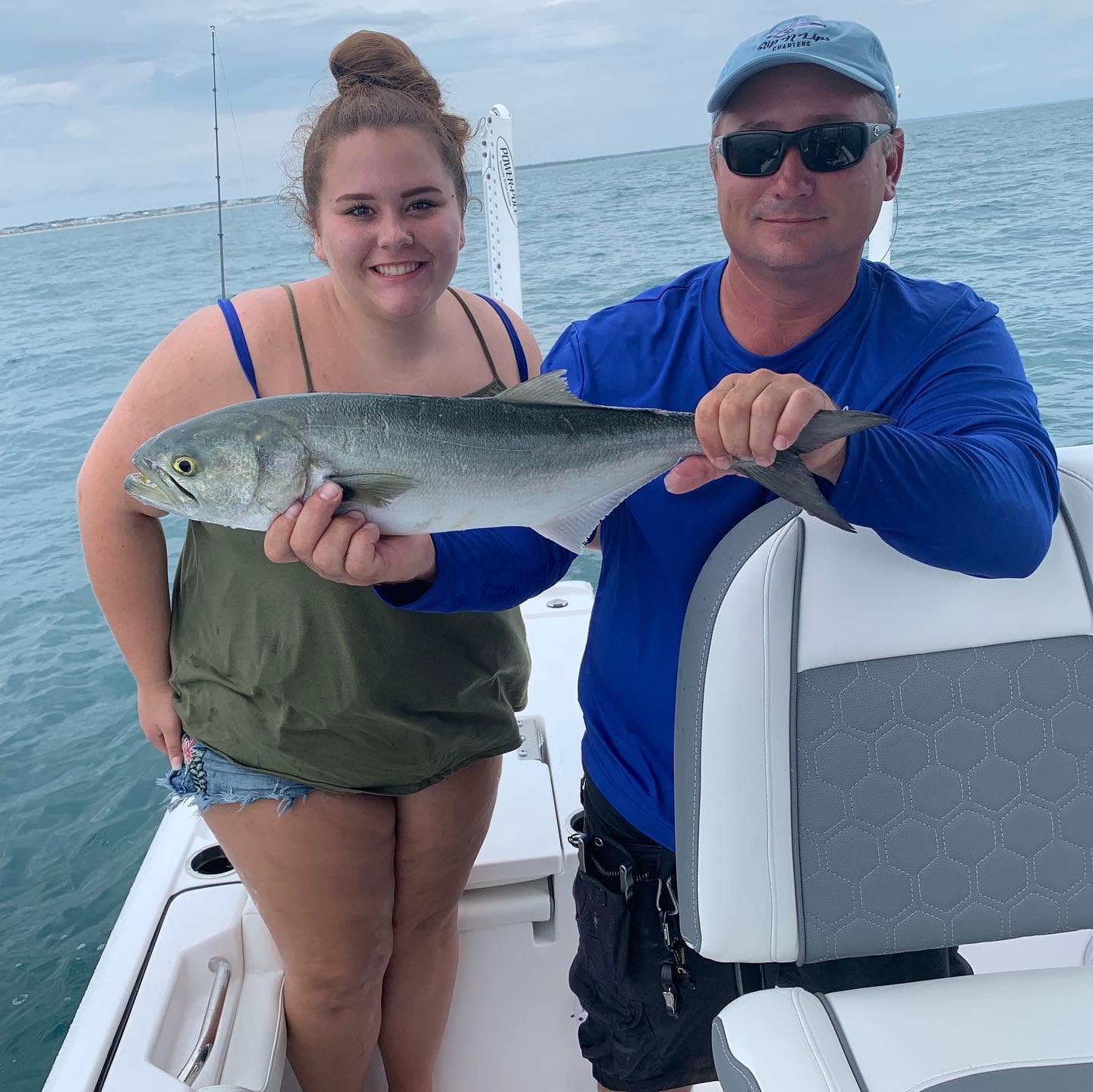
Spanish Mackerel show up in good numbers during the warmer months, typically from late spring through fall. These silver bullets average 1-3 pounds and fight way above their weight class, making screaming runs that test your drag. They school up in the nearshore waters and around structure, often creating surface commotion when they're feeding. What makes Spanish Mackerel so fun is the fast action - when you find a school, you can catch them back-to-back until your arms get tired. They're also excellent table fare with firm, flaky meat that's perfect on the grill.
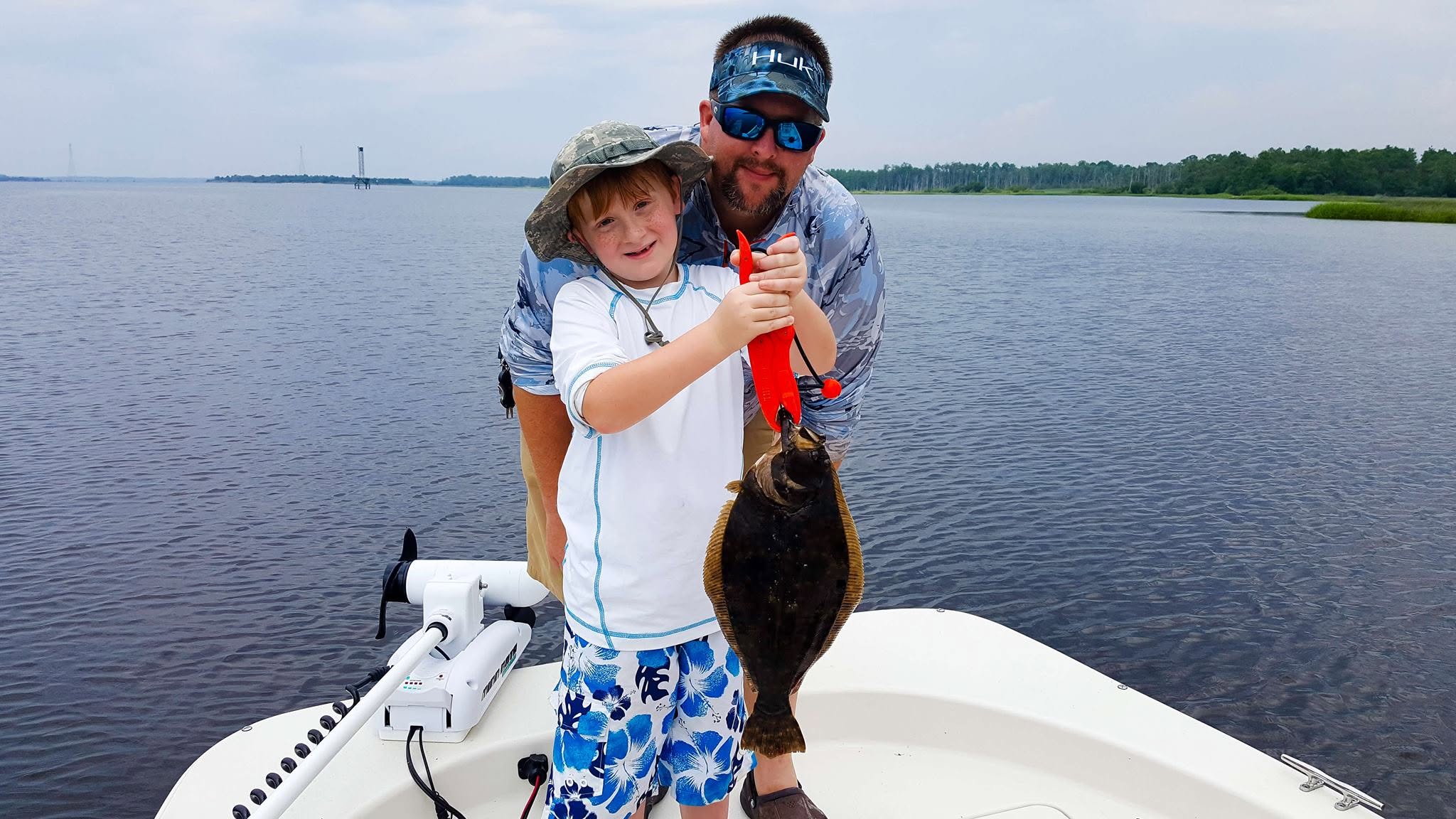
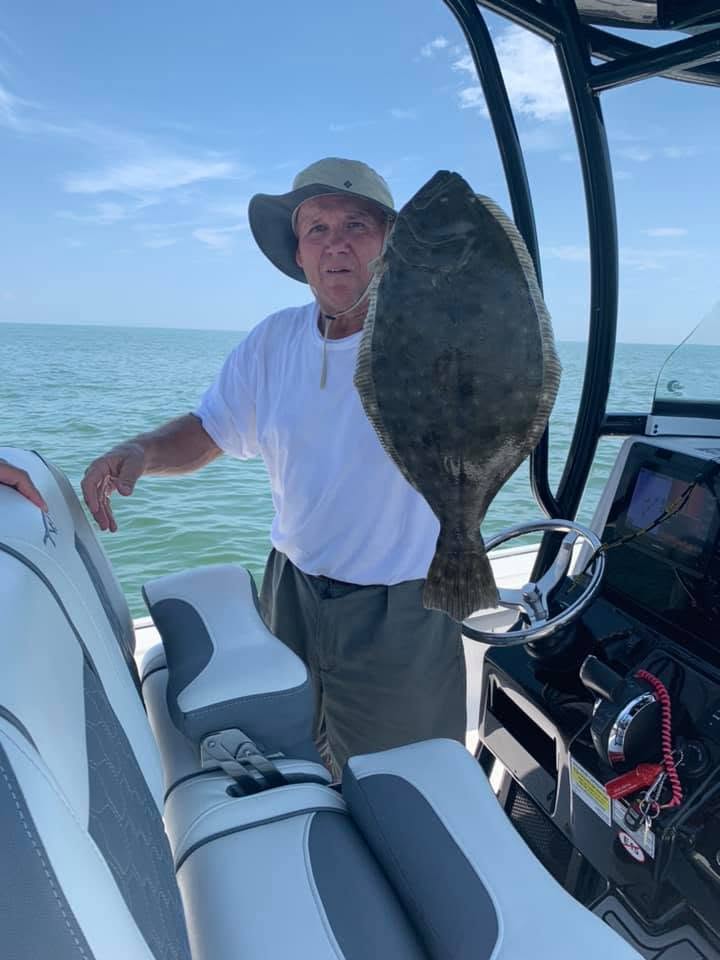
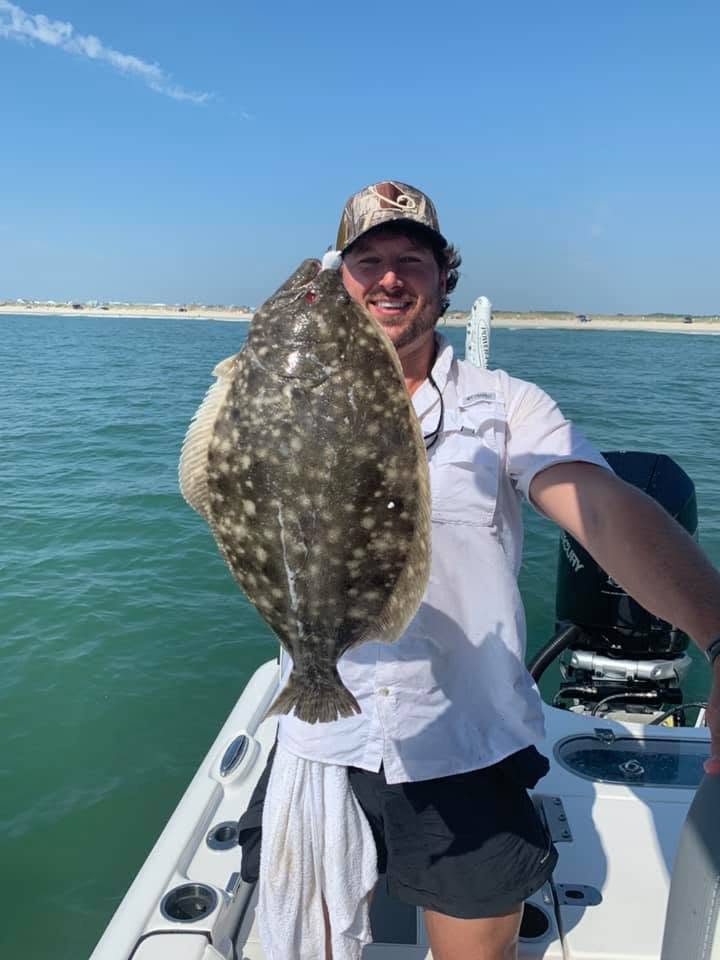
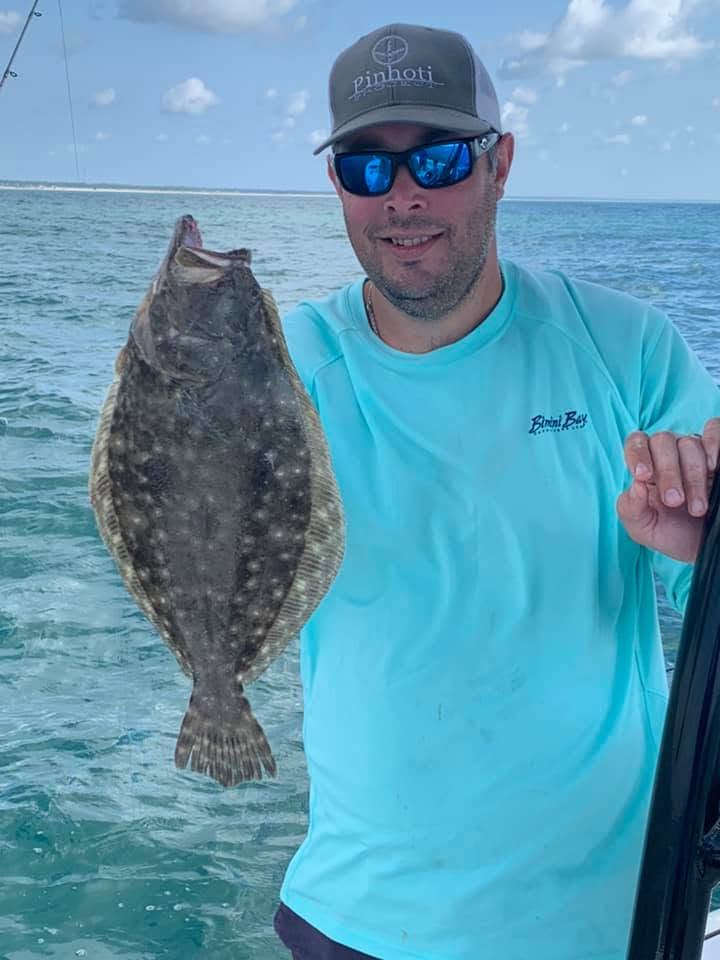
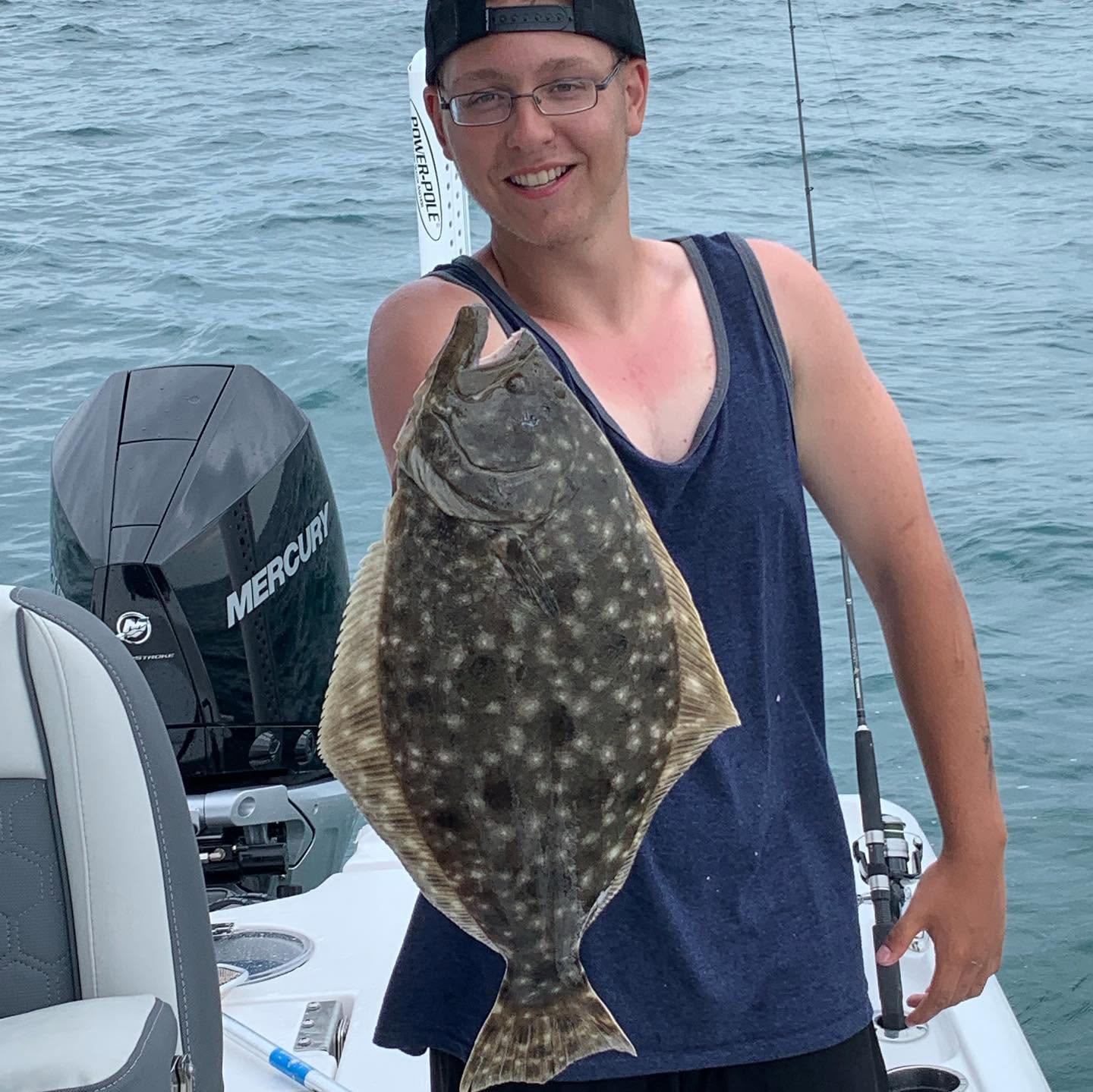
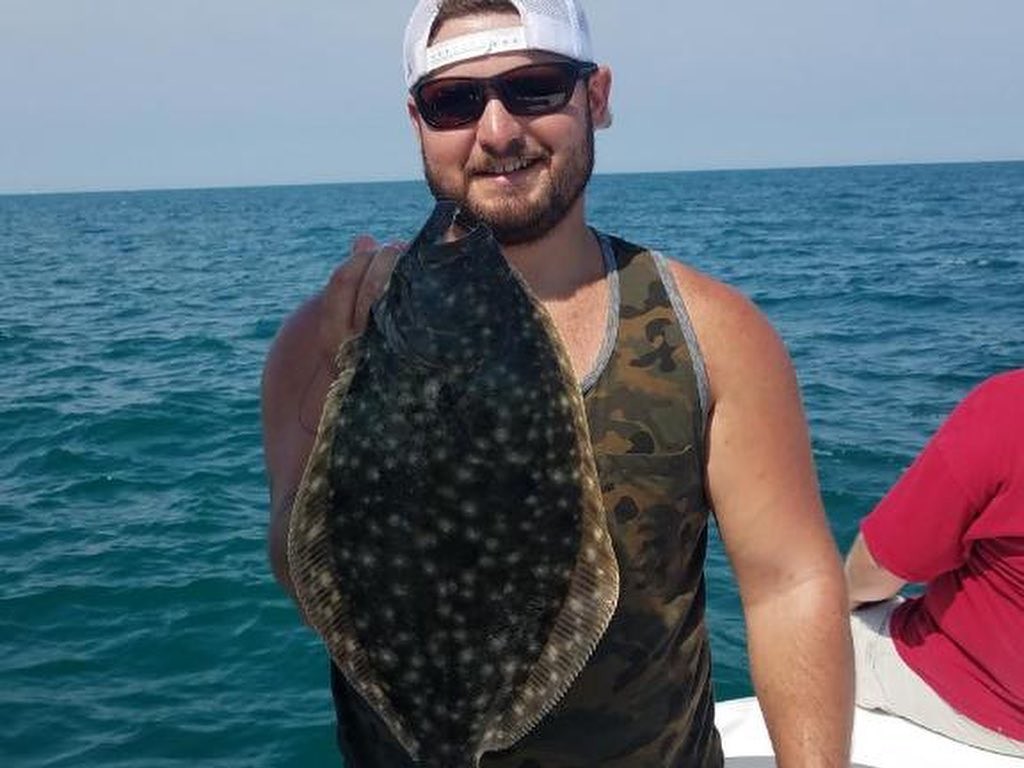
Summer Flounder, or fluke as many call them, are the chameleons of the inshore world. These flatfish can reach impressive sizes around Carolina Beach, with keeper-sized fish ranging from 15-25 inches. They're ambush predators that bury themselves in sand or mud, waiting to strike passing baitfish. The challenge with flounder is the subtle bite - they'll often just swim off with your bait, so staying alert and feeling for that telltale weight is crucial. Once hooked, they put up a bulldogging fight that's different from other species. Prime time is usually late spring through early fall when they're feeding heavily before their offshore migration.
Sea Trout, specifically Speckled Trout, are a customer favorite for good reason. These beautiful fish with their distinctive spotted sides are both fun to catch and great eating. They average 12-18 inches in these waters, with bigger specimens pushing 20+ inches showing up regularly. Trout relate to structure - grass beds, oyster bars, and channel edges where they can ambush shrimp and small baitfish. They're particularly active during moving tides and often feed in schools, so finding one usually means more are nearby. The bite can be subtle or aggressive depending on conditions, making them a great species for learning to read different types of strikes.
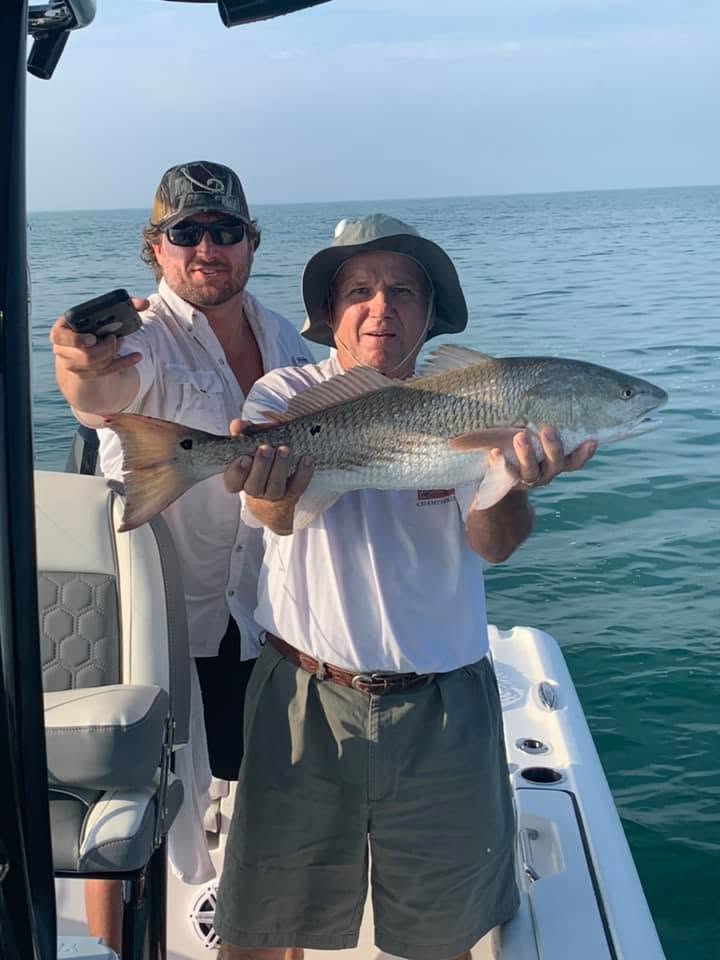
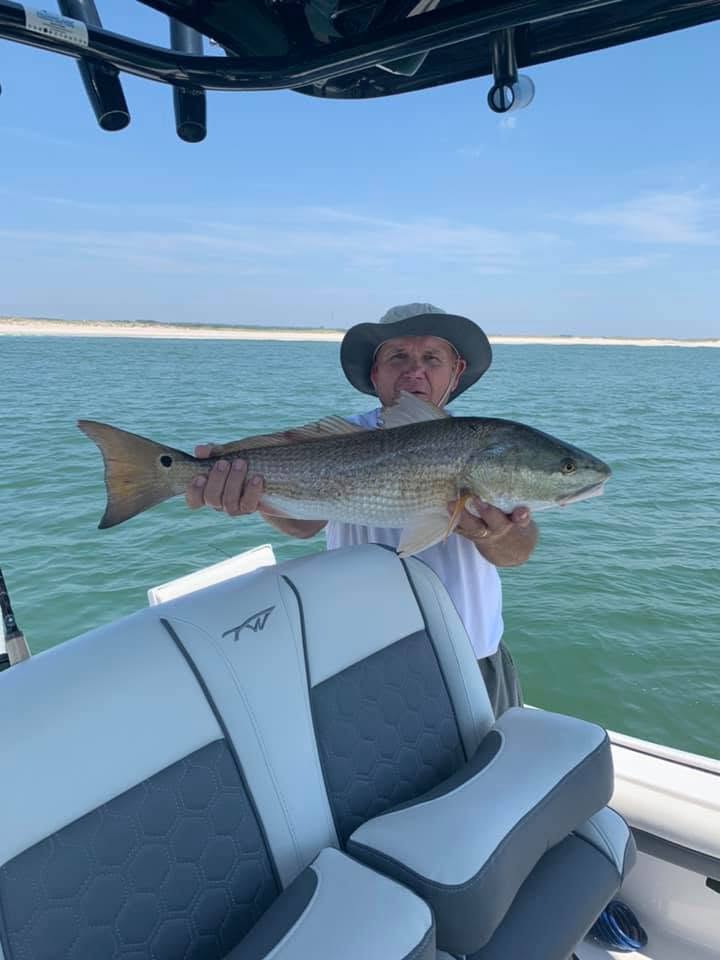
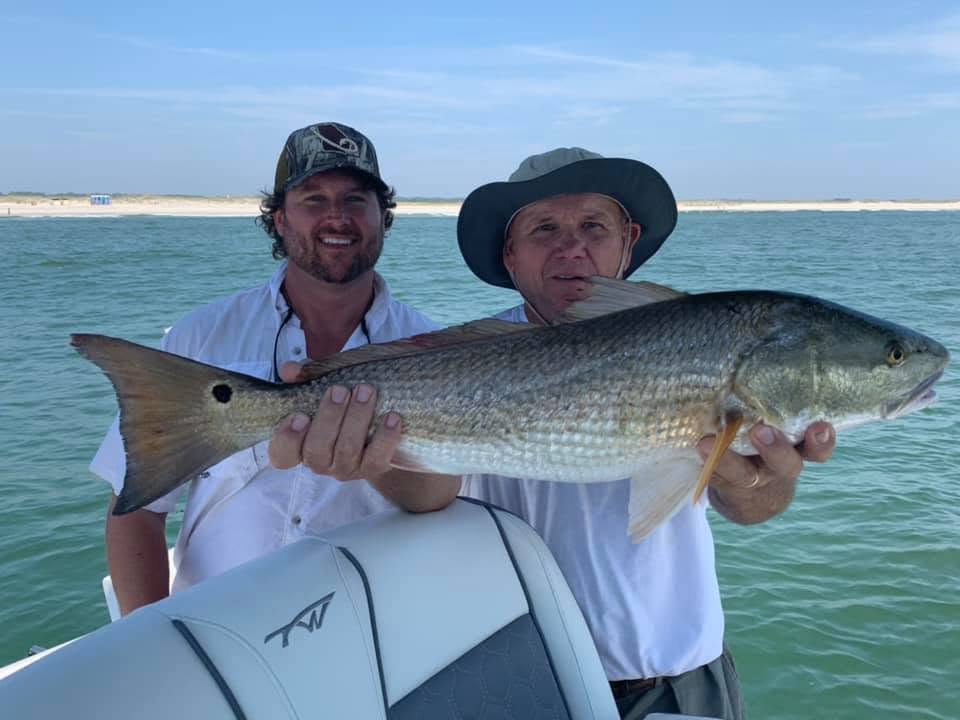
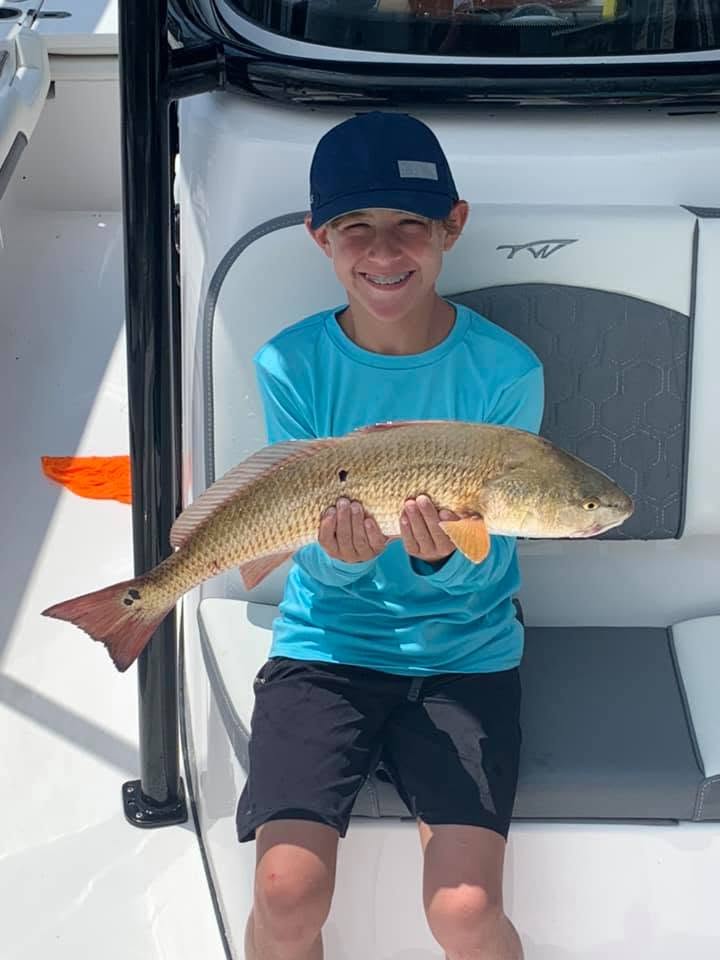
Redfish are the crown jewel of North Carolina inshore fishing, and for good reason. These copper-colored bruisers are built for power, with broad shoulders and stamina that can test both angler and tackle. Around Carolina Beach, you'll find reds ranging from rat-sized juveniles up to bull drums that can stretch over 40 inches. They're year-round residents that adapt to different conditions - cruising shallow grass flats on high tides, working oyster bars on moving water, and hanging around inlets when bait is flushing through. What makes redfish special is their willingness to eat and their fighting ability. Once hooked, they make powerful runs and use their body shape to stay deep, creating that arm-burning fight that keeps anglers coming back.
Freshwater Drum might surprise you in these waters, as they're often found in the brackish areas where freshwater mixes with salt. These fish are built like tanks - thick, powerful, and persistent fighters that can reach good size. They're bottom feeders with a taste for crabs, worms, and cut bait, often showing up when you're targeting other species. While they might not be the prettiest fish in the water, drum are excellent fighters that test your tackle and provide consistent action when other species are finicky.
Time to Book Your Spot
This 5-hour morning trip hits the sweet spot for serious fishing without the full-day commitment. Captain Ray's local knowledge, quality gear,
 Private Trip
 Inshore Fishing
 Carolina Beach


 5-hour inshore fishing targeting redfish, trout, and mackerel