Morning Inshore Fishing in Carolina Beach
There's something special about getting on the water early in Carolina Beach, when the sun's just breaking over the horizon and the fish are actively feeding. This 4-hour morning charter with Rip N Lips Charters kicks off at 8:00 AM, giving you the prime fishing window before the afternoon heat settles in. Captain Ray brings 6 years of local knowledge to every trip, knowing exactly where the redfish are schooling and which grass flats hold the biggest trout. With room for up to 3 anglers, this is perfect for families wanting to introduce kids to fishing or small groups looking for a relaxed morning on North Carolina's productive inshore waters.
What to Expect on the Water
You'll launch from Carolina Beach and head to productive shallow water spots where redfish cruise the grass beds and speckled trout ambush baitfish along channel edges. The morning bite is typically the strongest, especially during summer months when fish move to deeper water as temperatures rise. Captain Ray focuses on reading the water conditions each day - whether that means working oyster bars during incoming tide or drifting grass flats when the water's moving just right. The pace stays comfortable and educational, with plenty of time to learn proper techniques whether you're a first-timer or experienced angler looking to dial in your inshore game. Nick, the mate, keeps everyone rigged up and ready, making sure younger anglers get hands-on help landing their first fish.
Tackle and Techniques
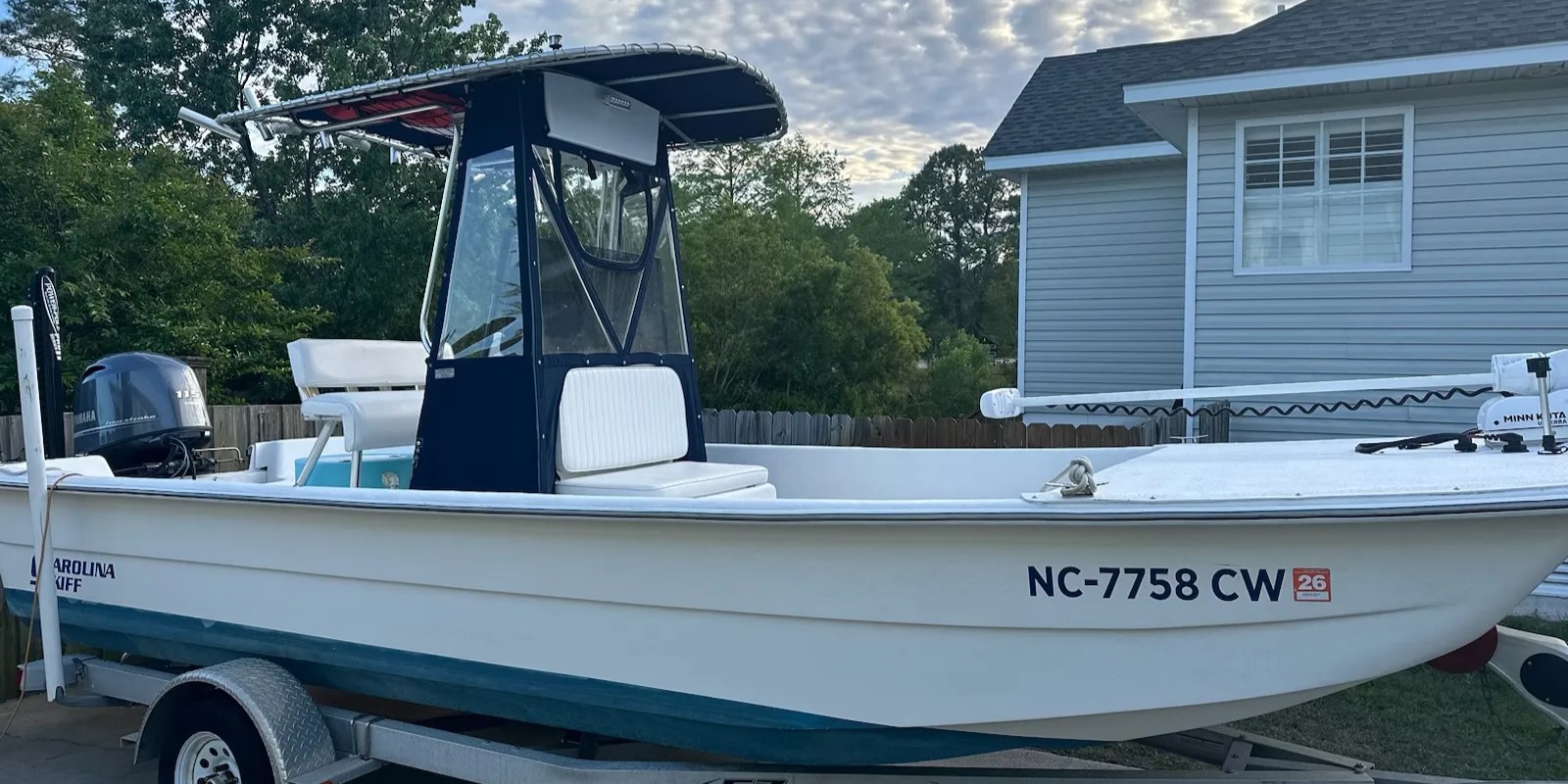
Rip N Lips provides all the gear you'll need, from medium-action spinning rods perfect for inshore work to a full selection of lures and live bait. You'll primarily fish with artificial lures like soft plastics, spoons, and topwater plugs, though live shrimp and finger mullet come into play when the bite gets tough. The boat runs shallow draft, allowing access to skinny water where big redfish feed in just 2-3 feet. Techniques vary based on conditions - sight fishing when water clarity allows, blind casting structure during higher tides, or working the edges where deeper channels meet shallow flats. Captain Ray takes time to explain why certain spots produce and how to read water signs like baitfish activity, bird behavior, and tidal movement that indicate where predator fish are likely holding.
Customer Stories
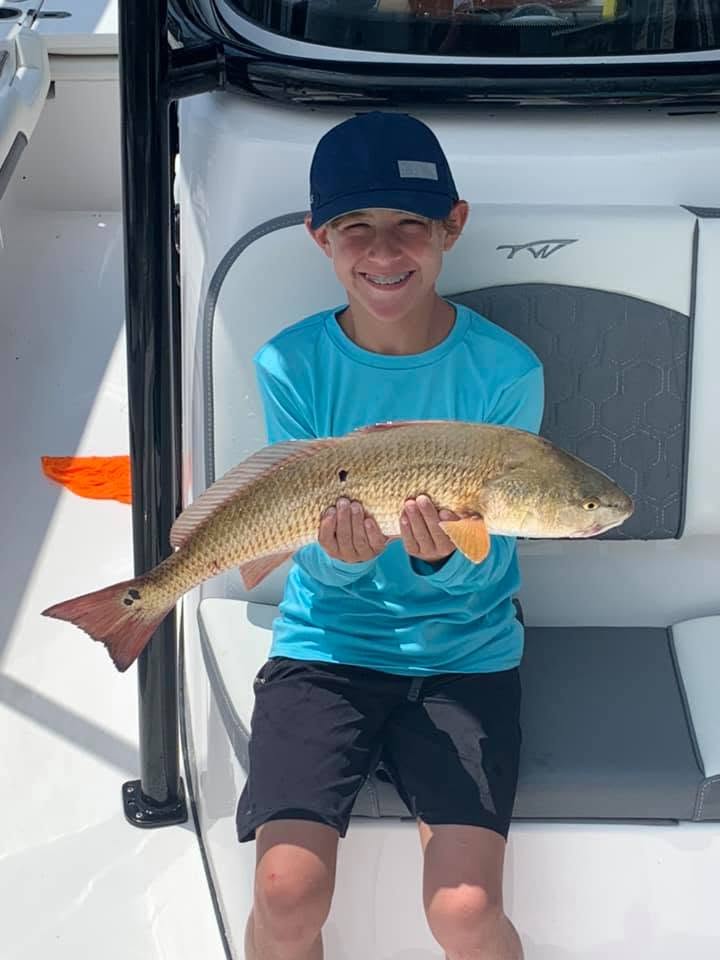
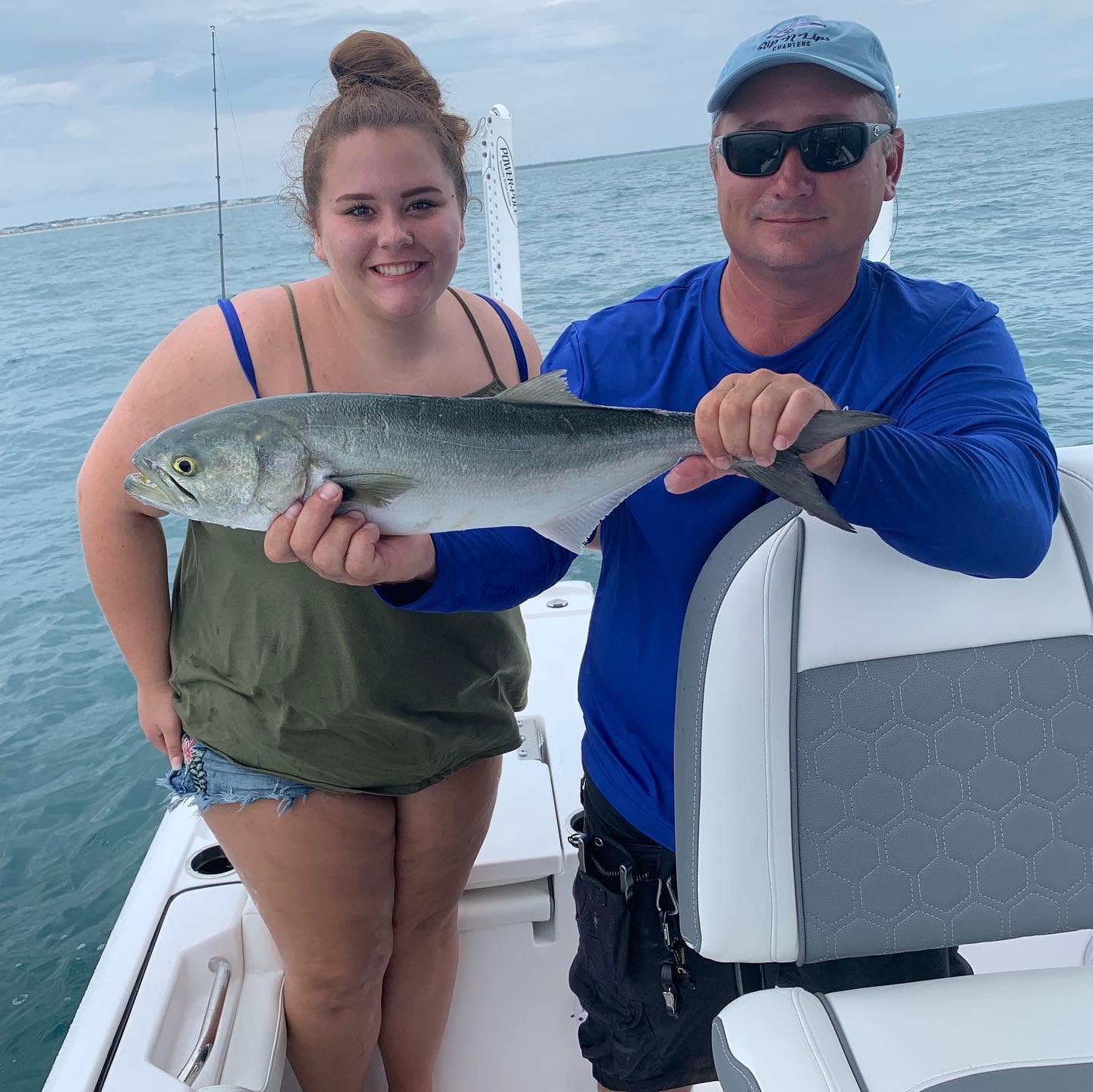
"I booked a trip with my son-in-law and granddaughter, this was her 1st fishing trip, and it was an amazing day for all of us. Capt. Ray took us right to the fish and Nick his mate made sure my granddaughter had the best time. I would highly recommend them and thank you for this everlasting memory. Pat" - Pat
Species You'll Want to Hook
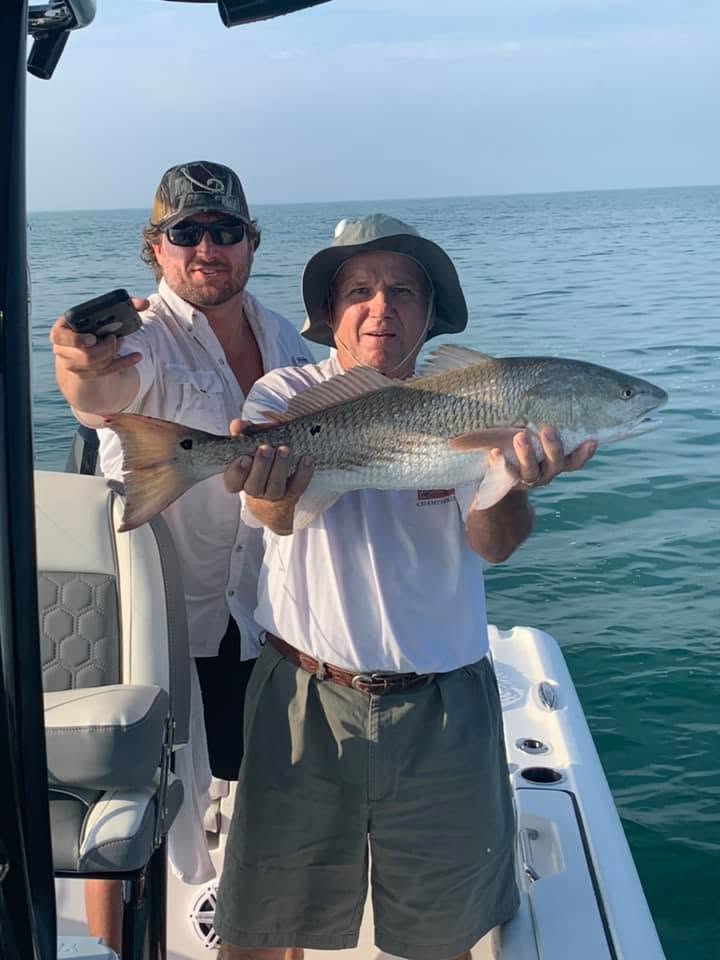
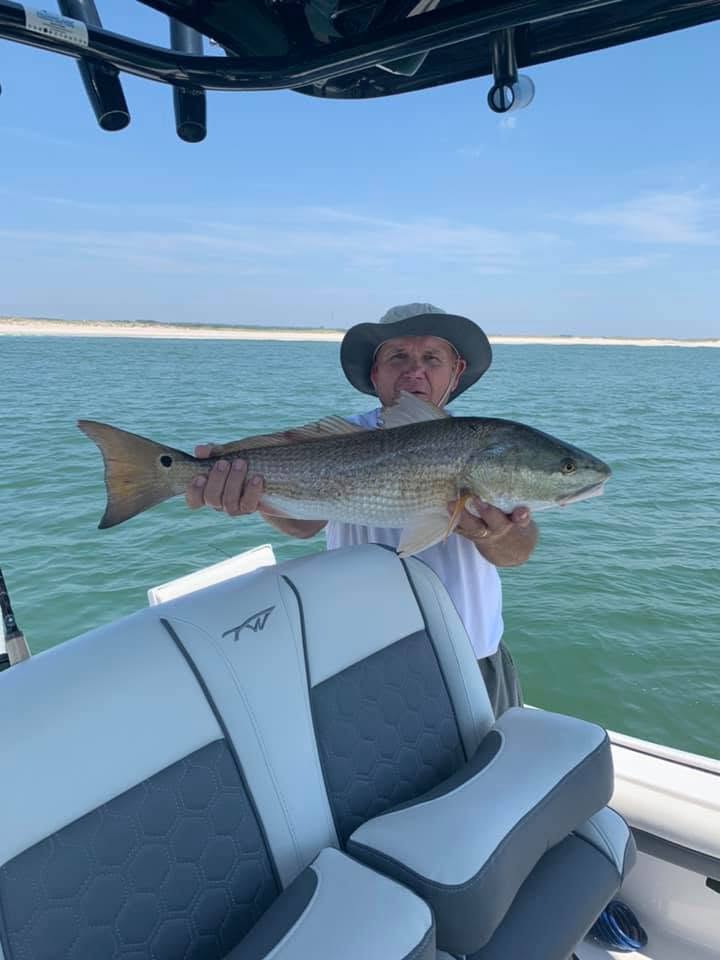
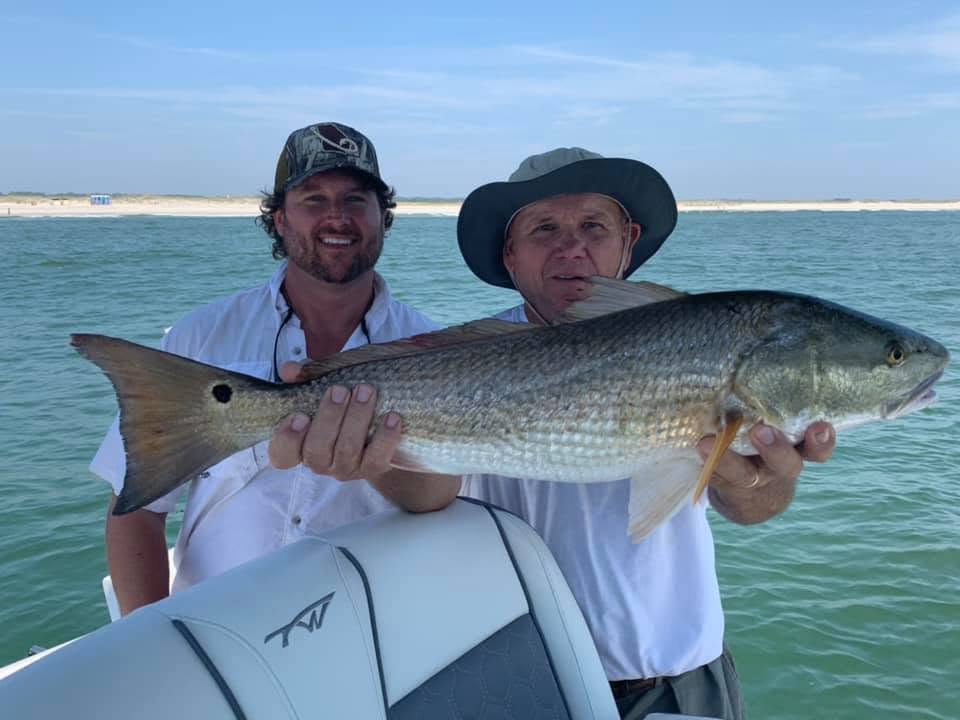
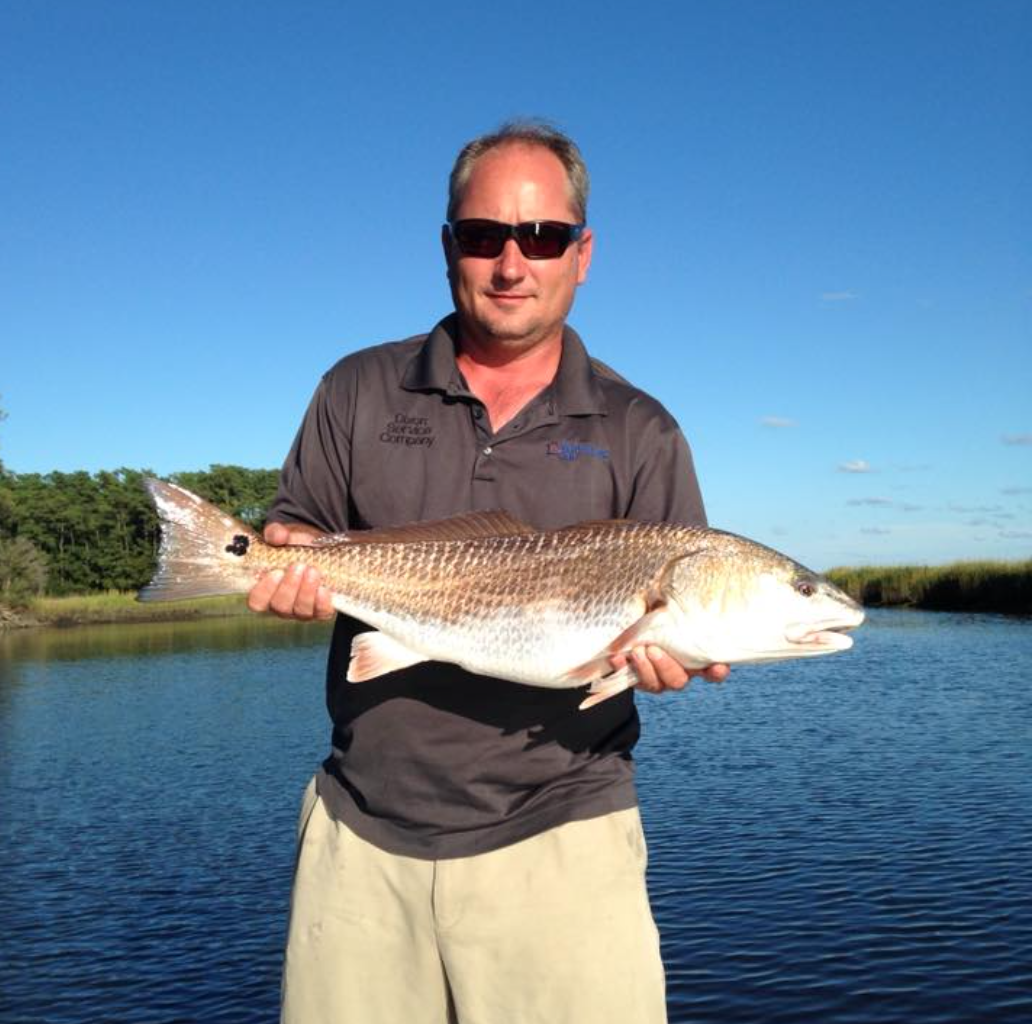
Redfish are the crown jewel of Carolina Beach inshore fishing, and for good reason. These copper-colored bruisers typically run 18-27 inches in local waters, with occasional slot busters pushing 30+ inches. Red drum feed aggressively in shallow grass beds and around oyster structure, especially during moving tides. They're powerful fighters that make long runs and test your drag system. Spring through fall offers the most consistent action, with summer providing the best numbers. What makes redfish special is their willingness to eat both artificial lures and live bait, plus they often feed in schools, meaning multiple hookups are common when you find them.
Spanish Mackerel bring speed and excitement to every trip. These silver rockets typically show up in good numbers during late spring and summer, schooling around structure and baitfish concentrations. They average 12-16 inches but fight way above their weight class, making screaming runs and acrobatic jumps. Mackerel are excellent table fare with firm, white meat that's perfect for grilling. They're also great confidence builders for new anglers since they're aggressive feeders that readily hit small spoons, jigs, and live bait. When you find a school of Spanish mackerel, the action can be non-stop.
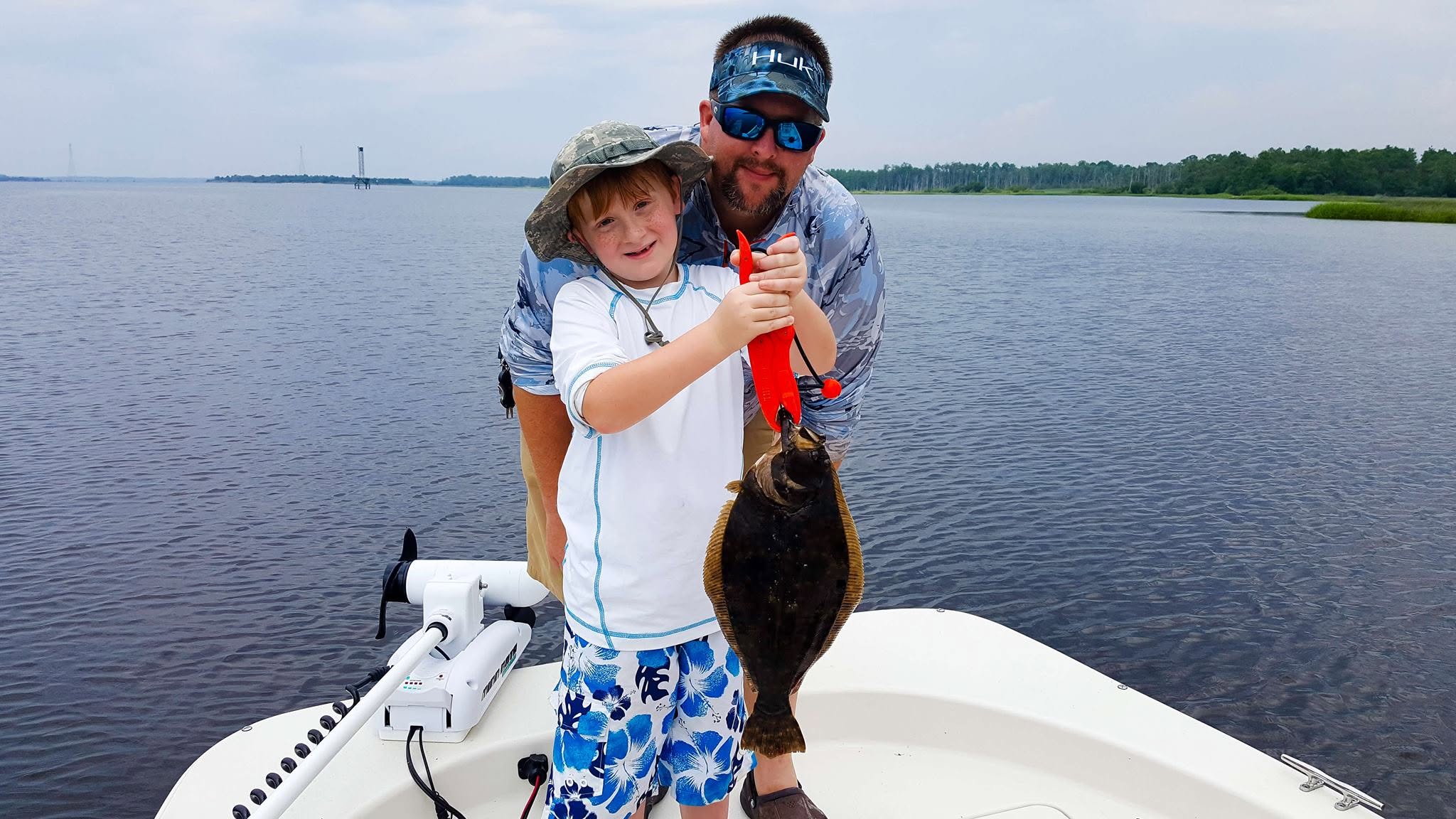
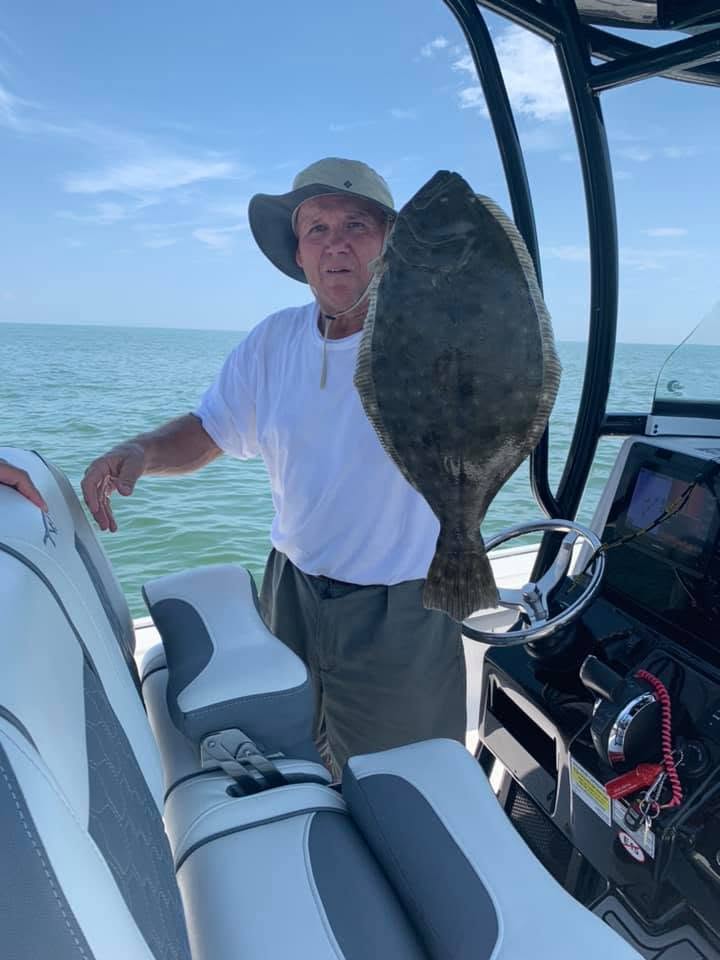
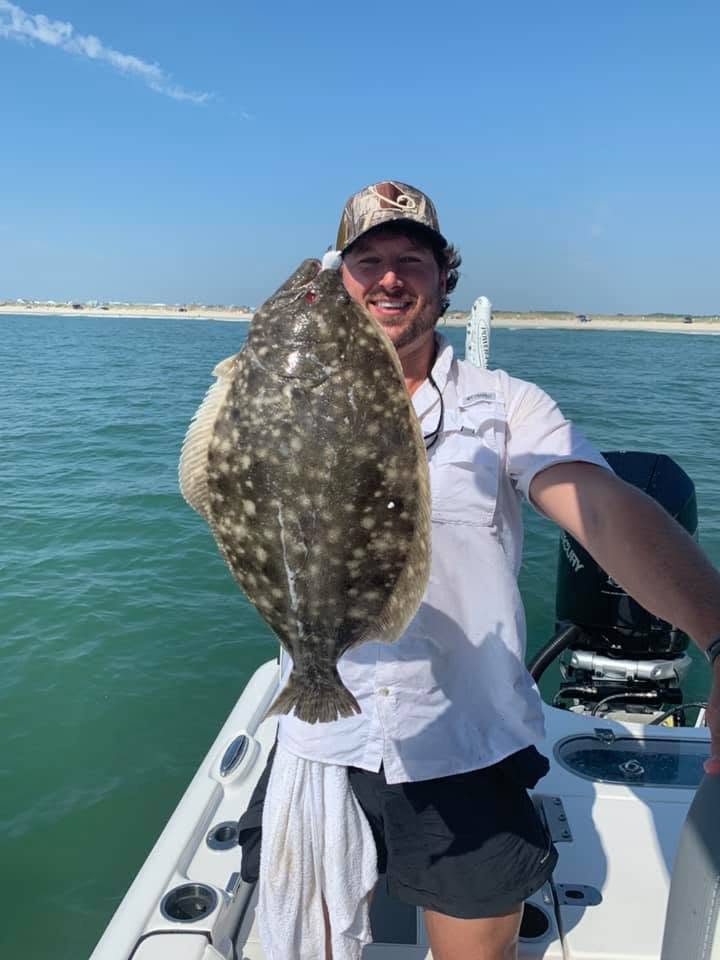
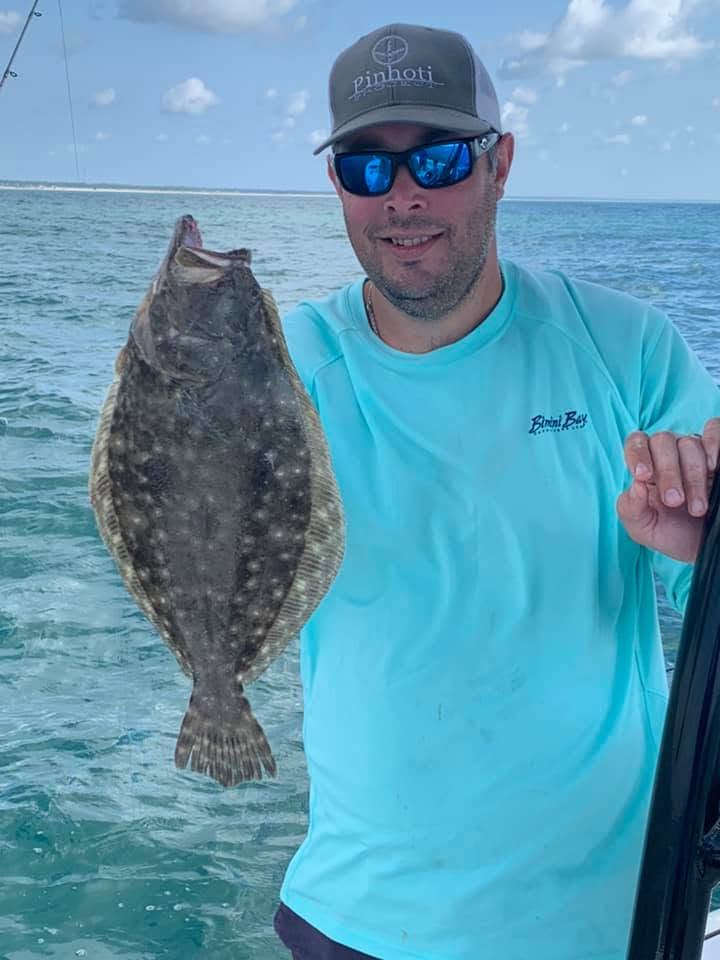
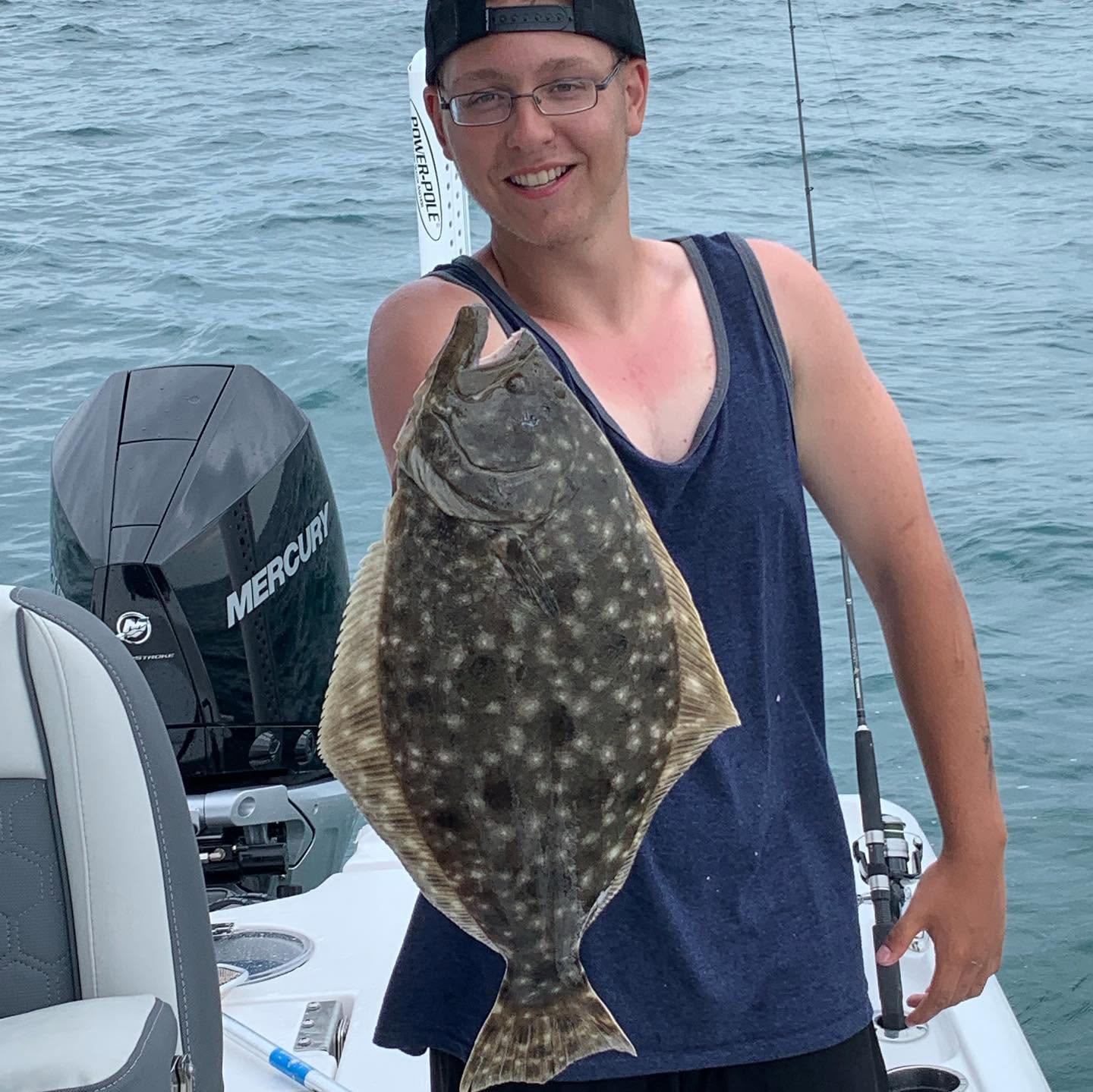
Summer Flounder, or fluke, are the ultimate ambush predators in Carolina Beach waters. These flatfish lie buried in sandy bottoms near structure, waiting to hammer unsuspecting baitfish. Keeper flounder typically run 15-20 inches, though doormat-sized fish over 24 inches are always possible. They're prized for their excellent eating quality and the challenge they present - flounder bites are often subtle, requiring patience and sensitivity to detect. Best fishing happens during moving tides when baitfish are active. Flounder fishing teaches valuable skills about reading bottom structure and detecting light bites that many anglers miss.
Sea Trout, or speckled trout, are Carolina Beach's most consistent inshore species. These beautiful fish with distinctive black spots along their silver sides typically range 12-18 inches, with occasional gator trout exceeding 20 inches. They're structure-oriented fish that love grass beds, channel edges, and oyster bars. Speckled trout are active feeders throughout the day but often bite best during low-light periods. They're excellent table fare and put up a good fight with lots of head shaking. Trout fishing helps anglers develop skills in reading grass beds and understanding how baitfish use structure, making them a favorite target for guides teaching inshore techniques.
Freshwater Drum might sound out of place, but these fish occasionally show up in brackish areas around Carolina Beach during certain tidal conditions. They're strong fighters with a distinctive humming sound they make underwater, earning them the nickname "croaker." While not as glamorous as redfish or trout, drum are excellent eating and provide surprising fights on light tackle. They typically run 2-5 pounds in local waters and are most common during spring and fall when salinity levels fluctuate in back-bay areas.
Time to Book Your Spot
Morning trips book up fast during peak season, especially with only 3 spots available per charter. The early
 5.0(1 Reviews)
 Private Trip
 Inshore Fishing
 Carolina Beach


 Half-day morning charter targeting redfish, trout, and flounder