3-Day Bow River Fishing Adventure Alberta
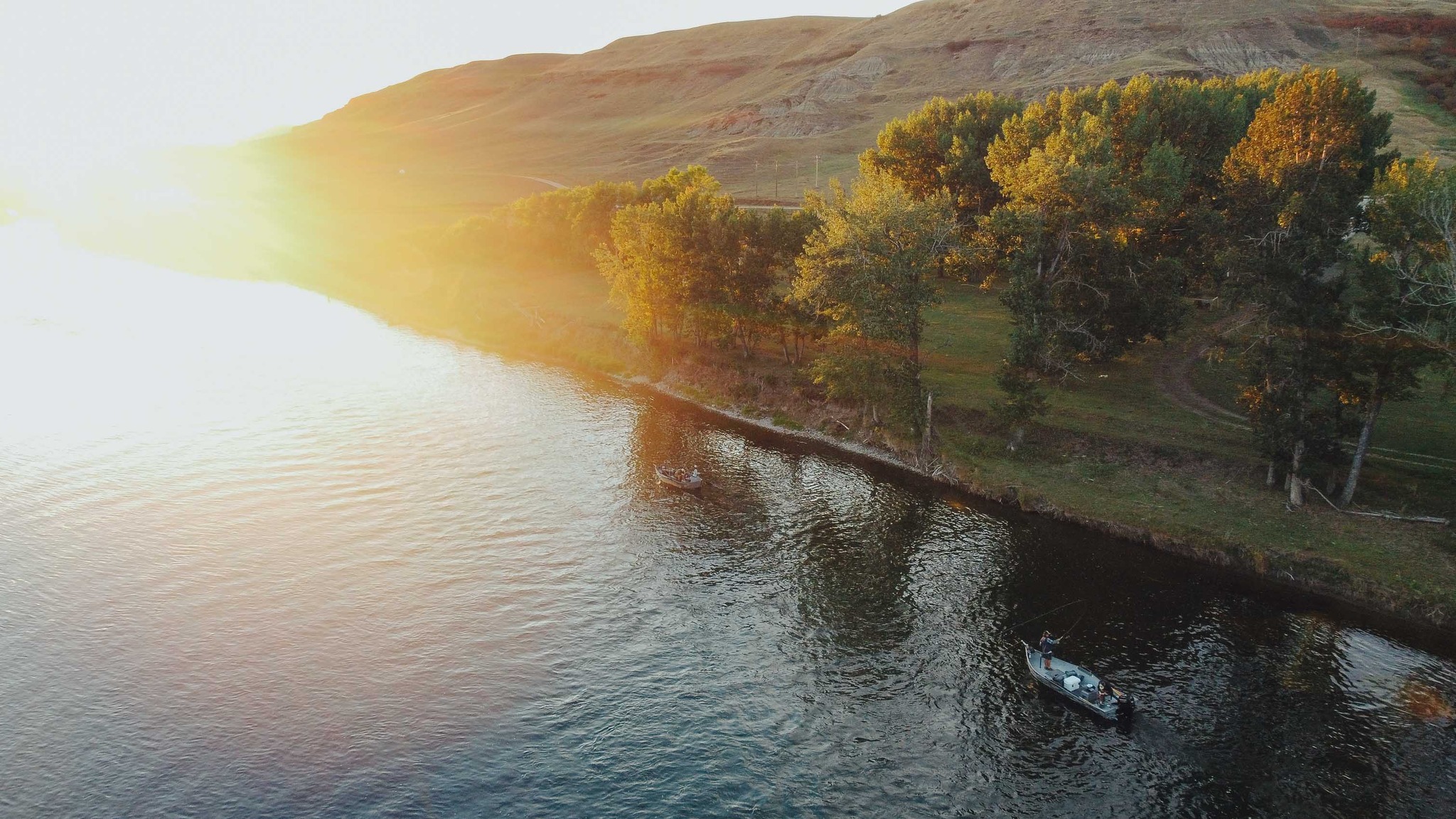
Picture this: three solid days casting lines along Alberta's legendary Bow River, where the fish bite hard and the scenery never gets old. This isn't your typical weekend trip – we're talking about 40 kilometers of the most productive water you'll find anywhere in the province. Starting right from Calgary and floating all the way down to Wyndham Carseland Provincial Park, you'll get to work some of the best trout water in Western Canada. We keep it intimate with just two anglers per trip, so you're not fighting for casting room or competing with a crowd. Your guide knows every bend, riffle, and deep pool along this stretch, and trust me, that local knowledge makes all the difference when the fish are being picky.
What to Expect on the Water
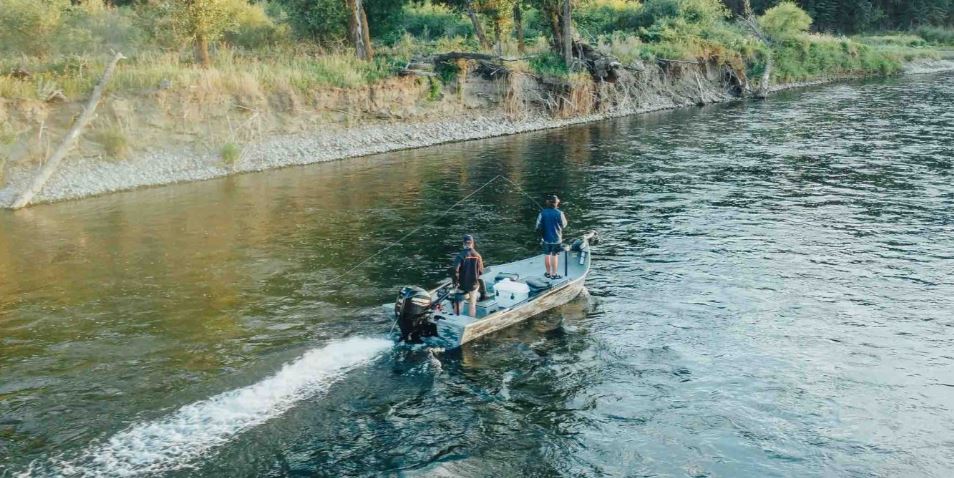
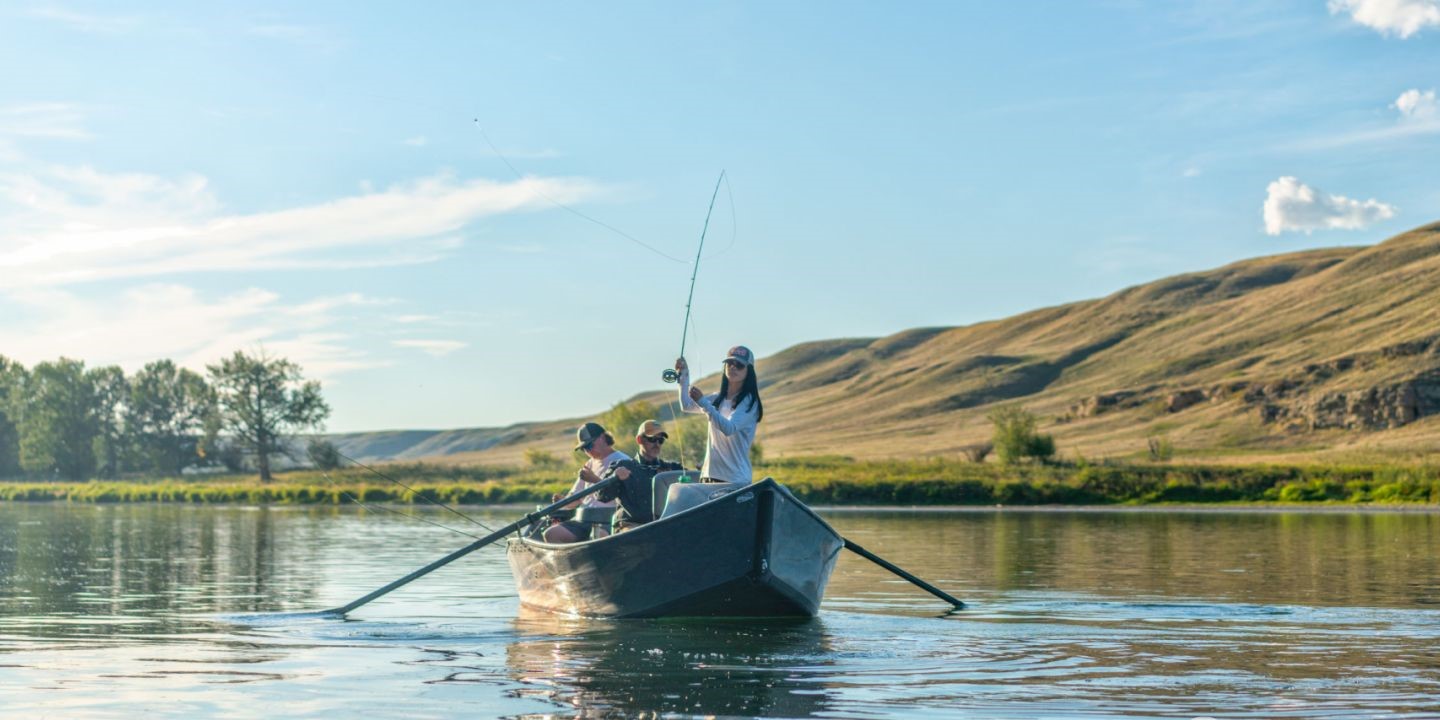
The Bow River delivers year-round, but each season brings its own personality. Spring means aggressive post-spawn fish looking to bulk up, while summer offers consistent dry fly action that'll keep you busy from dawn to dusk. Fall brings the browns into spawning mode, making them territorial and willing to smash streamers. Winter fishing can be absolutely stellar – those cold-water rainbows fight like freight trains when they're hooked. You'll be drifting in a comfortable drift boat, which lets us cover serious water while keeping you in prime casting position. The boat's set up with all the rod holders, net storage, and gear organization you need. We'll anchor up on productive runs and wade fish the technical water where boat fishing just doesn't cut it. Expect to throw everything from tiny midges to big woolly buggers, depending on what the fish are telling us. The great thing about this stretch is variety – you've got fast riffles, deep pools, undercut banks, and those classic rainbow runs that make the Bow famous.
Techniques and Gear Setup
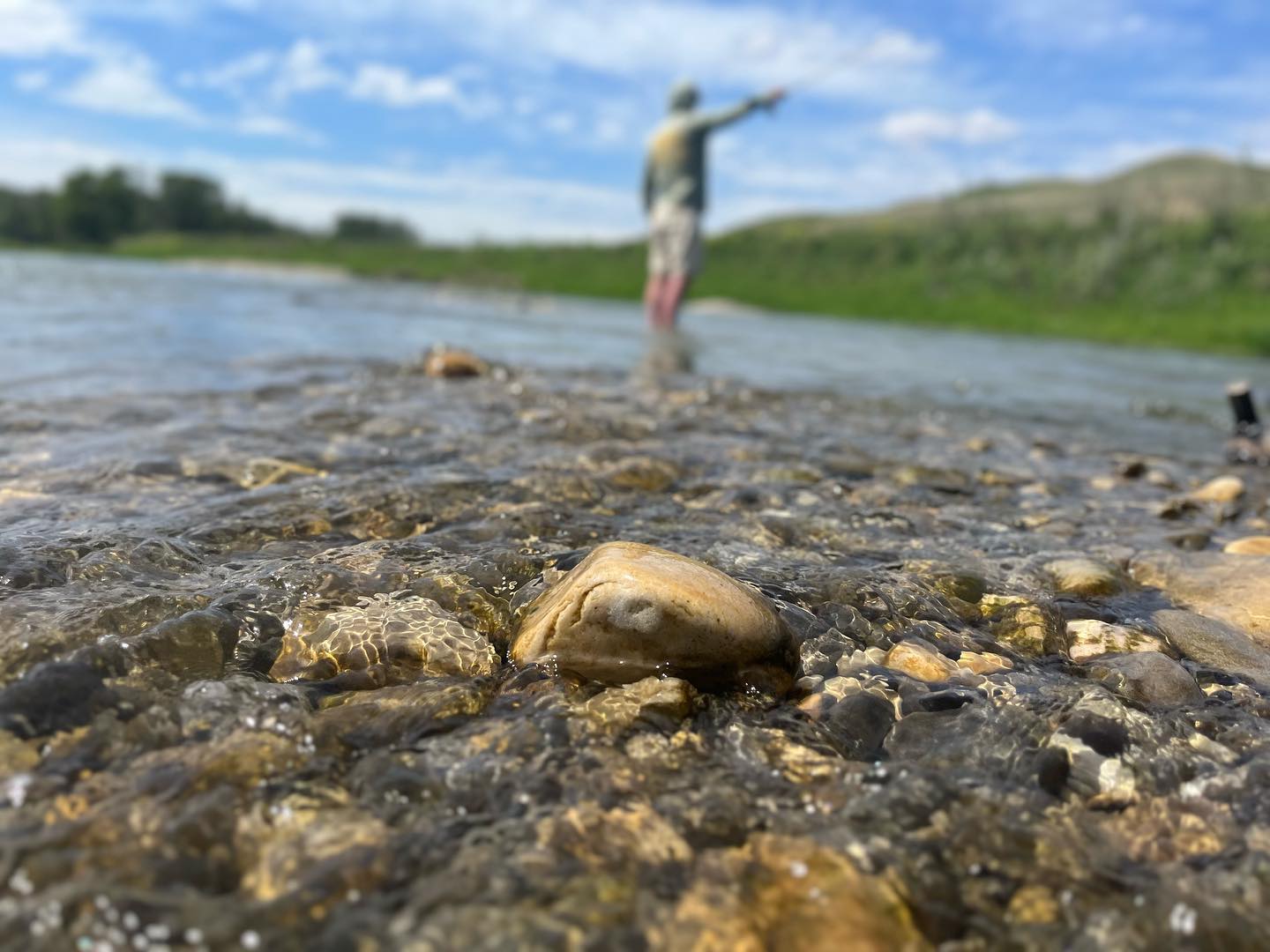
We fish everything here – nymphs, dry flies, streamers, and indicators depending on conditions and what's working. Your guide comes loaded with local patterns that have been tested on this water for years. We're talking prince nymphs, pheasant tails, and those secret local ties that guides don't like sharing. Dry fly season usually runs June through September, and there's nothing like watching a big brown sip your Adams off the surface. For gear, we recommend 9-foot 5-weight rods for most situations, though having a 6-weight ready for streamer work and windy days makes sense. The wading can be tricky in spots – the Bow's got some slick rocks and faster current than it looks, so felt-soled boots or good studs are essential. Water temps vary dramatically by season, so your guide will let you know if you need neoprene waders or if breathables will do the trick. We provide the flies, but bring your favorite patterns if you've got confidence flies that work for you elsewhere. Leader setups change throughout the day – sometimes we're fishing 7X tippet to spooky fish in flat water, other times we're throwing 2X with weighted streamers.
Species You'll Want to Hook
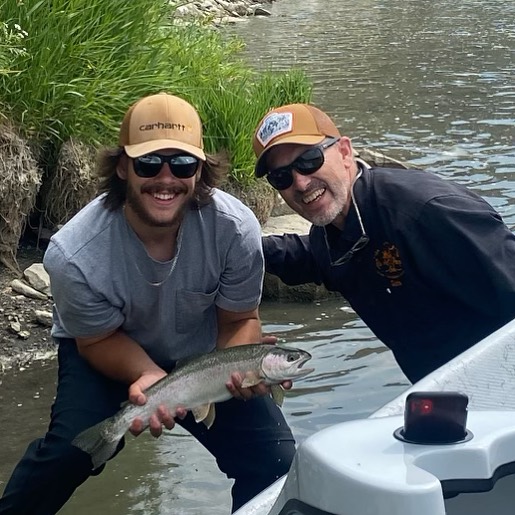
Rainbow Trout are the bread and butter of Bow River fishing, and these aren't your average hatchery fish. We're talking wild, hard-fighting rainbows that average 16-18 inches, with plenty of 20-plus inch fish mixed in. They're most active during cooler parts of the day and absolutely love mayfly hatches in late spring and early summer. What makes Bow River rainbows special is their fighting spirit – they'll jump, run, and test your drag system like fish twice their size. Peak season runs from May through October, but don't sleep on winter fishing when these fish are concentrated in deeper pools.
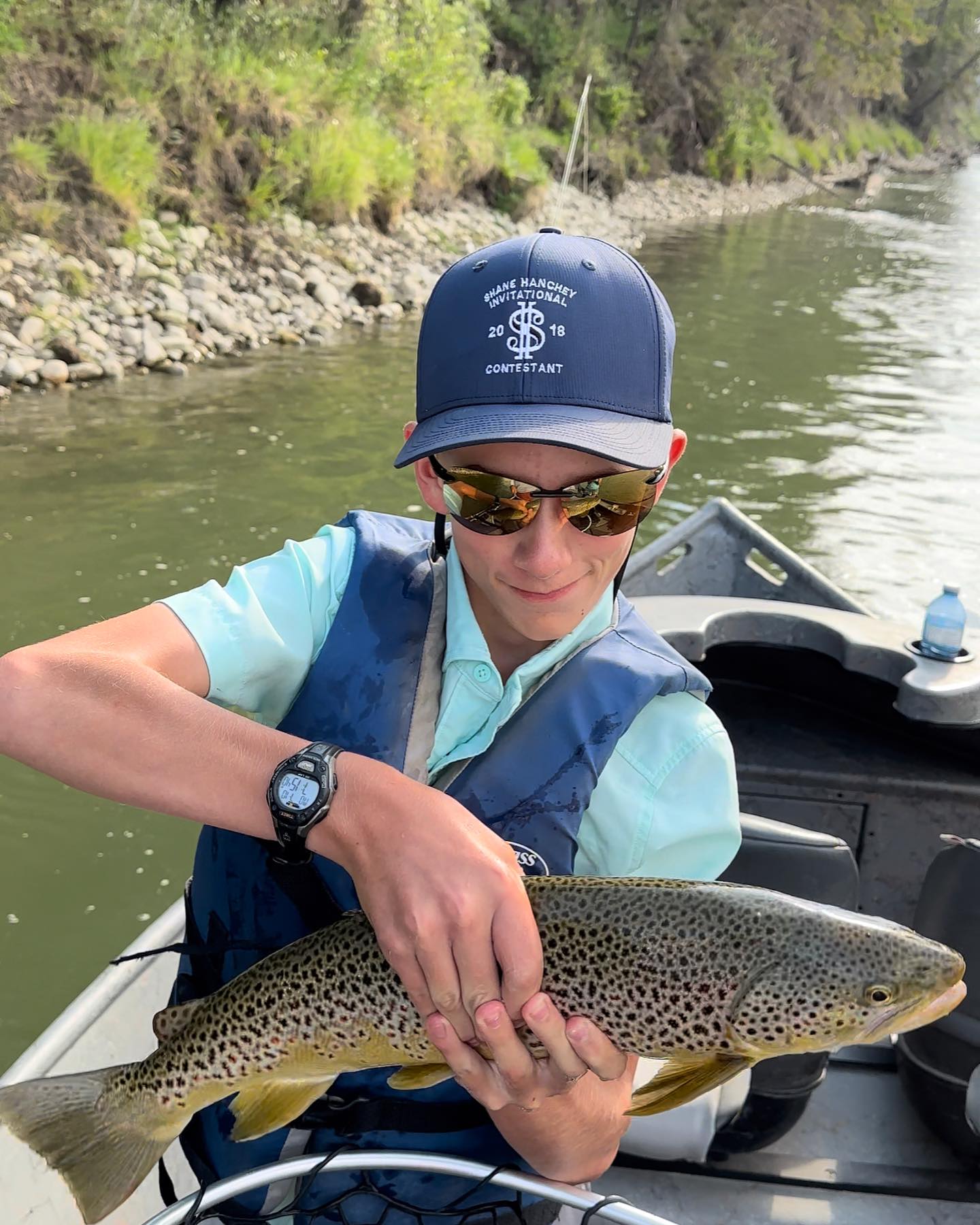
Brown Trout are the river's big predators, and landing a Bow River brown is something you'll remember forever. These fish are smart, moody, and incredibly strong. Most browns we see run 18-24 inches, but fish over 30 inches swim in this system. They're most aggressive in fall when they're getting ready to spawn, making them suckers for big streamers and mouse patterns. Browns love structure – undercut banks, fallen logs, and deep pools are where you'll find the big ones. Early morning and late evening are prime time, though overcast days can turn them on all day long.
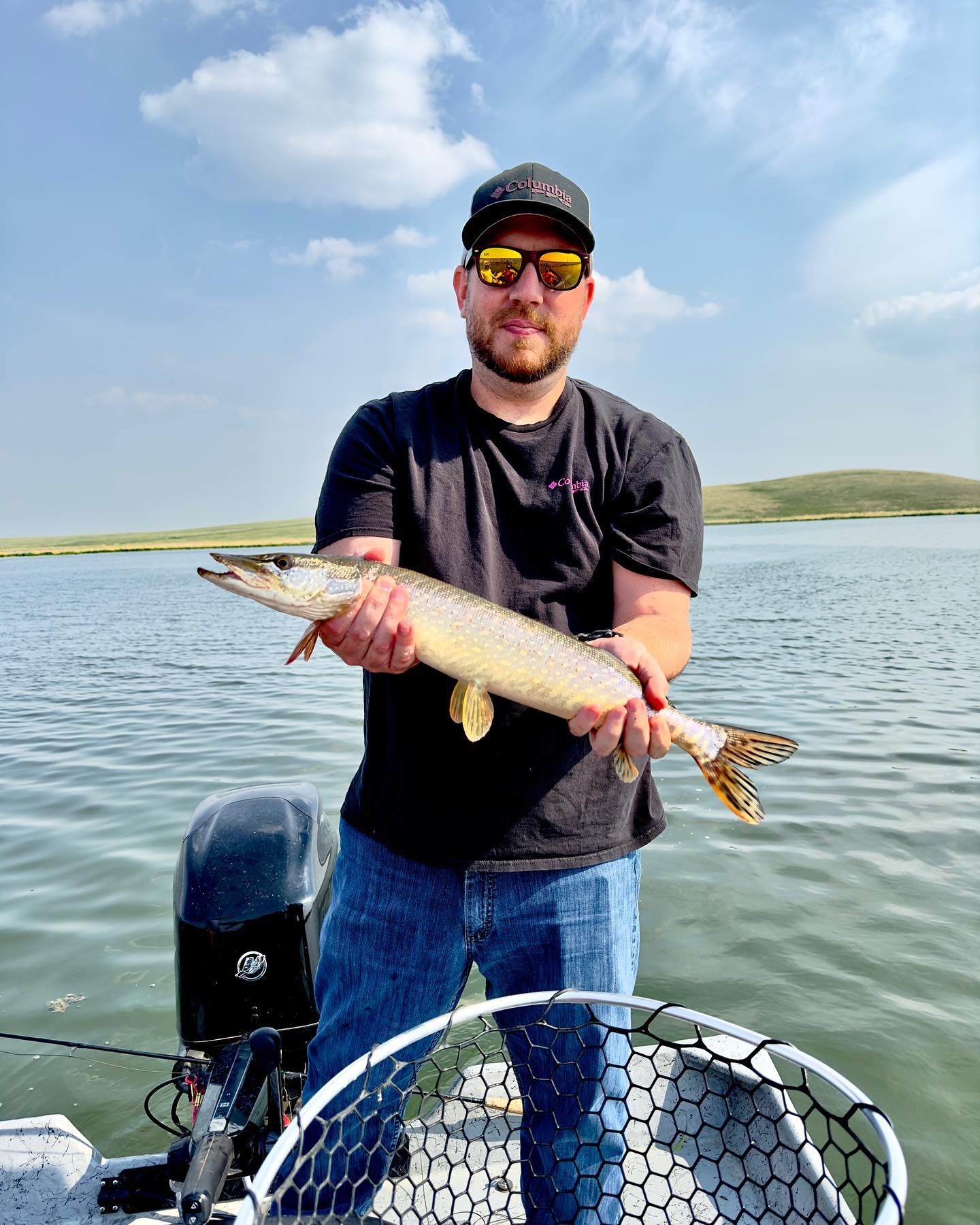
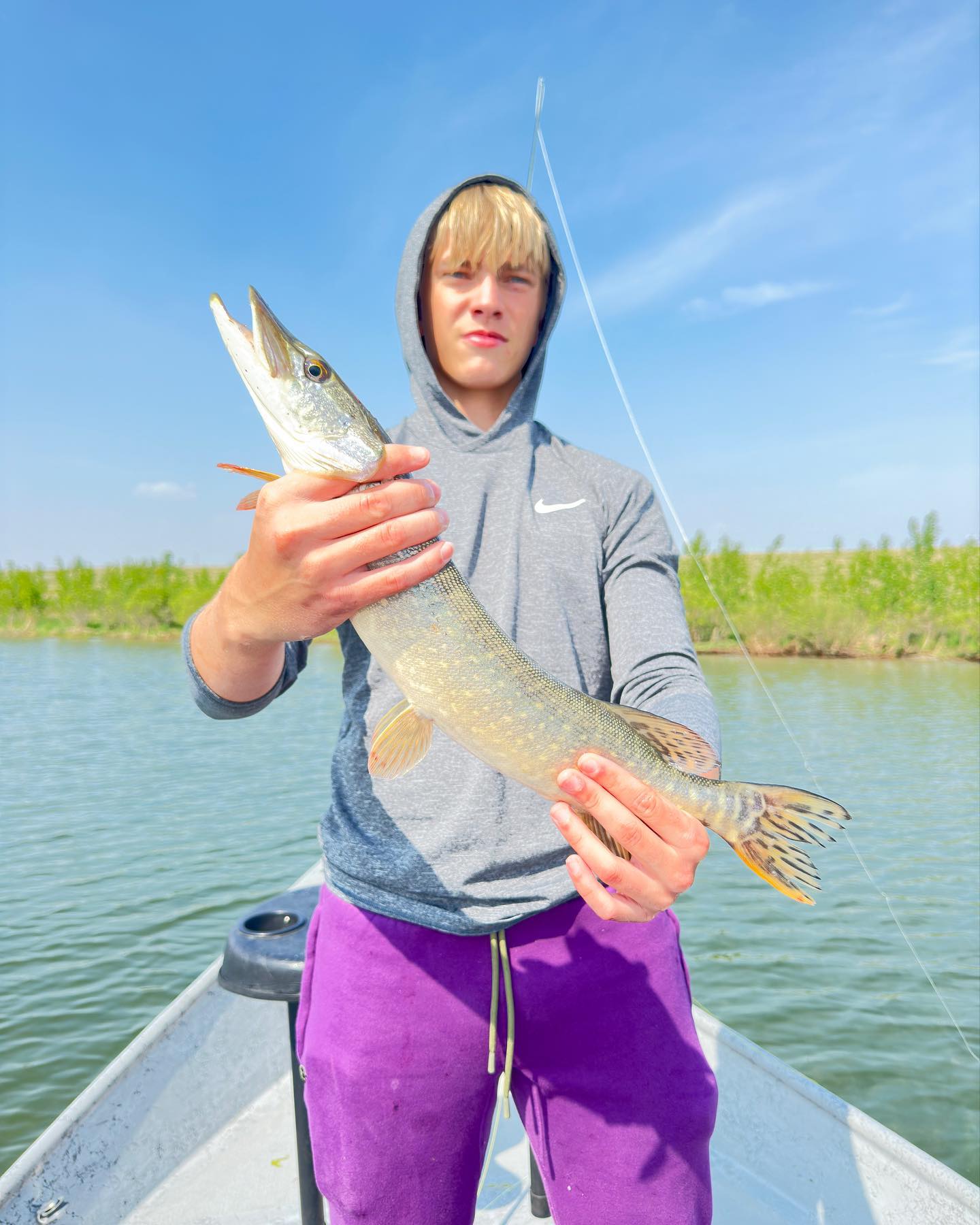
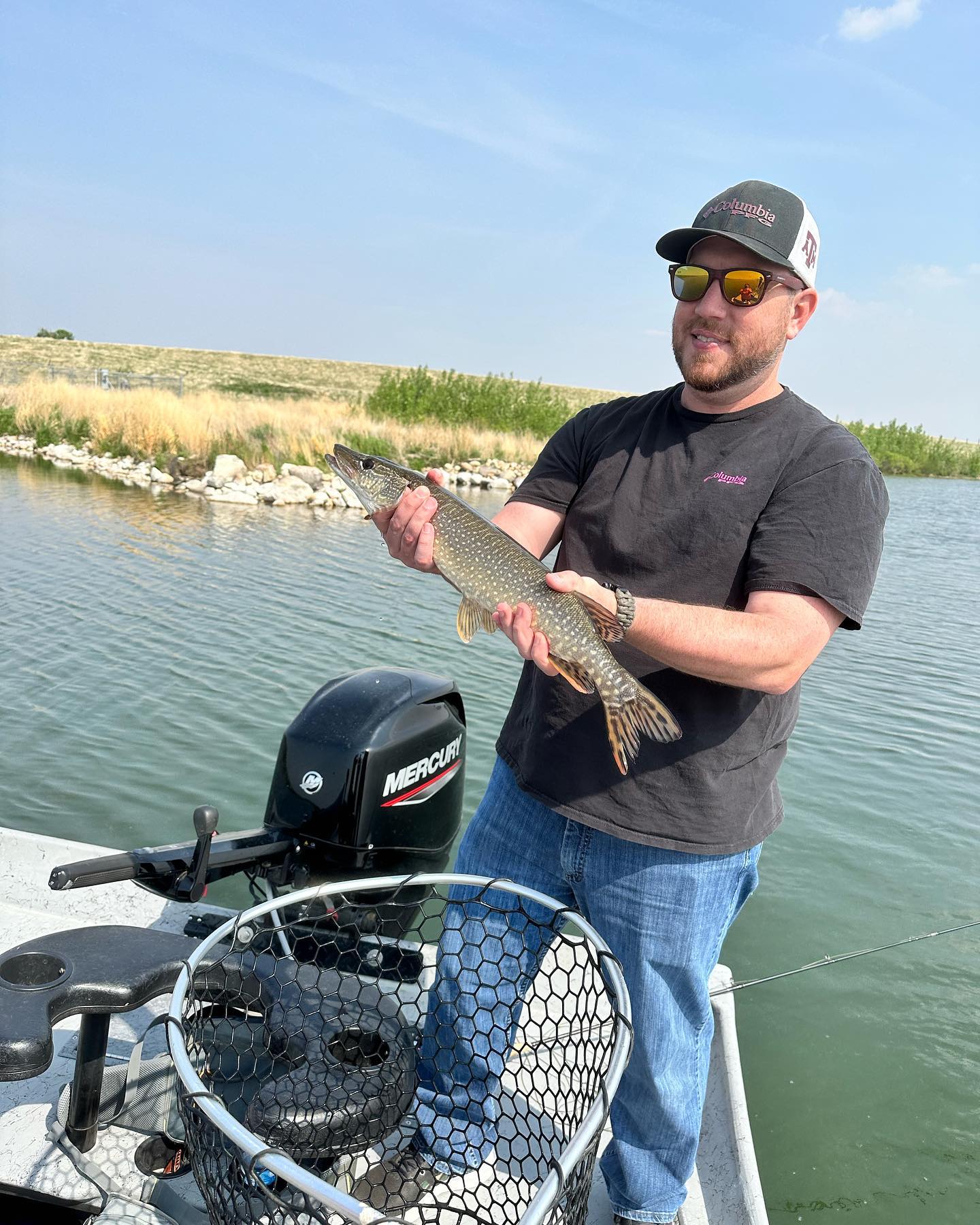
Northern Pike add serious excitement to the mix, especially in the slower sections and backwater areas. Bow River pike are typically in the 24-32 inch range, with bigger fish lurking in the deeper holes. They're ambush predators that hit streamers and spoons with vicious strikes that'll test your reflexes. Pike fishing peaks in spring and fall when water temps are in their comfort zone. These fish require wire leaders and give you a completely different fight than trout – more bulldogging power and less acrobatics.
Lake Trout show up in the deeper pools and runs, particularly where the river slows down. These are typically smaller than their lake-dwelling cousins, but they're beautiful fish with incredible colors. They prefer cooler water and are most active in spring and fall. Lake trout have a unique fighting style – they dive deep and use their weight against you rather than making flashy runs.
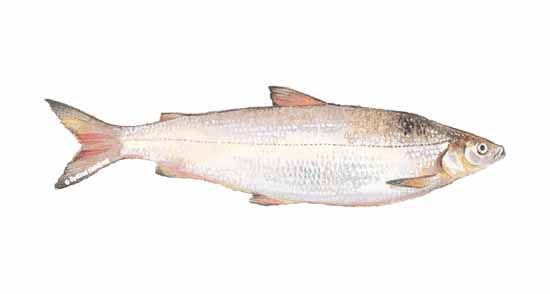
Lake Whitefish might not be the target species, but they're excellent table fare and surprisingly fun on light tackle. They're most common in fall and early winter, often taking nymphs intended for trout. These fish school up in deeper runs and can provide steady action when trout fishing slows down. They're incredibly silver and clean-looking, making them beautiful fish despite being overlooked by many anglers.
Time to Book Your Spot
This three-day Bow River adventure gives you the complete Alberta fishing experience – from technical dry fly fishing to aggressive streamer work, all on water that consistently produces quality fish. The intimate two-person limit means personalized instruction, better water coverage, and the kind of attention that makes the difference between a good trip and an amazing one. With over 40 kilometers of
 Private Trip
 River Fishing
 Edmonton



 Fish 40+ kilometers of prime Bow River trout waters