Full Day Lower Bow River Fishing Adventure
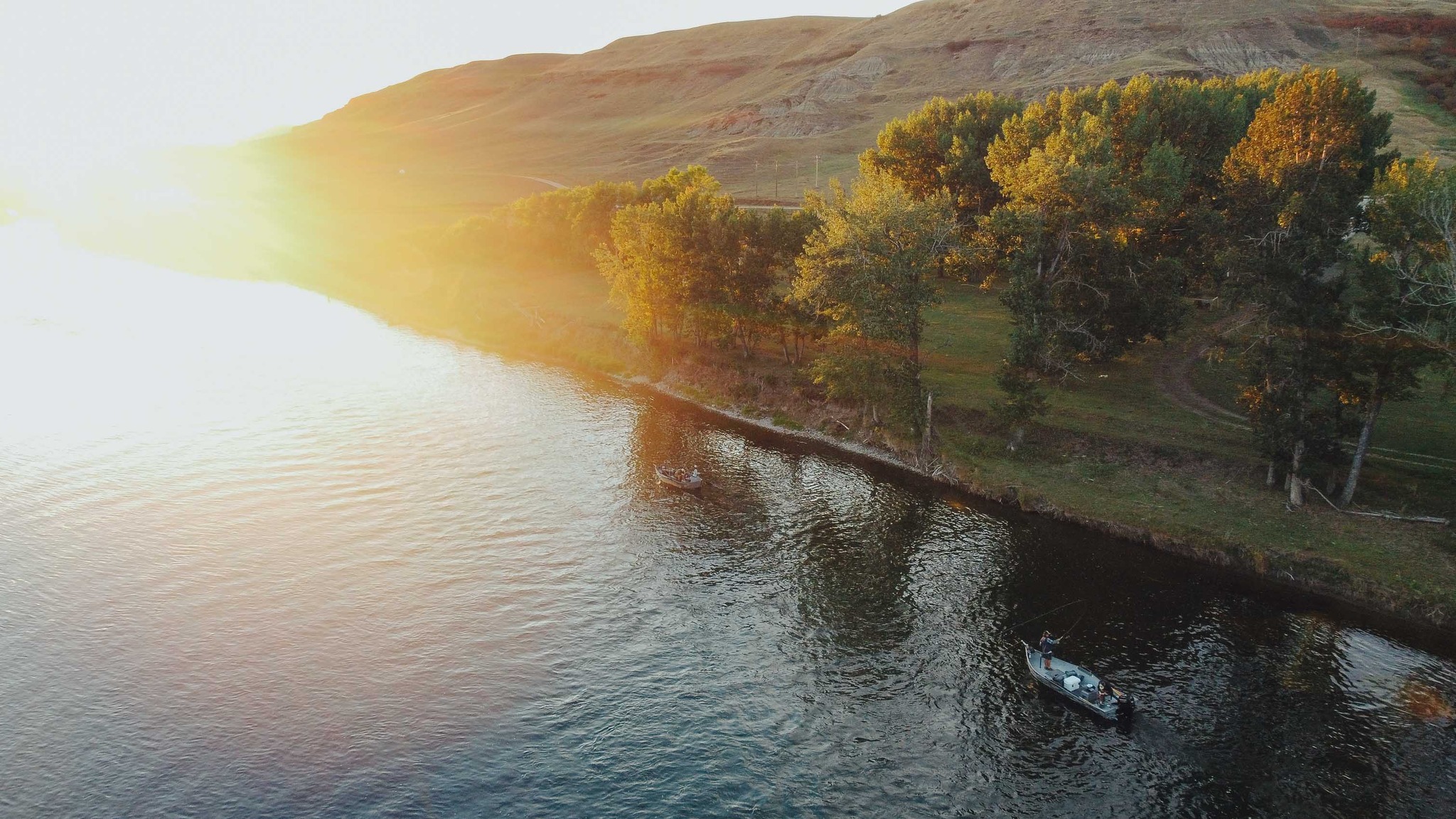
Picture yourself casting into some of Alberta's most productive trout water, where the Lower Bow River delivers consistent action and memories that stick with you long after you've hung up your waders. Captain Osman knows these waters like the back of his hand, and he's ready to put you on fish that'll have your drag screaming. This isn't just another day on the water – it's a chance to experience world-class fishing on one of Canada's top-rated trout rivers, with all the gear and guidance you need to make it happen.
What to Expect on the Water
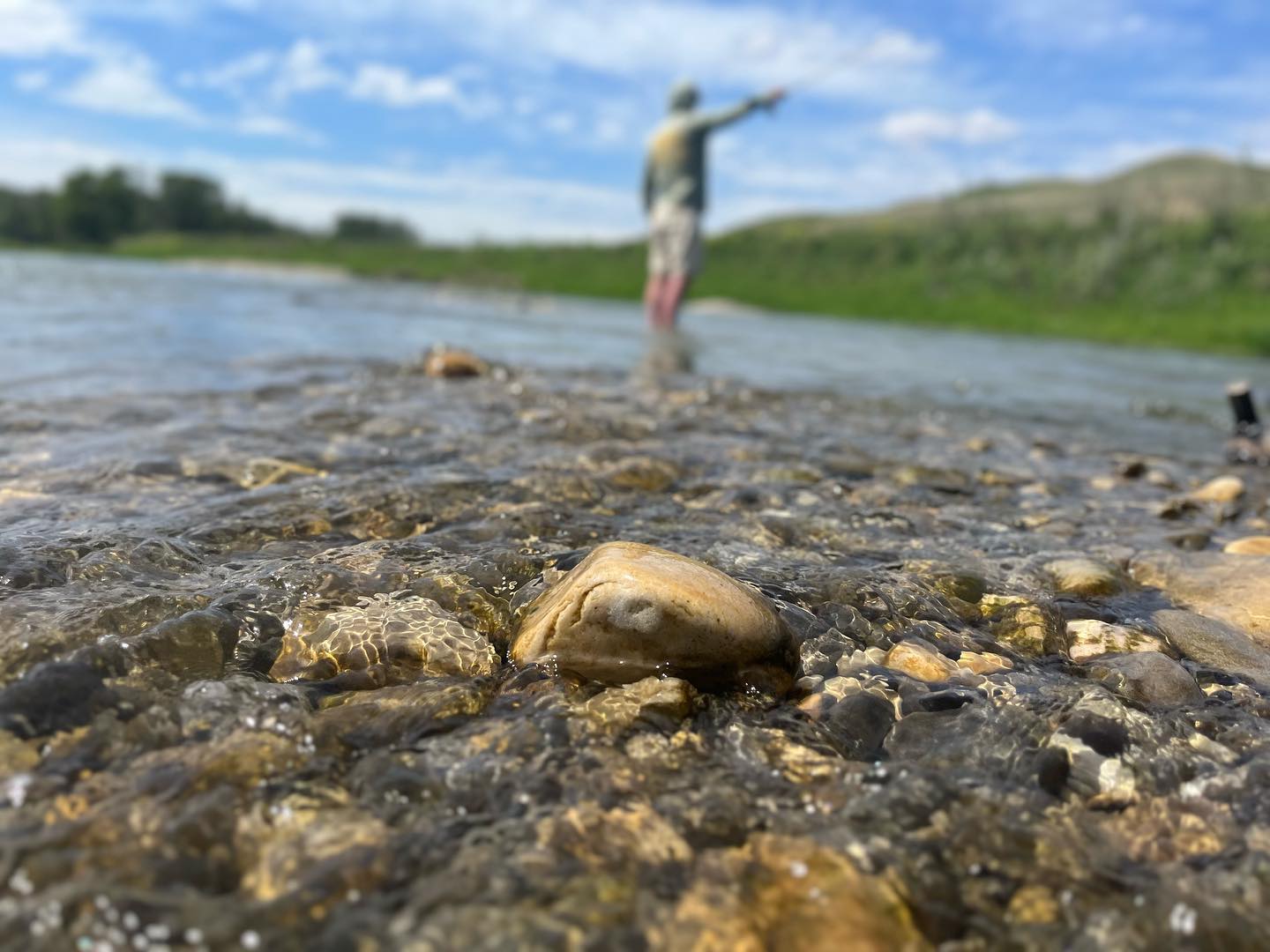
Your full-day adventure starts early when Captain Osman meets you at the launch, tackle box loaded and boat prepped for a serious day of angling. The Lower Bow stretches below Calgary offer some of the most consistent trout fishing in Alberta, and you'll be working prime runs and pools that most anglers only dream about accessing. With just two spots available, you get the kind of personalized attention that makes all the difference between a good day and an epic one. The river runs clear and cold year-round, fed by mountain snowmelt that keeps these fish healthy and aggressive. Captain Osman provides all your rods, reels, and terminal tackle – everything from dry flies to streamers, nymphs to indicator rigs. He'll keep you fed too, packing lunch, snacks, and cold drinks so you can stay focused on what matters: putting fish in the net.
Techniques & Tackle Setup
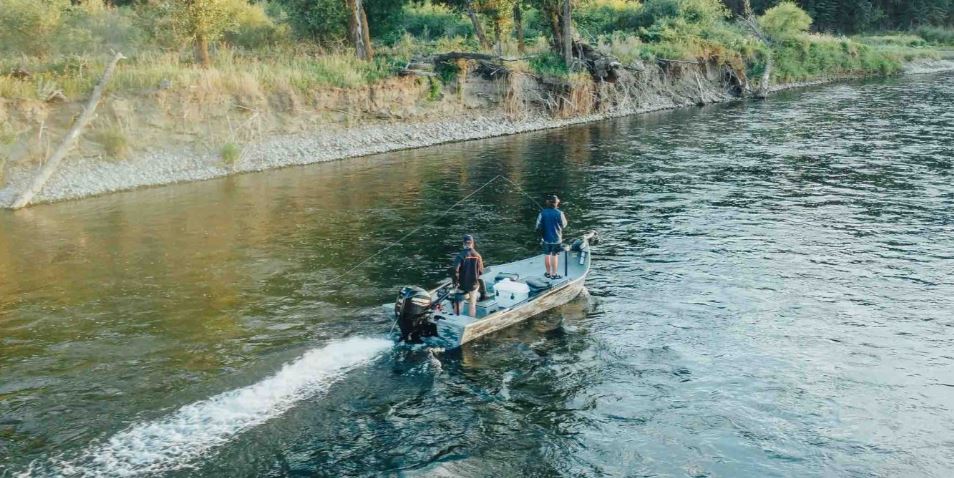
The Lower Bow demands versatility, and Captain Osman switches up techniques based on conditions, season, and what the fish are telling him. You'll likely work everything from dry fly presentations during mayfly hatches to deep nymphing through winter holes where big browns stack up. The boat lets you cover serious water – drifting long runs, anchoring up on productive pools, and positioning for perfect presentations that wading anglers just can't reach. Expect to throw streamers for aggressive pike, work indicator rigs through deep slots, and maybe sight-fish to rising trout when conditions align. The provided gear handles everything from delicate 6-weight presentations to heavier rods that can turn big fish away from structure. Captain Osman reads water like a book, positioning you for success whether you're a seasoned fly fisher or picking up techniques on the go.
Target Species You'll Hook
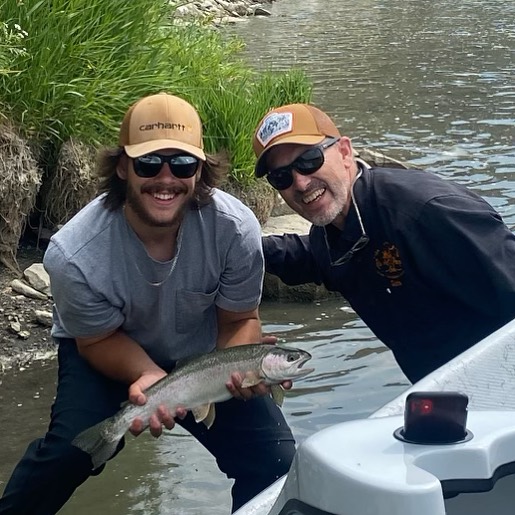
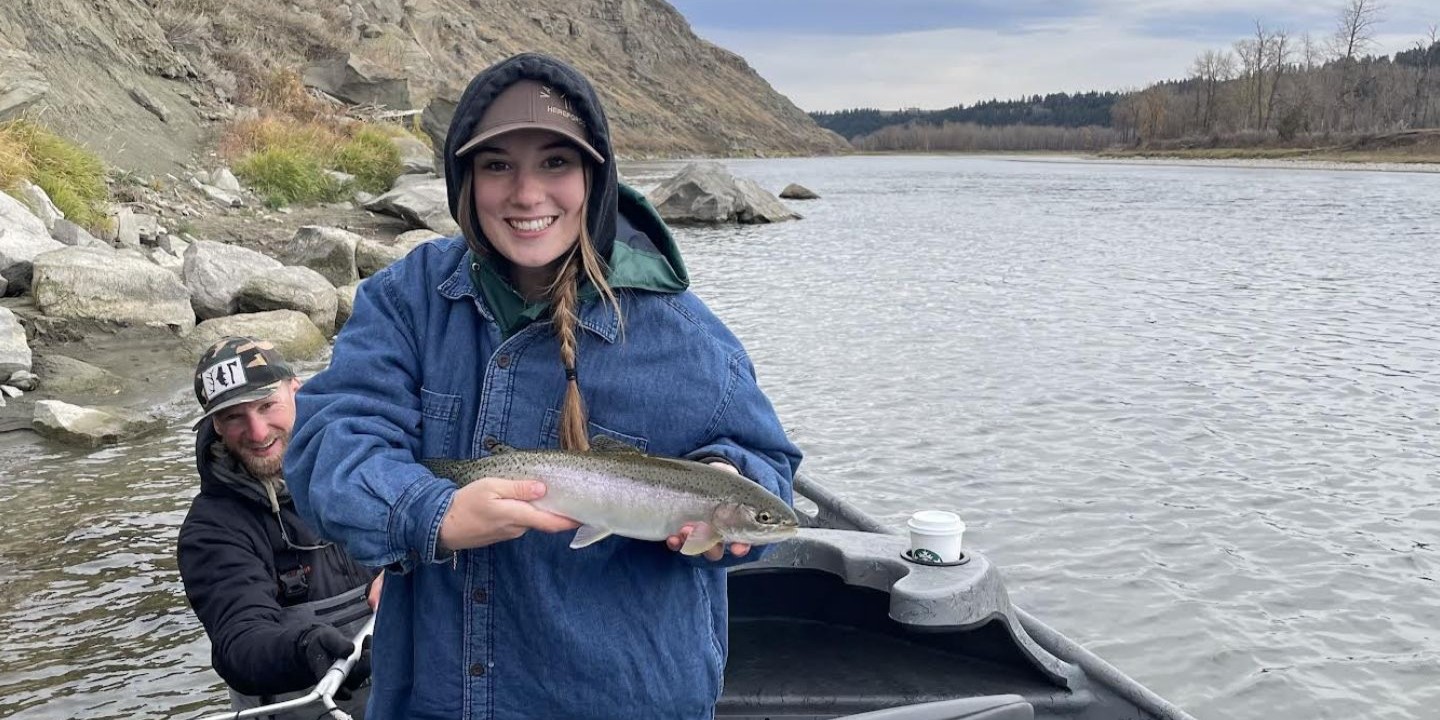
Rainbow Trout are the bread and butter of Lower Bow fishing, and these aren't your typical stocked fish. Wild rainbows here average 16-18 inches, with plenty of 20+ inch specimens that'll test your skills and tackle. They're aggressive year-round, hitting everything from tiny midges to big streamers, and their aerial displays when hooked are pure magic. Spring through fall offers the most consistent action, but winter fishing can be phenomenal when you find them stacked in deeper pools.
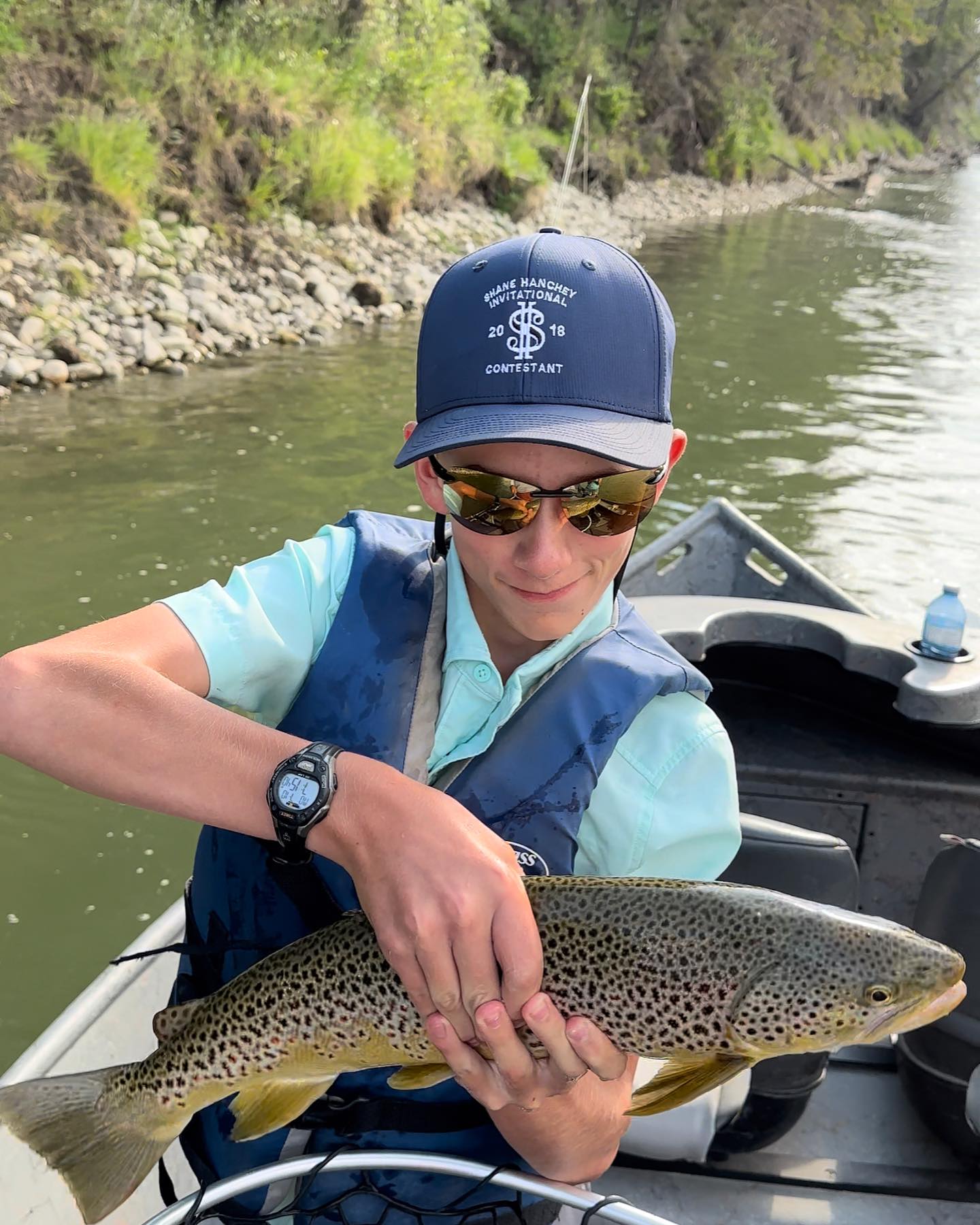
Brown Trout represent the ultimate prize on this stretch, with fish regularly pushing 24+ inches and weights that surprise even experienced anglers. These are smart, selective fish that require skill and patience, but the payoff is worth every cast. Fall brings the best brown trout action as they move into pre-spawn patterns, becoming more aggressive and willing to chase larger presentations. Captain Osman knows exactly where these trophy fish hold, and landing one becomes a story you'll tell for years.
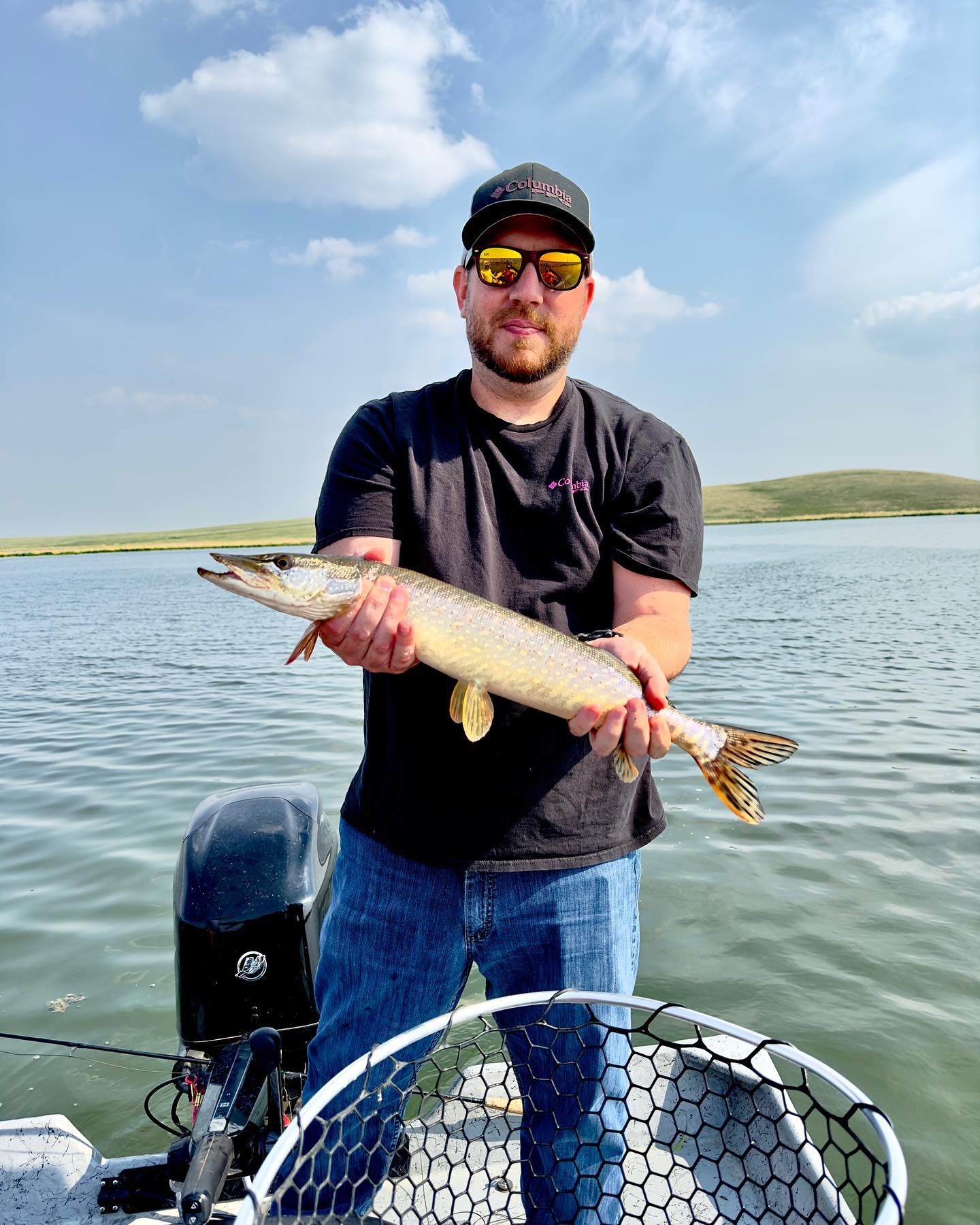
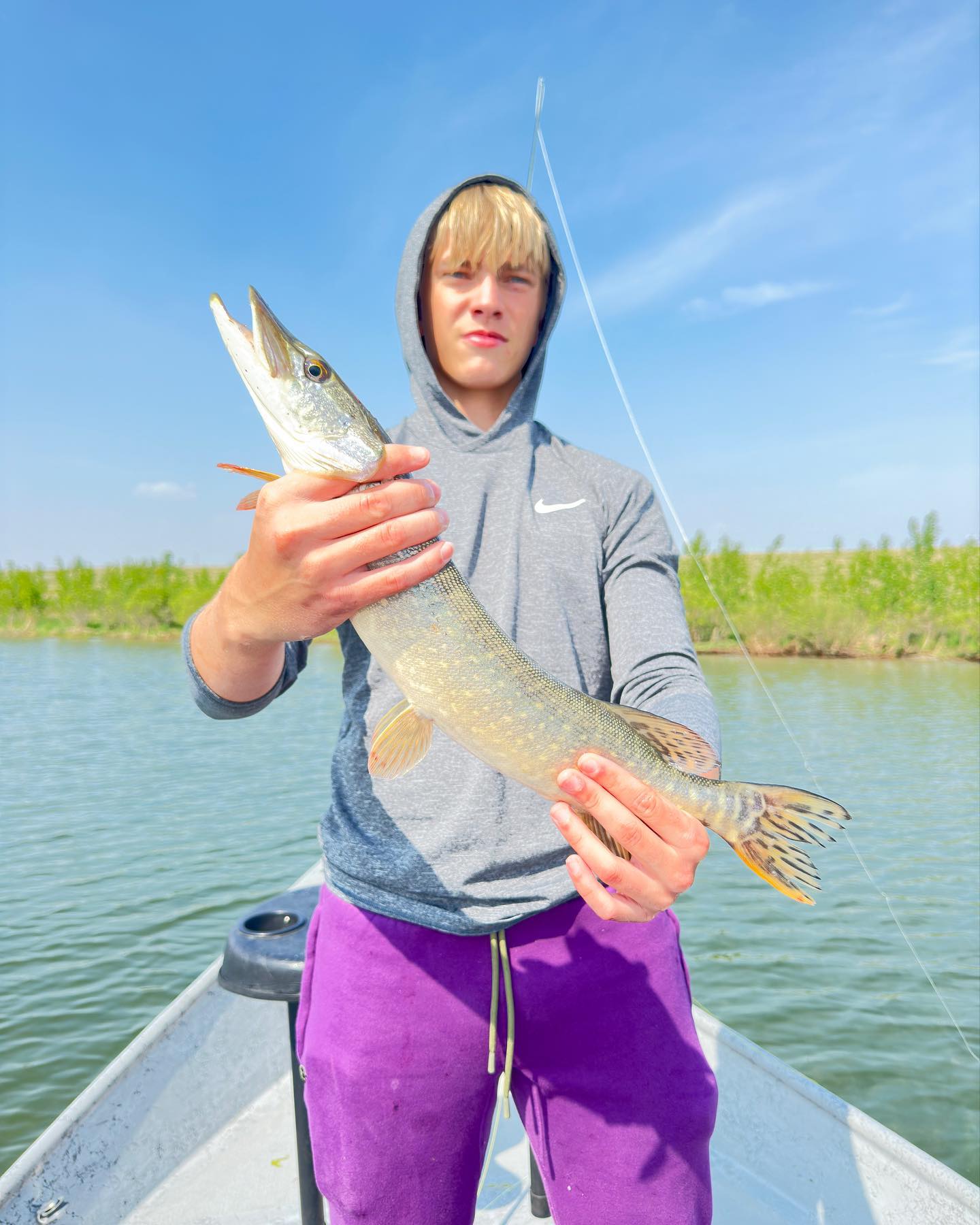
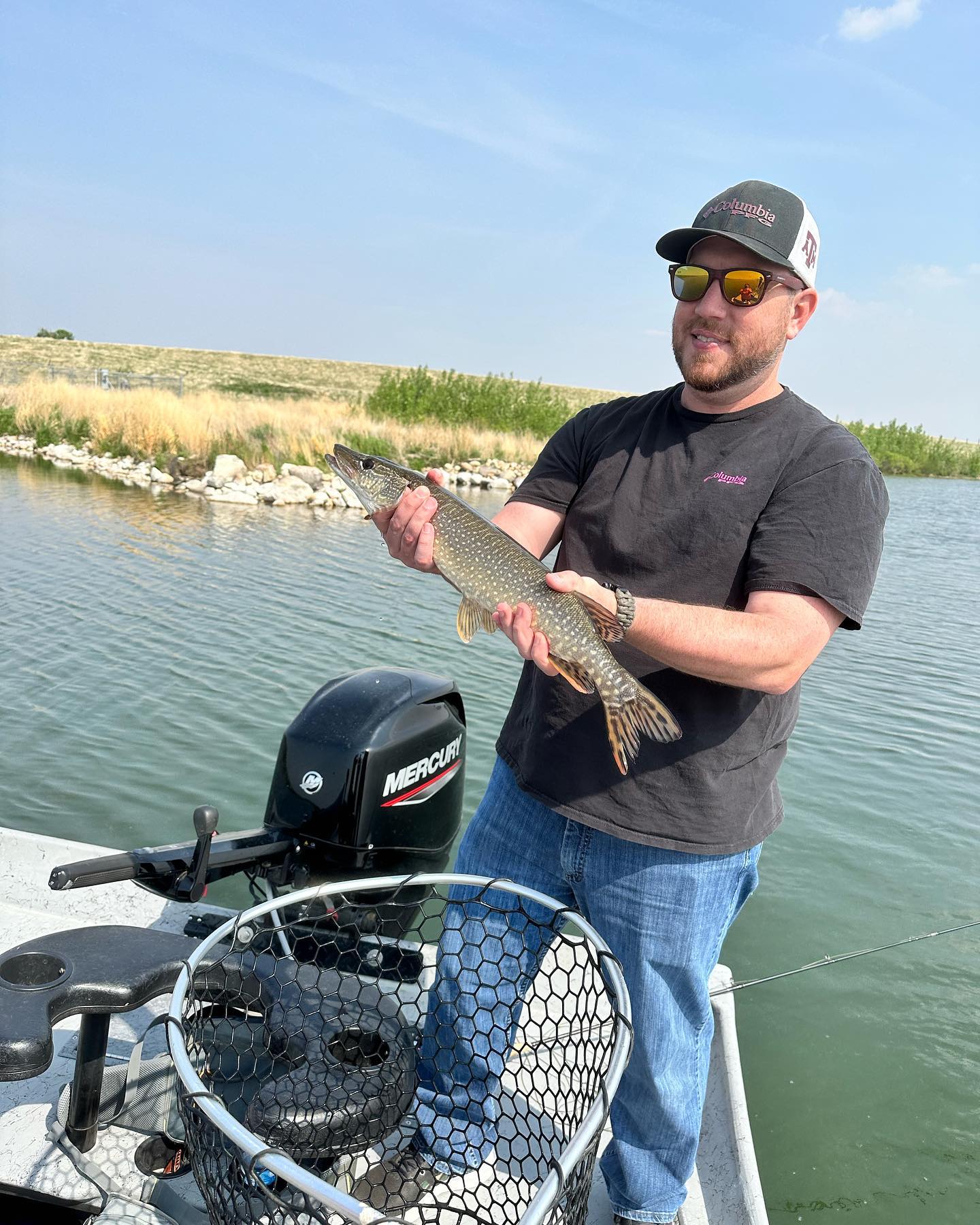
Northern Pike add serious excitement to the mix, especially in the slower backwaters and side channels where they ambush prey. These toothy predators hit hard and fight dirty, often exploding on streamers with violent strikes that'll get your heart racing. Pike fishing peaks during warmer months when they're most active, and the Lower Bow holds some impressive specimens that can stretch past 40 inches.
Lake Trout show up in deeper pools and runs, particularly during cooler months when they move into the river system from connected lakes. These fish fight deep and strong, using their weight and the current to test every knot and connection. They're less common than rainbows and browns but represent a special catch that adds variety to your day.
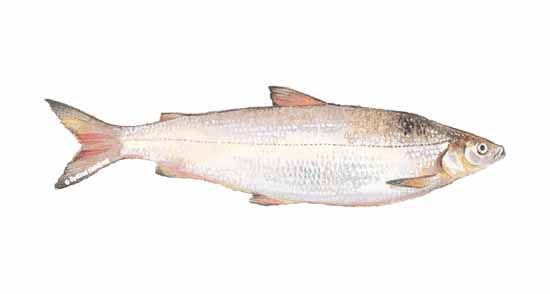
Lake Whitefish might not get the glory of trout, but they're a blast on light tackle and often save the day when other species aren't cooperating. They school up in good numbers, fight surprisingly well, and take a variety of presentations. Captain Osman appreciates clients who enjoy the fishing for what it is, and whitefish can provide steady action that keeps your line tight throughout the day.
Time to Book Your Spot
The Lower Bow River delivers world-class fishing in a setting that reminds you why you love this sport in the first place. Captain Osman's local knowledge, quality gear, and commitment to putting you on fish creates the kind of day that turns good anglers into great ones and great anglers into Lower Bow regulars. With only two spots available, this isn't a cattle boat operation – it's personalized guiding that focuses on your success and enjoyment. Whether you're chasing your first Alberta rainbow or hunting for a trophy brown that'll be the fish of a lifetime, this full-day adventure gives you the best shot at making it happen. The gear's provided, the lunch is packed, and the fish are waiting. All you need to do is show up ready to fish and let Captain Osman handle the rest.
 Private Trip
 River Fishing
 Edmonton



 Full-day guided Bow River fishing with Captain Osman