6 Hour Hampstead Inshore Fishing Charter
When you want serious time on the water without heading way offshore, this 6-hour Hampstead inshore charter hits the sweet spot. Starting at 7 AM, you'll have plenty of daylight to work the flats, creeks, and nearshore structure where some of North Carolina's best inshore species hang out. With room for up to 4 anglers, this trip gives your group the space to fish comfortably while your captain puts you on productive water. Salt Air Fishing Charters knows these local waters like the back of their hand, and six hours means you're not rushed – there's time to move spots, try different techniques, and really dial in what's working that day.
What to Expect on the Water
Your day kicks off early, which is exactly when you want to be fishing these inshore waters. The captain will have the boat ready and tackle sorted before you even arrive, so you can grab your coffee and get straight to fishing. Depending on conditions and what's biting, you might start working shallow grass flats for redfish, drift creek mouths for speckled trout, or hit structure for black drum and flounder. The beauty of a 6-hour trip is flexibility – if one spot's slow, there's plenty of time to relocate and find the action. Your guide will read the water, watch for bird activity, and adjust the game plan throughout the morning and early afternoon. The longer timeframe also means you can take breaks when needed, grab some shade, and really enjoy the experience without feeling like you're constantly racing the clock. Everything's provided – rods, reels, tackle, and bait – so you just show up ready to fish.
Techniques and Tackle
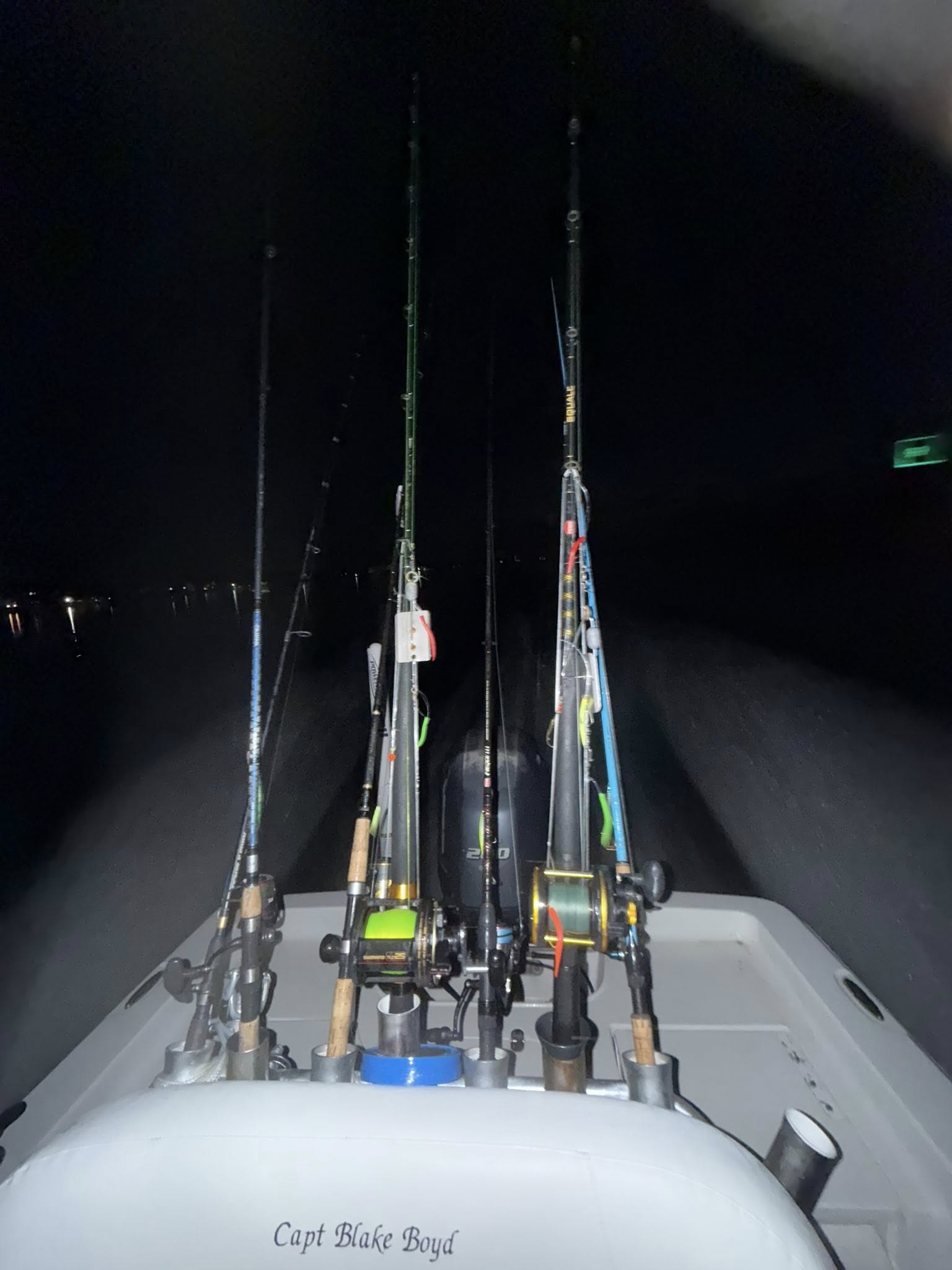
Inshore fishing around Hampstead means adapting your approach based on what you're targeting and where you're fishing. Your captain will switch between live bait and artificials depending on conditions and species. For redfish cruising the flats, you might be sight-casting with soft plastics or live shrimp under popping corks. When targeting speckled trout in deeper grass beds, topwater plugs early in the morning can produce explosive strikes, while soft plastics and live bait work well as the sun gets higher. Flounder fishing often means bouncing jigs along the bottom near structure, drop-offs, or creek mouths where they ambush baitfish. The boat carries a full selection of tackle – from light spinning gear for trout to heavier setups for bigger drum. Your guide will match the tackle to the fish you're after and show you the techniques that work best in these waters. Don't worry if you're new to some of these methods – part of the fun is learning new approaches and seeing what works in different situations.
Species You'll Want to Hook
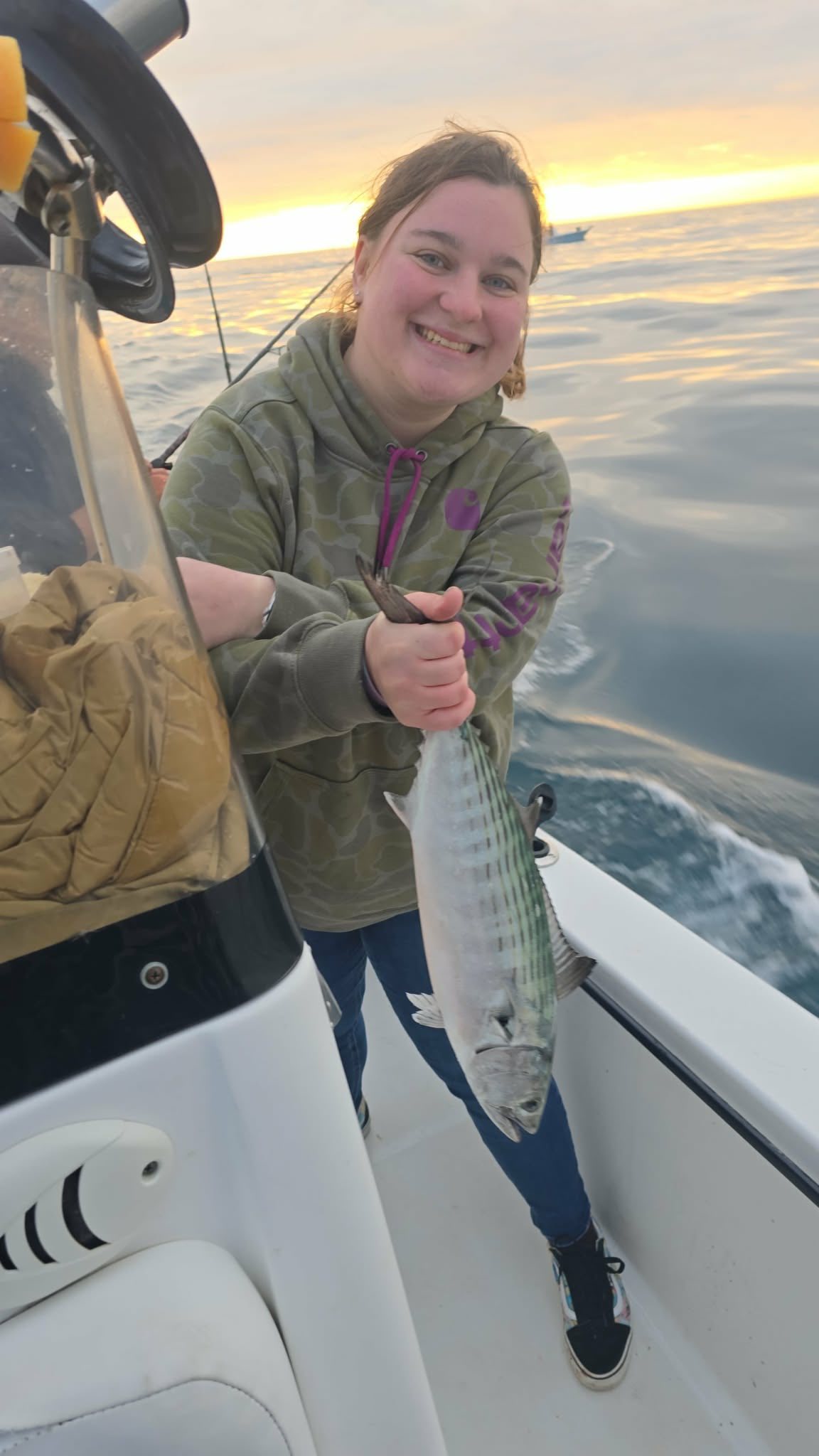
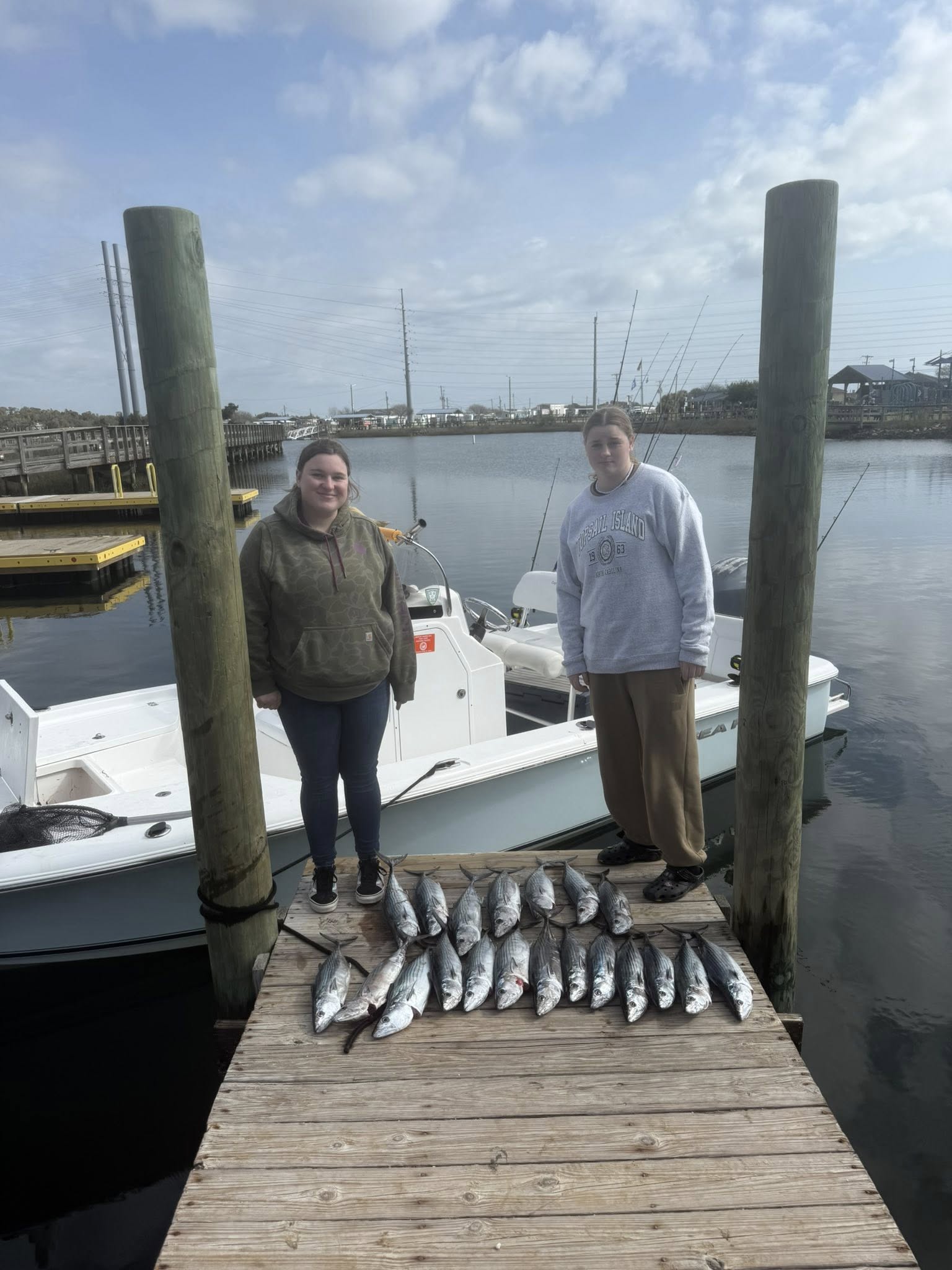
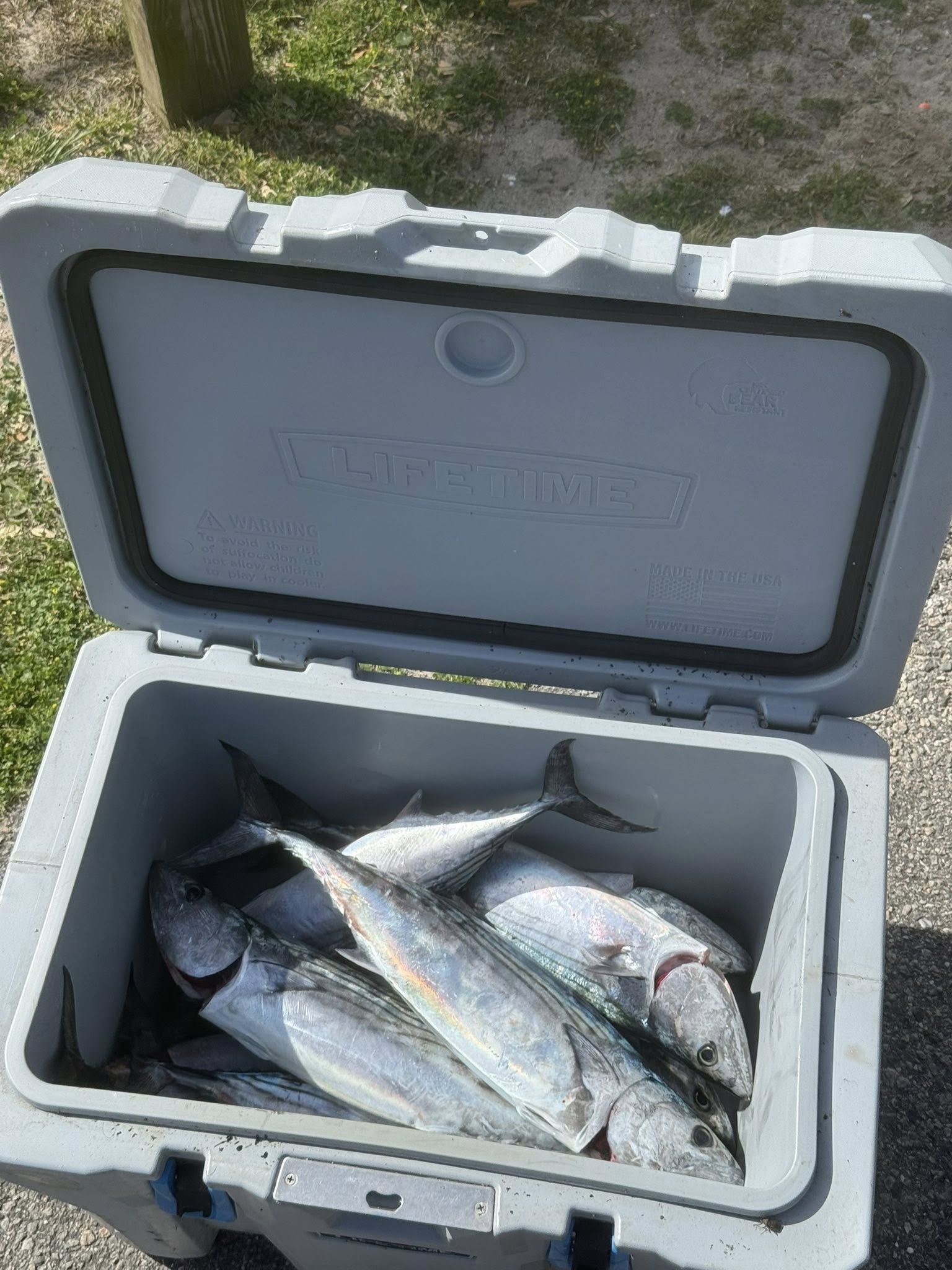
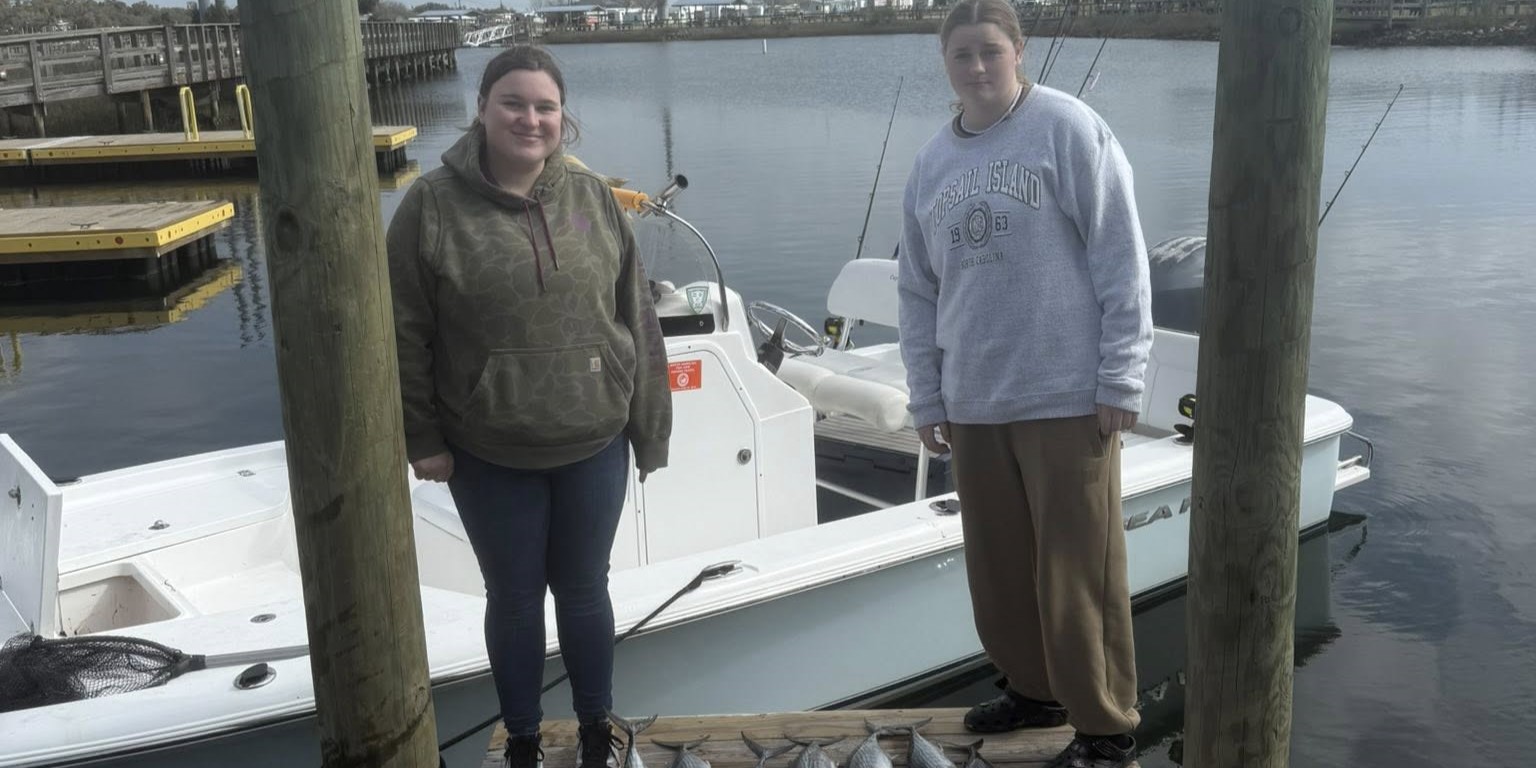
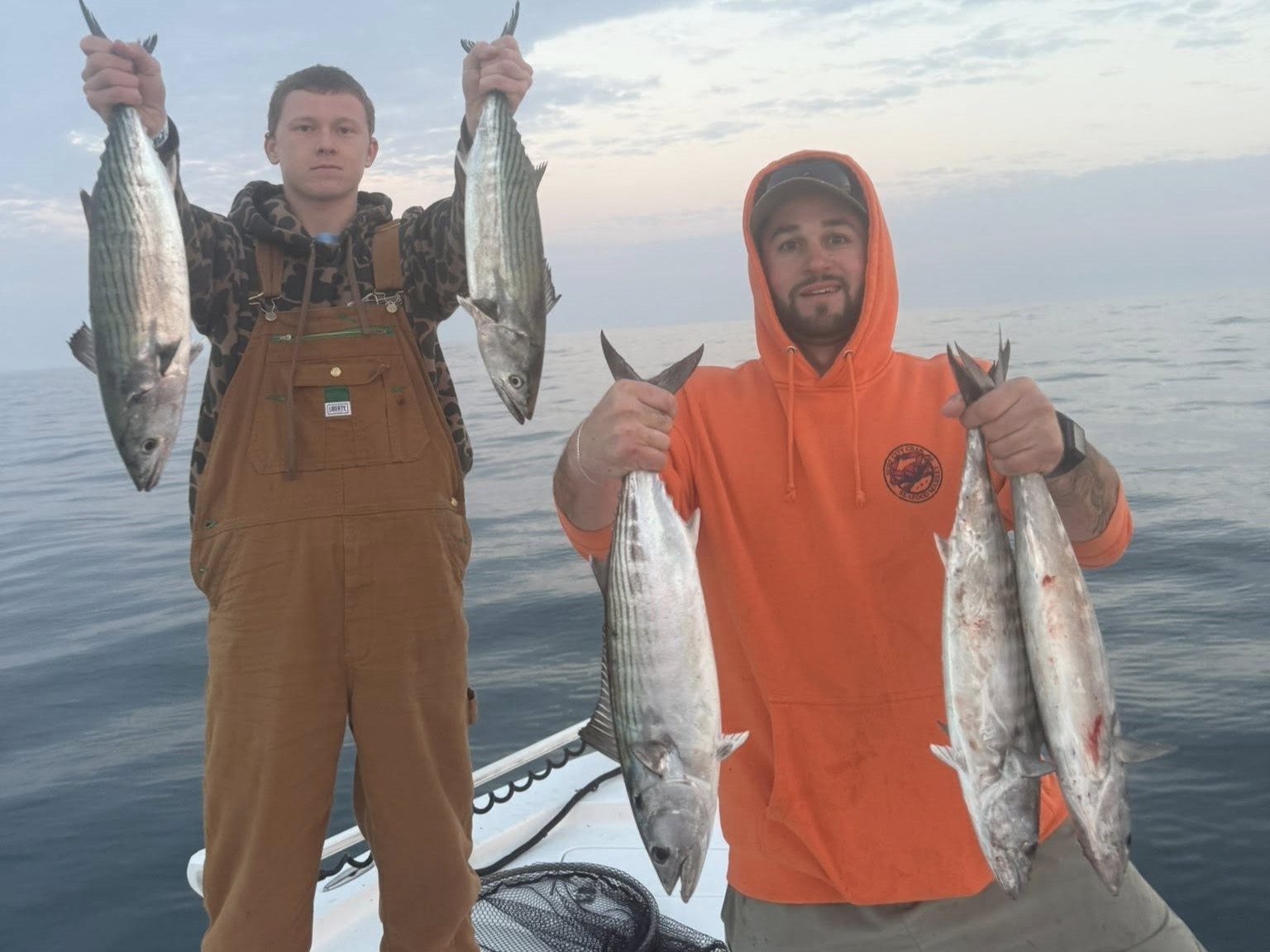
Spanish Mackerel are speed demons that'll test your reflexes and drag system. These silver bullets typically show up in late spring through fall, often feeding in schools near structure or bait pods. They hit fast-moving lures like small spoons and jigs, and once hooked, they make blistering runs that'll have you grinning. Most run 1-3 pounds, but their aggressive nature and acrobatic fights make them a blast on light tackle. Look for diving birds – that's usually where you'll find spanish mackerel tearing into baitfish.
Bluefish are another aggressive species that can make your day memorable. These toothy predators travel in schools and when you find them feeding, the action can be non-stop. They'll hit just about anything that moves – spoons, plugs, soft plastics, or live bait. Bluefish around Hampstead typically range from 2-8 pounds, with the occasional larger "chopper" mixed in. They're excellent table fare when handled properly, and their hard-fighting nature makes them popular with anglers of all skill levels.
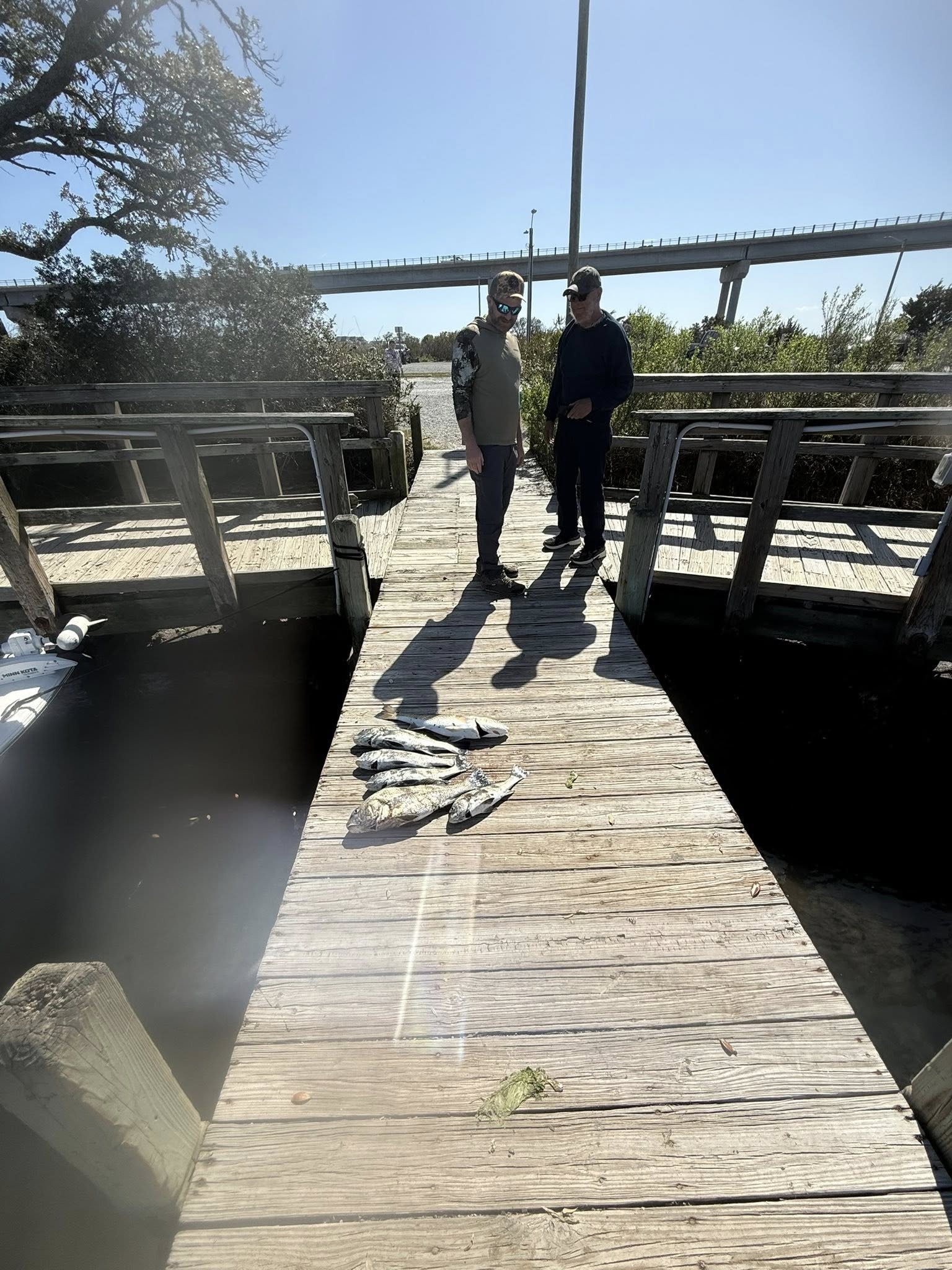
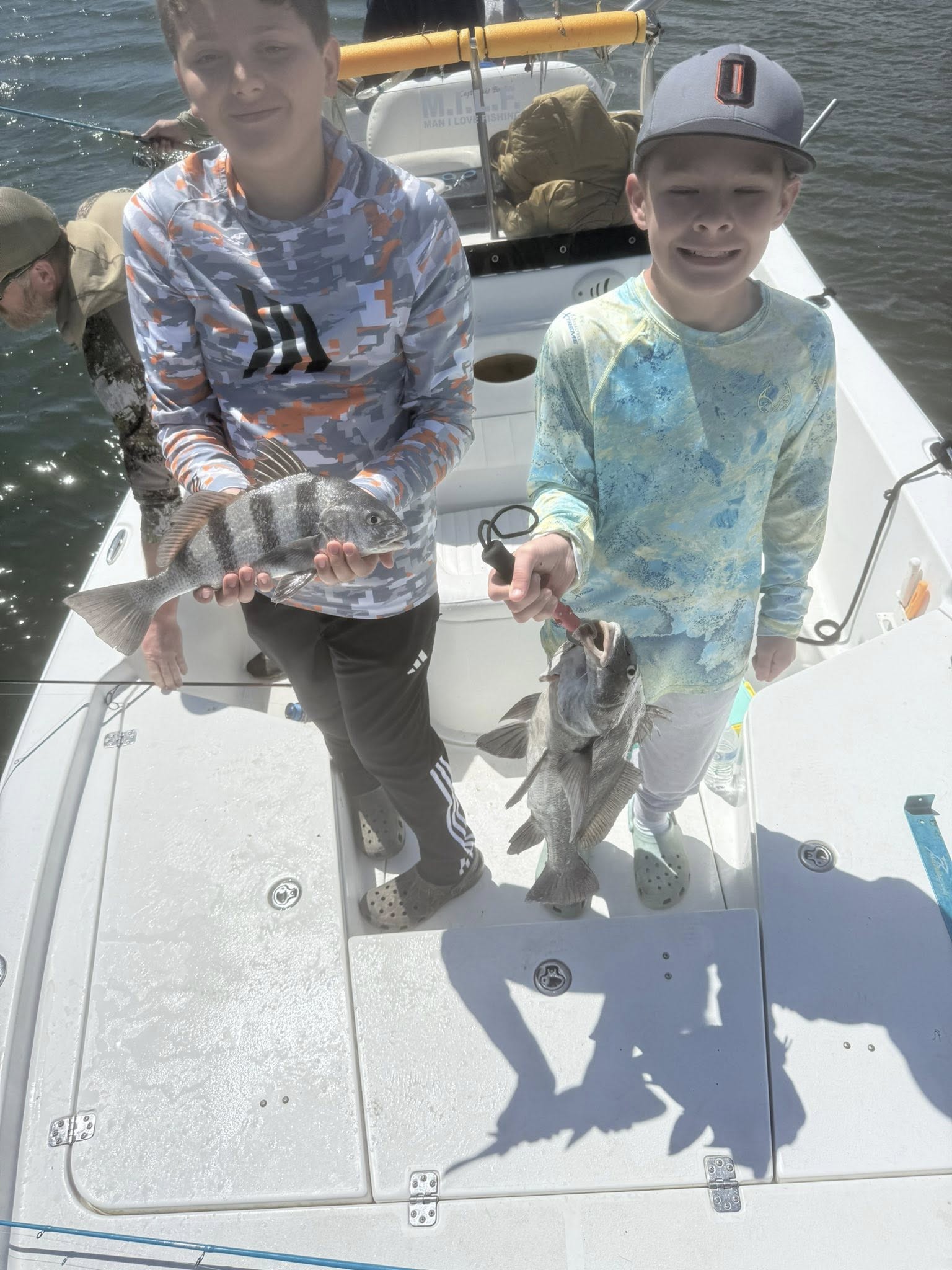
Black Drum are the bulldozers of the inshore waters. These bottom-dwellers can range from smaller "puppy drum" to bruising 20-40 pound fish that'll test your tackle and technique. They're often found around oyster bars, creek mouths, and deeper holes where they root for crabs and shellfish. Fishing for black drum usually means using heavier tackle and natural baits like crab or cut bait. When a big drum takes off, you'll know it – they use their broad bodies and powerful tails to make long, steady runs that can take several minutes to turn.
Sea Trout, or speckled trout as locals call them, are arguably the most popular inshore target around Hampstead. These beautiful fish have distinctive spotted patterns and can be found over grass flats, around structure, and in creek systems. They're active feeders that'll hit both live bait and artificials, making them perfect for anglers who like to experiment with different techniques. Specks typically range from 12-18 inches, with larger "gator trout" over 20 inches being the real prizes. They're excellent eating and provide consistent action throughout much of the year.
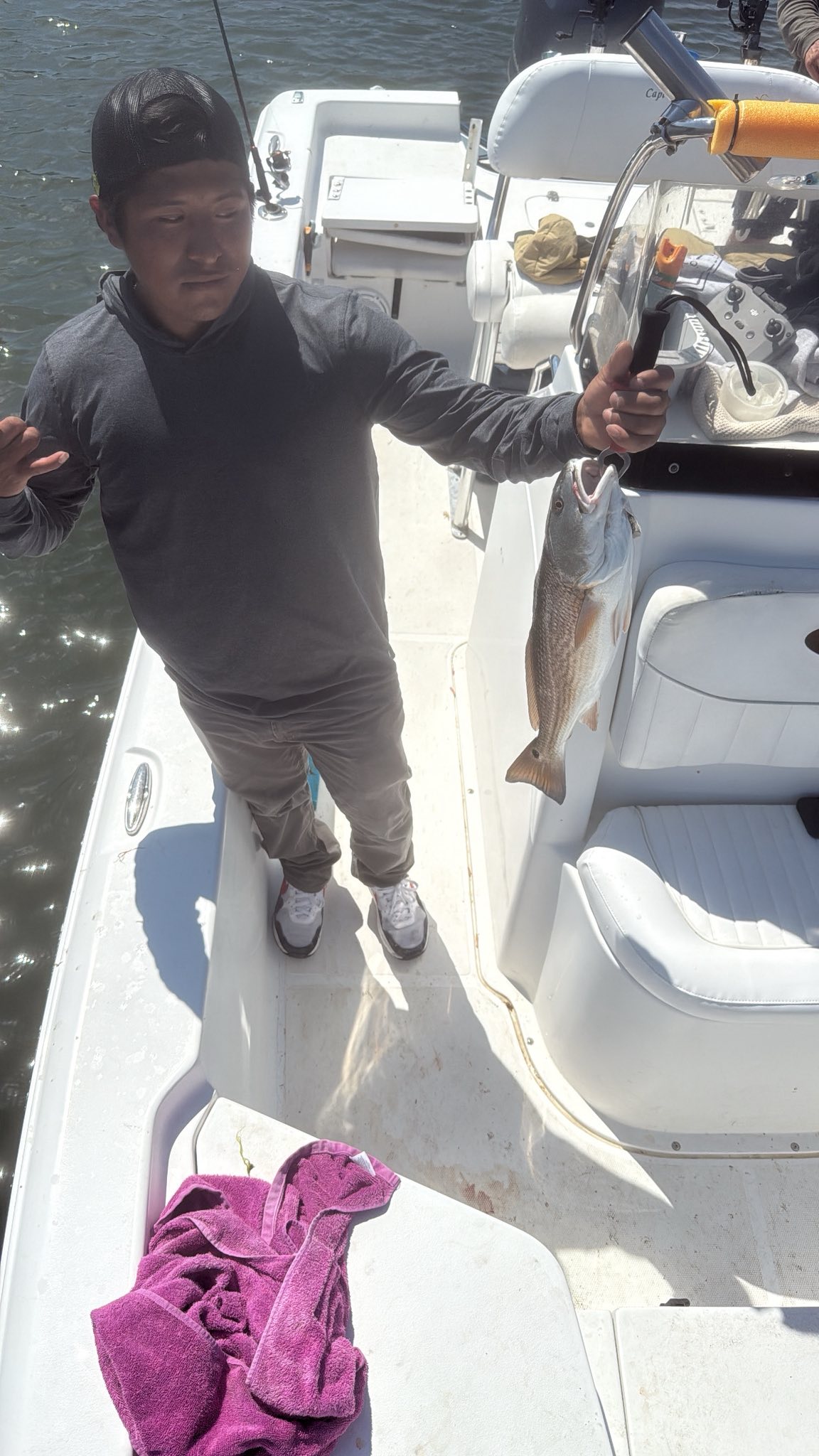
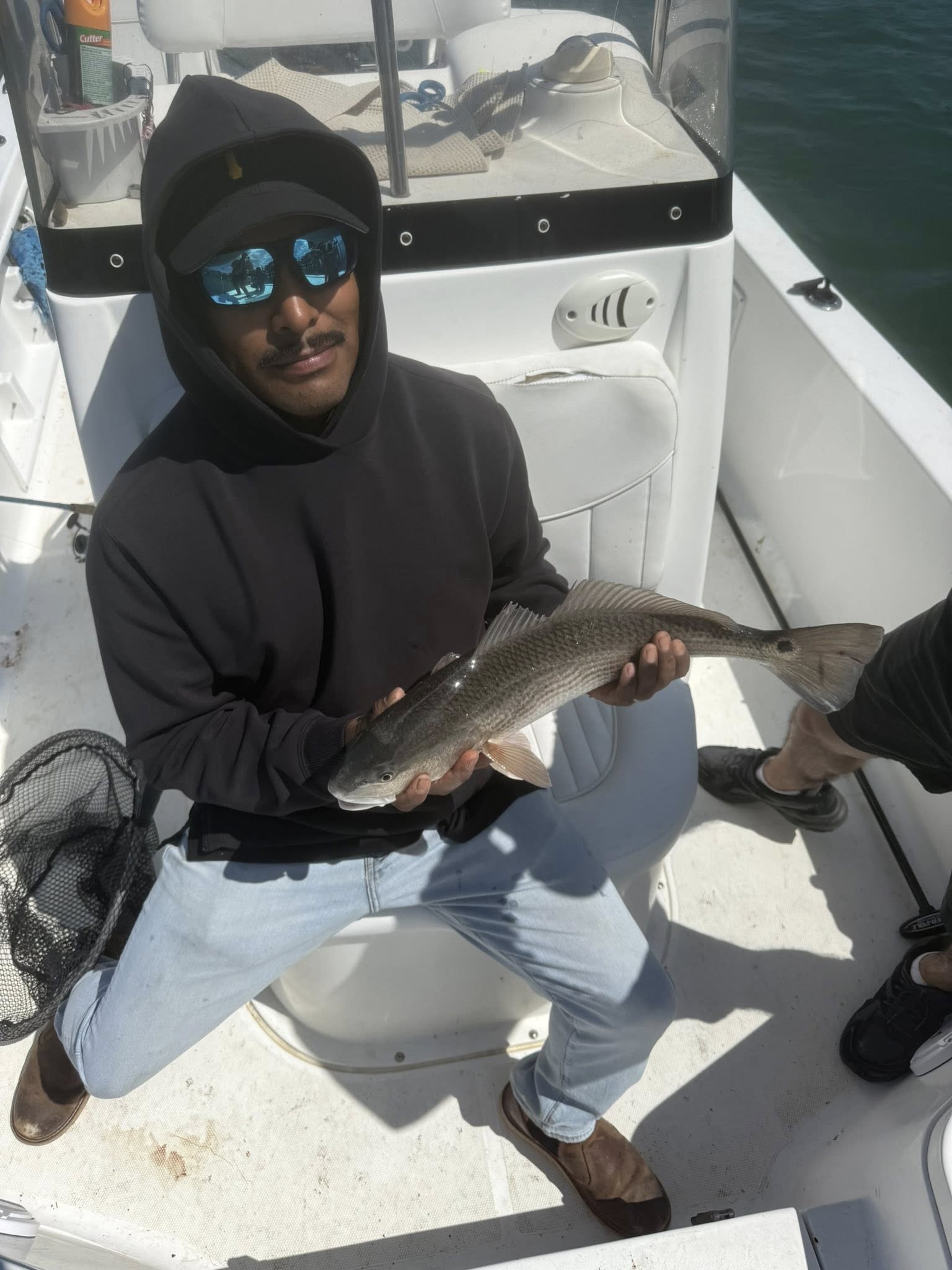
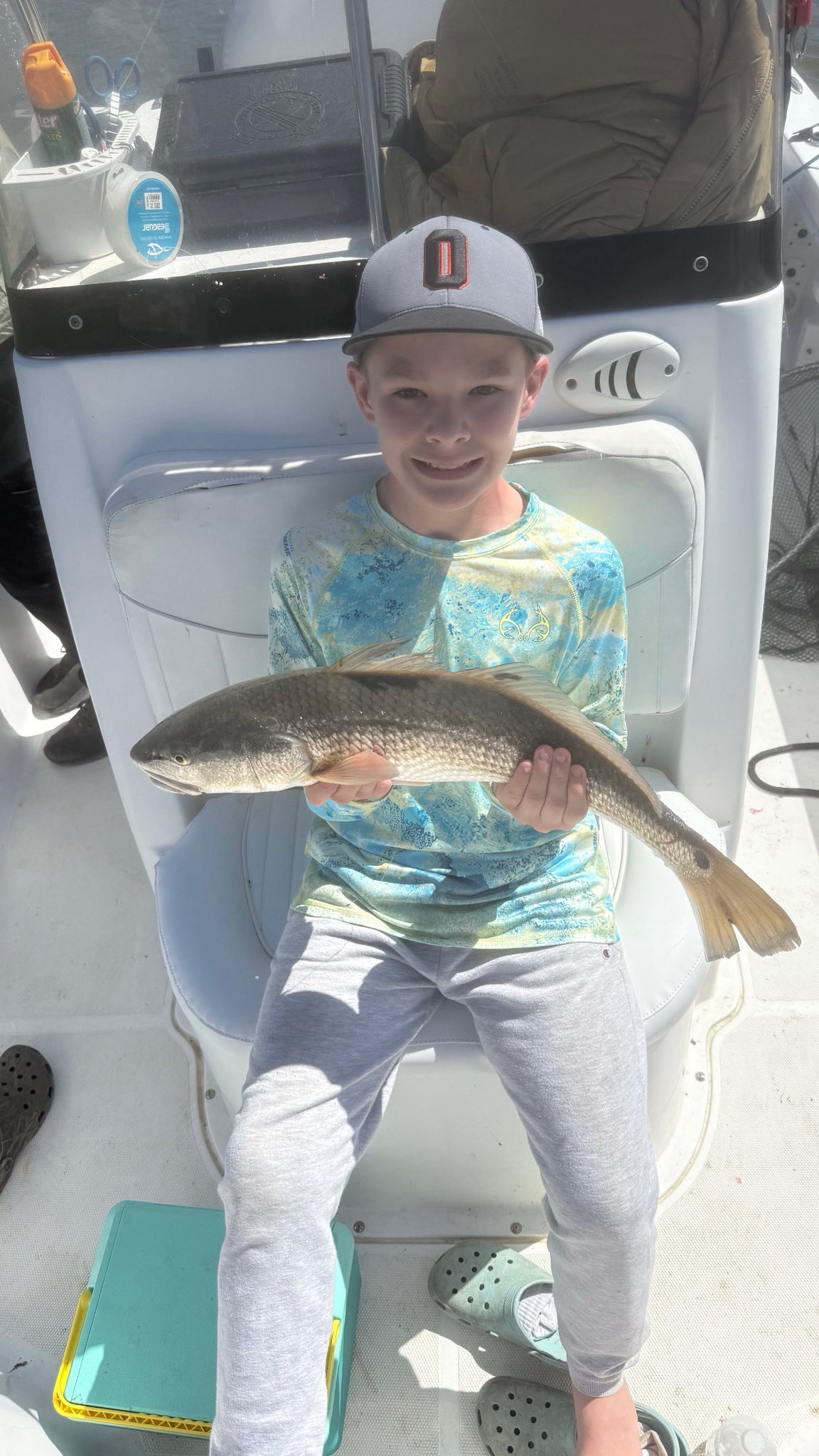
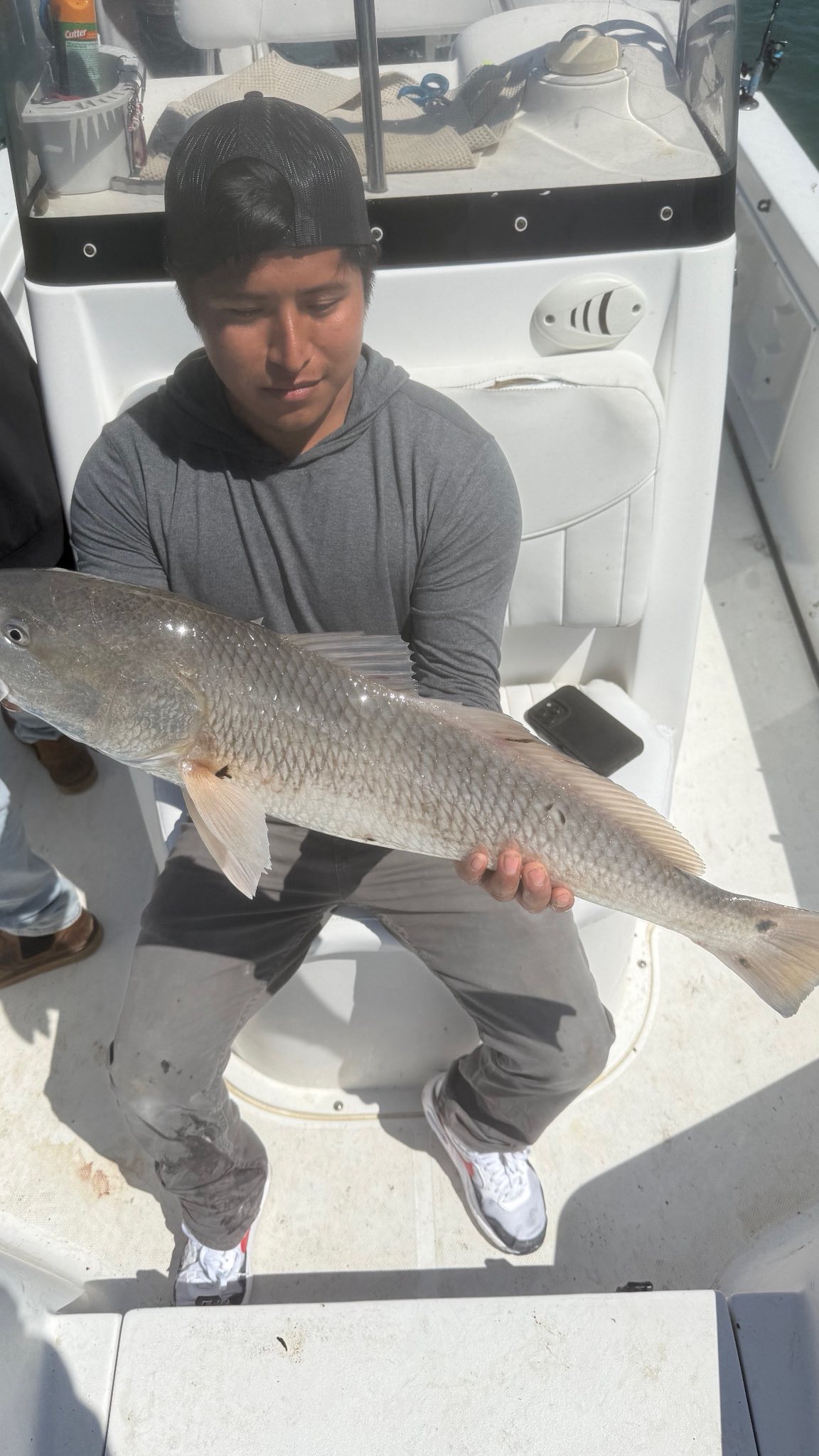
Redfish might just be the crown jewel of inshore fishing. These copper-colored fighters are known for their powerful runs and stubborn fighting style. Around Hampstead, you'll find them in shallow flats, around oyster bars, and in tidal creeks. Red drum come in different life stages – smaller "rat reds" and larger "bull reds" that can exceed 40 inches. The slot-size fish (18-27 inches in NC) are perfect for the dinner table, while the big bulls provide heart-pounding fights in shallow water. Redfish are often caught sight-fishing, which adds an exciting visual element as you watch them cruise and feed.
Time to Book Your Spot
A 6-hour charter gives you the best shot at consistent action while staying in the productive inshore waters around Hampstead. You're getting the expertise of local guides who fish these waters year-round, quality tackle that's maintained an
 Private Trip
 Inshore Fishing
 undefined, undefined


 Six-hour inshore charter targets redfish, trout, and flounder