8 Hour Hampstead Inshore Fishing Charter
When you want to maximize your time on Hampstead's productive inshore waters, this 8-hour charter delivers exactly what serious anglers are looking for. Starting at 6:30 AM sharp, you'll have the entire day to work the flats, creeks, and nearshore structure that make this area a top-rated fishing destination. With room for up to 4 guests, this extended trip gives you the flexibility to adapt to changing conditions and fish multiple hotspots as opportunities arise throughout the day.
What to Expect on the Water
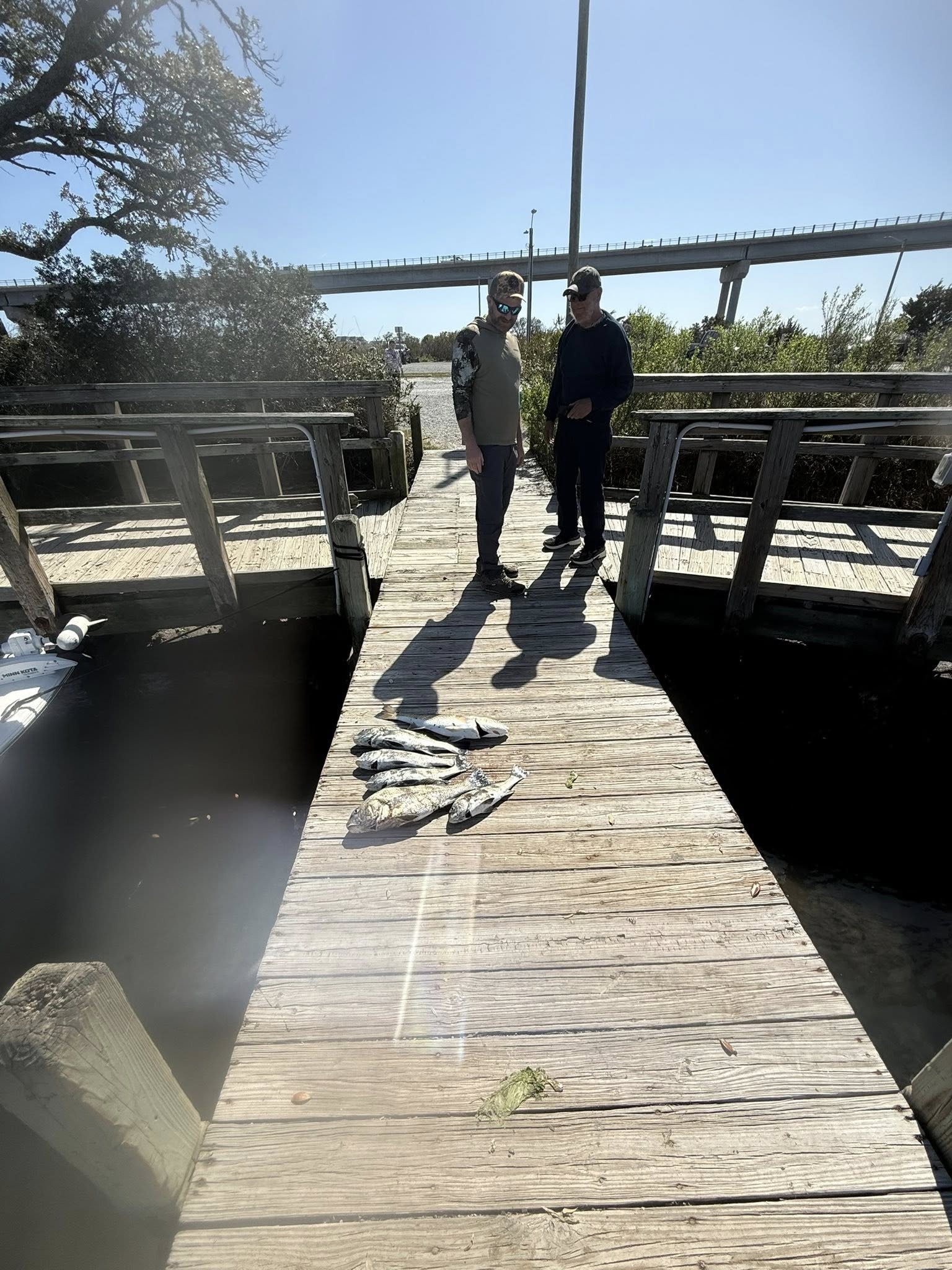
This full-day adventure takes advantage of the early morning bite when fish are most active, then adjusts strategies as the day unfolds. You'll start in the protected inshore waters targeting the bread-and-butter species that make Hampstead famous – redfish, speckled trout, flounder, and black drum. The extended timeframe means we can work different areas based on tides, weather, and fish behavior. When conditions are right, we'll also venture just off the beach to target pelagic species like Spanish mackerel and bluefish for some fast-paced action. The beauty of an 8-hour trip is having time to really dial in what's working and capitalize on hot bites without feeling rushed.
Techniques & Tackle
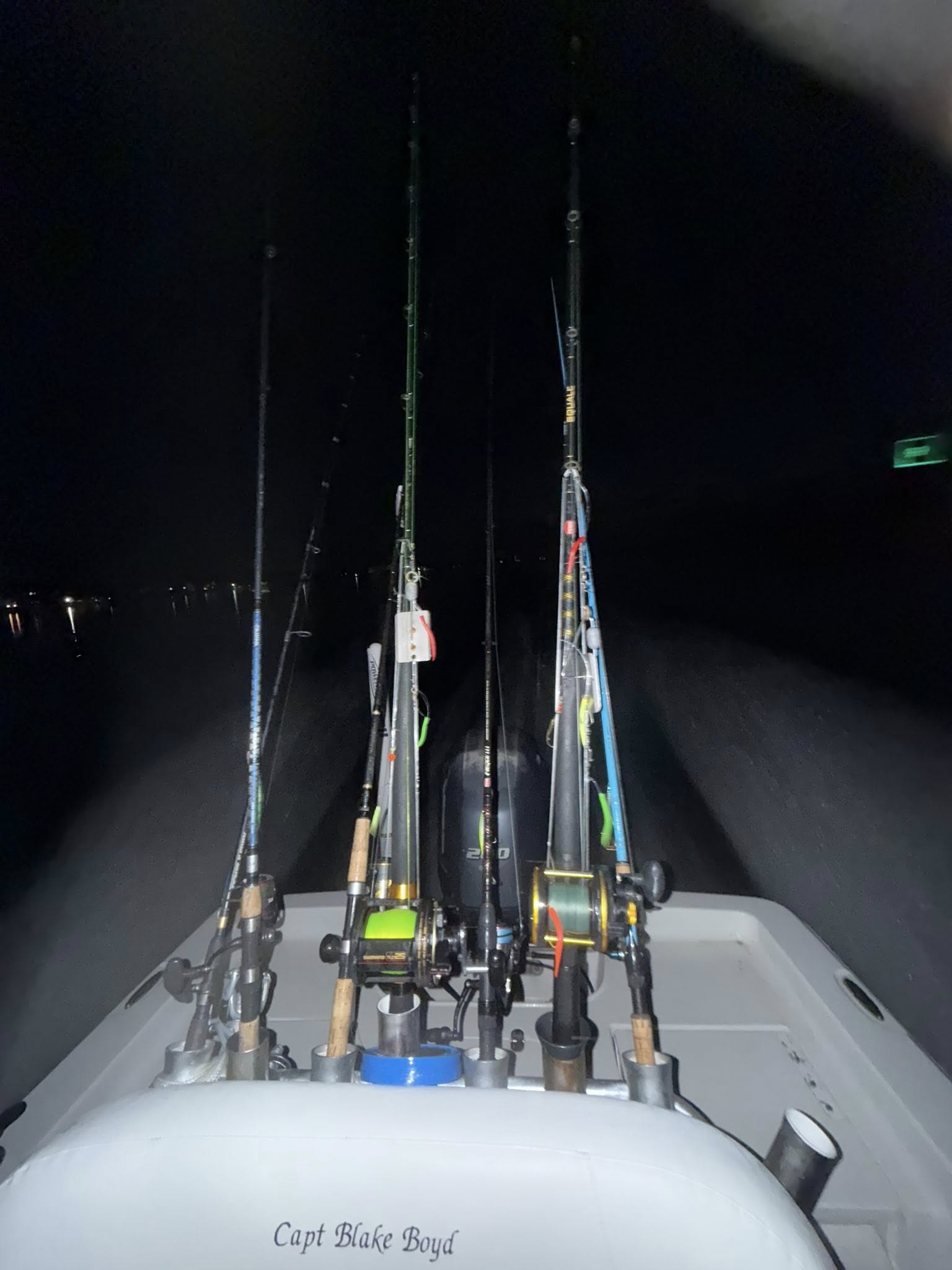
We keep things versatile with a mix of live bait and artificial lures, switching tactics based on what the fish want that day. Live shrimp and mud minnows are staples for targeting trout and redfish around grass flats and oyster bars, while cut bait works great for black drum and flounder. When we're working the nearshore waters, we'll deploy spoons, jigs, and topwater plugs to entice Spanish mackerel and bluefish. All rods, reels, tackle, and bait are included, so whether you're a seasoned angler or new to saltwater fishing, you're set up for success. The boat comes equipped with quality spinning and baitcasting gear appropriate for the target species, plus a full selection of terminal tackle to handle whatever we encounter.
Target Species
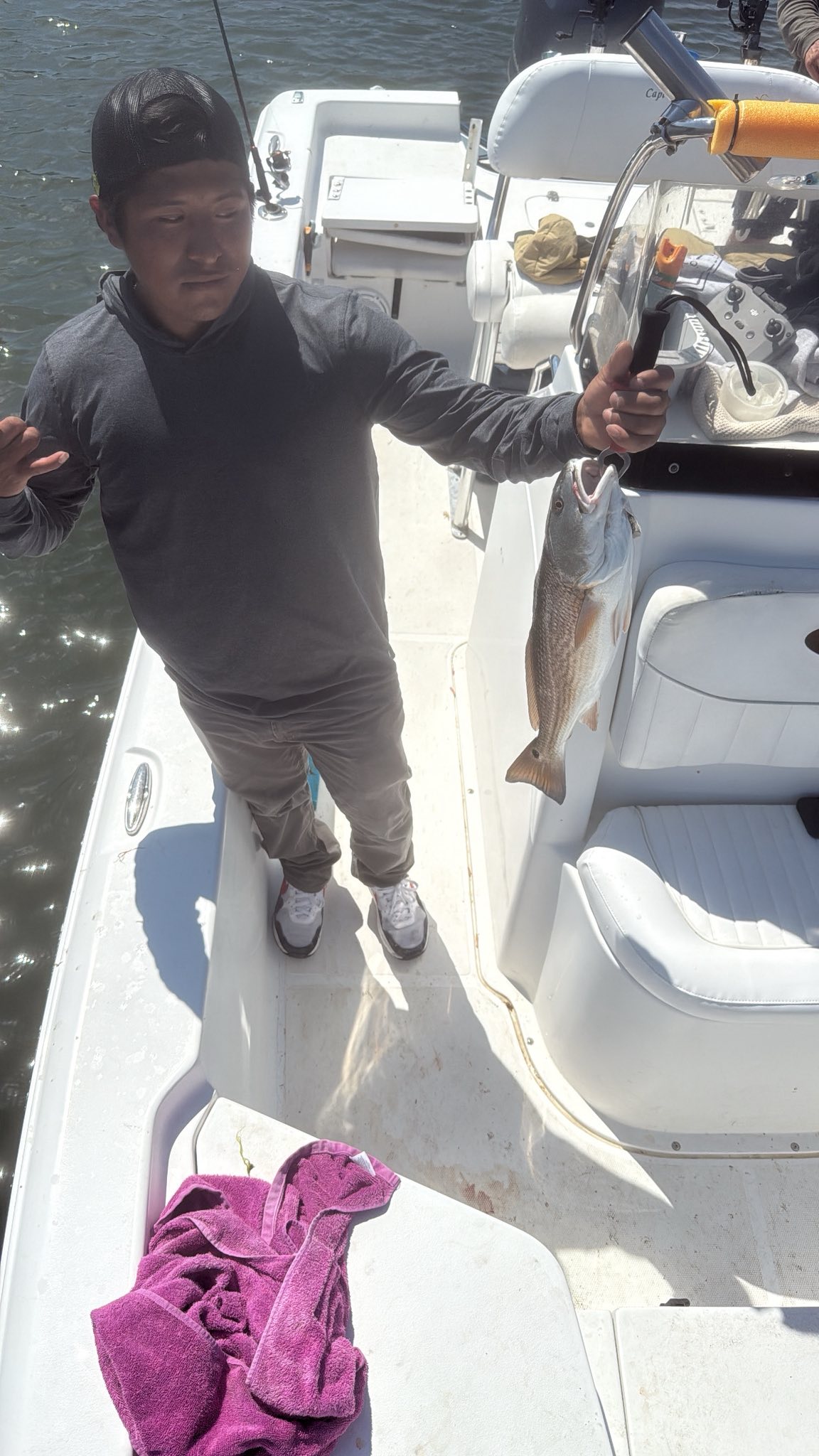
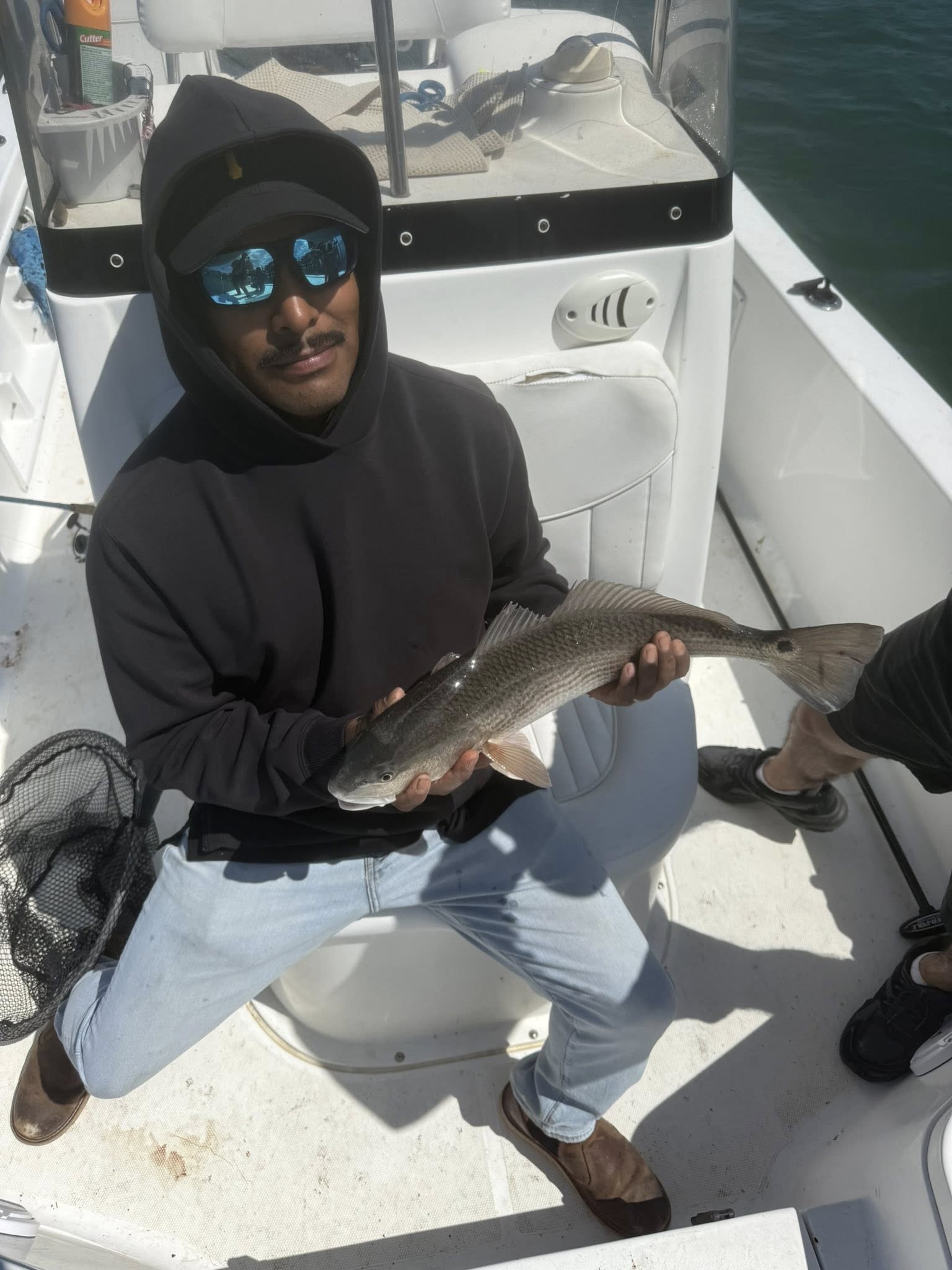
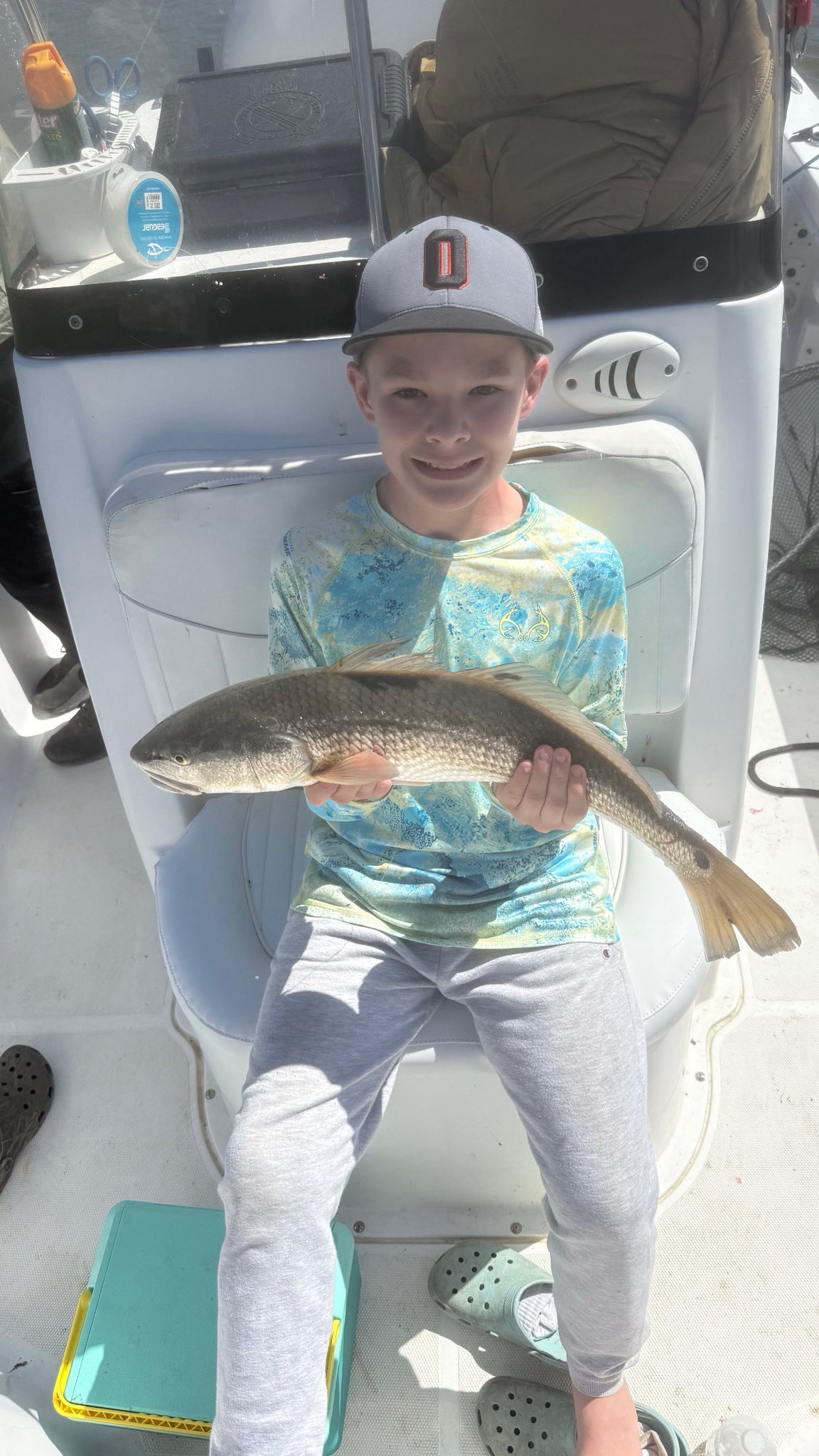
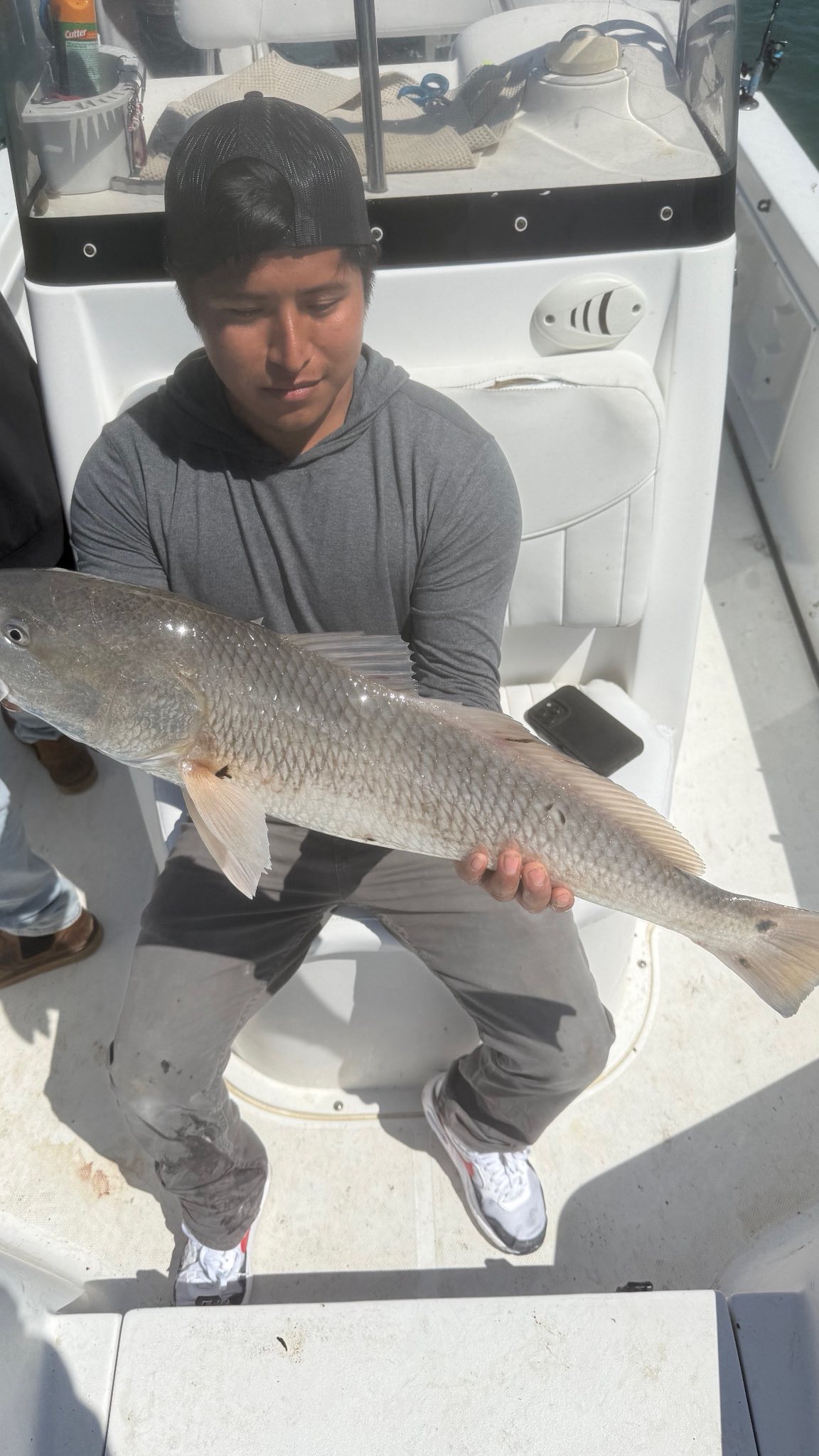
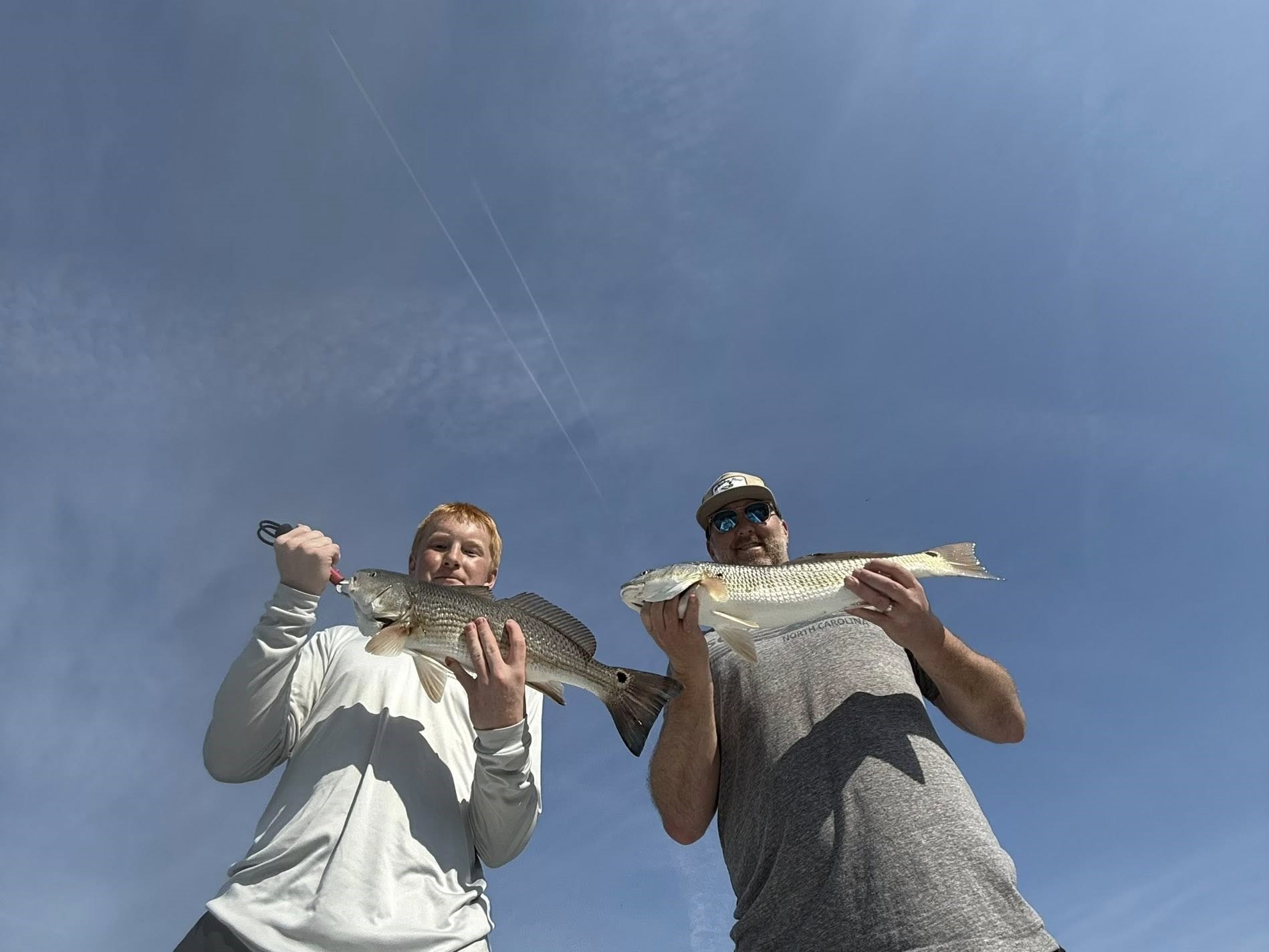
Redfish are the crown jewel of Hampstead inshore fishing, and these copper-colored bruisers never disappoint. Averaging 18-27 inches in our waters, reds are aggressive feeders that hit everything from live shrimp to gold spoons. They school up in shallow water during cooler months and cruise the grass flats year-round. What makes them so popular is their strong fight – they'll make multiple runs and test your drag system. Plus, they're excellent table fare when kept within slot limits.
Speckled trout, or "specks" as locals call them, are the most consistent biters in our area. These spotted beauties range from 12-20 inches on average, with occasional gator trout pushing 24+ inches. They're structure-oriented fish that love grass beds, oyster bars, and drop-offs. Spring and fall offer the best action, but they bite year-round if you know where to look. Specks are prized for their delicate white meat and willingness to hit artificials, making them a favorite among both meat fishermen and catch-and-release anglers.
Flounder are the ultimate ambush predators, lying camouflaged on sandy bottoms waiting for unsuspecting baitfish. These flatfish average 14-18 inches but can reach doormat size over 20 inches. They're most active during warmer months when they move into shallow water to feed. What excites anglers about flounder is the challenge – they require finesse and patience, but they're arguably the best eating fish in our waters. Their subtle bite teaches you to really feel your bait and stay connected.
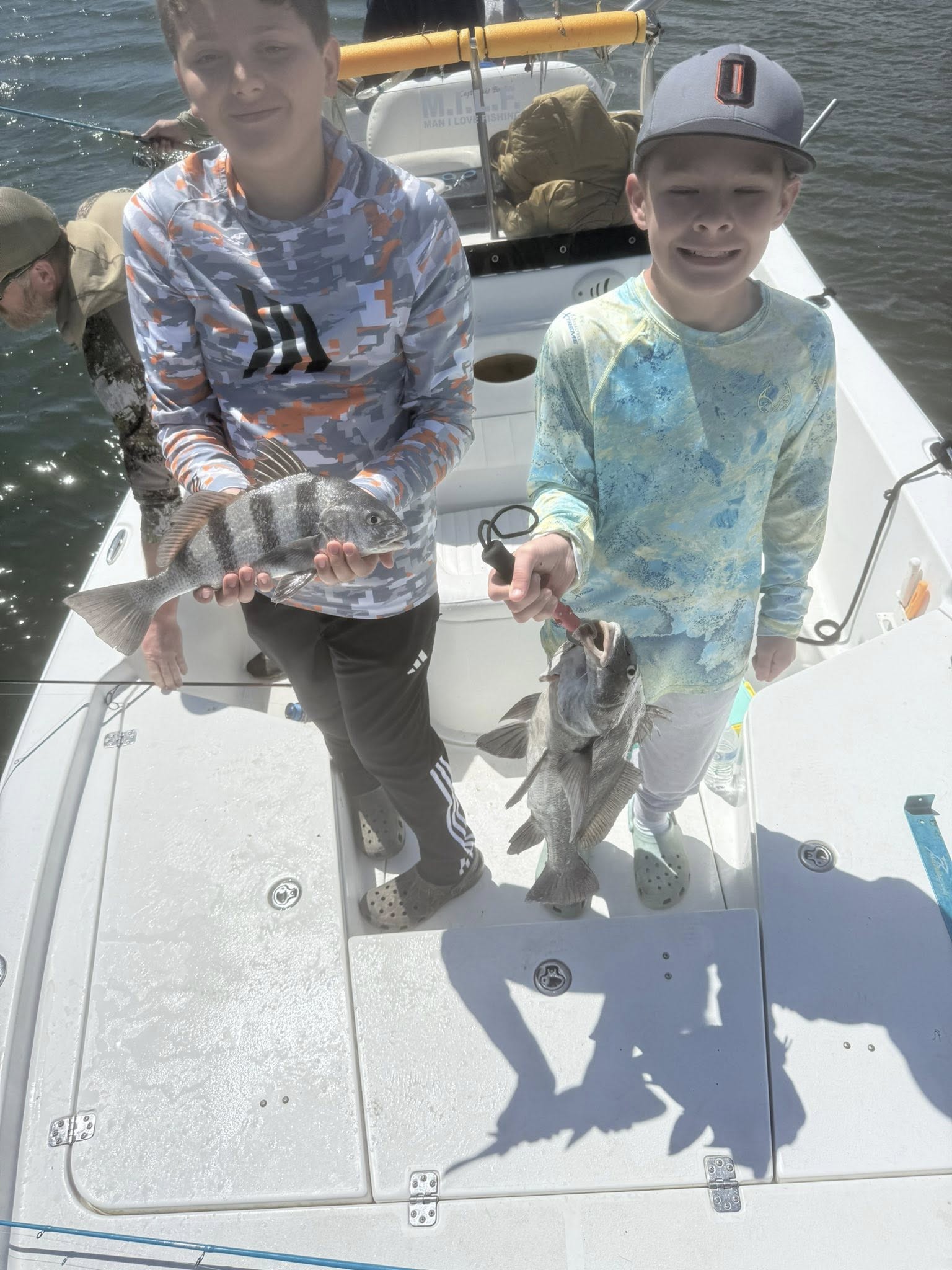
Black drum are the heavyweights of the inshore scene, with fish commonly ranging 16-30 inches and occasional bulls exceeding 40 inches. These bottom-dwellers crush crabs and shrimp around oyster bars and structure. They're most active during cooler months but can be targeted year-round. Drum are bulldogs that use their size and strength to test your tackle. Younger "puppy drum" are excellent eating, while the big breeders provide trophy photo opportunities before release.
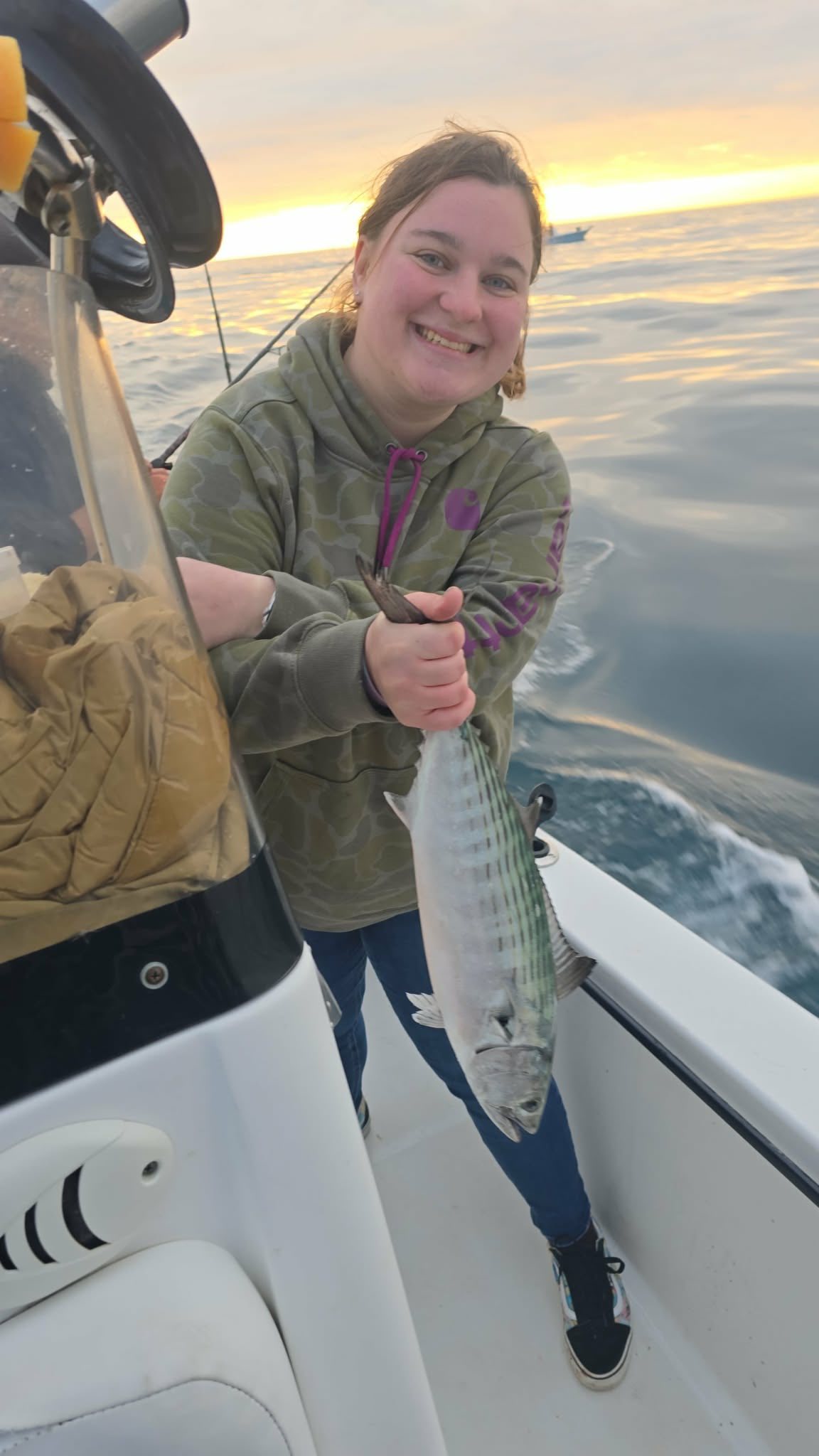
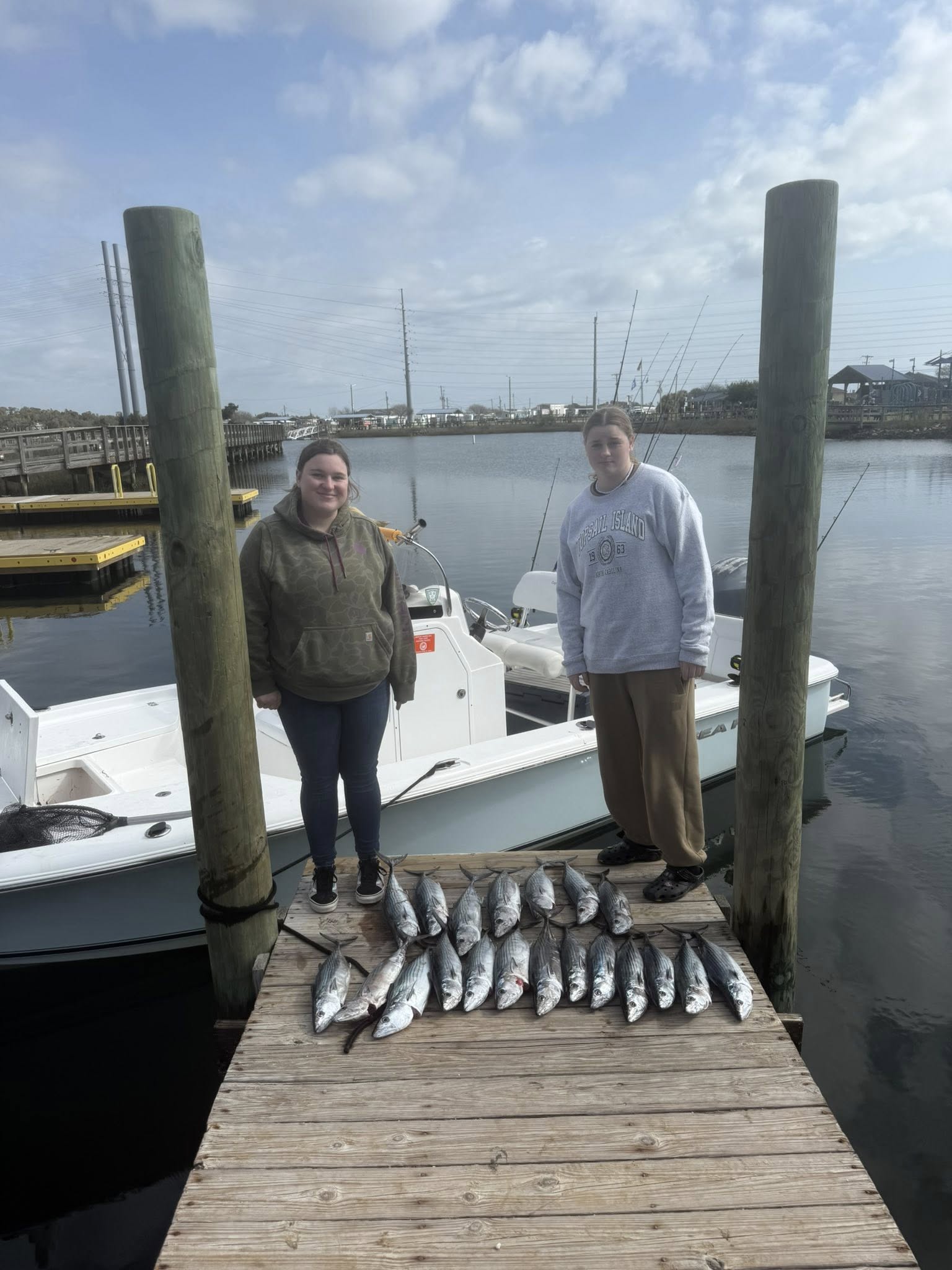
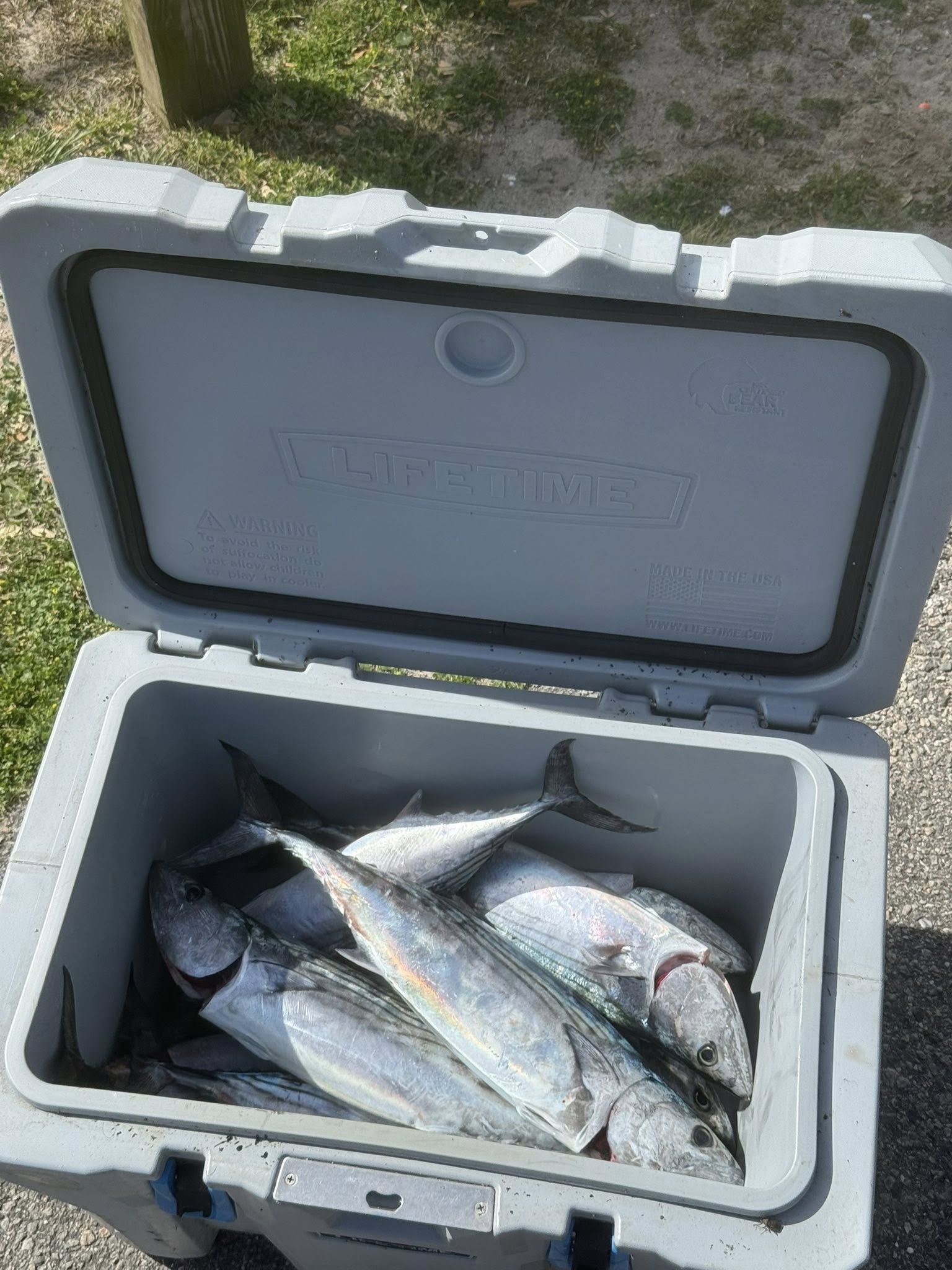
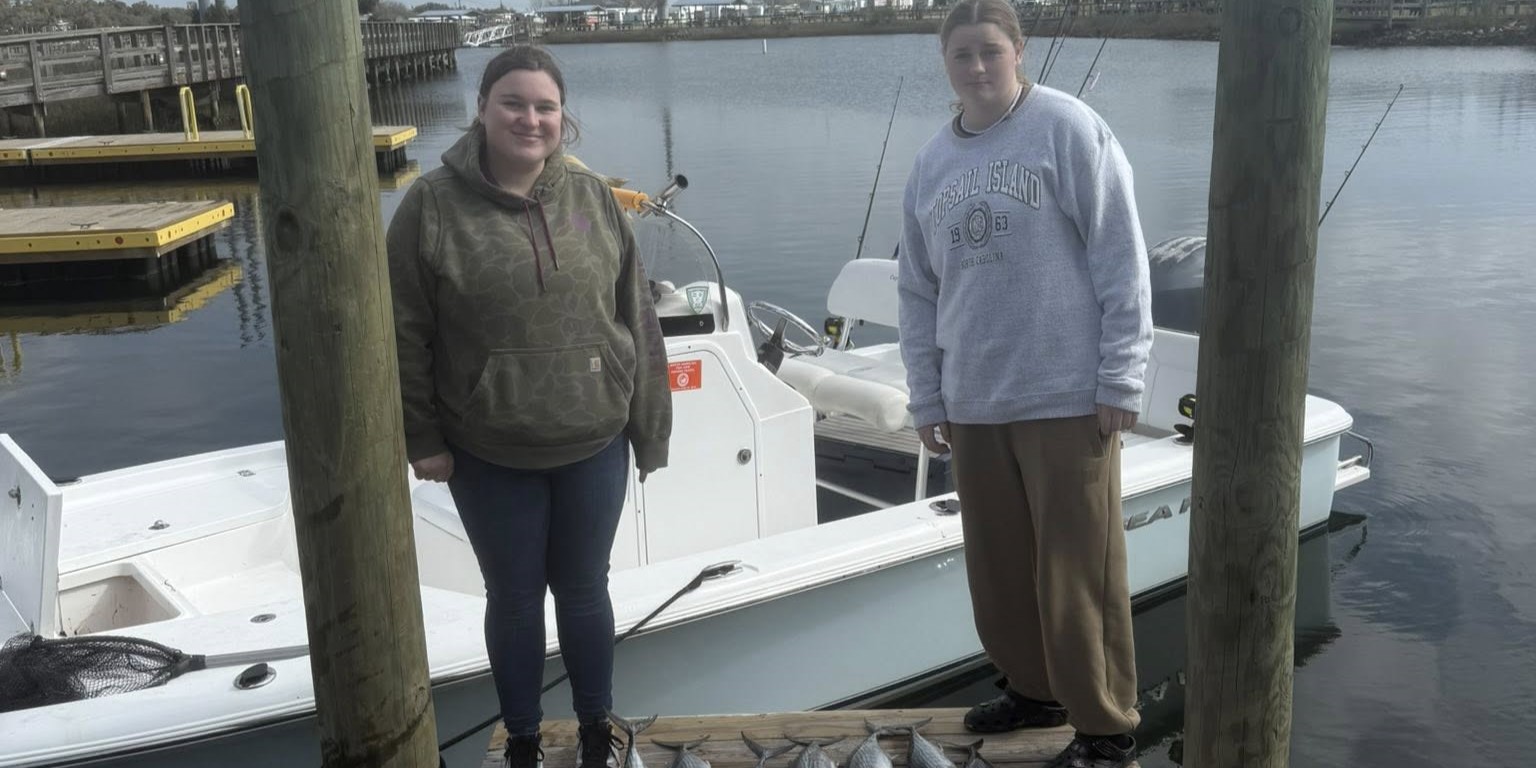
Spanish mackerel bring the speed and excitement to nearshore fishing. These silver missiles average 12-16 inches and hit fast-moving lures with authority. They show up in spring and stick around through fall, often feeding in schools that create feeding frenzies. Mackerel are perfect for light tackle fishing – they jump, make sizzling runs, and provide non-stop action when you find them. They're also great for smoking or grilling fresh.
Bluefish are the aggressive predators that keep things interesting during nearshore runs. These toothy fighters range from small "snappers" to hefty 3-5 pound choppers that'll test your wire leaders. They travel in schools and feed aggressively on baitfish, creating exciting topwater action. Blues are most common during warmer months when baitfish are abundant. Their hard strikes and determined fights make them a blast on light tackle, plus they're excellent when prepared fresh.
Time to Book Your Spot
An 8-hour charter represents serious fishing time at an outstanding value. You're getting a full day with an experienced guide who knows these waters intimately, plus all the gear and bait needed for success. The early start means you'll beat other boats to the best spots and take advantage of prime feeding times. With free cancellation available with 7 days' notice, there's no risk in securing your date. Whether you're looking to fill the cooler, chase trophy fish, or just enjoy a full day on the water, this charter delivers the complete Hampstead fishing experience. Contact Salt Air Fishing Charters & Guide Services today to reserve your spot – the best fishing days book up quickly, especially during peak seasons.
 Private Trip
 Inshore Fishing
 undefined, undefined


 8-hour inshore charter targets redfish, trout, flounder, and black drum