Backcountry Permit, Bonefish, and Tarpon Trip
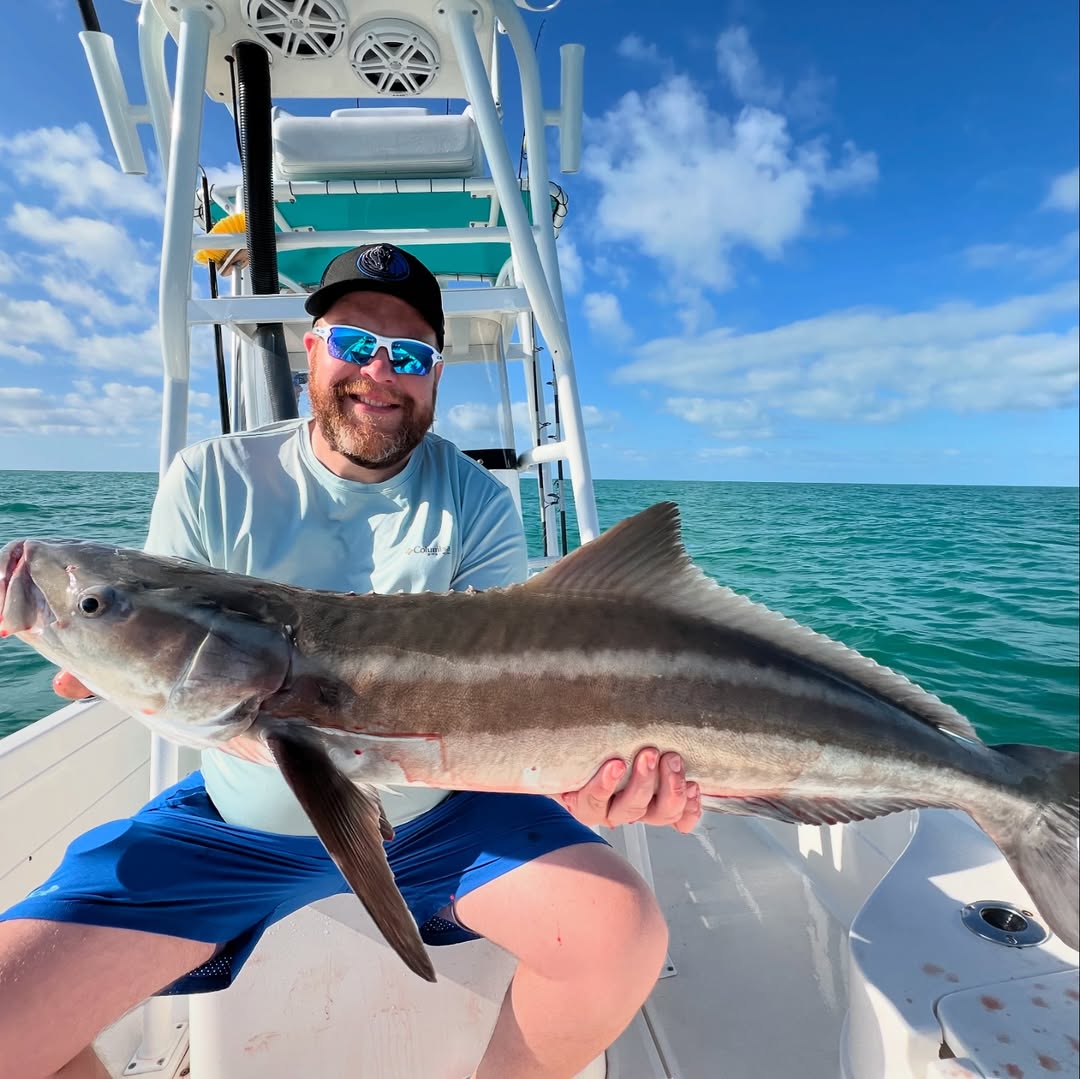
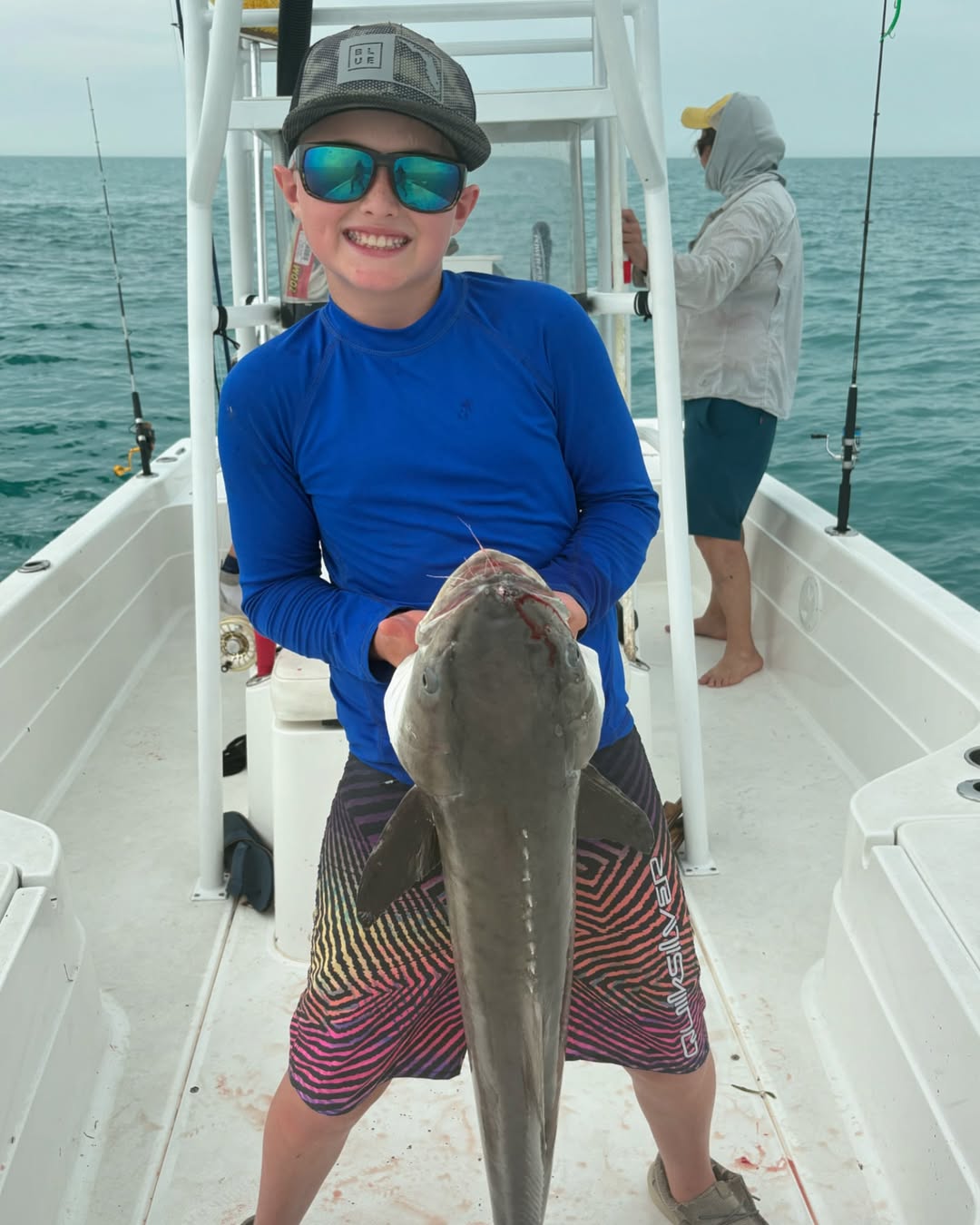
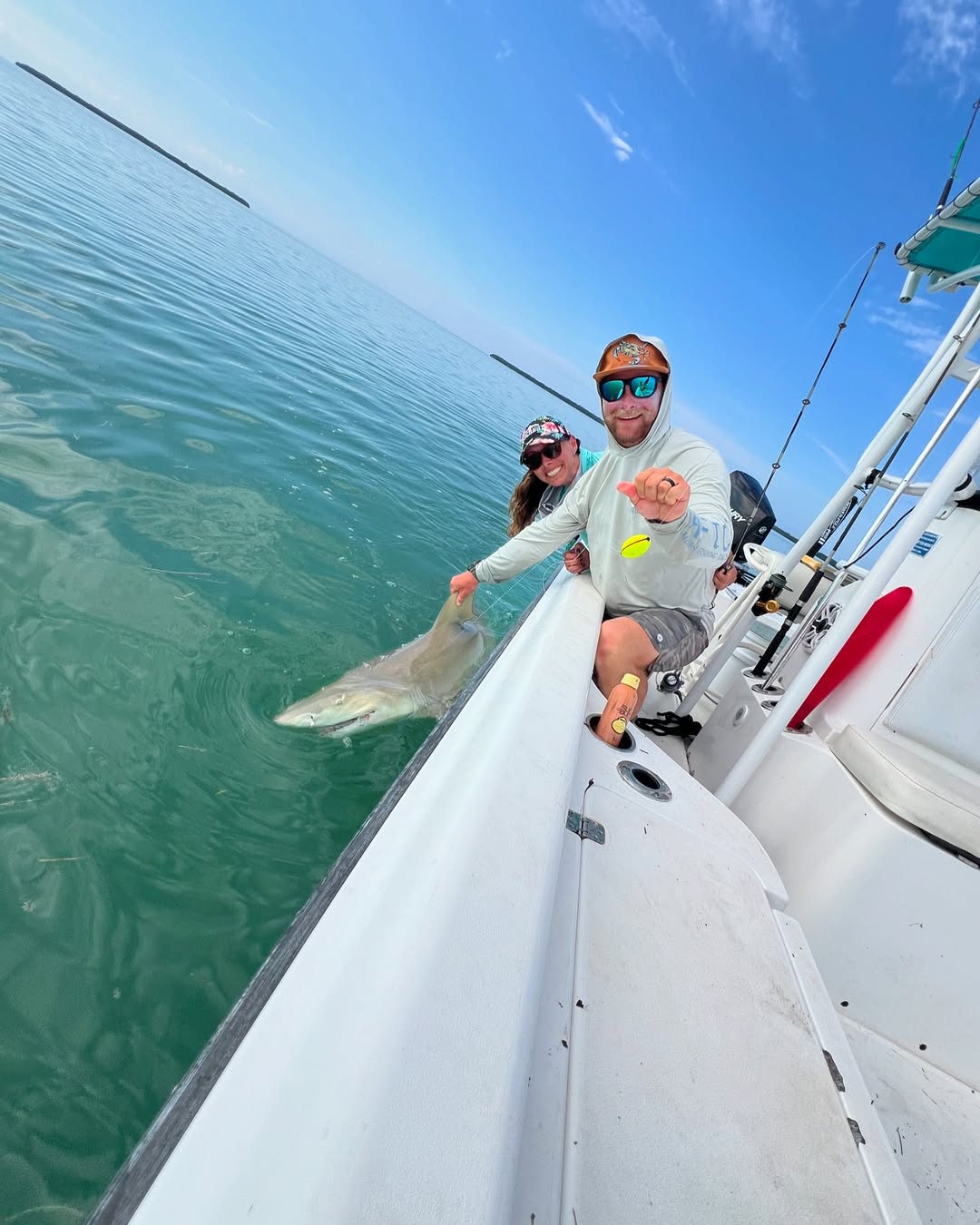
Picture yourself casting into gin-clear flats where shadows dart across turtle grass and the only sounds are water lapping against the hull and your reel screaming as something substantial decides to run. Captain Alex Harmon's 6-hour backcountry adventure targets some of the most sought-after species in South Florida waters – Permit, Bonefish, and the legendary Silver King himself. This isn't your typical party boat experience. We're talking about precision fishing in the shallow waters and nearshore structure that make the Florida Keys a world-class destination for serious anglers.
What to Expect on the Water
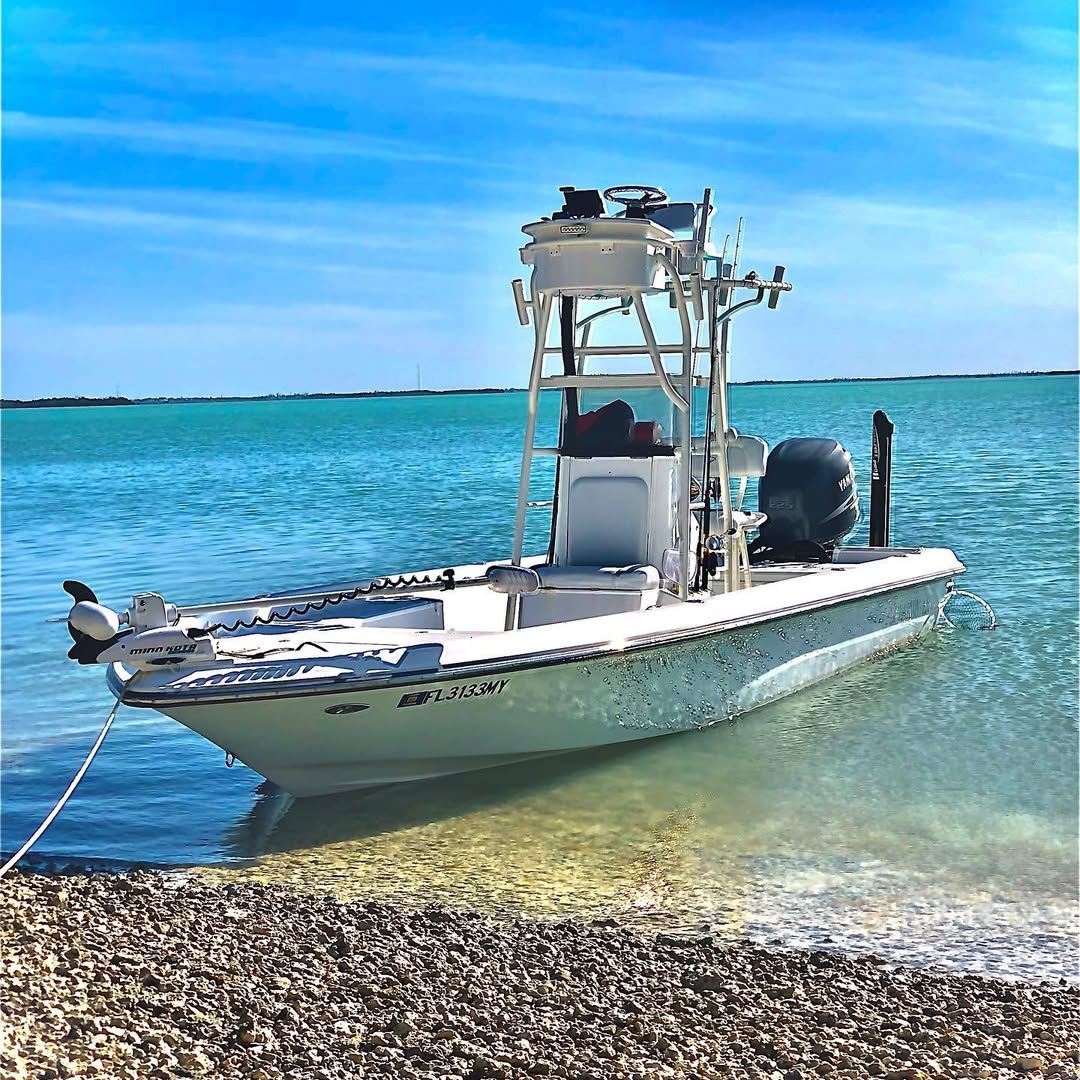
Your day kicks off at 8:00 AM sharp, giving us the full morning bite and pushing through to early afternoon when the flats fishing can really heat up. Alex runs a 28-foot Blue Wave that's rigged specifically for backcountry work – shallow draft, quiet trolling motor, and a casting platform that gives you the high ground advantage when sight fishing. We'll work the diverse ecosystem from mangrove creeks to open flats, then transition to nearshore wrecks and structure where the bigger predators hang out. The beauty of this trip is the variety – one minute you're stalking tailing Permit on a sandy flat, the next you're watching a massive Goliath Grouper rise from a wreck 40 feet down. All your tackle, bait, and Florida fishing licenses are handled, plus Alex will clean and fillet whatever you decide to take home for dinner.
Techniques and Tackle Setup
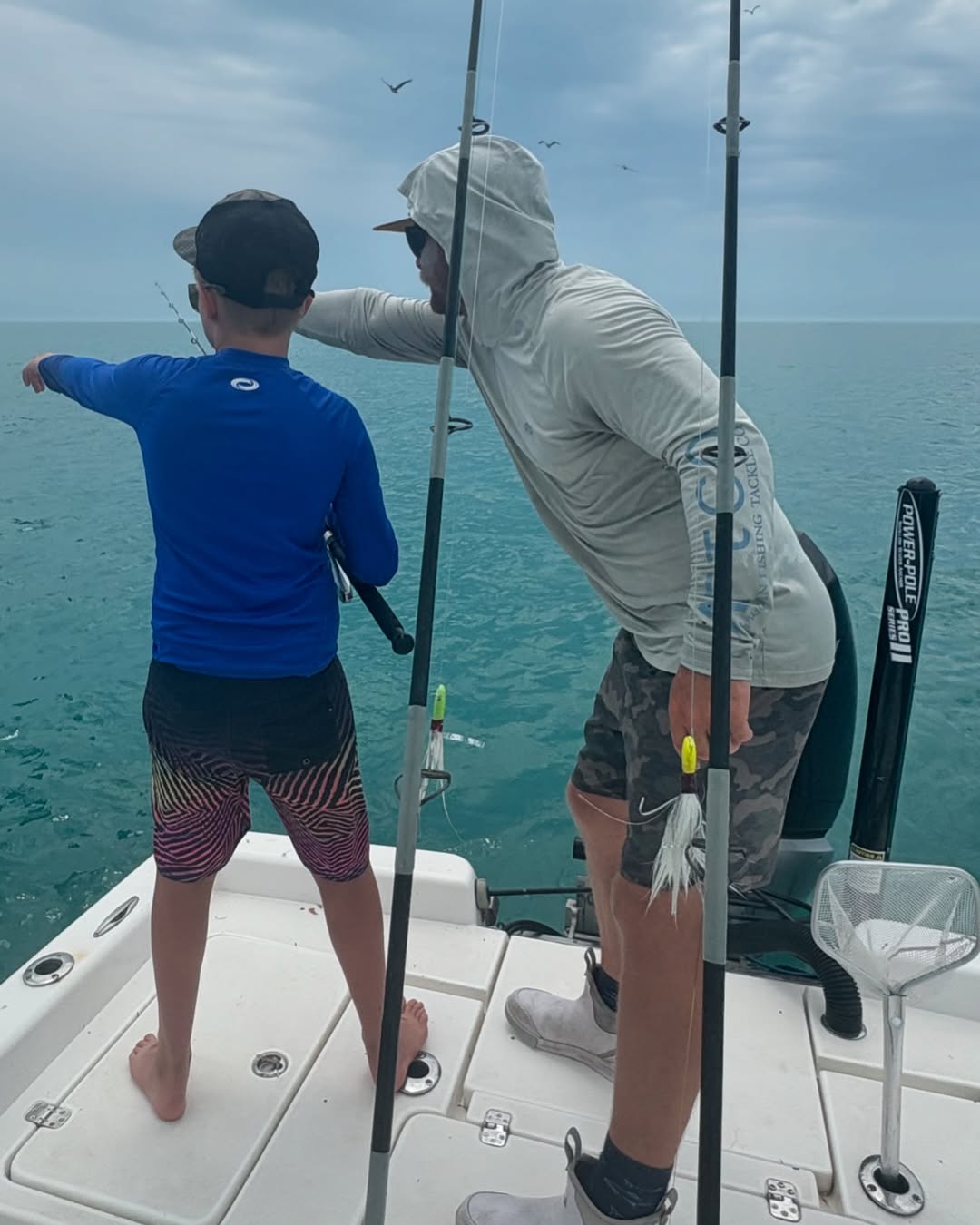
Alex keeps the boat stocked with premium Penn spinning gear and fly rods for those who want to test their skills with a long rod. Backcountry fishing is all about reading water and making accurate presentations – we're sight fishing most of the day, which means spotting fish before they spot us. The spinning tackle handles everything from delicate presentations to Permit on light jigs to throwing bigger baits at cruising Tarpon. If you're into fly fishing, the shallow flats offer some of the best opportunities you'll find anywhere to sight cast to feeding Bonefish and Permit. Live shrimp, crabs, and pilchards make up the bait spread, though artificial lures often outproduce live bait when fish are actively hunting. The key is staying quiet, making long casts, and being ready when that wake starts heading toward your offering.
What Anglers Are Saying
"Alex clearly knows his craft and wasted no time getting us into fish. A dependable choice that I'd recommend without hesitation." - William
"A top-notch experience from start to finish. Alex is among the best out there, with a deep understanding of the waters and a proven ability to put you on fish. I'll absolutely be booking another trip with him." - Lee
Species You'll Want to Hook
Snook are the ultimate ambush predators, hanging tight to mangrove edges, dock pilings, and any structure that offers shade and current breaks. These fish are incredibly structure-oriented and known for their explosive strikes and bulldogging fights. Peak season runs from late spring through early fall, though resident fish can be caught year-round in the backcountry. What makes Snook special is their attitude – they'll crush a bait with authority, then immediately head for the nearest piling or mangrove root to try and break you off. Landing a slot-sized Snook requires quick reflexes and steady pressure to keep them in open water.
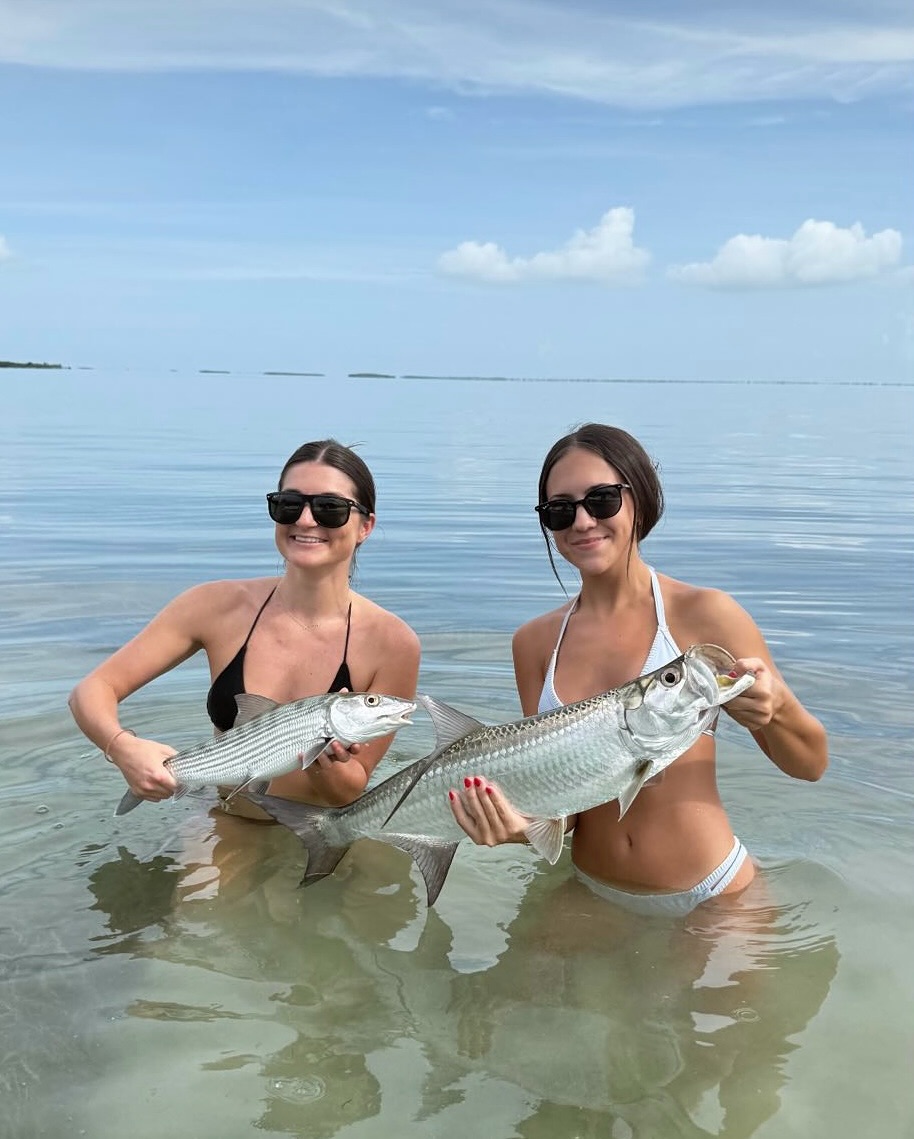
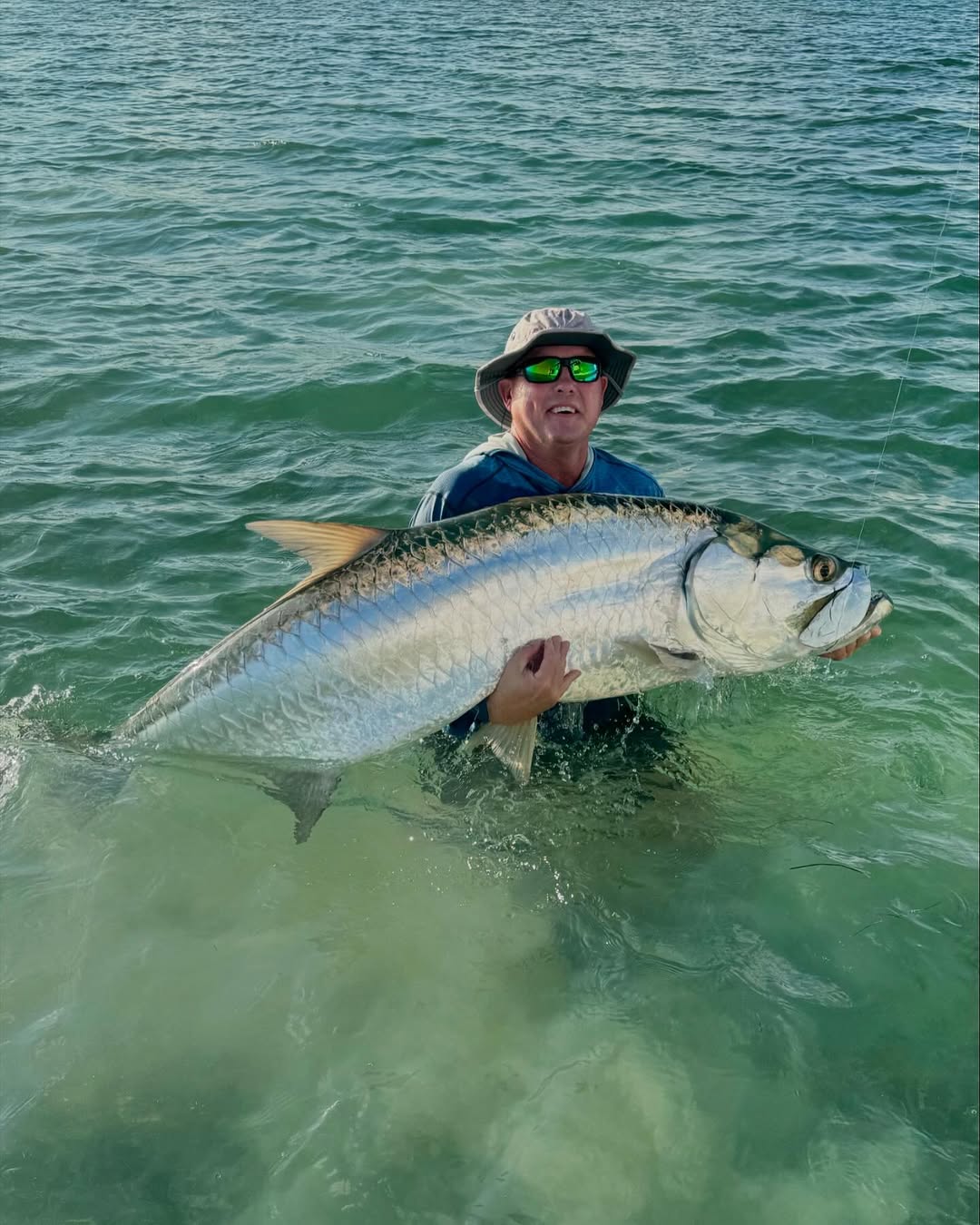
Tarpon are the reason anglers travel from around the world to fish the Florida Keys. These prehistoric silver giants can exceed 150 pounds and are famous for their aerial acrobatics when hooked. The backcountry offers opportunities to target juvenile Tarpon in the 20-80 pound range, which are perfect for testing your tackle and technique. Late spring through summer brings the best action, though resident fish provide opportunities year-round. What sets Tarpon apart is the combination of size, jumping ability, and pure endurance – a good fish will test every aspect of your angling skills and leave you with stories that last a lifetime.
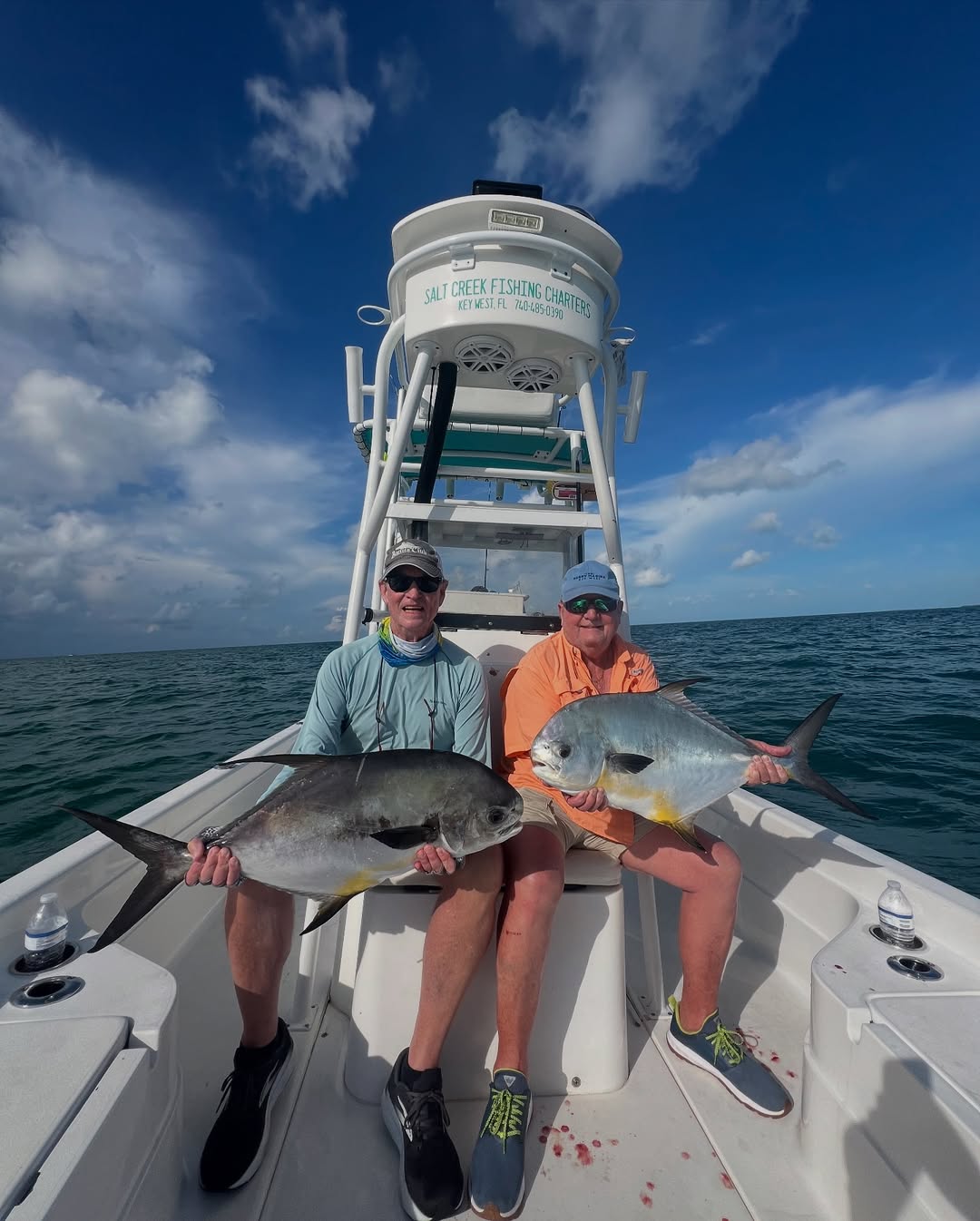
Permit are widely considered the most challenging fish to catch in shallow water, combining spooky behavior with incredible intelligence and a diet that's tough to imitate. These disc-shaped fighters cruise the flats looking for crabs and small fish, often showing their distinctive black-tipped dorsal fins as they tail in shallow water. Spring through fall offers the most consistent action, with the best opportunities during moving tides when Permit are actively feeding. Successfully catching a Permit requires stealth, accurate casting, and nerves of steel – they're notorious for inspecting baits carefully and rejecting anything that doesn't look perfectly natural.
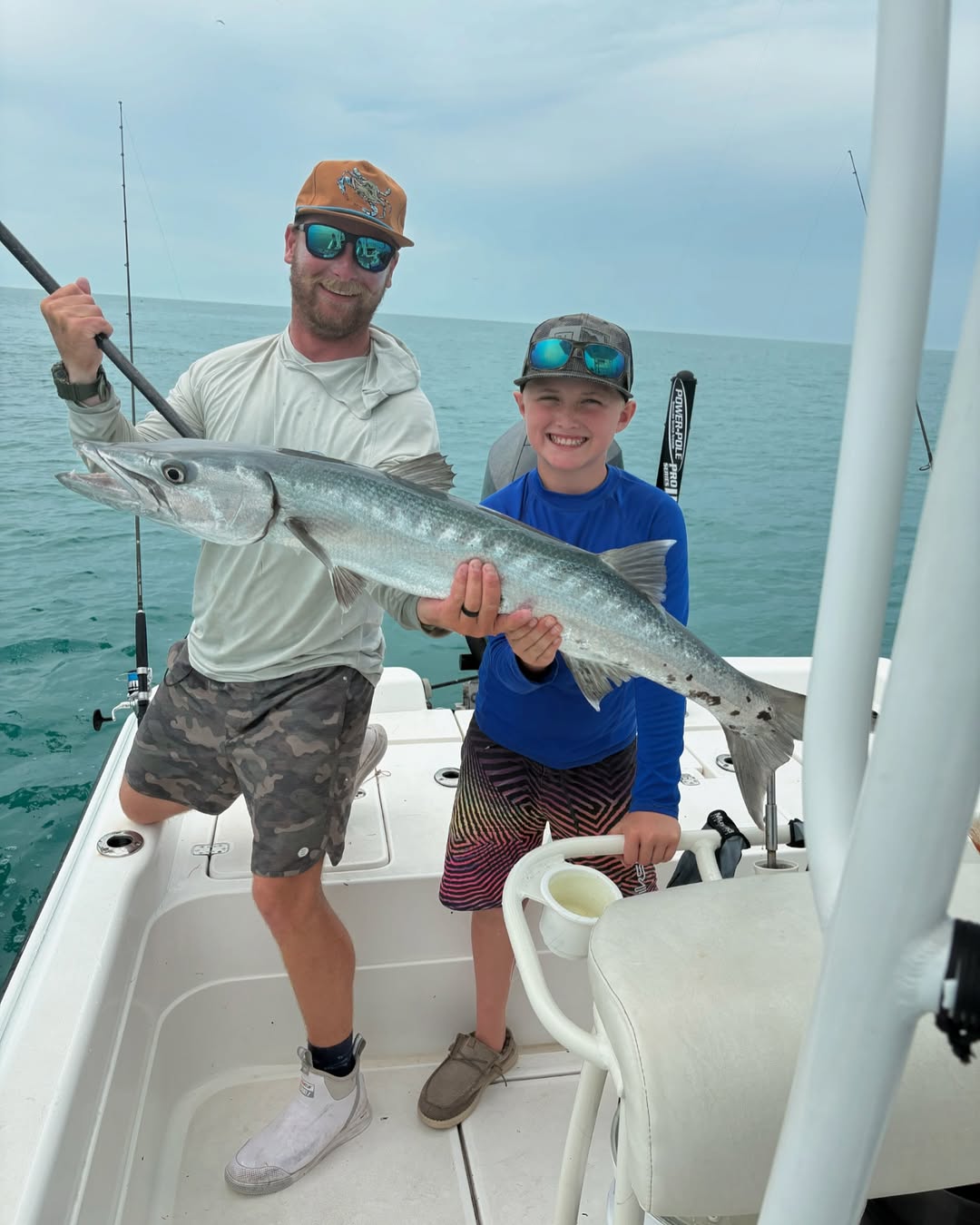
Great Barracuda are the speed demons of the flats, capable of explosive runs that will test your drag system and reflexes. These toothy predators patrol the edges of flats and nearshore structure, always looking for an easy meal. They're visual hunters that respond well to fast-moving lures and live baits, making them great targets for anglers who enjoy aggressive fishing techniques. Barracuda are consistent year-round in the Keys, with larger fish moving into shallow water during cooler months. What makes them exciting is their willingness to eat and their incredible acceleration – a good Barracuda can strip line faster than almost any other fish in these waters.
Crevalle Jack are the ultimate opportunists, traveling in schools and attacking baitfish with savage intensity. These powerful fighters are known for their stamina and ability to sound deep when hooked, making long runs that test tackle and technique. They're most active during spring and summer months but can be found year-round around structure and bait concentrations. Jack fishing is often fast and furious – when you find a school feeding, the action can be nonstop until they move on. Their broad shoulders and never-give-up attitude make them one of the hardest fighting fish pound-for-pound in these waters.
 5.0(2 Reviews)
 Private Trip
 Inshore Fishing
 Florida Keys


 Target permit, bonefish, tarpon in Florida Keys backcountry waters