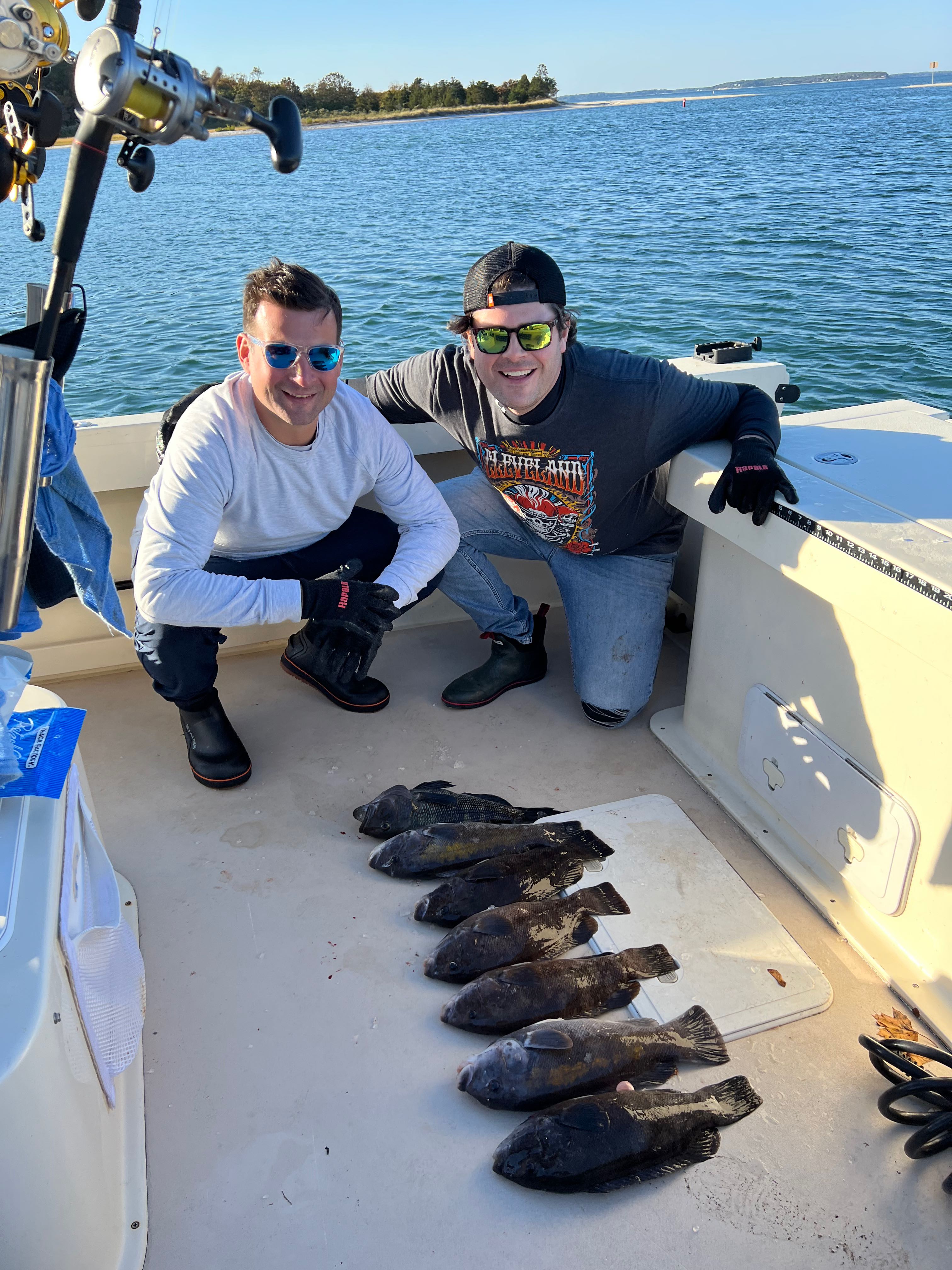
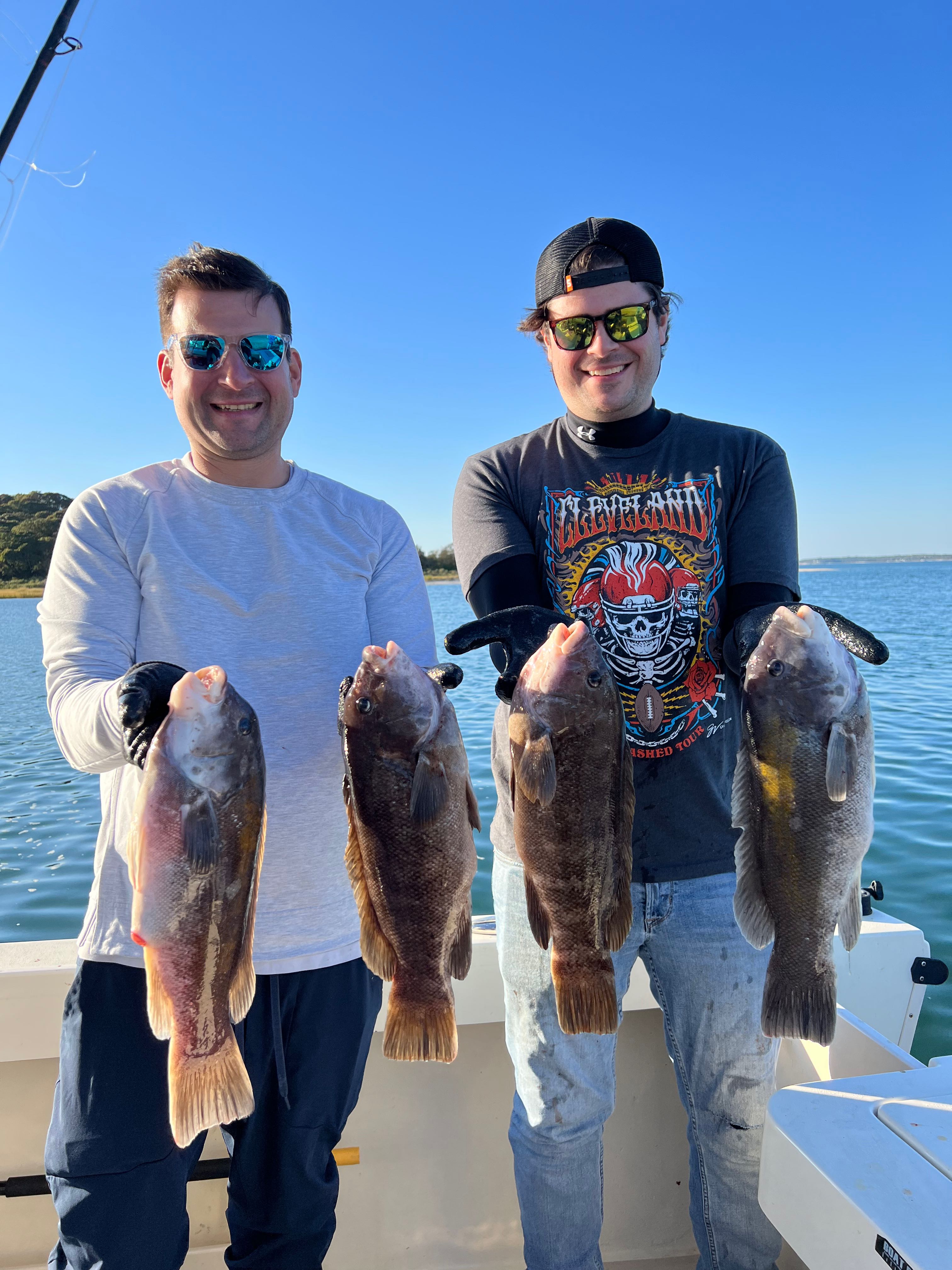
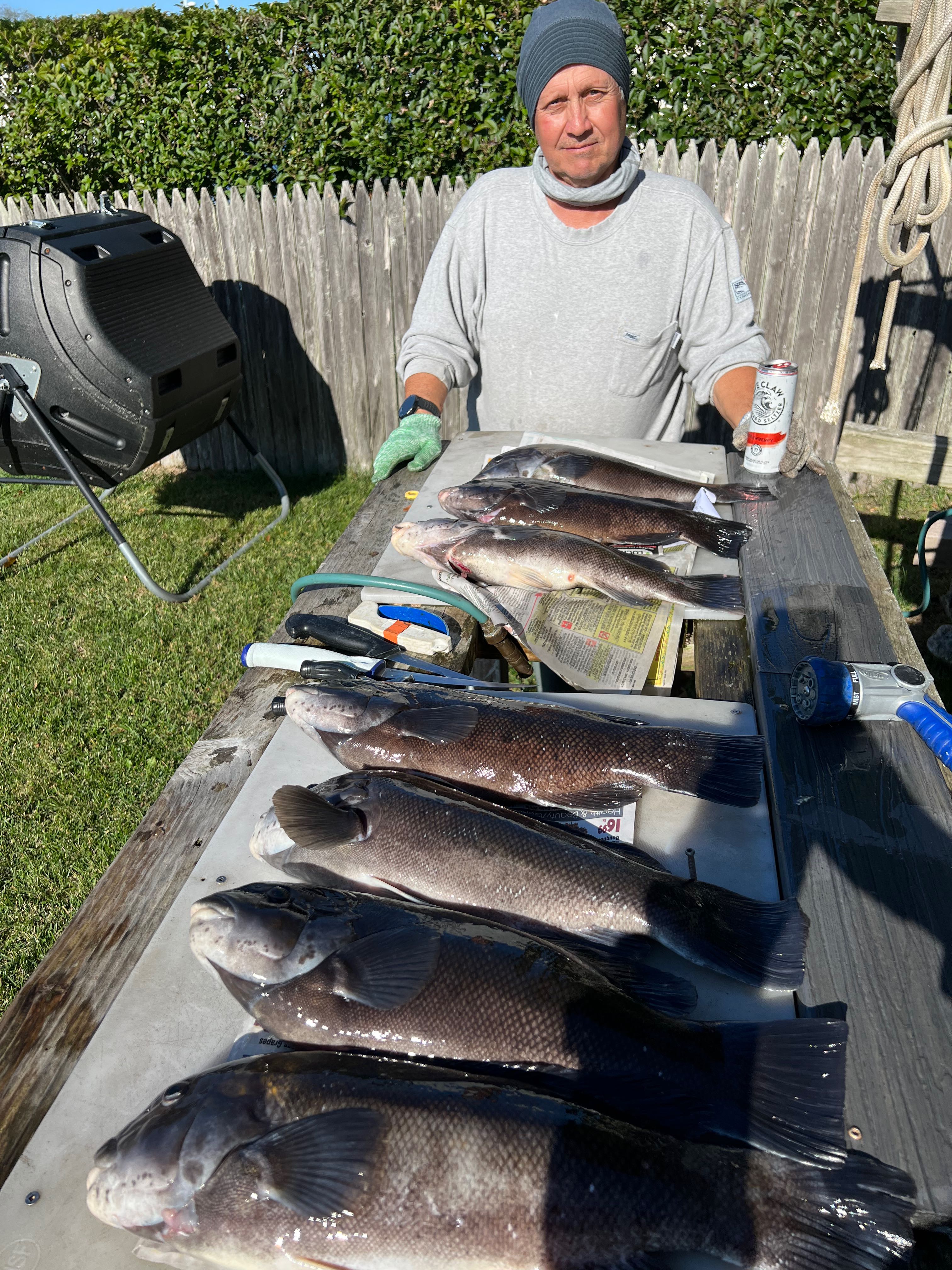
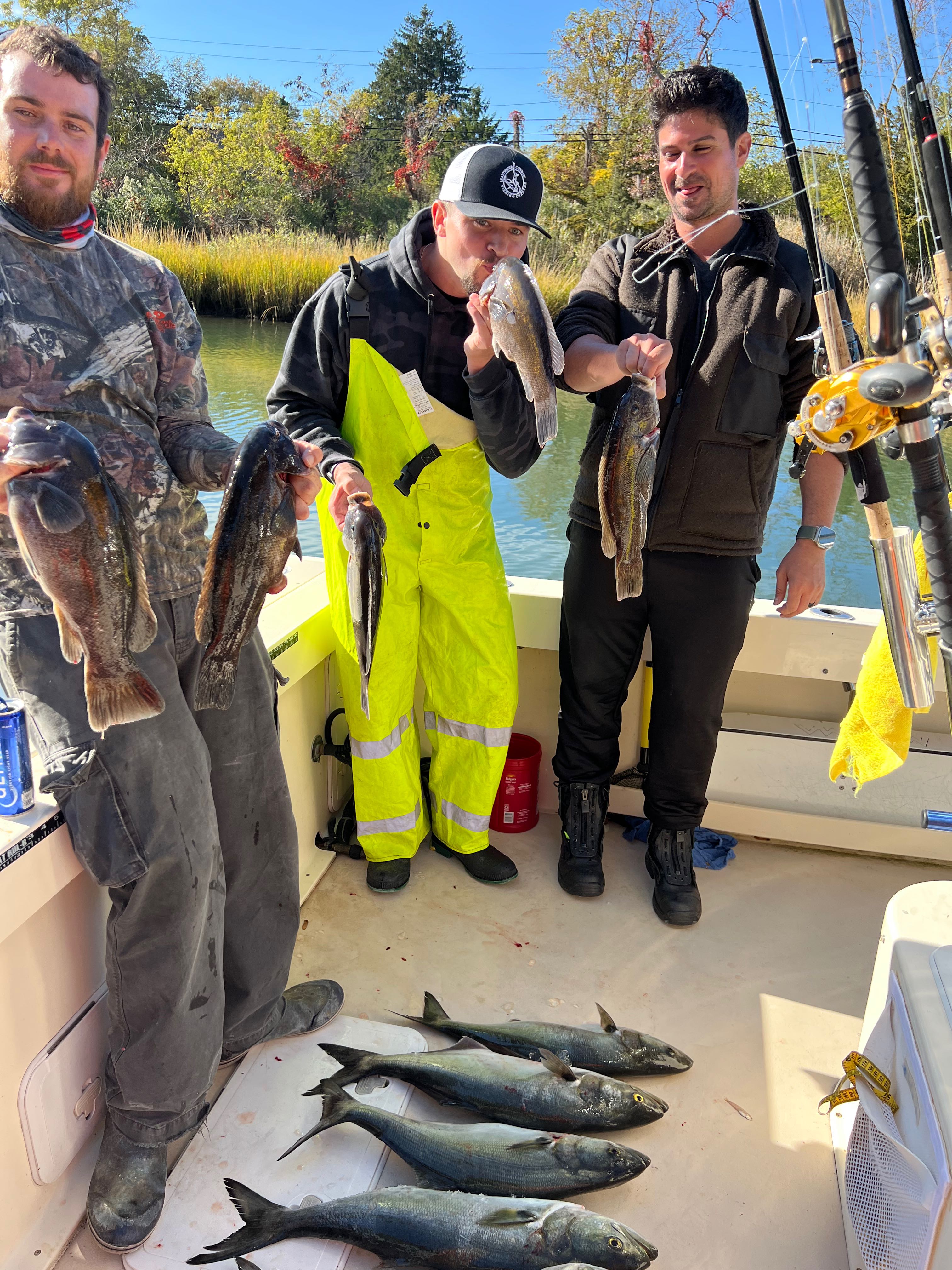
Long Island Inshore Fishing - 4 Hours of Action
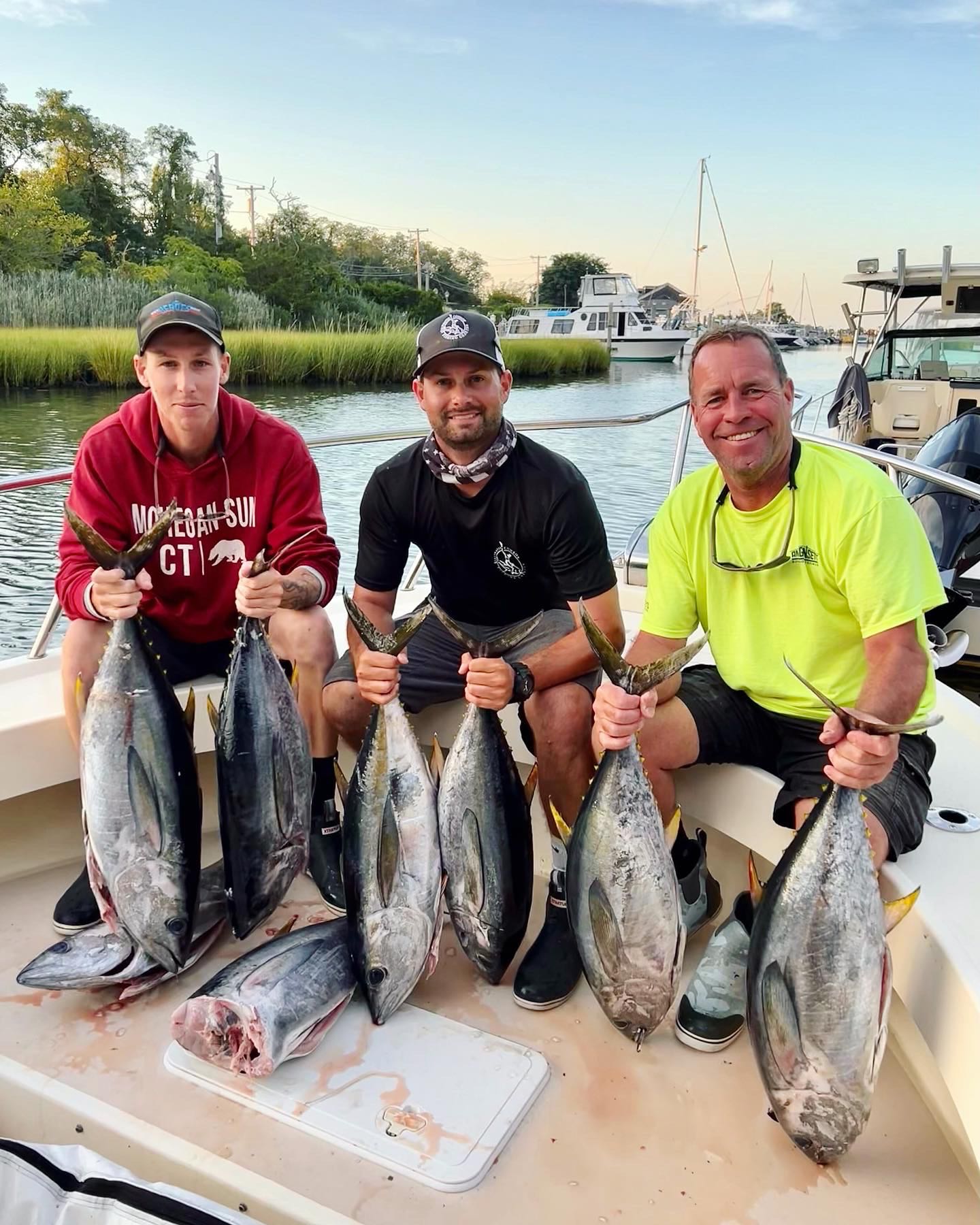
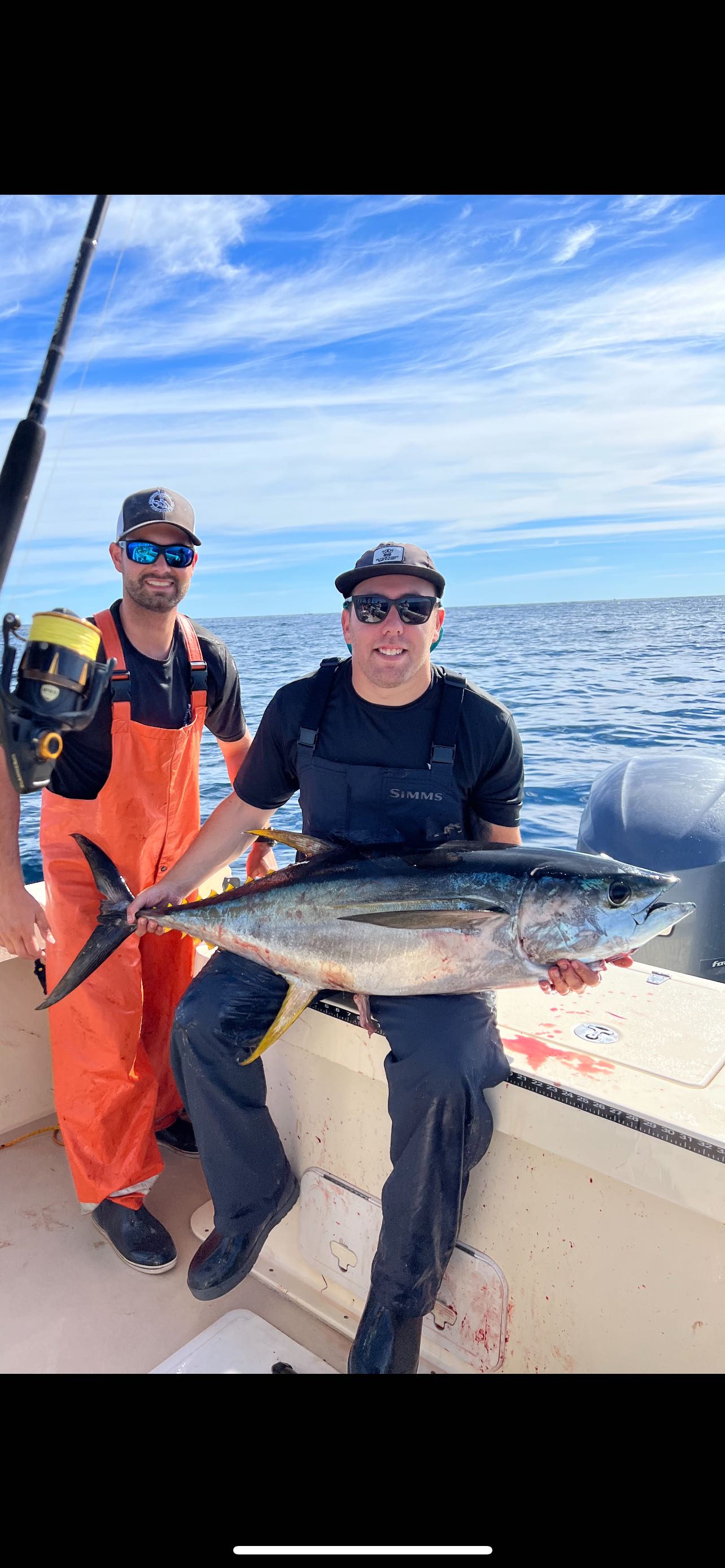
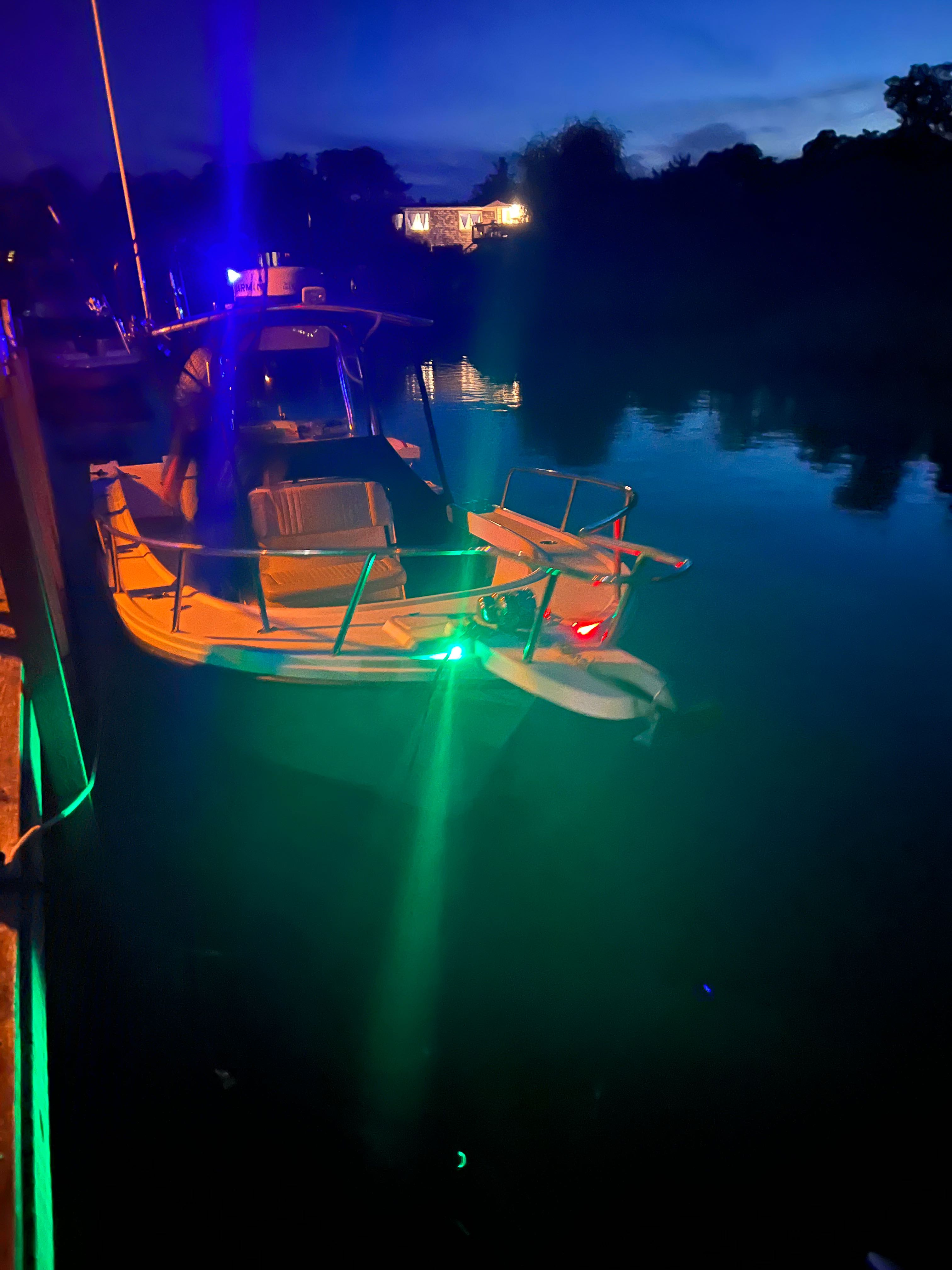
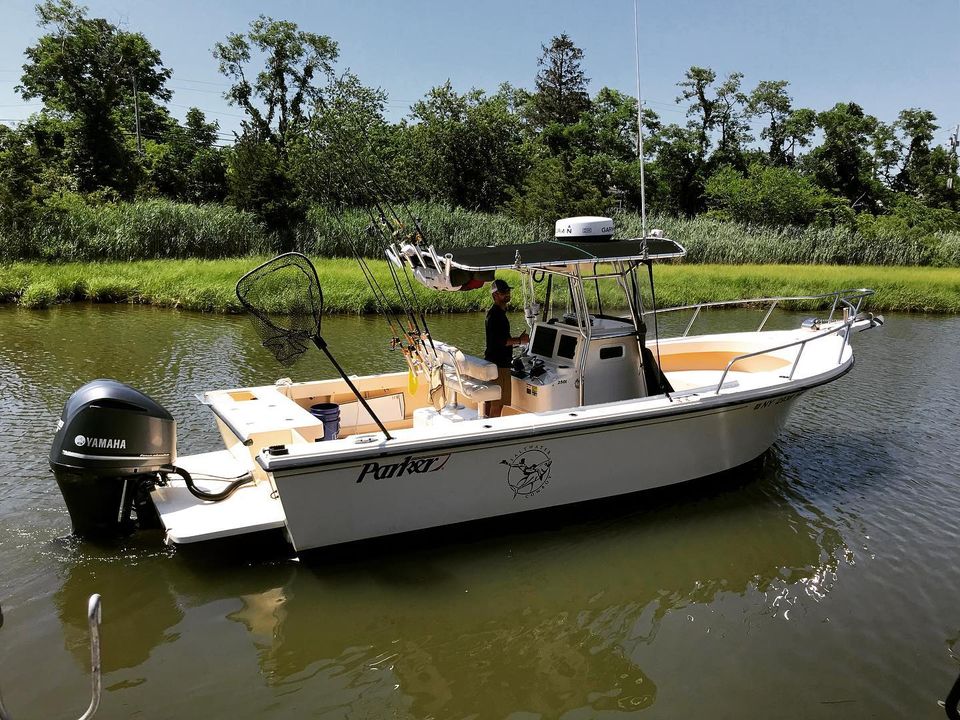
When you're looking for serious inshore action around Long Island, this 4-hour charter with Saltwater Cowboy puts you right in the thick of it. We're talking about three of the most productive fishing waters on the East Coast - Peconic Bay, Great South Bay, and Long Island Sound. Each spot has its own personality and fish populations, which means your captain can adapt the day based on conditions, tides, and what's biting. You'll have room for up to 4 anglers, so it's perfect for small groups who want personalized attention without the crowded boat experience. The captain knows these waters like the back of his hand and genuinely enjoys teaching different techniques, whether you're a weekend warrior looking to step up your game or someone who's never held a fishing rod.
What to Expect on the Water
This isn't your typical head boat experience where you're elbow-to-elbow with strangers. With just 4 spots available, you get the kind of hands-on guidance that actually makes a difference in your fishing. The captain will read the conditions and move between productive spots throughout your 4 hours, hitting structure, drop-offs, and current breaks where the fish like to hang out. Depending on the season and what's moving through, you might start the morning working the eelgrass beds for flounder, then shift to deeper water for stripers, or find yourself casting into feeding bluefish that are tearing up baitfish on the surface. The beauty of inshore fishing around Long Island is the variety - you're never locked into just one technique or target species for the entire trip.
Techniques and Tackle Setup
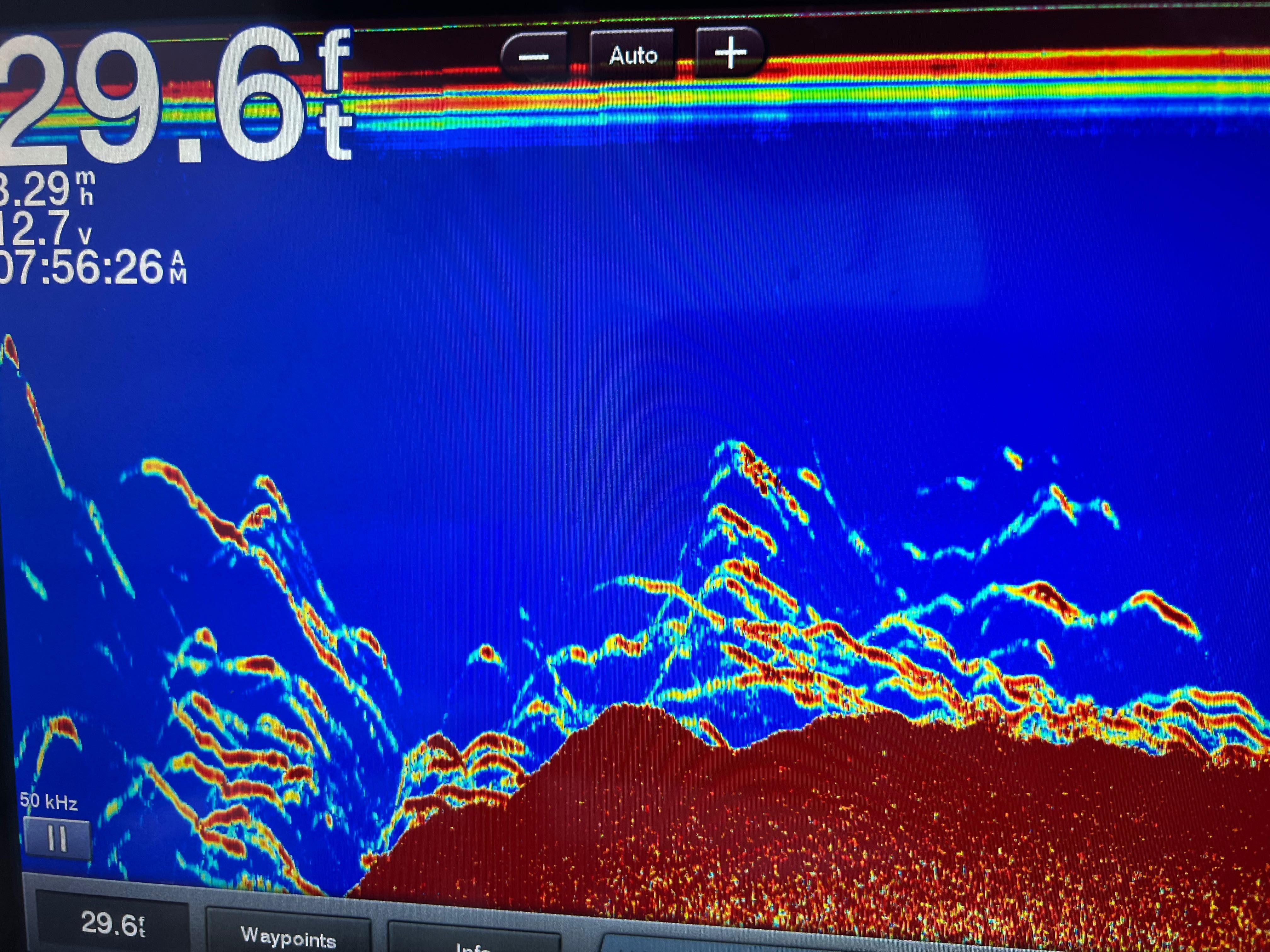
The captain comes prepared with everything you need, but he's also more than happy to work with your personal gear if you prefer. You'll likely be using medium to medium-heavy spinning setups paired with braided line for sensitivity and hookset power. Depending on what's biting, you might be bouncing bucktails and gulp baits along the bottom for flounder, throwing topwater plugs at breaking fish, or drifting live bait around structure for stripers. The captain adjusts techniques throughout the day based on what the fish are telling him. If you want to learn specific methods - maybe you've heard about fluke fishing but never tried it, or you want to get better at reading your fishfinder - just speak up. That's exactly the kind of stuff he loves sharing with anglers who are eager to improve their skills.
Top Catches This Season
Bluefish around Long Island are absolute bulldogs that'll give you a fight from the moment they grab your bait until they're in the net. These aggressive predators typically run between 2-8 pounds in the inshore waters, with the occasional larger fish pushing double digits. They show up in big numbers during their spring and fall migrations, often feeding in schools that create surface action you can see from a distance. When you find them feeding, it's fast and furious fishing with topwater plugs, metal jigs, or even simple chunks of fresh bait. Blues aren't picky eaters, but they've got razor-sharp teeth that'll slice through light leader in a heartbeat.
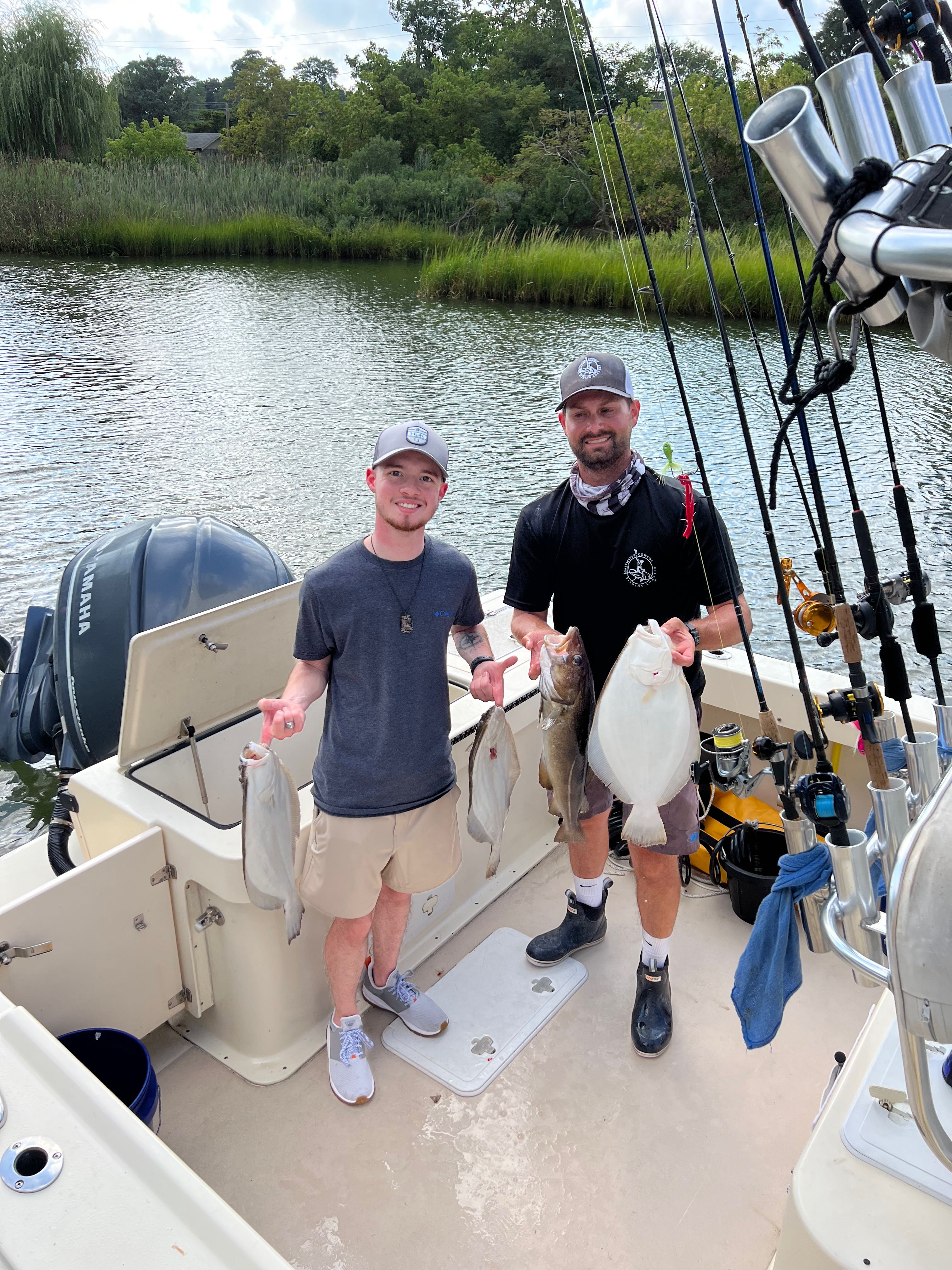
Summer flounder, or fluke as most Long Island anglers call them, are the bread and butter of the inshore scene from late spring through early fall. These flatfish are masters of camouflage, lying buried in sand and mud waiting to ambush passing baitfish. A legal keeper needs to measure at least 19 inches, and the bigger ones - we're talking 4-6 pound "doormat" fluke - provide some of the best eating you'll find in these waters. They're structure-oriented fish, so you'll typically find them around drop-offs, channel edges, and anywhere current brings food their way. The bite can be subtle, so learning to feel the difference between a fluke pickup and your sinker dragging bottom is a skill that comes with experience.
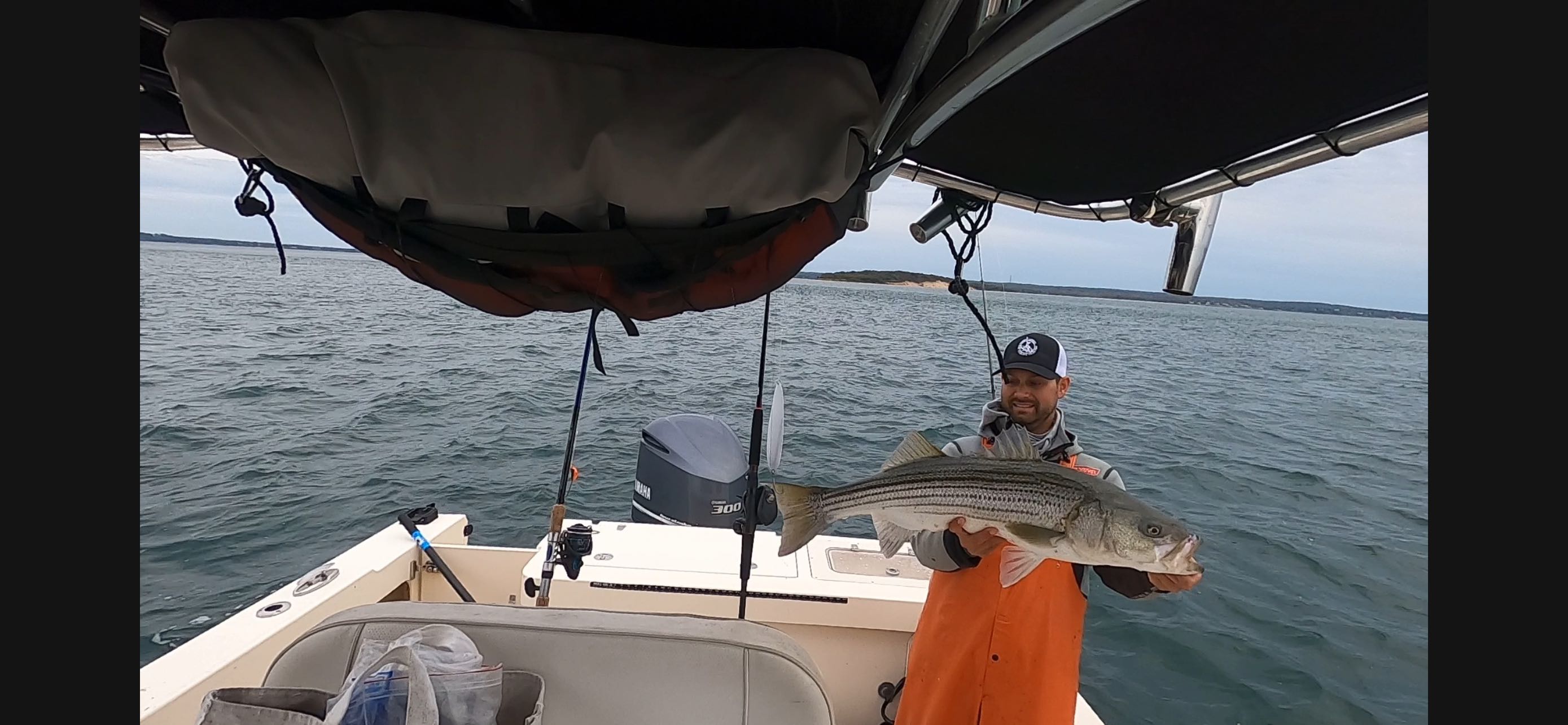
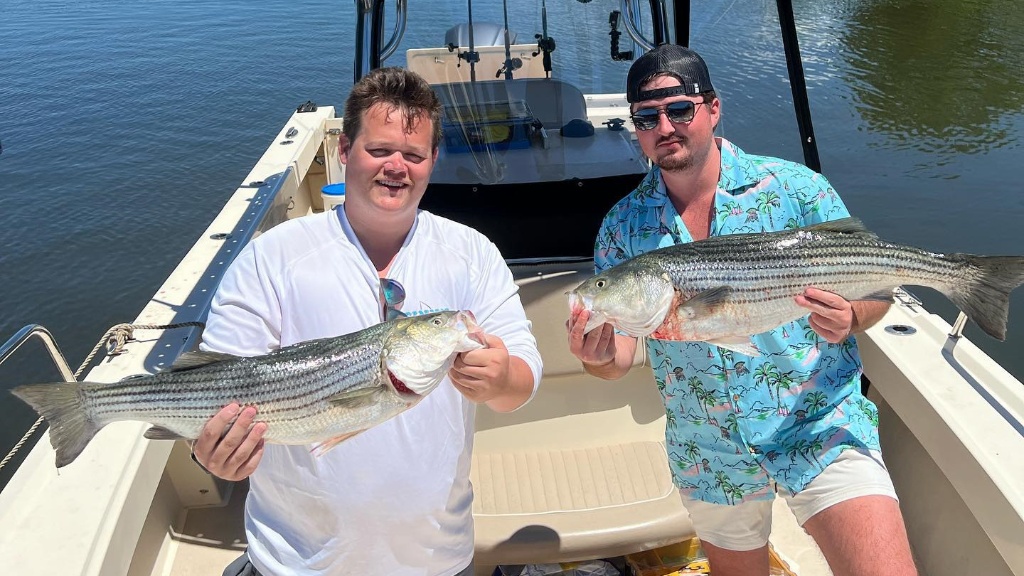
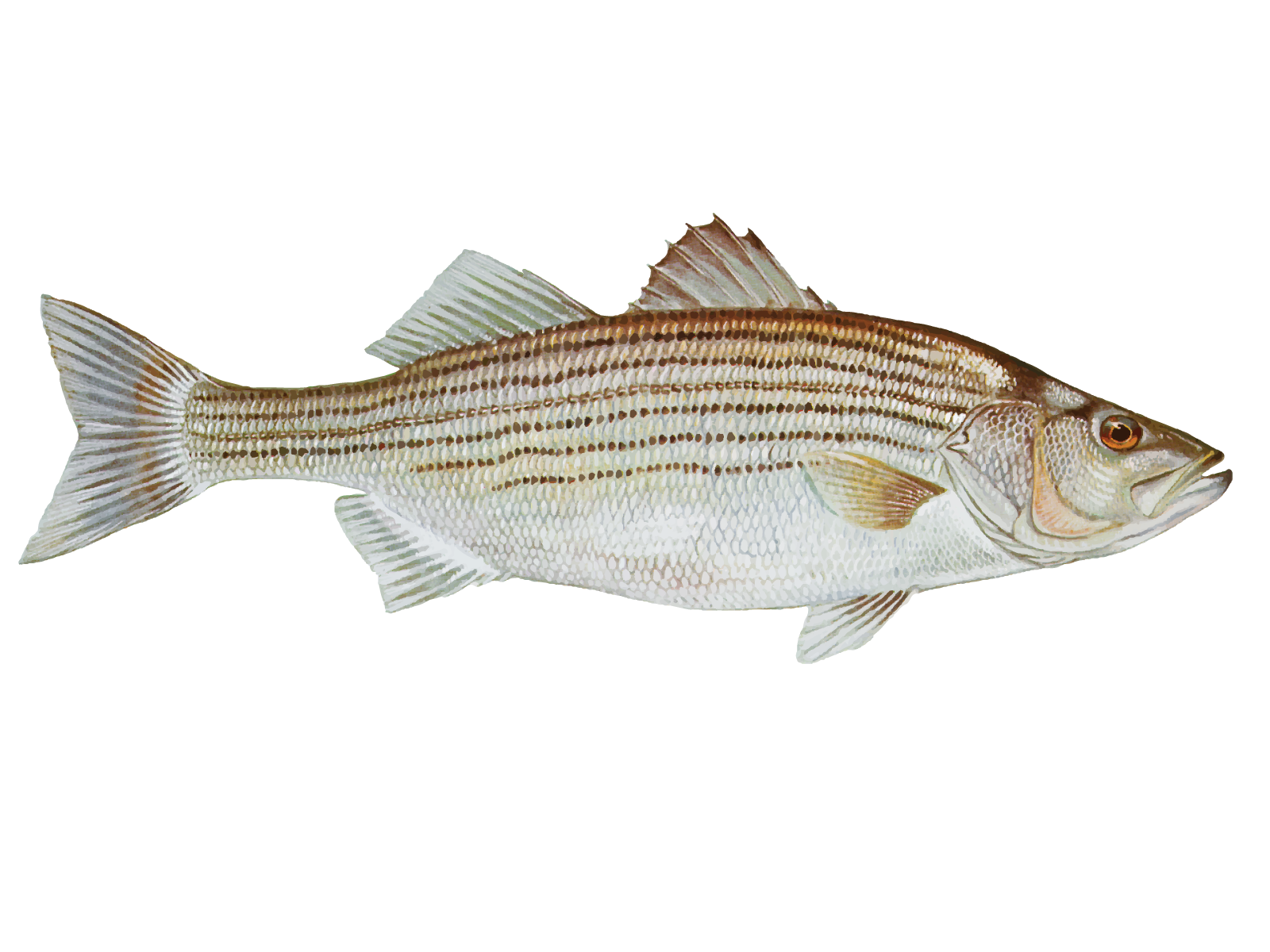
Striped bass are the crown jewel of Long Island fishing, and these waters hold both schoolie-sized fish and legitimate trophy bass depending on the season. Spring and fall see the largest concentrations as they migrate along the coast, but resident fish provide action throughout the warmer months. Schoolies in the 20-28 inch range are perfect for learning proper catch-and-release techniques, while the larger fish that move through during migration periods can top 30-40 inches and provide the kind of fight that keeps you coming back. Stripers are opportunistic feeders that'll hit everything from live eels to umbrella rigs to simple chunk baits, making them accessible to anglers of all skill levels.
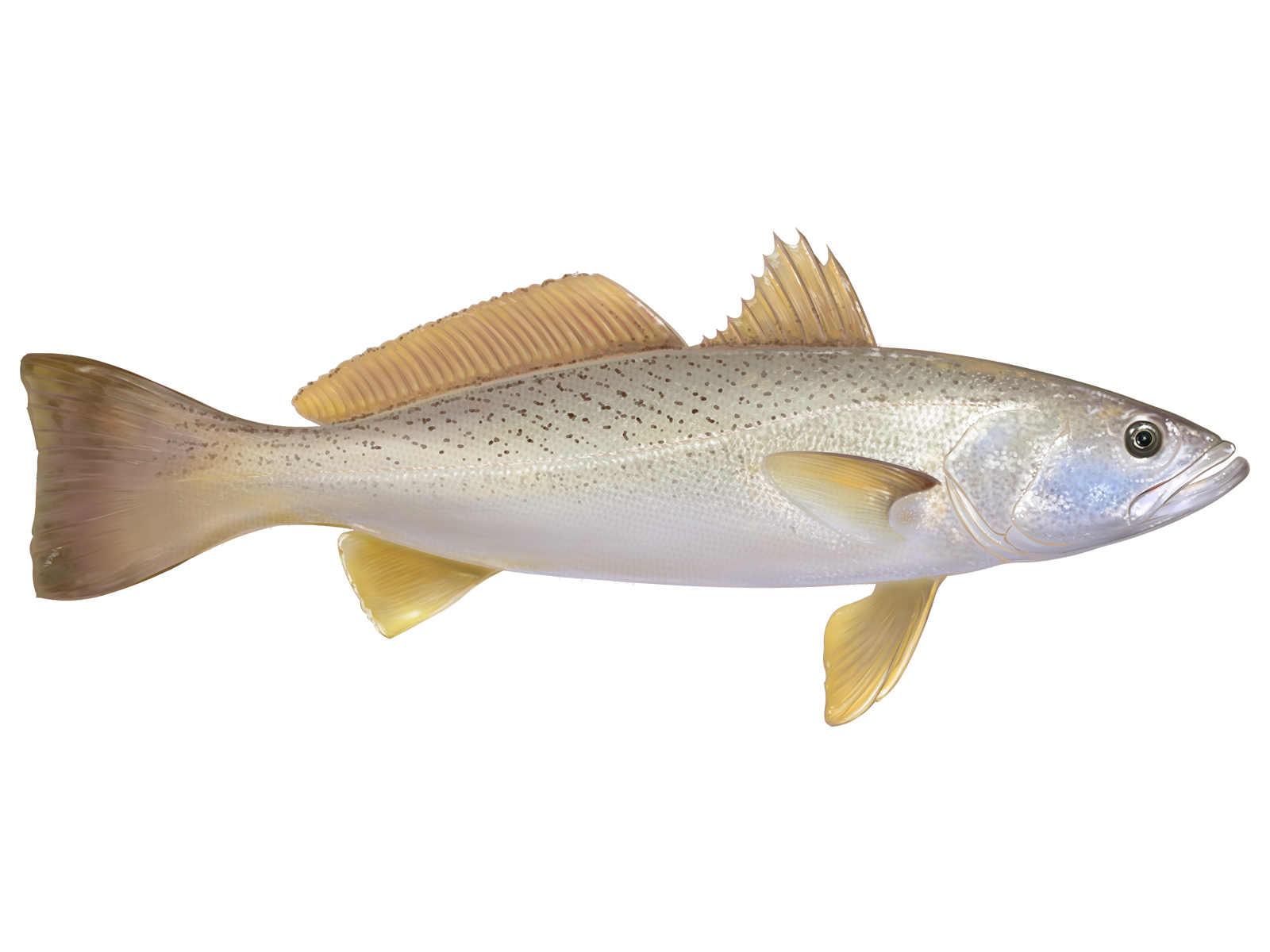
White weakfish, also known as sea trout, are making a comeback in Long Island waters after years of limited numbers. These silvery fighters are most active during the warmer months and have a distinctive spotted pattern along their sides. They typically run between 1-3 pounds in the inshore areas, with occasional larger specimens. Weakfish have relatively soft mouths, so steady pressure rather than aggressive hooksets is the key to landing them successfully. They're excellent table fare with white, flaky meat that's perfect for grilling or frying.
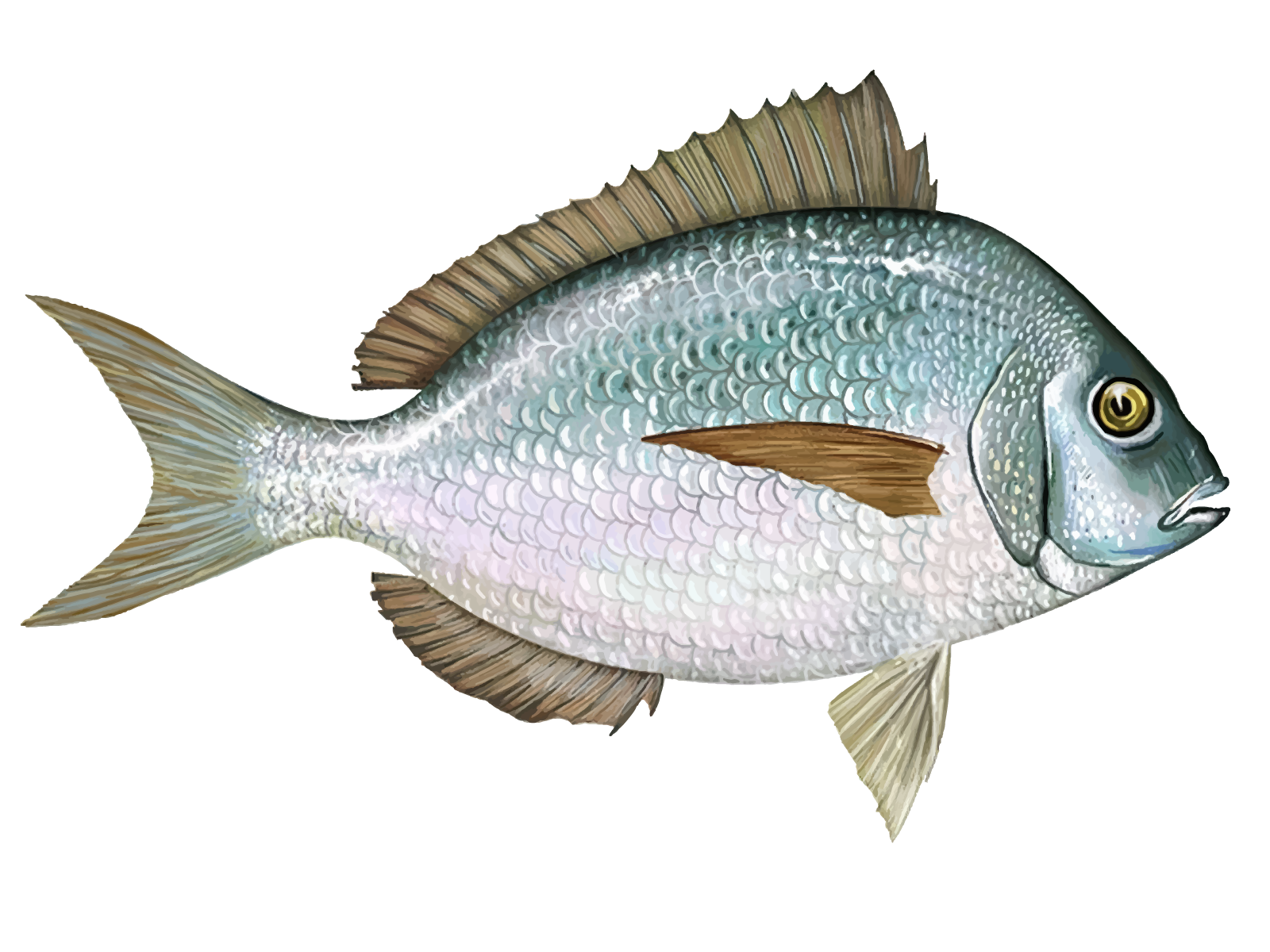
Scup, or porgy as they're commonly called, might not be the most glamorous fish on the list, but they're abundant, willing biters that make for great action when other species are being finicky. These bottom dwellers typically run 8-14 inches and are excellent for beginners learning to feel bites and set hooks properly. They're structure-oriented fish that school up around rocks, wrecks, and hard bottom areas. Scup are also fantastic eating - their firm, white meat has a mild flavor that works well with various cooking methods.
Time to Book Your Spot
A 4-hour inshore trip gives you enough time to really get into the fishing without feeling rushed, and working these three different water bodies means your captain can adapt to conditions and put you on the most productive bite of the day. The personalized instruction
 Private Trip
 Inshore Fishing
 Long Island

 Four-hour inshore fishing across three premier Long Island bays