Kenai River Fishing Guides | Full Day Charter
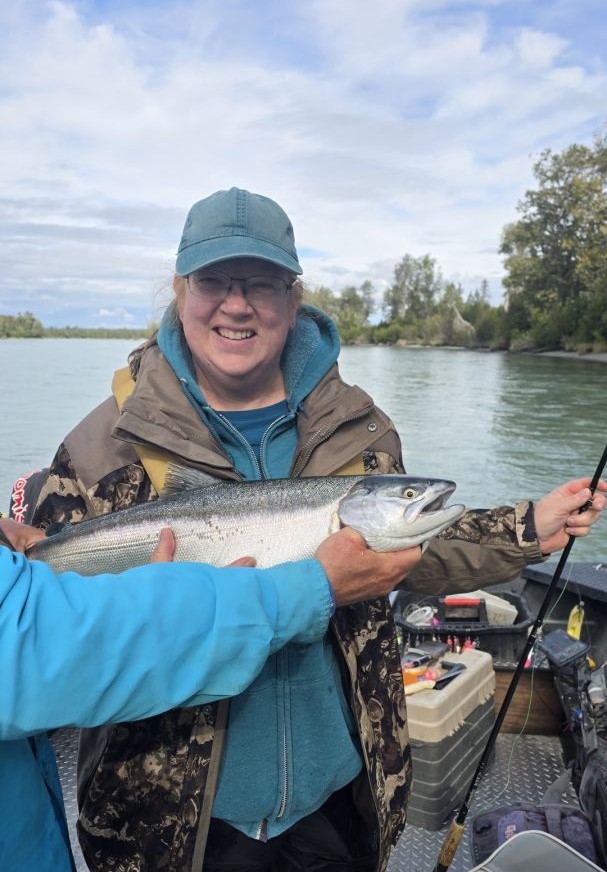
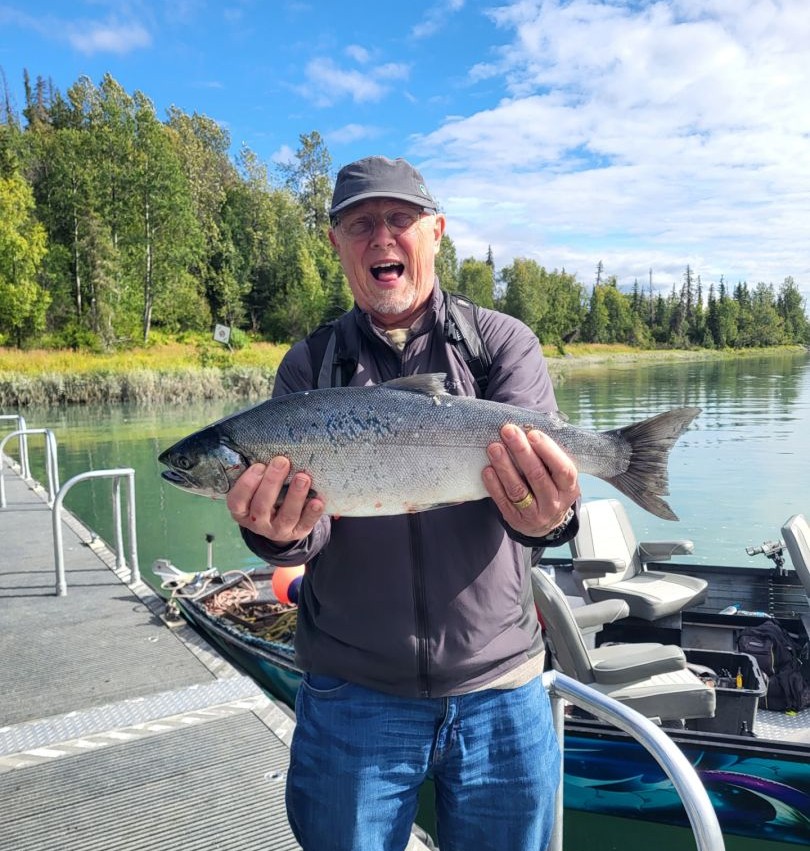
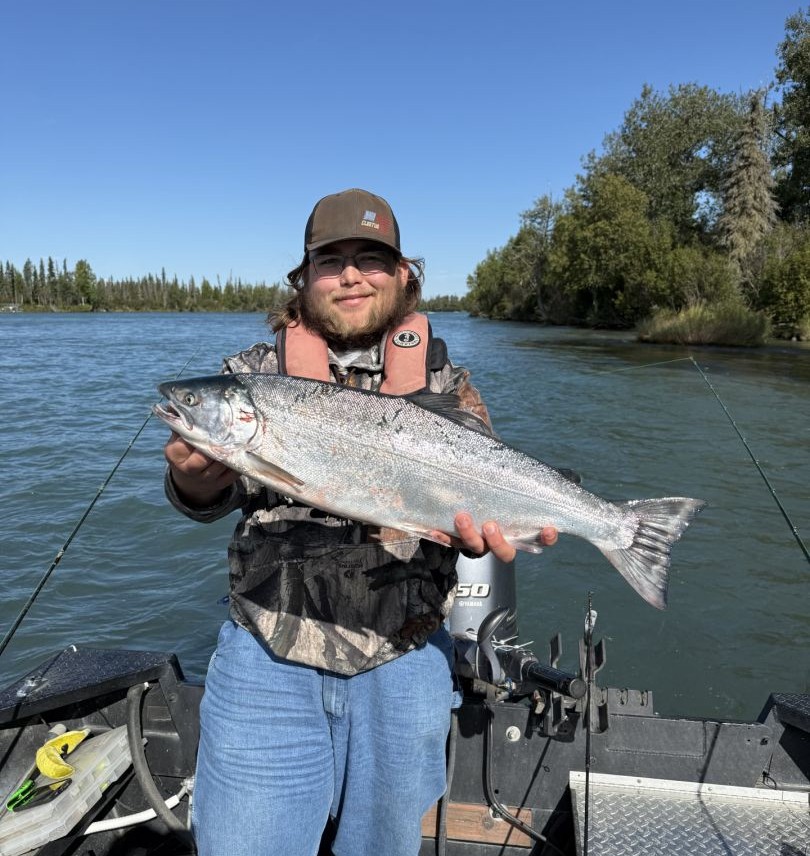
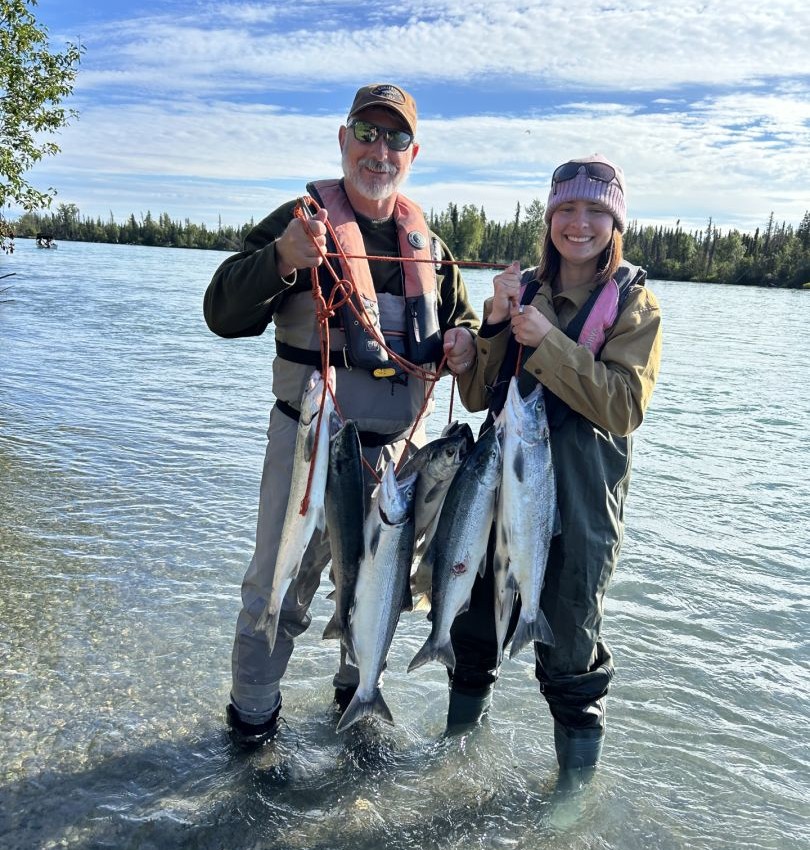
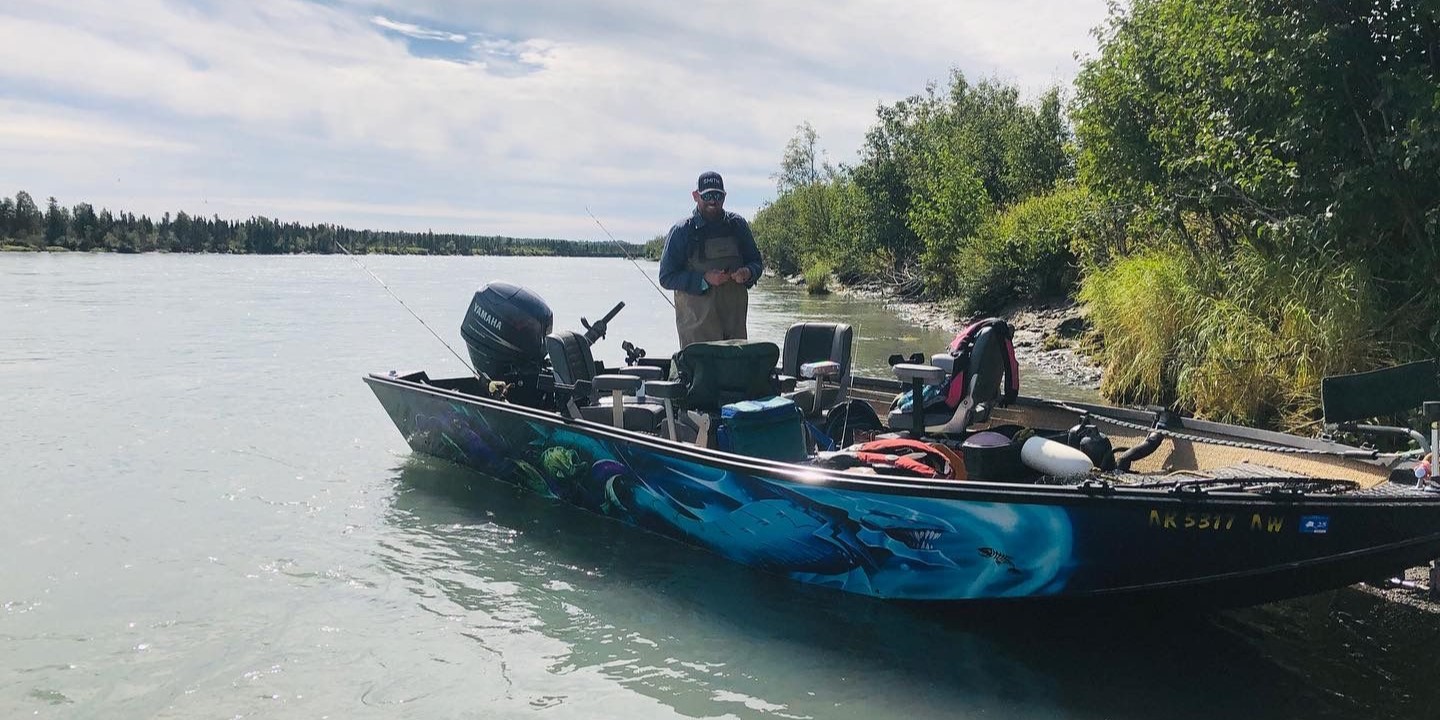
Picture this: you're drifting down Alaska's legendary Kenai River with your rod bent and drag screaming. That's what we're talking about when we say full-day charter fishing. This isn't some tourist trap operation—we're serious about putting fish in the boat. Our power boats are rigged for success, and with just 4 anglers max, you'll get the attention and prime fishing spots you deserve. From early morning coffee to late afternoon releases, we're chasing everything from chrome-bright salmon to feisty rainbows. Plus, if the bite slows on the river, we can switch things up with some peaceful lake fishing using float tubes. It's Alaska fishing the way it should be done.
What to Expect on the Water
Your day starts early—real early if you want the best action. We launch from the boat ramp before the crowds hit, giving us first crack at the prime holes and runs. Our boats are set up with quality rods, reels that can handle big kings, and all the terminal tackle you'll need. The Kenai runs crystal clear most days, so we're sight fishing to pods of salmon and watching rainbows rise to the surface. Depending on what's running, we might be back-bouncing eggs through deep pools, swinging spoons in the current, or drifting bait along undercut banks. When the river fishing peaks, there's nothing like it. But Alaska weather can be fickle, so we always have that lake option in our back pocket. Float tubes let us access water that boat traffic can't reach, perfect for working dry flies over rising trout or trolling streamers along drop-offs. It's a completely different vibe—quiet, methodical, and often more technical than river fishing.
Techniques & Gear Setup
We fish the Kenai using proven methods that locals have dialed in over decades. For salmon, we're typically running medium-heavy spinning gear with 15-20 lb test, bouncing weighted rigs through deeper water or casting hardware when fish are aggressive. Sockeyes can be picky, so we might switch to lighter tackle and smaller presentations when they're being finicky. Rainbow trout fishing is a whole different game—we'll often drop down to 8-10 lb fluorocarbon leaders and single egg patterns or small streamers. The key is reading the water and matching your approach to what the fish want that day. When we move to the lake, float tubes give us incredible mobility. You'll be set up with chest waders, fins, and either fly gear or light spinning tackle depending on your preference. Lake fishing lets us slow down and really work structure—submerged logs, weed lines, and depth changes where big trout like to ambush baitfish. We provide all rods, reels, and tackle, but if you've got a favorite setup, feel free to bring it along.
Customer Stories
"My wife and I had a great time fishing with Robert. Hooked lots of fish, had fun with the others with us, had a father and son from Germany with our group and Robert was great with the language barrier. Highly recommend." - Gary
Species You'll Want to Hook
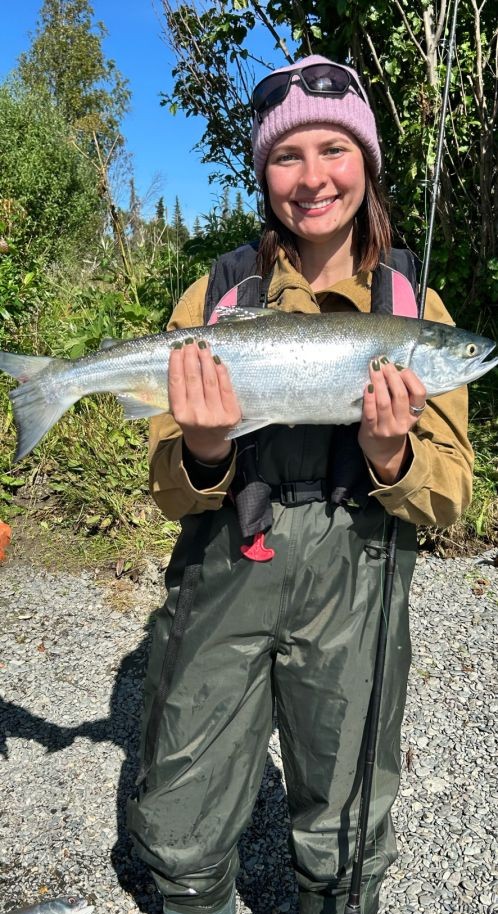
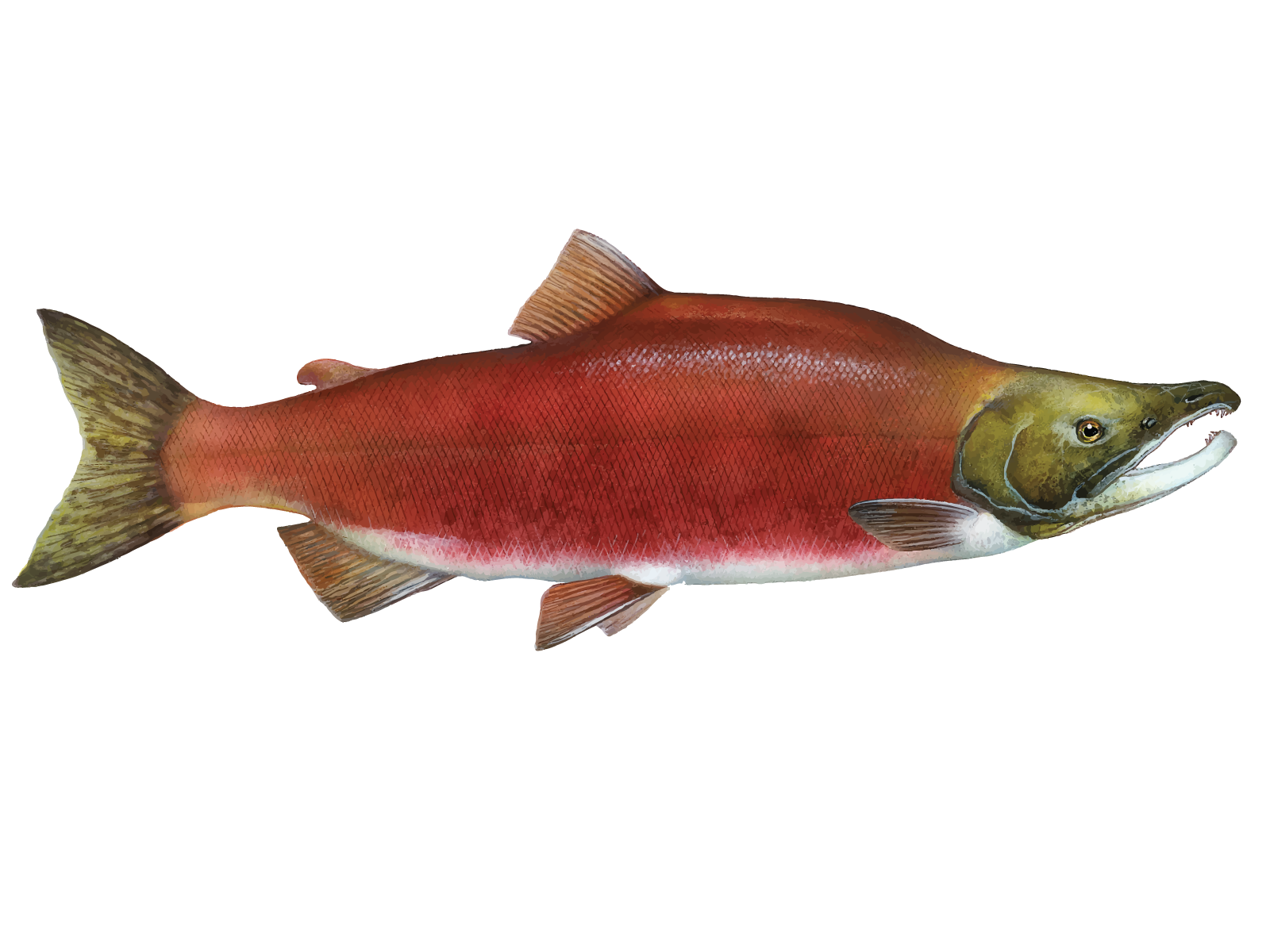
Sockeye Salmon are the bread and butter of Kenai River fishing, and for good reason. These fish run from June through July in numbers that have to be seen to be believed. Sockeyes average 6-8 pounds of pure muscle, and they fight like fish twice their size. They're notorious for being selective feeders, which makes landing one even more satisfying. The key is getting your presentation right in their face as they move upriver to spawn. When you hook a fresh sockeye, get ready for multiple jumps and long runs that'll test your drag system. They're also fantastic eating, with deep red meat that's perfect for grilling or smoking.
Arctic Grayling might be the most beautiful fish swimming in Alaska waters. Their distinctive dorsal fin looks like a small sail, and they're covered in iridescent scales that shimmer purple and gold in the sunlight. Grayling are surface feeders that love dry flies and small spinners, making them perfect targets when you want to see fish actually take your lure. They typically run 12-16 inches in our waters, and while they're not the strongest fighters, their acrobatic jumps and the technical skill required to catch them consistently keeps anglers coming back. Spring and fall are prime grayling seasons when they're actively feeding near the surface.
Rainbow Trout in the Kenai system are absolute bruisers compared to what you'll find in the lower 48. We're talking 18-24 inch fish that have been gorging on salmon eggs and flesh all season long. These rainbows are opportunistic feeders that will smash everything from mouse patterns to egg imitations. They're incredibly strong fighters that use the current to their advantage, often making several powerful runs before you can get them to the net. Fall fishing can be especially productive when rainbows are feeding heavily before winter, and they'll often take larger streamers and flesh flies with aggressive strikes that'll nearly rip the rod from your hands.
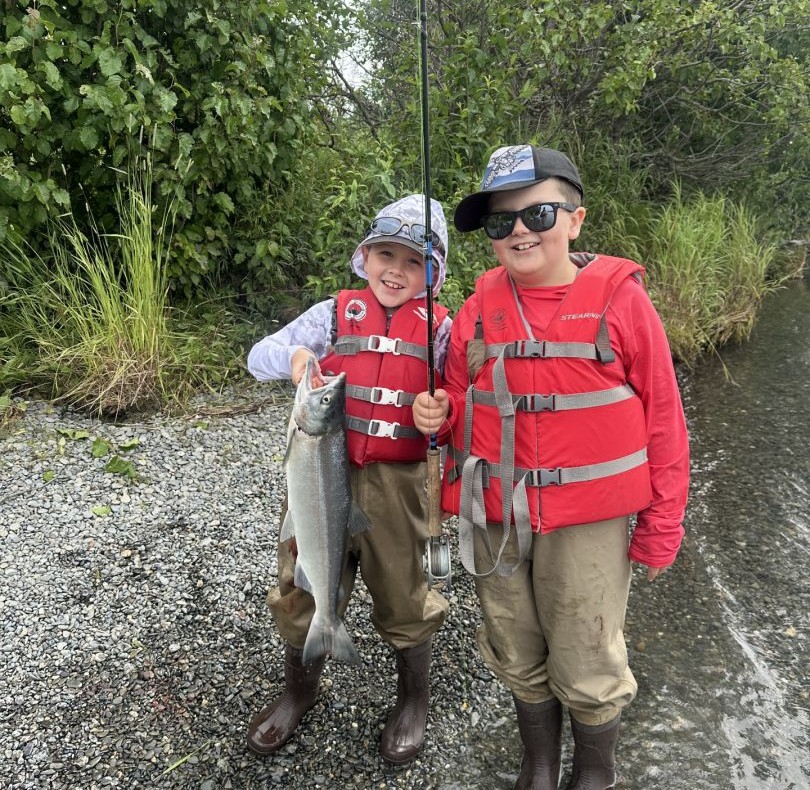
Coho Salmon, also called silvers, are probably the most fun fish to catch in Alaska waters. They average 8-12 pounds and fight like they're twice that size, with aerial displays that would make a tarpon jealous. Cohos run from mid-July through September, and they're much more aggressive than sockeyes, readily taking spoons, spinners, and even flies. Fresh-run silvers are chrome bright and absolutely beautiful fish. They're also excellent eating with firm, pink meat that's milder than sockeye. The best coho fishing often happens during overcast days or in the evening when they're more likely to chase lures through shallow water.
Dolly Varden are Alaska's version of a char, and they're perfectly adapted to the Kenai River system. These fish are aggressive predators that will eat everything from
 5.0(1 Reviews)
 Private Trip
 River Fishing
 Kenai River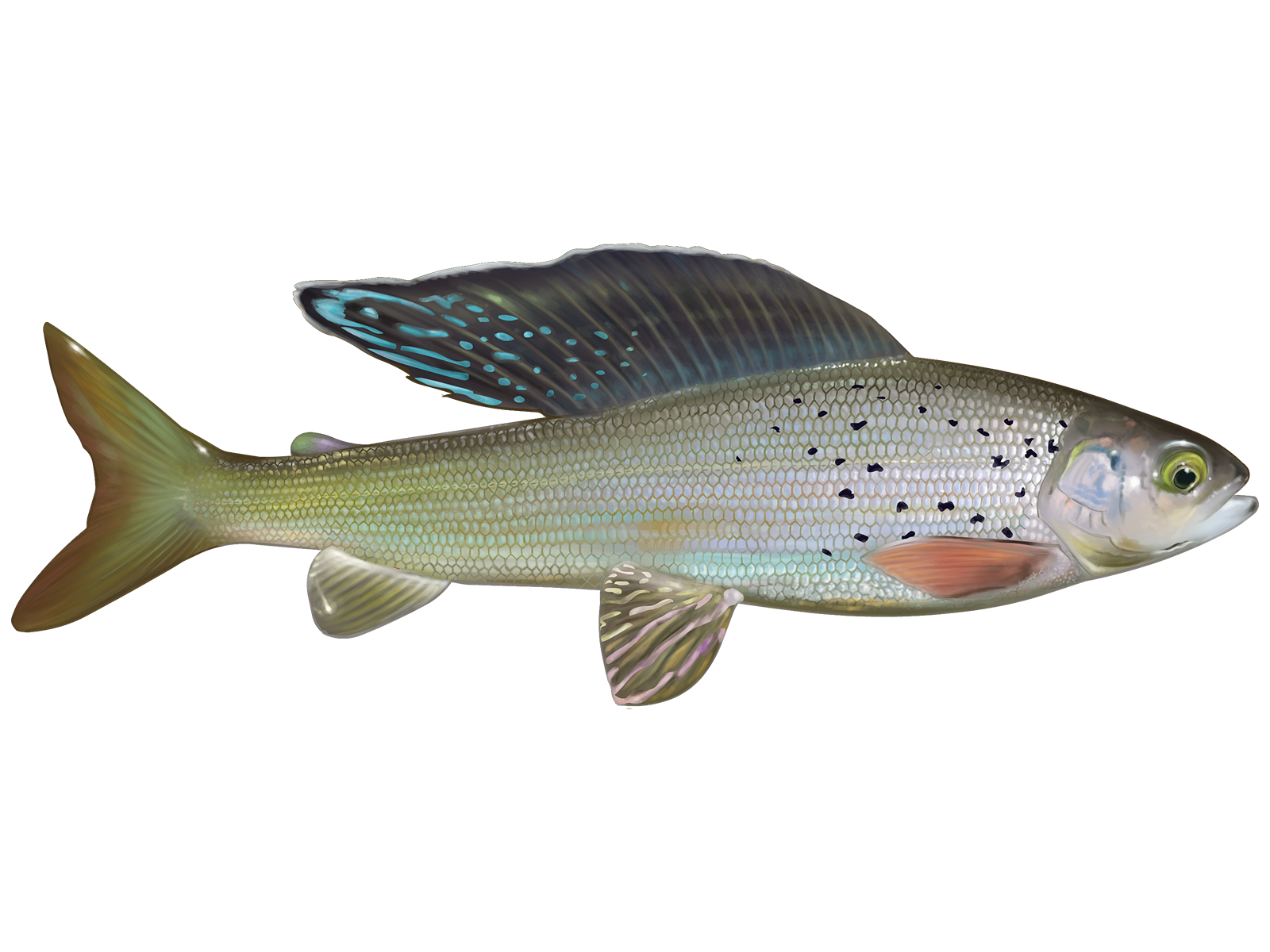

 Full-day Kenai River charter targets salmon and trout species