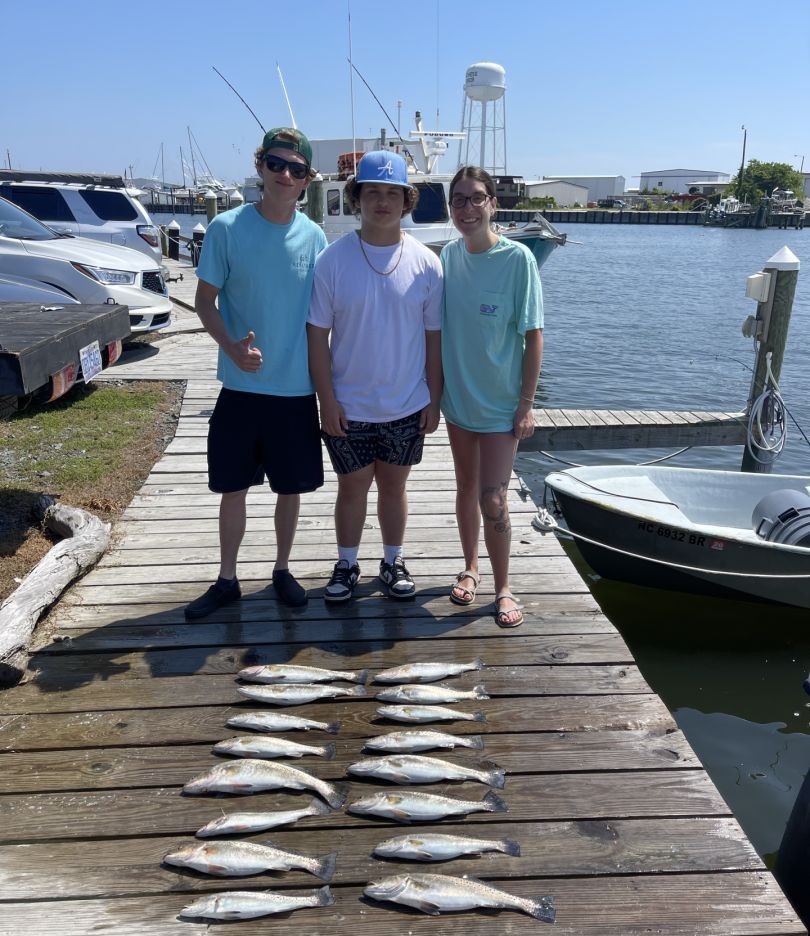
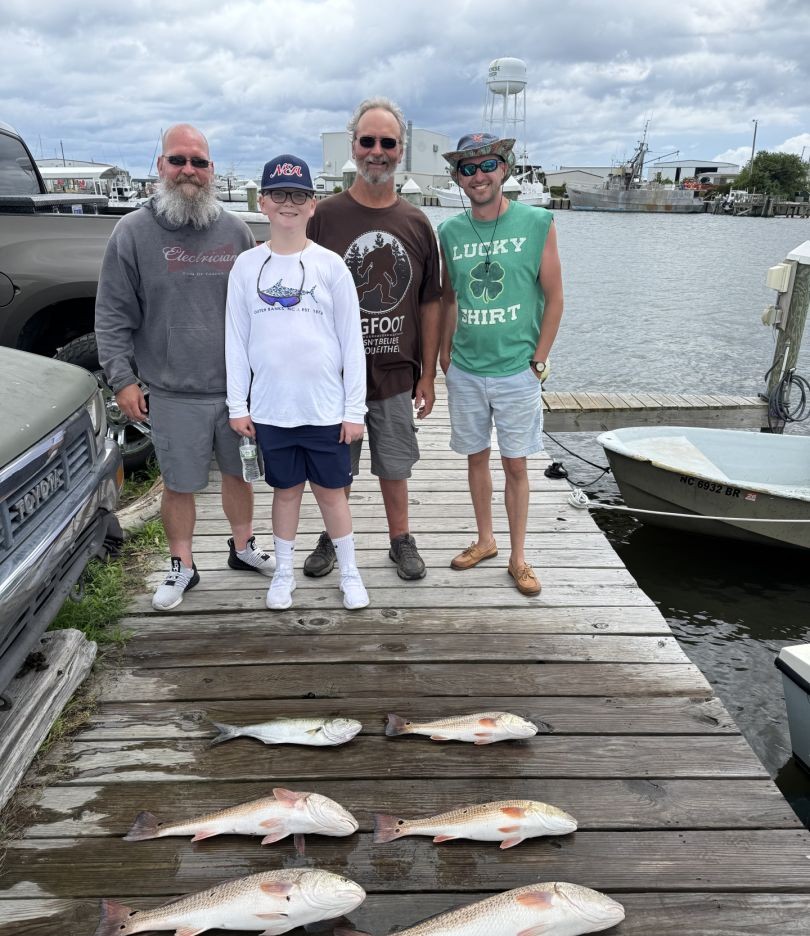
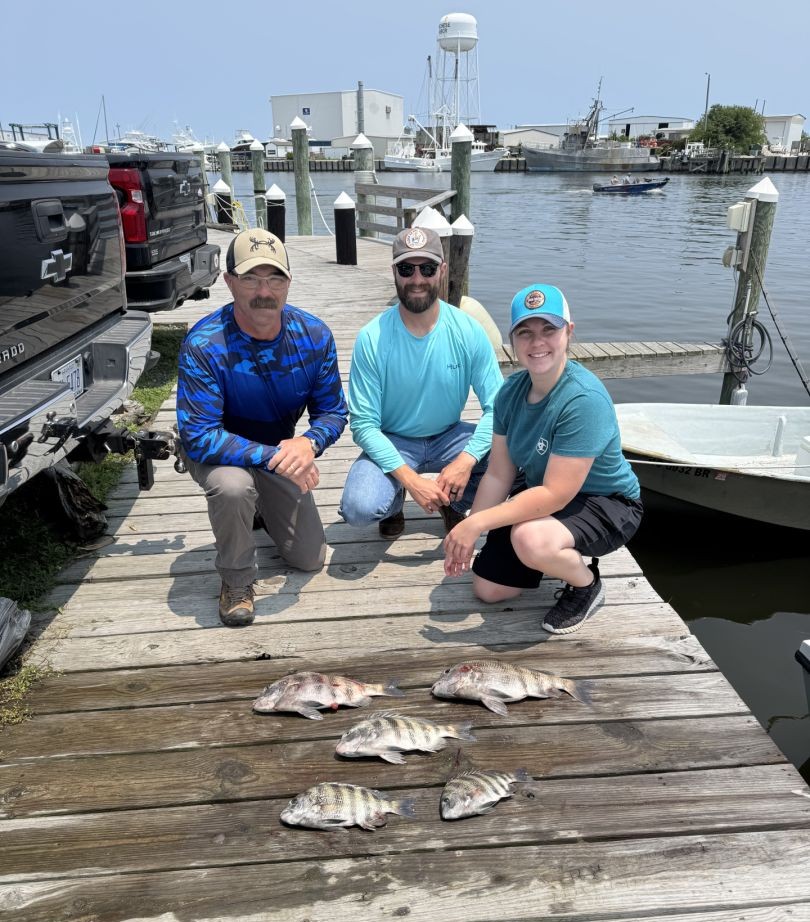
Wanchese NC Inshore Red Drum and Speckled Trout
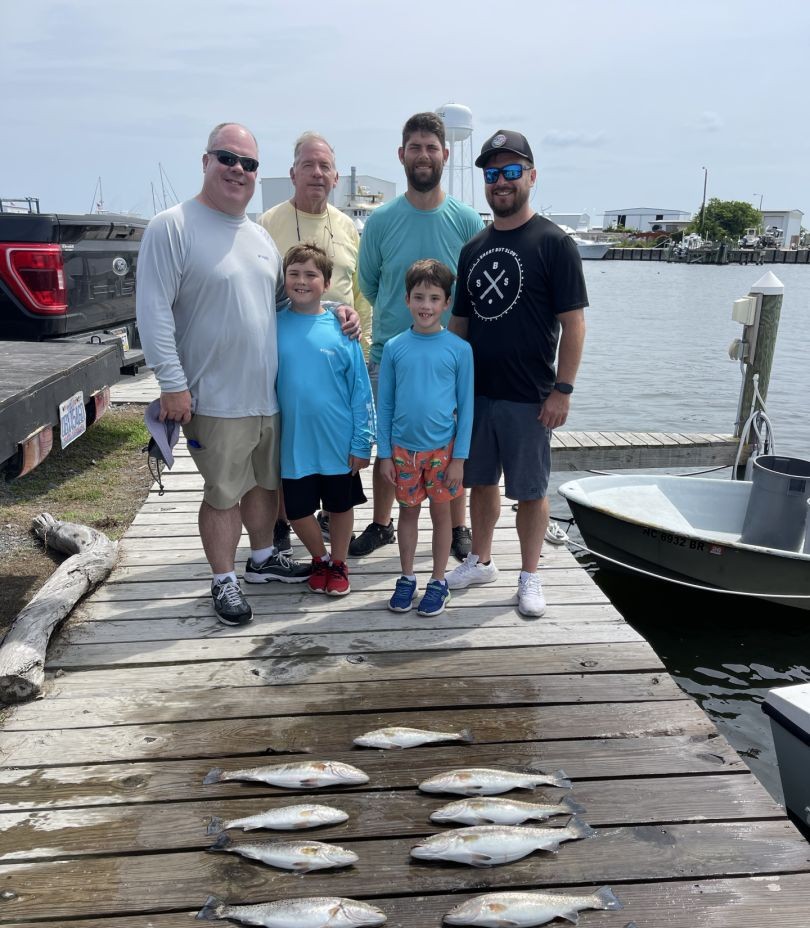
If you're looking for a serious fishing adventure in the Outer Banks, this 6-hour charter out of Wanchese delivers exactly what Carolina anglers dream about. Captain Ryan and the Sea Jay Fishing Charters team know these inshore waters like the back of their hand, and they'll put you on red drum and speckled trout that'll have you talking about this trip for years. Starting at 7 AM gives us the full morning bite when these fish are most active, plus plenty of time to work different spots until we find where they're holding. Whether you're bringing the kids for their first real fishing experience or you're a seasoned angler wanting to put some quality fish in the cooler, this charter hits the sweet spot.
What to Expect on the Water
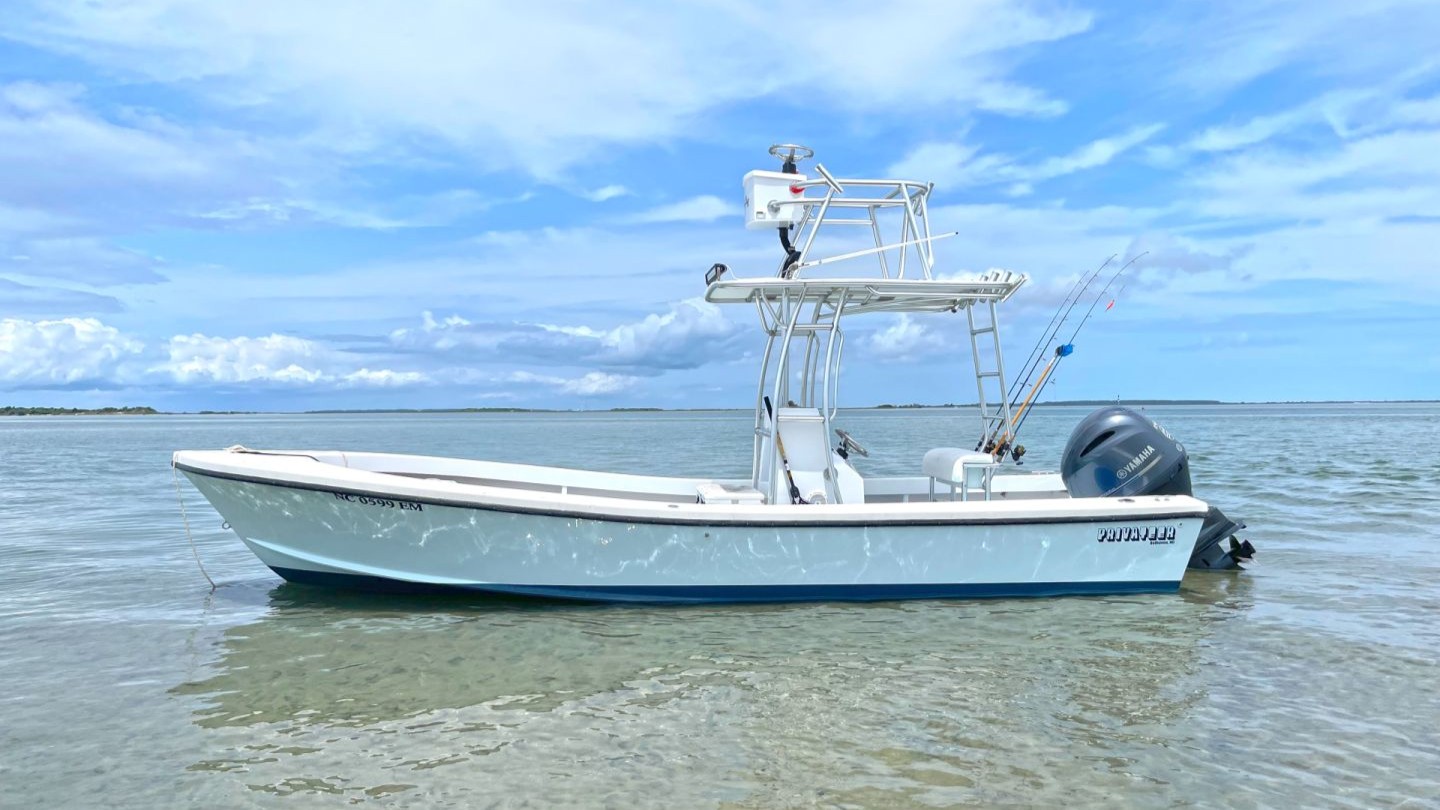
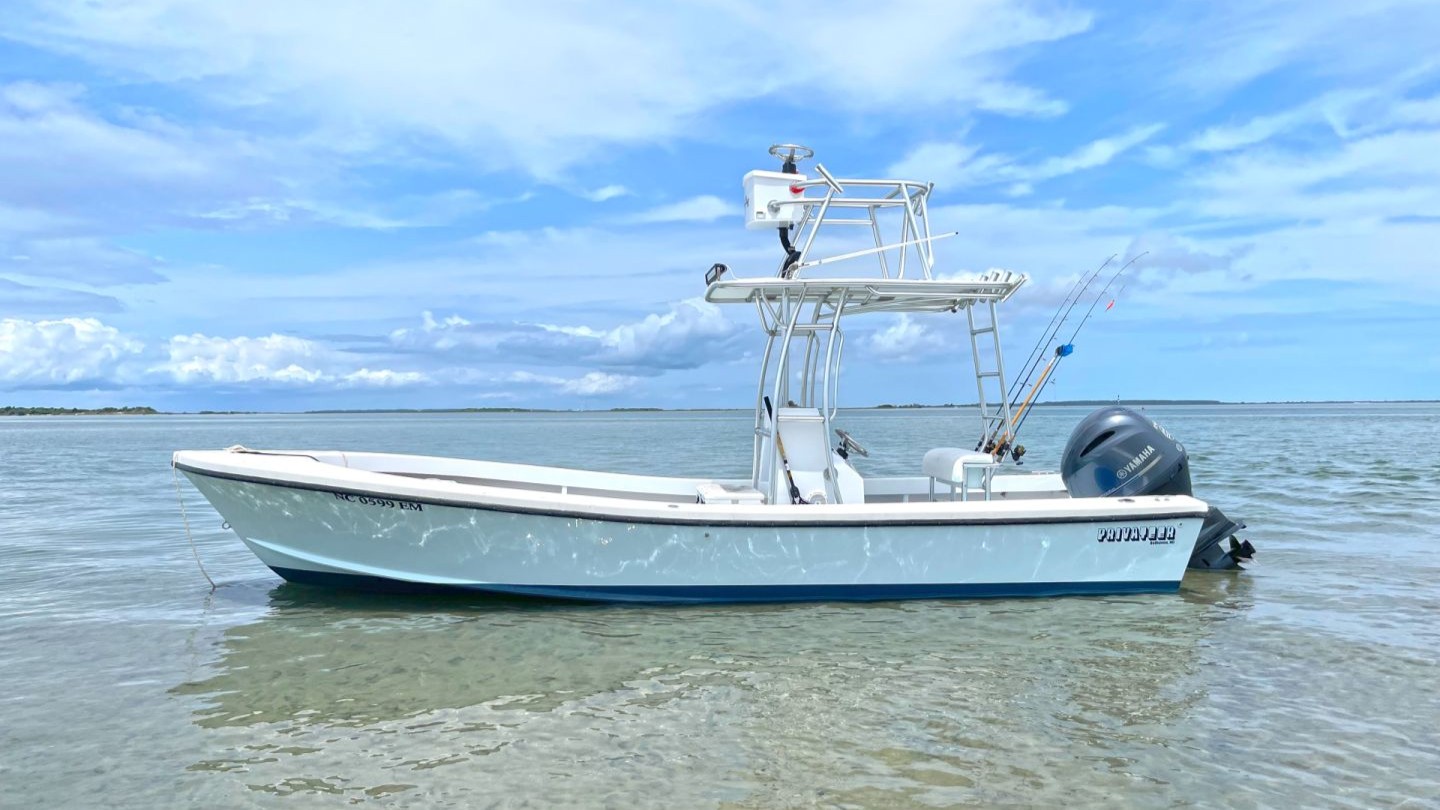
We're talking about a legitimate 6-hour fishing trip here – not some rushed 4-hour deal where you barely get settled before heading back to the dock. That early 7 AM departure time isn't just for show; it gets us out to the productive water while the fish are still feeding and before the afternoon boat traffic picks up. The waters around Wanchese give us access to some of the best inshore fishing on the East Coast, with grass flats, creek mouths, and deeper channels that hold different species throughout the day. You'll be fishing light tackle that's perfect for beginners but still gives experienced anglers that satisfying fight when a bull red takes off on a screaming run. The boat comfortably handles up to 6 anglers, so bring the whole crew – there's plenty of room to spread out and everyone gets their shot at the action. All your bait, tackle, and lures are covered, plus the fishing licenses for your group, so you just need to show up ready to fish.
Techniques and Tackle
This isn't about throwing heavy gear and hoping for the best – we're using light tackle techniques that make every fish feel like a monster and give you the best chance of success. Depending on what we're targeting and where we find them, you'll be working with everything from live bait under popping corks to artificial lures like soft plastics and spoons. The beauty of inshore fishing around Wanchese is the variety of structure and habitat – one minute we might be working a grass flat with finger mullet for specks, the next we're sight-fishing to tailing reds in skinny water. The captain reads the conditions daily and adjusts the game plan accordingly, whether that means hitting the deeper channels for Spanish mackerel or working the shoreline structure for bluefish. Light spinning tackle keeps things fun and accessible for everyone on board, while still having enough backbone to handle that surprise cobia or oversized red drum that shows up when you least expect it. The learning curve is gentle enough for kids and first-timers, but the techniques you'll pick up will make you a better angler no matter where you fish.
Customer Stories
"Captain Ryan was a fantastic guide for our group. He was especially patient with the two children on board, teaching them exactly what they needed to do to be successful. Even though it was late in the season and the water conditions were a bit choppy, he still managed to get us on the fish." - Brad
Target Species
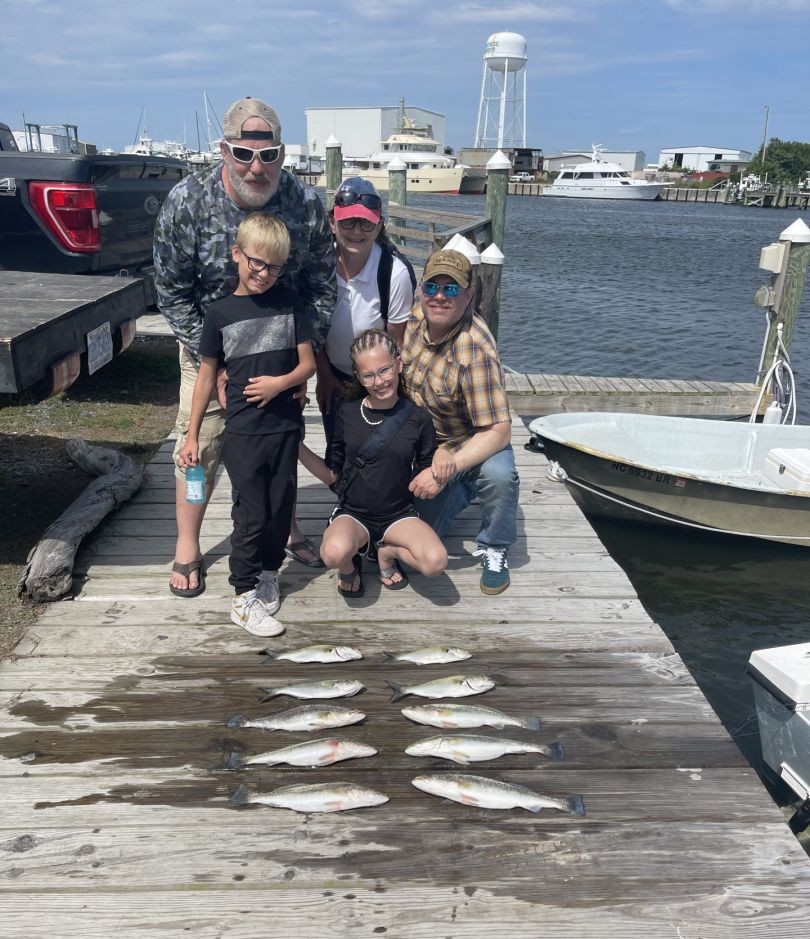
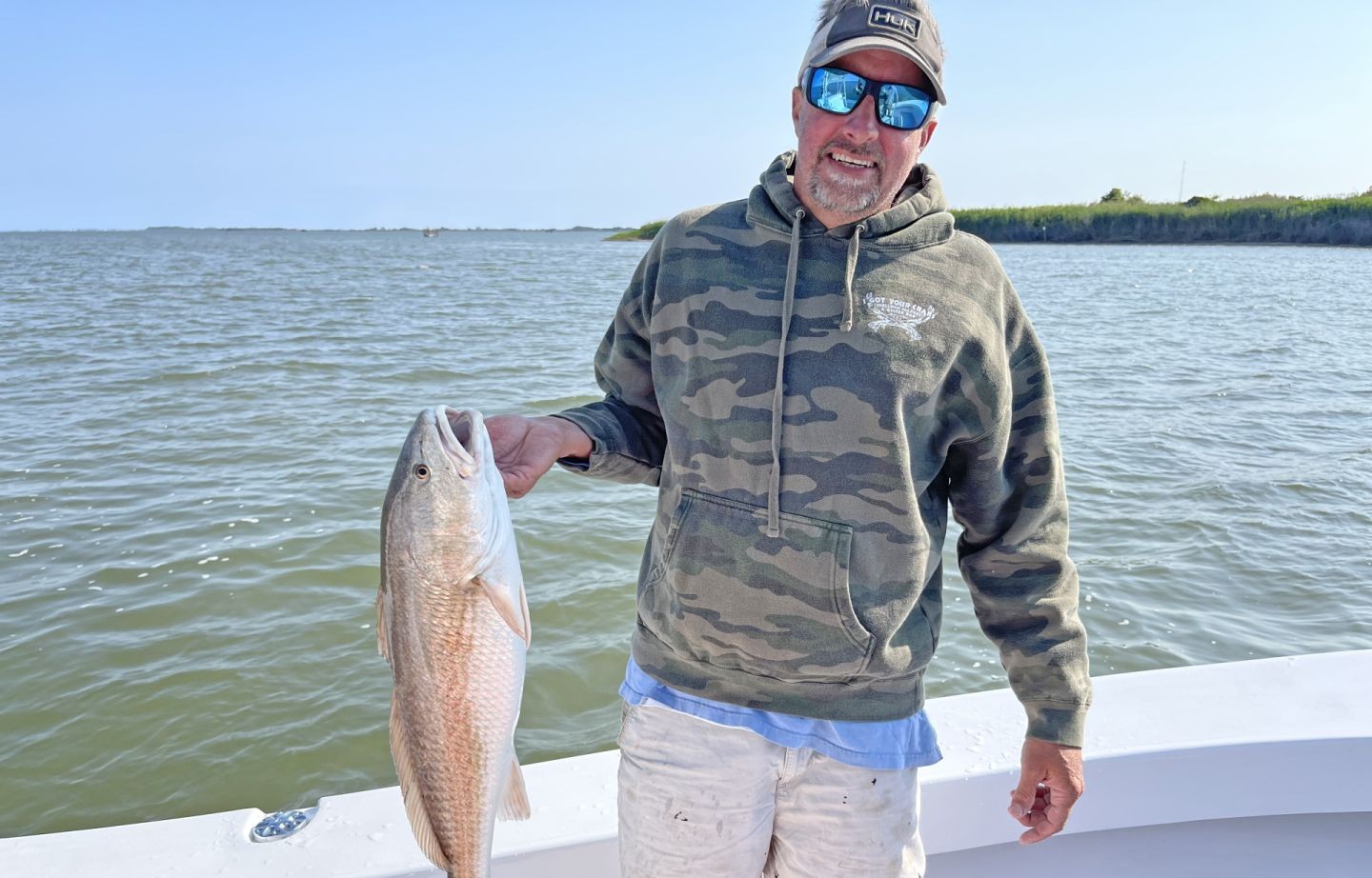
Red drum are the crown jewel of North Carolina inshore fishing, and the waters around Wanchese consistently produce some of the best redfish action on the coast. These copper-colored bruisers can range from slot-size fish around 20-25 inches up to bull reds that'll peel drag and test your arm strength. Spring through fall offers the most consistent action, with fish feeding heavily in the shallows and around structure. What makes reds so special is their fighting ability and the variety of ways you can catch them – sight fishing to cruising schools, working them under birds, or letting them find your bait near oyster bars and creek mouths. They're also one of the most photogenic fish in the ocean, with that distinctive spot and bronze coloring that looks amazing in photos.
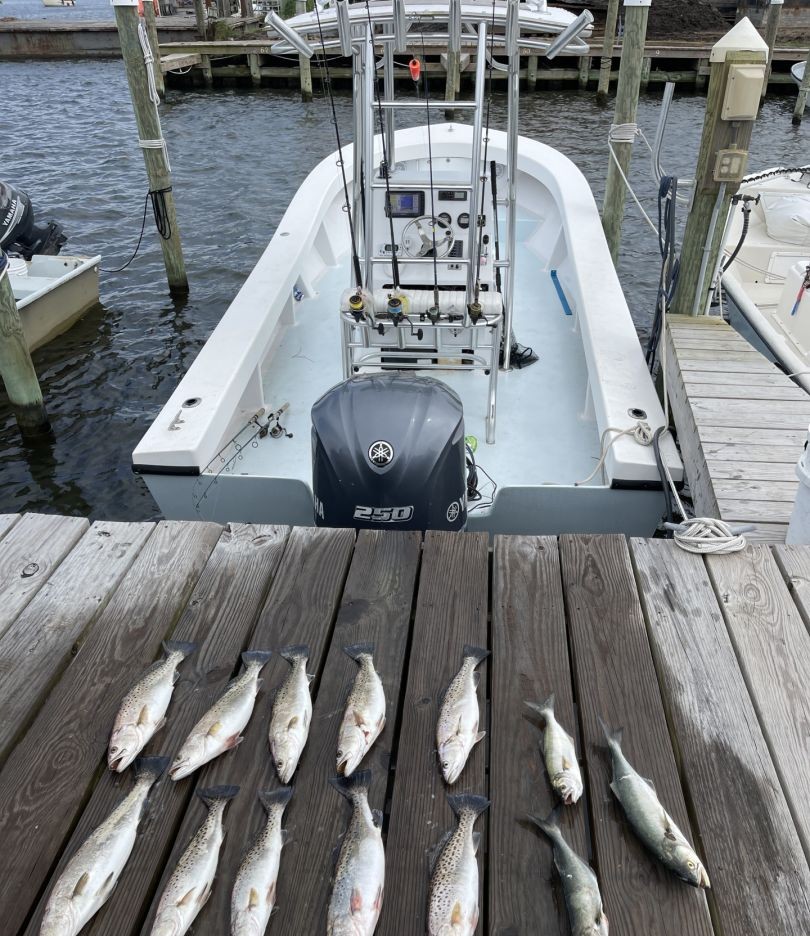
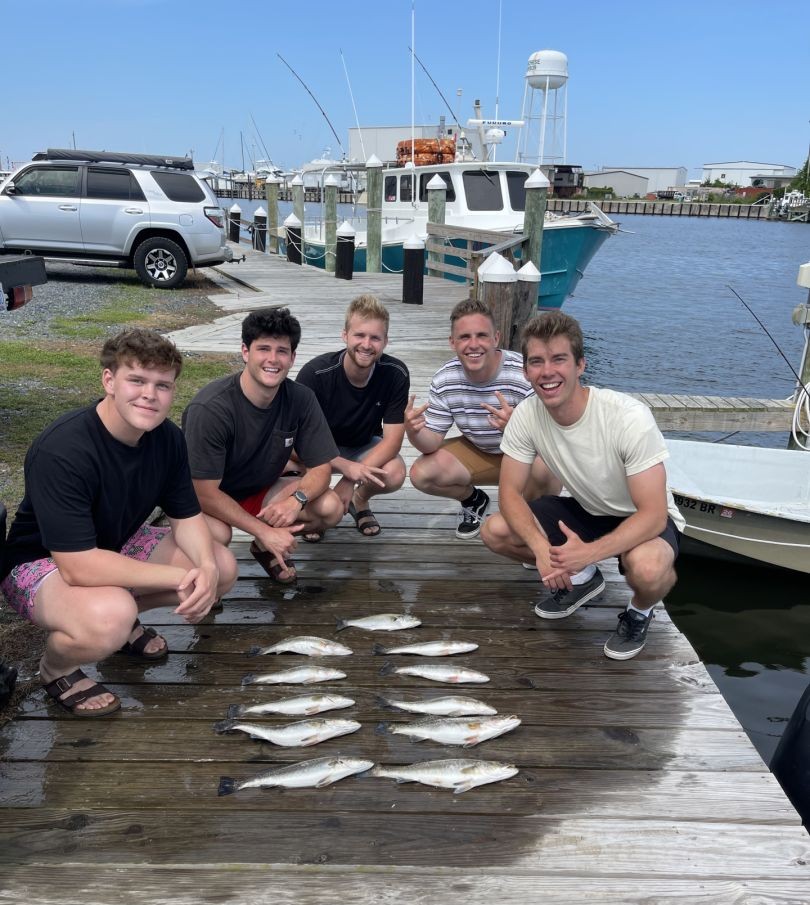
Speckled trout might not have the raw power of a red drum, but they make up for it with sheer numbers and excellent table fare. These spotted beauties love grass flats and deeper holes adjacent to shallow water, especially around moving water where baitfish get swept along by the current. Peak season runs from spring through late fall, with some of the best fishing happening right at dawn when we're starting our trip. Specks are known for their delicate bite, so you need to stay alert and set the hook quickly when you feel that telltale tap-tap. They're perfect for light tackle, and a limit of quality speckled trout makes for some of the best eating you'll find in saltwater.
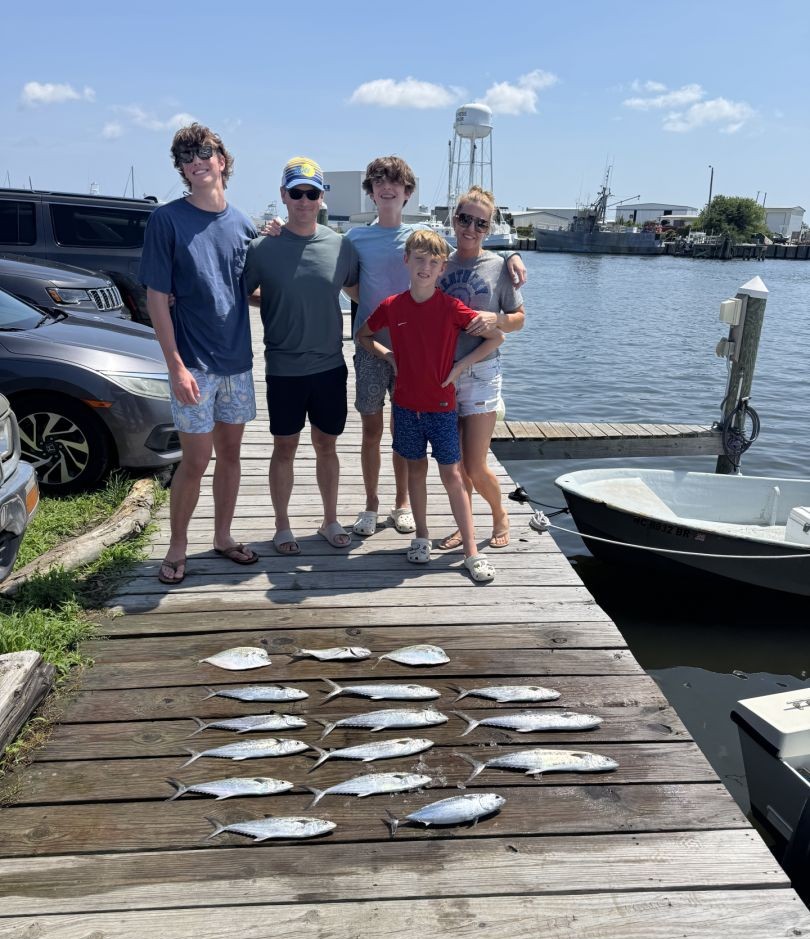
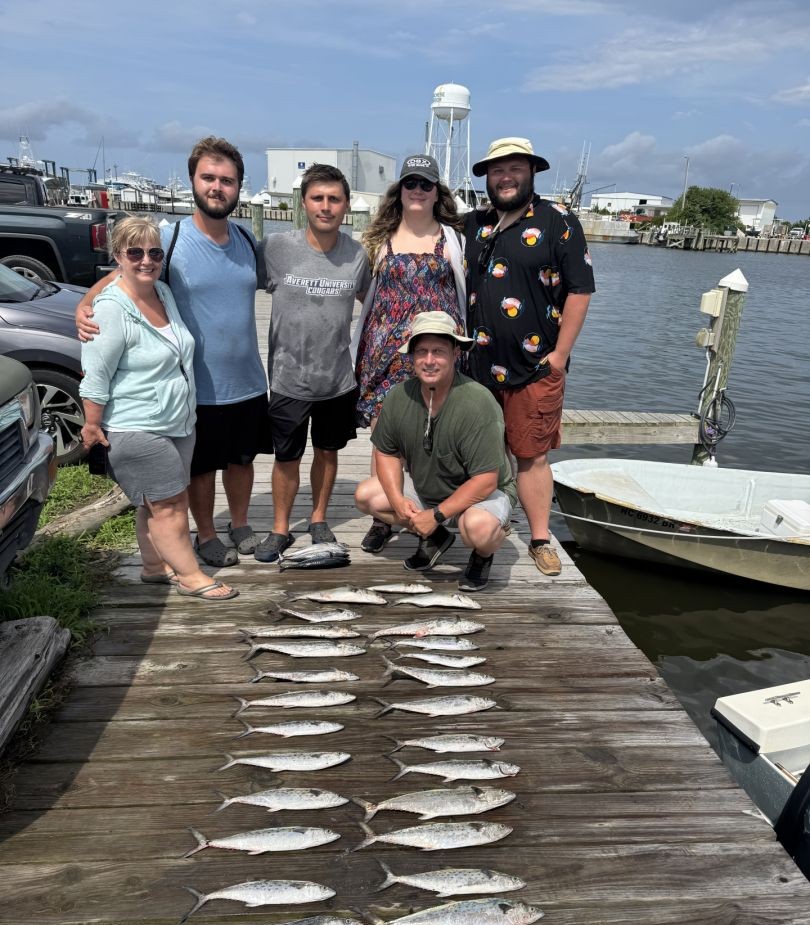
Spanish mackerel show up in numbers during the warmer months and provide fast-paced action that keeps everyone on the boat busy. These silver rockets hit hard and fight above their weight class, making screaming runs that'll surprise first-time anglers. They're typically found in deeper water around structure or feeding schools, and when you find them, you can usually count on steady action. Small spoons and jigs work great, and they're one of the few fish where you almost want them to bite light because they hit so aggressively. Spanish mackerel also make excellent bait for larger species if we decide to target cobia or bigger game fish during the trip.
Bluefish are the pit bulls of the inshore world – aggressive, hard-fighting, and always ready to eat whatever you put in front of them. These toothy predators provide reliable action throughout most of the season and can show up anywhere from shallow flats to deeper channels. When blues are around, you'll know it – they attack baits with a vengeance and fight dirty with powerful head shakes and determined runs toward structure. They're perfect for kids and beginners because they bite readily and give you that instant gratification that makes fishing addictive. Just watch those teeth when handling them – blues didn't get their reputation by being gentle
 5.0(1 Reviews)
 Private Trip
 Inshore Fishing
 Wanchese, NC


 Six-hour inshore charter targeting red drum and speckled trout