Half Day Advanced Fishing Trip In Tavernier
Captain Casey Yaworski knows these Florida Keys waters like the back of his hand, and he's ready to put you on some serious fish. This 6-hour offshore charter out of Tavernier isn't for weekend warriors – it's designed for anglers who know their way around a rod and reel and want to tangle with the big boys. We're talking sailfish, blackfin tuna, wahoo, and grouper that'll test every bit of skill you've got. You'll get top-shelf gear, a fully rigged boat, and the kind of local knowledge that only comes from years of working these waters. With just 4 spots available, you're guaranteed personalized attention and plenty of room to work when the action heats up.
What to Expect on the Water
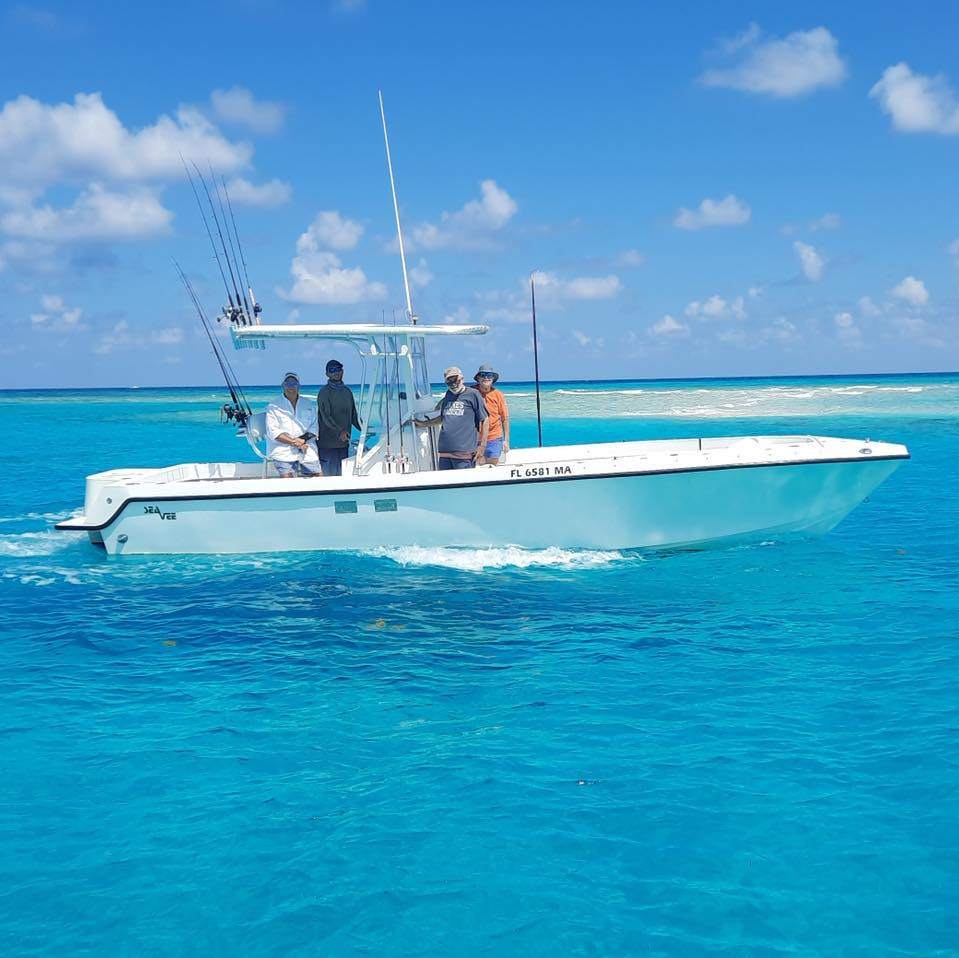
This trip starts early and hits the prime offshore grounds where the big fish roam. Captain Casey runs a tight operation – everything's prepped and ready so you can focus on fishing instead of rigging lines. The boat's equipped with quality tackle designed to handle anything from screaming wahoo runs to stubborn grouper trying to get back to their holes. You'll be working in 100+ feet of water where the continental shelf drops off and the real action happens. The pace is steady but intense – expect to be hands-on with multiple lines, switching between trolling spreads and bottom rigs depending on what's biting. This isn't a leisurely day of casual casting; it's serious fishing for serious anglers who want to put their skills to the test.
Trolling Tactics & Gear Setup
The captain runs a proven trolling spread using a mix of ballyhoo, lures, and live bait when conditions call for it. You'll learn advanced techniques like working the outriggers, managing multiple lines, and reading the fish finder to locate structure and bait schools. The tackle selection includes heavy spinning gear and conventional reels spooled with enough line to handle long runs from pelagic species. When targeting grouper, expect to switch to heavy bottom rigs with circle hooks and enough weight to get down fast in the current. The boat's electronics package includes GPS, sonar, and chart plotting to mark productive spots and navigate to the best fishing grounds. Captain Casey shares real-time strategy adjustments based on water temperature, current, and bird activity – the kind of insights that separate good fishing days from great ones.
Species You'll Want to Hook
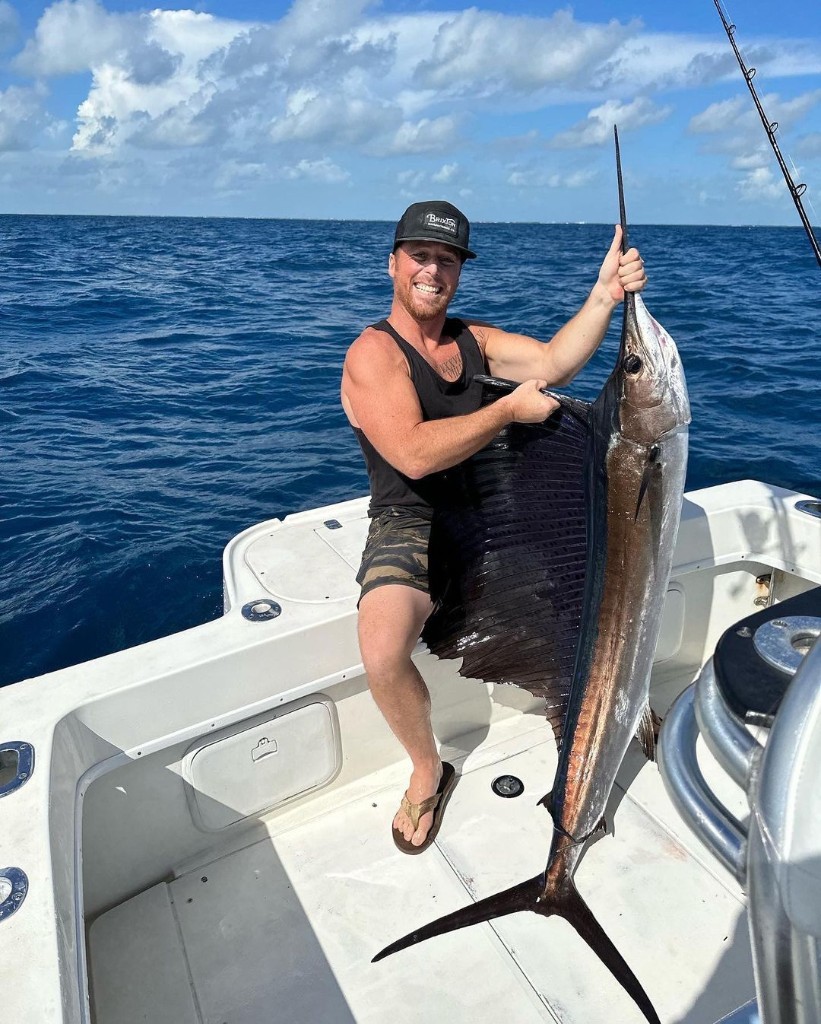
Atlantic Sailfish are the crown jewel of Florida Keys offshore fishing, and these waters consistently produce some of the best sailfish action on the East Coast. Peak season runs from December through April when cooler water temperatures bring schools of ballyhoo and sardines close to shore, followed by hungry sails. These fish average 6-8 feet and 40-60 pounds, with the occasional giant pushing 80+ pounds. What makes sailfish so special is their aerial show – multiple jumps, tail walks, and blistering runs that'll have your drag screaming. They're also one of the smartest fish in the ocean, often requiring precise presentation and quick hook sets to connect.
Blackfin Tuna might be smaller than their yellowfin cousins, but pound-for-pound they're some of the strongest fish you'll encounter. These 10-30 pound bullets are year-round residents in Keys waters, schooling around wrecks, reefs, and temperature breaks. They hit trolled baits like freight trains and immediately dive for deep water, testing your drag settings and fighting technique. Blackfins are excellent table fare with deep red meat that's perfect for sashimi or grilling. The trick is finding the schools – they move fast and feed aggressively but only for short windows.
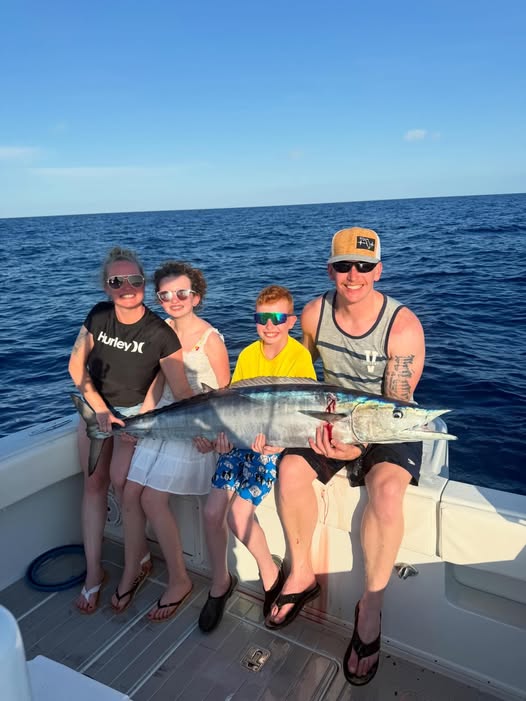
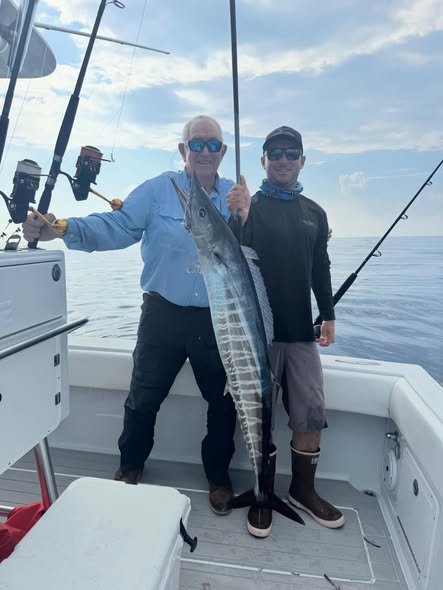
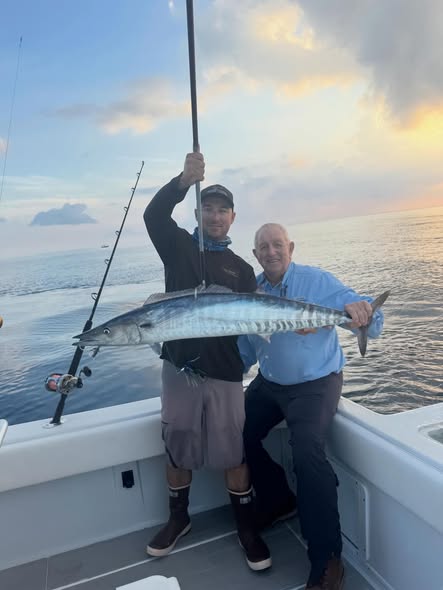
Wahoo are the speed demons of the offshore world, capable of hitting 60+ mph and stripping line faster than almost any other fish. These toothy predators love high-speed trolling with wire leaders and flashy lures, often hitting just as you think nothing's happening. Most Keys wahoo run 20-40 pounds, but 50+ pounders show up regularly during winter months. Their initial run is legendary – wahoo will take 200+ yards of line in seconds, so your drag better be set right. They're also fantastic eating with firm, white meat that's perfect for grilling or blackening.
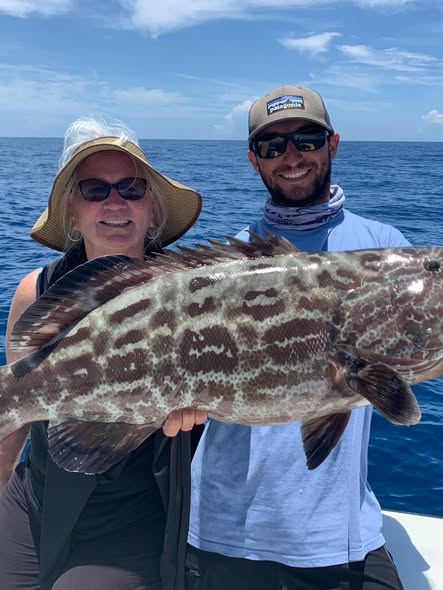
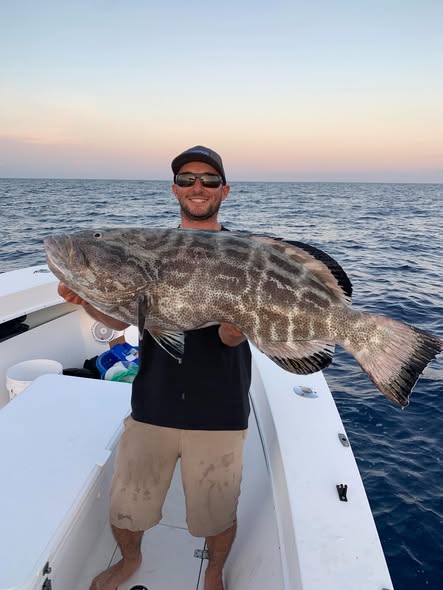
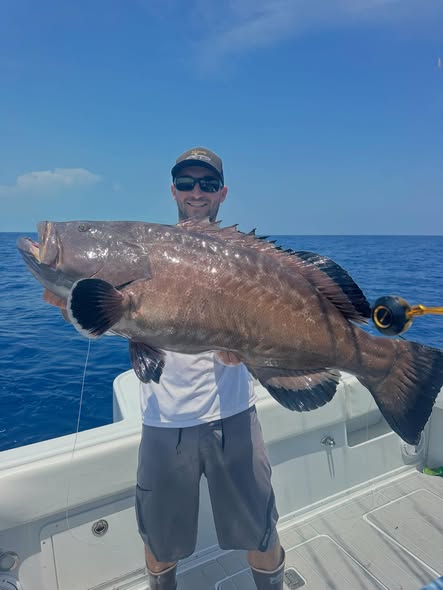
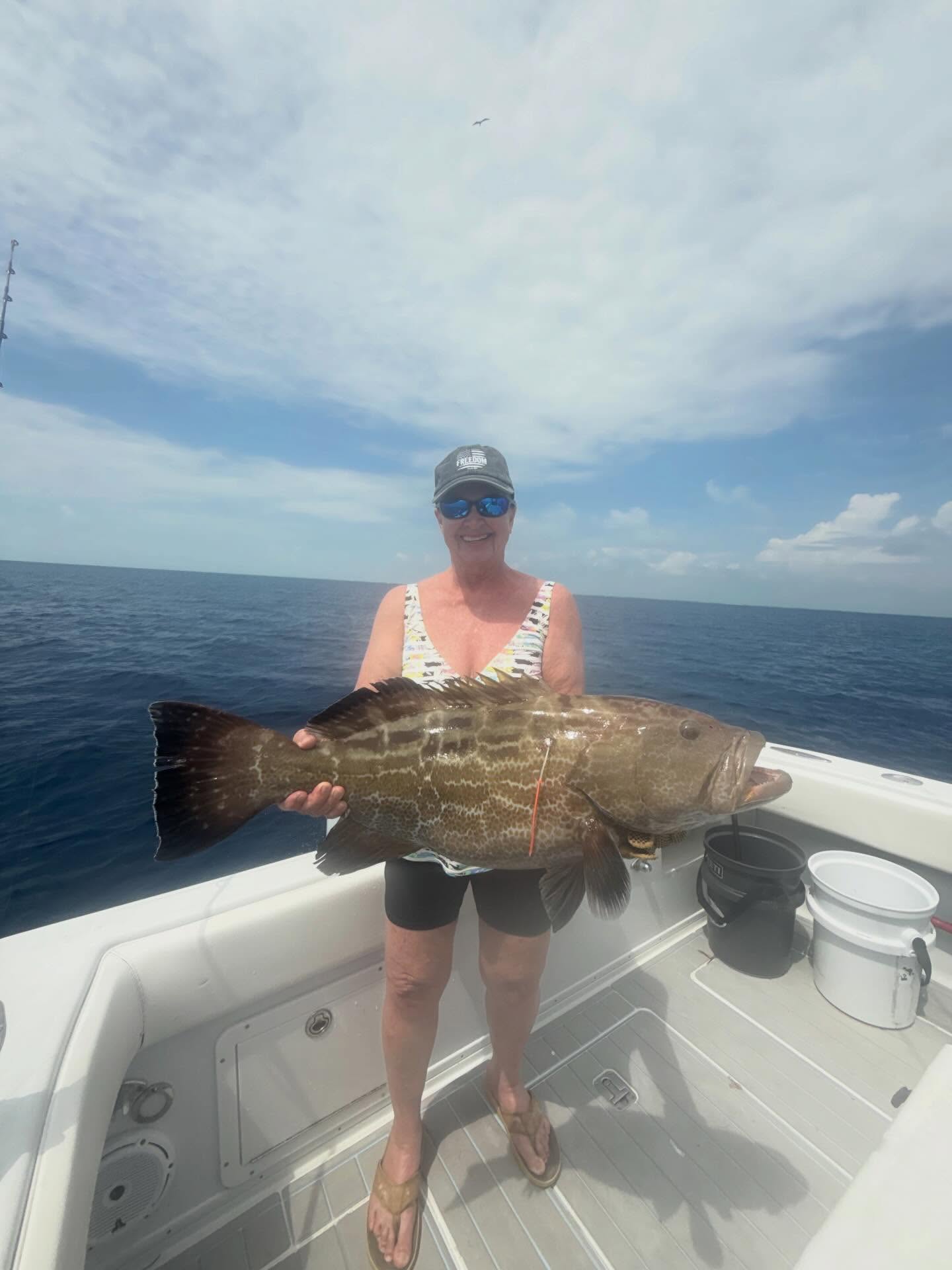
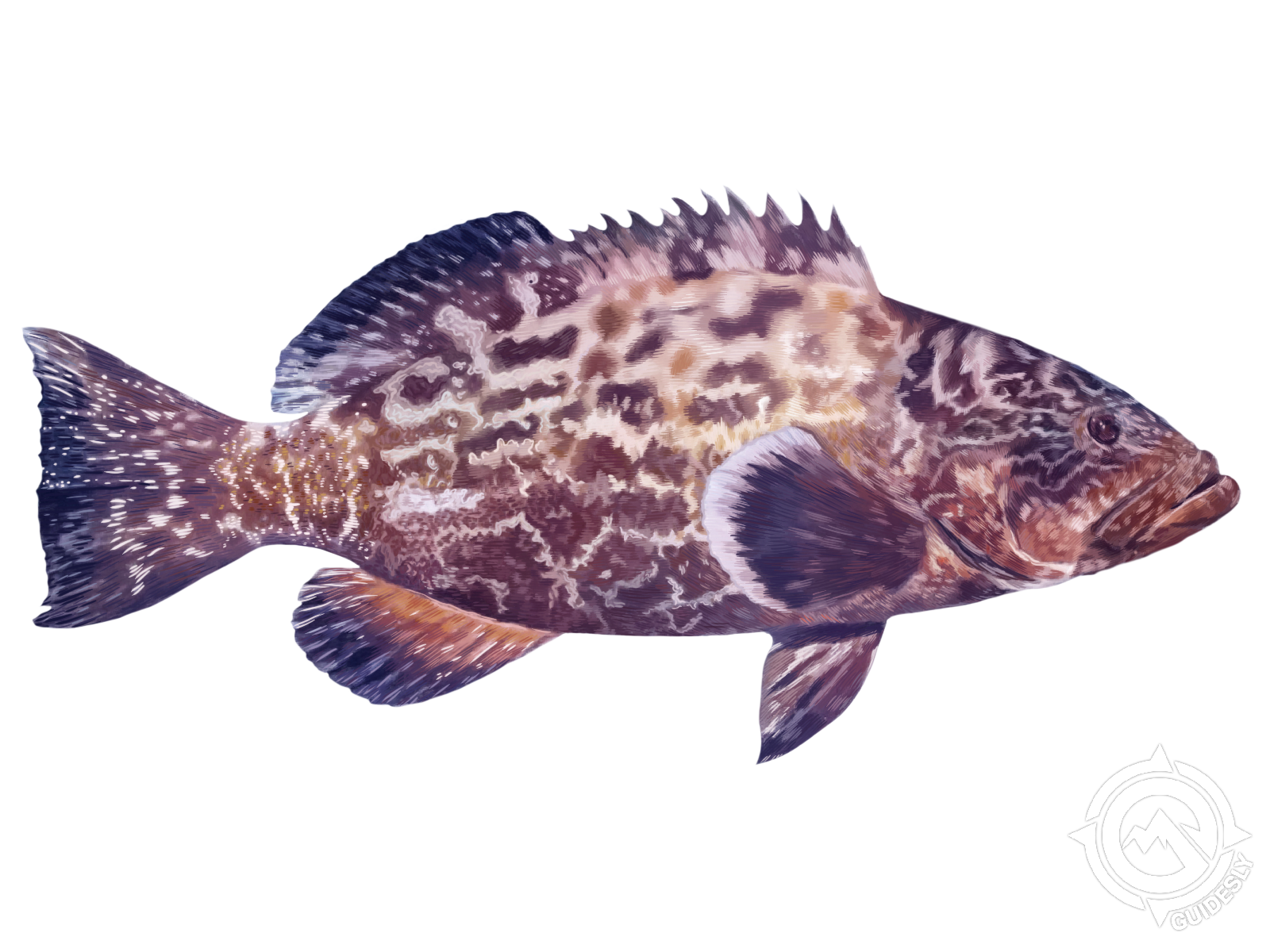
Black Grouper are the bruisers of the reef, with big bulls reaching 50+ pounds and an attitude to match. These fish live in structure – wrecks, ledges, and rocky bottom where they can ambush prey and duck for cover when hooked. The challenge with grouper is stopping that first run back to the rocks; once they get dug in, it's game over. Best action happens during cooler months when they move up from deeper water to feed. Captain Casey knows the productive spots and how to position the boat for the best shot at landing these tackle-busters before they cut you off in the coral.
Goliath Grouper are the giants of the reef system, with mature fish reaching 200-400 pounds or more. While they're catch-and-release only in Florida waters, hooking into one of these monsters is a bucket-list experience. They're surprisingly common around wrecks and deep ledges, often taking baits meant for smaller grouper. The fight is more about power than speed – goliaths use their massive size and the structure to their advantage, making multiple runs toward cover. Landing one requires heavy tackle, perfect technique, and a bit of luck.
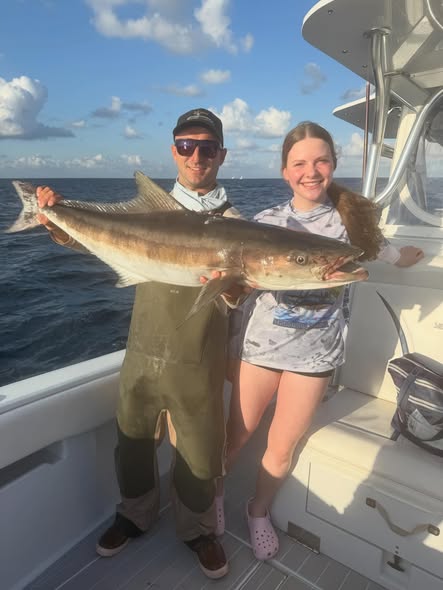
King Mackerel are year-round residents that provide consistent action when other species are finicky. These silver bullets typically run 10-30 pounds in Keys waters, with occasional giants pushing 40+. Kings are aggressive feeders that hit both trolled baits and live offerings, making long runs and jumping repeatedly when hooked. They're also excellent table fare when bled and iced properly. The key to consistent king fishing is finding the right depth and presentation – they can be anywhere from 20 to 100+ feet down depending on bait and water temperature.
 Private Trip
 Offshore Fishing
 Tavernier


 6-hour offshore charter targeting sailfish, tuna, and grouper