Inshore Fishing Charter Cape Coral
Cape Coral's backwater fishing scene is absolutely legendary, and this 5-hour inshore charter puts you right in the heart of it all. We're talking about some of the most productive shallow water fishing in Southwest Florida, where the grass flats, oyster bars, and mangrove shorelines around Sanibel Island, Captiva, and Fort Myers Beach hold serious fish year-round. Your captain knows these waters like the back of their hand – every pothole, every drop-off, every structure that holds fish when conditions are right. Whether you're brand new to saltwater fishing or you've been chasing these species for years, this trip delivers the kind of action that keeps anglers coming back season after season.
What to Expect on the Water
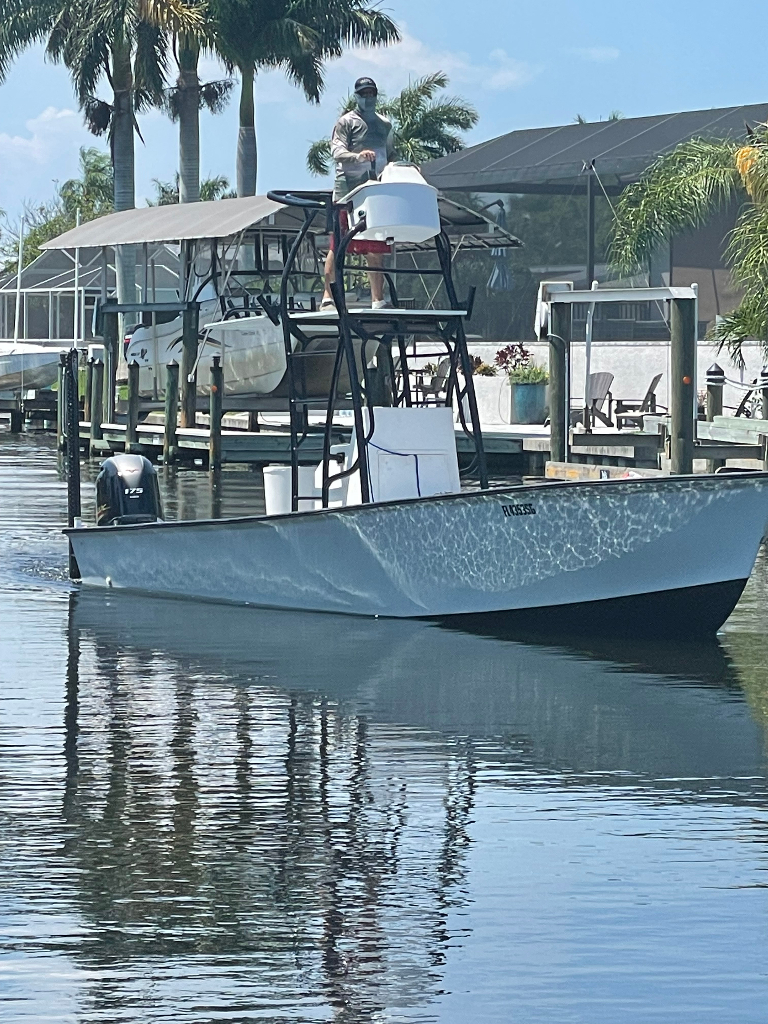
You'll launch early and head straight to where the fish are biting that day – no wasted time running around hoping to get lucky. The beauty of inshore fishing here is the variety. One minute you're sight-casting to tailing redfish in two feet of water, the next you're working a live shrimp under a dock where snook are ambushing baitfish. Your guide reads the conditions constantly – wind direction, tide movement, water temperature – and adjusts the game plan accordingly. The shallow draft boat gets you into skinny water where the big boats can't go, right up against mangrove edges where predator fish love to hunt. Groups up to four anglers get personal attention, meaning everyone gets their shot at the good fish. All your gear comes with the trip – quality rods and reels, fresh tackle, live and artificial baits – so you just show up ready to fish.
Techniques & Top Spots
This isn't just throwing a line and hoping for the best. Inshore fishing around Cape Coral requires reading water, understanding fish behavior, and matching your presentation to what's working that day. You'll learn to work topwater plugs early in the morning when fish are feeding aggressively, then switch to live bait presentations as the sun gets higher. Sight fishing is huge here – your captain spots the fish first, then positions the boat for the perfect cast. We're talking about fishing grass flats where sea trout hold, working oyster bars where redfish cruise, and hitting mangrove pockets where snook hide in the shadows. The water clarity in these protected areas lets you actually see fish before you cast to them, which turns every hookup into a strategic victory. Artificial lures like soft plastics, spoons, and jigs produce consistently, while live shrimp and pinfish are absolute money when fish get picky.
Customer Stories
"It was a windy day but Brian worked his butt off to get us on the fish, it was fast and furious action our whole trip" - Brian
Species You'll Want to Hook
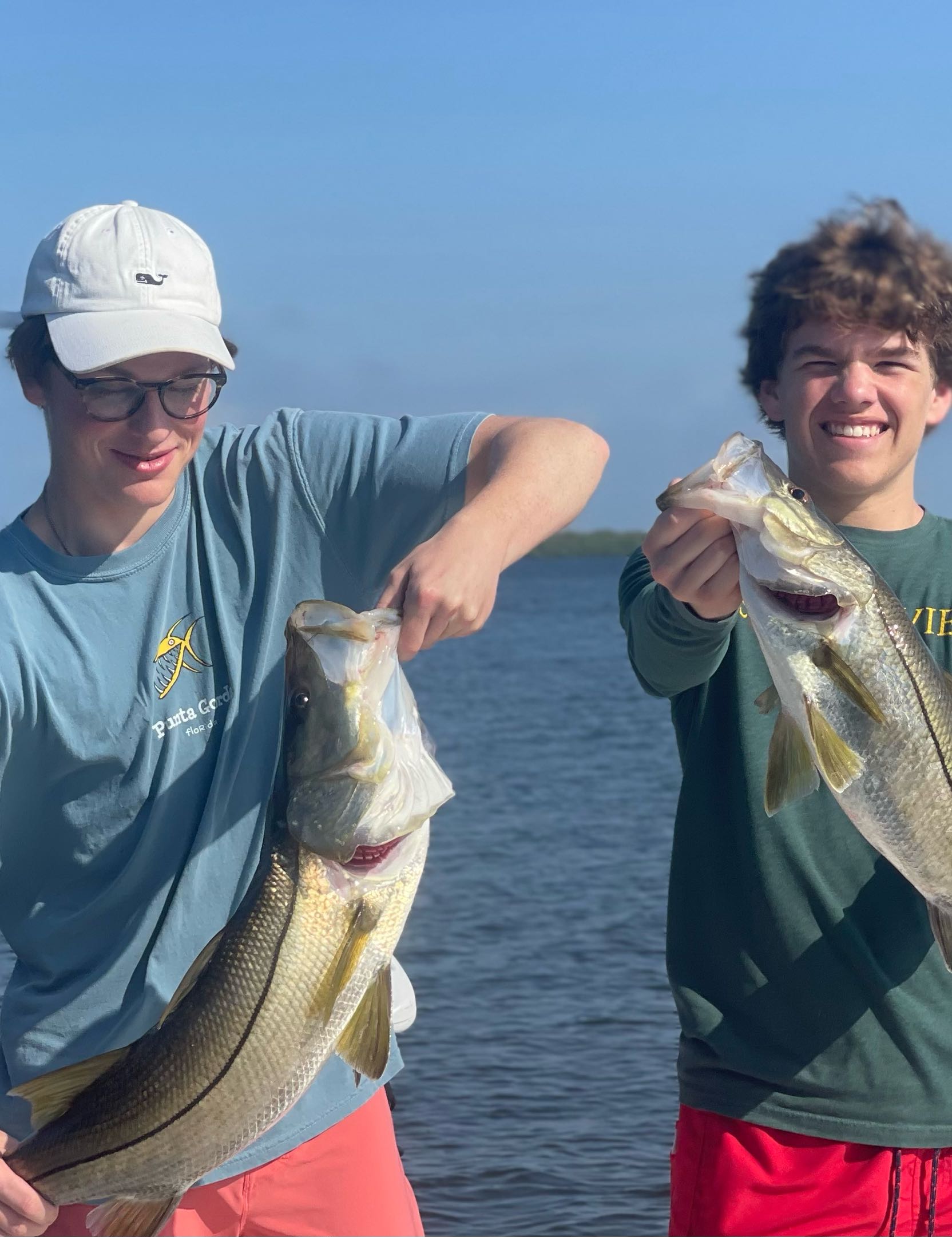
Snook are the crown jewel of Southwest Florida inshore fishing, and Cape Coral's waters produce some absolute giants. These ambush predators hang out around structure – docks, mangroves, bridge pilings – waiting to crush unsuspecting baitfish. They're notorious for their explosive strikes and acrobatic fights, often jumping clear out of the water multiple times before you get them to the boat. Peak season runs from spring through fall, with the best action happening during moving tides. What makes snook so special is their attitude – they'll smash a topwater plug with enough violence to wake up the whole neighborhood, then turn around and refuse to look at anything when conditions change. Landing a slot-sized snook is something every serious angler needs to experience.
Tarpon fishing around Cape Coral is world-class, especially during their annual migration from late spring through summer. These silver kings can reach over 100 pounds and are pure adrenaline when hooked. They're famous for their jumping ability – some fish will jump six or seven times in a single fight, throwing hooks and testing your drag system to the limit. Juvenile tarpon in the 20-50 pound range are common in the backcountry year-round, while the monster fish show up during peak season. What makes tarpon fishing so addictive is the visual aspect – you often see them rolling on the surface before you cast, and watching a six-foot tarpon eat your bait never gets old. These fish are almost always released, making them a true trophy species that's all about the experience.
Sea trout might not get the same press as snook and tarpon, but they're incredibly fun fish to catch and excellent on the dinner table. These spotted beauties love grass flats and are usually the most cooperative species when other fish get lockjaw. They hit both live and artificial baits eagerly, making them perfect for beginners while still providing plenty of action for experienced anglers. Peak season runs through the cooler months when schools of trout stack up on deeper flats. What's great about sea trout is their predictability – when you find them, you usually find them in numbers. They're also one of the best eating fish in these waters, so if you're looking to take home dinner, a few keeper trout make for outstanding table fare.
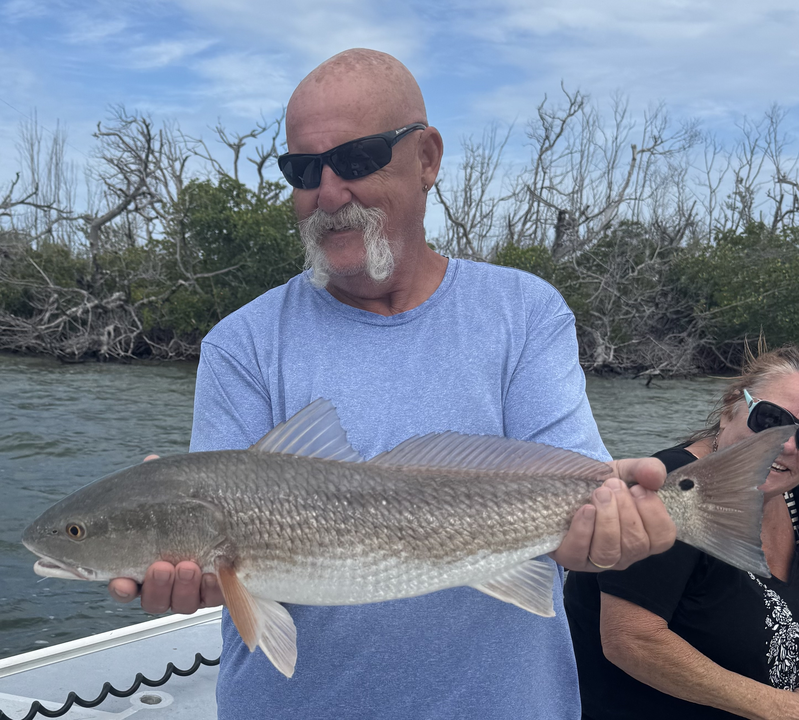
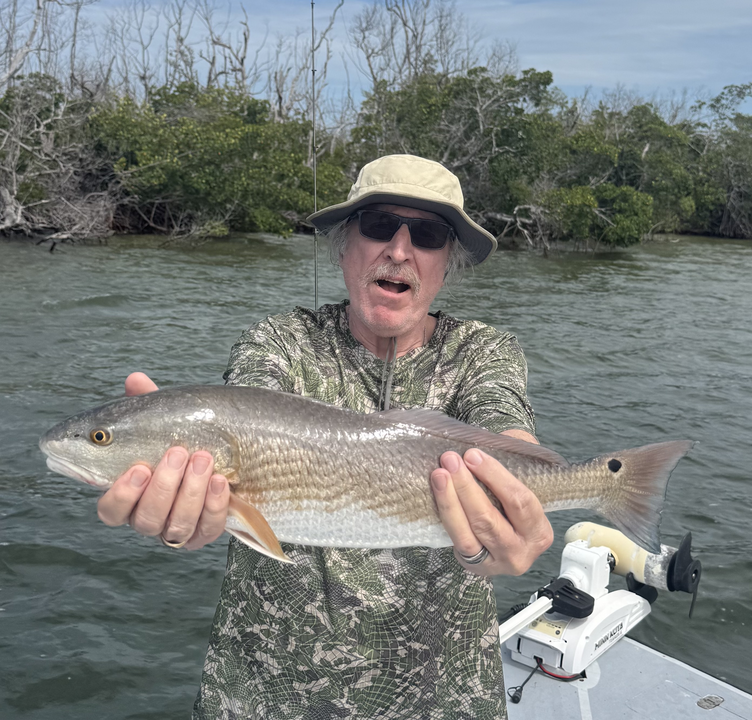
Redfish are the bread and butter of Cape Coral inshore fishing, available year-round and always ready to eat. These copper-colored bulldogs are famous for their powerful runs and stubborn fighting style – they don't jump like snook or tarpon, but they'll test your drag and your patience with long, determined fights. The sight fishing opportunities for redfish here are phenomenal, especially on shallow flats where you can watch them cruise and tail. They range from schoolie reds in the teens to bull reds pushing 30+ pounds. What makes redfish so popular is their willingness to eat – they'll hit live bait, cut bait, and artificials with equal enthusiasm. Plus, they're beautiful fish with those distinctive copper sides and black spots that photograph incredibly well.
Time to Book Your Spot
Cape Coral's inshore fishing scene delivers consistent action for anglers who want to experience Southwest Florida
 5.0(1 Reviews)
 Private Trip
 Inshore Fishing
 Cape Coral, FL


 Target tarpon, snook, redfish around Cape Coral waters