Full Day Fishing Trip in St. Louis Bay
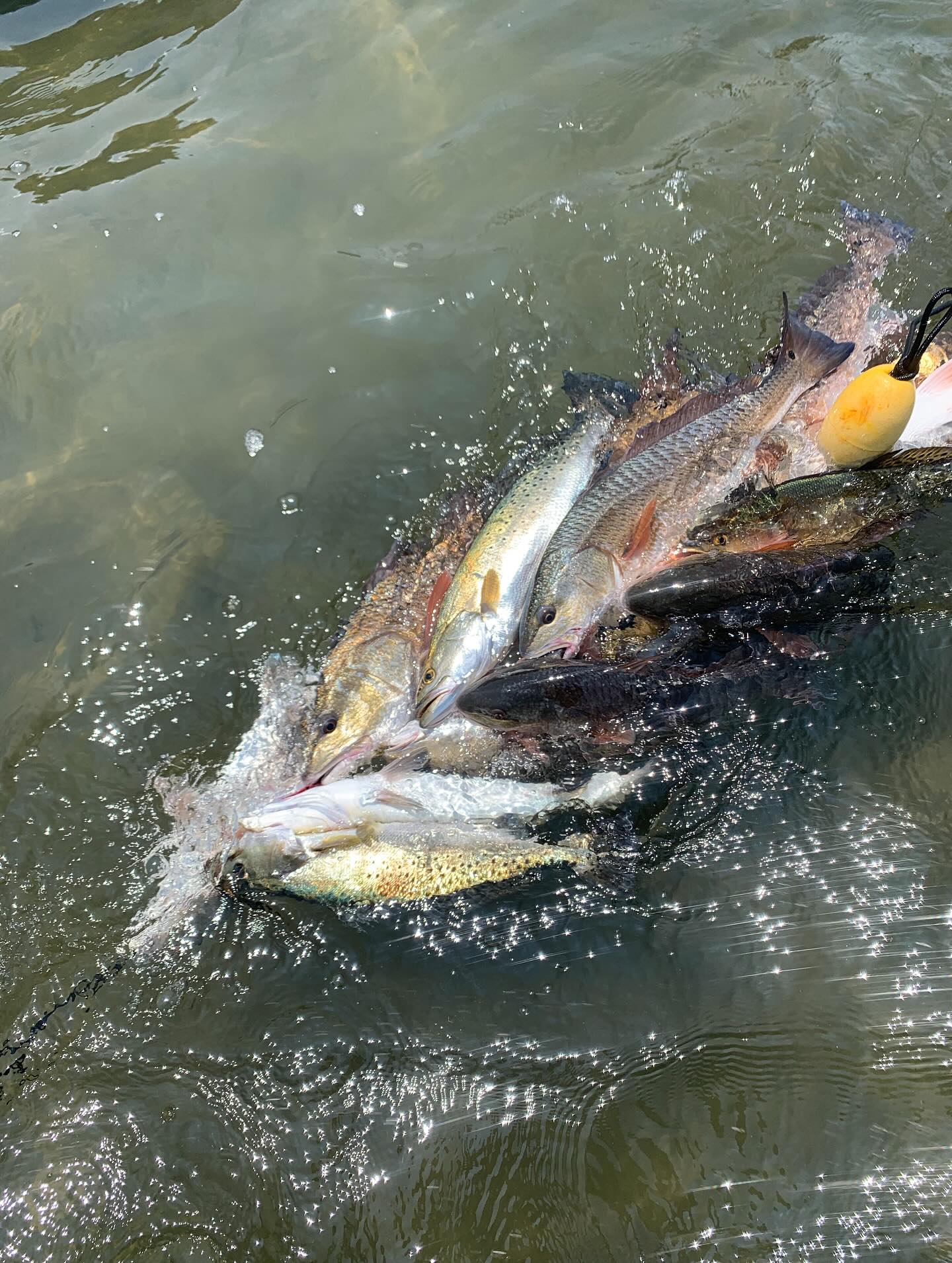
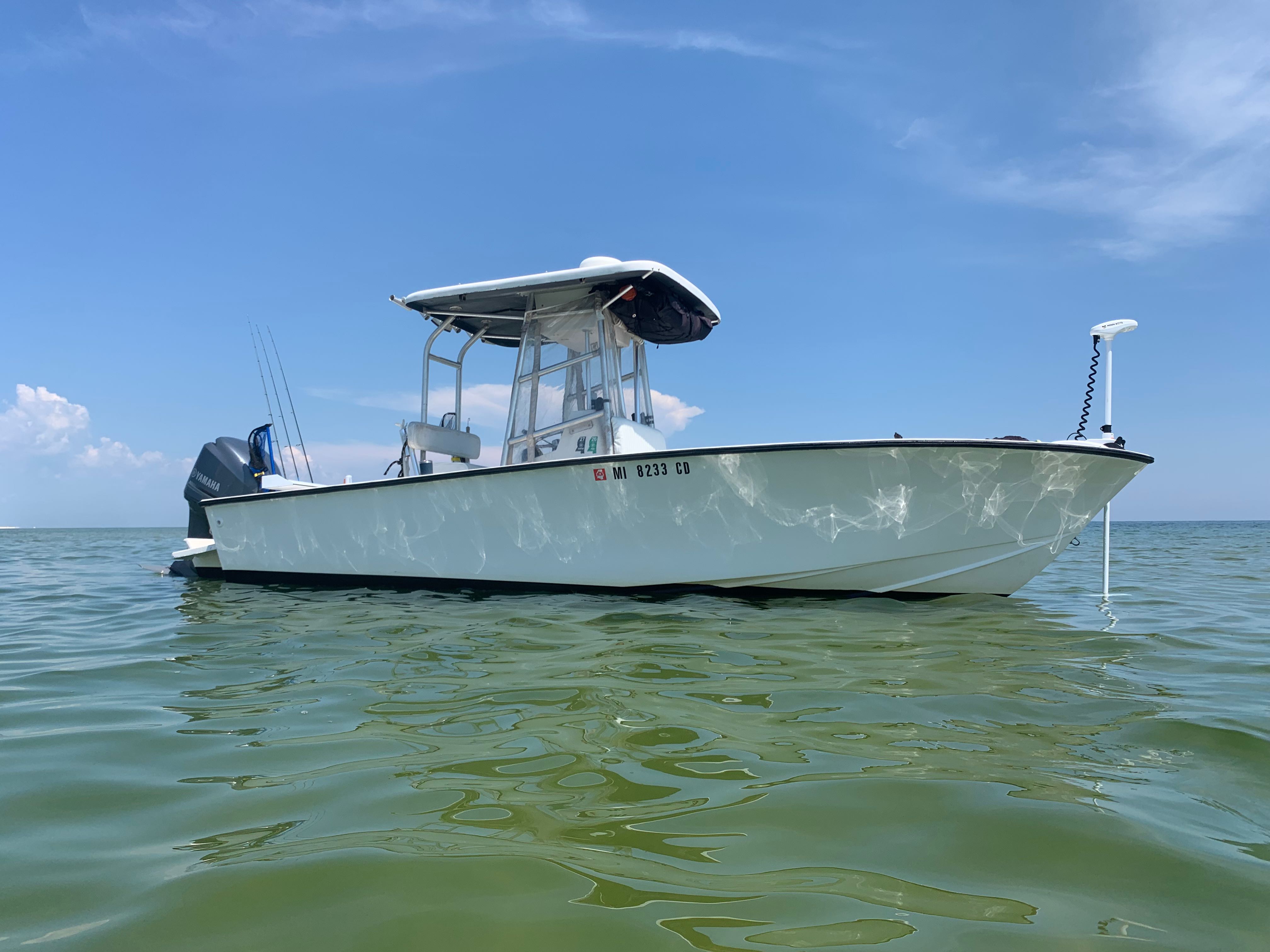
If you're looking for a solid day on the water targeting some of Mississippi's best inshore species, Captain Elijah Troutman has you covered. This full-day charter puts you right in the heart of St. Louis Bay's productive waters, where redfish cruise the grass flats and speckled trout stack up along the drop-offs. You'll spend eight full hours fishing from Pass Christian Harbor aboard a well-equipped 23-foot Lightning Marine, with room for up to four anglers. Captain Troutman knows these waters like the back of his hand, and he's got the tackle, bait, and fishing license sorted so you can focus on what matters most – putting fish in the boat.
What to Expect on the Water
Your day starts early at Pass Christian Harbor, where you'll meet Captain Troutman and get situated on his 23-foot Lightning Marine. This boat is built for the shallow water fishing that makes St. Louis Bay famous, with plenty of casting room and all the gear you need already rigged and ready. The bay connects to the Mississippi Sound and offers incredible variety – one minute you're working oyster bars for redfish, the next you're drifting live bait over grass beds hoping for a big speckled trout to hammer your shrimp. Captain Troutman reads the water conditions daily and adjusts the game plan accordingly. If the wind's up, he knows protected spots that still hold fish. If it's calm, you might run to some of his favorite outside bars where the bigger fish hang out. The beauty of an eight-hour trip is having time to really work different areas and techniques until you find what's biting best that day.
Tackle and Techniques
All your rods, reels, and terminal tackle are provided, along with fresh live bait that makes all the difference in these waters. You'll primarily fish with conventional spinning gear matched to the species you're targeting – medium-action rods perfect for working redfish around structure, and lighter setups for trout fishing over grass. Live shrimp is the go-to bait here, though Captain Troutman also keeps croakers, cocahoe minnows, and other live offerings depending on what the fish are keying on. Techniques vary throughout the day based on tides and conditions. You might start with popping corks over shallow grass beds, then switch to free-lining live bait along drop-offs, or even throw some artificials when the fish are aggressive. The captain handles all the rigging and re-baiting, so even beginners can focus on learning to read their rod tip and feel the subtle bites that inshore species are known for.
Top Catches This Season
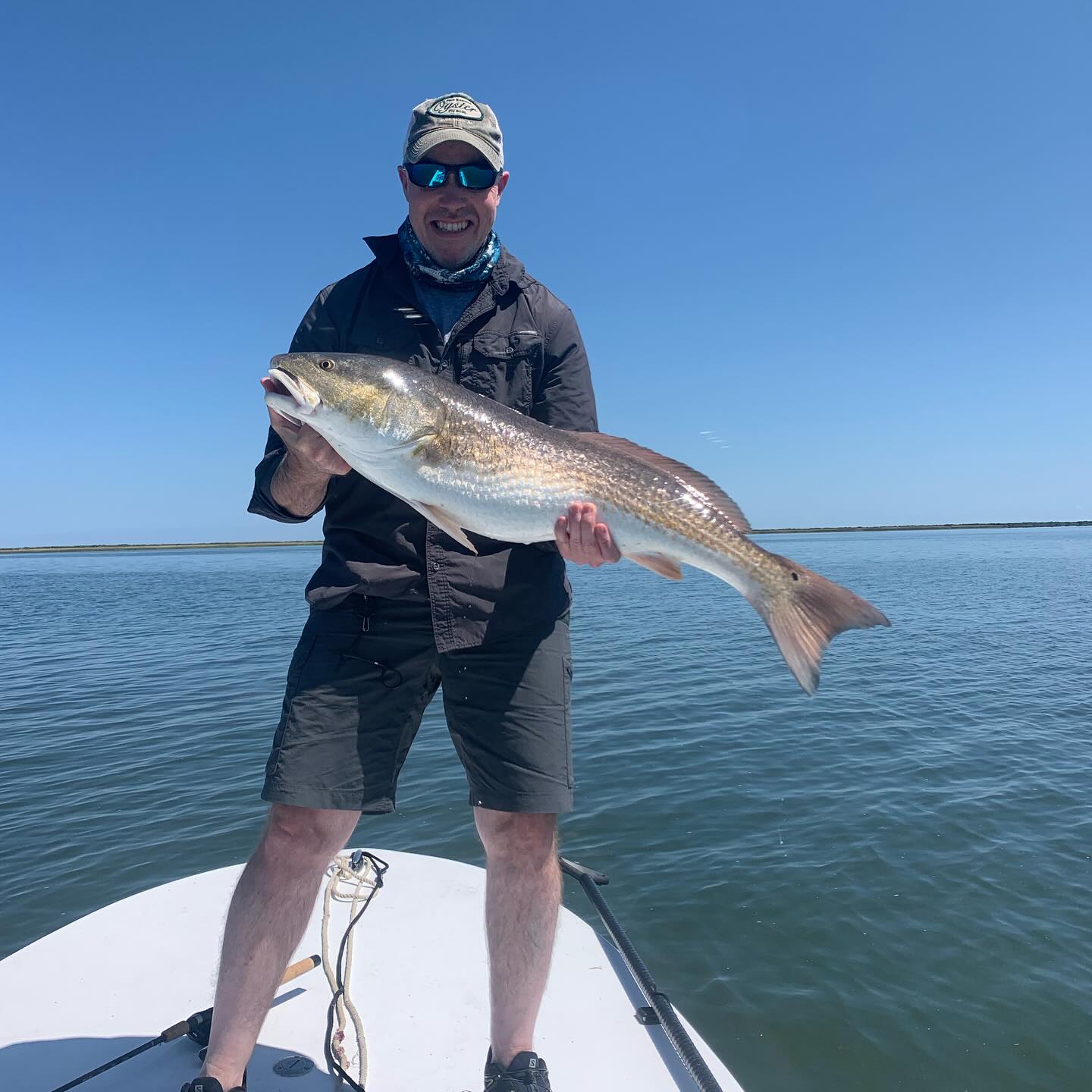
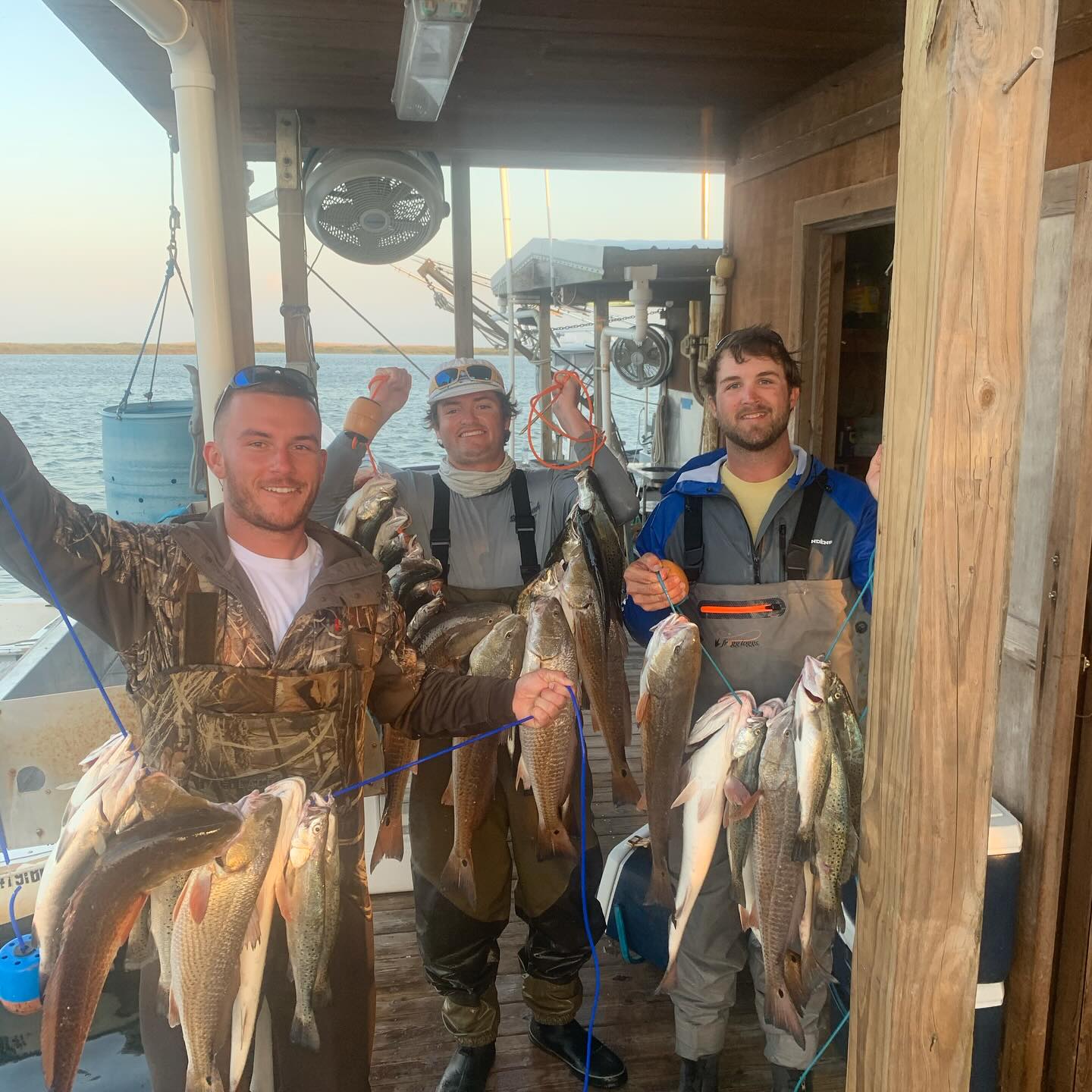
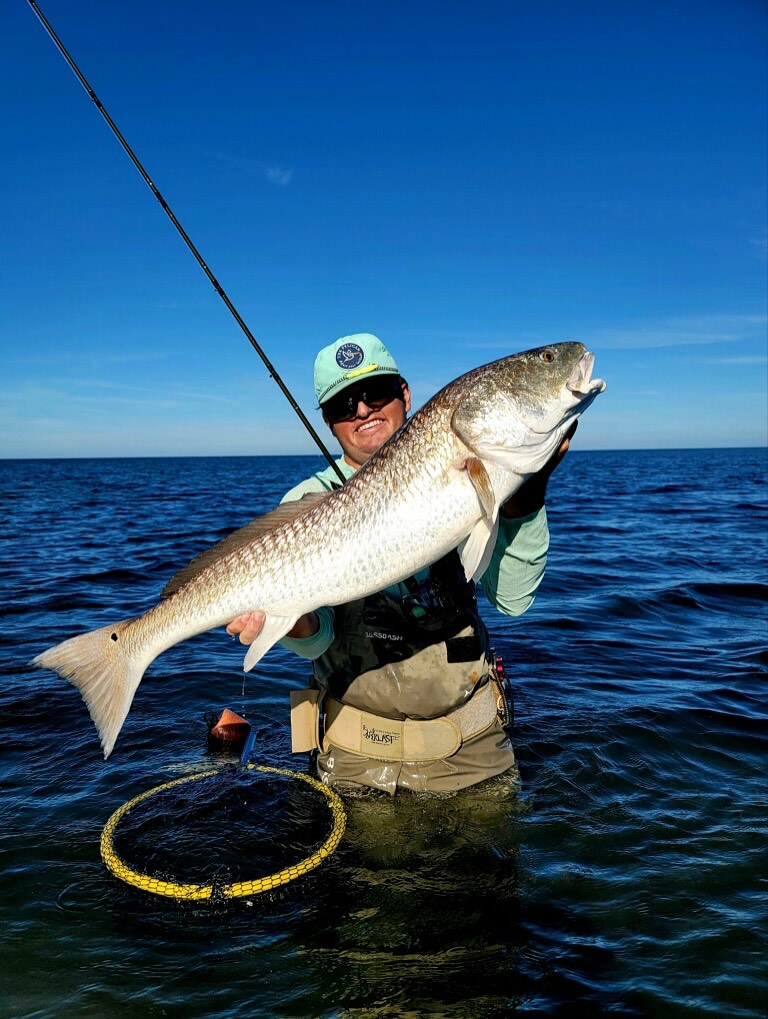
Redfish: These copper-colored bruisers are the bread and butter of St. Louis Bay fishing. Reds here typically run 18 to 28 inches, with plenty of slot-size fish that make excellent table fare. They're most active during moving tides, especially around oyster reefs and grass lines where they ambush baitfish and crustaceans. What makes redfish so exciting is their aggressive strike and bulldogging fight – they'll make multiple runs and use their broad sides to stay deep. Fall and spring offer the most consistent action, though summer can produce some real toad reds if you know where to look.
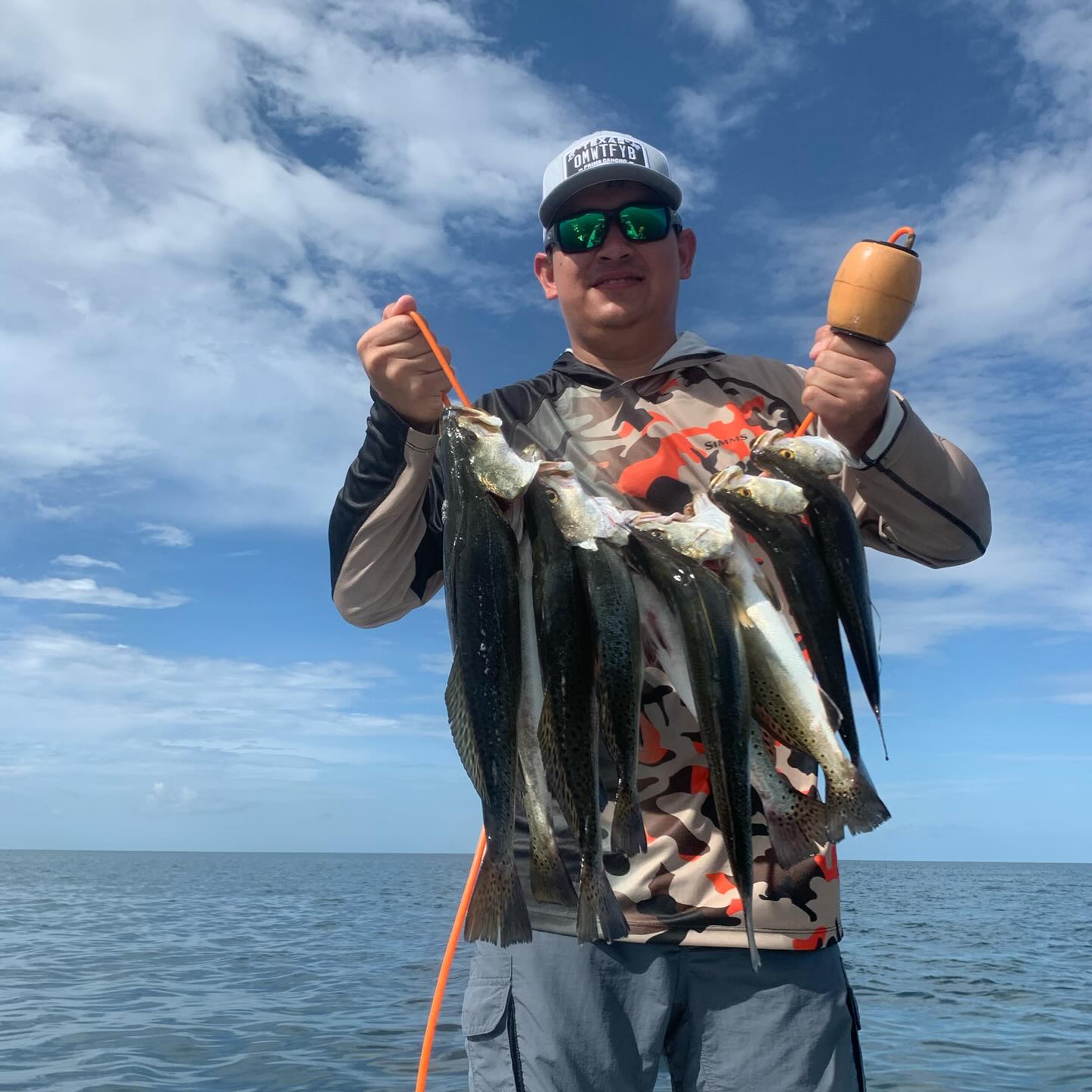
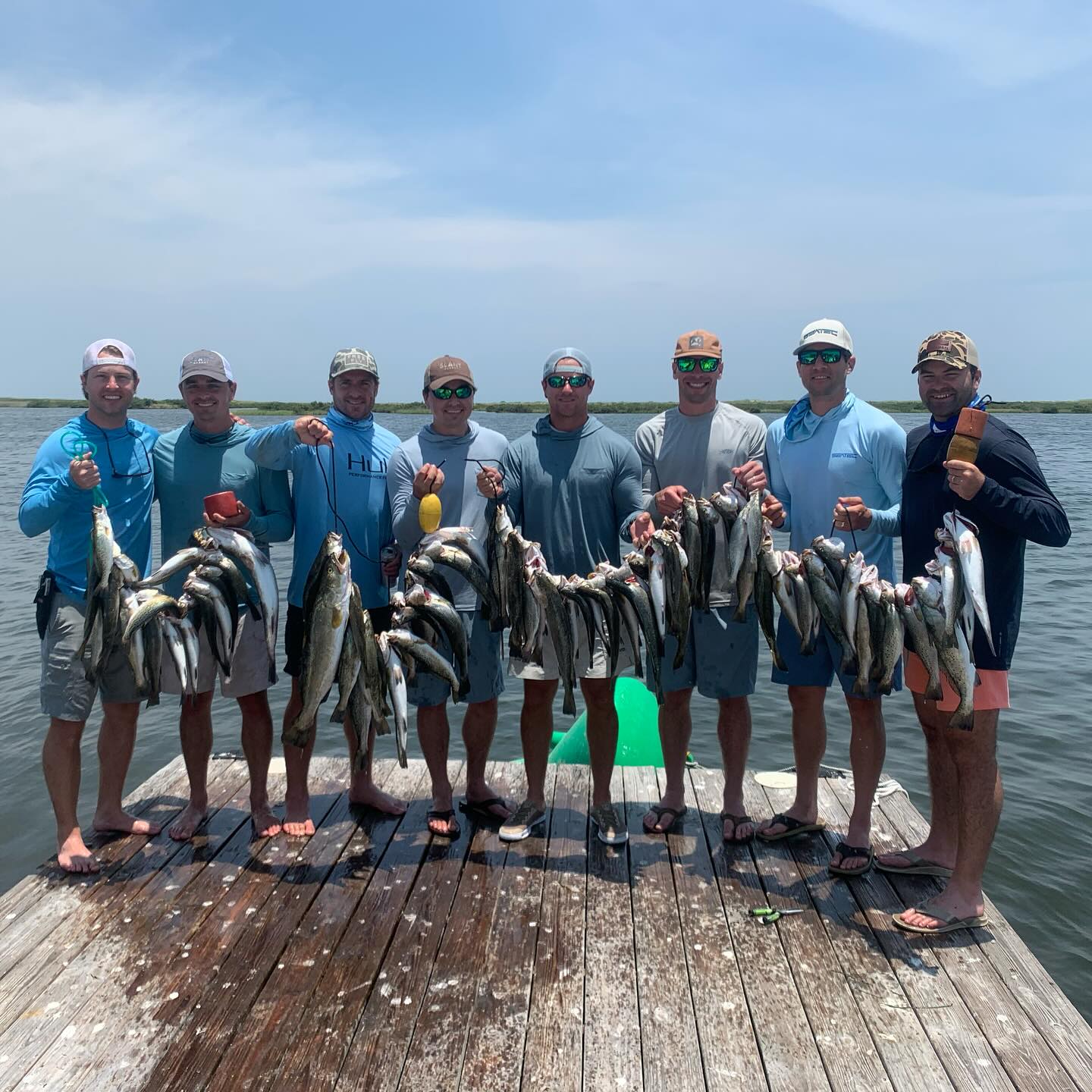
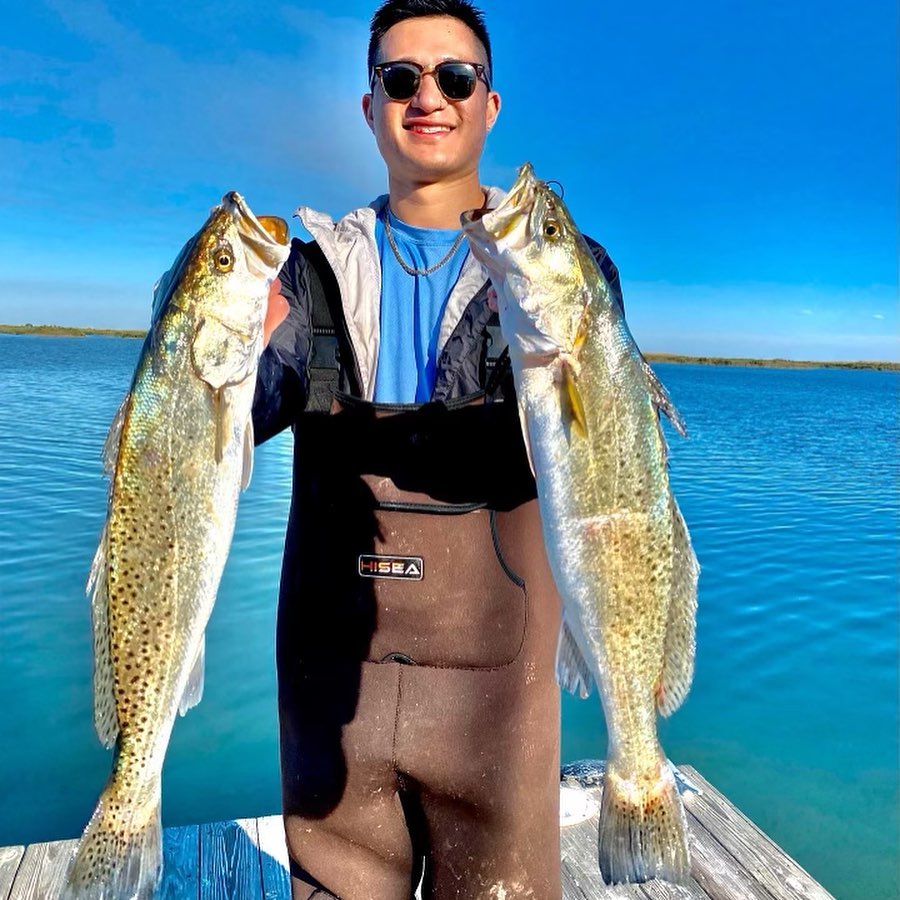
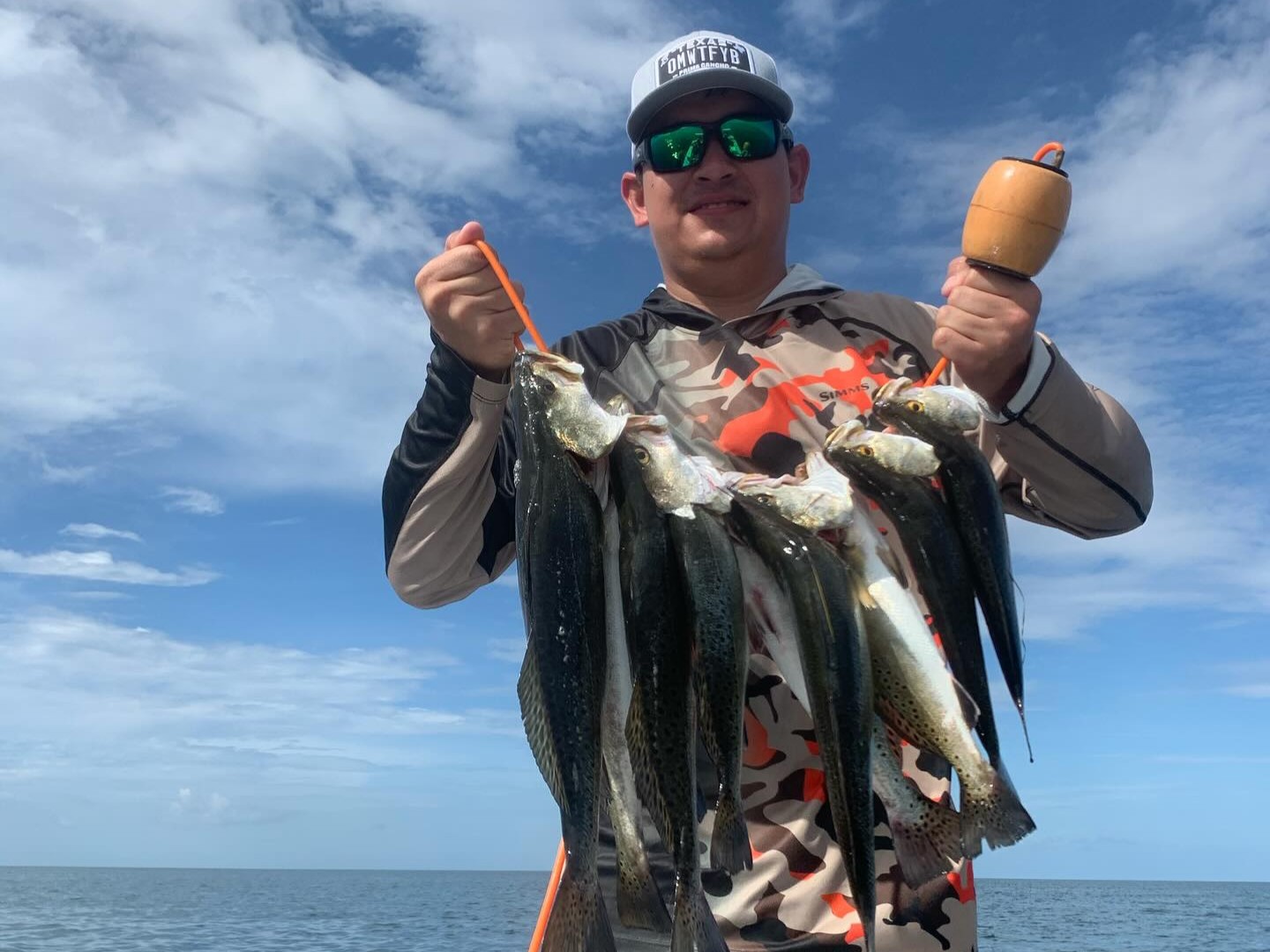
Sea Trout (Speckled Trout): The spotted jewels of the Gulf Coast, specks are what many anglers consider the perfect inshore game fish. St. Louis Bay produces trout from 12 inches up to occasional 5-pound gator trout that'll test your drag. They're most active during low-light periods and hold in 3 to 8 feet of water over grass beds and sandy potholes. Specks have a delicate mouth, so the fight is more about finesse than power, but their acrobatic jumps and the satisfying 'pop' when they hit a popping cork makes them a customer favorite year-round.
Black Drum: Often overlooked but incredibly fun to catch, black drum in St. Louis Bay range from puppy drum around 2 pounds up to 20-pound bulls that'll bow your rod. They're bottom feeders with an incredible sense of smell, making fresh cut bait and live shrimp deadly effective. Drum fight with steady, powerful runs and have a knack for finding structure to wrap your line around. Peak season runs from late fall through early spring when they school up in deeper channels and around bridge pilings.
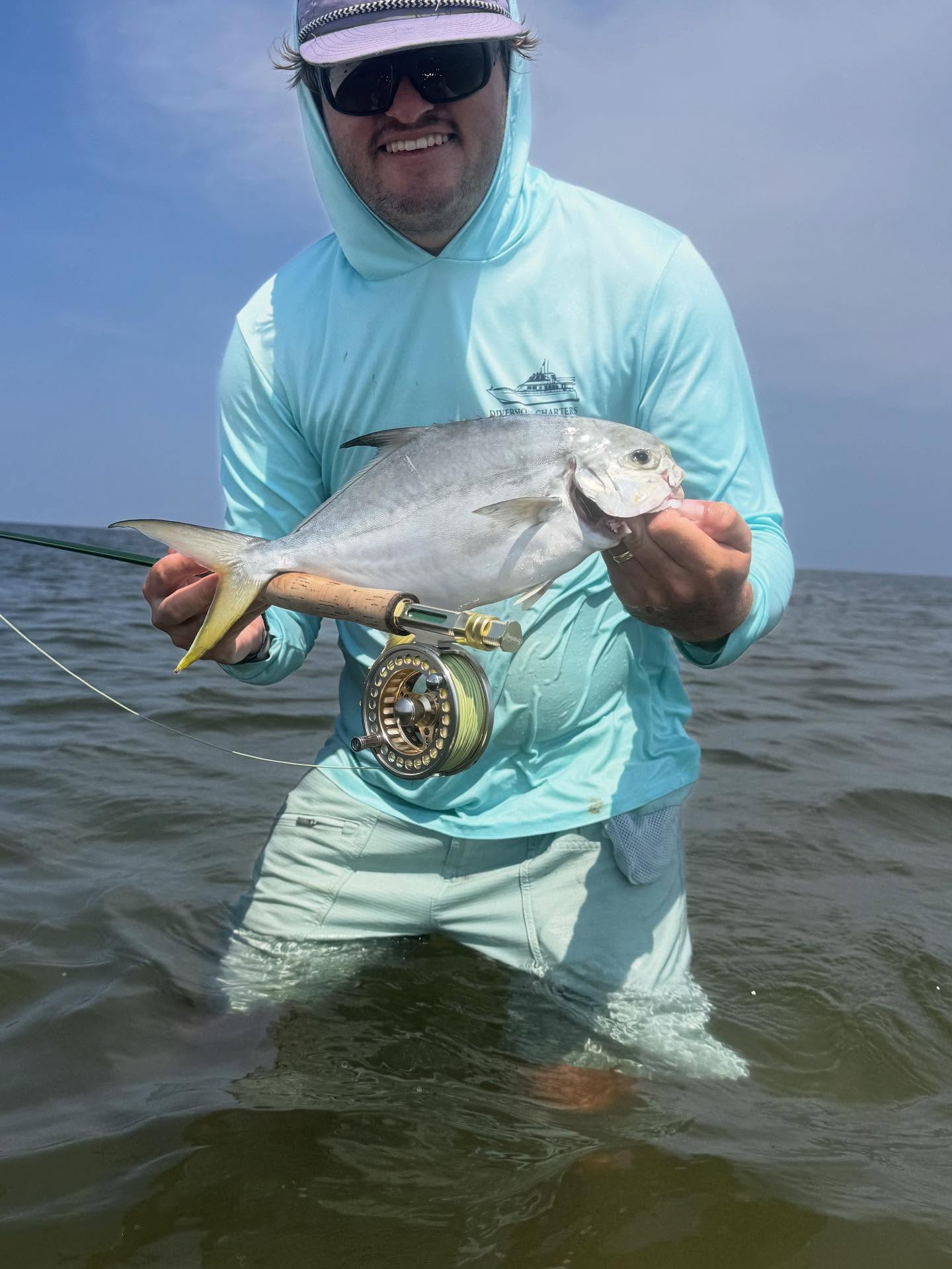
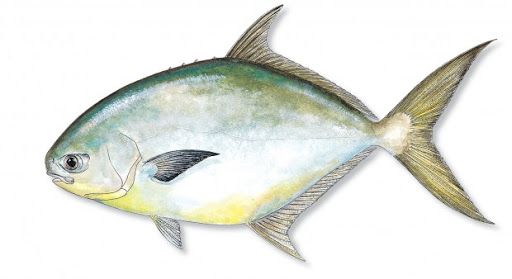
Great Pompano: These silver bullets are prized for both their fight and their excellent table quality. Pompano in these waters typically run 1 to 3 pounds but pack a punch well above their weight class. They prefer sandy bottoms and structure edges, often feeding in small schools that can provide fast action when you locate them. Their small mouths require smaller baits and sharp hooks, but their blistering runs and acrobatic ability make them worth the extra effort to target.
Crevalle Jack: When the jacks move in, you know you're in for some arm-burning action. These yellow-sided fighters are pure muscle and attitude, often hitting baits meant for other species and taking you on drag-screaming runs around the boat. Most jacks here run 3 to 8 pounds, though occasional teenagers show up to really test your tackle. They're most common during warmer months and often travel in schools, so where you catch one, there's likely more waiting.
Time to Book Your Spot
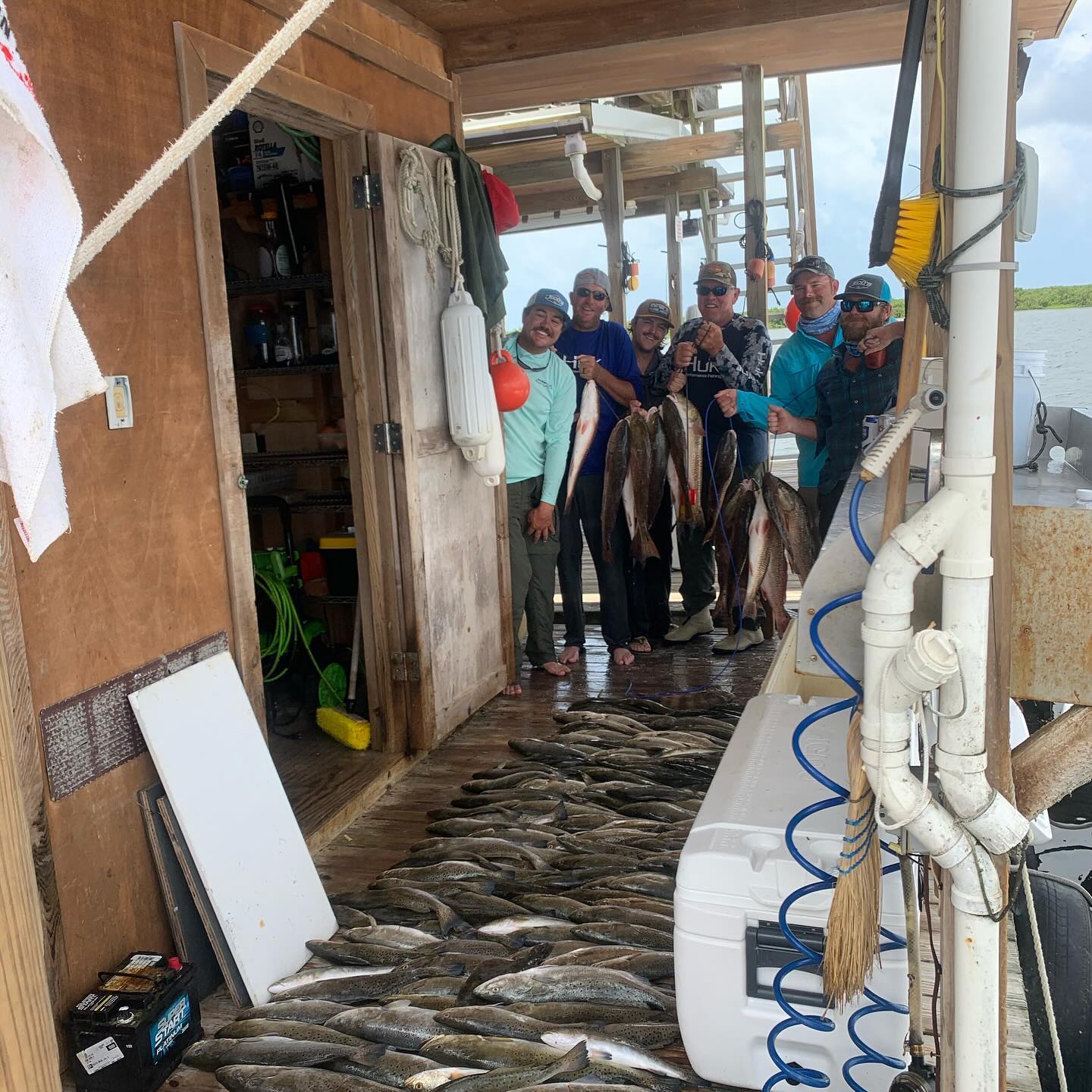
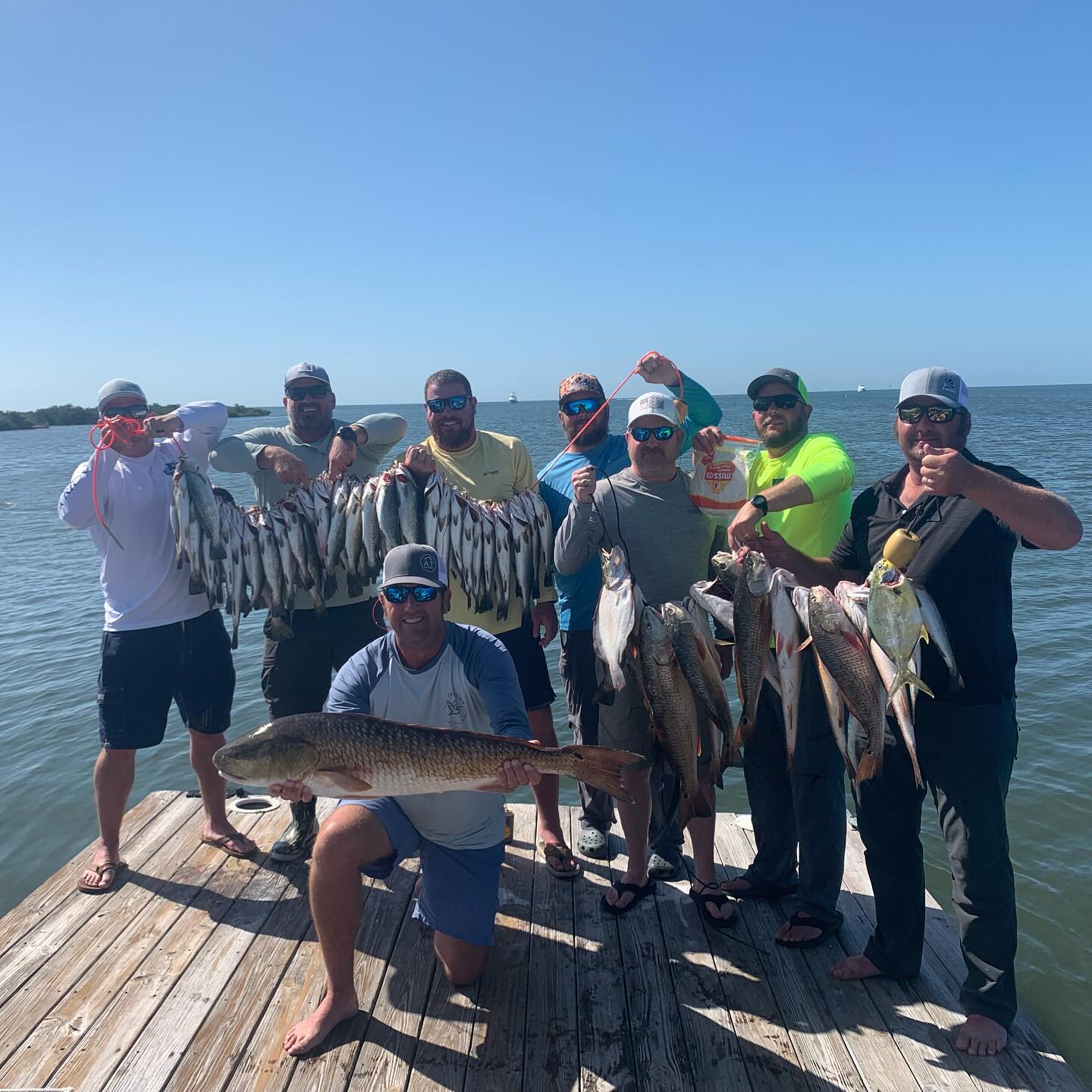
This top-rated full-day charter offers serious value for anglers who want to maximize their time on the water. With Captain Troutman handling all the details – from your fishing license to fresh bait and quality tackle – you're free to focus on the fishing and the company. St. Louis Bay's diverse fishery means you're virtually guaranteed action, whether you're a seasoned angler
 Private Trip
 Inshore Fishing
 undefined, undefined



 Full-day inshore fishing targeting redfish and sea trout