Minnesota Fishing Guides | 4 Hour Lake Minnetonka Trip
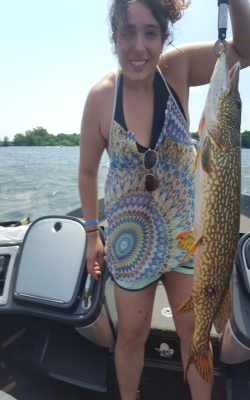
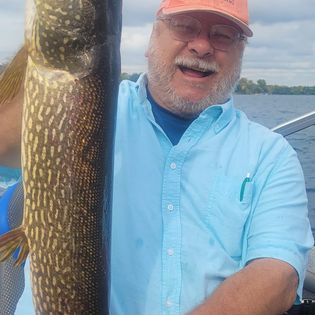
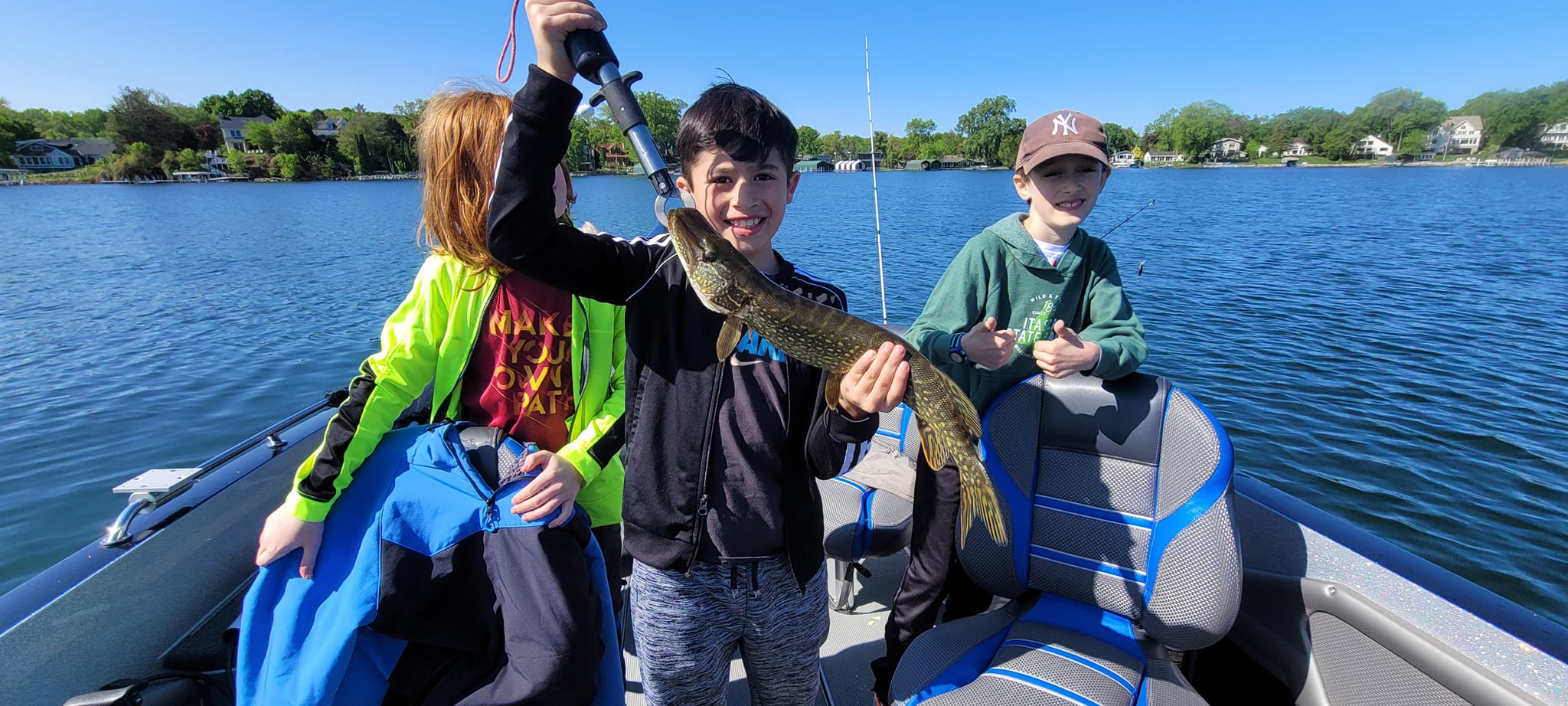
Lake Minnetonka has been my home water for over fifteen years, and let me tell you – there's something special about this place that keeps anglers coming back season after season. This isn't just another morning on the water; it's your chance to fish one of Minnesota's most productive lakes with someone who knows every weed bed, drop-off, and honey hole. When you book with Set The Hook Guide Service, you're getting more than just a boat ride – you're getting decades of local knowledge packed into four solid hours of fishing. We'll put you on fish, plain and simple. Whether you're chasing your first musky or looking to fill the cooler with crappies, Lake Minnetonka delivers the goods. The beauty of this lake is its diversity – one cast you might be fighting a chunky largemouth, the next you could be dealing with a northern pike that's all teeth and attitude.
What to Expect on the Water
Your morning starts at sunrise when the lake is glass-calm and the fish are hungry. We launch from one of several access points depending on conditions and what's biting that day – that's the advantage of fishing with a local guide who checks the water daily. Lake Minnetonka spans over 14,000 acres with countless bays, points, and structure that hold fish year-round. The first hour is usually our best shot at aggressive feeders, especially bass and muskies that patrol the shallow flats looking for an easy meal. Don't worry about bringing tackle – I've got everything covered from jigs and plastics to topwater baits that'll make your heart skip a beat when a big fish explodes on them. The lake's crystal-clear water means we can sight fish in many areas, watching bass cruise the weed edges or spotting schools of crappies suspended over deeper water. This is hands-on fishing where you'll learn techniques you can use long after our trip ends. We keep things relaxed but focused – no pressure, just good fishing and the kind of stories that make great bar talk later.
Techniques and Tackle Setup
Lake Minnetonka fishing is all about reading the water and matching your presentation to what the fish want that day. Early morning, we're typically throwing topwater – buzzbaits, poppers, and walk-the-dog style baits that trigger reaction strikes from bass and northern pike lurking in the shallows. As the sun climbs higher, we switch gears to jigs and soft plastics, working the weed lines and drop-offs where fish move to find cooler water and ambush prey. The lake's structure is incredible – submerged points, rock piles, and vegetation that creates perfect habitat for multiple species. I run quality spinning and baitcasting setups spooled with braided line for sensitivity and hook-setting power. When we're targeting muskies, we step up to heavy tackle with steel leaders and big baits that can handle fish pushing 40+ inches. Crappie fishing requires a completely different approach – light jigs on spinning gear, working suspended fish with a subtle presentation. The key is versatility, and that's exactly what four hours gives us – enough time to try different techniques and find what's working. You'll leave knowing how to fish multiple presentations and why we used each one.
Target Species Breakdown
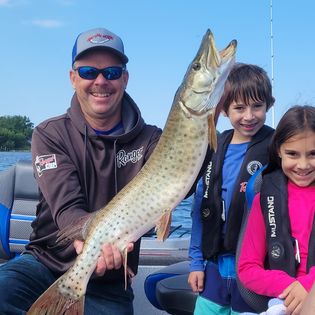
Muskellunge are the apex predator in Lake Minnetonka, and landing one is a badge of honor for any angler. These fish follow no rules – they'll hit a tiny crankbait one day and ignore giant bucktails the next. Fall is prime time when water temperatures drop and muskies feed heavily before winter, but we catch them throughout the season. Most fish run 30-45 inches, with the occasional giant that'll test your drag and your nerves. What makes musky fishing addictive is the anticipation – every cast could be the one, and when it happens, you'll understand why they're called the fish of 10,000 casts.
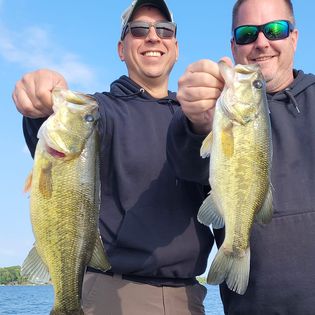
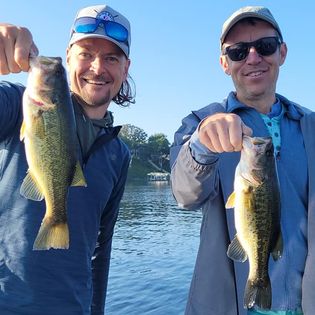
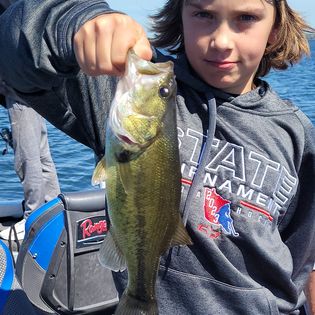
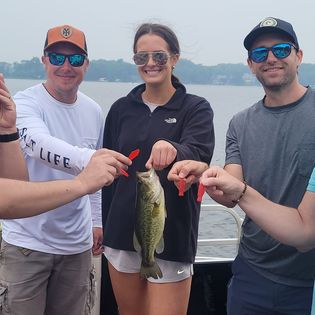
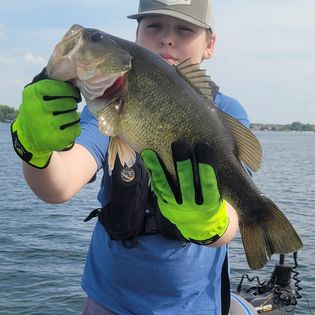
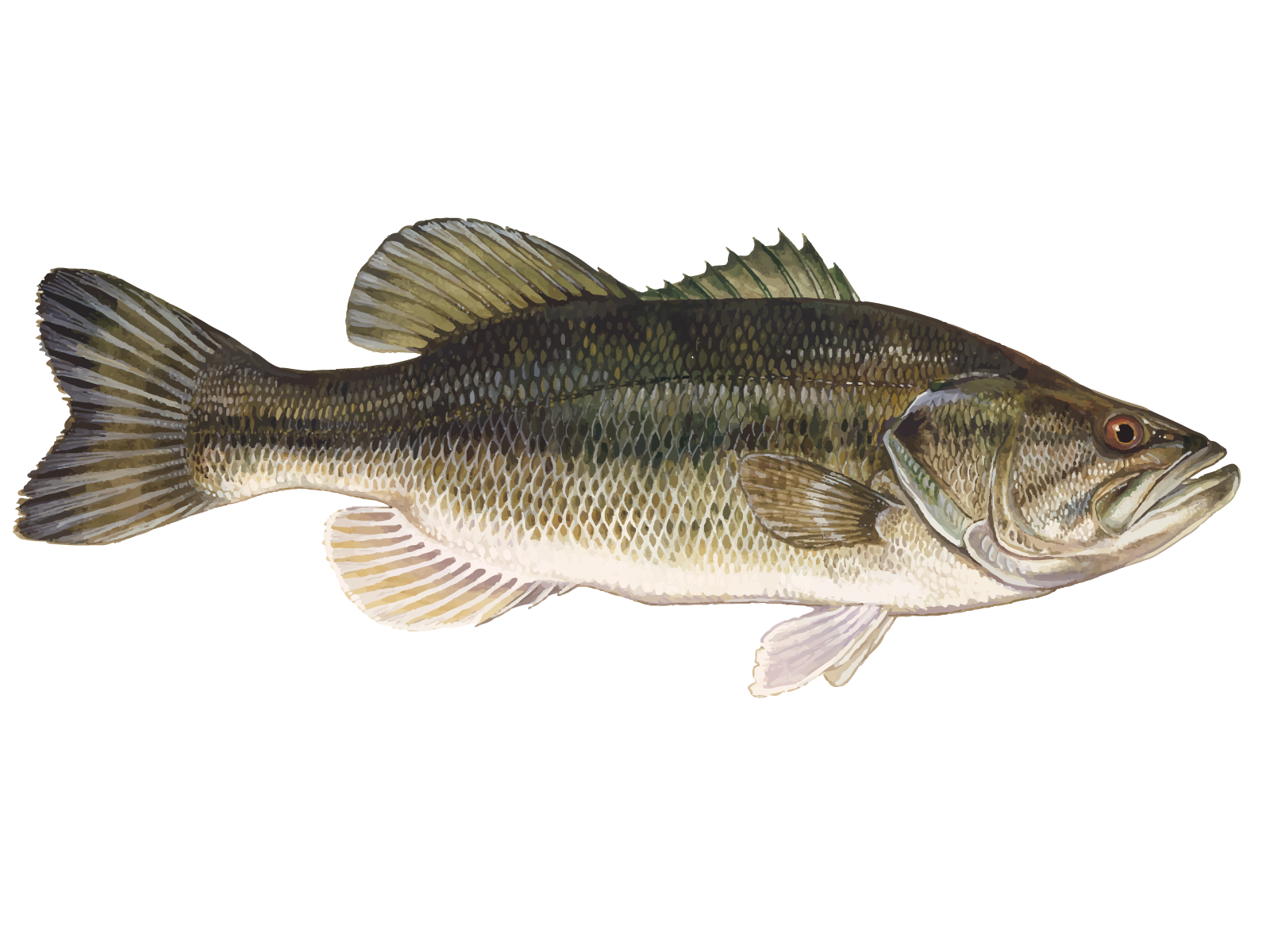
Largemouth bass are the bread and butter of Lake Minnetonka, with healthy populations that produce consistent action and quality fish. These bass are aggressive and well-fed, averaging 2-4 pounds with plenty of fish pushing 5+ pounds. They relate heavily to vegetation during summer months, making topwater fishing explosive in early morning. Spring and fall see them moving to deeper structure, where jigs and crankbaits shine. The lake's bass are known for their fighting ability – clean water and abundant forage create strong, healthy fish that jump and run like they're twice their size.
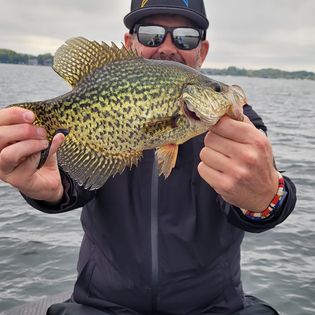
Crappie fishing on Minnetonka is world-class, especially during spring spawning when fish move shallow and become incredibly aggressive. These aren't your typical stunted crappies – we're talking slab-sided fish that stretch the tape to 12+ inches. They school heavily, so when you find them, the action can be non-stop. Late fall through ice-out is prime time when crappies suspend in deeper water, requiring more finesse but producing the biggest fish of the year. They're excellent table fare, making them a favorite target for anglers looking to fill the freezer.
Walleye populations have rebounded strongly in recent years, providing excellent opportunities for both numbers and size. These fish are structure-oriented, relating to rock piles, points, and weed edges throughout the season. Evening hours produce the most consistent walleye action, but we catch them regularly during our morning trips, especially on cloudy days. Most fish run 15-20 inches with a good chance at something pushing the 25-inch mark. They're notorious for light bites, making them a great species to teach finesse techniques and bite detection.
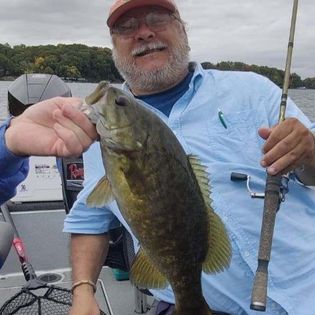
Smallmouth bass might be the most underrated fish in Lake Minnetonka, but they shouldn't be overlooked. These bronze fighters prefer the lake's rocky areas and deeper structure, putting up pound-for-pound the best fight of any species we target. They're aggressive biters that respond well to jigs, tubes, and crankbaits. Summer fishing finds them
 Private Trip
 Lakes/Reservoirs/Ponds Fishing
 Spring Park, MN


 4-hour guided fishing trip on Lake Minnetonka