Half Day Guided Fishing Trip In Fort Myers Beach
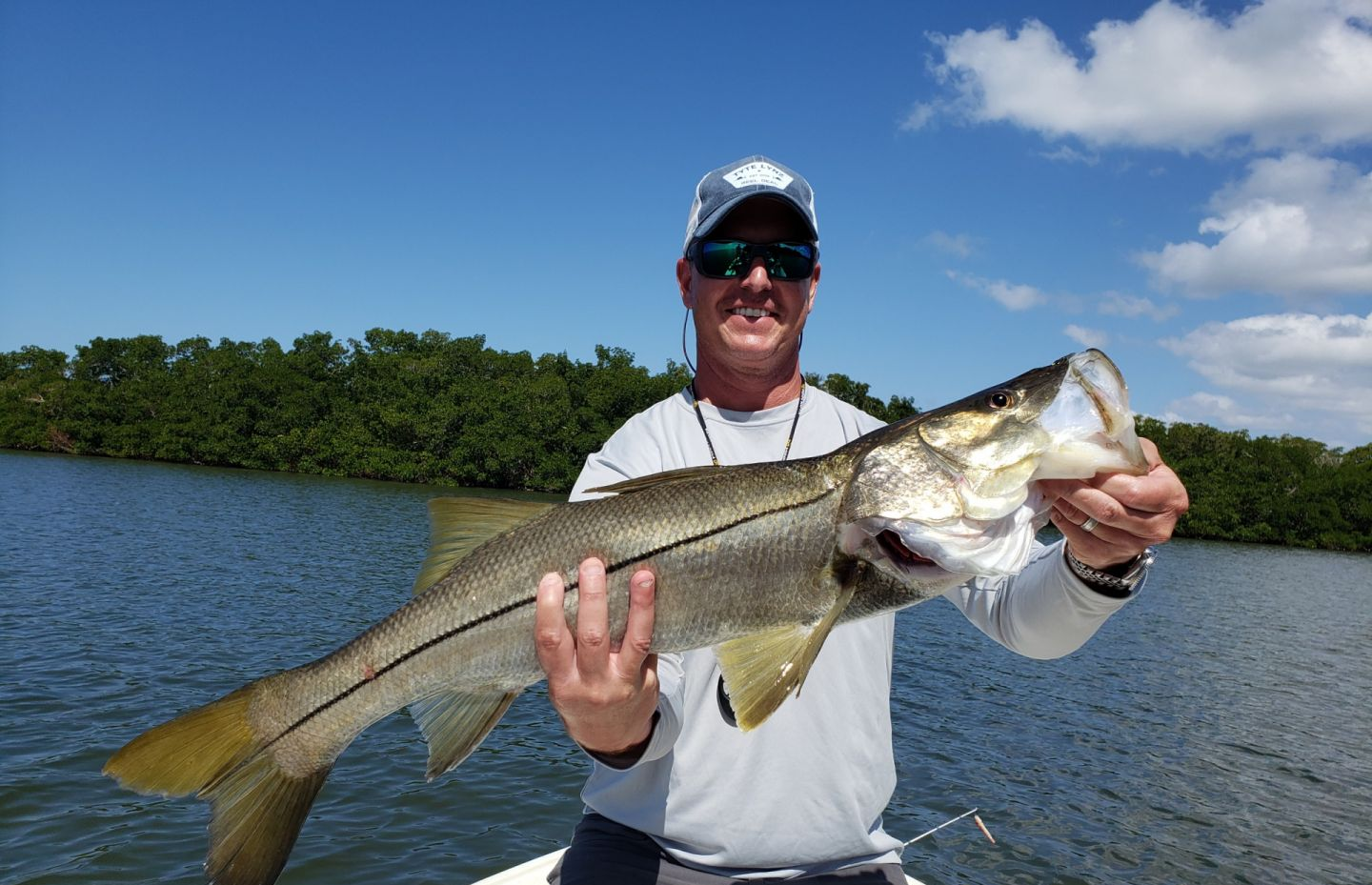
Fort Myers Beach delivers some of the best inshore fishing in Southwest Florida, and this half-day charter puts you right in the heart of the action. With Captain Brent at the helm of Shallow Action Fishing Charters, you'll spend 4-5 hours targeting the area's top species including redfish, spotted seatrout, sheepshead, and the prized peacock bass. This isn't just another fishing trip—it's your chance to experience world-class angling in waters that consistently produce trophy catches. The boat accommodates up to 4 anglers, making it perfect for families, friends, or couples looking to make some serious memories on the water.
What to Expect on the Water
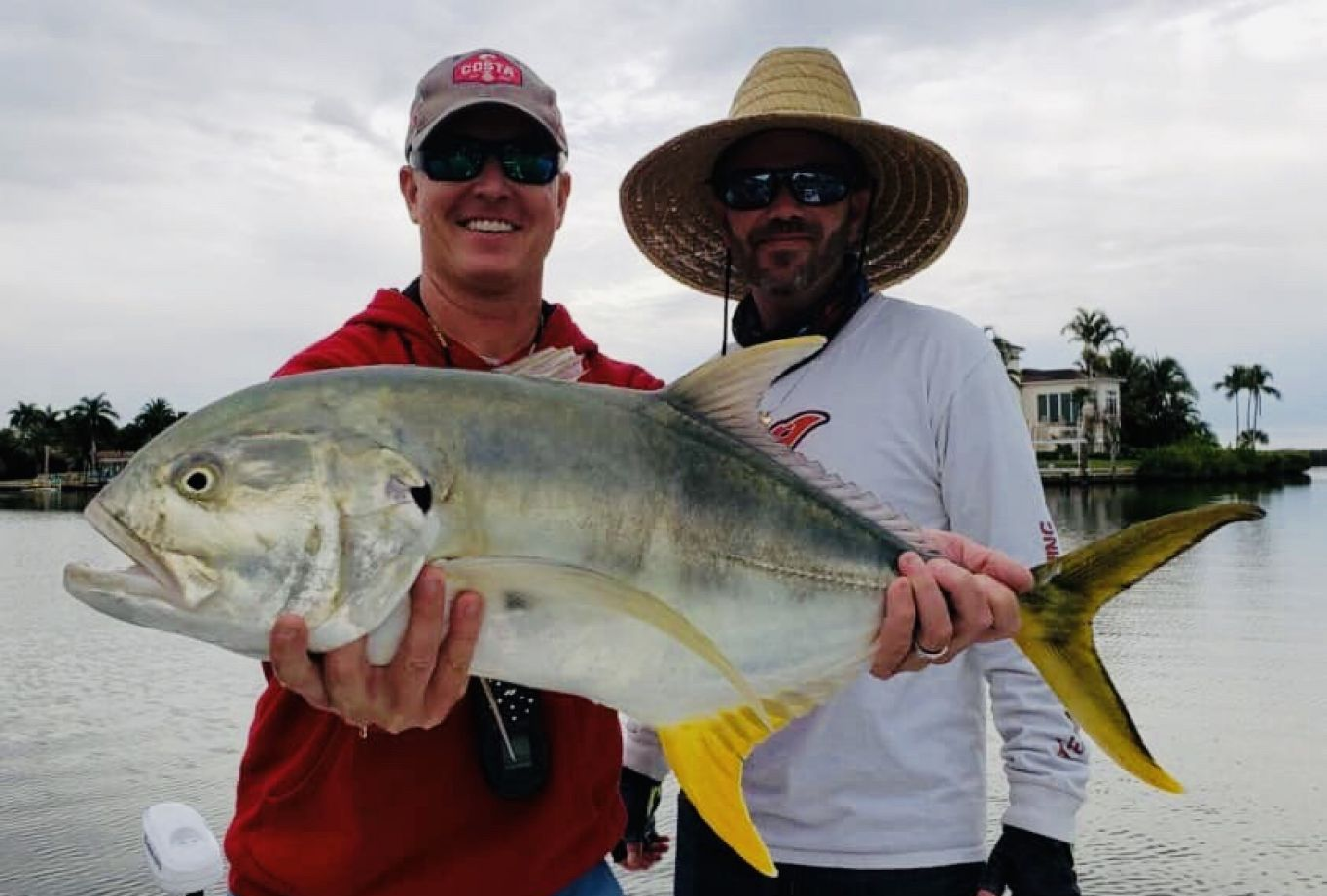
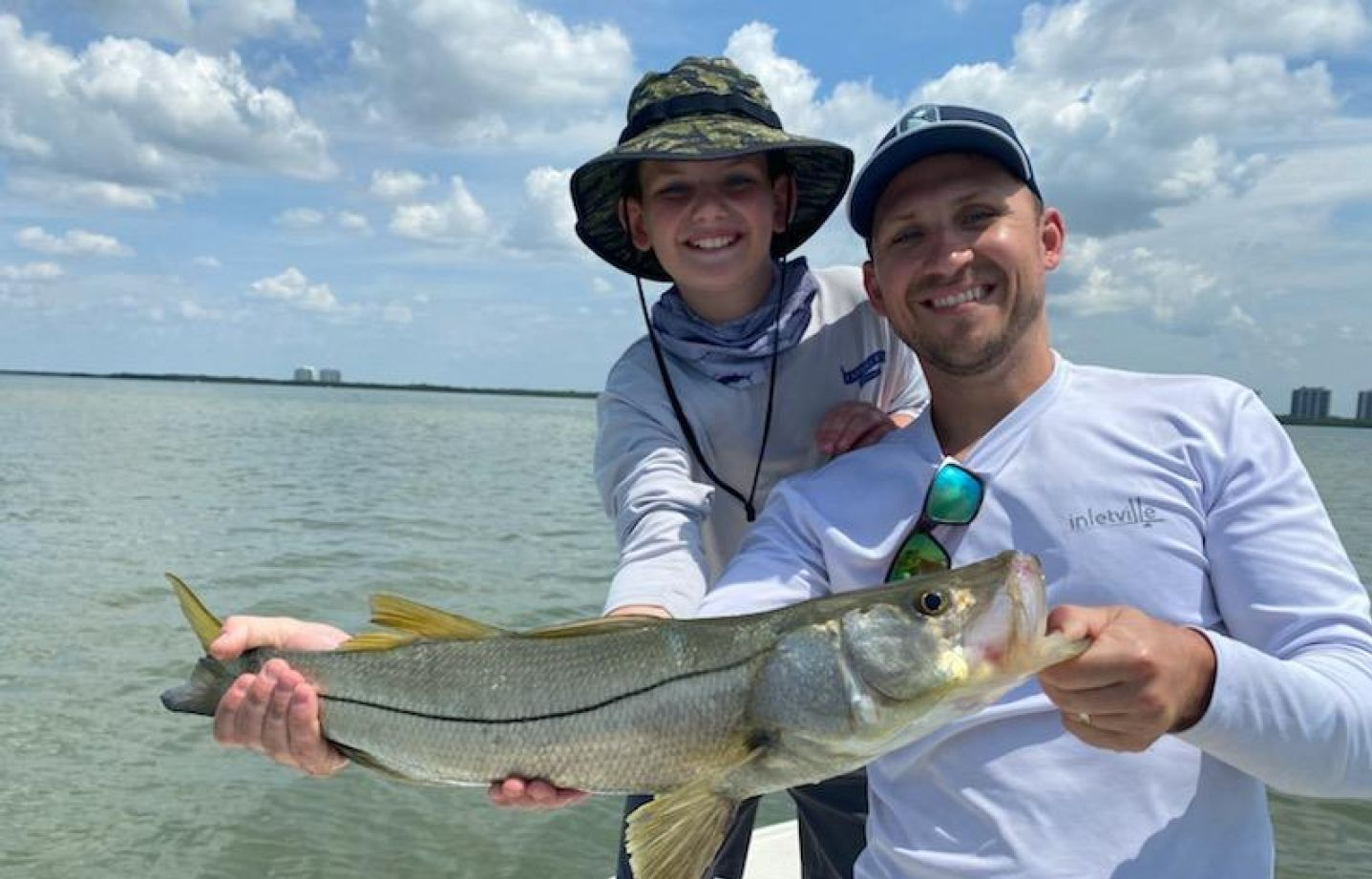
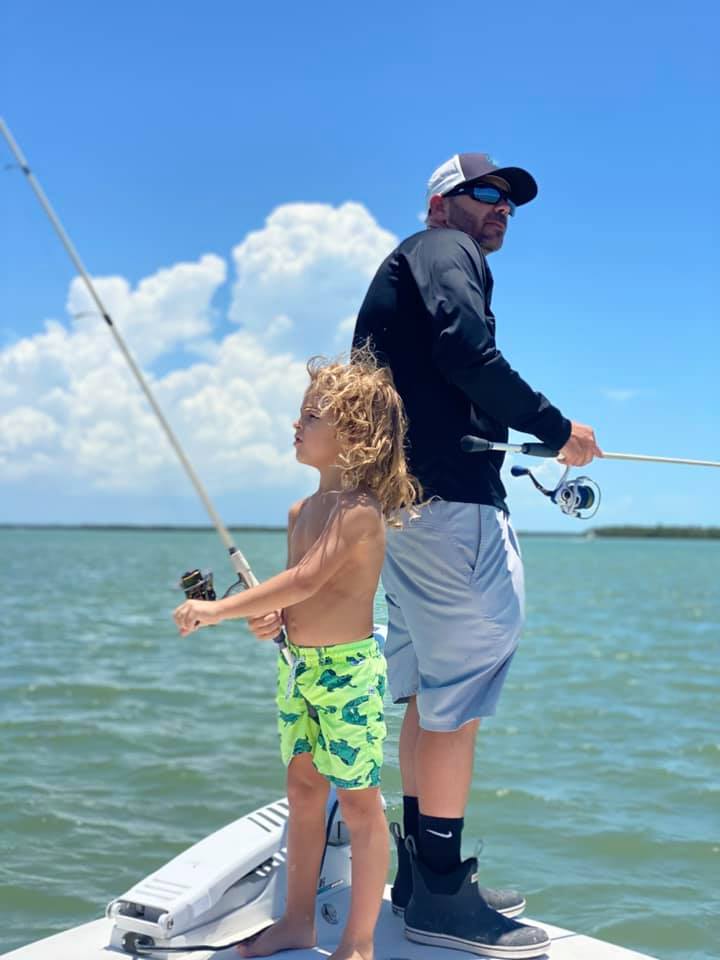
Your day starts early when you meet Captain Brent at the dock, where you'll notice the boat is already rigged and ready with top-quality gear. No need to worry about licenses, tackle, or even drinks—everything's included in your charter fee. The beauty of Fort Myers Beach fishing lies in its diversity of structure and habitat. One minute you're working oyster bars for redfish, the next you're drifting grass flats for seatrout. Captain Brent knows these waters like the back of his hand, and he's not shy about moving spots if the fish aren't cooperating. Many guests start with a half-day booking and end up asking to extend once they see how good the fishing can be. If the captain's schedule allows, longer trips are always on the table. Families love these charters because the action stays consistent, keeping younger anglers engaged while giving experienced fishermen plenty of opportunities to hook into something special.
Techniques and Tackle Setup
Inshore fishing around Fort Myers Beach calls for versatility, and Captain Brent's approach reflects that perfectly. You'll be using medium to medium-heavy spinning gear loaded with braided line—ideal for feeling every bump and tick in these shallow waters. Live bait is king here, with shrimp, pinfish, and pilchards making up the core of your arsenal. Depending on conditions and target species, you might find yourself sight-casting to tailing redfish in skinny water, or anchored up on structure waiting for that bull shark to pick up your bait. Artificial lures get their share of work too—soft plastics rigged weedless for working the grass, and topwater plugs for those magical morning and evening bites. The captain handles all the rigging and re-baiting, so you can focus on what matters: setting the hook and fighting fish. Child-sized life vests are available on request, though bringing your own for young anglers is always smart.
Customer Stories
"Captain Brent was fantastic—what an incredible day out on the water! He really went the extra mile to make sure we found the fish, and thanks to his effort, we landed our very first peacock bass!" - Jacob
Target Species Breakdown
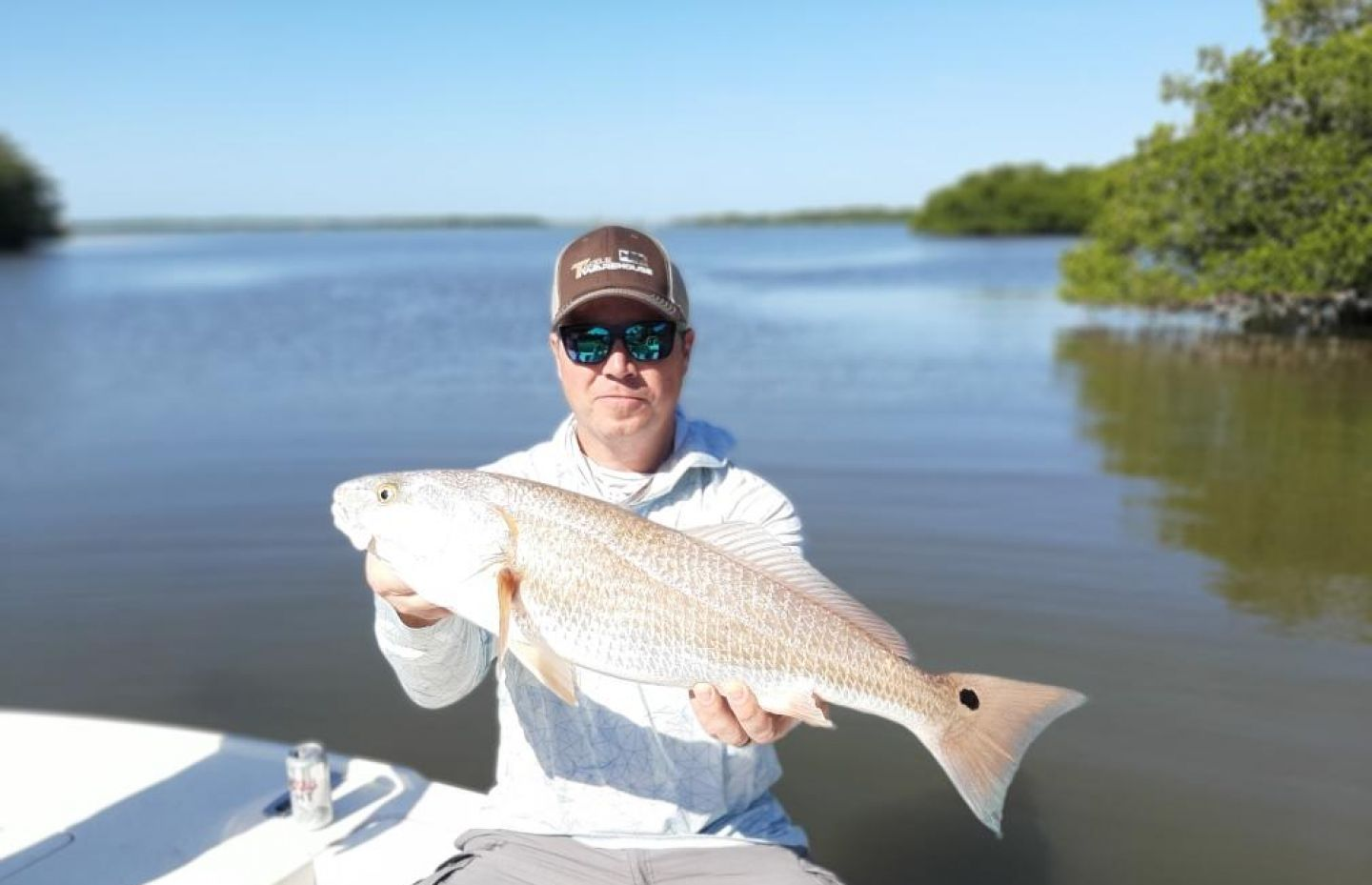
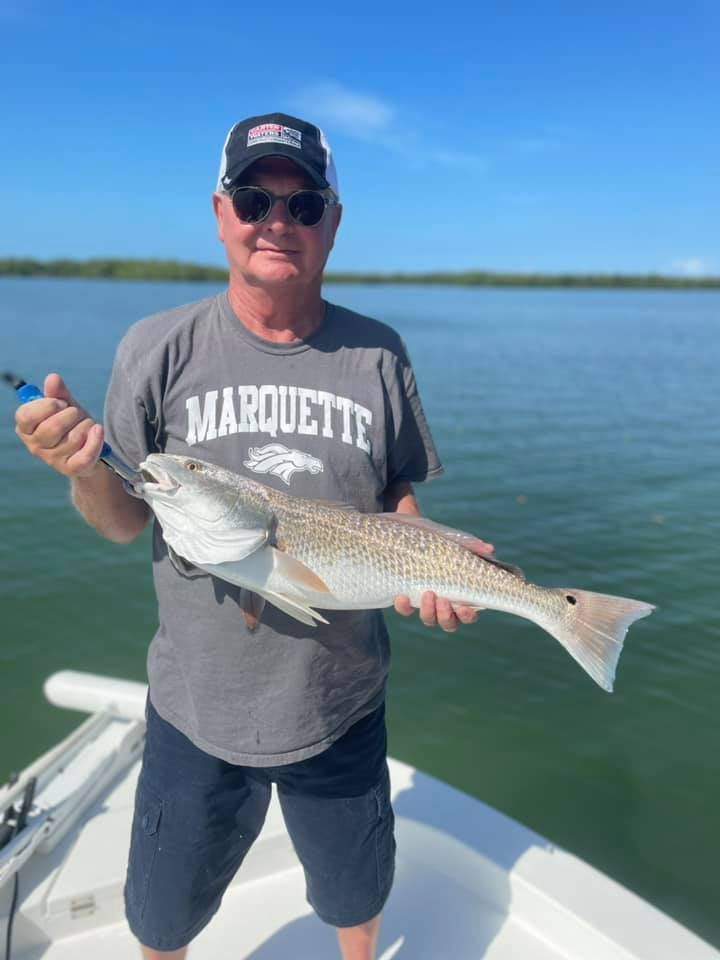
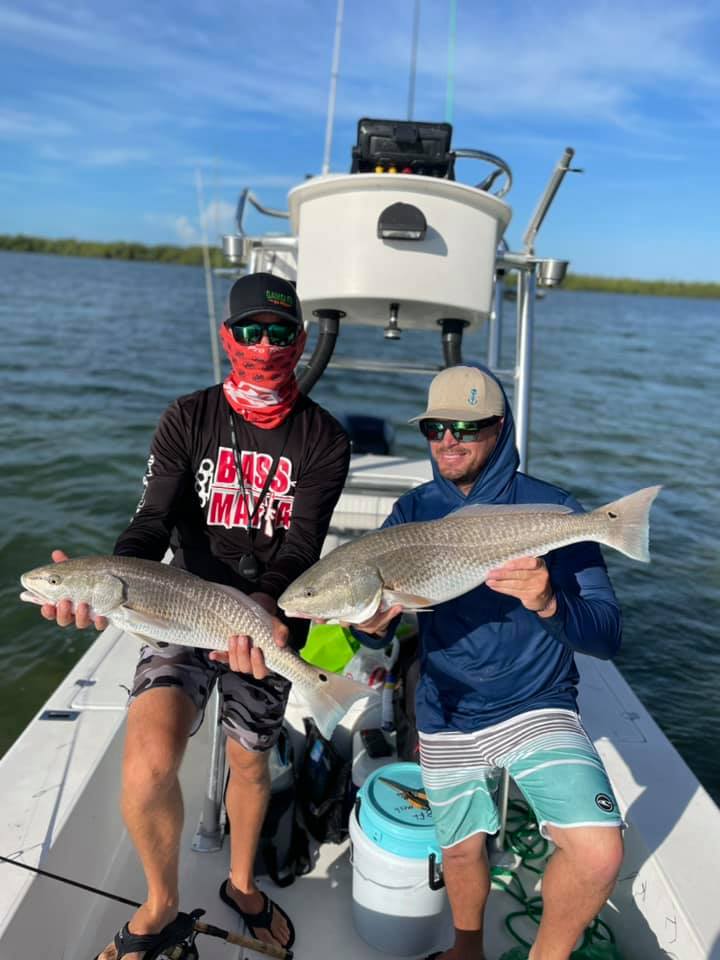
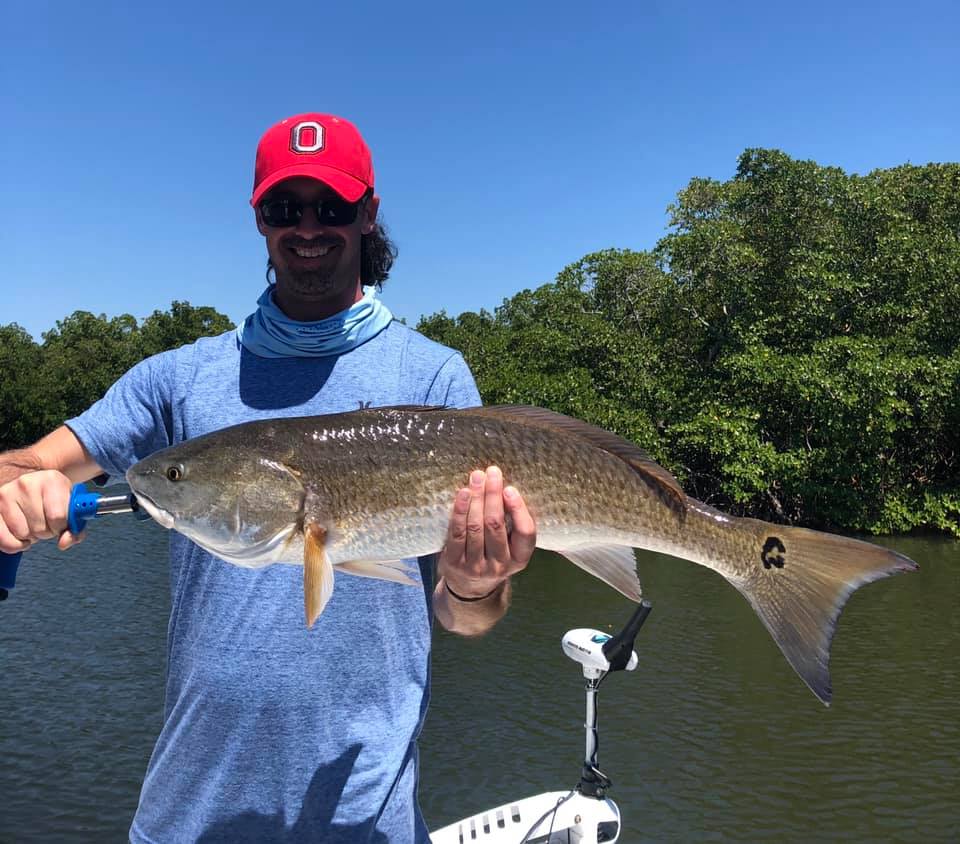
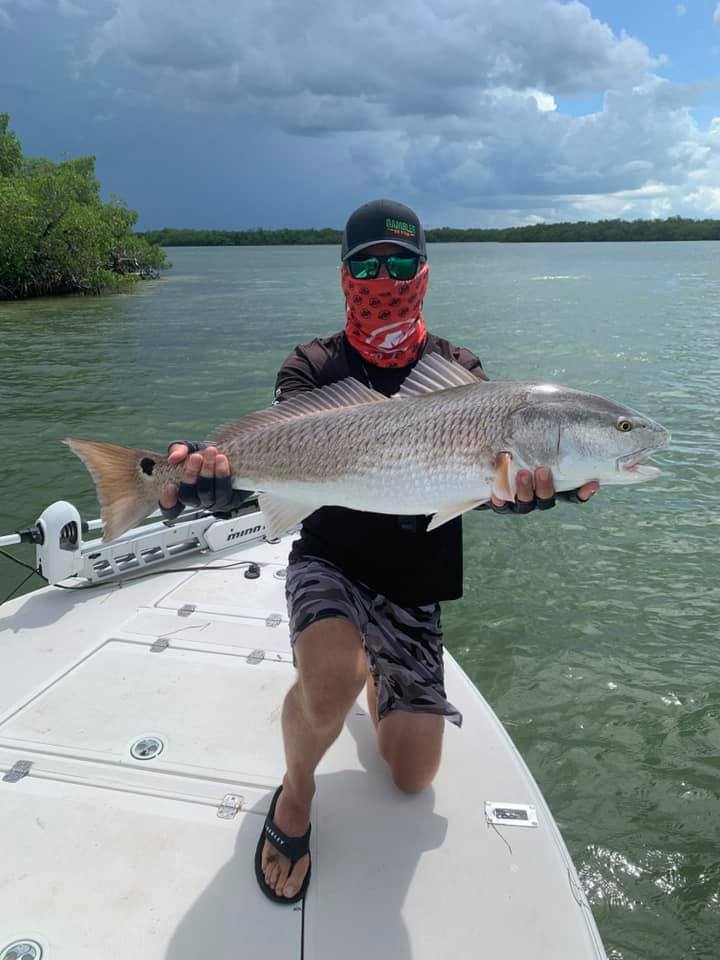
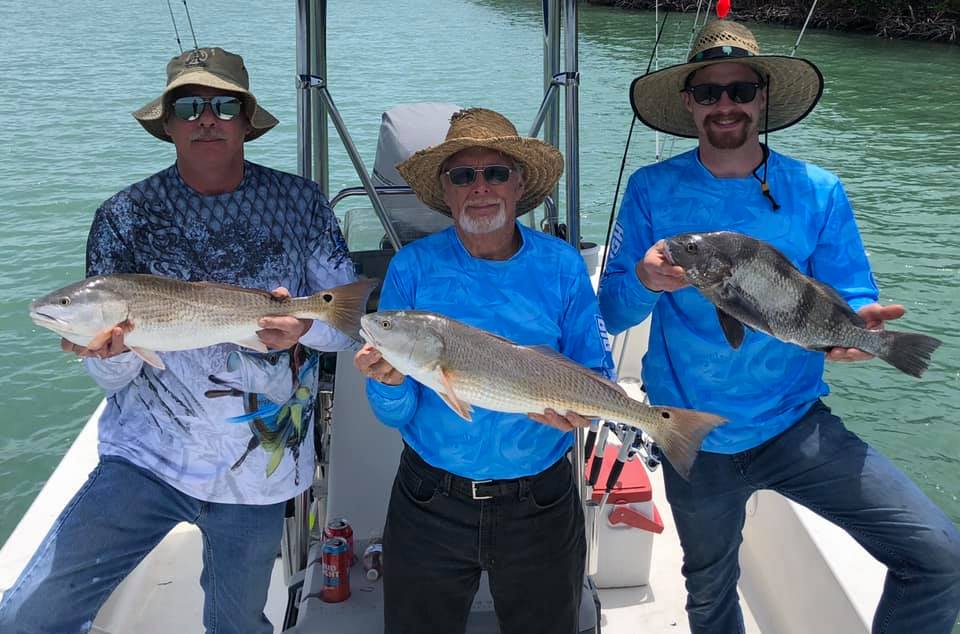
Redfish are the backbone of Fort Myers Beach inshore fishing, and for good reason. These copper-colored fighters average 18-27 inches in these waters, with plenty of slot fish and the occasional oversize bull mixed in. Peak season runs from fall through spring, but you can find reds year-round if you know where to look. They love oyster bars, mangrove shorelines, and shallow grass flats. What makes redfish so special is their fight—they'll make long, powerful runs that test your drag and your patience. Plus, they're excellent table fare when kept within slot limits.
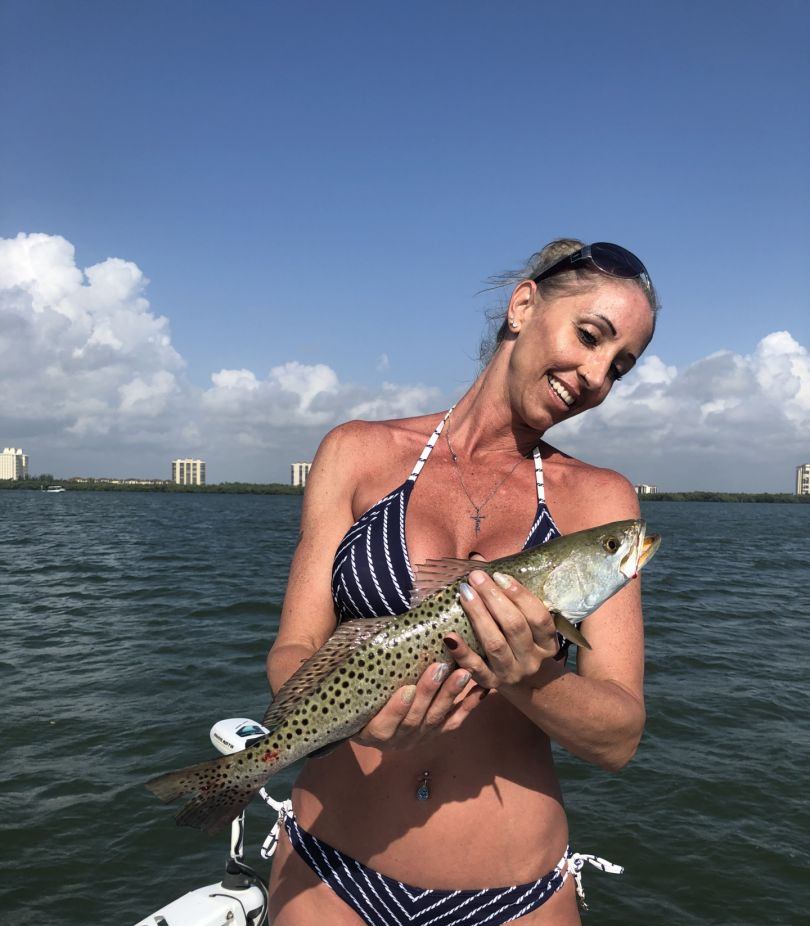
Spotted seatrout, or "specks" as locals call them, are another staple of these waters. They're most active during cooler months, with prime time being October through March. These fish are structure-oriented, hanging around grass beds, drop-offs, and oyster bars. Seatrout have soft mouths, so keeping steady pressure without horsing them is key. They're notorious for their acrobatic jumps, and a good trout will give you a fight you won't forget. The bite often turns on right at dawn and dusk, making those early morning departures worth every minute of lost sleep.
Sheepshead might not win any beauty contests, but they're among the craftiest fish swimming in Fort Myers waters. These black-and-white striped convict fish are structure junkies, relating to pilings, rocks, and oyster bars where they feed on crabs and barnacles. They're most prevalent during winter months when they move inshore to spawn. Catching sheepshead requires finesse—they're notorious bait stealers with incredible ability to clean your hook without getting hooked themselves. When you do connect, they fight hard for their size and make excellent eating.
Peacock bass represent the exotic side of Fort Myers fishing, and they're what dreams are made of for many anglers. These Amazon natives have established themselves in local freshwater canals and are absolute dynamite on light tackle. They're aggressive predators that crush topwater lures and fight with the heart of fish twice their size. Peacock bass are most active during warmer months, and their striking colors—brilliant greens, golds, and that signature "peacock" spot—make them one of the most photogenic catches in the area.
Tripletail are the wild cards of Fort Myers fishing—you never know when one might show up, but when they do, it's game time. These oddly-shaped fish float near structure, often mimicking floating debris. They're ambush predators that can be surprisingly spooky, requiring stealthy presentations and accurate casts. Tripletail are phenomenal table fare and put up a surprising fight for their body shape. They're most common in summer and fall, often found around crab trap buoys, channel markers, and floating grass lines.
Time to Book Your Spot
This half-day charter consistently ranks as one of the top-rated fishing experiences in Fort Myers Beach, and it's easy to see why
 5.0(1 Reviews)
 Private Trip
 Inshore Fishing
 Fort Myers Beach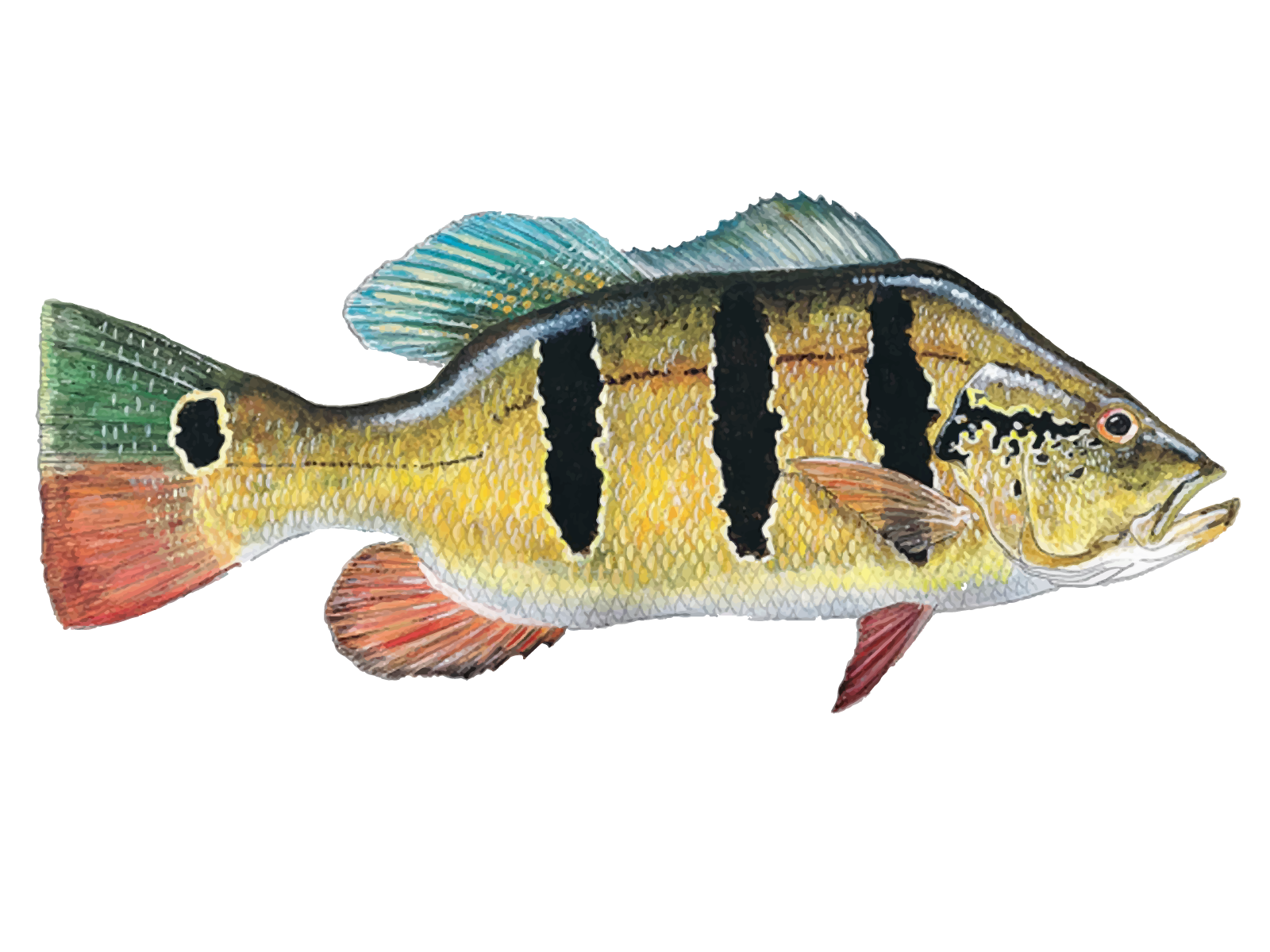


 Target Redfish, Seatrout, Bull Shark, and Goliath Grouper inshore.