Yakima River Beginner Fly Fishing
If you've been thinking about dipping your toes into fly fishing, the Yakima River is hands down one of the best places to start your journey. This beginner-friendly half-day trip with Shaw Flyfishing Services gives you everything you need to build confidence on the water without feeling overwhelmed. We keep groups small - just two guests max - so you get personalized attention and can learn at your own pace. Whether you choose the 8:00 AM or 11:00 AM start time, you'll spend a solid four hours learning the fundamentals while targeting some of Washington's most willing trout. At $400 for up to two people, it's a steal for quality instruction on one of the state's top-rated trout streams.
What to Expect on the Water
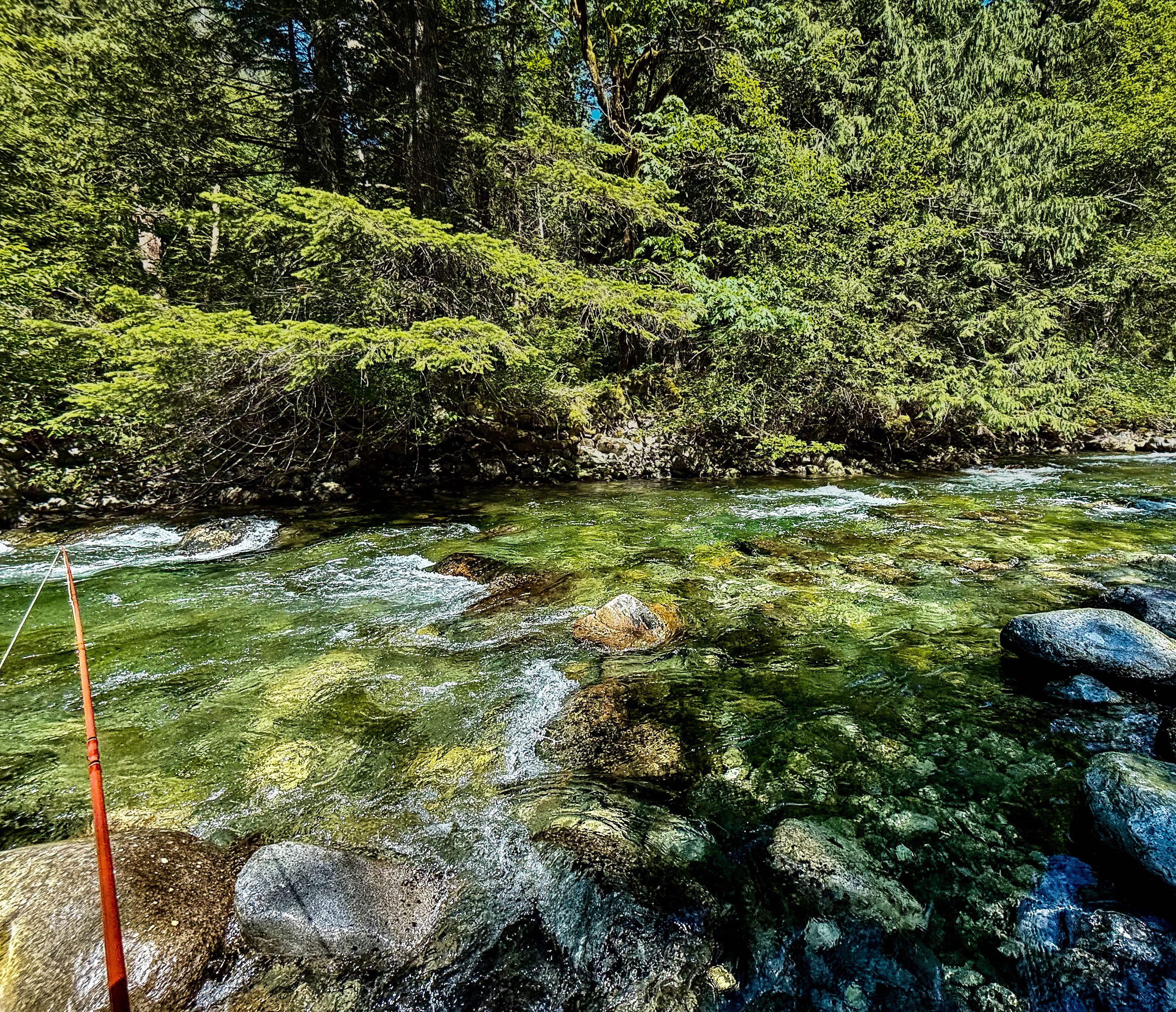
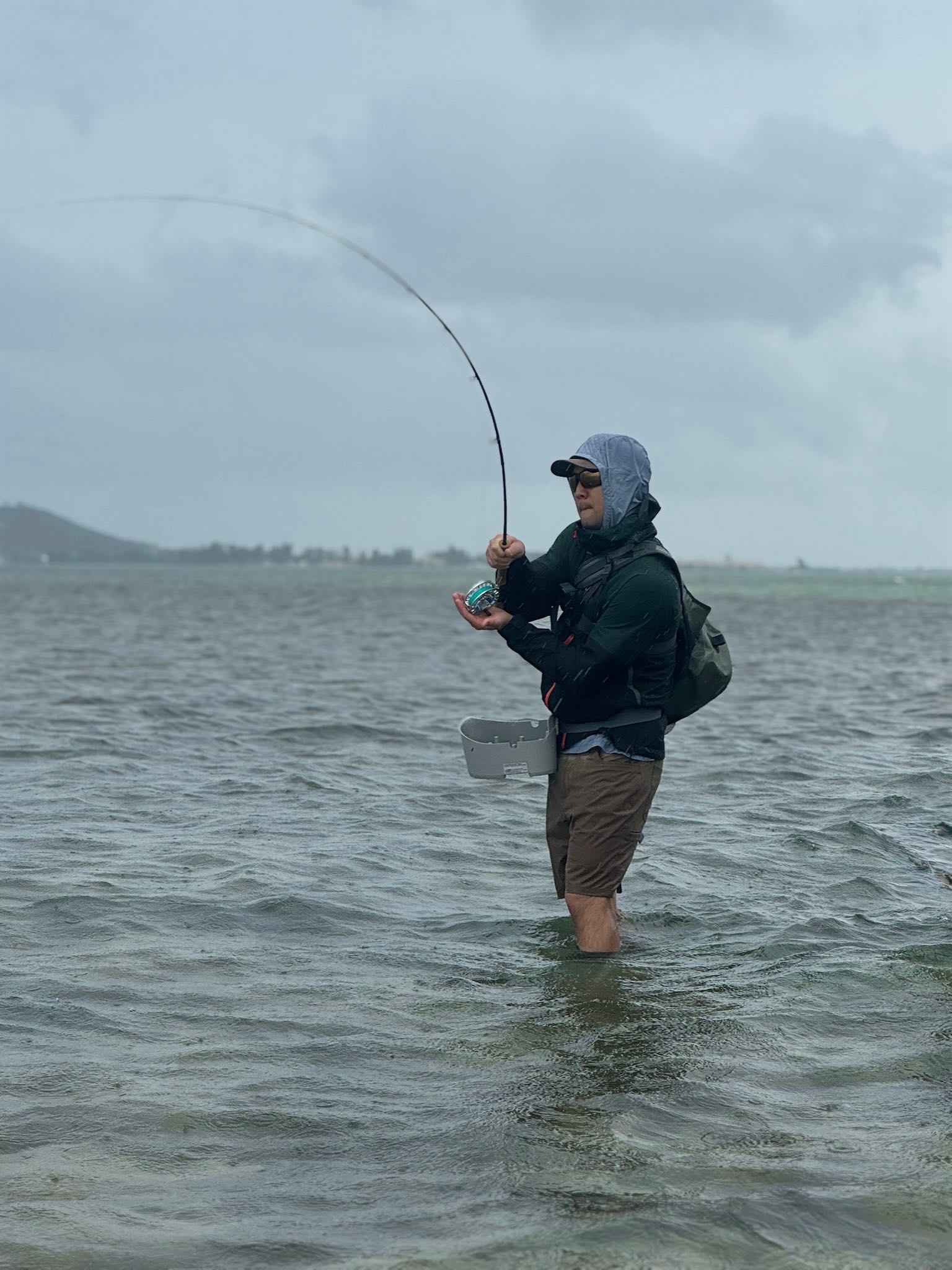
The Yakima runs clear and steady through some gorgeous central Washington country, making it perfect for beginners who want to focus on technique without fighting crazy currents or murky water. From March through October, this river stays productive and fishable, with different sections offering various challenges as your skills develop. During your morning session, we'll start with the basics - how to hold the rod, simple casting motions, and reading the water to spot where fish like to hang out. The beauty of the Yakima is that it forgives mistakes while still rewarding good technique. You'll be working runs, pools, and gentle riffles that hold plenty of rainbow trout, cutthroat trout, and mountain whitefish. Don't worry about bringing anything except your valid Washington fishing license - we've got all the gear covered, from rods and reels to flies and leaders. The pace stays relaxed and confidence-building throughout the trip, so you never feel rushed or pressured to perform.
Fly Fishing Basics & Gear
Fly fishing might look intimidating from the bank, but once you understand the fundamentals, it clicks pretty quickly. We'll start you off with a basic overhead cast - nothing fancy, just getting the fly out where the fish are. Line control is huge on the Yakima, so we'll spend time teaching you how to mend your line and maintain a natural drift. The flies we use depend on the season and what the fish are eating, but expect to throw everything from nymphs bouncing along the bottom to dry flies dancing on the surface. Your setup will be straightforward - a 9-foot, 5-weight rod that's forgiving for beginners, paired with a weight-forward floating line that makes casting easier. We'll rig you up with simple two-fly nymph rigs or single dry fly setups, depending on conditions. Reading water is a skill that takes time to develop, but we'll point out the obvious spots - deeper pools where fish rest, foam lines that concentrate food, and undercut banks that provide cover. By the end of four hours, you'll have a solid foundation in casting, line management, and fly selection that'll serve you well on future trips.
Target Species You'll Hook
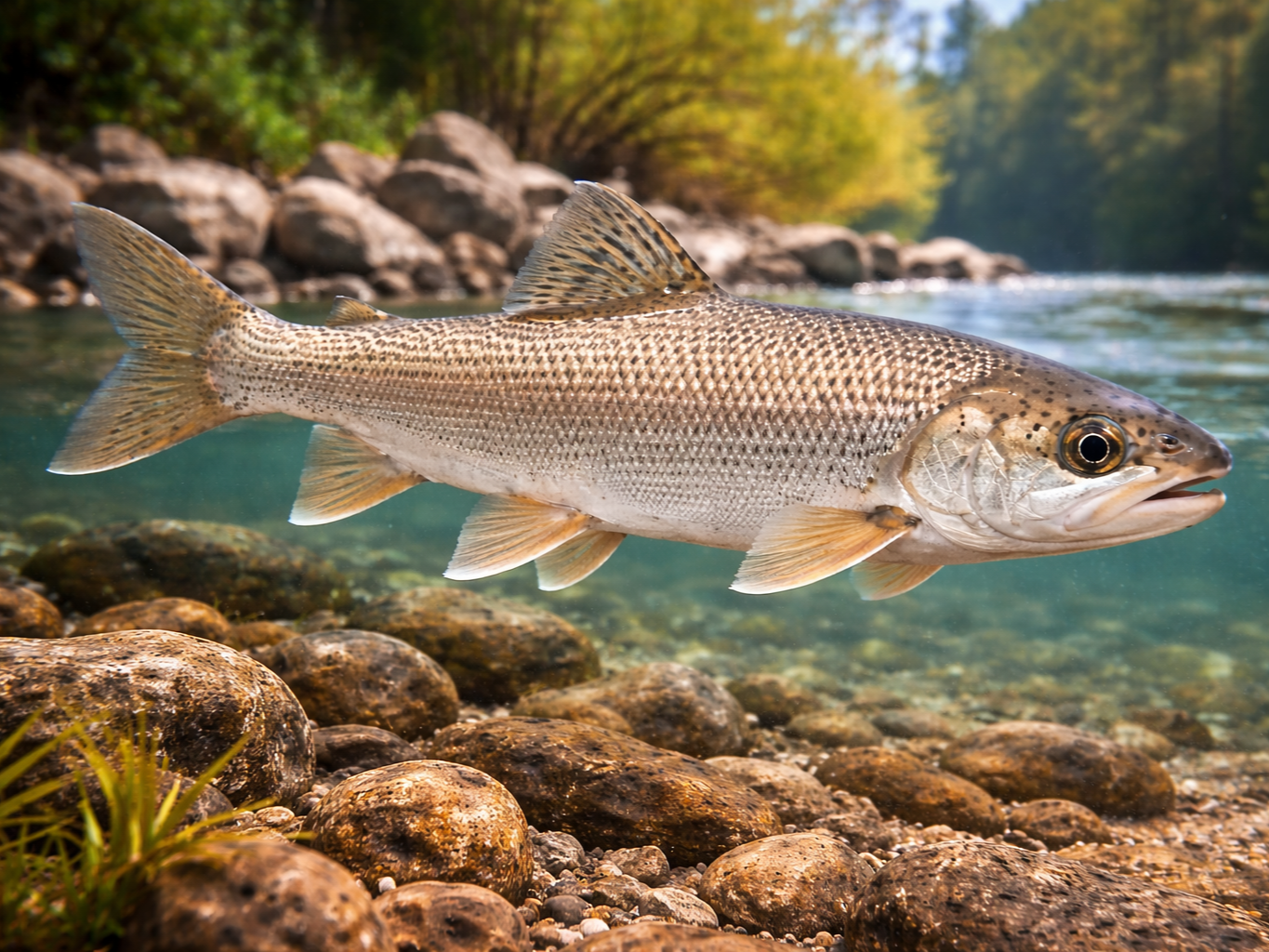
Rainbow trout are the stars of the Yakima River show, and for good reason. These fish are scrappy, beautiful, and willing to eat a well-presented fly. Most rainbows here run 12-16 inches, with some pushing 18 inches or better if you're lucky. They're most active during the cooler parts of the day, making those morning start times perfect for beginners. What makes rainbows so fun for new fly fishers is their willingness to come up for dry flies - there's nothing quite like watching a trout rise to sip your fly off the surface. They fight hard for their size, often jumping and making strong runs that'll get your heart pumping.
Cutthroat trout bring their own personality to the Yakima system. These native beauties are a bit more selective than rainbows, but when you connect with one, they're absolutely gorgeous with those distinctive red slashes under their jaws. Cutthroats tend to hold in slightly different water than rainbows - often in the deeper runs and pools where they can ambush food drifting by. They're excellent teachers for beginners because they demand a clean presentation, helping you develop good habits early. Spring and fall are prime time for cutthroats, when they're most aggressive and willing to chase flies.
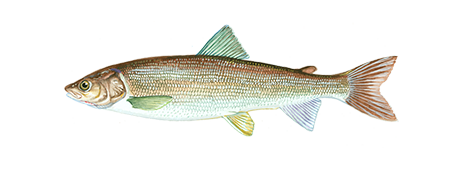
Mountain whitefish might not win any beauty contests, but they're fantastic for building confidence and practicing technique. These native fish are abundant in the Yakima and eager to eat, especially nymphs and small streamers. They fight differently than trout - more of a bulldog pull than flashy jumps - but they'll bend your rod and give you plenty of practice playing fish. Whitefish are active year-round and often save the day when trout get finicky. Many guides consider them the perfect "practice fish" for beginners learning to set hooks, fight fish, and use proper landing techniques.
Time to Book Your Spot
The Yakima River delivers exactly what every beginner needs - patient instruction, willing fish, and beautiful scenery that makes every cast enjoyable. Shaw Flyfishing Services has built a reputation for turning nervous first-timers into confident anglers, and this half-day format gives you enough time to really absorb the fundamentals without feeling overwhelmed. With the season running March through October, you've got plenty of opportunities to get out there and experience what makes fly fishing so addictive. Remember to grab your Washington fishing license before the trip, and don't stress about anything else - we've got the rest covered. Whether you're looking to try something new or finally tackle that bucket list item, this beginner-friendly adventure on the Yakima is your perfect starting point. Book now and discover why so many anglers consider their first day on the river the beginning of a lifelong passion.
 Private Trip
 River Fishing
 Yakima River

 Private half-day trip for two guests with professional instruction