Yakima River Half Day Fly Fishing
Looking for a solid half-day on one of Washington's most productive trout waters? This Yakima River fly fishing trip delivers exactly what you're after - quality time on the water with fish that actually want to eat your flies. Starting at 11 AM and running a full four hours minimum, you'll have plenty of daylight to work through different runs and pools while learning the nuances of this tailwater fishery. Whether you're new to fly fishing or you've been swinging flies for decades, the Yakima's consistent flows and healthy fish populations make every cast count. At $400 for up to two anglers, you're getting personalized instruction and access to water that produces year-round from March through October.
What to Expect on the Water
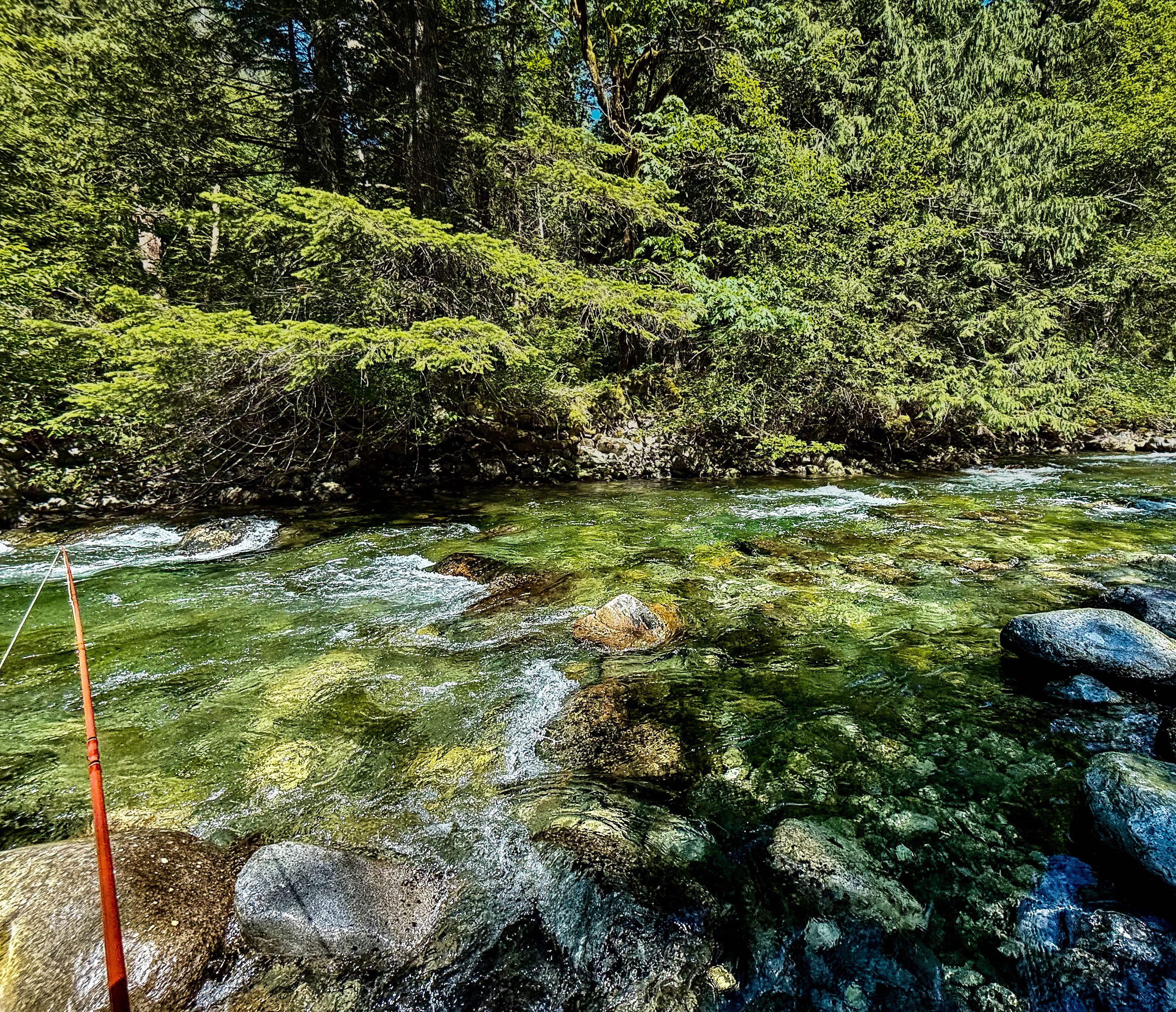
The Yakima River flows through some of the prettiest high desert country you'll find in the Pacific Northwest, with sage-covered hills rolling away from cottonwood-lined banks. This isn't your typical mountain stream - it's a tailwater fishery that stays fishable even when other rivers are blown out or running low. The water temperature stays relatively stable thanks to dam releases, which means the trout stay active and feeding throughout the day. You'll be working a mix of deeper pools, riffle sections, and undercut banks where fish like to hold. The beauty of starting at 11 AM is you'll hit prime fishing time as the day warms up and insects start moving. Your guide knows every bend, every boulder, and every piece of structure that holds fish, so you'll spend your time casting to productive water instead of wandering around hoping to get lucky.
Flies and Techniques
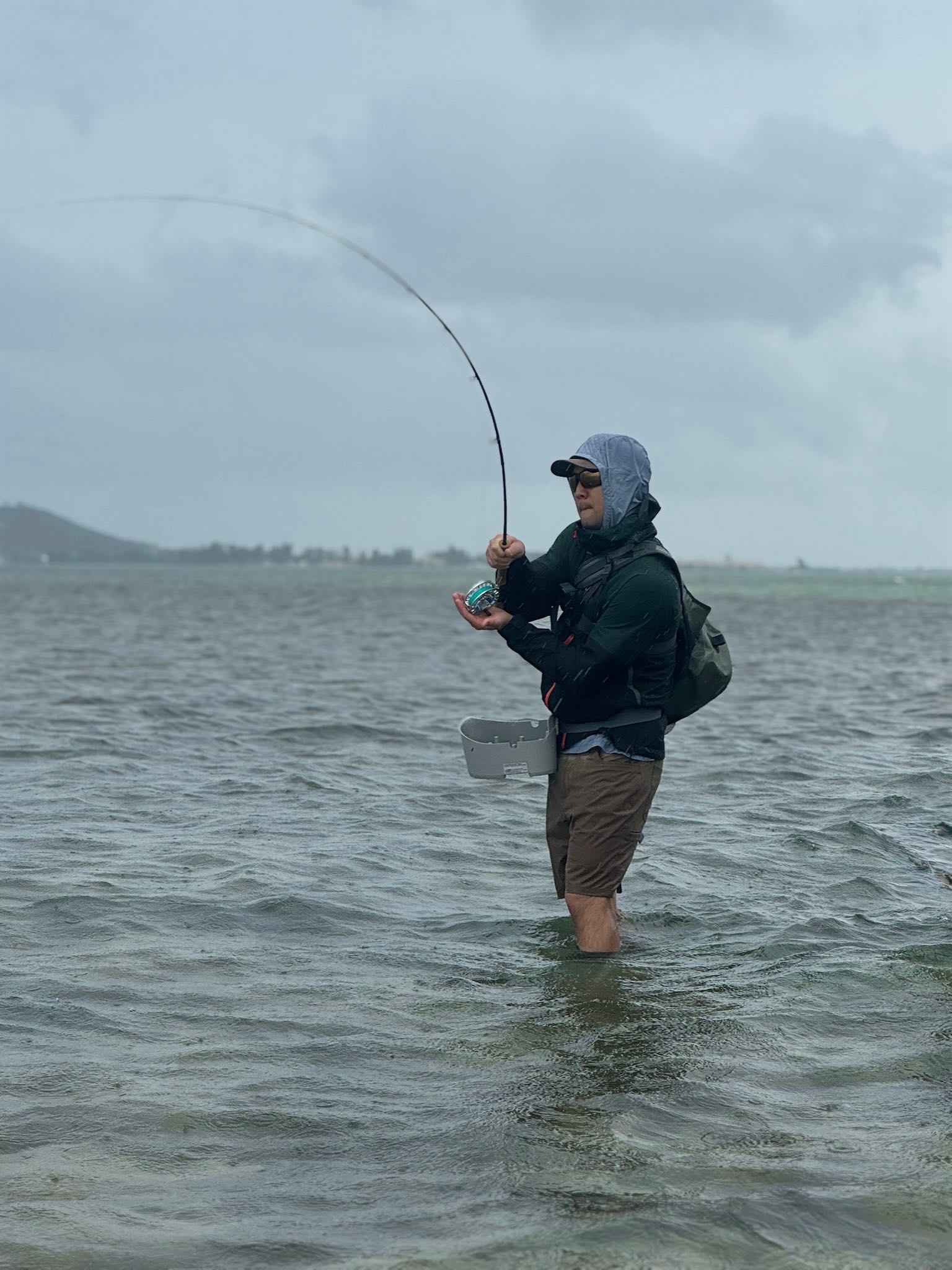
Yakima River trout have seen plenty of flies over the years, so presentation matters more than having the flashiest pattern in your box. Your guide will match techniques to current conditions - maybe that's dead-drifting nymphs through deep runs in early season, or working dry flies during evening hatches when the weather warms up. Indicator nymphing is bread and butter here, especially with patterns that imitate the abundant caddis larvae and mayfly nymphs. When fish are looking up, you might tie on some smaller dry flies like elk hair caddis or parachute adams. The key is reading the water and adjusting your approach as conditions change throughout the trip. You'll learn to mend your line properly, control your drift, and recognize the subtle takes that Yakima trout are famous for. All gear is provided, but if you have a favorite rod or reel setup, feel free to bring it along.
Species You'll Want to Hook
Rainbow trout are the stars of the Yakima River show, and these aren't your typical stocked fish. These rainbows have been living wild in the river system for generations, developing the kind of fighting spirit that makes every hookup memorable. They average 12-16 inches with plenty of fish pushing into the upper teens, and they're known for their acrobatic jumps and strong runs. Peak rainbow action happens from April through June when they're actively feeding after spawning, but you'll find willing fish throughout the season. What makes Yakima rainbows special is their coloration - bright silver sides with that classic pink stripe, and they're chunky from feeding on abundant aquatic insects.
Cutthroat trout add another dimension to Yakima River fishing, though they're less common than rainbows. These native beauties are typically found in the quieter back eddies and deeper pools, where they ambush prey with surprising aggression. Yakima cutthroats show off those distinctive red slashes under their jaw, and they tend to be more selective feeders than their rainbow cousins. When you do hook into a cutthroat, expect a different kind of fight - more bulldogging and less jumping, but plenty of determination. Fall months often produce the best cutthroat fishing as they become more active before winter.
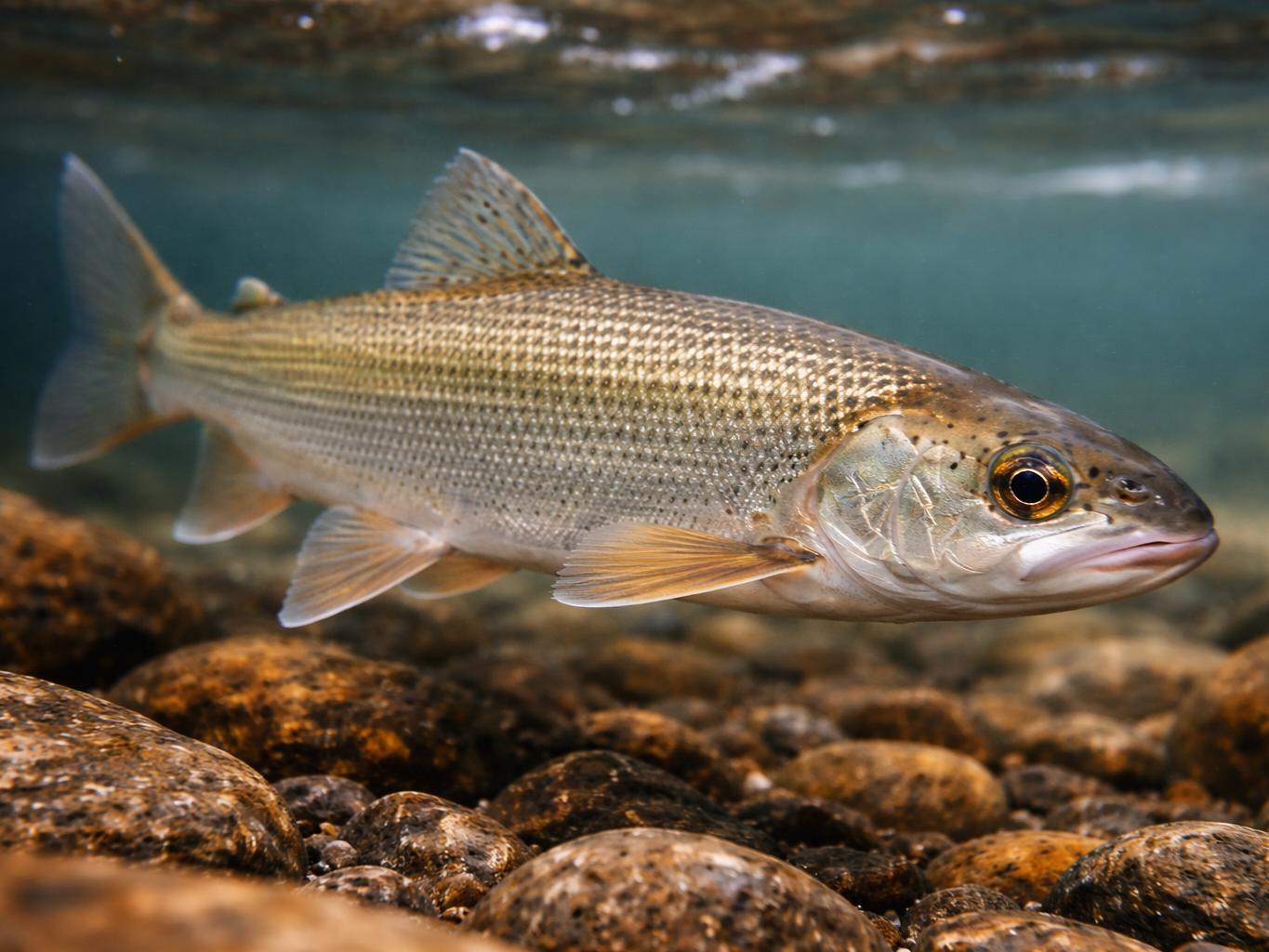
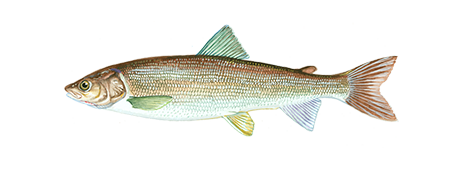
Mountain whitefish might not get the respect they deserve, but these native fighters are fun to catch and an important part of the Yakima ecosystem. They're bottom feeders that love nymphs and small streamers, and they'll test your drag system with surprisingly strong runs. Whitefish are active throughout the colder months when trout fishing slows down, making them a reliable target during late fall and early spring trips. They're also excellent indicators of water quality - healthy whitefish populations mean healthy rivers. Don't be surprised if you end up appreciating these scrappy fighters more than you expected.
Time to Book Your Spot
The Yakima River delivers consistent fishing from March through October, but the best dates fill up fast once word gets around about current conditions. This half-day format works perfectly if you're combining fishing with other activities or you're traveling with non-anglers who want to explore the area. Remember that Washington state fishing licenses are required for everyone 15 and older, and you can pick those up online or at local sporting goods stores. Shaw Flyfishing Services focuses on conservation-minded fishing, so you'll be handling fish properly and learning techniques that help preserve this amazing fishery for future generations. The $400 rate covers up to two anglers, making it an excellent value for couples, friends, or parents introducing kids to fly fishing. Book early to secure your preferred dates, especially during peak season from April through June when the fishing is at its absolute best.
 Private Trip
 River Fishing
 Yakima River

 Four-hour private fly fishing trip targeting multiple trout species