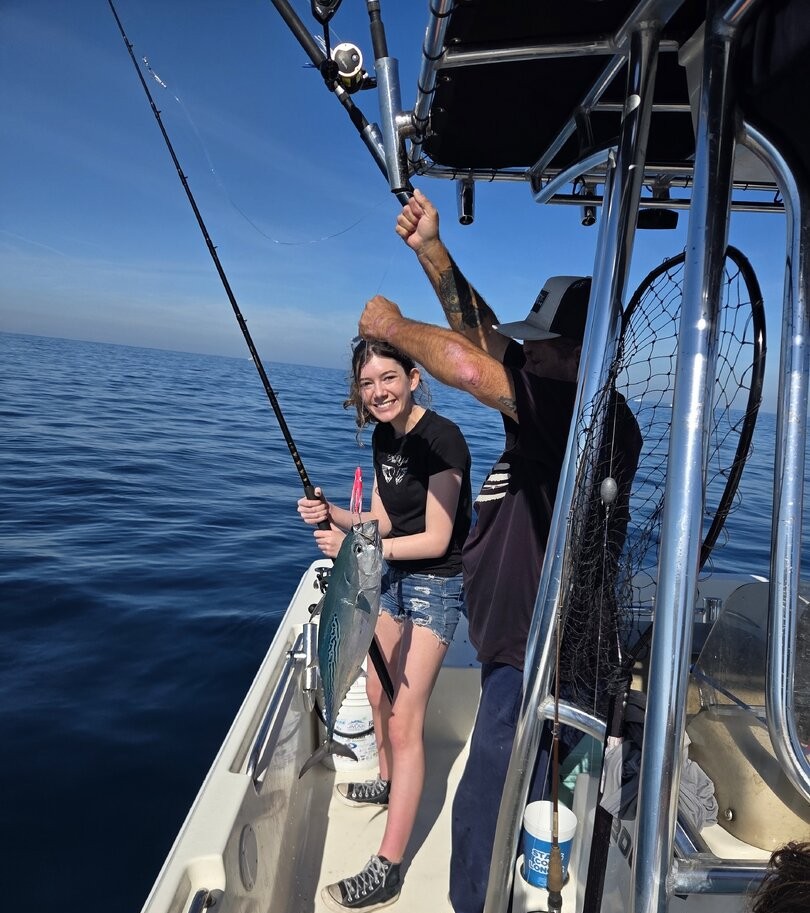
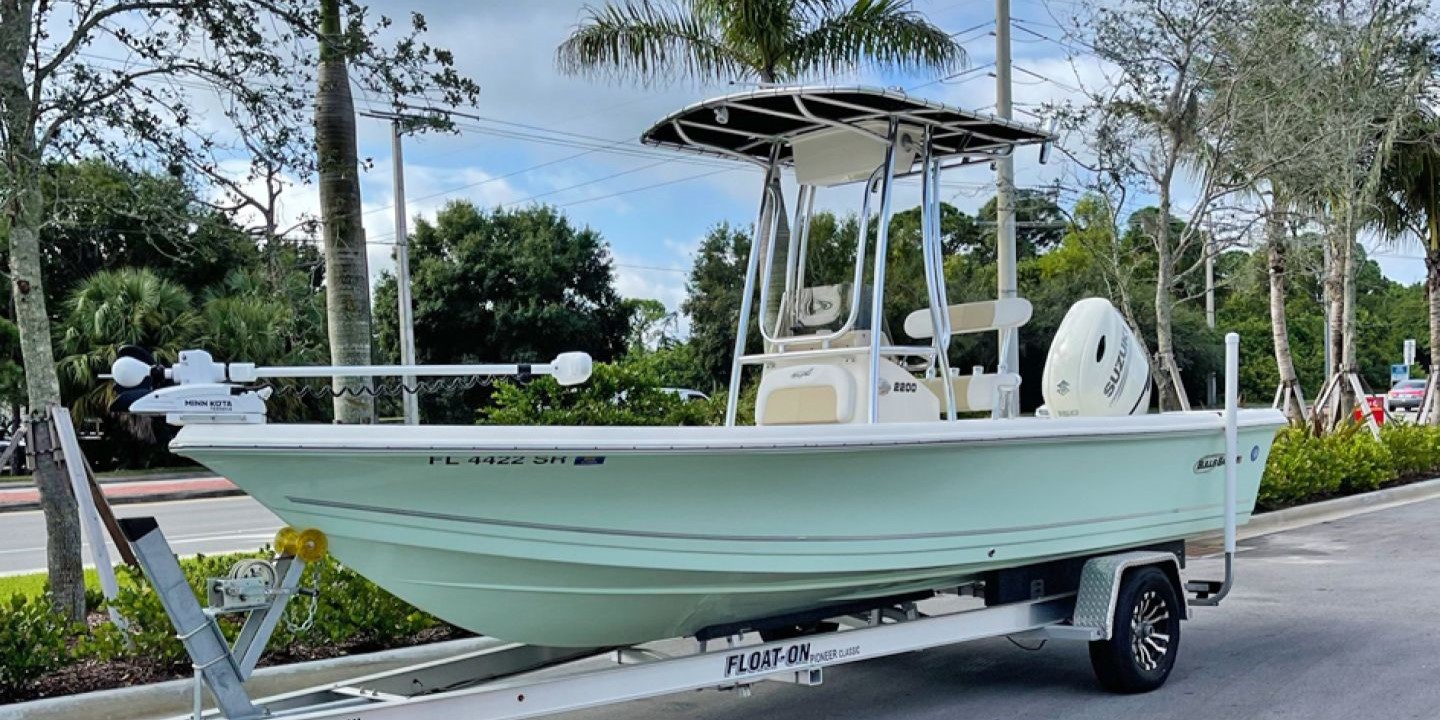
Half Day Inshore Fishing Adventure in Port Canaveral
Looking for a solid half-day fishing trip that won't break the bank but still delivers on the action? ShayJay Fishing Charters has you covered with their top-rated inshore fishing experience right out of Port Canaveral. This 6-hour charter is perfect for anyone wanting to get their line wet in some of Florida's most productive nearshore waters. Whether you're bringing the kids for their first fishing adventure or you're a seasoned angler looking to add some variety to your tackle box, this trip hits all the right spots. With only 2 guests max, you'll get the personalized attention that makes the difference between a good day and a great day on the water.
What to Expect on the Water
Your captain knows these waters like the back of their hand, and they'll put you on fish in the jetties, along the beaches, and in the productive zones up to 5 miles offshore. The beauty of this trip is the variety – one minute you might be working structure around the jetties for sheepshead, the next you could be sight-casting to cruising snook in the shallows. The boat stays in protected waters most of the day, so even if it's a bit choppy outside, you'll still have a comfortable ride. All your gear is provided, including tackle, rods, reels, and even your fishing license, so you can just show up ready to fish. They'll also keep you hydrated with bottled water throughout the trip. The small group size means your guide can really focus on putting you on fish and helping you improve your technique, whether you're learning to cast for the first time or fine-tuning your presentation for finicky redfish.
Techniques and Prime Spots
This charter covers a lot of water and uses multiple techniques depending on what's biting and where. Around the jetties, you'll likely be bottom fishing with cut bait or live shrimp, targeting the structure where sheepshead, black drum, and snapper love to hang out. When you move to the flats and shallow water, it's all about sight fishing and casting – watching for tailing redfish, cruising snook, or schools of jack crevalle pushing bait. Your captain will have you rigged up with everything from jigs and soft plastics to live bait, depending on the conditions and target species. The nearshore waters within 5 miles of the coast offer some fantastic opportunities for tarpon during their seasonal runs, and you might find yourself throwing everything from DOA shrimp to large swimbaits. The key to success in these waters is staying mobile and adapting your approach based on tides, weather, and fish behavior – something your experienced guide handles seamlessly.
Species You'll Want to Hook
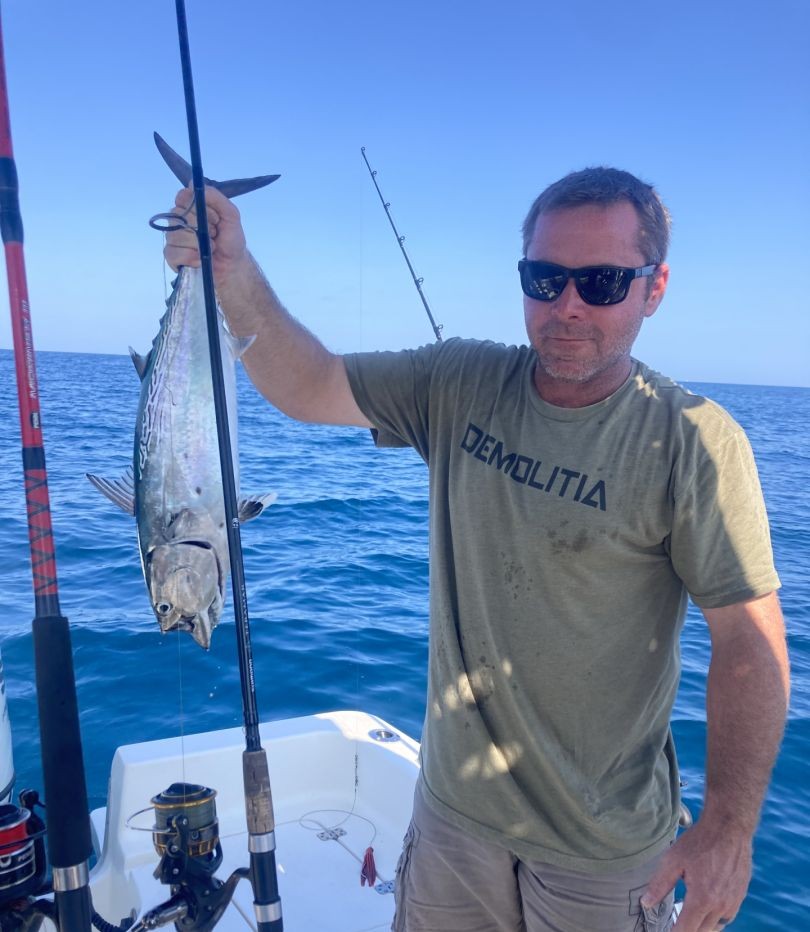
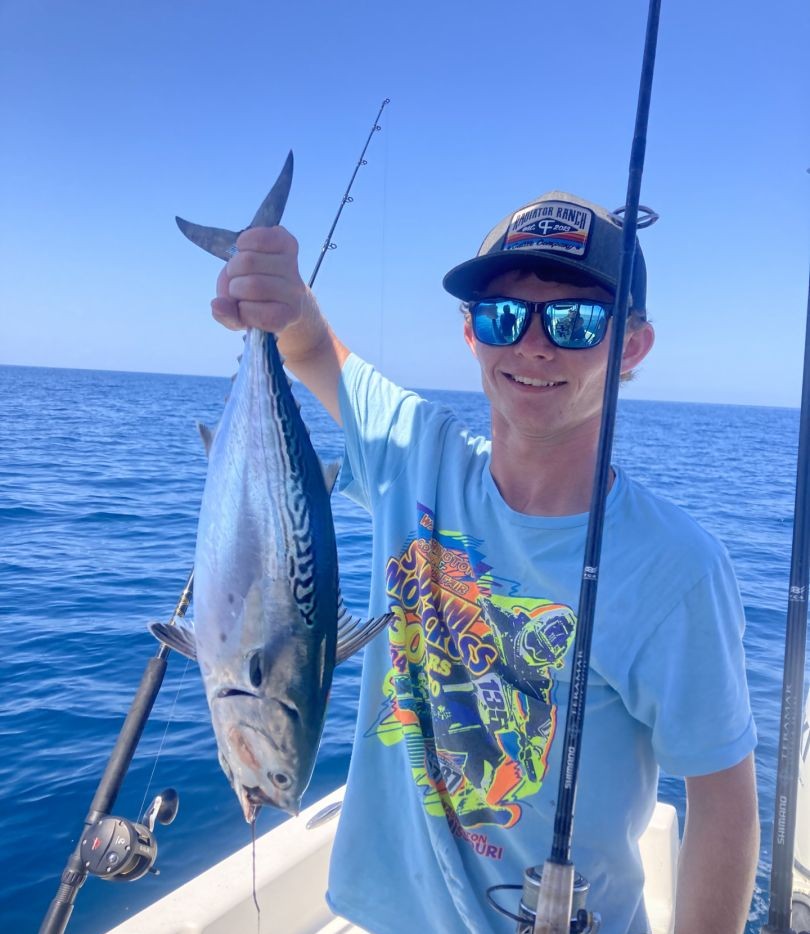
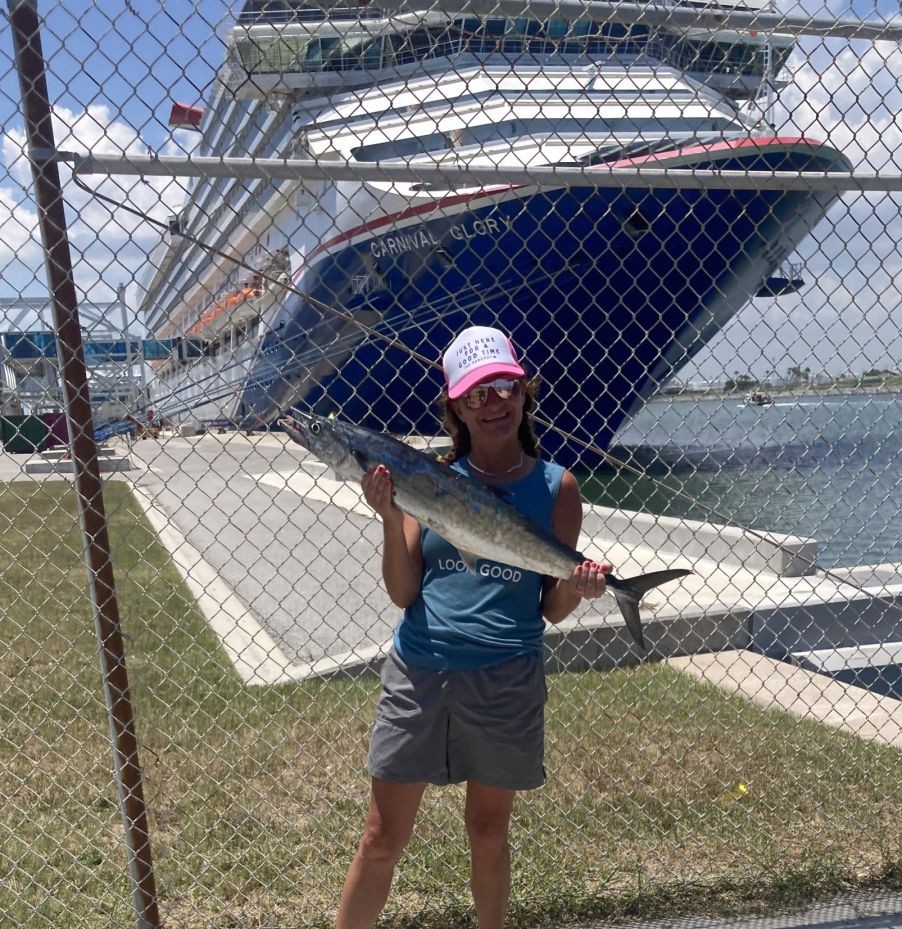
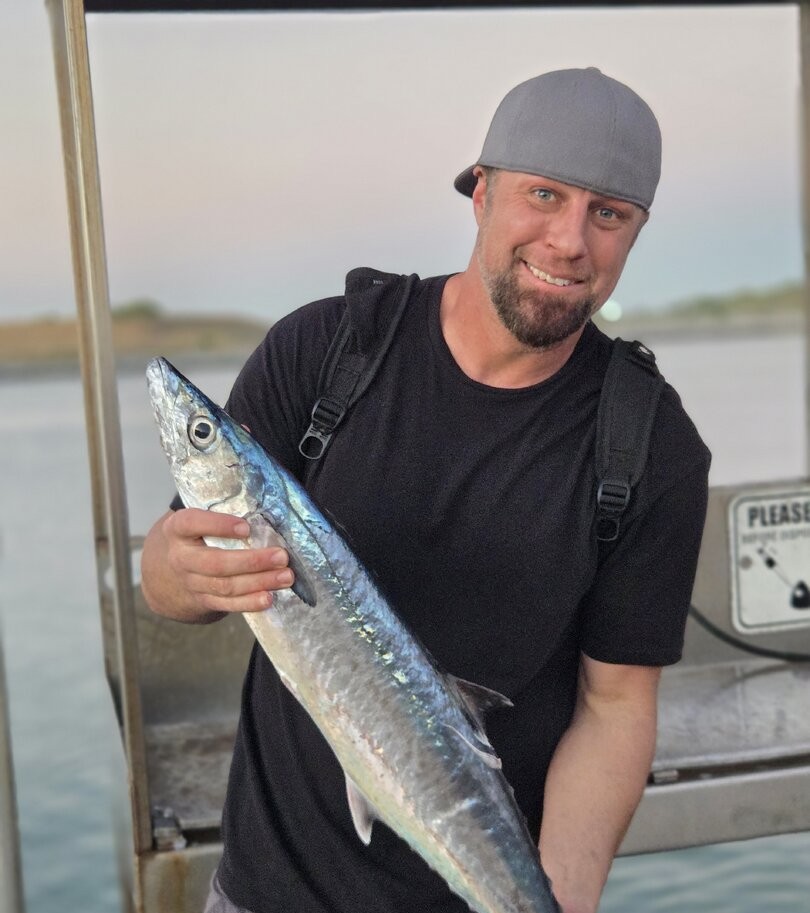
Spanish Mackerel are one of the most reliable catches in these waters, especially during the cooler months from fall through spring. These silver bullets are incredibly fun on light tackle, known for their blistering runs and acrobatic jumps. They typically range from 1-3 pounds and are excellent table fare. You'll often find them in schools, so when you hook one, get ready for non-stop action. They're particularly active in the early morning and late afternoon, making them perfect targets for this half-day format.
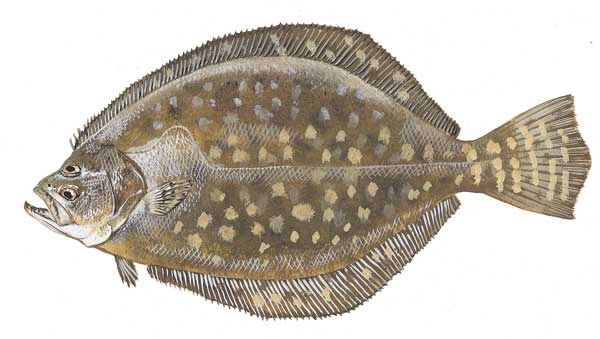
Southern Flounder are the masters of disguise in these waters, lying flat on sandy bottoms waiting to ambush unsuspecting baitfish. These flatfish can grow quite large – with doormat-sized fish over 5 pounds not uncommon in Port Canaveral waters. Fall and early winter are prime time for flounder, when they're fattening up before their offshore spawning migration. They're prized by anglers not just for their size, but for their incredible eating quality. Your guide knows exactly where to find the sandy holes and grass edges where these ambush predators like to set up.
Snook are the ultimate inshore game fish, combining incredible fighting ability with stunning beauty. These silver-sided predators with the distinctive black lateral line are most active during warmer months, though Port Canaveral's year-round mild temperatures mean you can target them almost any time. They're ambush feeders that love structure – docks, jetties, mangrove edges, and bridge pilings. A slot-sized snook in the 28-33 inch range will give you a fight you won't forget, with powerful runs and gill-rattling jumps. They're currently catch-and-release only, but the photo opportunities alone make them worth targeting.
Grey Snapper, also known as mangrove snapper, are one of the smartest fish in these waters and provide a fun challenge for anglers of all skill levels. These bronze-colored fighters typically run 1-4 pounds and are incredibly structure-oriented. You'll find them around the jetties, artificial reefs, and any hard bottom within the first few miles of shore. They're notorious bait stealers, so your guide will teach you the finesse required to hook these wary fish. Their excellent table quality makes them a customer favorite, and they're available year-round with no closed season.
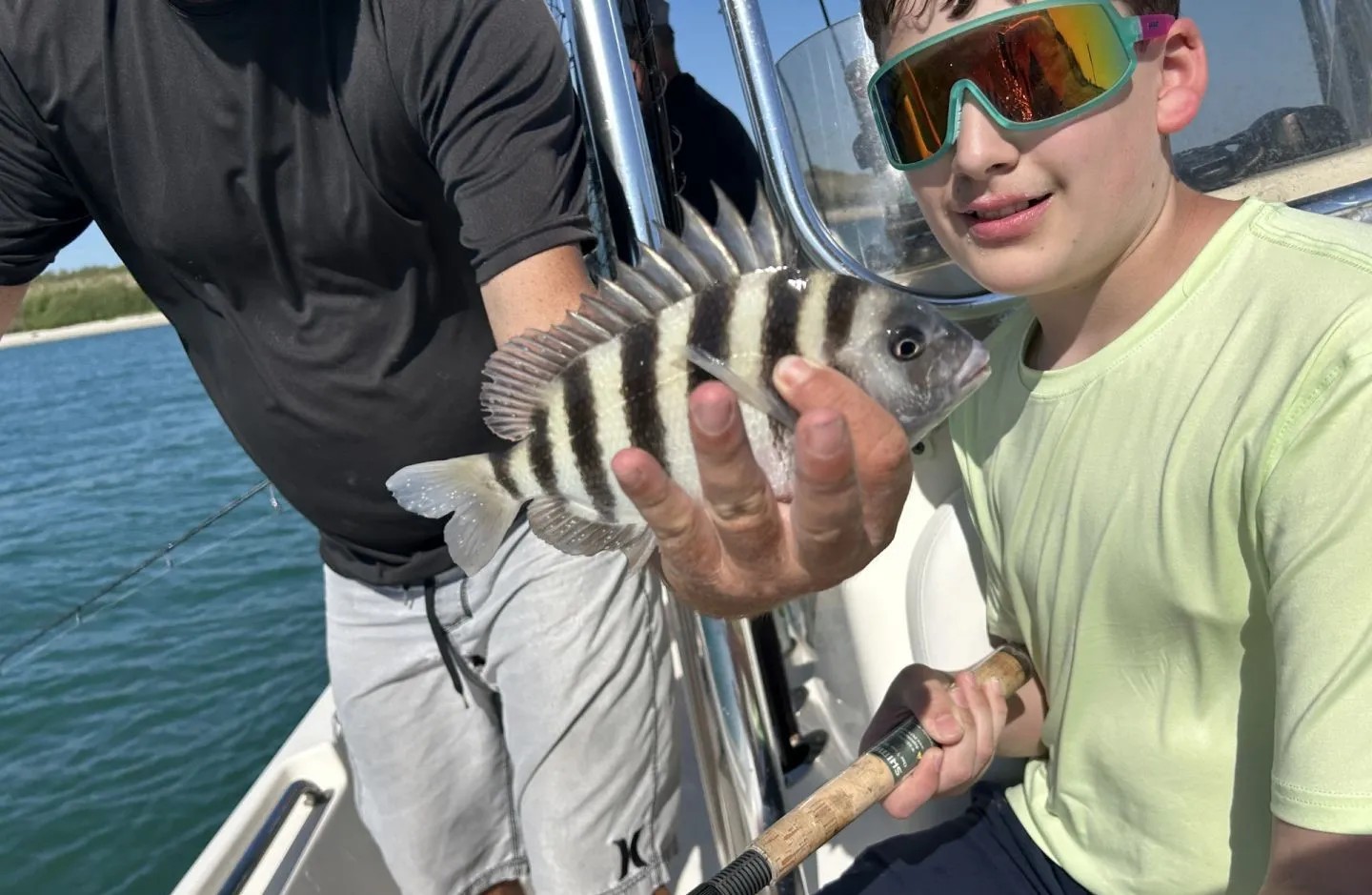
Sheepshead might not be the prettiest fish in the sea, but they're arguably one of the best eating fish you'll encounter on this trip. These black-and-white striped fish are the ultimate structure dwellers, using their human-like teeth to crush barnacles, crabs, and oysters off pilings, rocks, and jetties. They're most active during cooler months, making them perfect targets for winter fishing. Sheepshead fishing requires patience and skill – they're notorious for stealing bait – but your guide knows exactly how to rig up and time your hookset. Fish in the 3-8 pound range are common, with occasional doormat-sized specimens that will really test your drag.
Time to Book Your Spot
This half-day inshore charter offers everything you want in a Florida fishing experience – variety, action, and the chance to learn from an experienced local guide. With tackle an
 Private Trip
 Inshore Fishing
 Port Canaveral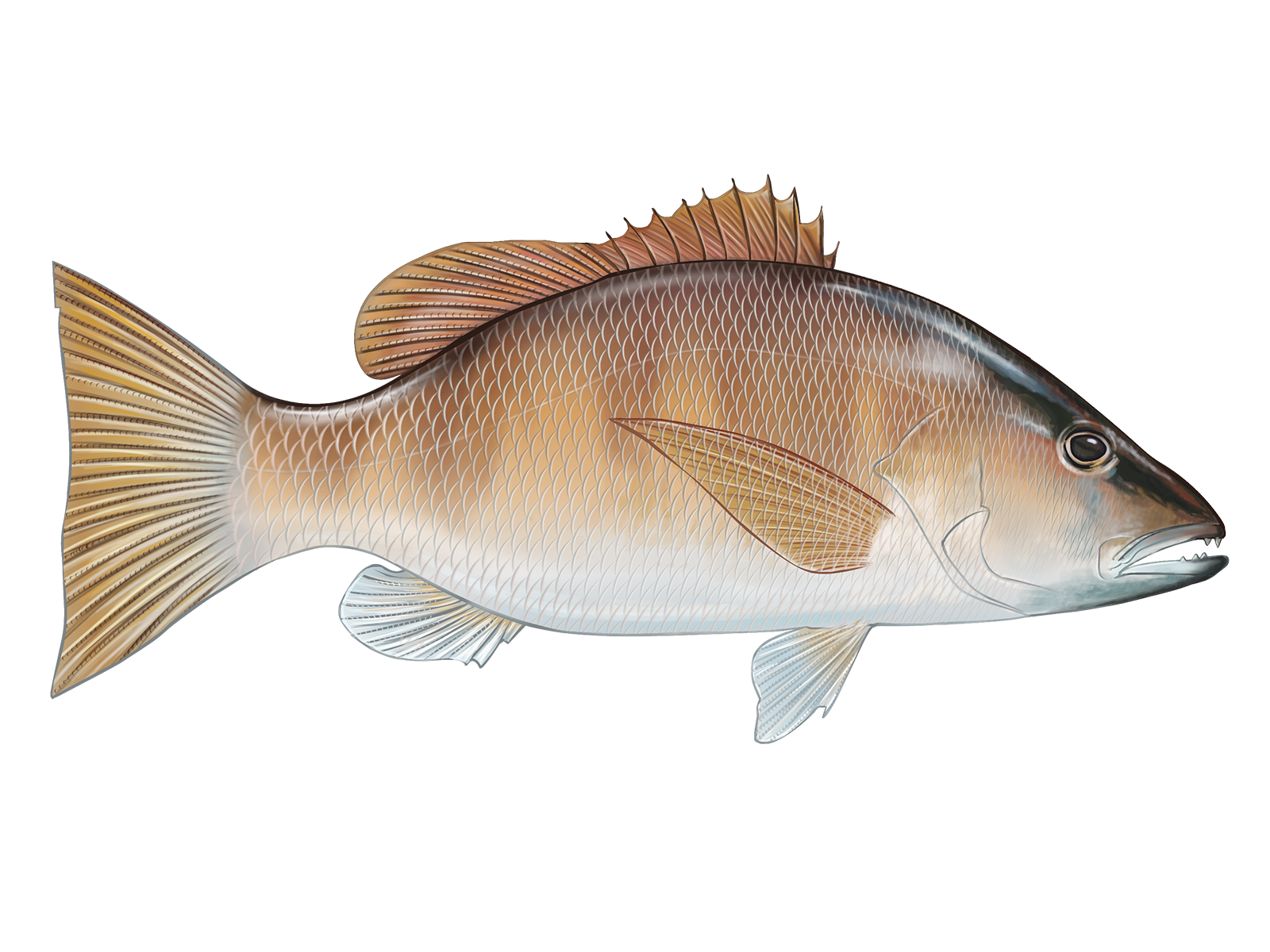



 Half-day inshore charter targeting snook, redfish, and tarpon