8-Hour Offshore Wreck Fishing Adventure
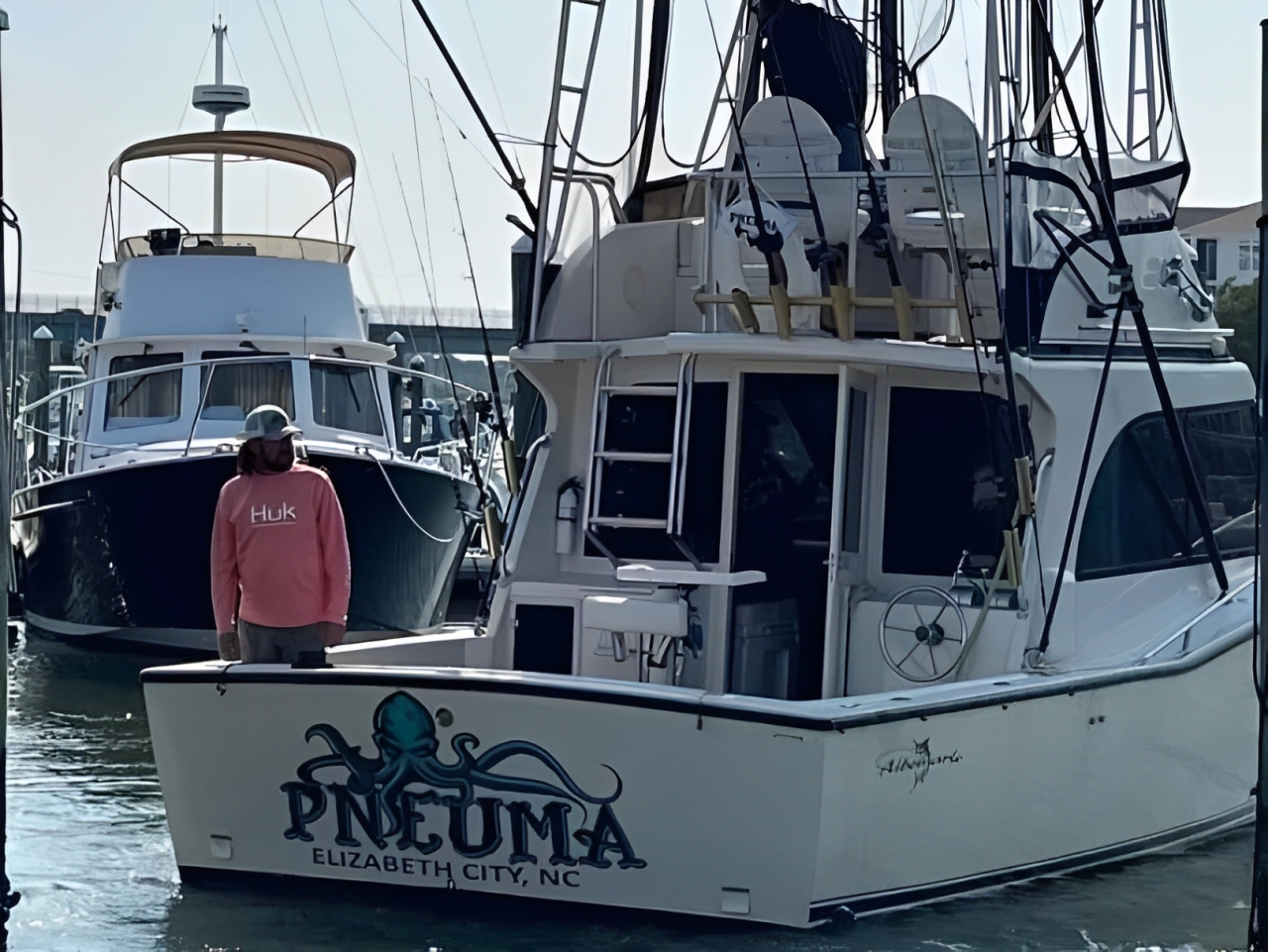
Captain Chuck's offshore wreck fishing trips are built for serious anglers who want to get after the bigger bottom fish that live around structure 40 miles out. This isn't your typical half-day harbor cruise – we're talking about a full 8 to 9 hours on the water aboard a proven 32' Albemarle that's set up specifically for wreck fishing. You'll be targeting trophy-sized amberjack, black sea bass, spadefish, flounder, tautog, and gray triggerfish around some of the most productive wrecks in the area. With room for up to 6 anglers, you get plenty of elbow room and personal attention from both the captain and first mate who know these wrecks inside and out.
What to Expect on the Water
Your day starts early with a run out to the fishing grounds that can take you up to 40 miles offshore – that's where the real action happens on the deeper wrecks that hold the bigger fish. The 32' Albemarle is built for comfort during those longer runs, with a private head onboard so you don't have to worry about bathroom breaks. Captain Chuck has been running these waters for years and knows exactly which wrecks are firing on any given day based on current, weather, and seasonal patterns. The boat comes fully rigged with all the tackle you'll need, from heavy conventional setups for amberjack to lighter rigs for the smaller bottom species. Your first mate will be there to help with everything from baiting hooks to gaffing fish, and they really know their stuff when it comes to reading the electronics and finding fish on structure. The whole crew expects about 8-9 hours of actual fishing time once you factor in travel, so bring snacks and drinks to keep your energy up throughout the day.
Wreck Fishing Techniques
Wreck fishing is all about precision and understanding how fish relate to structure on the bottom. Captain Chuck uses top-of-the-line electronics to locate wrecks and position the boat perfectly so your baits drift down right into the strike zone. The technique varies depending on what species you're targeting – for amberjack, you'll often fish live baits or large jigs right in the water column above the wreck where these aggressive predators cruise looking for an easy meal. Bottom fishing for sea bass, tautog, and triggerfish means dropping baits right down into the wreck itself using enough weight to get through the current and stay in contact with the structure. The first mate will set you up with the right terminal tackle for each spot, whether that's circle hooks for live bait fishing or jig heads for bouncing bottom. Reading your rod tip and feeling the bite through the line becomes critical when you're fishing around structure – you need to react quickly to pull fish away from the wreck before they cut you off on sharp metal or rocks.
Target Species
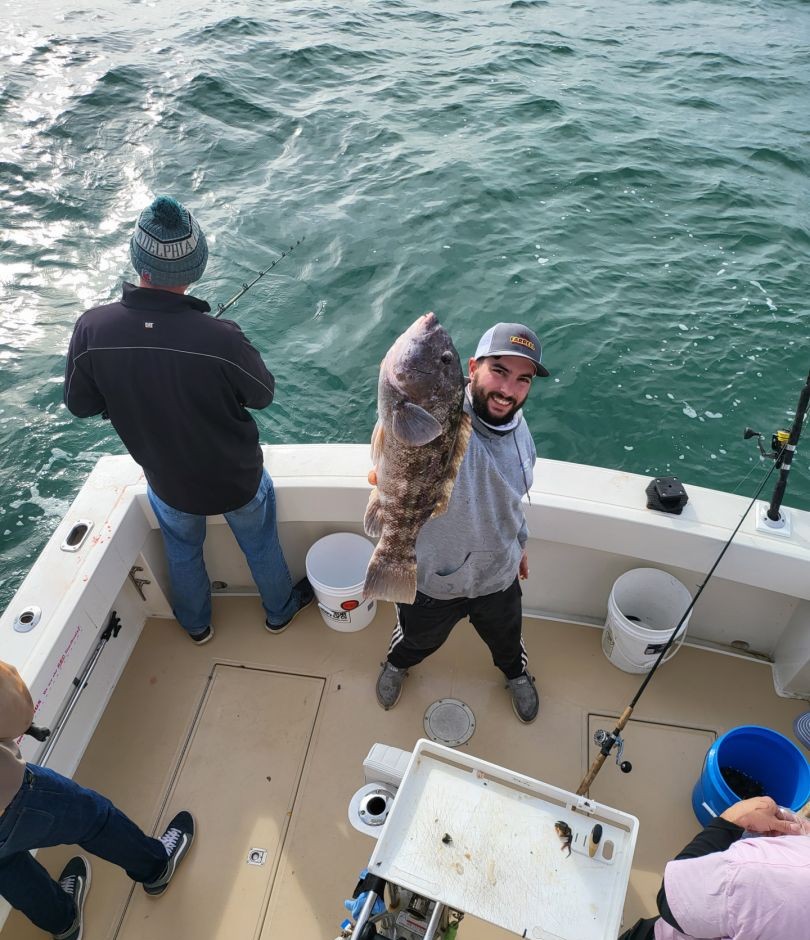
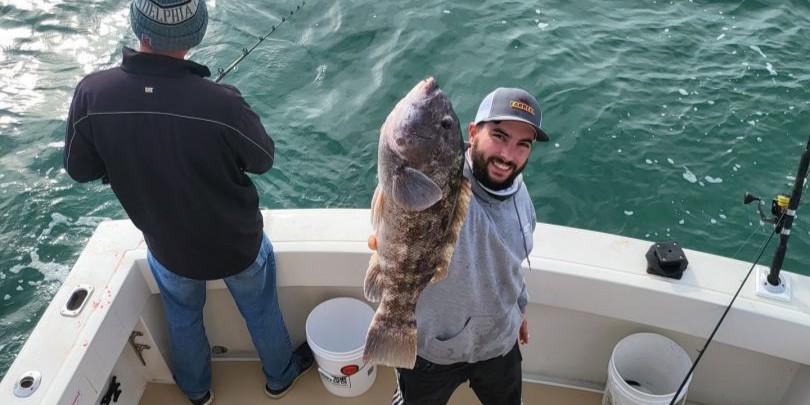
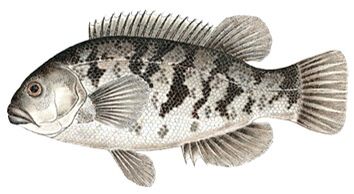
Tautog are one of the most sought-after wreck species because they're absolutely delicious and put up a solid fight on medium tackle. These fish have powerful jaws designed for crushing shellfish, so they'll grab your crab or clam bait and try to get back into their holes in the wreck. You'll feel that distinctive tap-tap bite before they load up the rod with their bulldog pulling power. The best tautog fishing typically happens during cooler months when they're more active and feeding heavily before winter. What makes them so exciting is that you never know if you're going to hook a keeper or a true doormat that could be pushing 8-10 pounds.
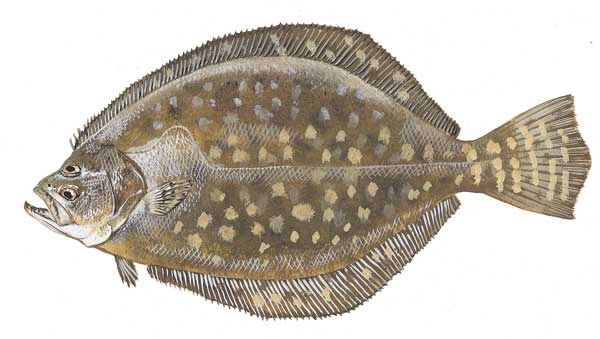
Southern flounder around wrecks behave differently than their shallow water cousins – they tend to be larger and more aggressive since they're feeding on the abundant baitfish that live around structure. These flatfish will often hit moving baits like bucktails tipped with squid or small fish, and their bite feels like you've snagged the bottom until they start shaking their head. Fall and early winter produce the biggest flounder as they prepare for their offshore spawning migration. Landing a 4-5 pound doormat flounder from 100+ feet of water is a real accomplishment that'll have you grinning for days.
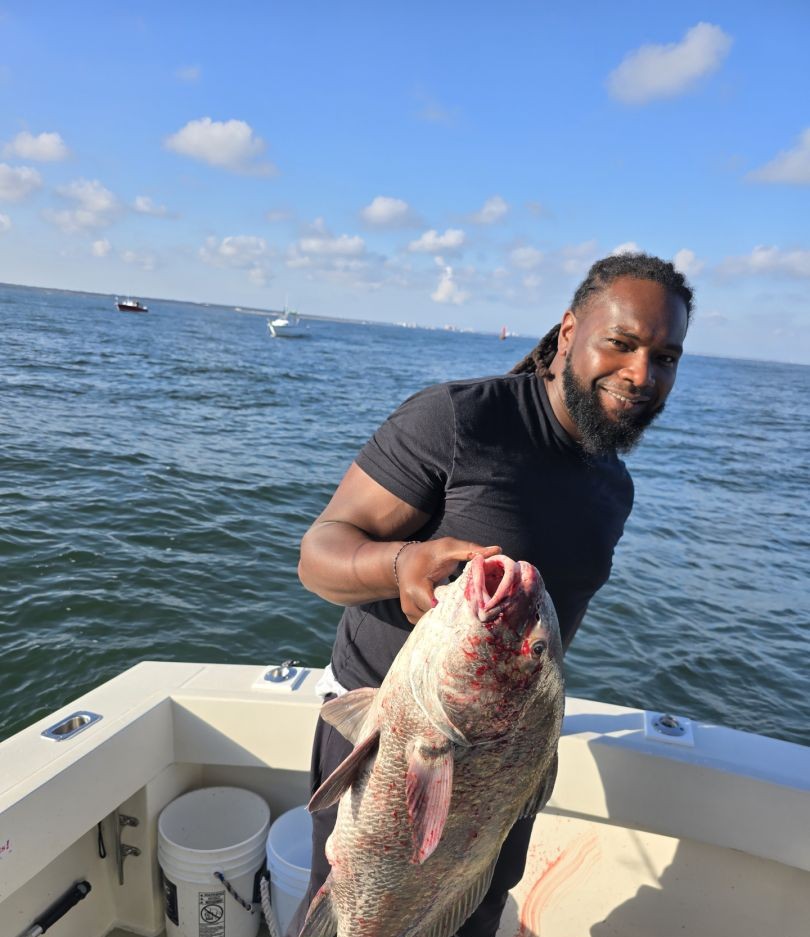
Black sea bass are the bread and butter of wreck fishing – they're abundant, aggressive, and excellent table fare. These fish school up heavily around structure and will often hit baits as soon as they reach the bottom. You'll know you're into a good school when multiple rods start bouncing at once. Sea bass have that classic bottom fish pull with short, powerful runs that test your drag system. The peak season runs from late spring through early fall, and the fish around deeper offshore wrecks tend to be significantly larger than their inshore relatives. A 3-4 pound sea bass is considered a really nice fish, and they're one of the most reliable species you can count on during these offshore trips.
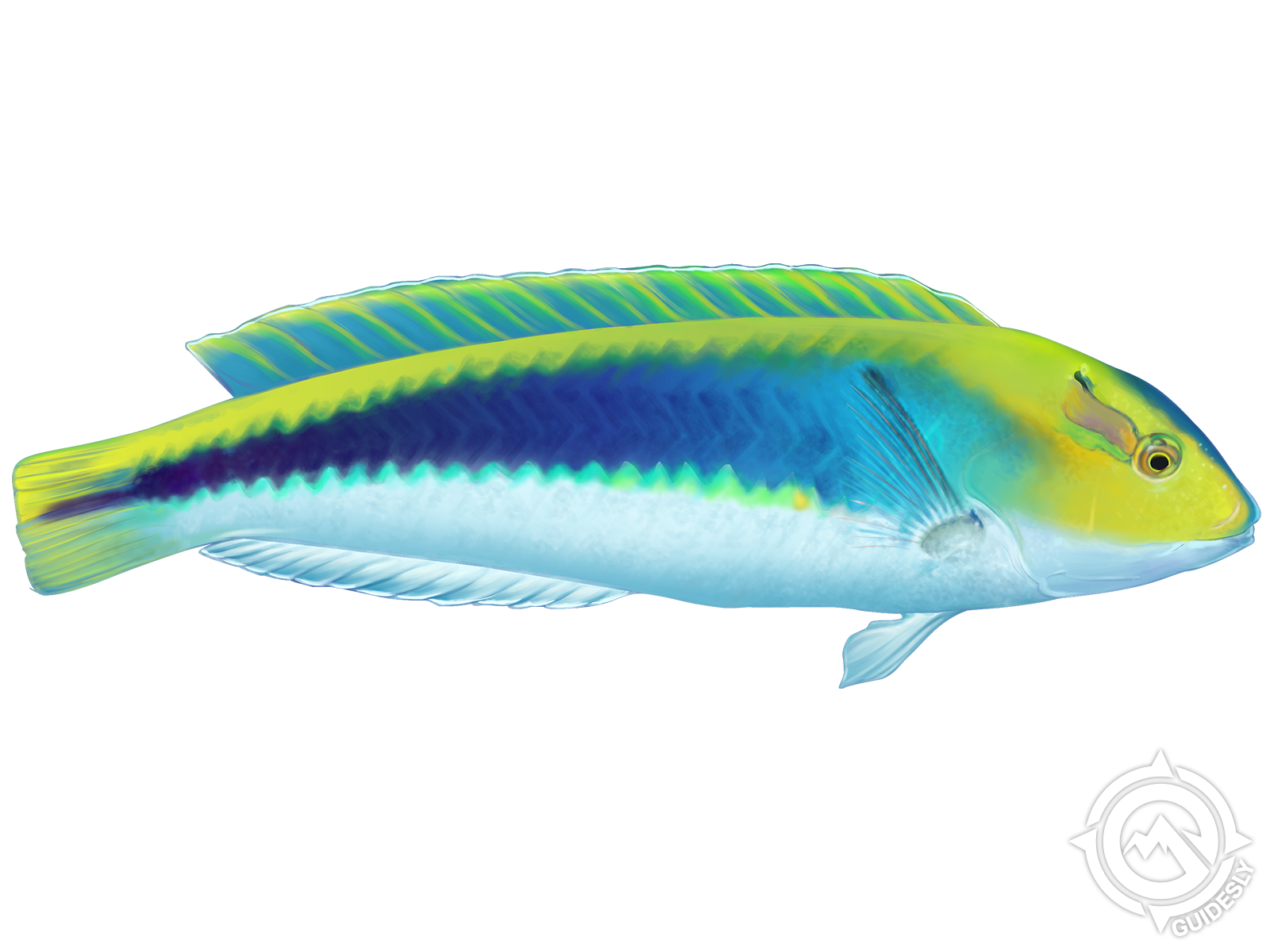
Yellowcheek wrasse are smaller but incredibly colorful fish that add variety to your catch. These tropical-looking fish have vibrant yellow, blue, and pink coloration that makes them stand out in the fish box. They typically bite small baits and fight harder than their size would suggest, making quick darting runs toward the wreck. Yellowcheek wrasse are most active during warmer months and provide steady action when the bigger fish aren't cooperating. While they're on the smaller side, they're still good eating and fun to catch on lighter tackle.
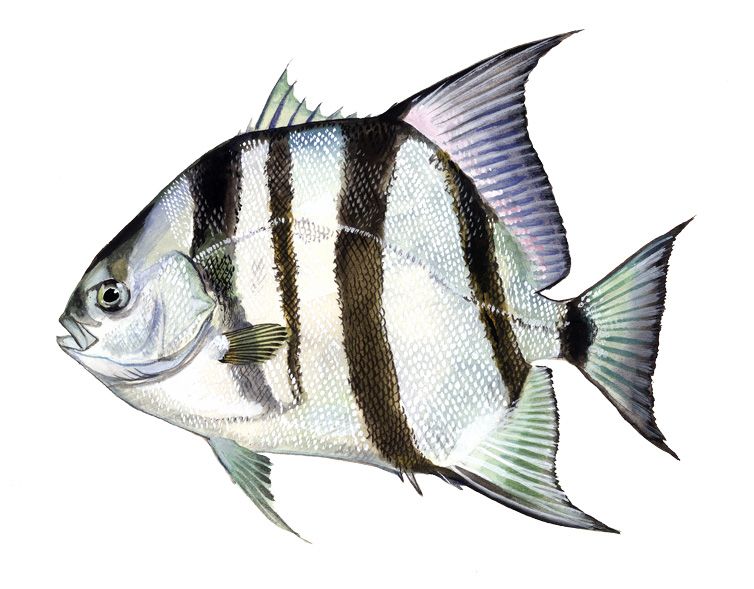
Spadefish are unique wreck residents that look almost like oversized angelfish with their compressed, disc-shaped bodies and bold vertical stripes. They school heavily around tall wrecks and can provide fast action when you locate a good group. These fish prefer small baits and have a delicate bite that requires patience and finesse. Spadefish are most abundant during summer months and tend to feed higher in the water column than other bottom species. They're excellent table fare with firm, white meat, and catching a limit of keeper-sized spadefish is always a highlight of any wreck fishing trip.
Time to Book Your Spot
 Private Trip
 Wrecks/Reefs Fishing
 undefined, undefined
 8-hour offshore wreck fishing up to 40 miles out