NJ Inshore Fishing: 6-Hour Charter Adventure
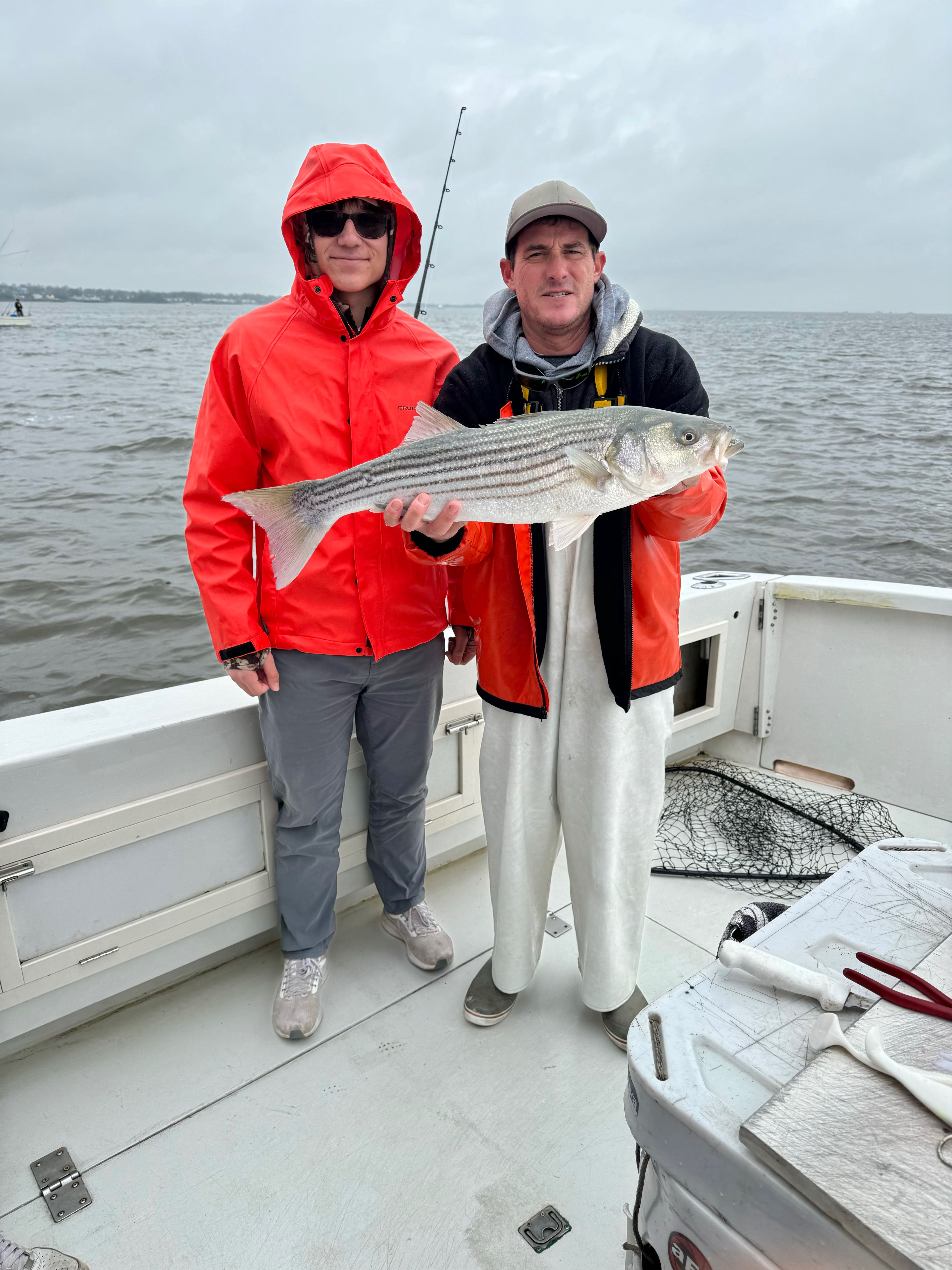
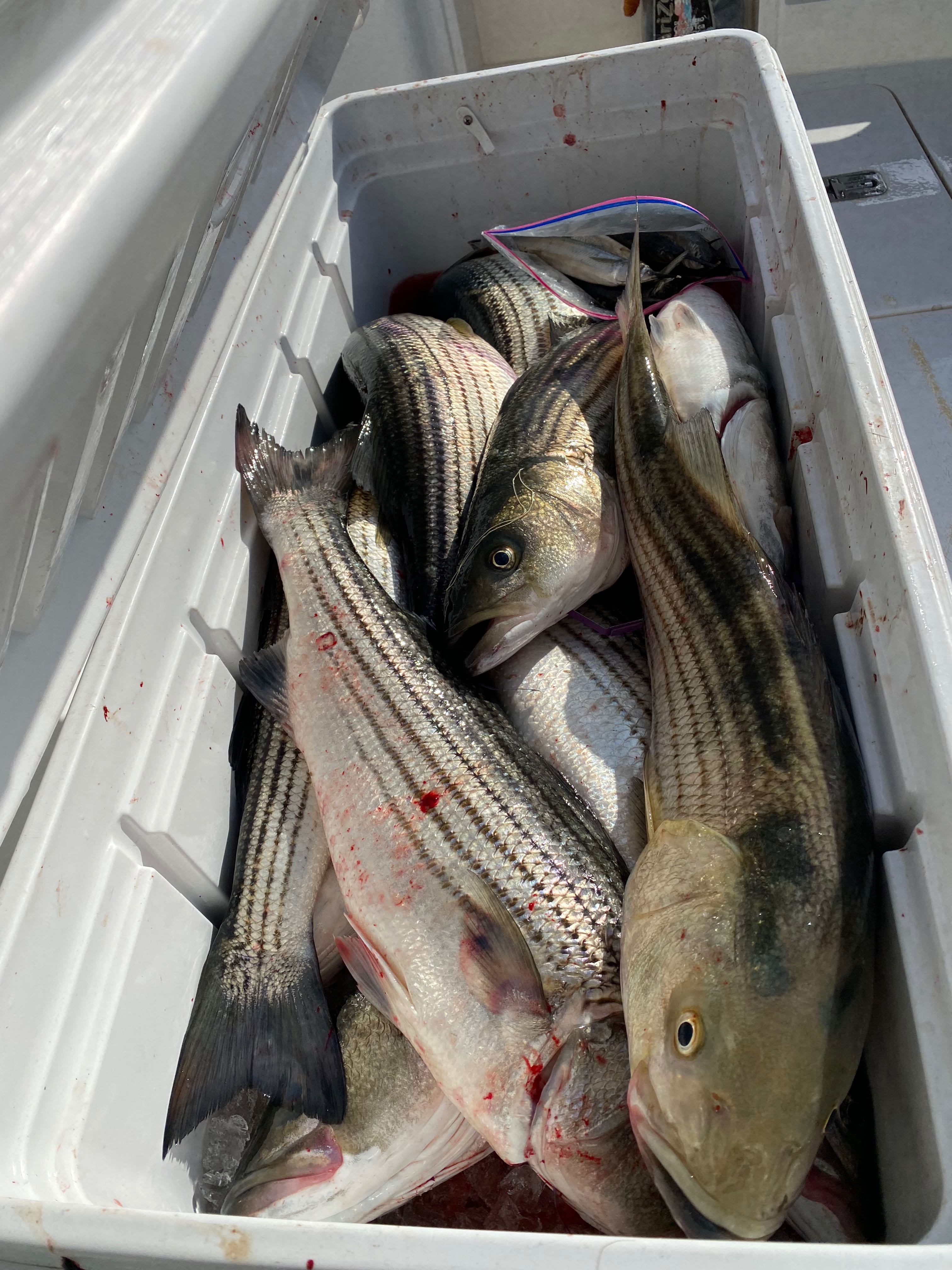
Looking to fill your cooler with fresh seafood while having a blast on the water? Side Job Sportfishing's 6-hour New Jersey inshore charter is exactly what you need. We're talking about a proper fishing trip that puts dinner on your table – think Scup, Black Seabass, Tautog, and Summer Flounder. This isn't some touristy boat ride; it's a genuine fishing experience designed for families and beginners who want to learn the ropes without feeling overwhelmed. With just 6 spots available per trip, you'll get personalized attention and plenty of room to cast your line. The New Jersey coast serves up some of the best inshore fishing on the East Coast, and we know exactly where to find the fish that'll make your day memorable.
What to Expect on the Water
Your 6-hour adventure starts bright and early when we push off from our home port. The beauty of New Jersey inshore fishing lies in the variety – we're not chasing one species all day. Instead, we're working different structures and depths to target whatever's biting best. The trip has a relaxed pace that's perfect for kids and first-timers, but don't mistake that for boring. We're serious about putting fish in the boat. Expect to spend time over rocky bottom for Tautog, hit the sandy flats for Fluke, and work the reefs where Black Seabass like to hang out. The captain knows these waters like the back of his hand, so when conditions change or fish move, we adapt. You'll learn proper bait presentation, how to feel the difference between a bite and bottom structure, and most importantly, how to have fun while doing it. Bring your appetite for learning because by the end of the day, you'll understand why so many folks get hooked on this style of fishing.
Tackle, Bait, and Bottom Fishing
We've got all the gear you need, so don't stress about showing up with a tackle box. Our rods are matched to the fish we're targeting – medium-heavy conventional setups that can handle everything from a keeper Fluke to a chunky Tautog. Most of our fishing happens on or near the bottom, which means we're using sinkers to get down and stay down in the current. You'll be working with circle hooks, which are great for beginners because they're designed to hook fish in the corner of the mouth when you reel steadily instead of trying to set the hook hard. Bait varies depending on what we're after – squid strips for Fluke, green crabs for Tautog, clams for Seabass. The key is learning how to keep your bait near the bottom without getting snagged on rocks or structure. Don't worry if you lose some tackle; it's part of the learning process. We fish the productive reefs, wrecks, and structure that hold fish consistently, and our fish finder helps us stay on top of schools when they're moving. The boat's set up with rod holders and plenty of space to move around, so everyone gets their chance to be in the action.
Top Catches This Season
Summer Flounder, or Fluke as we call them locally, are the crown jewel of New Jersey inshore fishing. These flatfish are ambush predators that bury themselves in sand and mud, waiting for baitfish to swim by. They hit hard and fight smart, using their flat bodies to create maximum resistance against your drag. The best Fluke fishing typically runs from late spring through early fall, with the bigger "doormat" fish often caught in deeper water as summer progresses. What makes Fluke so exciting is you never know if that tap on your line is a throwback or a keeper that'll feed the whole family. They're also some of the best eating fish in the ocean – white, flaky meat that's perfect for everything from fish tacos to a classic fish fry.
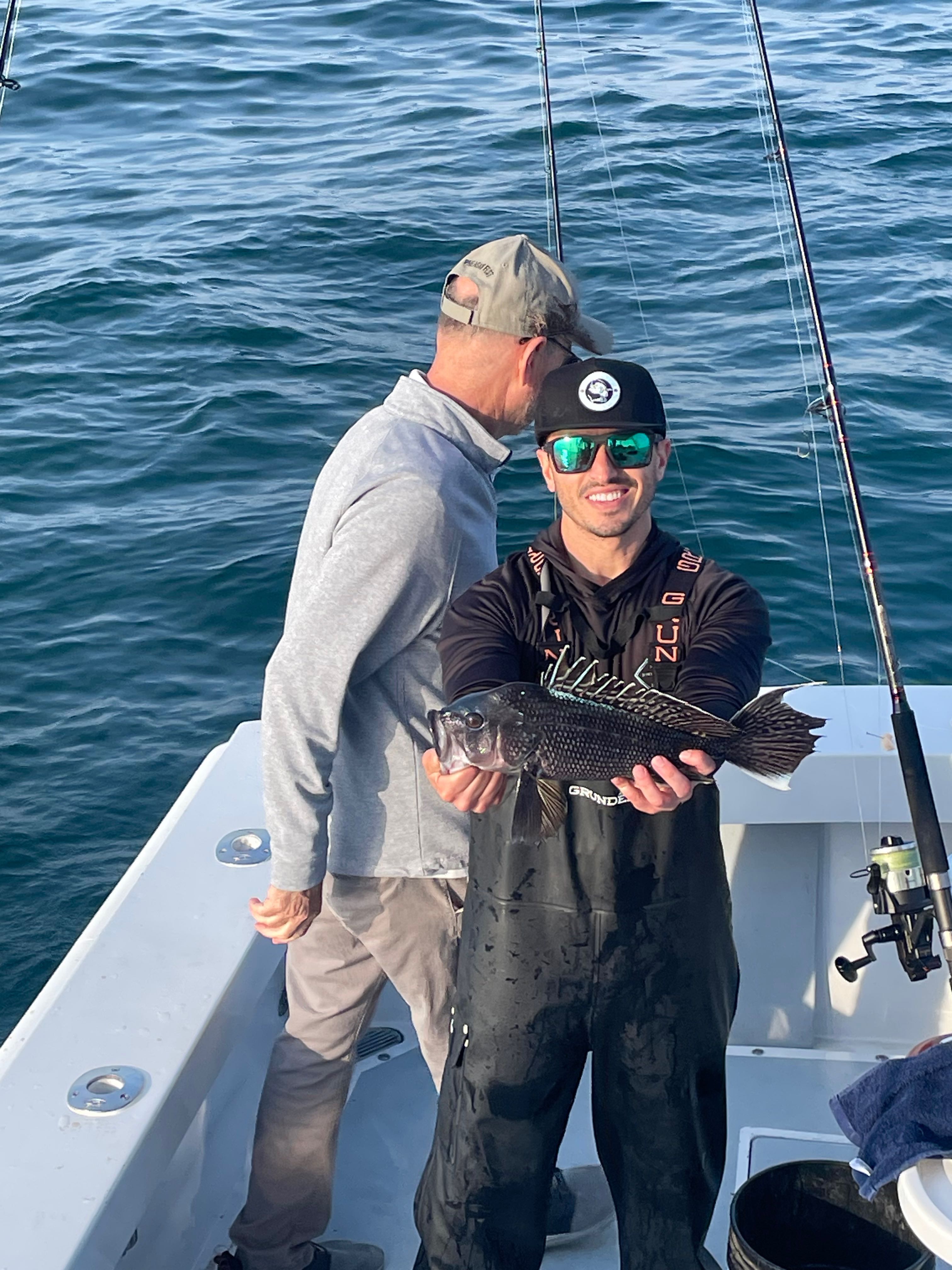
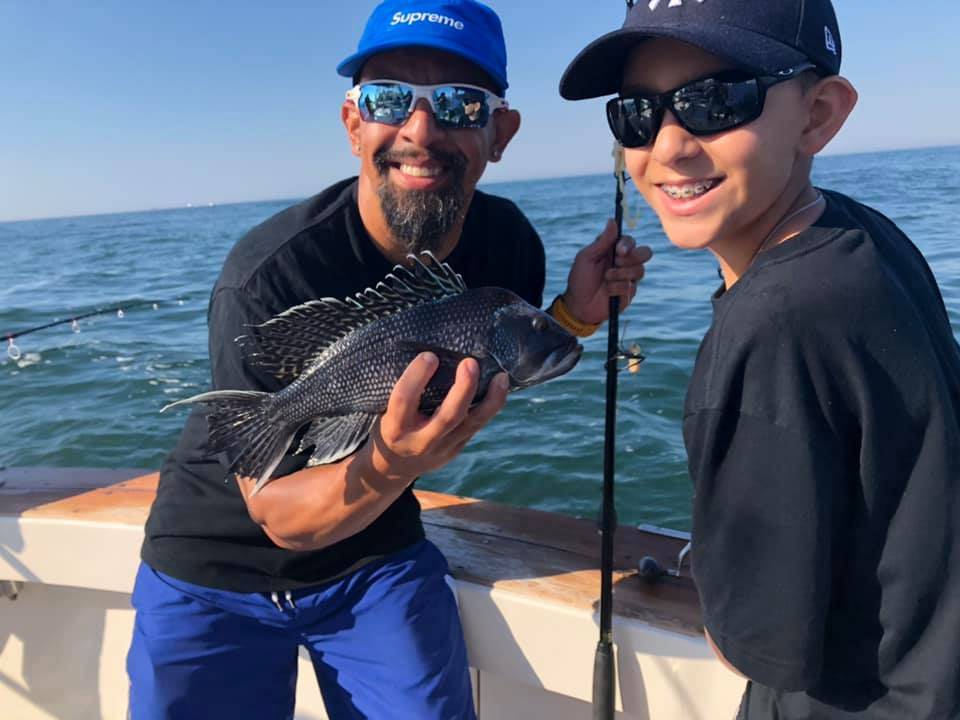
Black Seabass are the workhorses of our trips, and they're always ready to cooperate. These chunky, aggressive fish live around structure like wrecks, reefs, and rocky bottom. They're not particularly large – most keepers run between 12 and 16 inches – but they make up for size with attitude and numbers. Seabass will hit almost any bait you drop down to them, from clam strips to squid to small jigs. Spring and fall tend to produce the best action when they're feeding heavily before and after their summer spawning season. Kids love them because they bite readily and fight hard for their size, plus they're fantastic table fare with firm, sweet meat that's hard to mess up in the kitchen.
Scup, also known as Porgy, might not win any beauty contests, but they're scrappy fighters and excellent eating. These silver fish travel in schools and when you find them, you can usually catch them steadily. They've got small mouths, so we use smaller hooks and baits, but they're aggressive feeders that will compete with each other for your offering. Scup fishing is often fast-paced and exciting, especially for younger anglers who love the constant action. Peak season runs through the warmer months when they move into shallower water to spawn. The meat is similar to Seabass – white, firm, and mild-flavored.
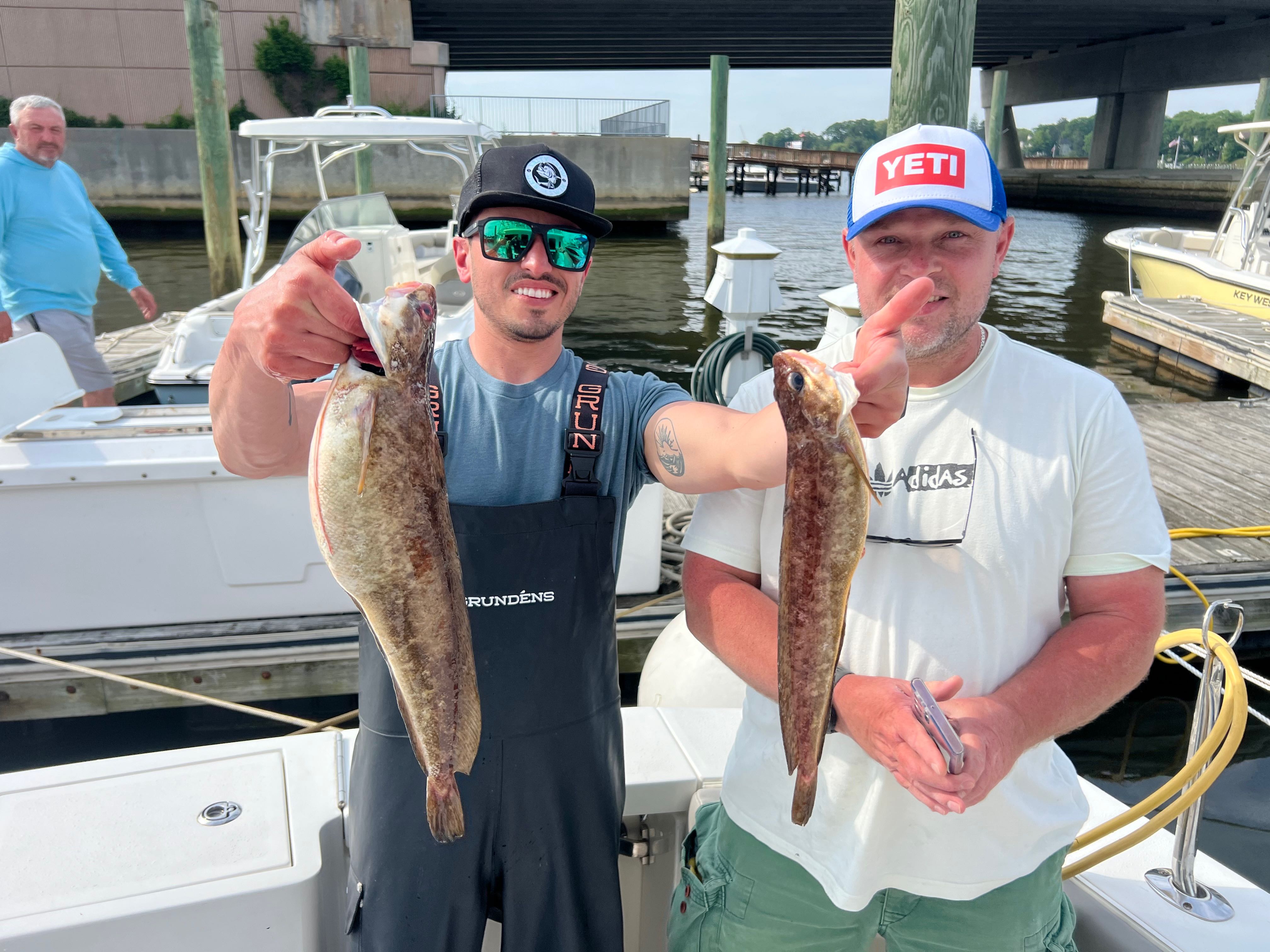
Tautog, or Blackfish, are the bulldogs of the inshore world. These dark, thick-bodied fish live in rocky areas and around structure where they feed on crabs, mussels, and other shellfish. They're notorious bait stealers with powerful jaws designed for crushing shells, so catching them requires patience and technique. Tautog fishing is best in spring and fall when cooler water temperatures make them more active. They're not fast swimmers, but they're incredibly strong and will try to wrap your line around rocks the moment they feel the hook. Many anglers consider them the best eating fish in local waters – the meat is firm, white, and has a almost lobster-like sweetness that makes the effort worth
 Private Trip
 Inshore Fishing
 Belmar, NJ
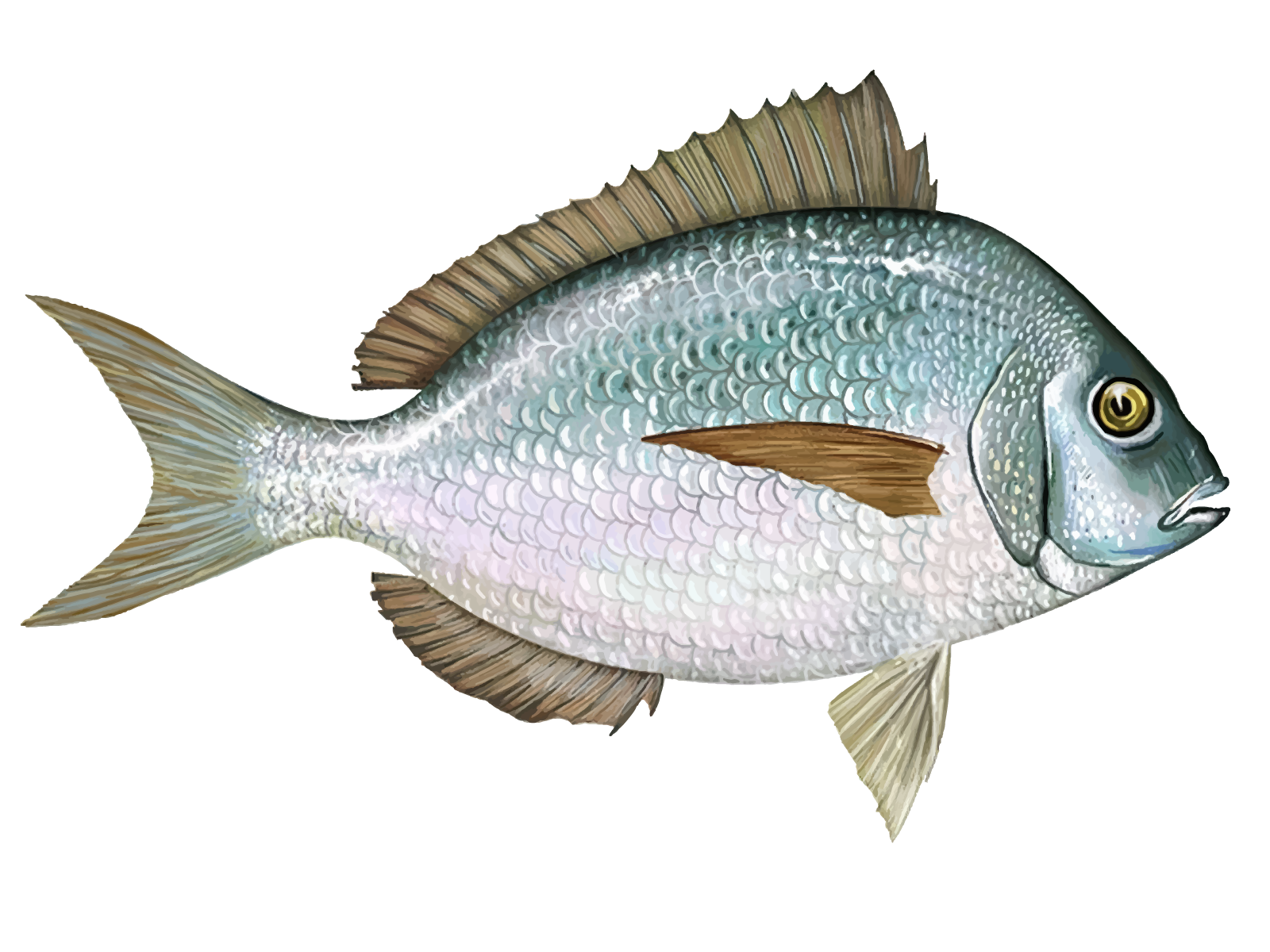
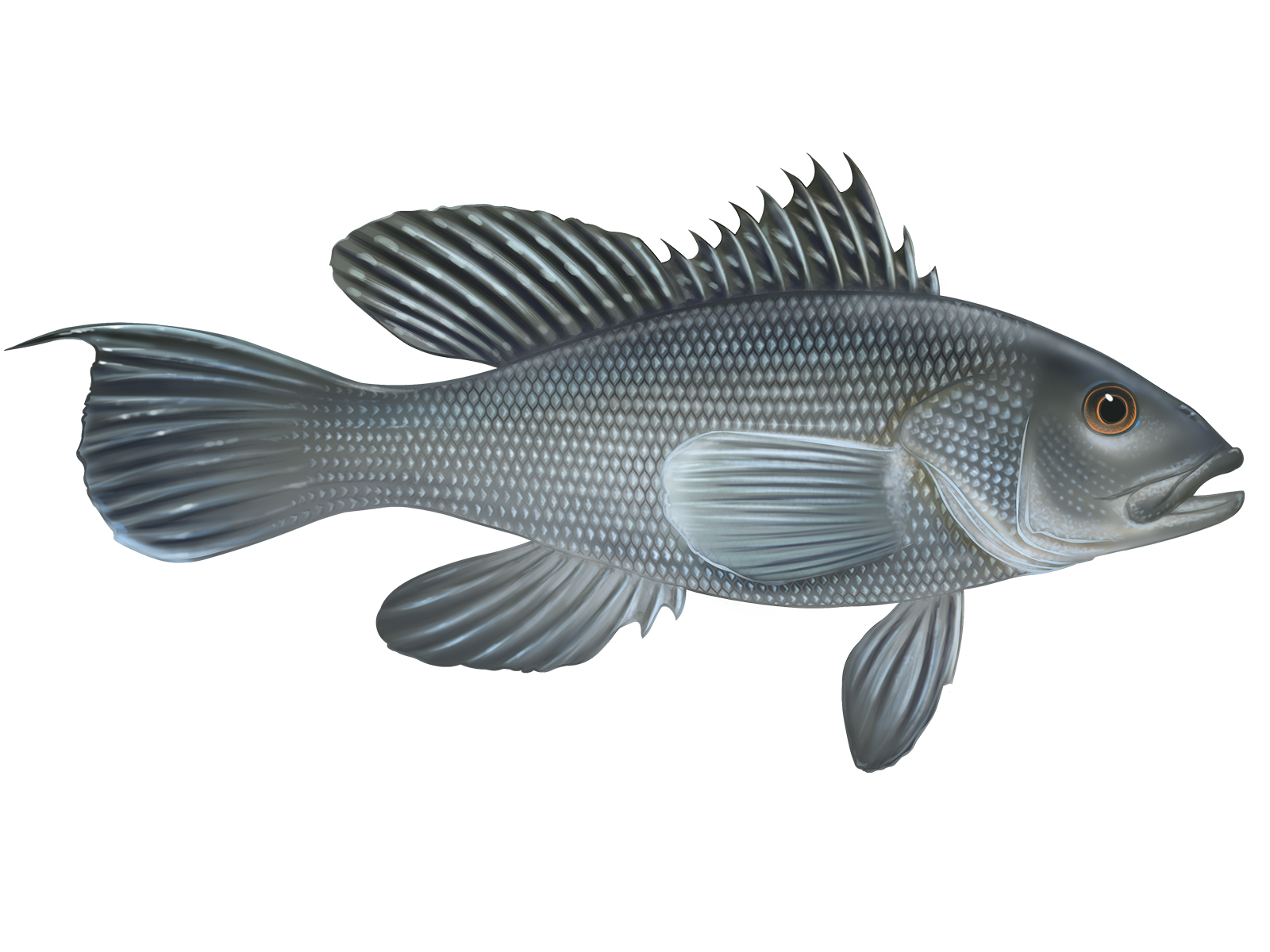

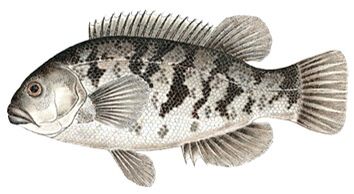
 Six-hour inshore charter targets Scup, Black Seabass, Tautog, and Fluke.