Everglades Backcountry Fishing Adventure
The Everglades backcountry isn't just another fishing spot – it's a maze of shallow flats, mangrove creeks, and pristine waters where world-class gamefish roam free. Our private full-day charter takes you deep into this legendary fishery, where the early morning mist lifts off the water and the fish are hungry. Starting at 7 AM, we'll spend the entire day exploring waters that most anglers only dream about. This isn't a crowded party boat situation – it's just you, up to two buddies, and me navigating the best fishing grounds in one of America's most famous national parks.
What to Expect on the Water
We launch before the crowds hit the water, giving us first crack at the prime spots. The Everglades backcountry is a different beast – shallow water fishing where stealth and precision matter more than power. You'll be sight fishing crystal-clear flats one minute, then working mangrove shorelines the next. The diversity here is what keeps me coming back after all these years. We're talking about a fishery where you might hook a 100-pound tarpon in the morning and finesse sea trout over grass beds by afternoon. The scenery changes constantly too – from wide open bays where you can see for miles to tight creeks where the mangroves form tunnels overhead. Every turn reveals something new, whether it's a school of redfish tailing in skinny water or a massive tarpon rolling on the surface.
Gear Setup & Techniques
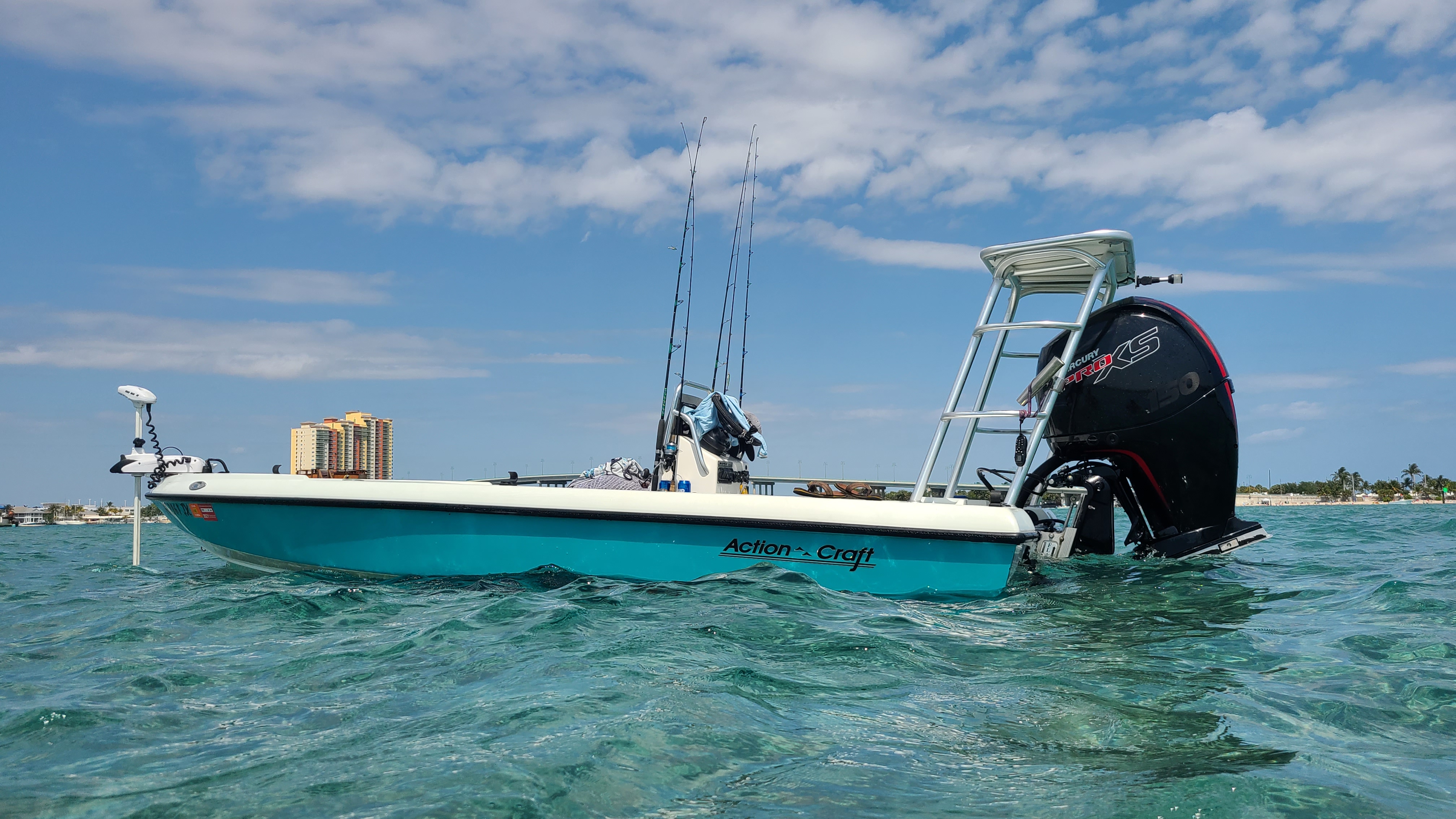
We'll be running light to medium tackle depending on what we're targeting – spinning gear loaded with 15-20 pound braid for most situations, with fluorocarbon leaders to stay invisible in these gin-clear waters. The techniques vary with the conditions and species, but expect plenty of sight fishing with live bait, artificial lures, and flies if that's your style. Shallow water fishing requires finesse, so we'll be using everything from topwater plugs at first light to soft plastics bounced along the bottom structure. The boat is rigged with a shallow draft hull and poling platform, letting us access areas where bigger boats can't go. I keep the live well stocked with pilchards, pinfish, and shrimp – the Everglades fish can't resist the real thing. We'll also throw plenty of artificials including DOA shrimp, spoons, and topwater baits that drive these fish crazy when worked properly.
Species You'll Want to Hook
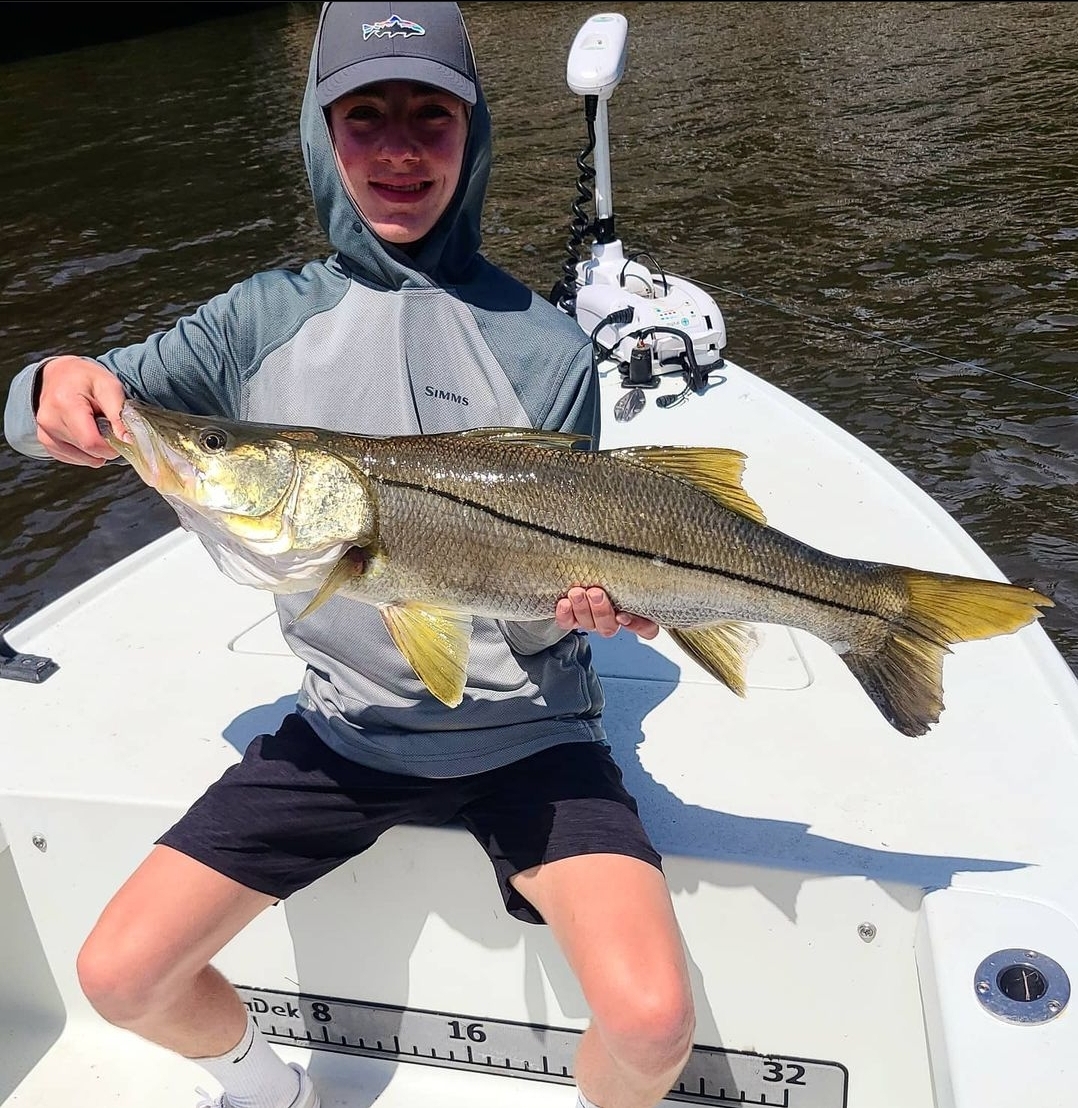
Snook are the bread and butter of Everglades fishing, and these ambush predators love the structure-rich environment here. They hang around mangrove roots, downed trees, and oyster bars, waiting to crush anything that swims by. Peak season runs from spring through fall, with fish ranging from schoolie-sized to true trophy snook pushing 15-20 pounds. What makes snook so addictive is their attitude – they hit hard, jump like tarpon, and fight dirty by trying to wrap you around every piece of structure in sight. The key is getting your bait right to their hideouts without spooking them.
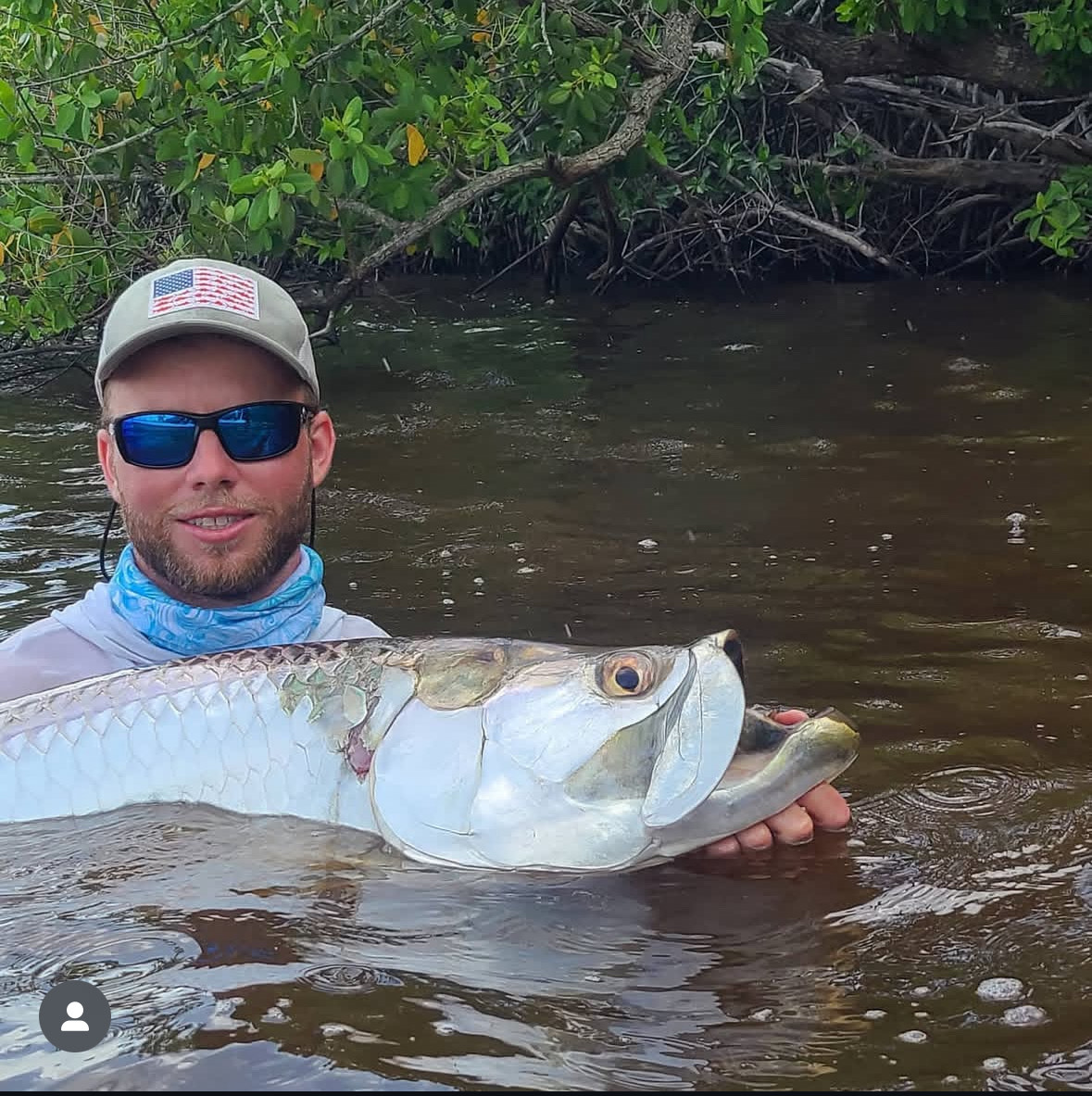
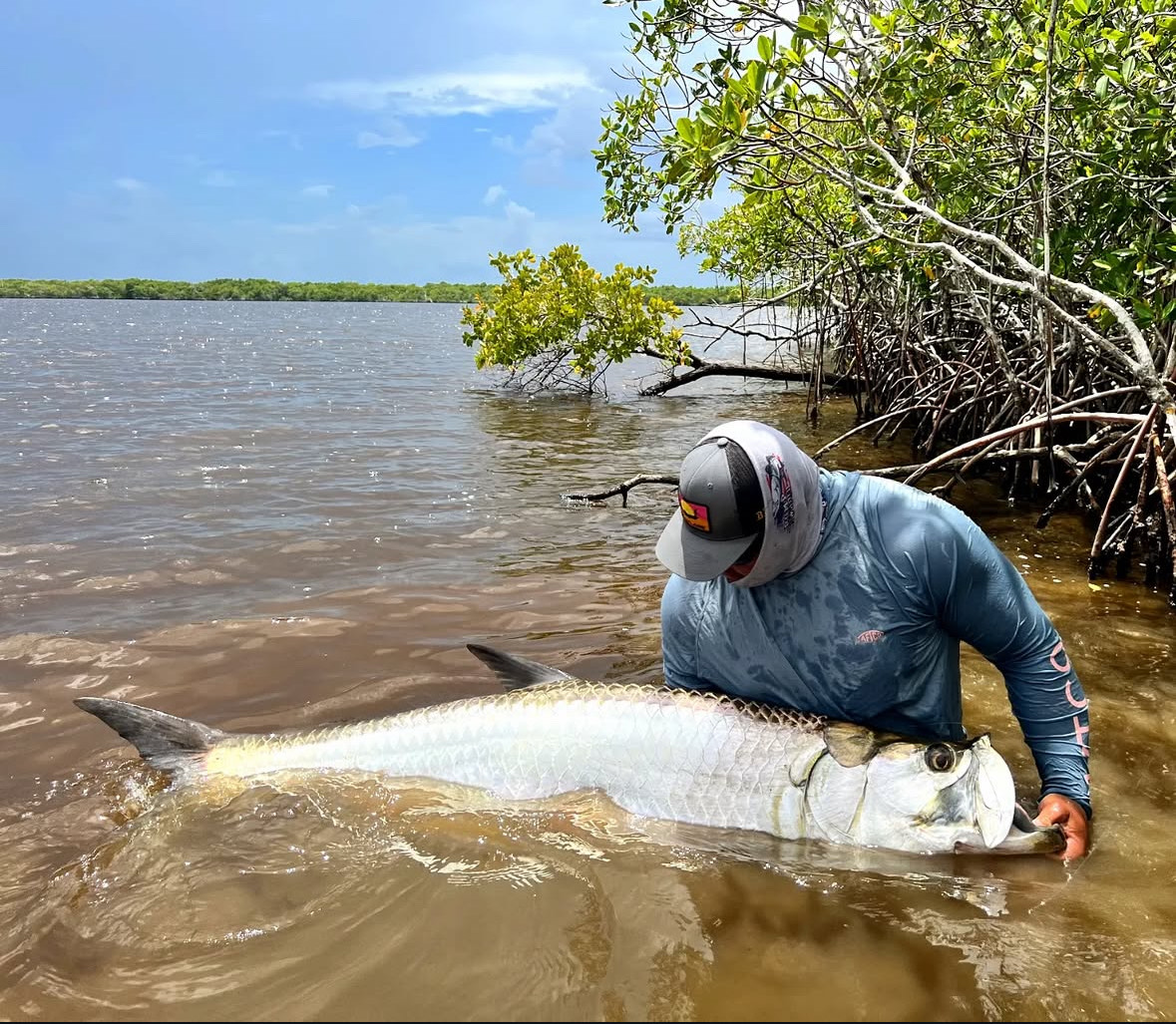
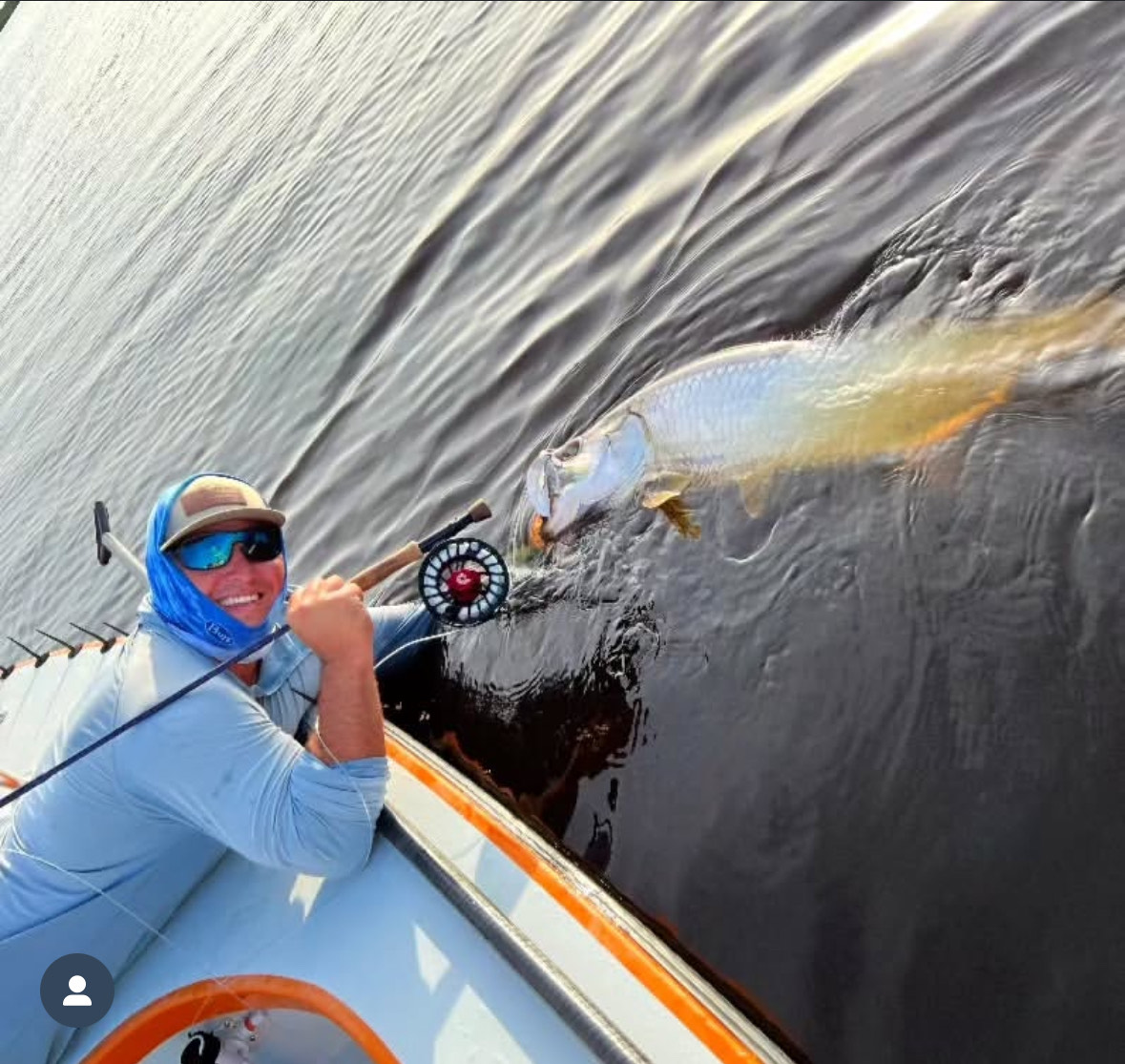
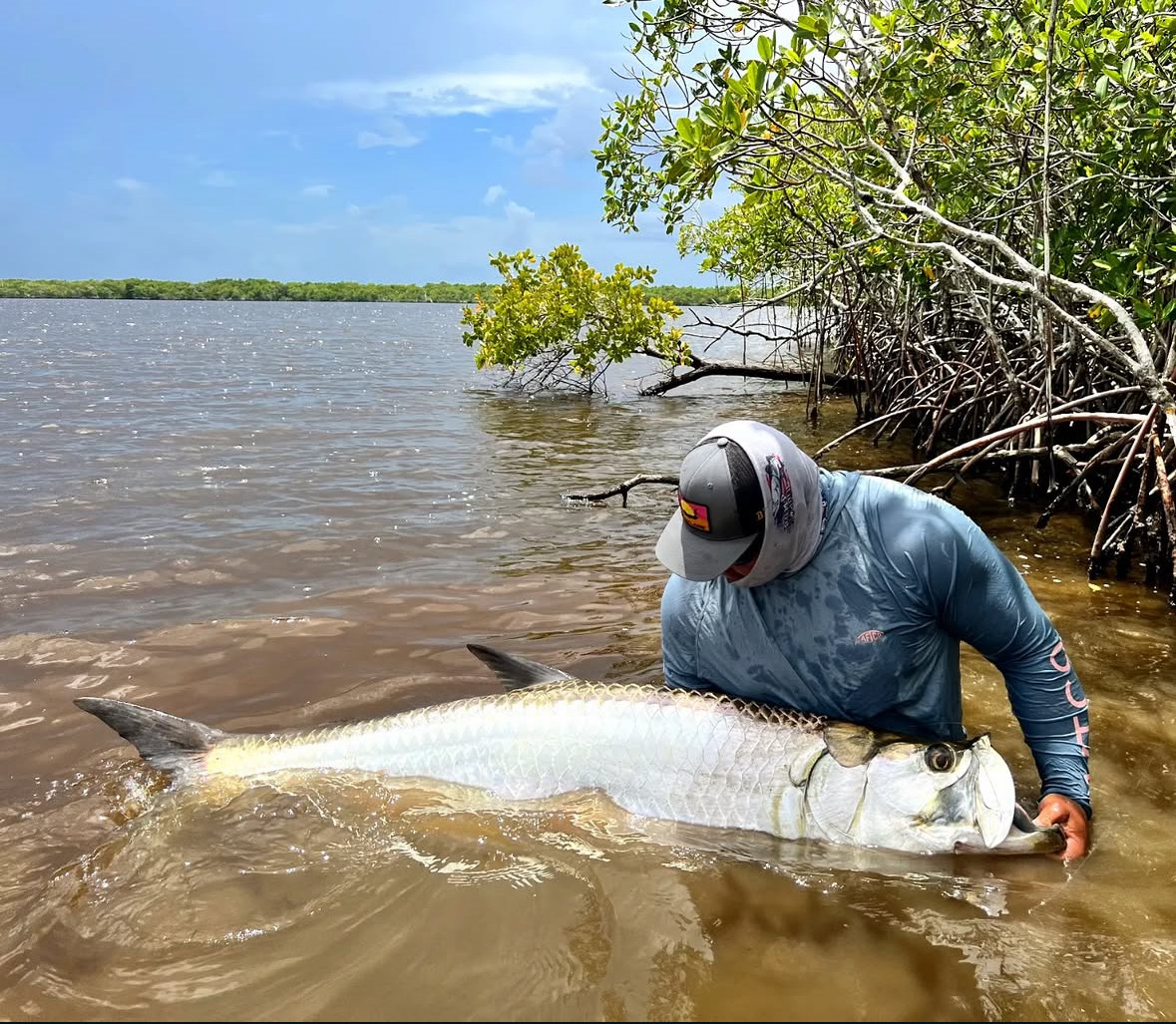
Tarpon fishing in the Everglades is legendary, and for good reason. These silver kings range from juvenile fish in the 20-50 pound class to absolute giants over 100 pounds. Spring and summer bring the best action, especially during the warmer months when they're most active. Hooking a tarpon is just the beginning – they'll jump repeatedly, often clearing the water completely, testing your drag and your nerves. The backcountry fish tend to be more aggressive than their ocean cousins, probably because they see fewer lures and live in a more food-rich environment.
Sea trout might not have the glamour of tarpon, but they're fantastic table fare and willing biters year-round. The Everglades holds some true gator trout – fish over 20 inches that most anglers never see. They love the grass flats and deeper holes, especially during cooler months when they school up. What's great about targeting trout is the consistency – when you find them, you usually find plenty. They're also perfect for lighter tackle, making every fish feel bigger than it is.
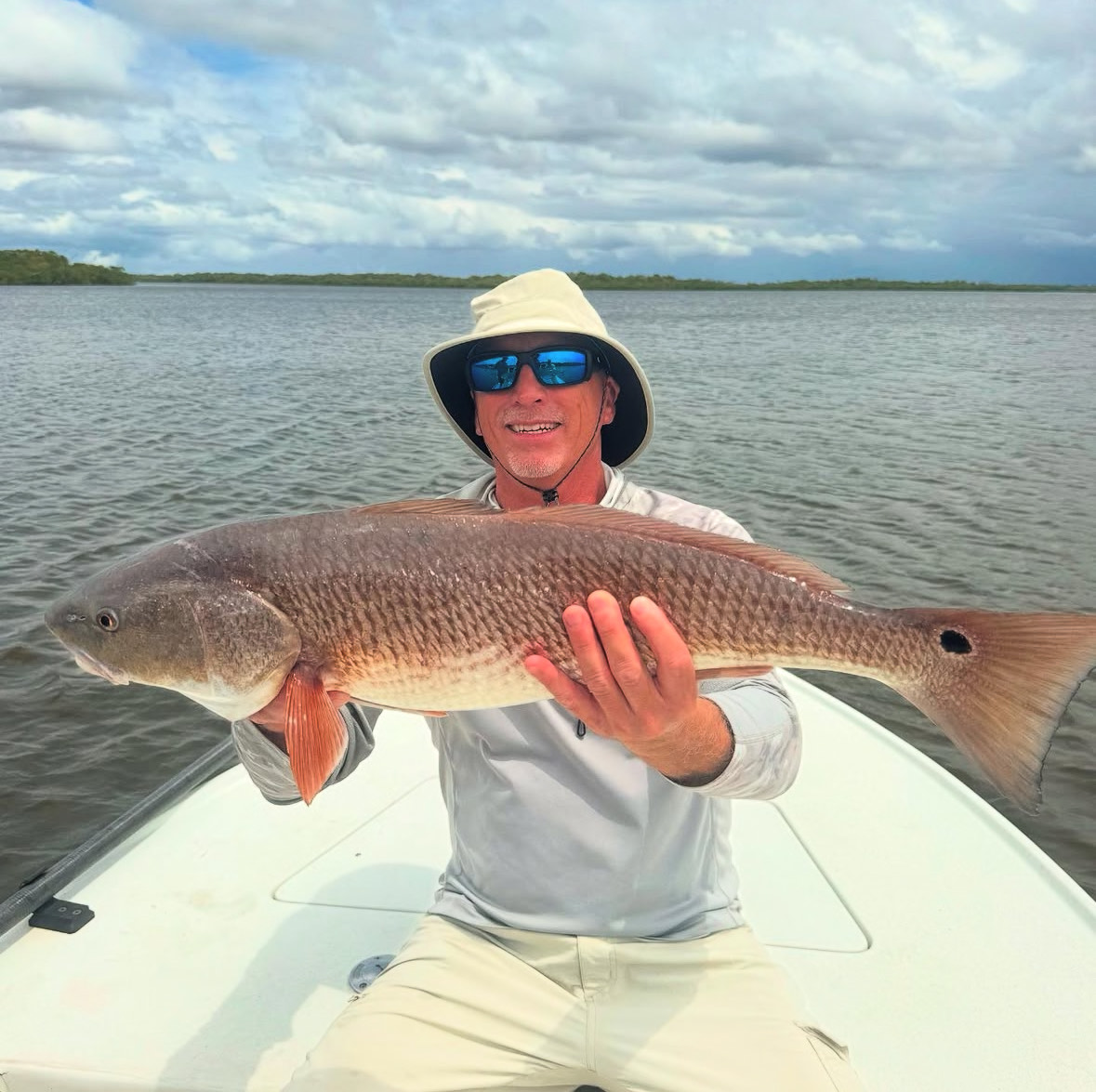
Redfish are the ultimate sight fishing target in these waters. Watching a school of reds cruise the flats in skinny water, their backs and tails breaking the surface, gets every angler's heart pumping. The Everglades reds are healthy, copper-colored fish that average 18-27 inches, with plenty of oversized bulls mixed in. Fall and winter bring the best action as they school up in larger numbers. These fish are smart and spooky in shallow water, so accurate casting and quiet approaches are essential.
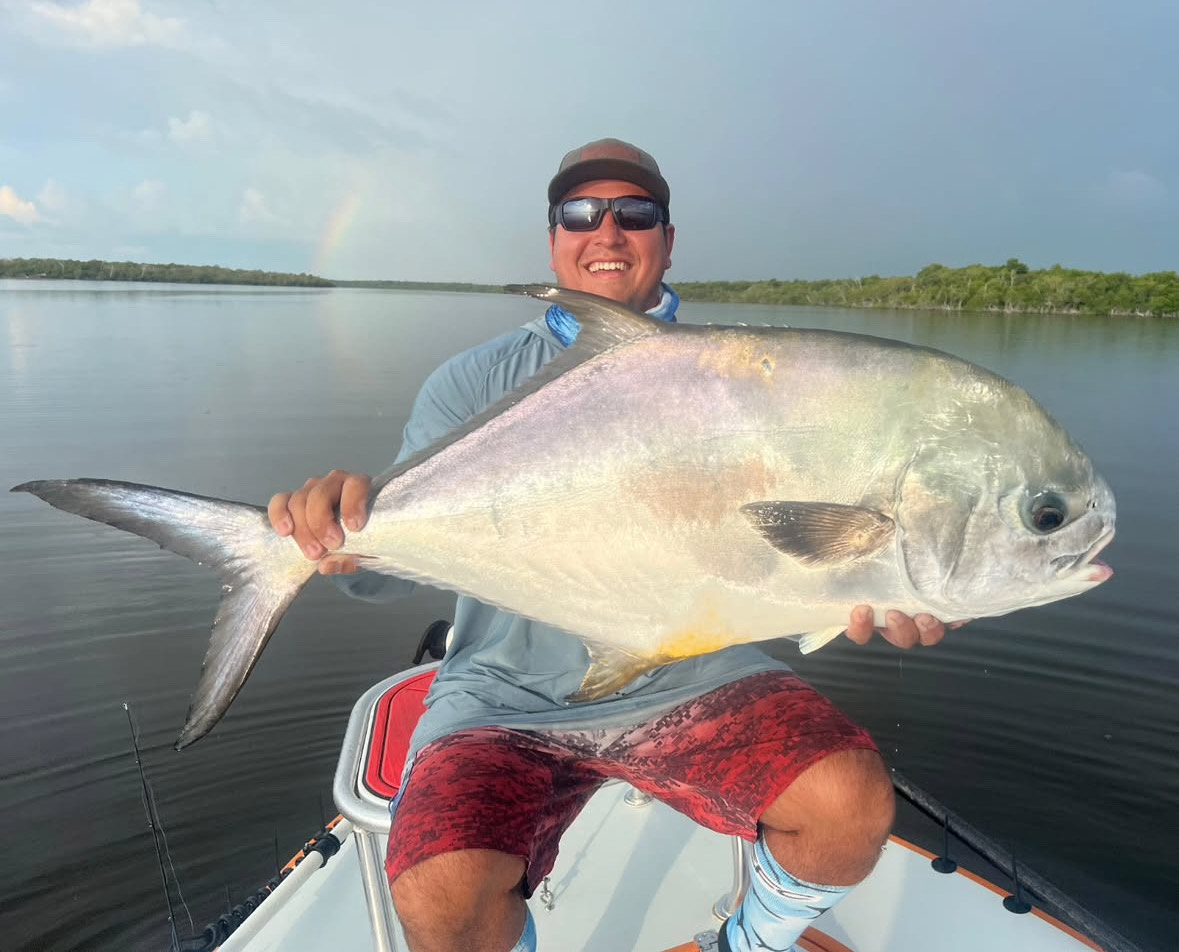
Tripletail are the bonus fish that make Everglades trips special. These oddball fighters look like floating leaves until they turn sideways and show their true size. They hang around crab trap floats, markers, and any floating debris, ambushing smaller fish. When hooked, they're scrappy fighters that use their broad sides to leverage against your drag. Finding tripletail requires patience and sharp eyes, but landing one always feels like winning the lottery.
Time to Book Your Spot
The Everglades backcountry delivers fishing experiences you won't find anywhere else. This is world-class angling in a setting that's remained virtually unchanged for centuries. Every trip is different because the fish, tides, and conditions are constantly shifting. What stays consistent is the quality of fishing and the memories you'll take home. Whether you're chasing your first tarpon, looking to sight cast to redfish, or just want to experience one of America's premier fishing destinations, this trip delivers. The early start time means we maximize our productive hours on the water, and the private boat setup ensures you get personalized attention and access to the best spots. Book now and see why anglers travel from around the world to fish these legendary waters.
 Private Trip
 Backcountry Fishing
 undefined, undefined


 Full-day private fishing charter in Everglades backcountry waters