Extended Half Day Fishing Trip in New Jersey
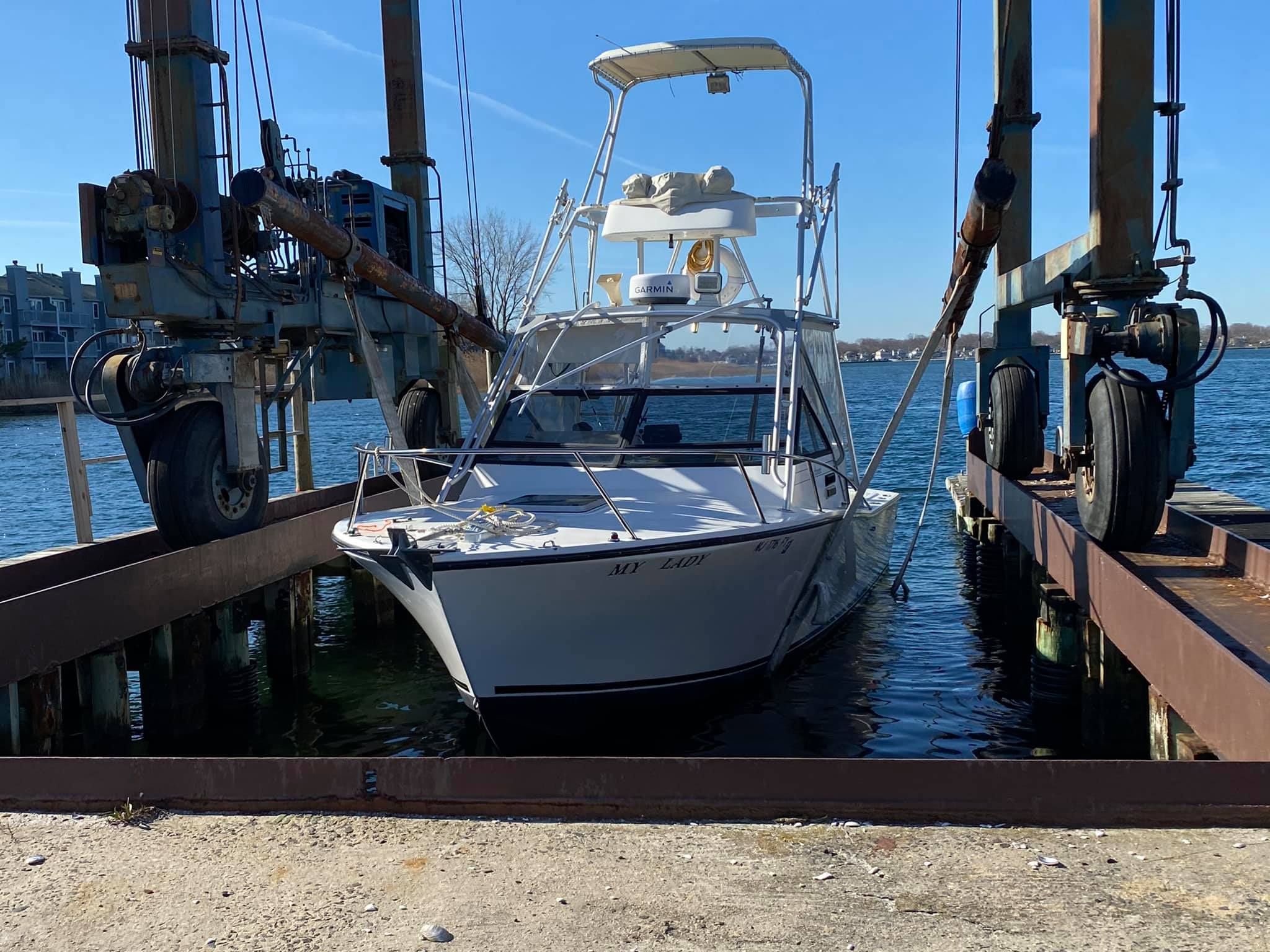
Captain Robbie Siciliano knows these Neptune City waters like the back of his hand, and he's ready to put you on some serious fish. This 6-hour inshore adventure aboard the Smokin Reel gives you plenty of time to work the productive waters off New Jersey's coast without committing to a full day. Whether you're bringing the family for their first fishing trip or you're a seasoned angler looking to add some variety to your logbook, this extended half-day trip hits that sweet spot. You'll launch from 301 W Concourse and spend your morning targeting everything from hefty stripers to tasty summer flounder, all while learning the local techniques that make these waters so productive.
What to Expect on the Water
The Smokin Reel comfortably handles up to six anglers, so you won't be elbow-to-elbow fighting for rail space. Captain Robbie keeps things relaxed but focused – he'll have you rigged up and fishing within minutes of clearing the inlet. The boat's equipped with everything you need, from rods and reels to tackle and bait, so you can show up empty-handed if you want. These inshore waters offer incredible variety, and that's what makes this trip special. One minute you might be bouncing bucktails for fluke in 20 feet of water, the next you could be live-lining bunker for stripers along a rocky drop-off. The captain reads the conditions and adjusts tactics accordingly, which means you're always fishing smart, not just fishing hard. Expect to cover different bottom types and structures throughout the trip – sandy flats where flounder cruise, rocky areas that hold sea bass, and current edges where blues and stripers hunt baitfish.
Techniques & Tackle Breakdown
This isn't a one-trick-pony kind of trip. Captain Robbie runs a mixed bag approach that keeps things interesting and productive. You'll likely start with bottom fishing using conventional rods loaded with circle hooks – perfect for sea bass and scup around structure. The captain stocks plenty of clams, squid, and fresh bait to keep the fish interested. When the fluke bite is on, you'll switch to drift fishing with bucktail jigs tipped with gulp or fresh bait, working the sandy bottom in a systematic pattern. For stripers and blues, expect to throw everything from topwater plugs during dawn hours to live eels if conditions call for it. The tackle is sized right for the fish you're targeting – medium-heavy spinning and conventional setups that can handle anything from 2-pound scup to 30-pound stripers. Captain Robbie's not just going to hand you a rod and point – he'll show you how to work your baits, read your rod tip, and set the hook properly. These techniques work because they match what the fish are doing naturally in these productive New Jersey waters.
Customer Stories
"We caught some huge fish. The crew was very very good" - Thomas
Species You'll Want to Hook
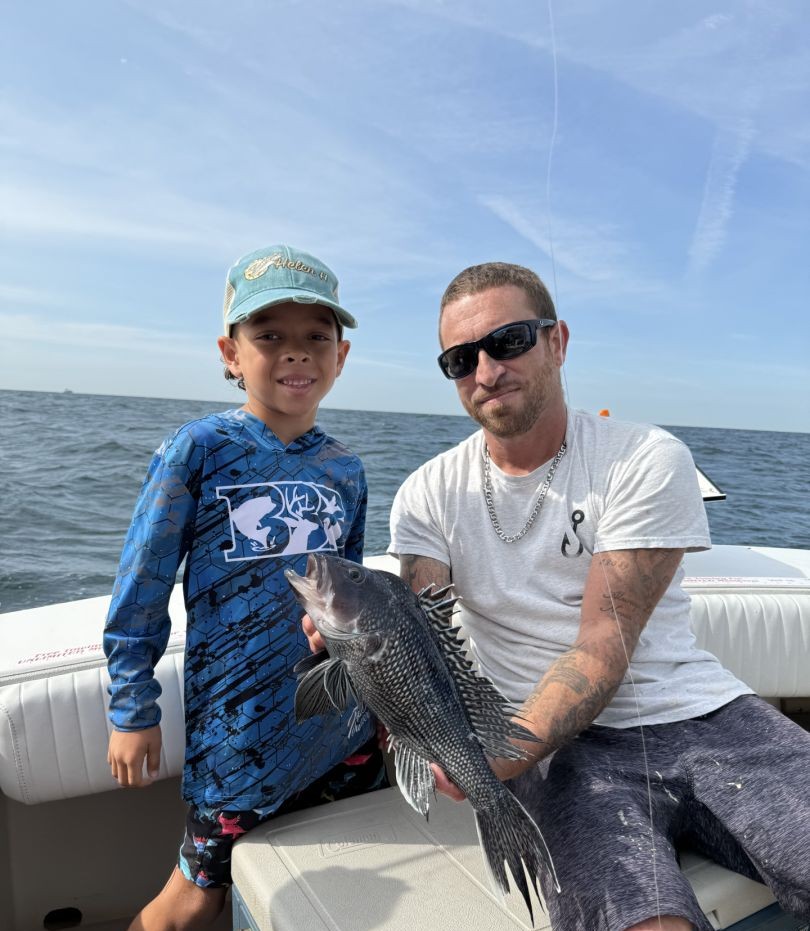
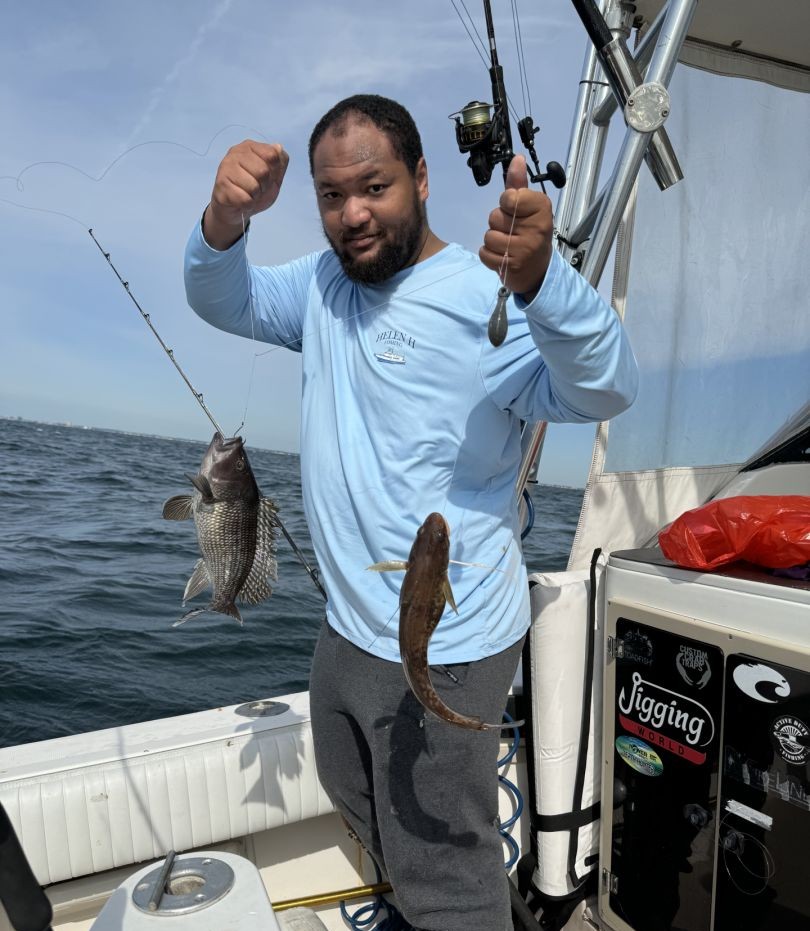
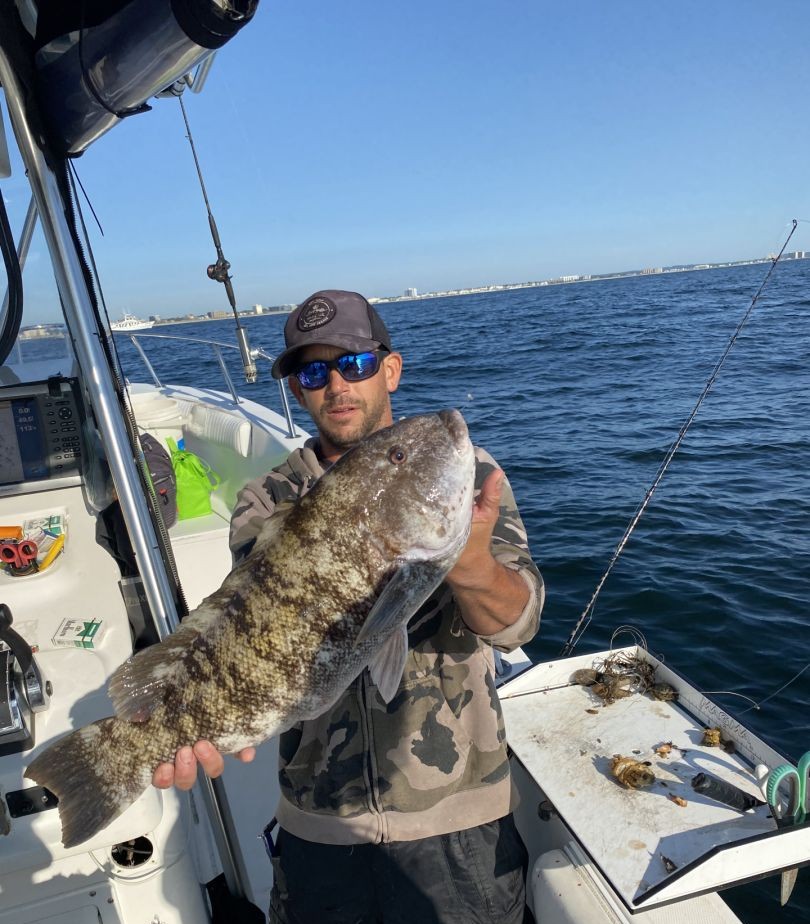
Black Sea Bass are the bread and butter of this fishery, especially from late spring through early fall. These chunky fighters love structure – wrecks, reefs, and rocky bottom where they can ambush crabs and small fish. They're not the fastest fish in the ocean, but they make up for it with pure bulldog strength, diving straight down when hooked. Most range from 2 to 5 pounds, but keeper-sized fish over the 15-inch minimum put up a solid fight on appropriate tackle. What makes sea bass so popular is they're cooperative biters when you find them, and they're absolutely delicious on the dinner table.
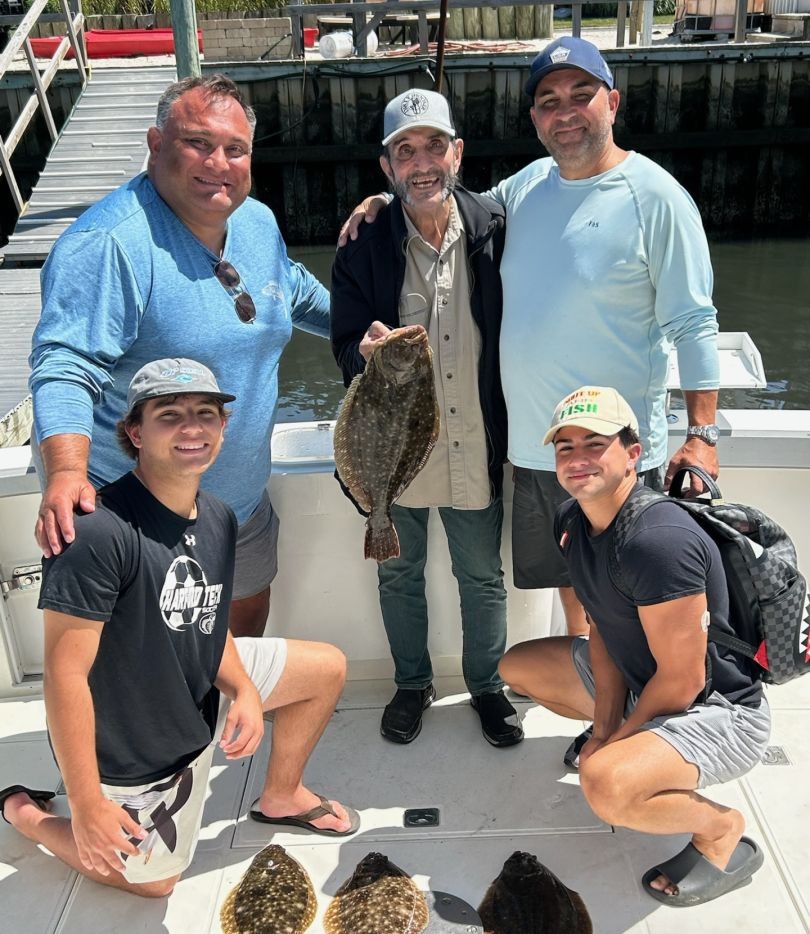
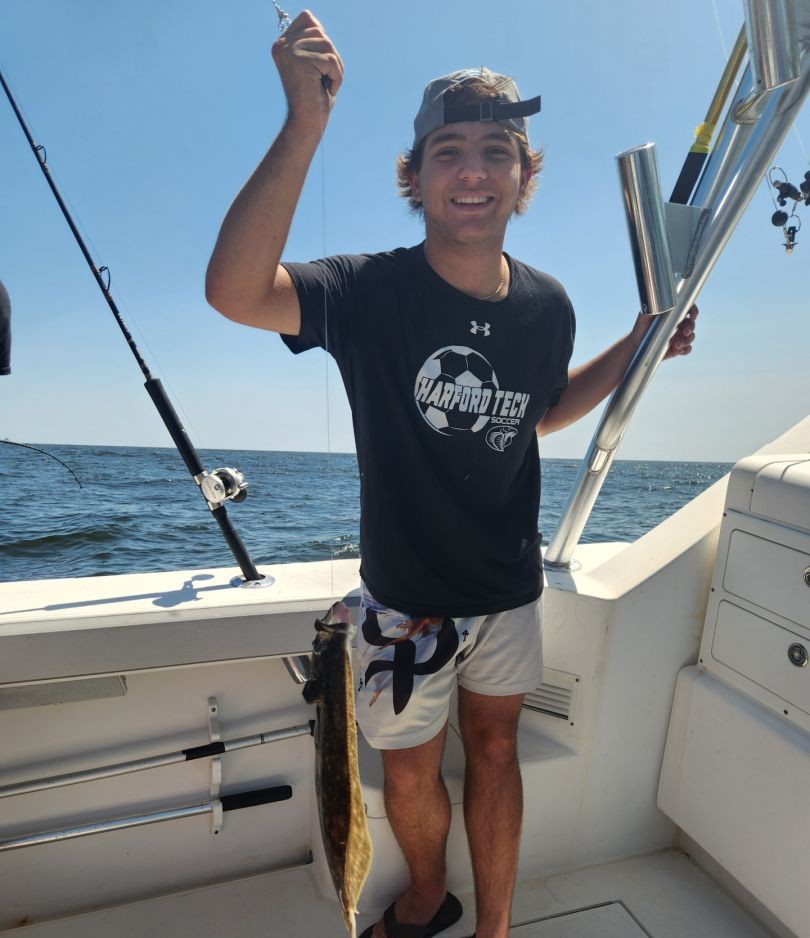
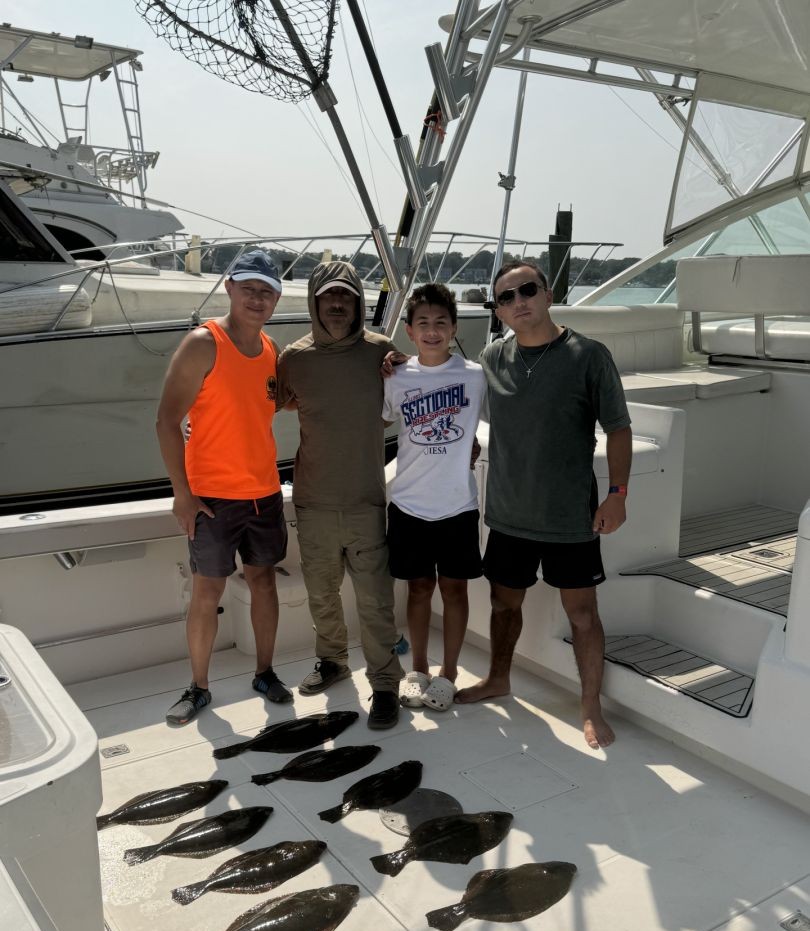
Summer Flounder, or fluke as locals call them, are the ultimate inshore challenge. These flat predators can grow massive – anything over 5 pounds is a nice fish, and 10-pounders are true trophies. They're ambush hunters that bury in sand waiting for baitfish, which means presentation is everything. A properly worked bucktail bouncing just off bottom drives them crazy, but you've got to stay alert because fluke are notorious for their subtle bite. The fight isn't about speed or jumping – it's that side-to-side pulling power as they use their flat body like a dinner plate in the current. Peak season runs from late spring through early fall, with bigger fish typically showing up in deeper water as temperatures drop.
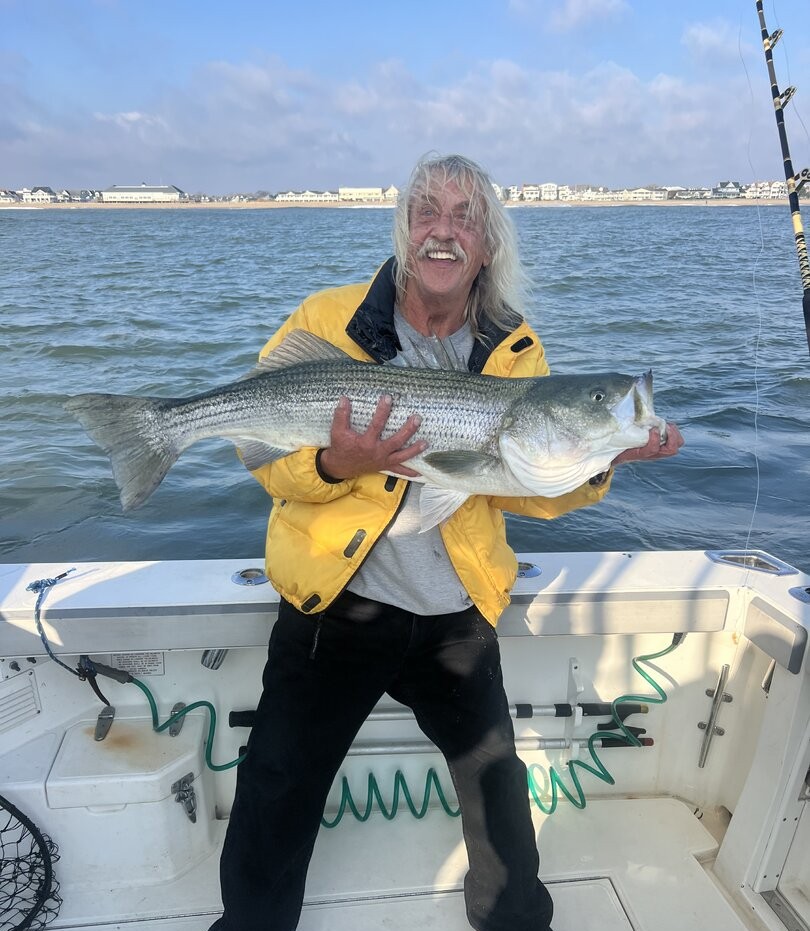
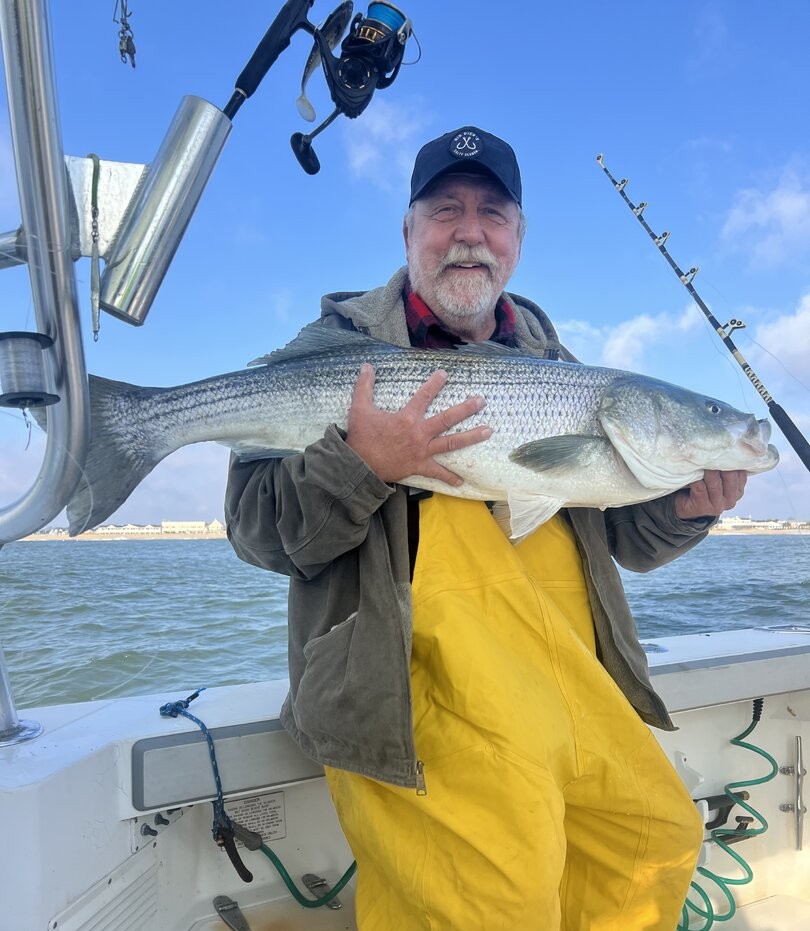
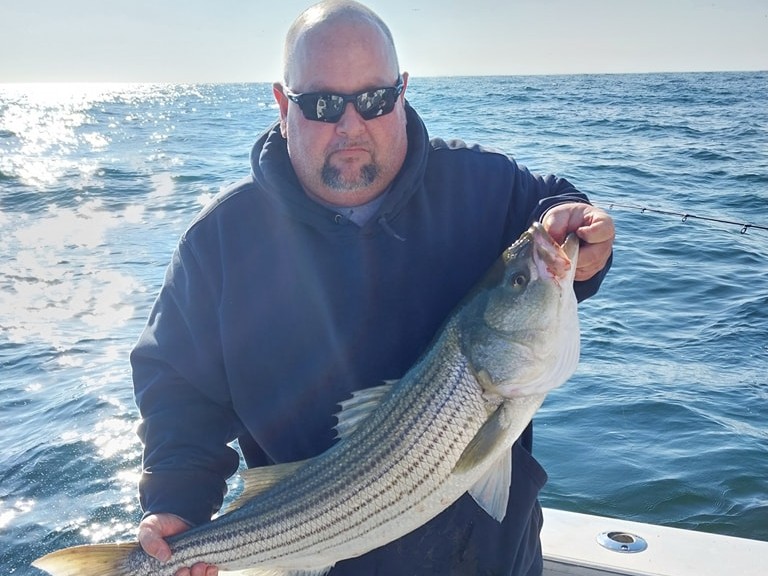
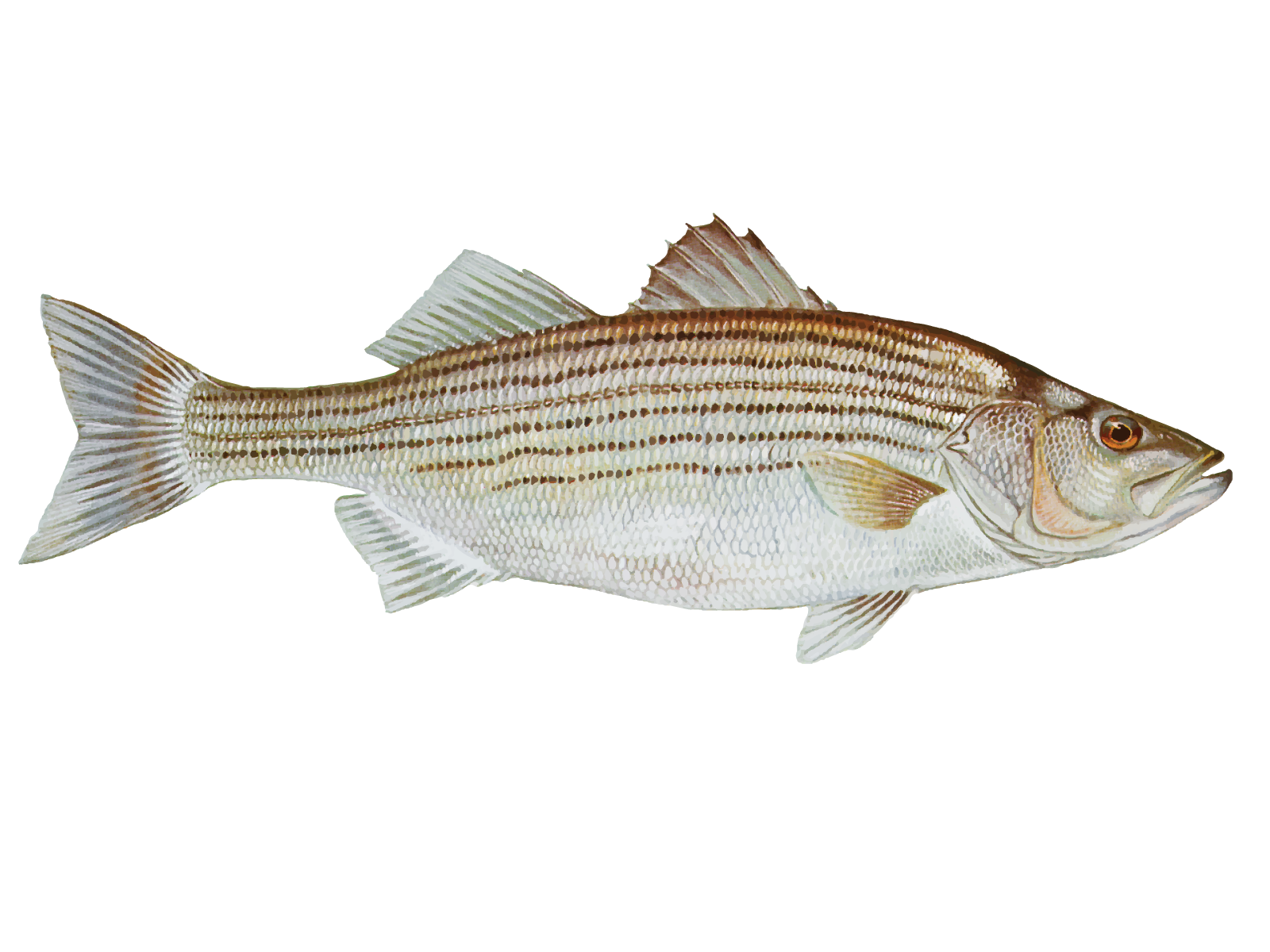
Striped Bass are the crown jewel of New Jersey inshore fishing. These silver-sided fighters can show up anywhere from 2 pounds to over 40, and each one fights like it's got something to prove. Stripers are smart, which makes them challenging – they'll follow structure, work current edges, and chase bait balls with tactical precision. During spring and fall migrations, you might hook into fish that have traveled hundreds of miles along the coast. What makes stripers special is their willingness to hit everything from tiny jigs to large plugs, depending on what they're feeding on. The bigger ones are pure power – long, sustained runs that'll test your drag and your patience.
Bluefish earn their reputation as aggressive fighters the moment you hook one. These toothy predators hunt in schools and feed with reckless abandon, often creating feeding frenzies when they push bait to the surface. Blues range from snapper-sized fish perfect for kids to chopper blues over 10 pounds that'll straighten hooks if you're not prepared. They're found throughout the warmer months, often mixed with other species around bait schools. What anglers love about bluefish is their attitude – they hit hard, fight dirty, and never give up until they're in the boat. Just watch your fingers around those razor-sharp teeth.
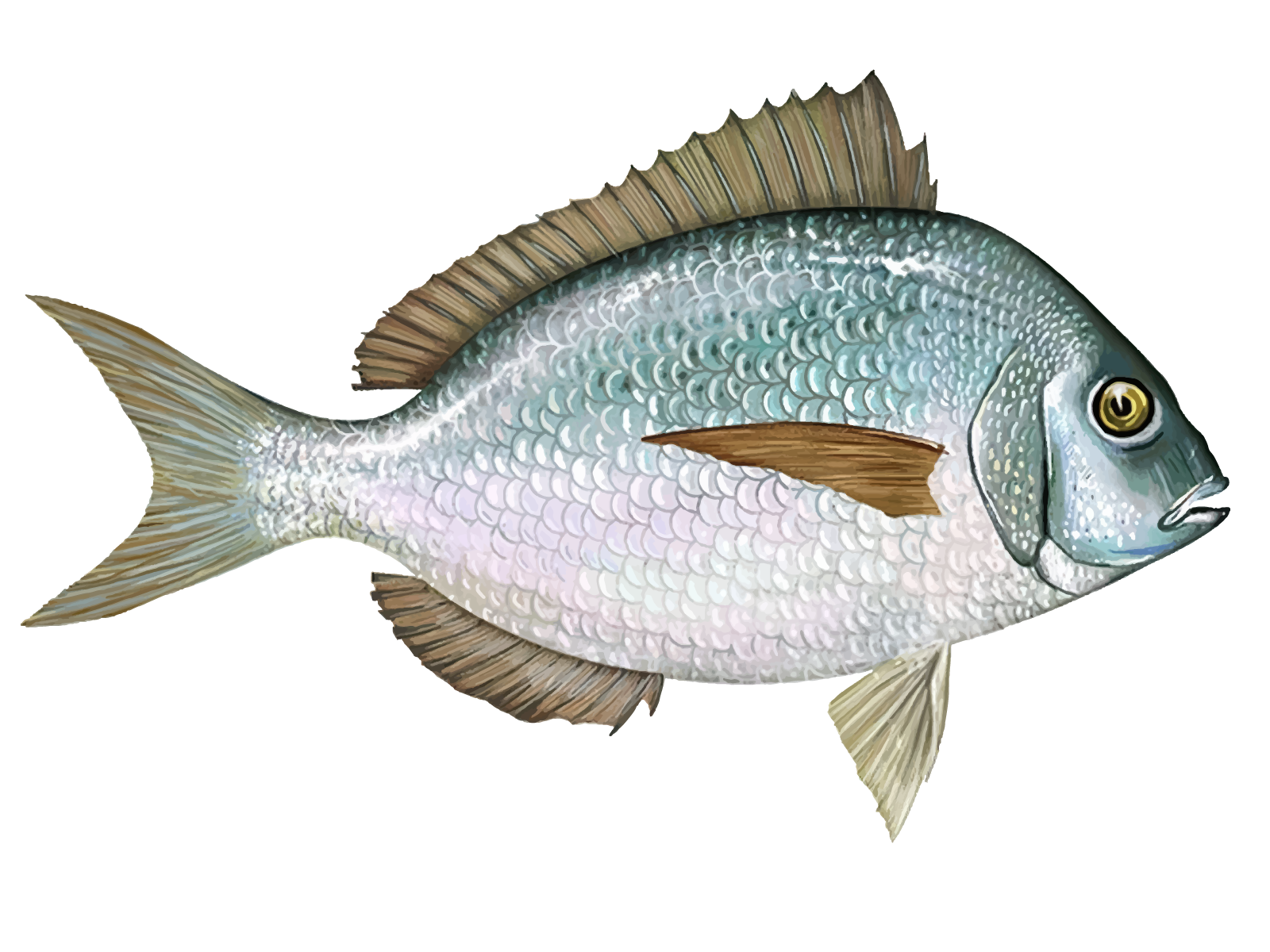
Scup, also called porgy, might be smaller than the other target species, but they make up for size with numbers and eating quality. These silver-sided panfish are excellent for beginners because they bite readily and fight proportionally hard for their size. Most range from 1 to
 5.0(1 Reviews)
 Private Trip
 Inshore Fishing
 Neptune City, NJ


 Six-hour inshore fishing adventure targeting multiple species