Extended Half Day Guided Fishing in Bokeelia
Picture this: six full hours of fishing some of the most productive inshore waters in Southwest Florida, where the grass flats meet deep channels and the fishing just gets better as the day goes on. That's what you're signing up for with this extended half-day trip out of Bokeelia. This isn't your typical four-hour rush job – we're talking about a proper day on the water where you can really settle in, learn the spots, and put some serious fish in the boat. Your local captain knows these waters like the back of their hand, and they're going to put you on fish that'll have you talking about this trip for months.
What to Expect on the Water
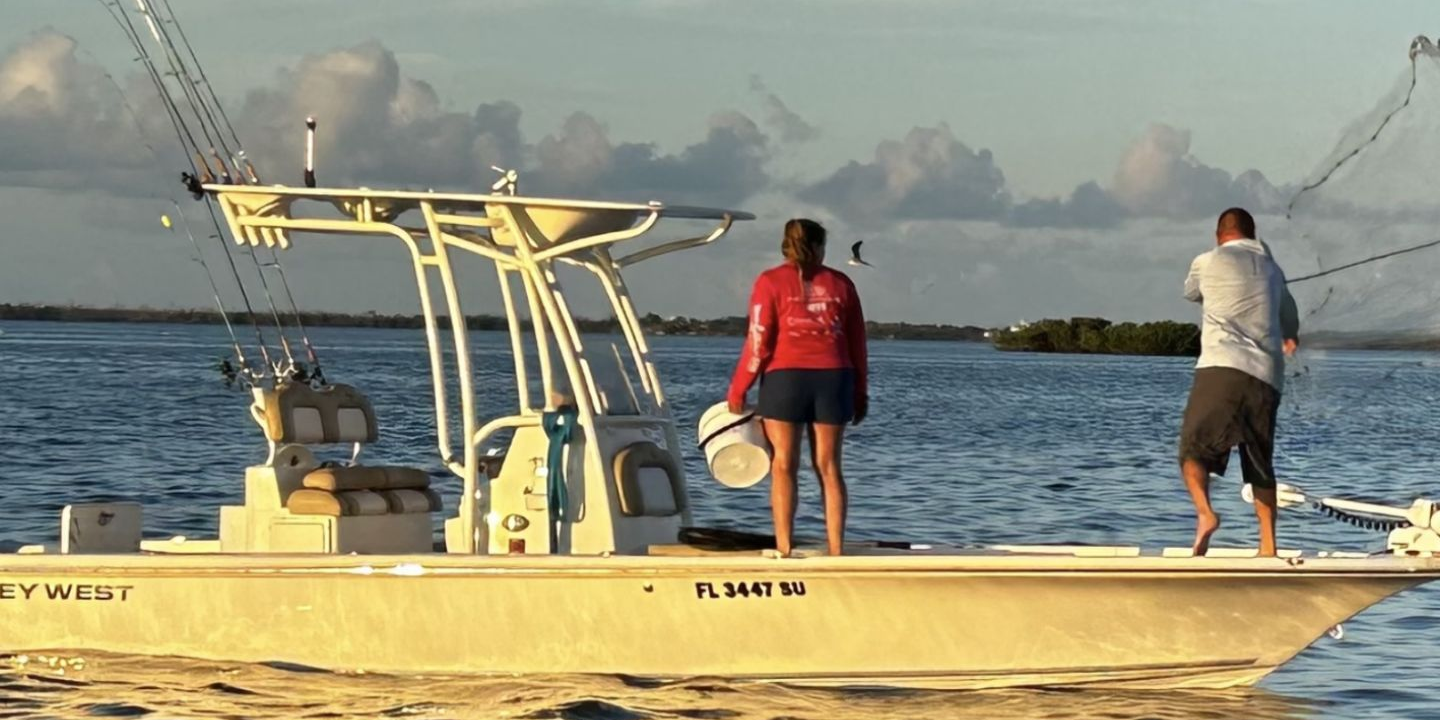
Bokeelia sits right at the heart of some of the best inshore fishing in Florida, and this six-hour window gives you the perfect opportunity to experience it all. You'll launch from the peaceful waters of Charlotte Harbor and work your way through a variety of productive zones – from shallow grass flats where redfish cruise in knee-deep water to deeper mangrove shorelines where snook ambush baitfish. The beauty of having six hours is that you're not rushed. If the bite is hot in one spot, you can stay and capitalize. If it slows down, there's plenty of time to relocate and find where the fish are feeding. Your captain will read the conditions – wind, tide, water temperature – and adjust the game plan accordingly. All your gear, tackle, and licenses are handled, so you just need to show up with sunscreen and a cooler for your catch.
Techniques and Tackle
This is classic Southwest Florida inshore fishing at its finest. You'll be using a mix of live bait and artificials depending on what the fish are telling us. Live shrimp under popping corks work magic on the grass flats for sea trout and redfish, while pinfish and pilchards are deadly when slow-trolled along mangrove edges for snook. The tackle is perfectly matched to the species – medium-action spinning rods with 20-pound braid and fluorocarbon leaders that won't spook these wary inshore fish. Your captain will have you casting soft plastics like paddle tails and jerk baits when fish are active, or switching to bottom rigs when targeting sheepshead around structure. The key is reading the water and adapting. Some days the fish want fast-moving baits, other days they prefer a slow, subtle presentation. With six hours to work with, you'll have plenty of time to master different techniques and see what gets results.
Top Catches This Season
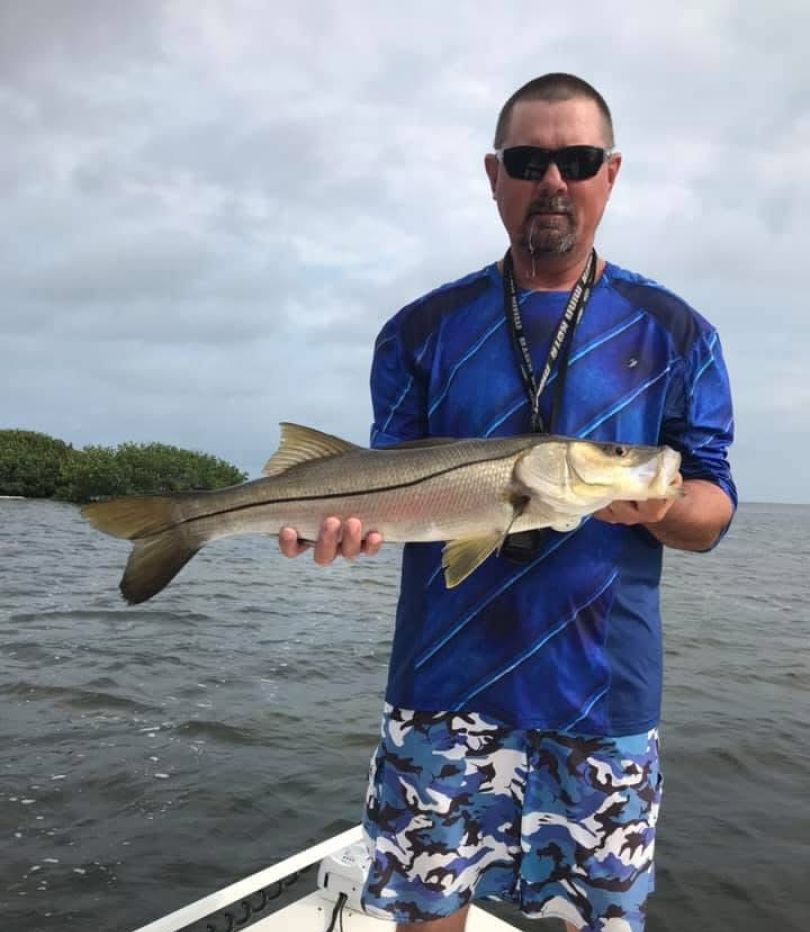
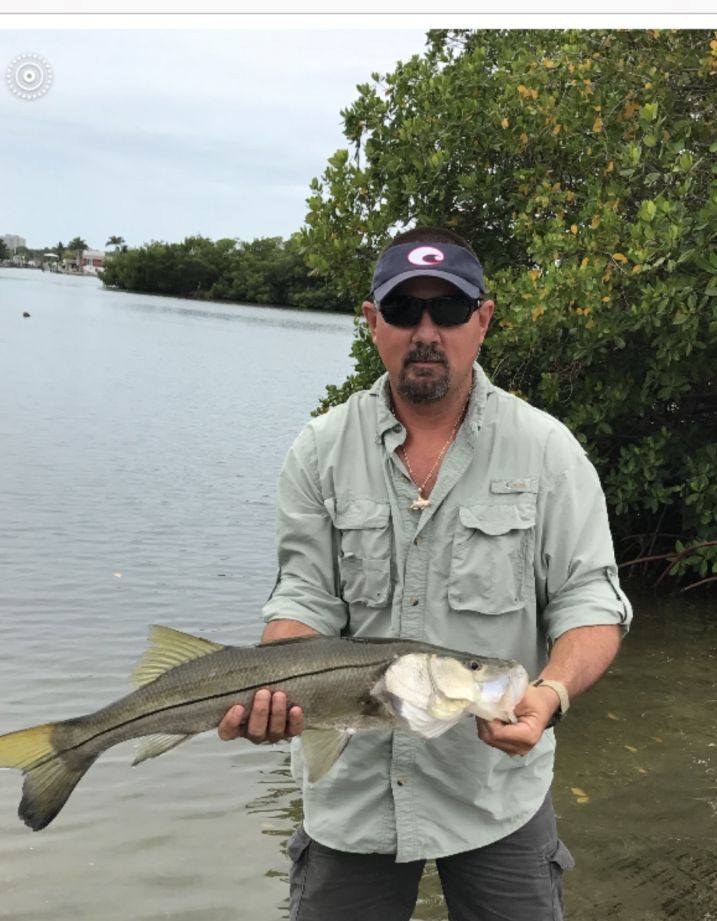
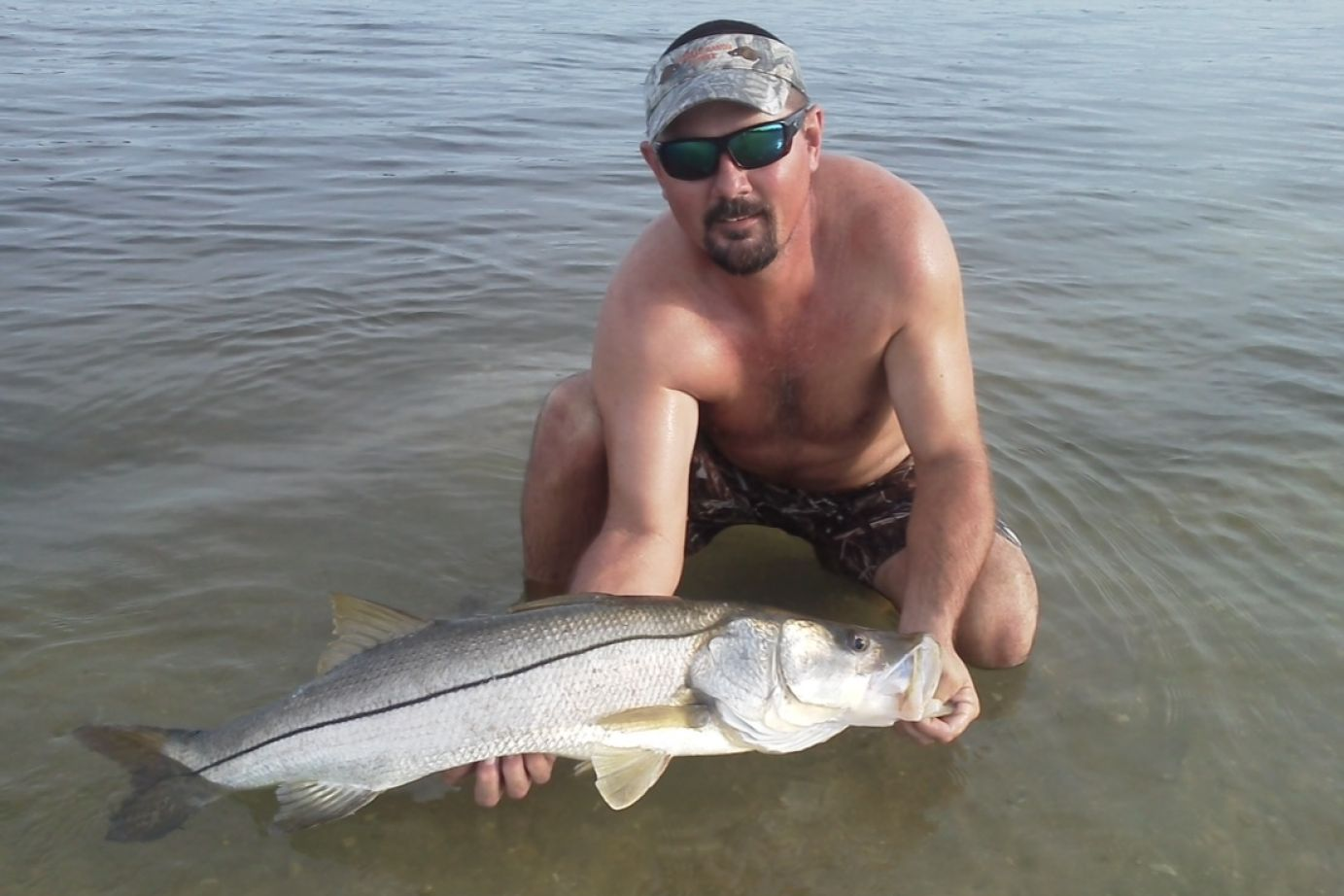
Snook are the crown jewel of these waters, and Bokeelia consistently produces some of the best snook fishing in the state. These ambush predators hang tight to mangrove shorelines, docks, and creek mouths, where they dart out to crush unsuspecting baitfish. They're incredibly strong fighters that will test your drag system with their initial runs and acrobatic jumps. The best action typically happens during moving water – either incoming or outgoing tide – when baitfish are pushed through their feeding zones. Snook are also notorious for their seasonal patterns, with warmer months bringing them into shallower water where sight-casting becomes possible.
Sheepshead might not be the flashiest fish in these waters, but they're absolutely one of the most challenging and rewarding to catch. These black-and-white striped fish are notorious bait thieves with their small mouths and lightning-quick bites. They congregate around any hard structure – docks, pilings, oyster bars – where they pick off crabs and barnacles. The trick is using small hooks, keeping your bait tight to the structure, and setting the hook at the slightest tap. Once hooked, they put up a surprisingly strong fight for their size, and they're hands-down some of the best eating fish you'll find in these waters.
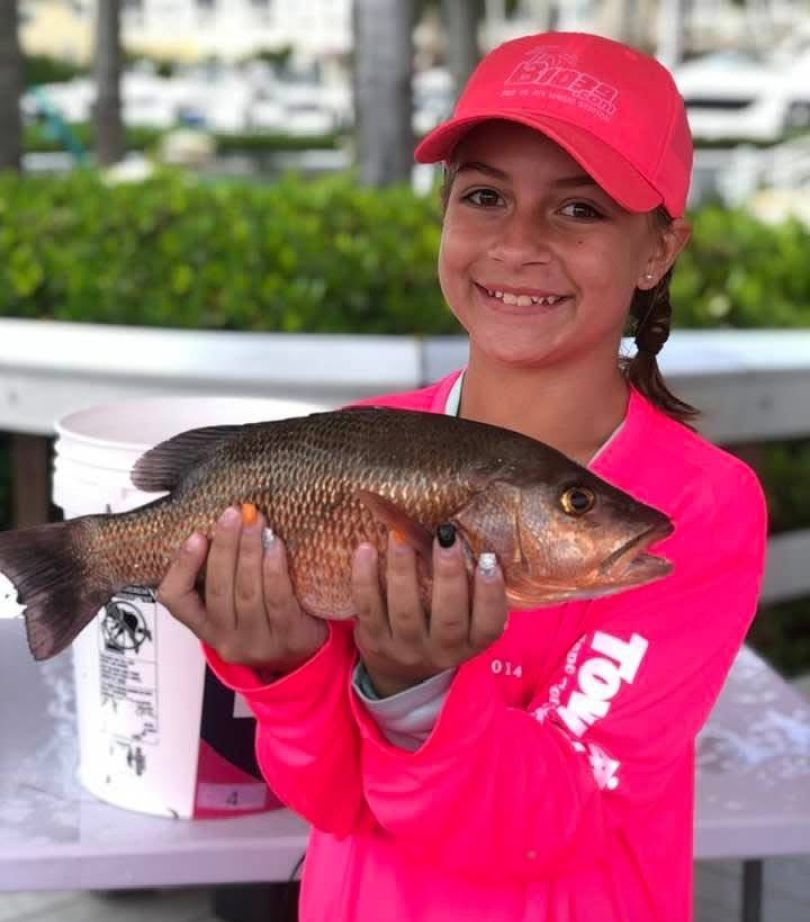
Sea trout are the bread and butter of these grass flats, and they're perfect for anglers of all skill levels. These spotted beauties cruise the shallows looking for shrimp and small baitfish, often feeding in schools that can provide non-stop action when you find them. They hit both live bait and artificials with enthusiasm, and their distinctive trout-like appearance makes them easy to identify. The bigger "gator trout" over 20 inches are real prizes, often caught in slightly deeper water along channel edges during cooler months.
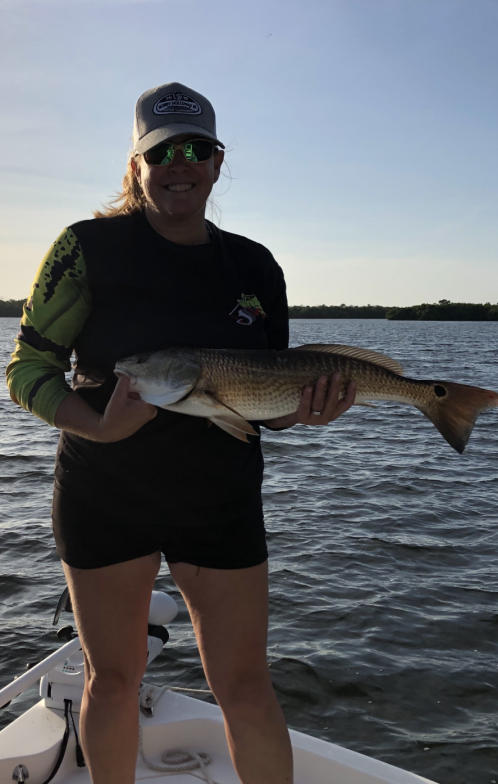
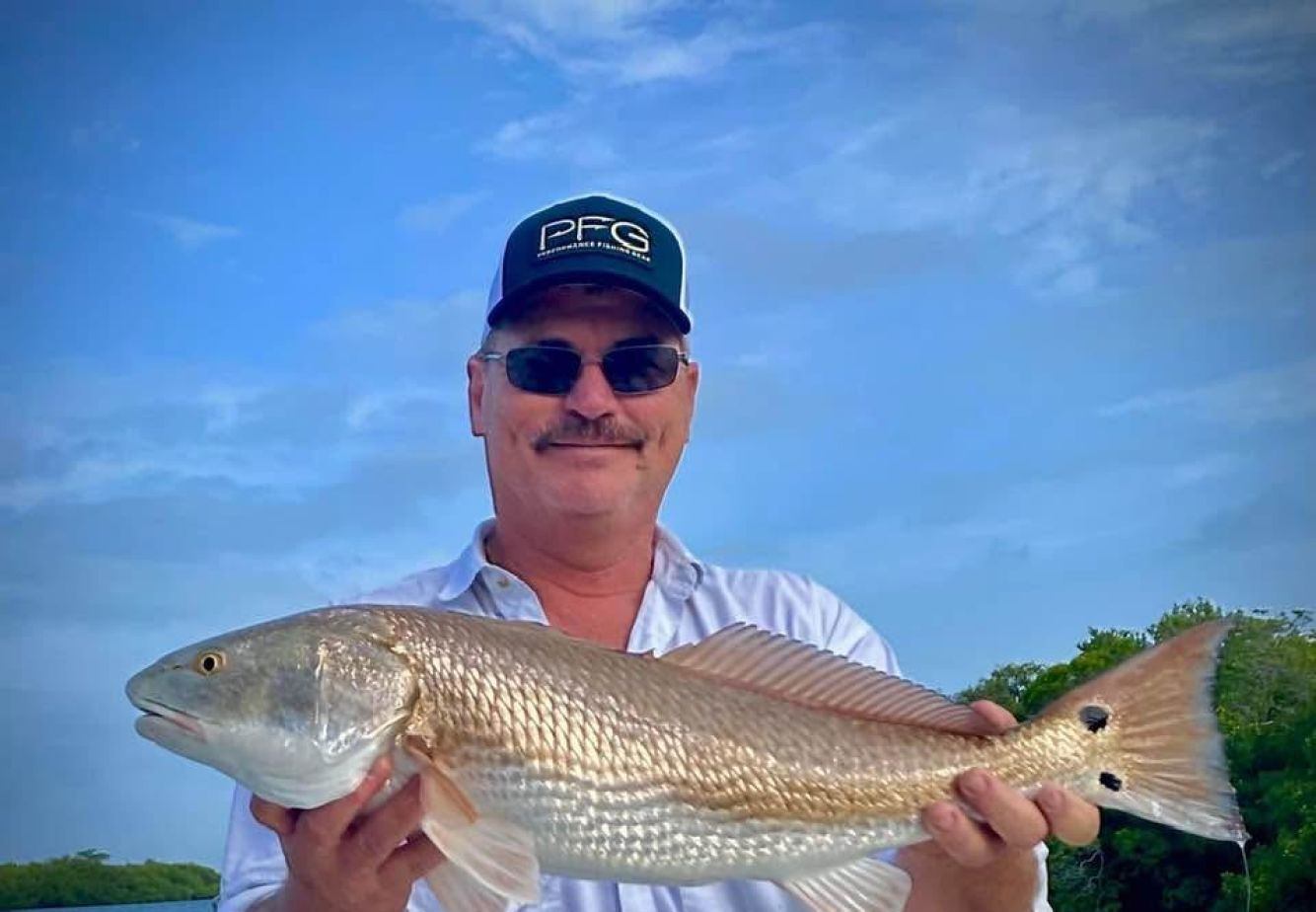
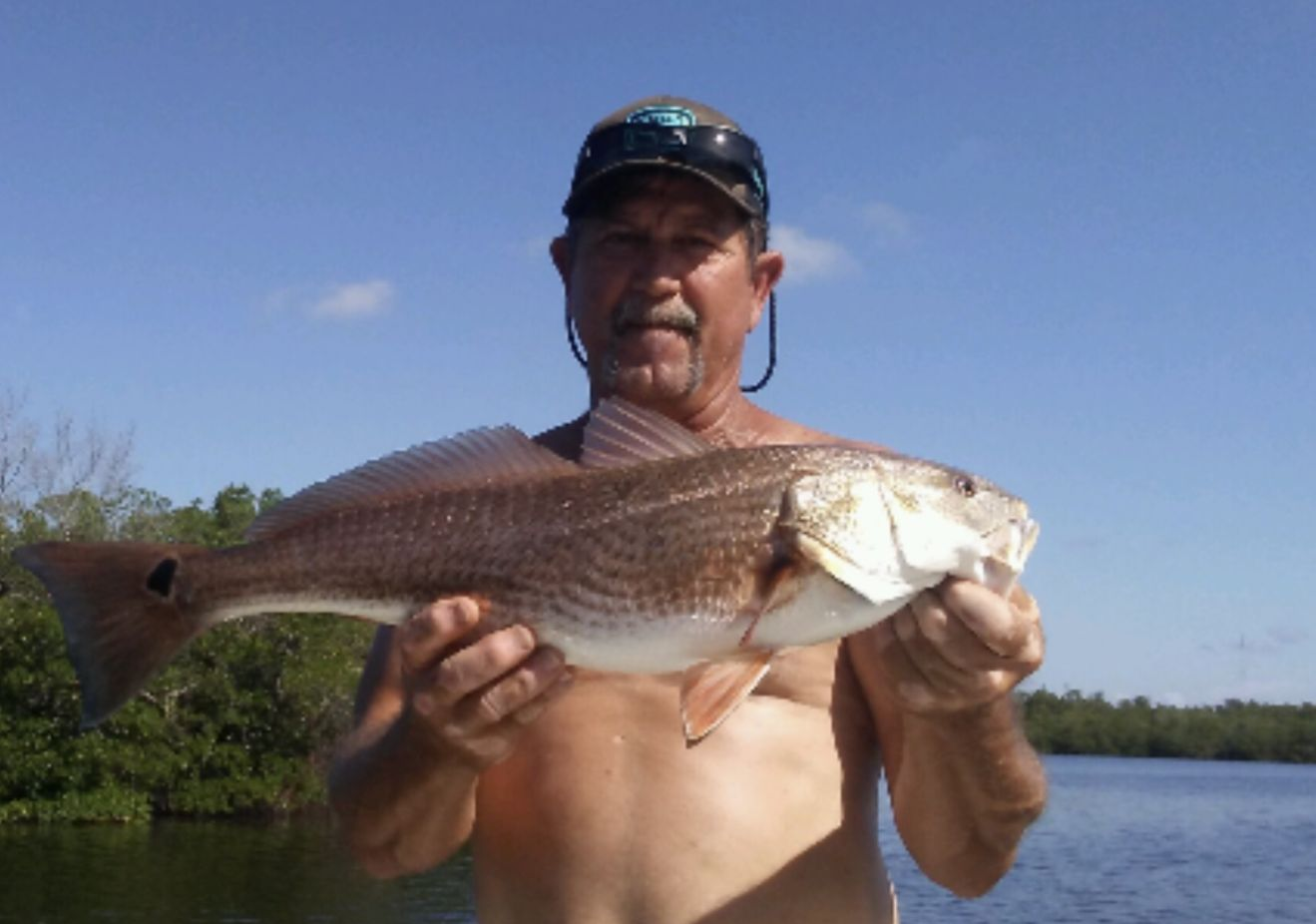
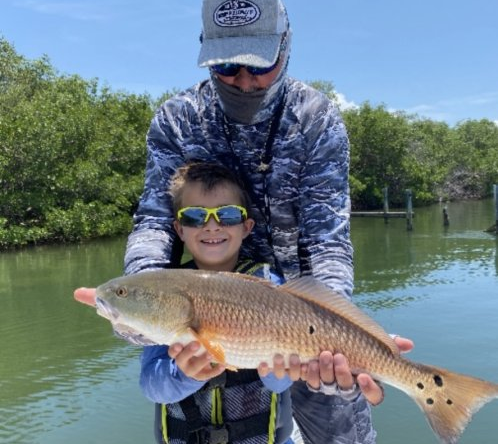
Redfish are the ultimate sight-fishing target in these waters. These copper-colored bulldogs cruise the shallow flats in small schools, their backs often visible in the clear water. They're incredibly strong fighters that will make multiple runs, testing your patience and tackle. Redfish are also one of the most consistent species here – they feed year-round and aren't as affected by seasonal changes as some other species. Whether you're casting to them in two feet of water or fishing deeper holes during cold fronts, reds provide reliable action and photo opportunities.
Tripletail are the wild card species that can turn a good day into a great one. These odd-looking fish float near the surface around structure, often resembling floating debris until they suddenly come to life. They're strong fighters with an unusual fighting style – rolling and thrashing rather than making long runs. Finding tripletail requires a sharp eye and patience, but when you spot one floating near a crab trap or channel marker, the excitement builds fast. They're not common, which makes landing one even more special.
Time to Book Your Spot
This extended half-day trip represents the sweet spot for serious anglers who want more than a quick sampling of what Bokeelia has to offer. Six hours gives you the time to really fish, to learn from an experienced local captain, and to experience the variety that makes this area so special. You'll hit multiple spots, target different species, and have the flexibility to adapt as conditions change throughout the day. Whether you're bringing the family for a fun day on the water or you're a serious an

 Private Trip
 Inshore Fishing
 Bokeelia


 Six-hour inshore fishing trip targeting Snook, Tarpon, and Redfish