Half Day Fishing Trip In St. James City, FL
Captain Austin knows these waters like the back of his hand, and he's ready to put you on some seriously good fish. Whether you're looking to introduce the kids to saltwater fishing or just want to get your line wet without burning a whole day, this St. James City charter delivers the goods. You'll launch from one of Southwest Florida's best-kept fishing secrets, where the backcountry meets the Gulf and the fish are always biting. Pack light, fish hard, and get ready to see why so many anglers make this their go-to trip when they want reliable action and a captain who actually cares about putting fish in the boat.
What to Expect on the Water
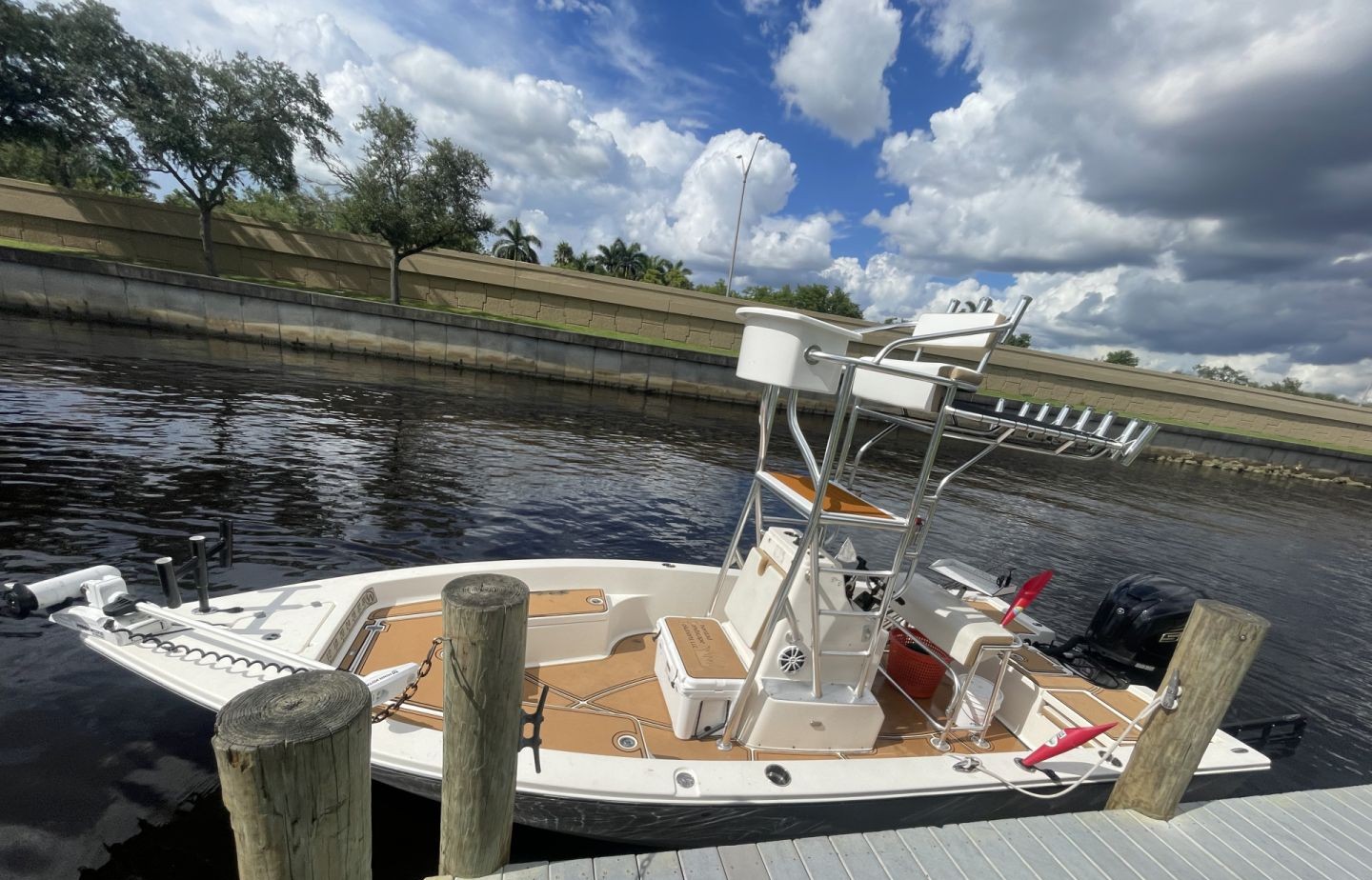
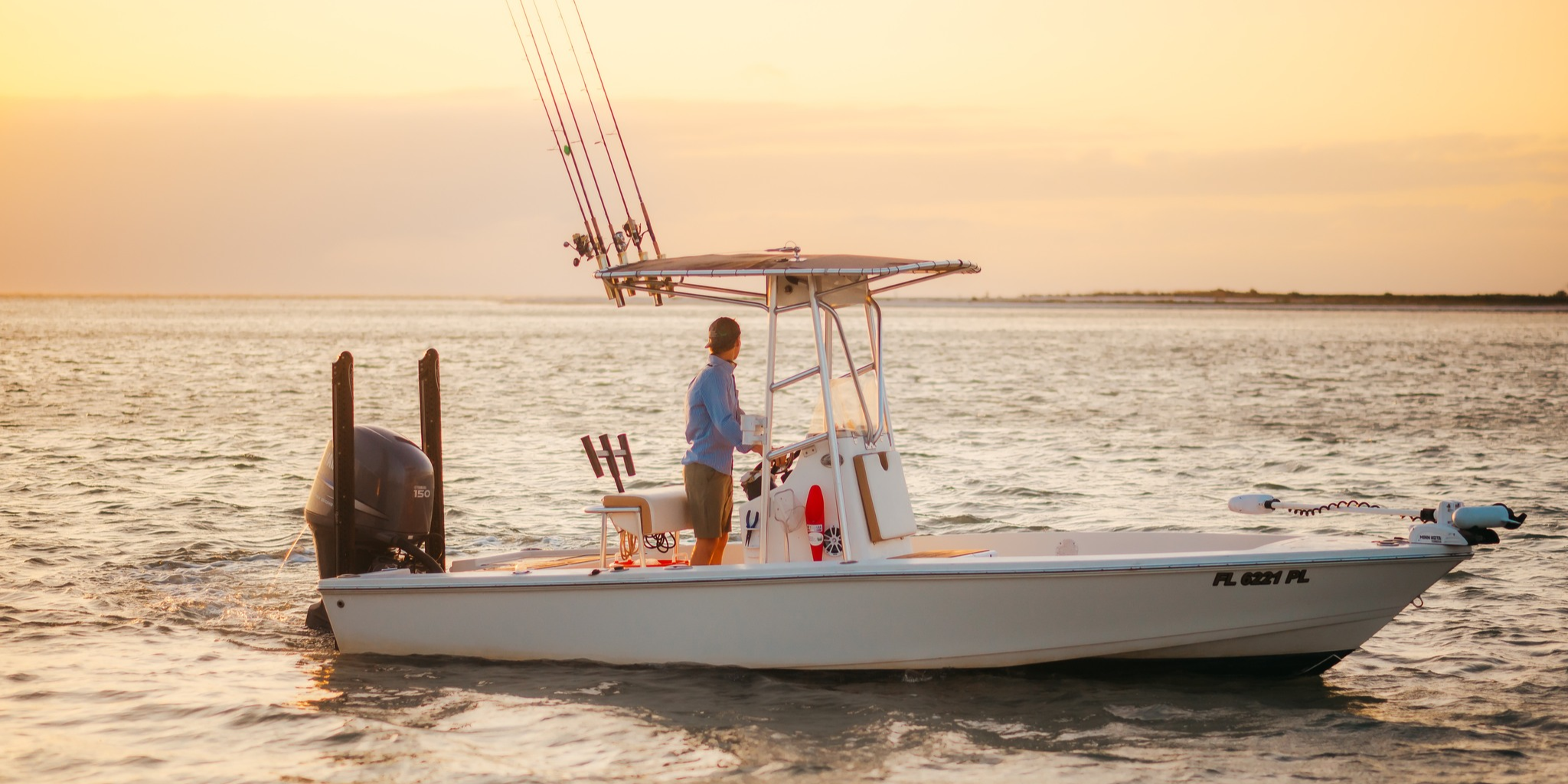
You've got two solid options here—4 hours or 6 hours, both designed to maximize your time with a rod in your hand. The morning trips kick off early when the fish are most active, while afternoon charters let you sleep in and still catch dinner. Captain Austin runs a clean center console that handles up to 4 anglers comfortably, so you're not elbow-to-elbow trying to work your bait. All your gear, tackle, and fishing licenses are included, which means you can focus on what matters—catching fish. The boat's rigged for inshore work, but don't let that fool you into thinking it's all small fish and easy fights. These waters hold some bruisers, and Austin knows exactly where to find them. Bring your own food and drinks, slather on the sunscreen, and prepare for some legitimate Florida fishing.
Techniques & Tackle
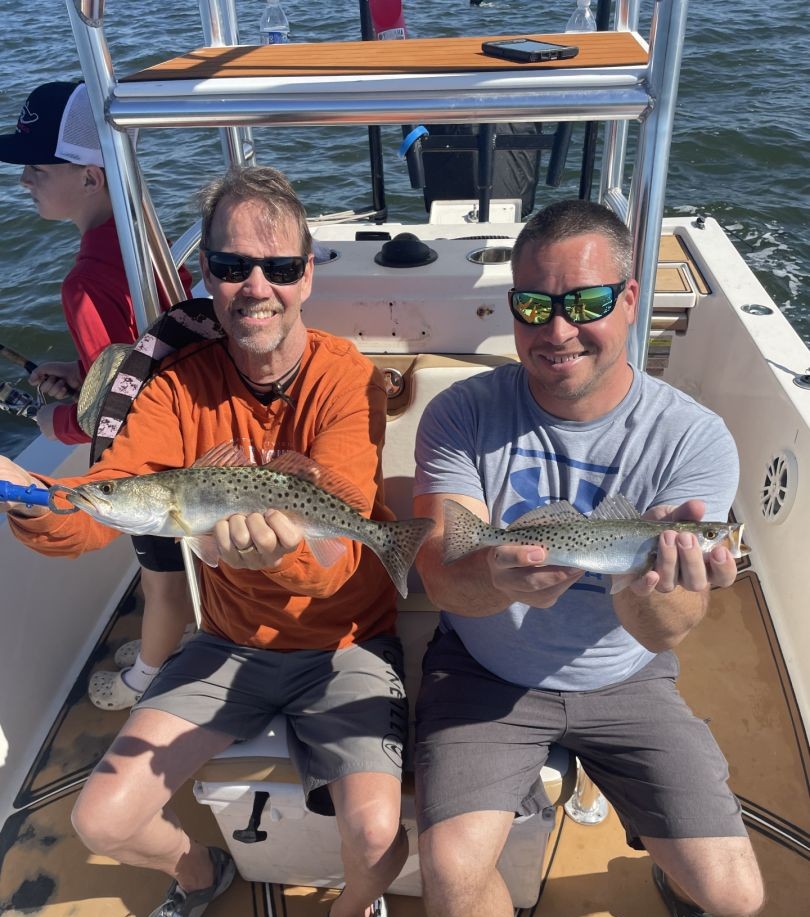
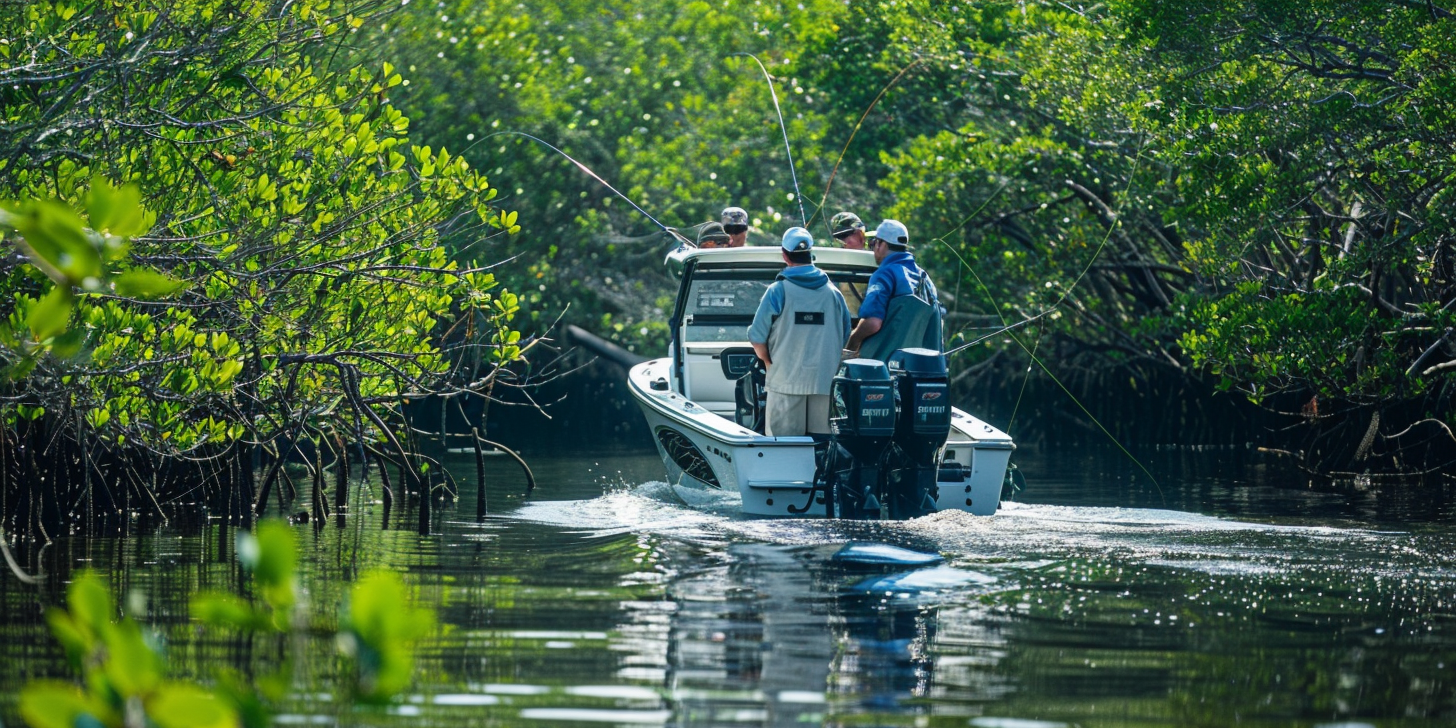
This isn't your typical pier fishing setup. Captain Austin runs live bait when the bite calls for it, but he's equally comfortable working artificials when the fish are aggressive. You'll be fishing structure, grass flats, and mangrove shorelines depending on conditions and what's biting best. The tackle is sized right for the fish—heavy enough to pull a big snook out of the roots, but light enough to feel every headshake from a trout. Expect to work everything from topwater plugs at dawn to live shrimp under popping corks when the action slows. Austin reads the water constantly, adjusting techniques based on tide, wind, and fish behavior. One minute you might be sight-casting to tailing redfish, the next you're working a deep hole for grouper. The boat's equipped with quality rods and reels that can handle whatever these waters throw at you, and Austin's tackle box is stocked with the baits and lures that actually work in these specific spots.
Customer Stories
"My son and I learned a lot and had a great time!" - Richard
Species You'll Want to Hook
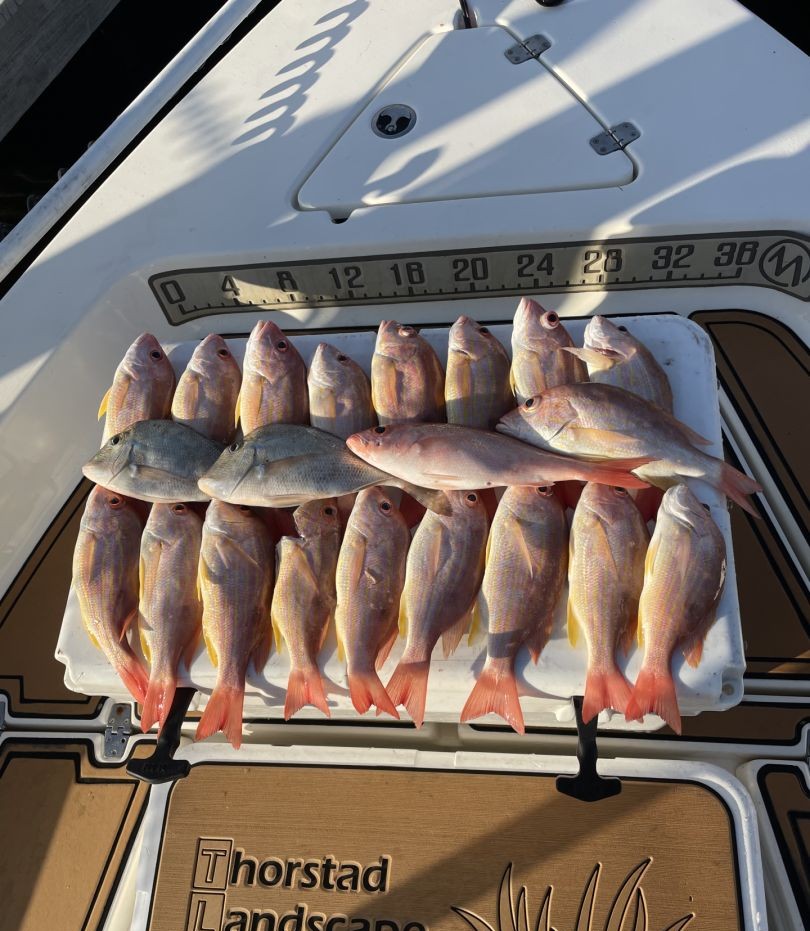
Gag Grouper are the heavyweight champions of this fishery, and they fight like it. These bottom-dwellers love structure and will test your drag system from the first run. Gags are most active during cooler months, typically from November through March, when they move into shallower water to feed. They're ambush predators that hit hard and dive deep, using their powerful bodies to try to cut you off in the rocks. Landing a keeper gag—anything over 24 inches—is a real accomplishment, and the table fare is absolutely top-notch. Austin knows the productive holes and ledges where these fish stack up, and he's got the tackle to get them up without losing your lunch money in broken gear.
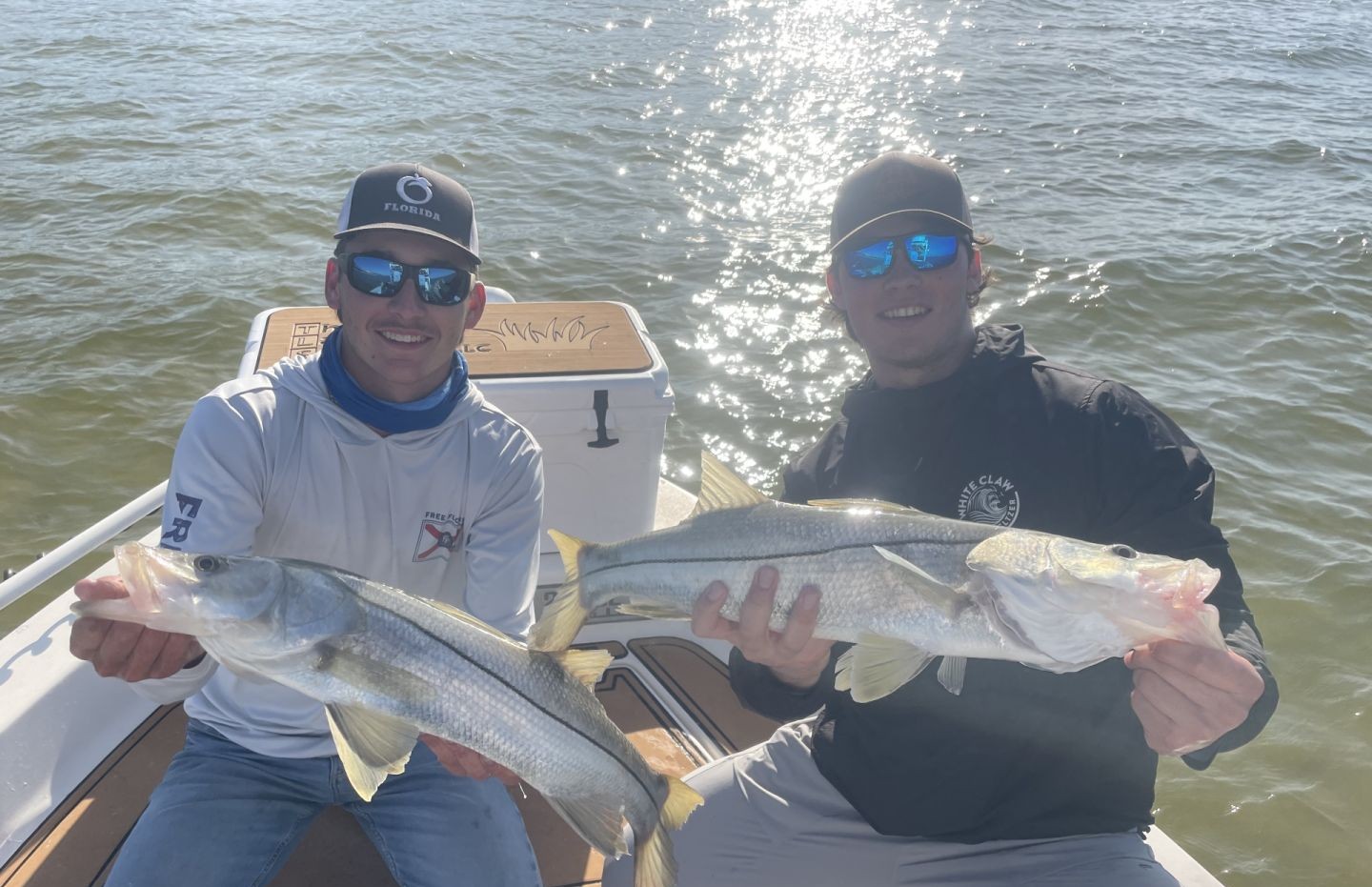
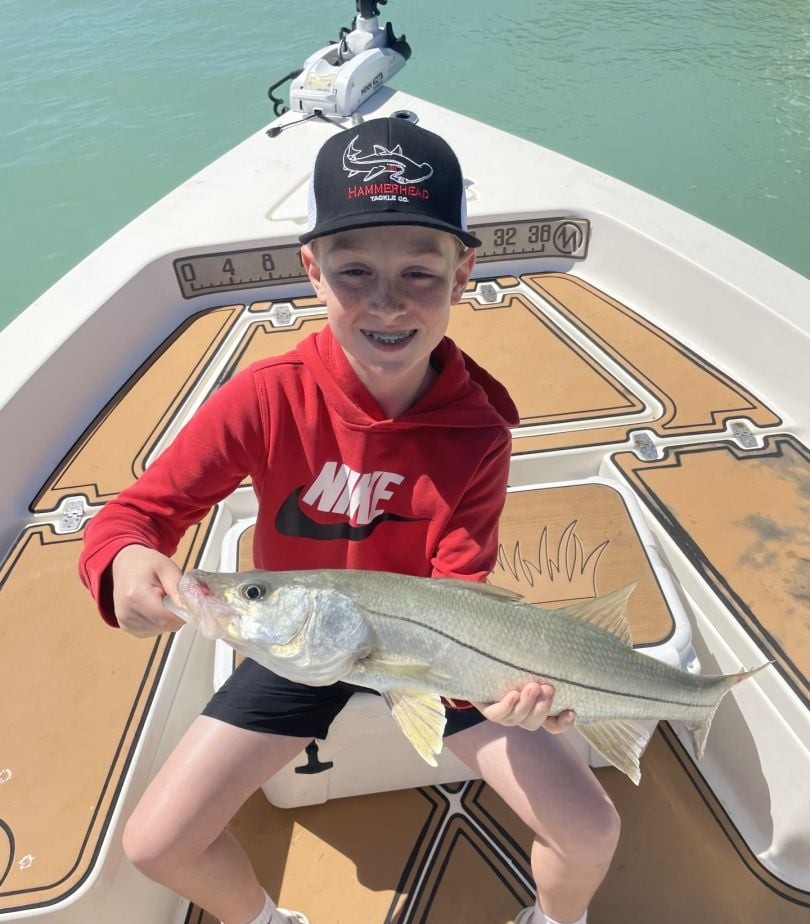
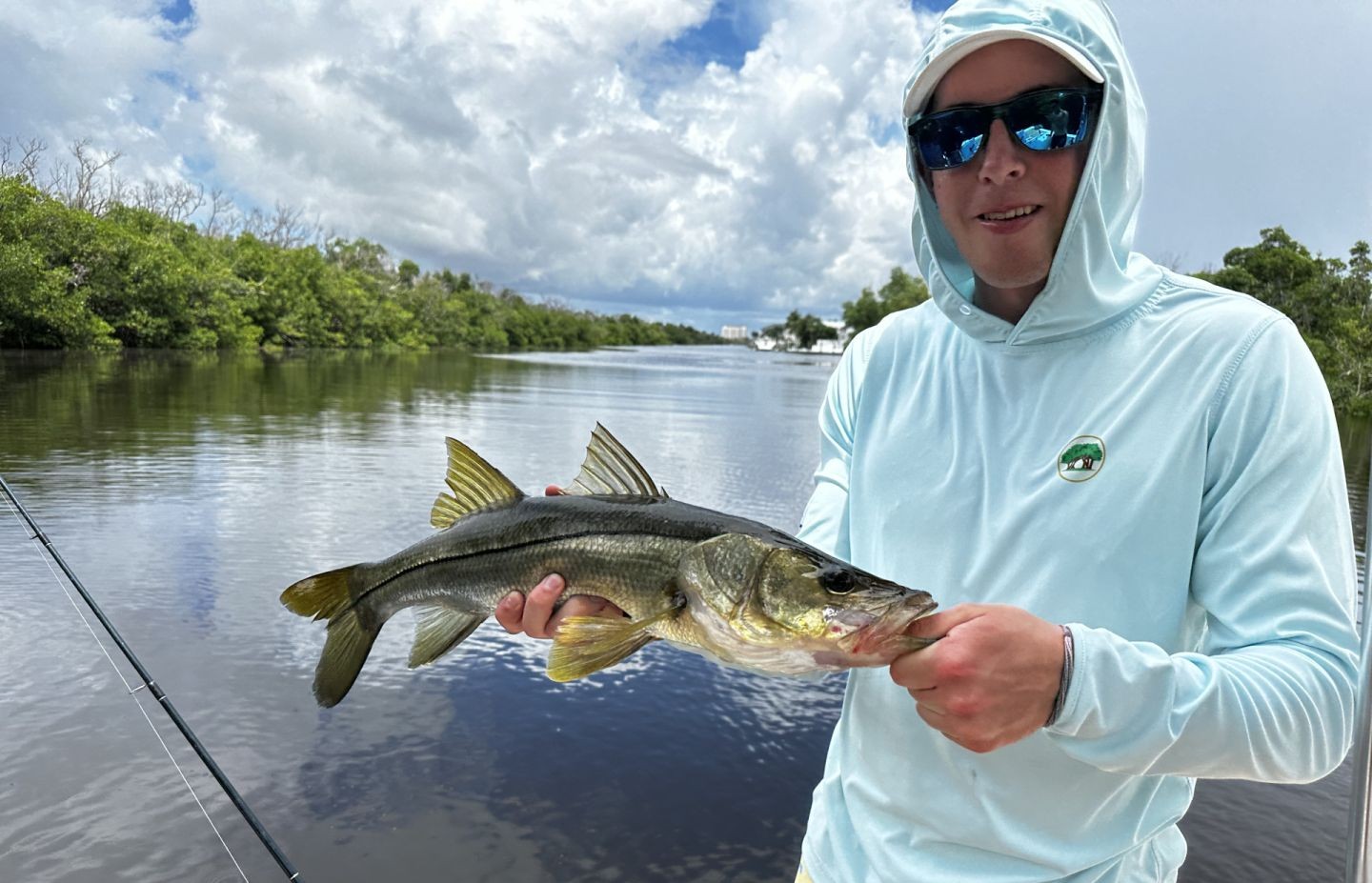
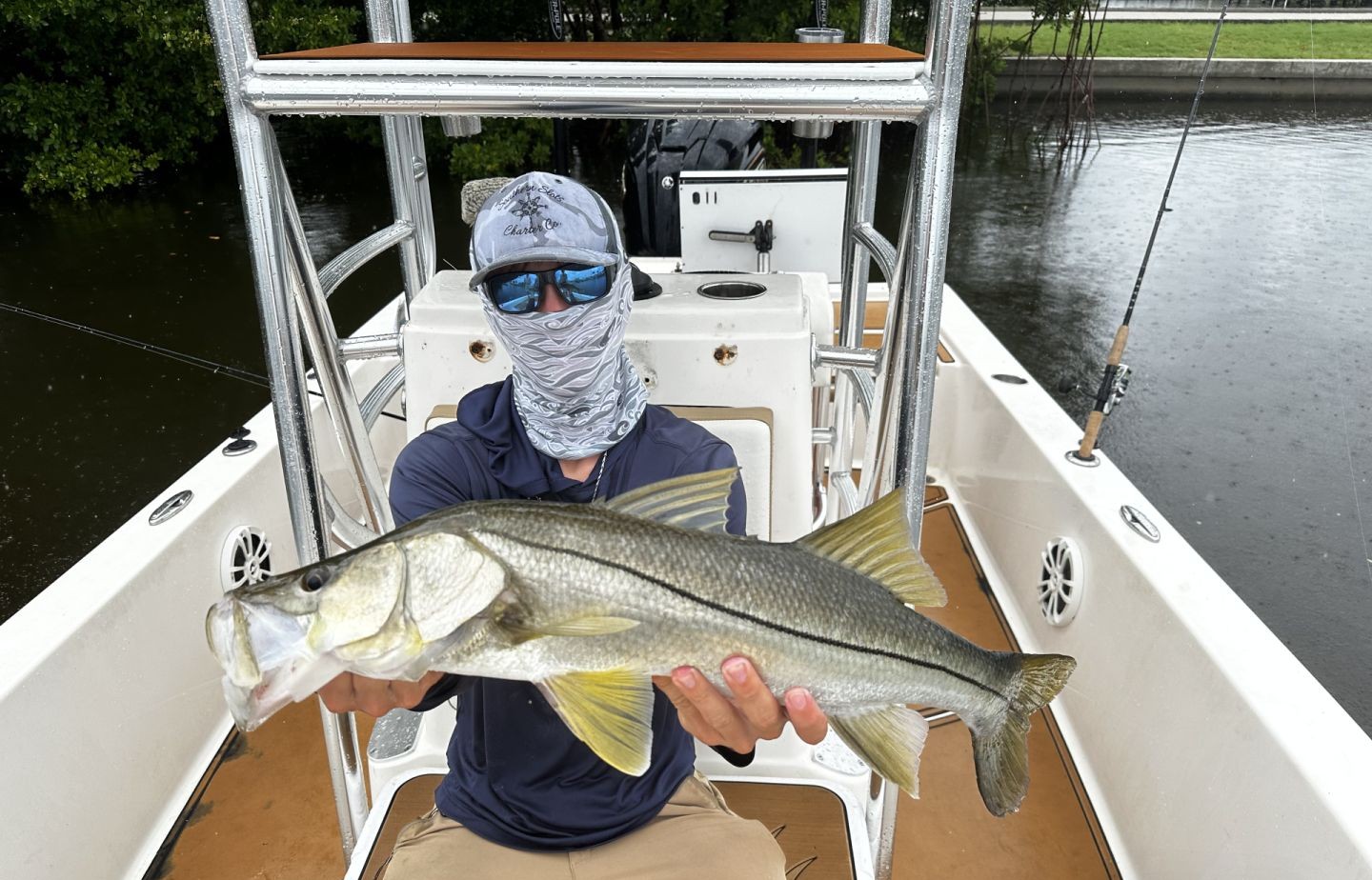
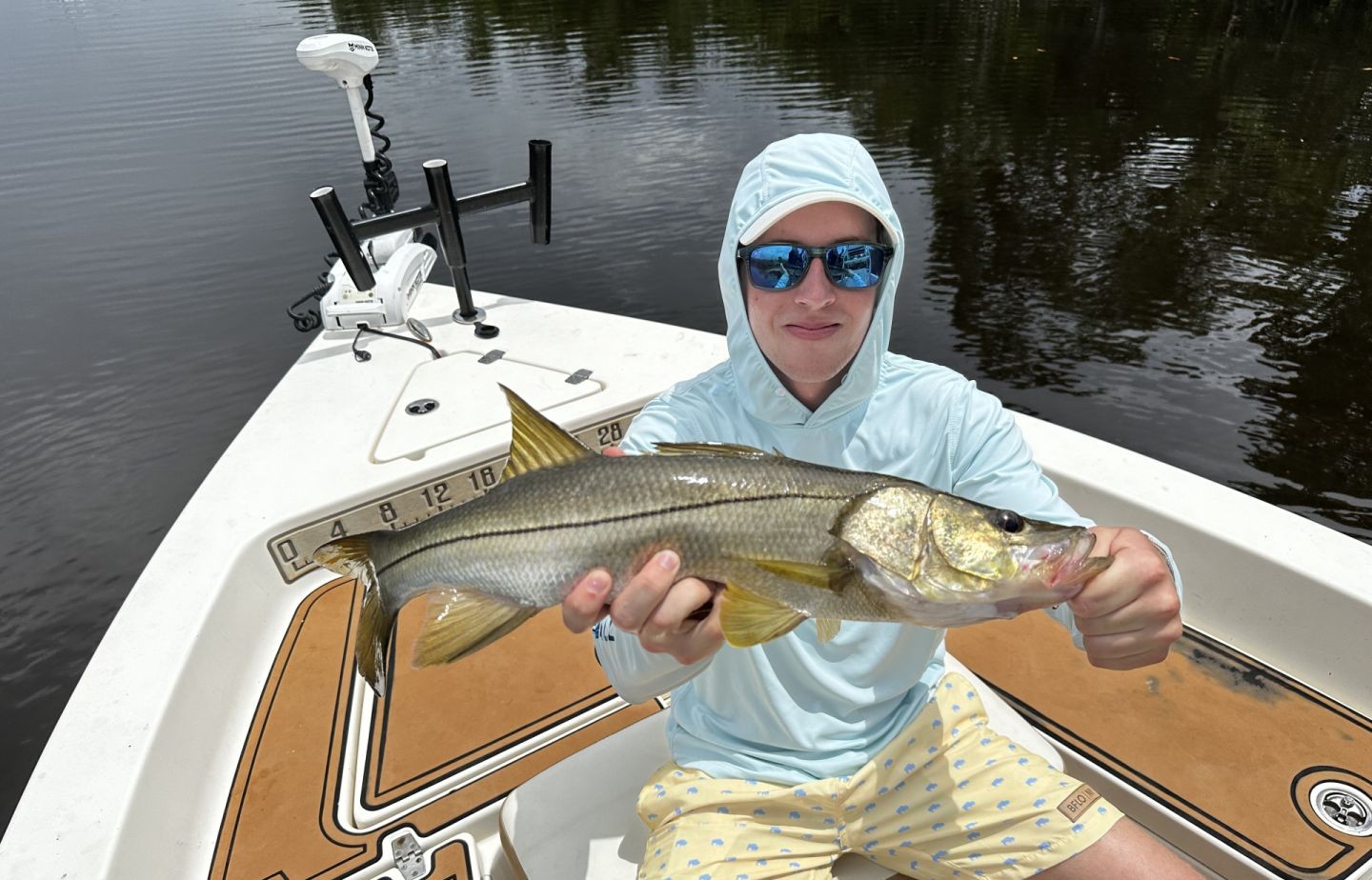
Snook are the signature species of Southwest Florida, and for good reason. These fish are pure attitude wrapped in silver scales, with a mouth that can inhale a bait and reflexes that'll snap your line before you know what happened. They're most active during warmer months and love to ambush prey around mangroves, docks, and bridge pilings. A good snook will make multiple runs, often jumping and gill-rattling to throw the hook. The slot limit keeps you honest—they need to be between 28 and 33 inches—but a keeper snook is worth the wait. These fish are incredibly structure-oriented, so expect to lose some tackle, but when you connect with a slot fish, you'll understand why snook fishing is practically a religion down here.
Tarpon show up when conditions are right, and hooking into the "silver king" is something you'll talk about for years. These prehistoric giants can push 100 pounds or more, and they fight like fish half their age. Tarpon season peaks in late spring and early summer, but resident fish are around year-round. When a tarpon eats your bait, everything changes—your drag starts screaming, the fish goes airborne, and suddenly your relaxing fishing trip becomes an athletic event. Most tarpon are catch-and-release, but the photos and memories last forever. Austin knows how to position the boat for tarpon, and more importantly, he knows how to coach you through the fight so you actually land one of these monsters.
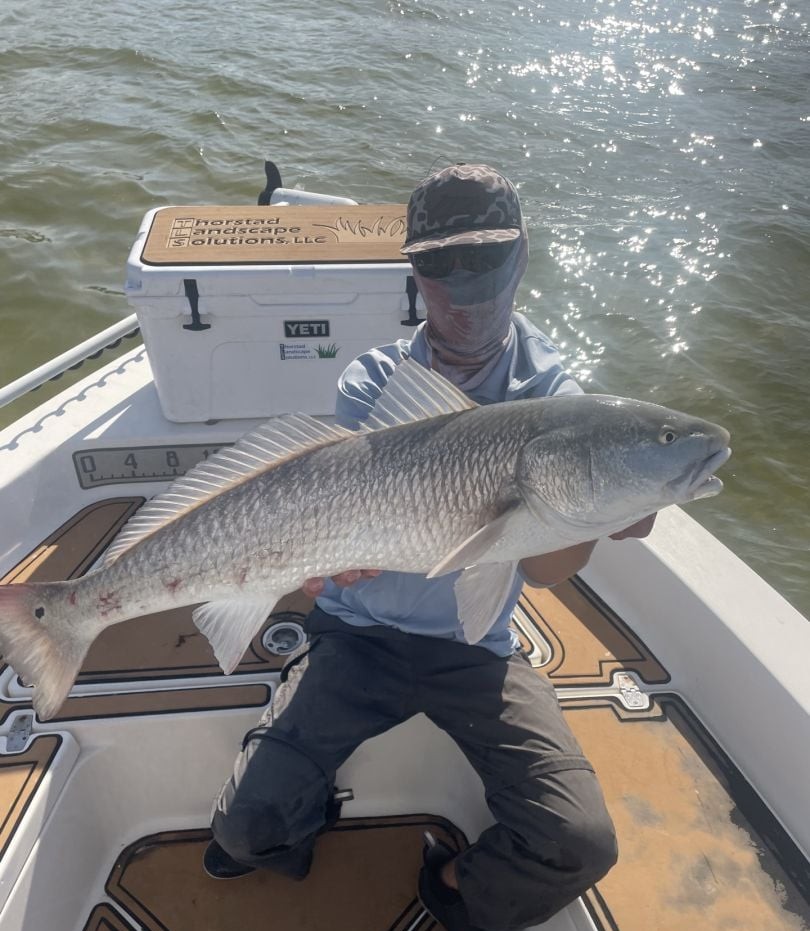
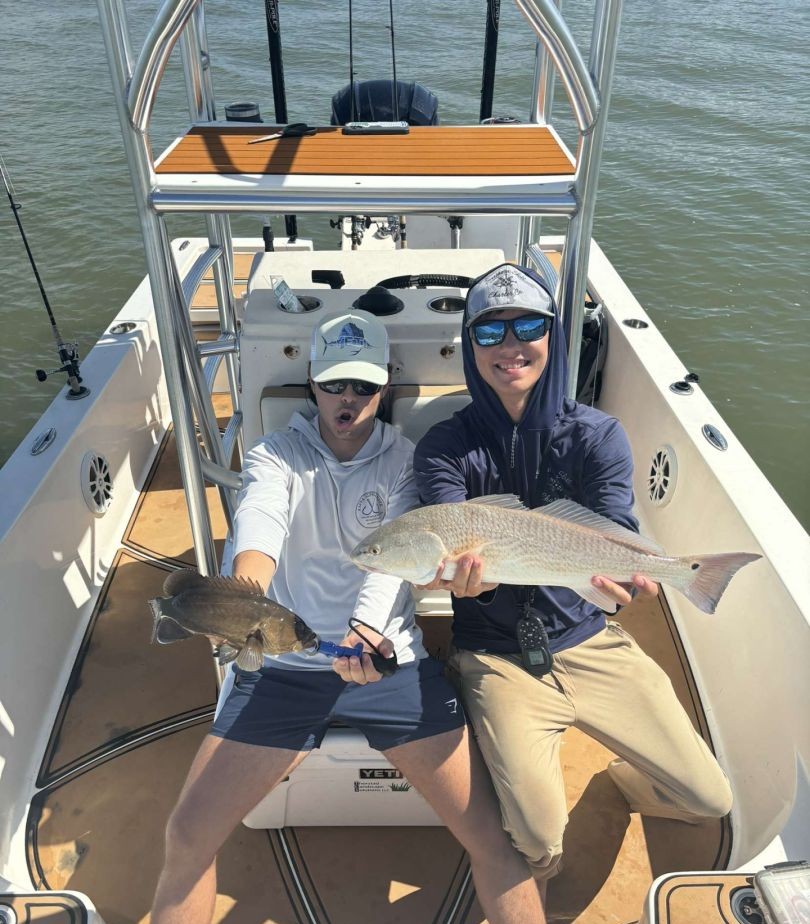
Redfish are the workhorses of the flats, and they're always ready to eat. These copper-colored bruisers patrol shallow water looking for crabs, shrimp, and small fish, and they're not particularly picky about what they hit. Reds are legal from 18 to 27 inches, and fish in that slot are perfect for the dinner table. They're available year-round, but fall and winter fishing can be absolutely lights-out when they school up in big numbers. A good redfish will make a solid run and keep pulling steady pressure, using that broad tail to fight every inch of the way to the boat. They're also one of the best fish for kids and beginners because they bite consistently and fight fair.
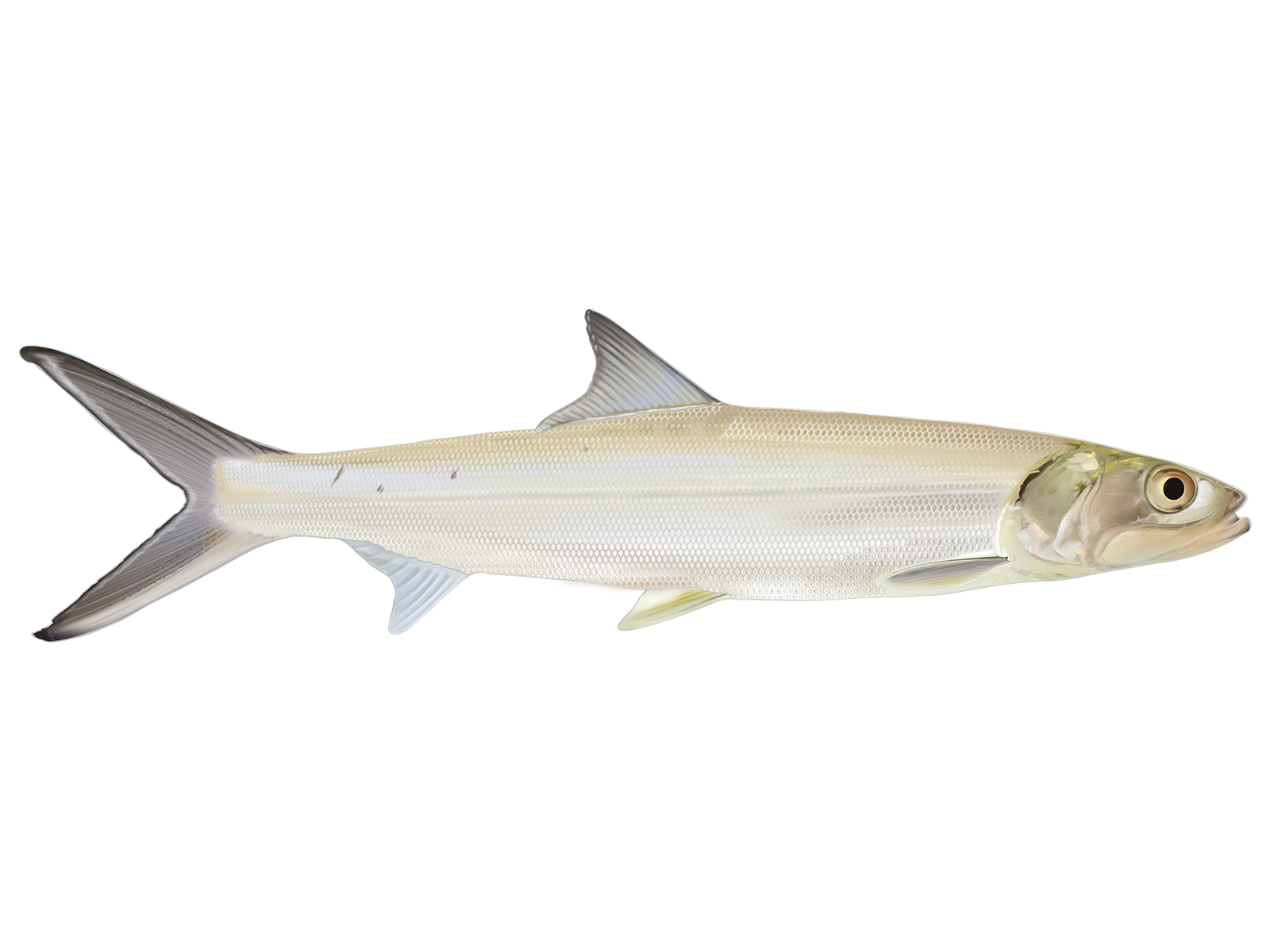
Ladyfish might not win any beauty contests, but they'll keep your rod bent when other species are being finicky. These scrappy fighters are like miniature tarpon, jumping and shaking their heads to throw the hook. They're abundant year-round and make excellent live bait for bigger predators, but they're also fun to catch on light tackle. La
 5.0(1 Reviews)
 Private Trip
 Inshore Fishing
 Fort Myers


 Half-day inshore fishing targeting Snook, Redfish, and Trout