Inshore and Flats Fishing Trip - Cape Coral
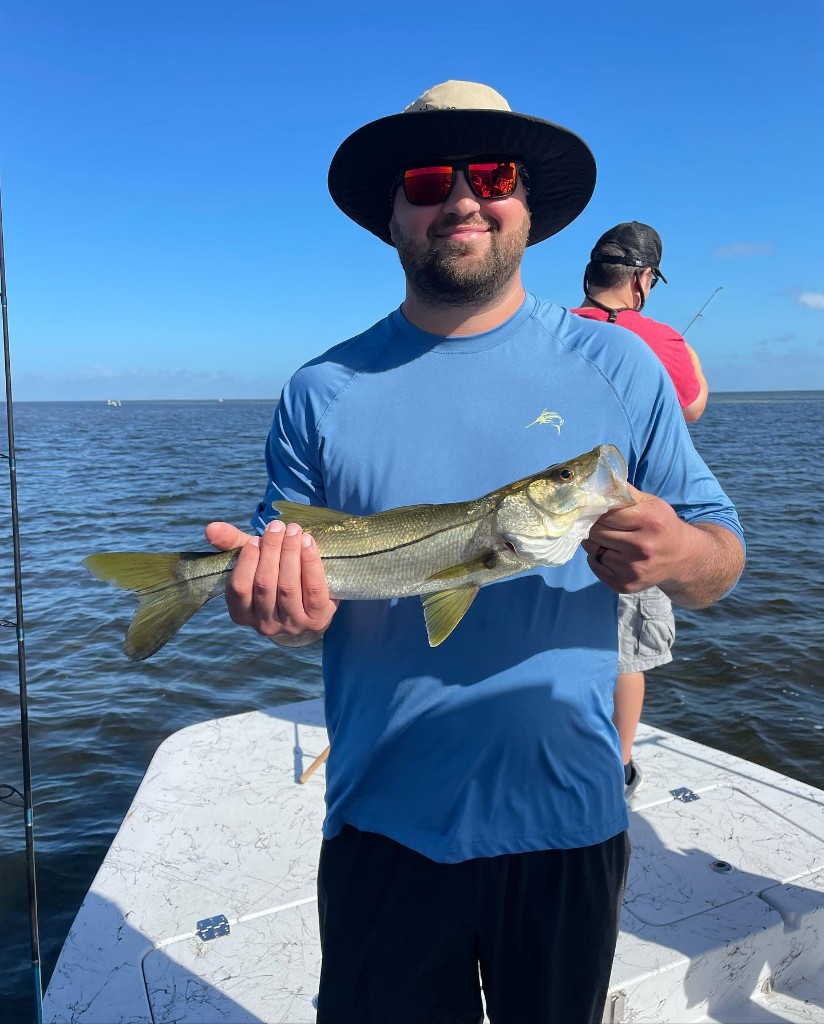
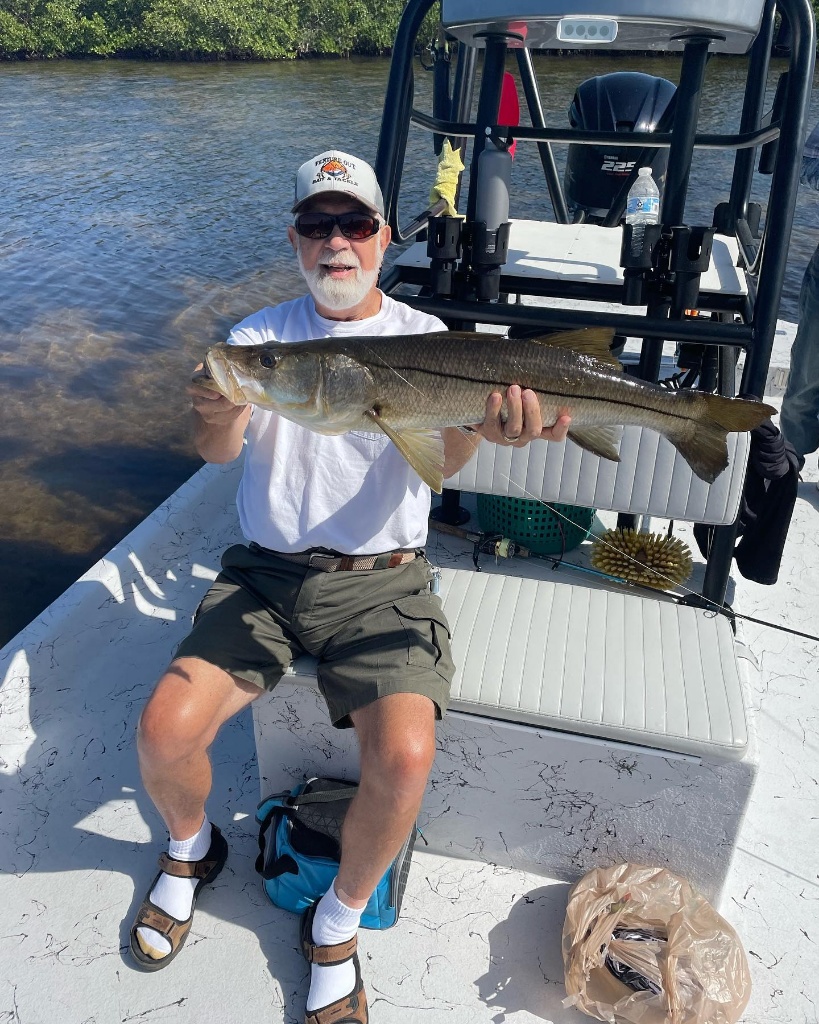
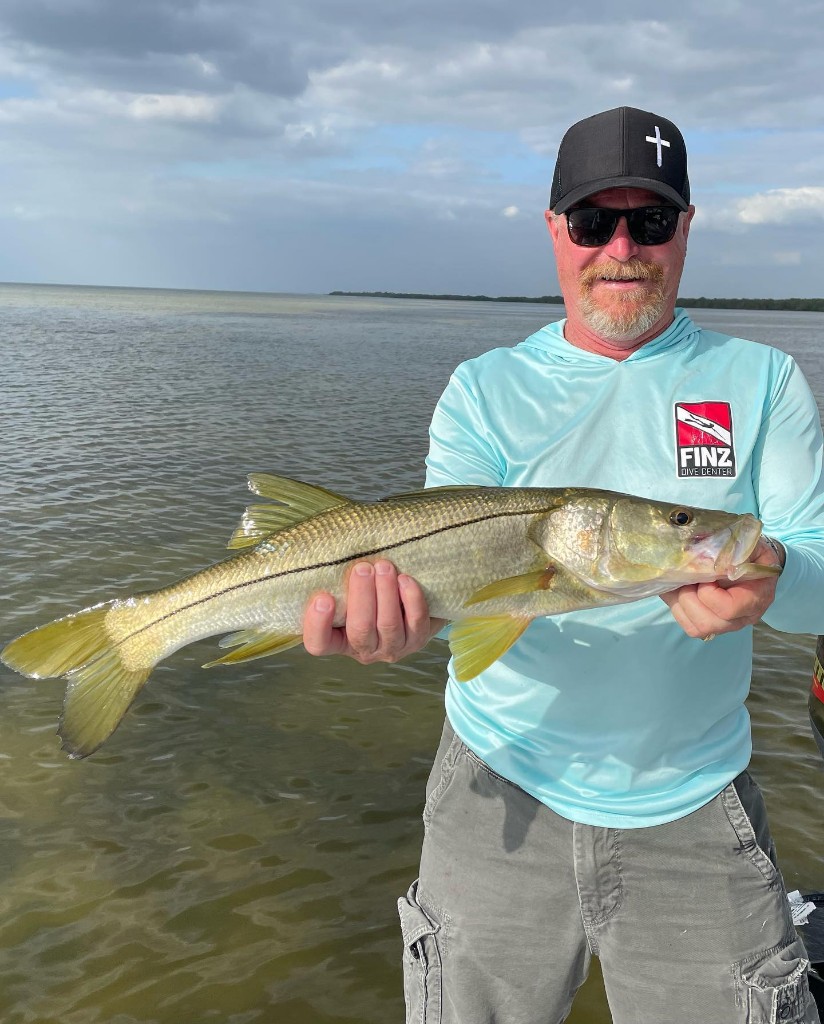
Looking for some serious fishing action in Southwest Florida? Cape Coral's backcountry waters offer some of the most productive inshore fishing in the state, and this trip puts you right in the middle of it all. Whether you're chasing reds in the shallows or hunting snook around the mangroves, these flats and nearshore waters are packed with hungry fish year-round. You'll fish with an experienced local guide who knows every creek, oyster bar, and grass flat where the big ones like to hang out. With room for up to four anglers, this is perfect for families, buddies, or anyone wanting to experience world-class fishing in one of Florida's hottest fishing destinations.
What to Expect on the Water
Your day starts early when the fish are most active and the water is calm. You'll launch from one of Cape Coral's top-rated marinas and head out into the maze of mangrove islands, grass flats, and oyster bars that make this area so special. The Caloosahatchee River system and its tributaries create perfect habitat for multiple species, giving you shot after shot at different types of fish. Morning trips catch the dawn bite when snook and trout are feeding aggressively in the shallows. Afternoon charters let you sleep in a bit while still hitting prime feeding times around structure. Full-day adventures give you the best of both worlds – early morning action plus the chance to move around and target different species as conditions change throughout the day. The guide provides all tackle, bait, and local knowledge you'll need to make the most of every cast.
Techniques & Tackle Setup
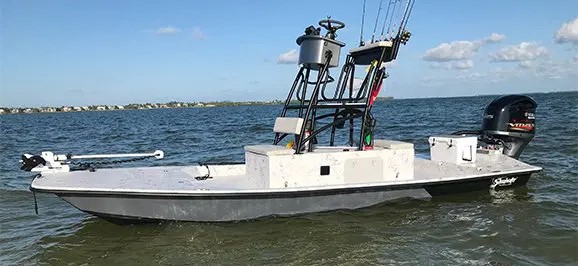
This isn't just about throwing bait and hoping for the best – you'll learn proven techniques that work in these specific waters. Sight fishing is huge here, especially on the flats where you can actually see redfish tailing or cruising just under the surface. Your guide will teach you how to read the water, spot fish, and make accurate casts without spooking them. Live bait fishing around structure produces consistent action for snapper and sheepshead, while artificial lures like soft plastics and topwater plugs drive snook and trout crazy during active feeding periods. The boat is rigged with light to medium spinning gear perfect for these species – sensitive enough to feel every bite but strong enough to muscle fish away from cover. You'll use everything from free-lined shrimp to jigs bounced along the bottom, depending on what the fish want that day. Circle hooks keep everything legal and ethical, while the guide's local bait connections ensure you always have the freshest stuff available.
Top Catches This Season
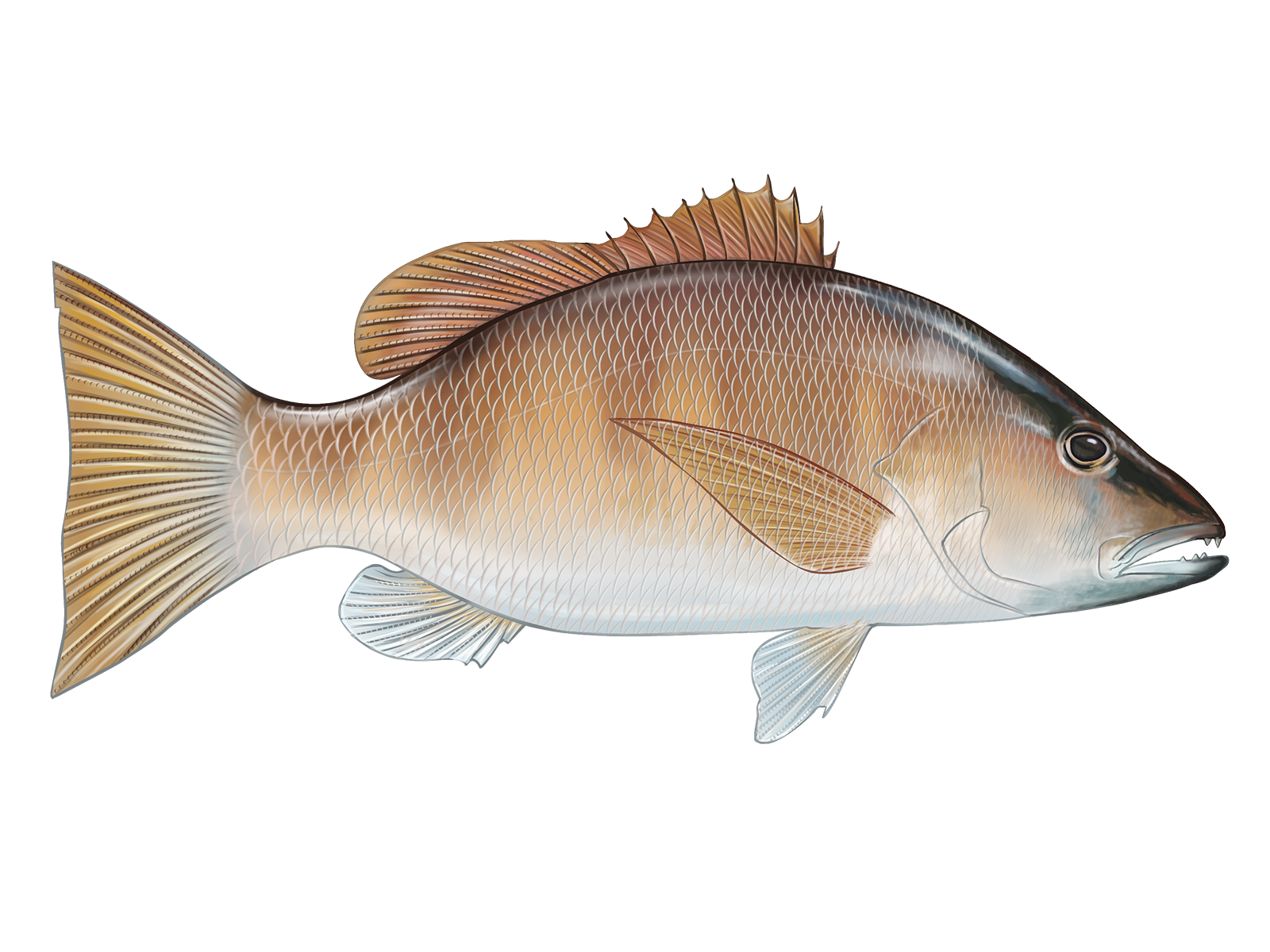
Grey Snapper are some of the smartest fish in these waters, but they're also some of the best eating. They hang around structure like docks, bridges, and oyster bars, usually in schools. Summer months bring the best action when water temps are up and they're feeding heavily. These fish are notorious for light bites and quick runs back to cover, so you'll learn to set the hook fast and apply pressure immediately. Most run 12-16 inches, but trophy fish over 20 inches show up regularly around the deeper structures.
Sheepshead fishing peaks during their winter spawning runs from December through March when big schools move into the area. These black and white striped fish have human-like teeth and love to steal bait, earning them the nickname "convict fish." They're found around any hard structure – bridge pilings, docks, and oyster bars are prime spots. Fiddler crabs and sand fleas are their favorite meals, and they require a quick hook set since they're notorious bait thieves. The bigger ones put up a solid fight and make excellent table fare.
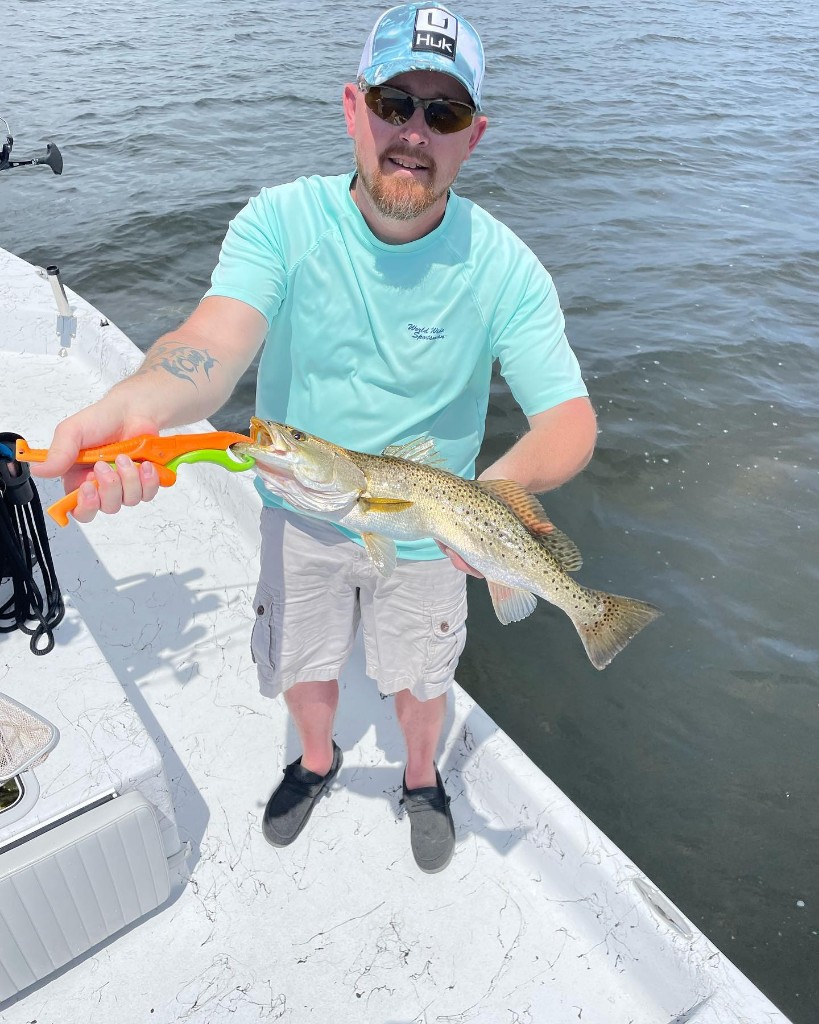
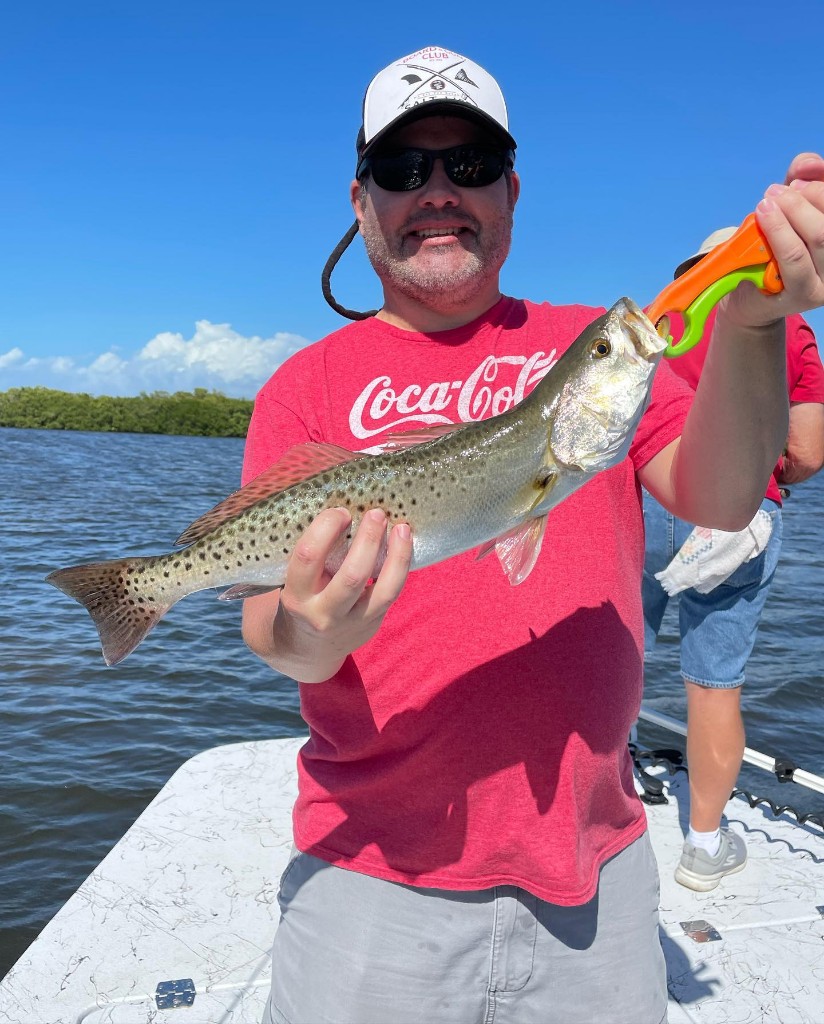
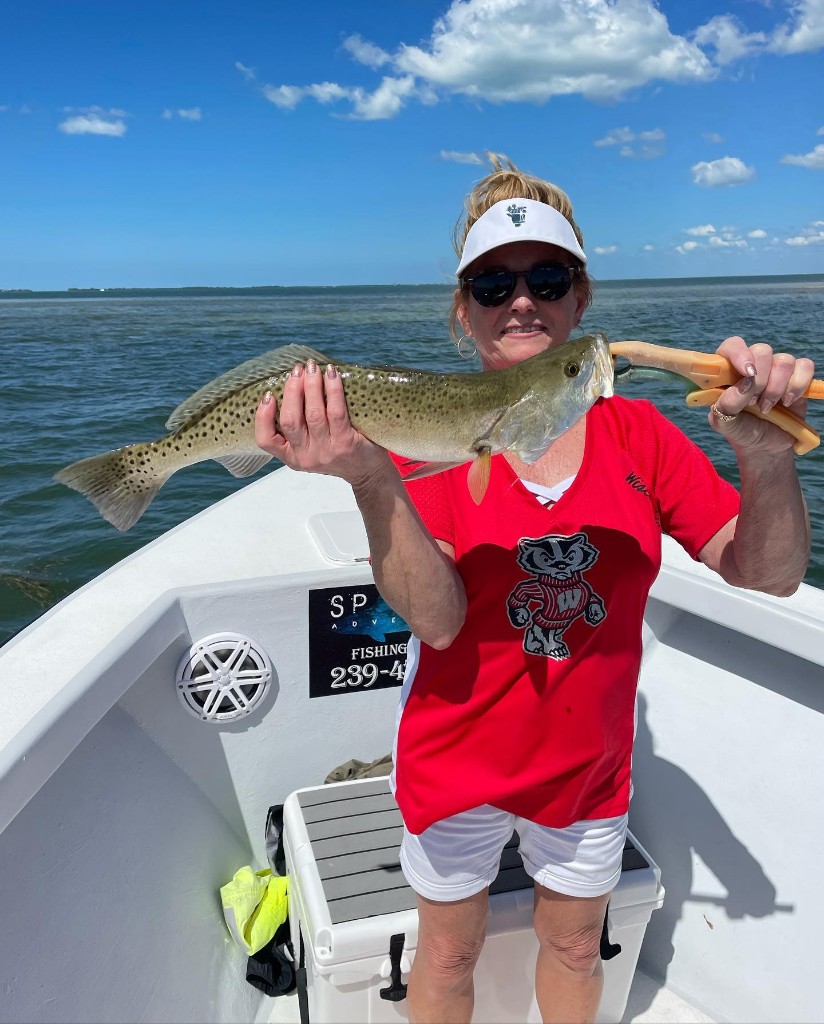
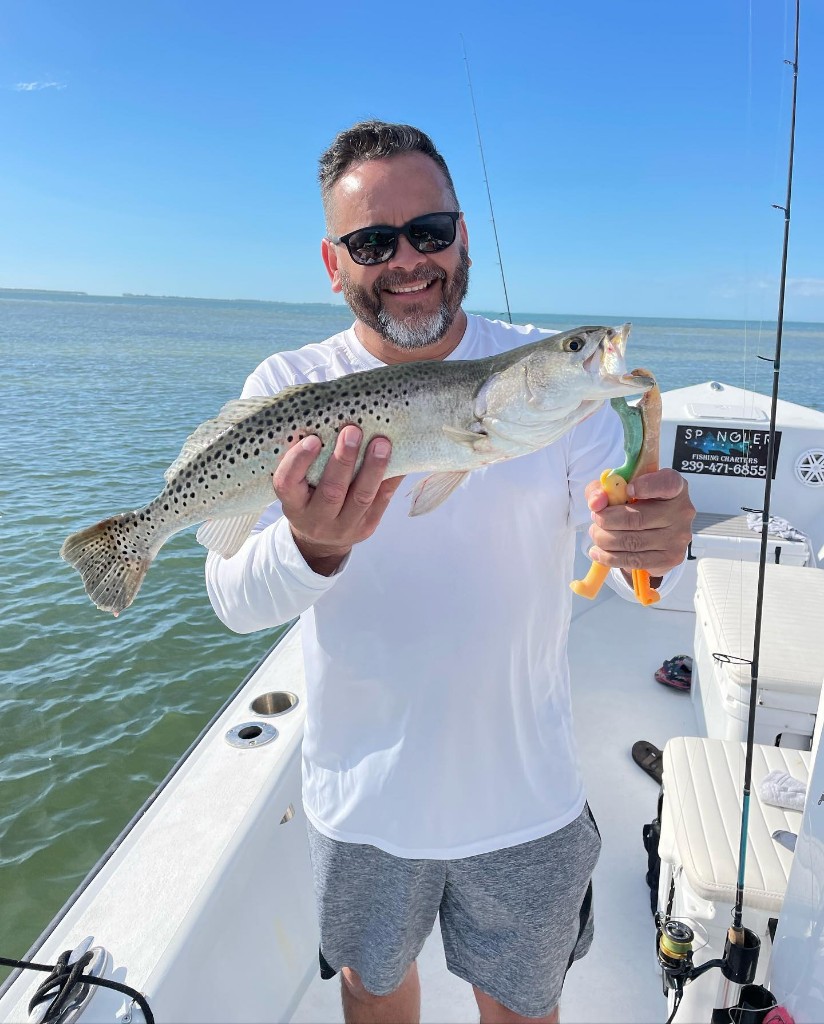
Sea Trout, or speckled trout as locals call them, are a customer favorite because they hit hard and fight well on light tackle. Grass flats are their preferred habitat, especially areas with moving water and bait schools. Spring and fall offer the most consistent action, though they bite year-round in these waters. They love live shrimp and soft plastic baits worked slowly across the bottom. The bigger "gator trout" over 20 inches are usually caught and released to protect the breeding stock, but the 14-18 inch fish are perfect for the dinner table.
Redfish are the bread and butter of inshore fishing here, and Cape Coral's shallow waters are prime habitat. These copper-colored bruisers cruise the flats looking for crabs and small fish, often with their tails sticking out of the water. Fall brings the best action when large schools move through the area, but singles and small groups are caught year-round. They're not picky eaters – live bait, cut bait, and artificials all work well. The slot-size fish between 18-27 inches are legal to keep, while the big bulls over 27 inches provide trophy photo opportunities before swimming away.
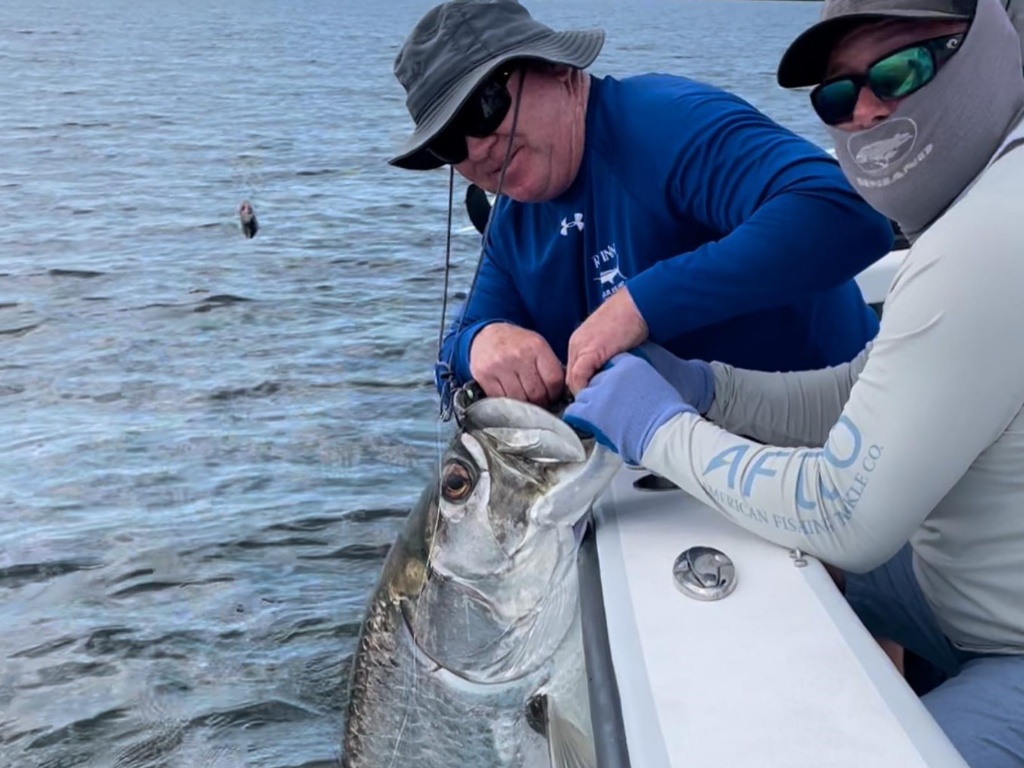
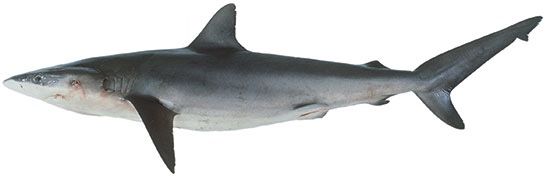
Bull Shark encounters add serious excitement to any trip, typically happening in the deeper channels and around bait schools. These powerful predators show up year-round but are most common during summer months when they follow tarpon and other baitfish into the area. Most bulls caught on these trips range from 3-6 feet, providing heart-pounding action on medium tackle. They're always released immediately after a quick photo, but hooking into one of these bruisers is something you'll never forget. The guide knows the prime spots where they hang out and can usually put you on them when conditions are right.
Time to Book Your Spot
Cape Coral's inshore fishing scene is legendary for good reason – consistent action, multiple species, and year-round fishing opportunities that keep anglers coming back trip after trip. Whether you're a seasoned angler looking to learn new techniques or a beginner wanting to experience Florida fishing at its finest, this trip delivers the goods. The experienced guide, top-notch equipment, and productive waters combine for fishing adventures that exceed expectations every time. With only four spots available
 Private Trip
 Inshore Fishing
 Fort Myers


 Target redfish, snook, and trout in Cape Coral flats