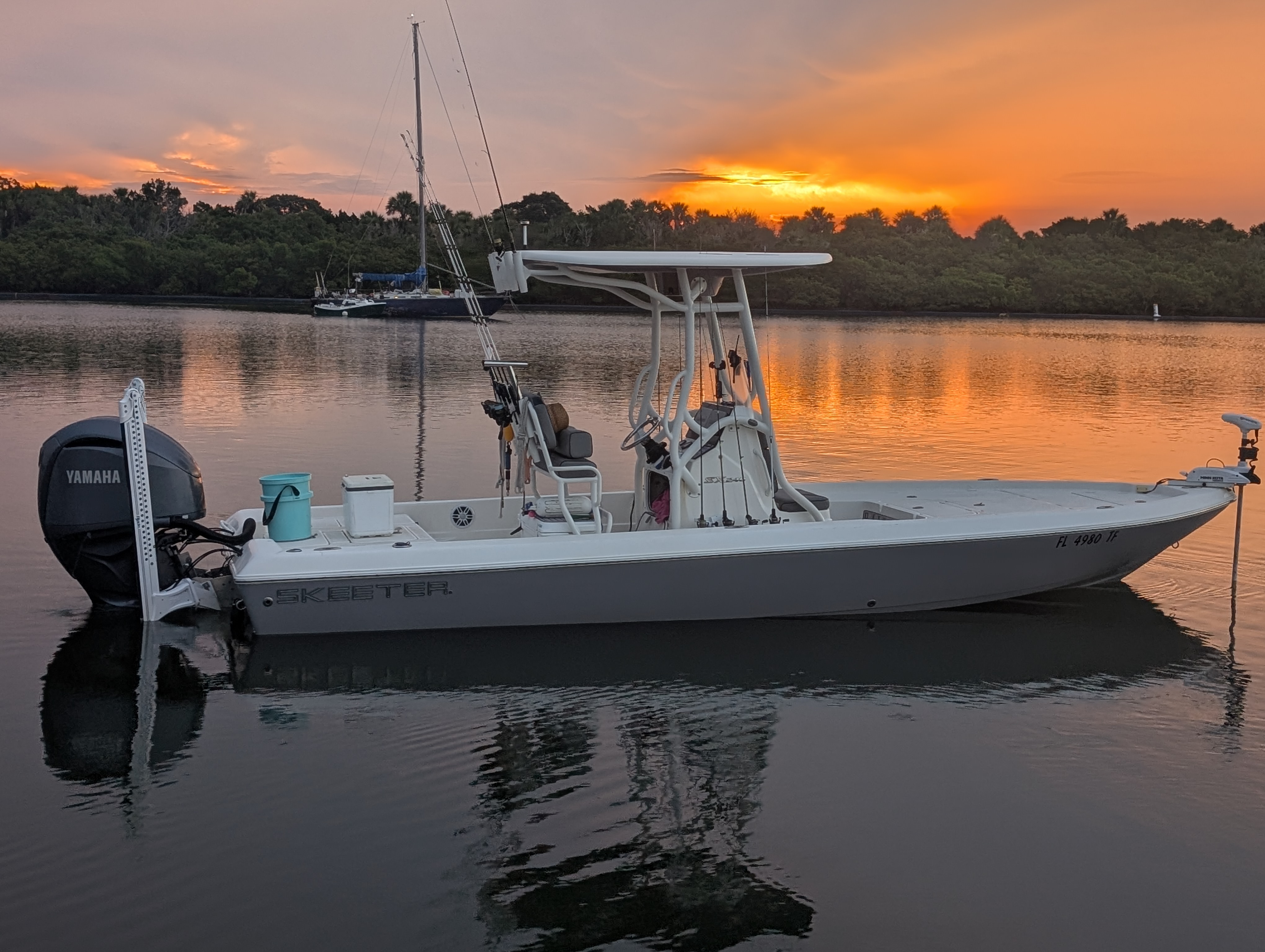
Half Day Ponce Inlet Inshore Fishing Charter
There's something special about the waters around Ponce Inlet that keeps anglers coming back season after season. This 4-hour inshore charter with Spot Stalker Charters LLC puts you right in the heart of some of Florida's most productive fishing grounds. You'll work the Halifax River, Indian River, and the legendary waters around Ponce Inlet where redfish cruise the grass flats and snook ambush bait along the mangrove edges. Whether you're a first-timer wanting to learn the ropes or a seasoned angler looking to dial in your technique, this half-day trip delivers the kind of action that makes for great stories back at the dock.
What to Expect on the Water
Your day starts early with departure times at 7:00 AM, 8:00 AM, or 12:00 PM, giving you flexibility to match your schedule. The morning trips are particularly productive as many target species feed actively in the cooler hours. You'll fish the intricate network of shallow flats, oyster bars, and mangrove shorelines that make this area a top-rated destination for inshore species. The Halifax and Indian Rivers offer protected waters perfect for sight fishing and working structure, while the Ponce Inlet area provides access to deeper channels where larger fish patrol. With all fishing gear and live bait provided, you can focus entirely on reading the water and perfecting your presentation. The trip accommodates one angler, ensuring personalized attention and the flexibility to adapt tactics based on conditions and your skill level.
Techniques and Tackle
Inshore fishing here revolves around reading structure and matching your approach to the target species. You'll work live bait under popping corks around oyster bars for sheepshead and mangrove snapper, while switching to topwater plugs and soft plastics when sight-casting to redfish on the flats. The grass beds hold trout that respond well to suspending baits, and the deeper channels near bridges and docks are prime territory for snook, especially during moving tides. Live shrimp is the go-to bait for most situations, but cut bait works magic for flounder lying in sandy pockets. The guide provides medium-action spinning gear perfectly suited for these waters - sensitive enough to feel light bites but with enough backbone to turn fish away from structure. Techniques vary from slow-rolling soft plastics along drop-offs to working topwater baits over shallow grass beds at first light.
Species You'll Want to Hook
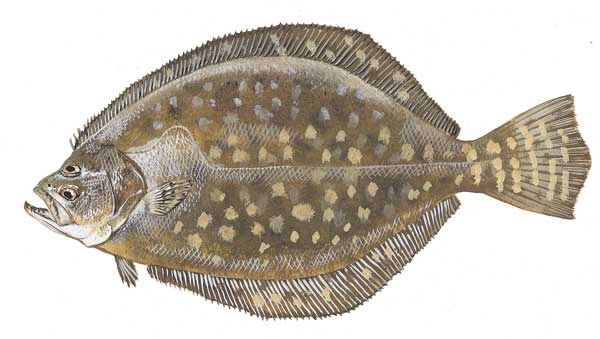
Southern Flounder are masters of disguise, lying perfectly camouflaged in sandy areas waiting to ambush passing bait. These flatfish typically range from 14 to 20 inches in local waters, with larger specimens pushing 4-5 pounds. Fall months bring the best flounder action as they move toward inlet areas before their offshore spawn. What makes them exciting to target is their aggressive strike - they'll absolutely crush a well-presented bait, and their strong runs test your drag system. The key is working baits slowly along bottom transitions where sand meets grass or shell.
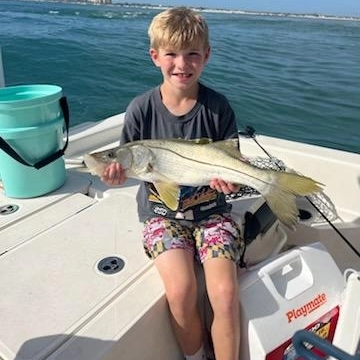
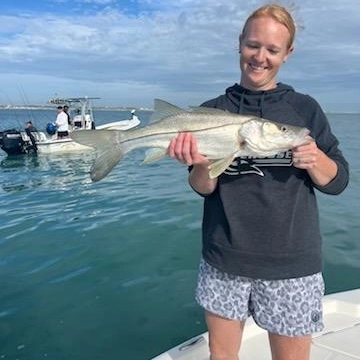
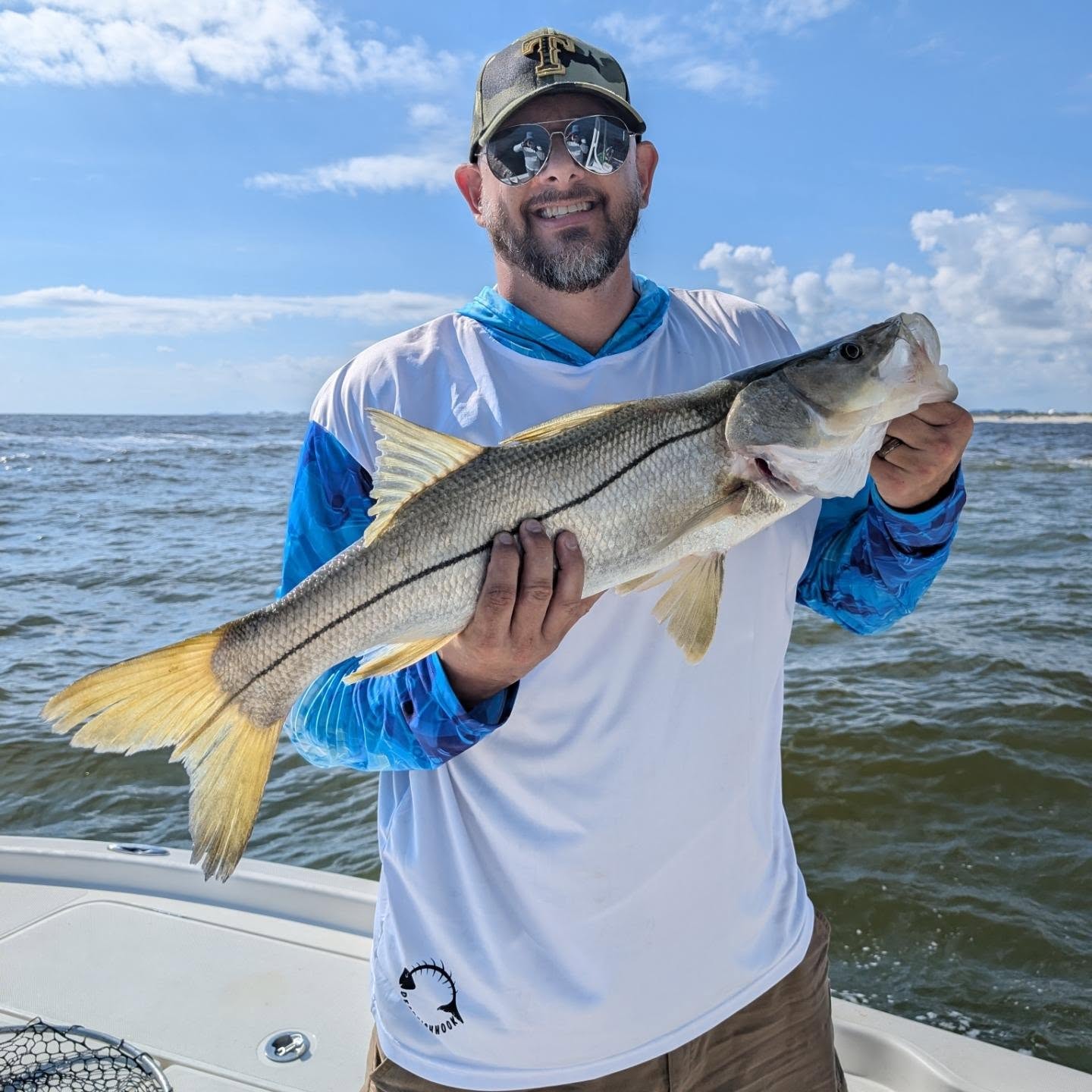
Snook are the ultimate inshore gamefish, combining aggressive strikes with acrobatic fights that include spectacular jumps and powerful runs toward structure. They average 20 to 28 inches in these waters, with slot-size fish providing world-class action on light tackle. Snook are most active during warmer months and around moving tides, particularly near mangrove points and bridge pilings. Their ambush-style feeding makes them a customer favorite - they'll explode on topwater baits in shallow water, creating heart-stopping strikes that anglers never forget.
Grey Snapper, locally called mangrove snapper, are cunning fish that test your finesse skills. These 12 to 16-inch fighters are abundant around structure and known for their light, tentative bites that require excellent sensitivity to detect. Summer months bring the most consistent action, and they're renowned for their table quality. What makes them addictive to target is their wariness - success requires precise bait presentation and quick hook-sets, making each fish earned feel like a victory.
Sheepshead are the convict-striped specialists of oyster bars and pilings, using their human-like teeth to crush crustaceans and shellfish. These 2 to 4-pound fish are most active during cooler months, particularly around full moon phases when they spawn near inlet areas. They're prized by anglers for their challenging nature - detecting their subtle bites requires concentration and experience. When hooked, they make short, powerful runs toward structure, testing both tackle and angler skill.
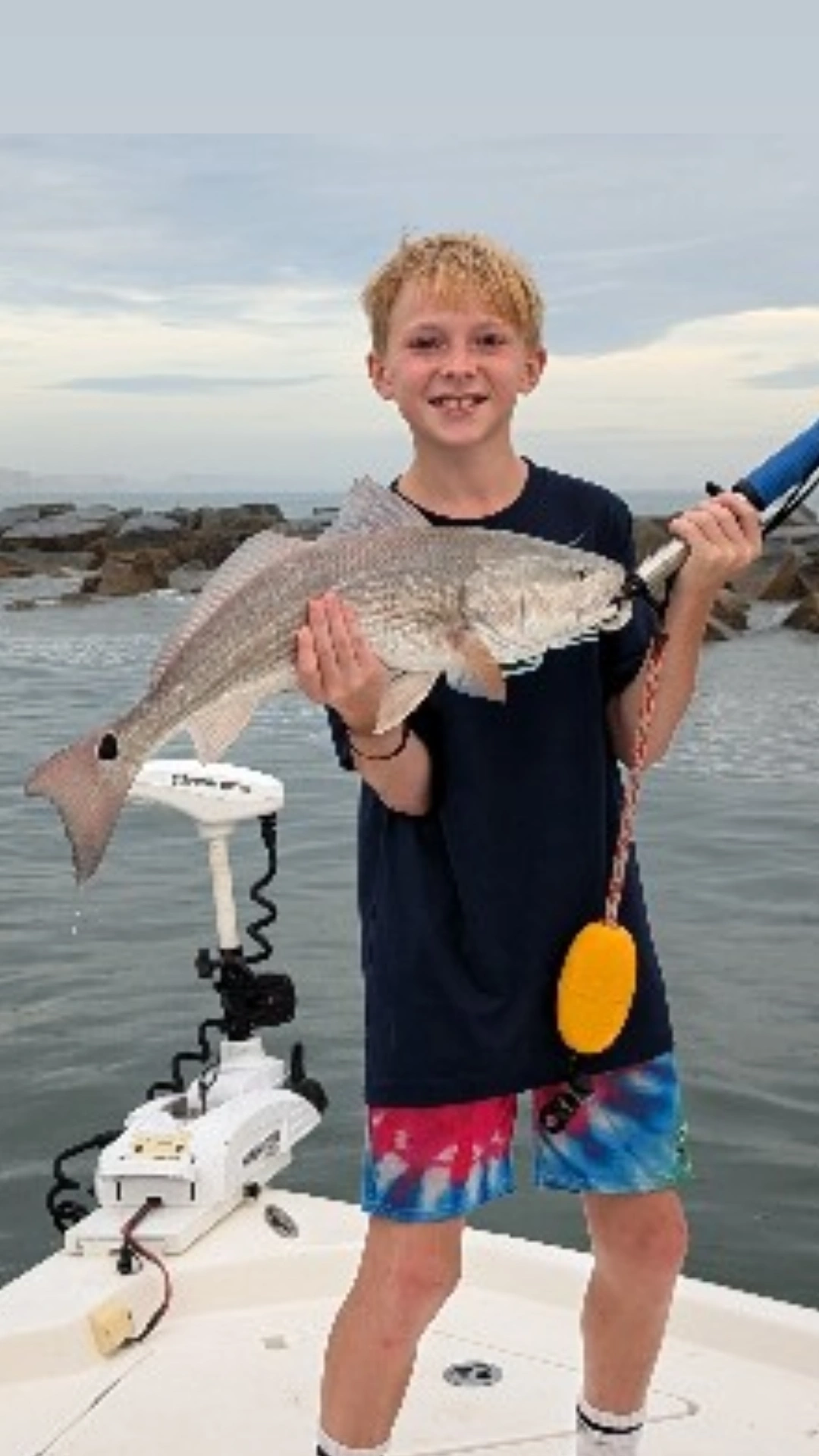
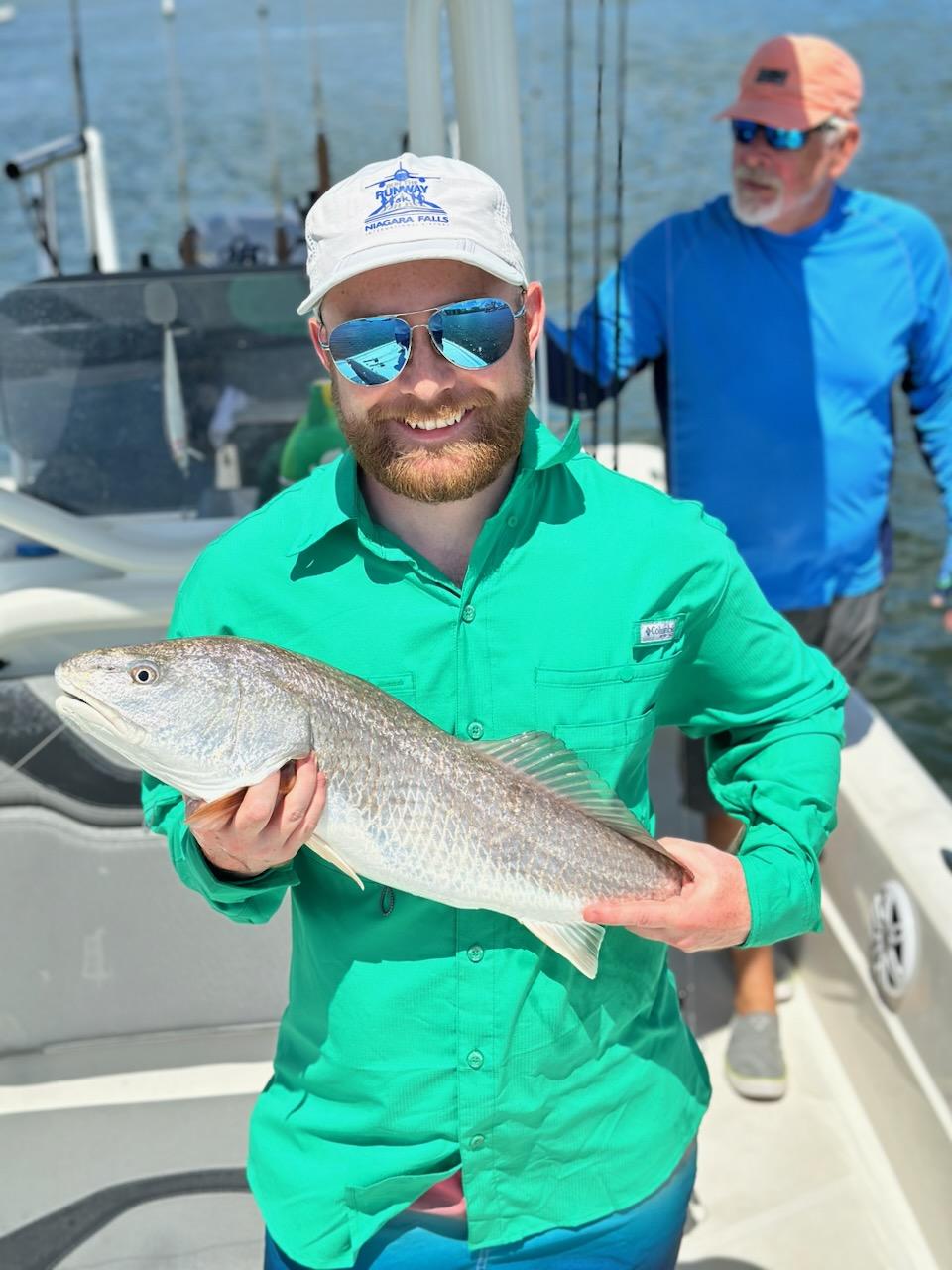
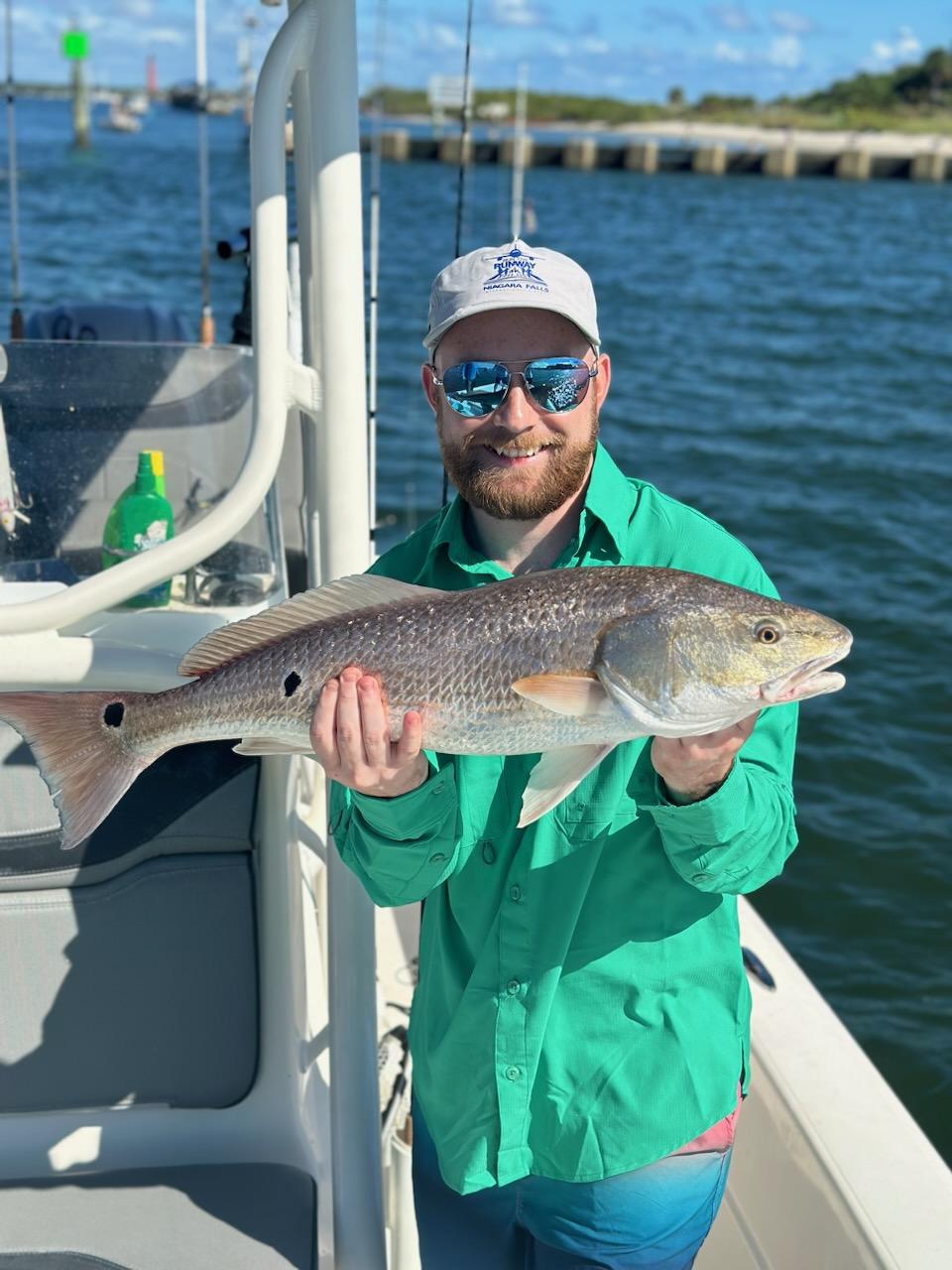
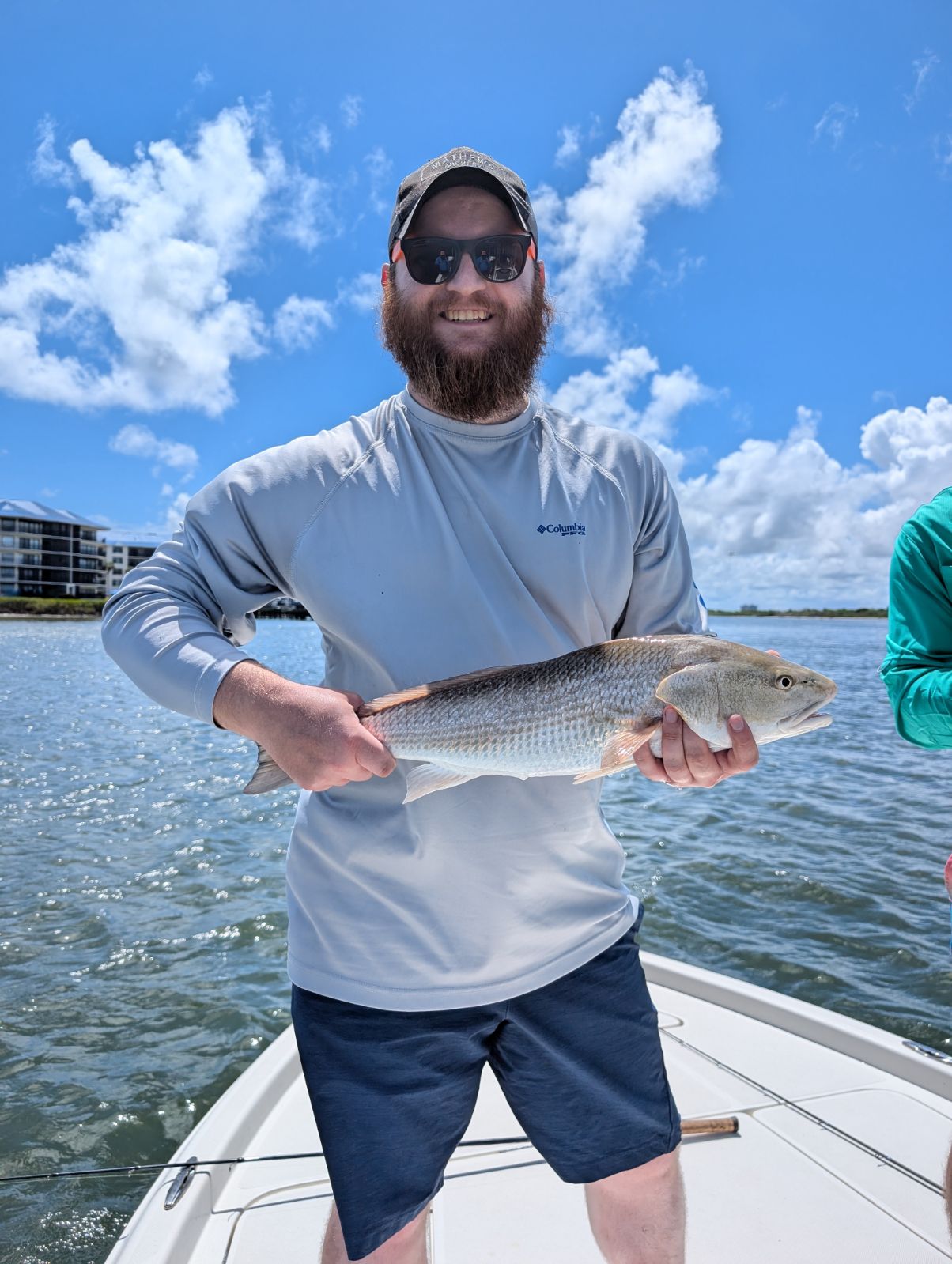
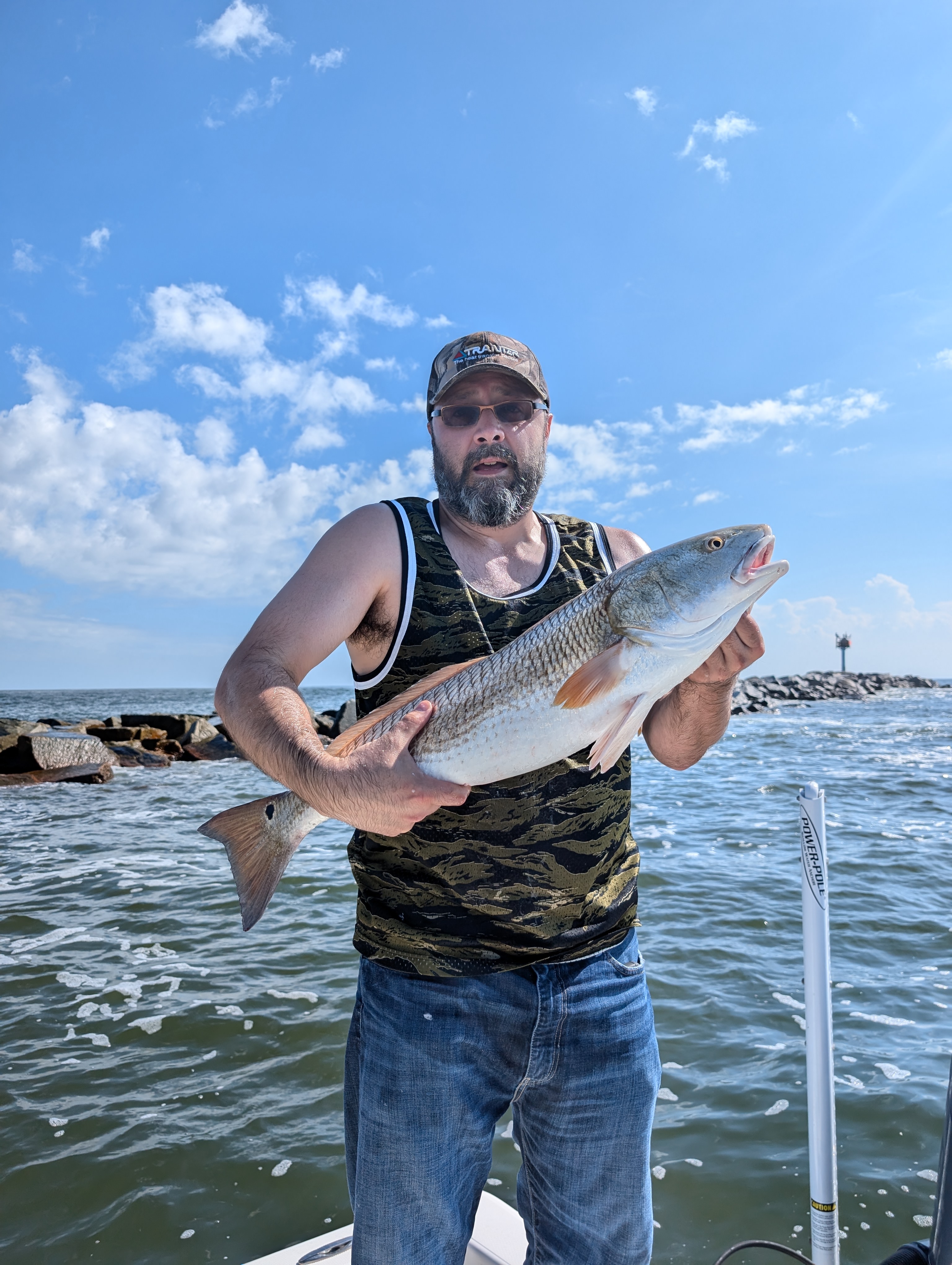
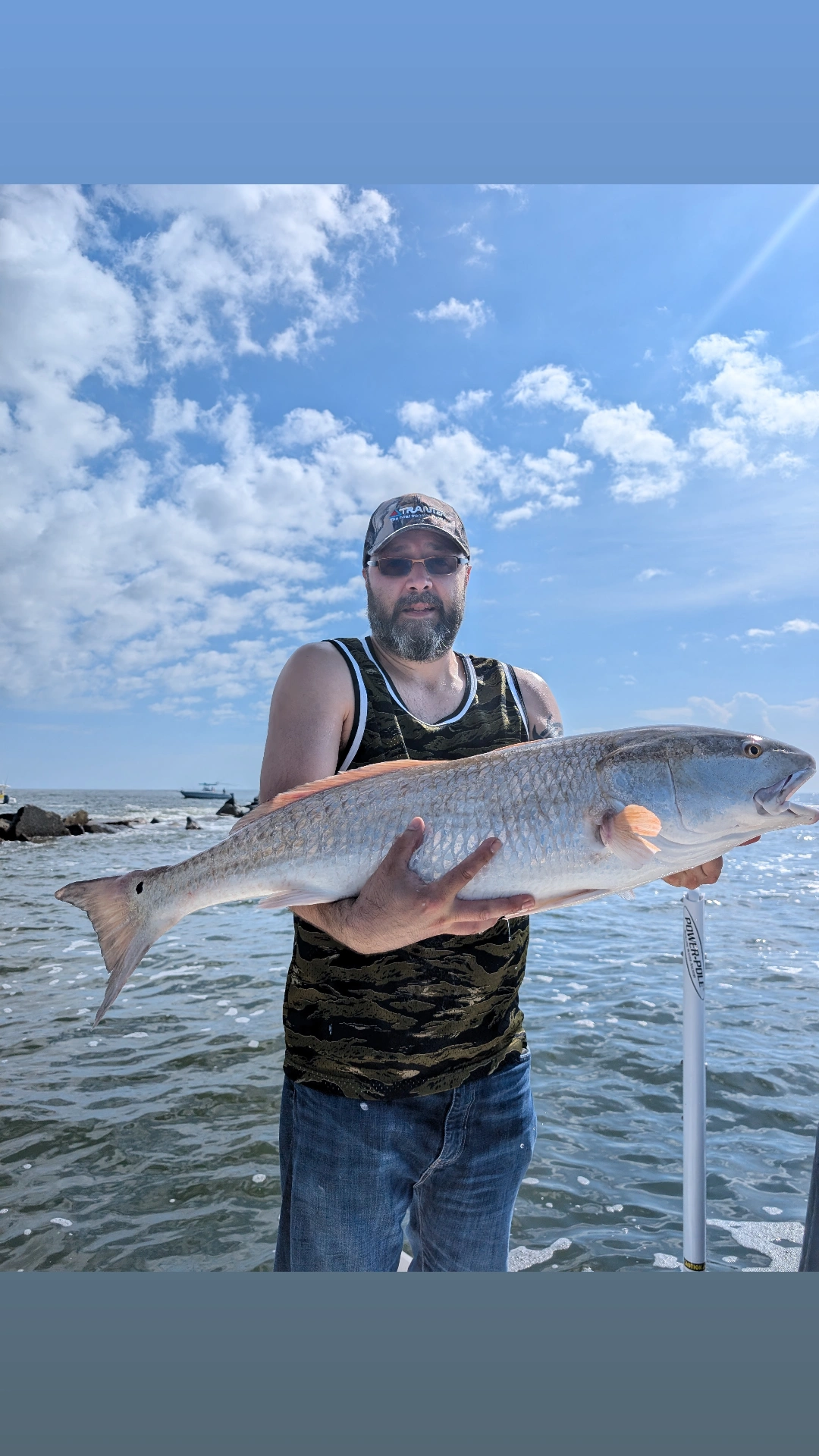
Redfish are the crown jewel of inshore fishing, offering everything from sight-fishing opportunities on shallow flats to strong battles in deeper water. Local reds typically range from 18 to 27 inches, with their copper-bronze sides and distinctive tail spots making them unmistakable. They're active year-round but peak during fall months when they school in larger numbers. What makes redfish special is their versatility - they'll eat live bait, artificial lures, and provide consistent action across various techniques and water depths.
Time to Book Your Spot
This half-day Ponce Inlet charter offers the perfect balance of productive fishing time and convenience, making it ideal for both locals and visiting anglers. The combination of diverse target species, expert guidance, and prime fishing locations creates opportunities for memorable catches regardless of your experience level. With all gear and bait included, you're getting tremendous value and the chance to learn techniques that will improve your fishing for years to come. The waters around Ponce Inlet don't disappoint - book your trip with Spot Stalker Charters LLC and experience why this area has earned its reputation as one of Florida's best inshore fishing destinations.
 Private Trip
 Inshore Fishing
 New Smyrna Beach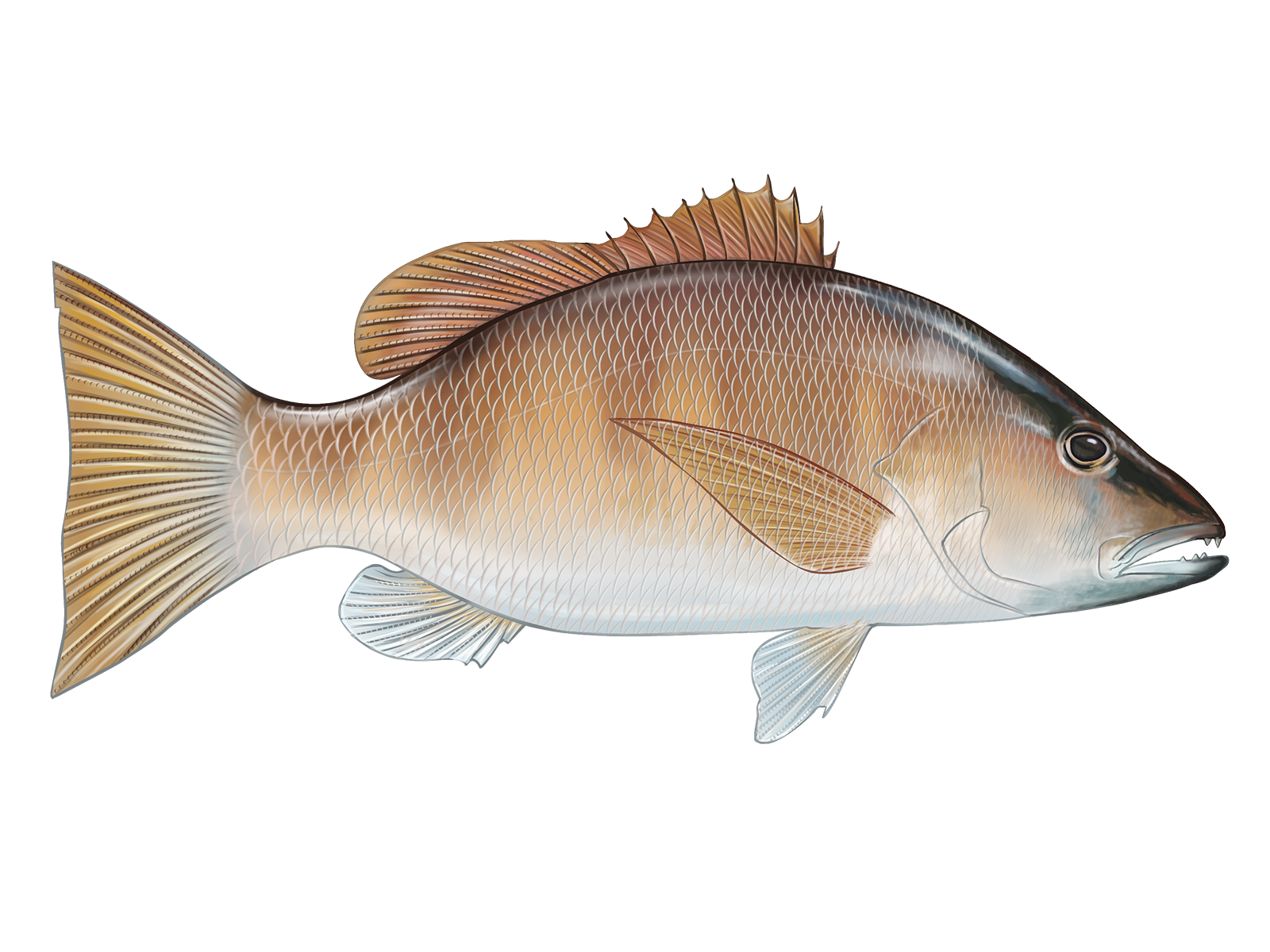


 Four-hour inshore charter targeting redfish, snook, and trout