Half Day Fishing in McClellanville, South Carolina
Looking for a solid half-day fishing trip that won't break the bank? Spot Tail Charters has you covered with four hours of prime inshore fishing in the waters around McClellanville. This isn't some tourist trap operation – we're talking about real fishing in one of South Carolina's best-kept secrets. You'll be targeting eight different species in waters that have been producing consistently for decades. Everything's included too – rods, reels, tackle, licenses, plus snacks and drinks to keep you going. Just bring yourself and maybe a cooler for your catch.
What to Expect on the Water
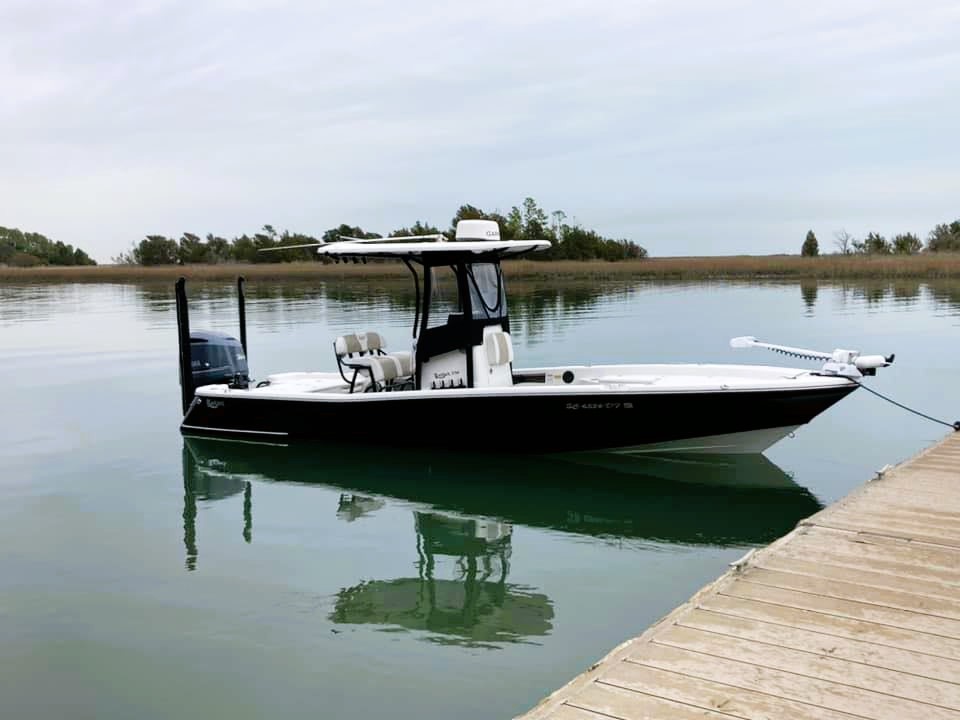
McClellanville sits right where the creeks meet the Atlantic, giving you access to some of the most productive inshore waters on the East Coast. Your captain knows these waters like the back of their hand – every oyster bar, every drop-off, every grass bed where fish like to hang out. The boat holds up to six anglers, so you're not packed in like sardines. You've got room to cast, room to fight fish, and room to actually enjoy yourself. The four-hour window is perfect timing – long enough to hit multiple spots and species, but not so long that you're burnt out by the end. Most trips start early morning when the fish are most active, but afternoon trips can be just as productive depending on tides and weather.
Techniques & Tackle Setup
This is classic Carolina inshore fishing – we're talking live bait, cut bait, and some artificial lures depending on what's working. Your captain will have you rigged up with circle hooks and appropriate weights for the depth and current. Bottom fishing is big here for drum, grouper, and sheepshead around structure. For the redfish and trout, you might be sight casting or working grass flats with jigs or topwater plugs early in the day. The boat carries all the gear you need – medium to heavy action rods that can handle anything from a scrappy trout to a bull redfish. Bait selection changes with the seasons and conditions, but expect to see shrimp, mud minnows, cut mullet, and maybe some live pinfish or finger mullet. Your guide will handle all the rigging and re-baiting, so you can focus on fishing instead of fiddling with tackle.
Target Species You'll Want to Hook
Grey Triggerfish are one of the more unique catches you'll encounter out here. These guys are curious and aggressive, often found around structure and hard bottom. They've got incredible eyesight and can be picky eaters, but once hooked, they put up a surprising fight for their size. Most run 2-4 pounds, and they're excellent table fare if you can get past their tough skin. Best action is typically late spring through early fall when they move into shallower waters to spawn.
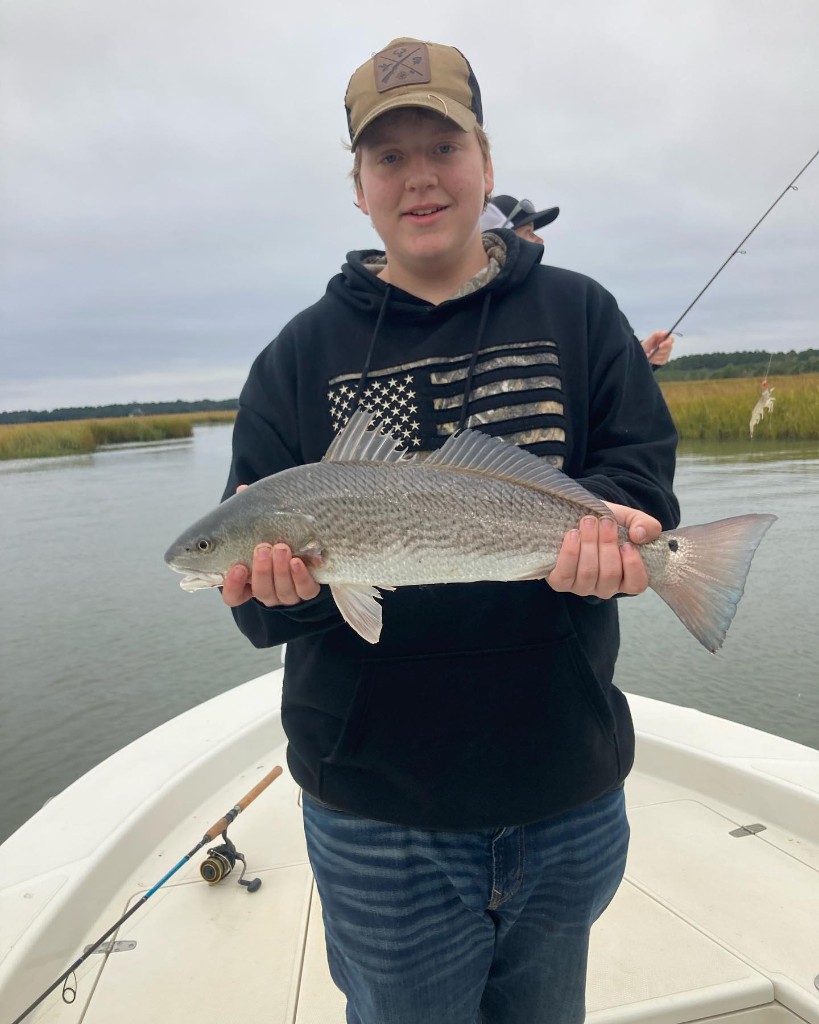
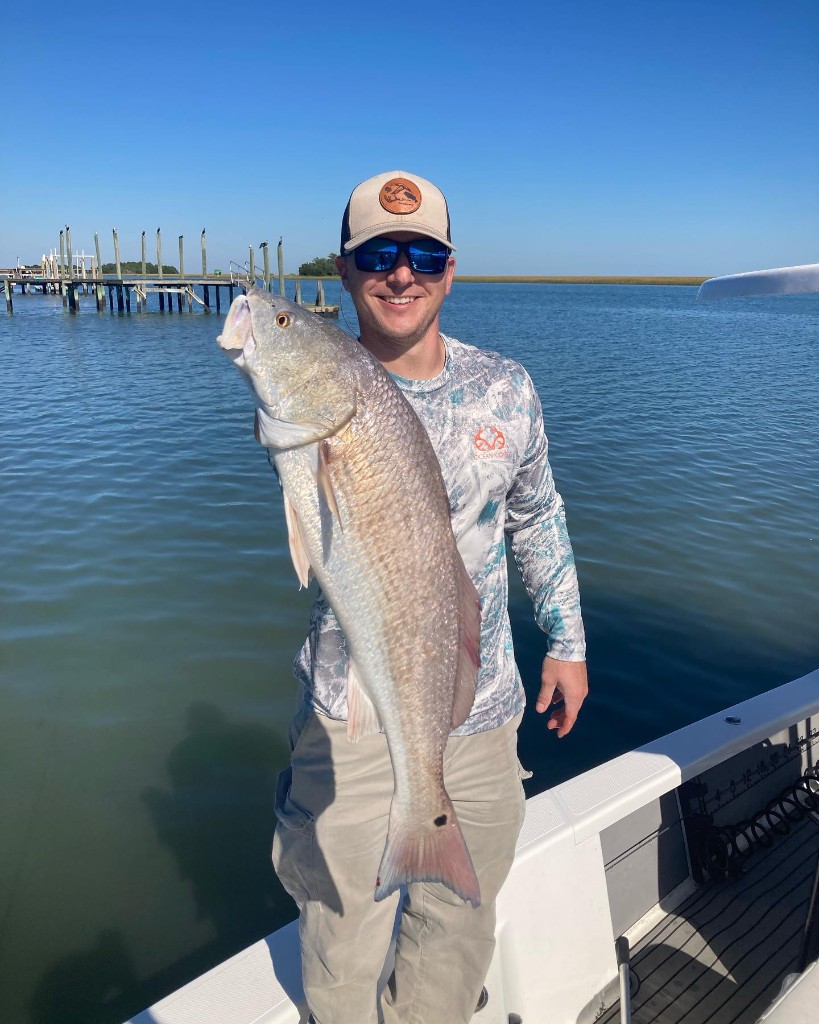
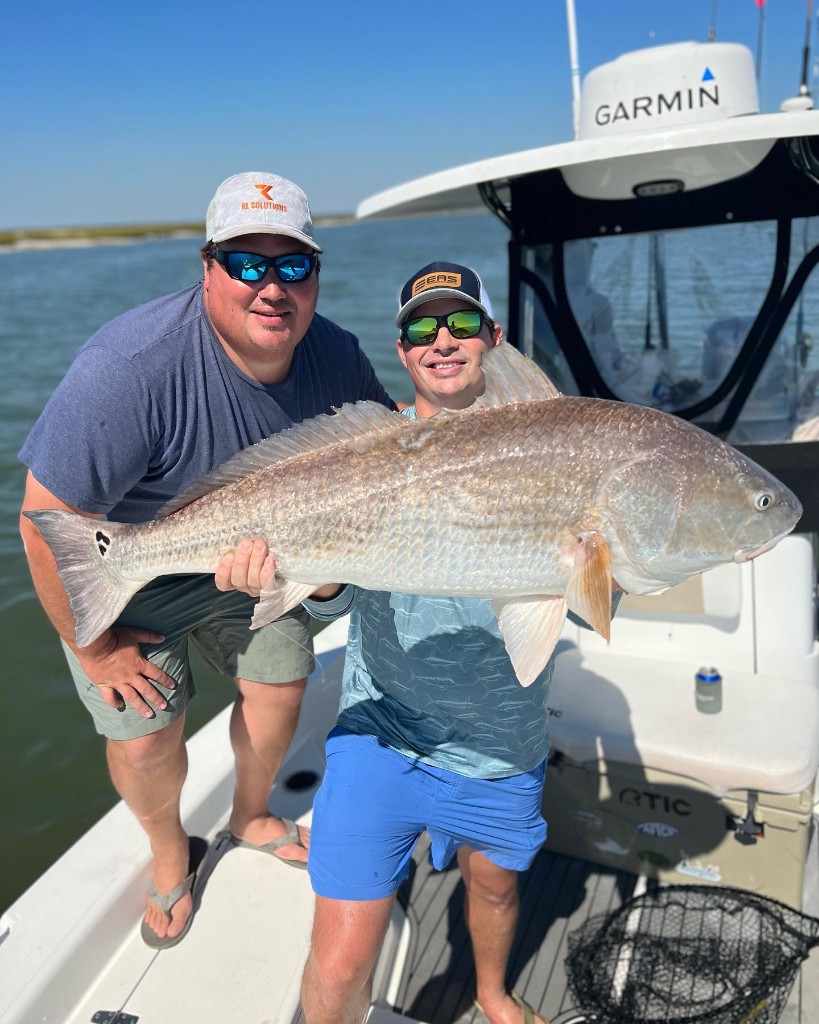
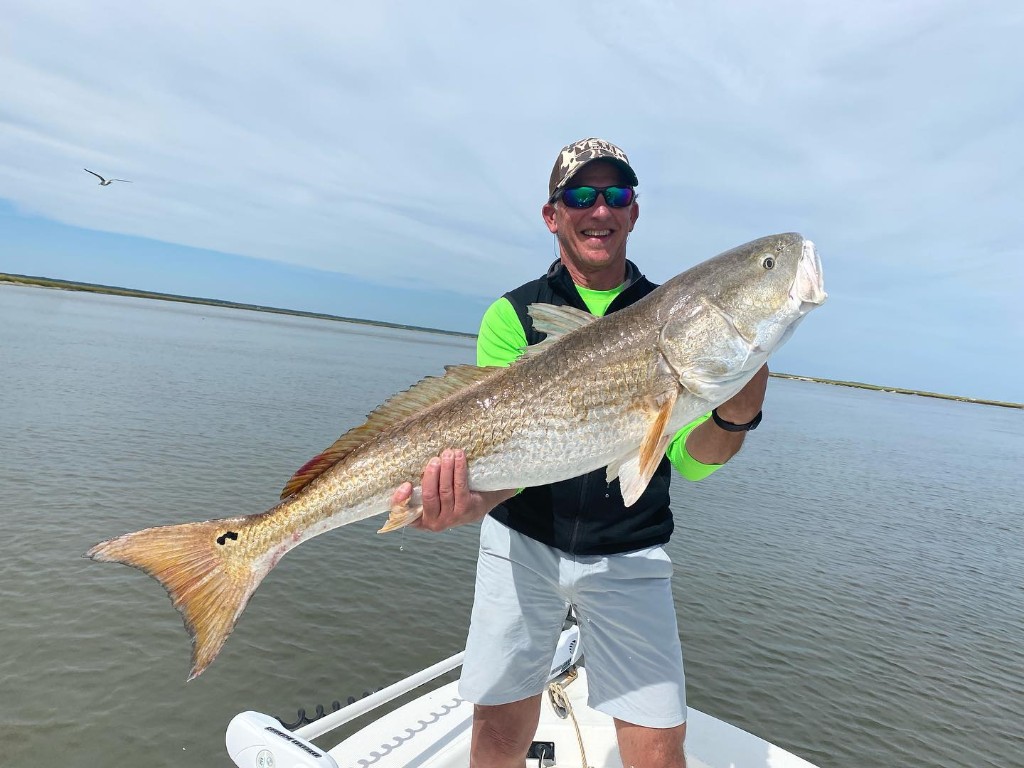
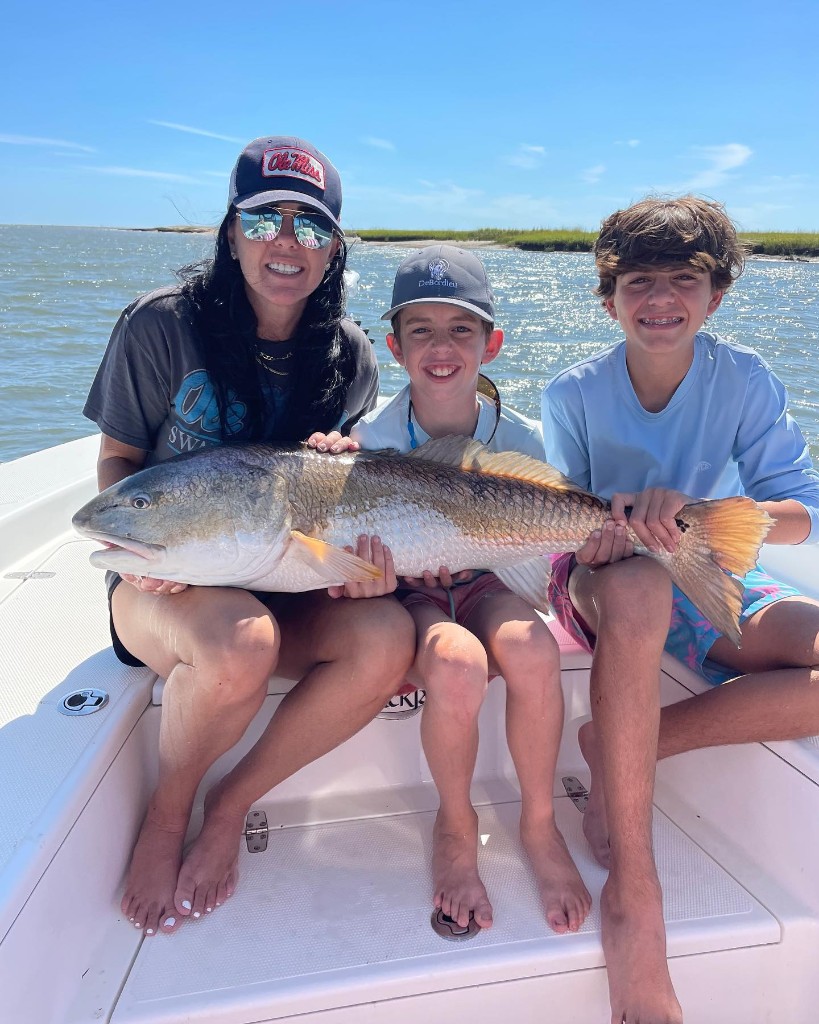
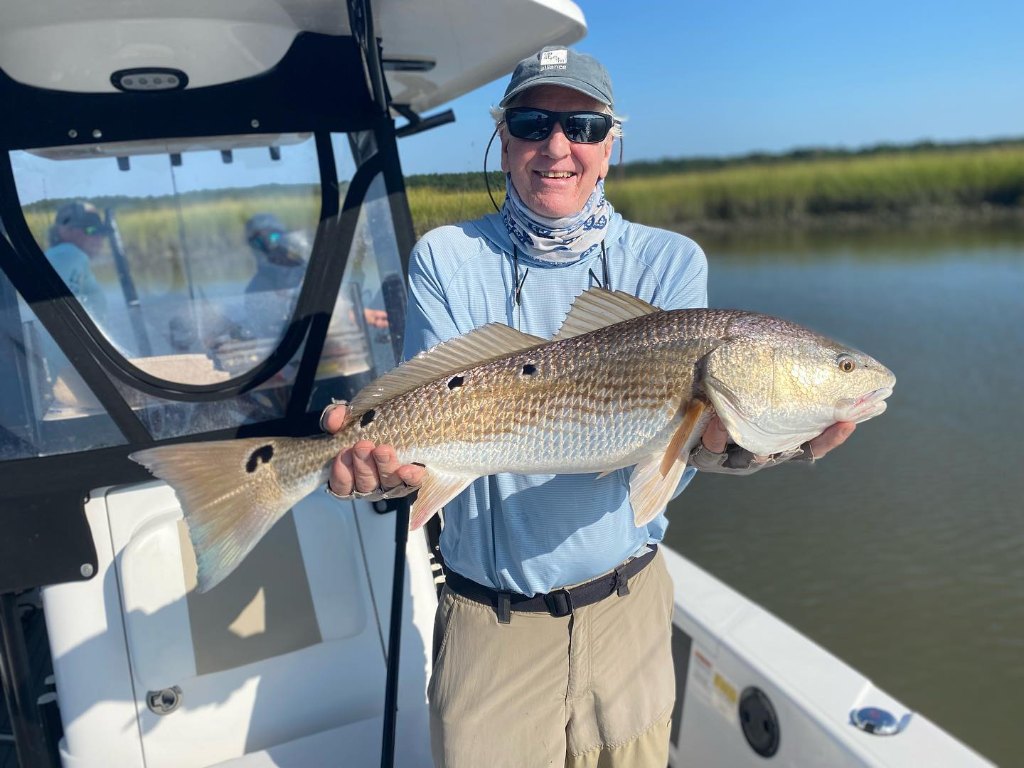
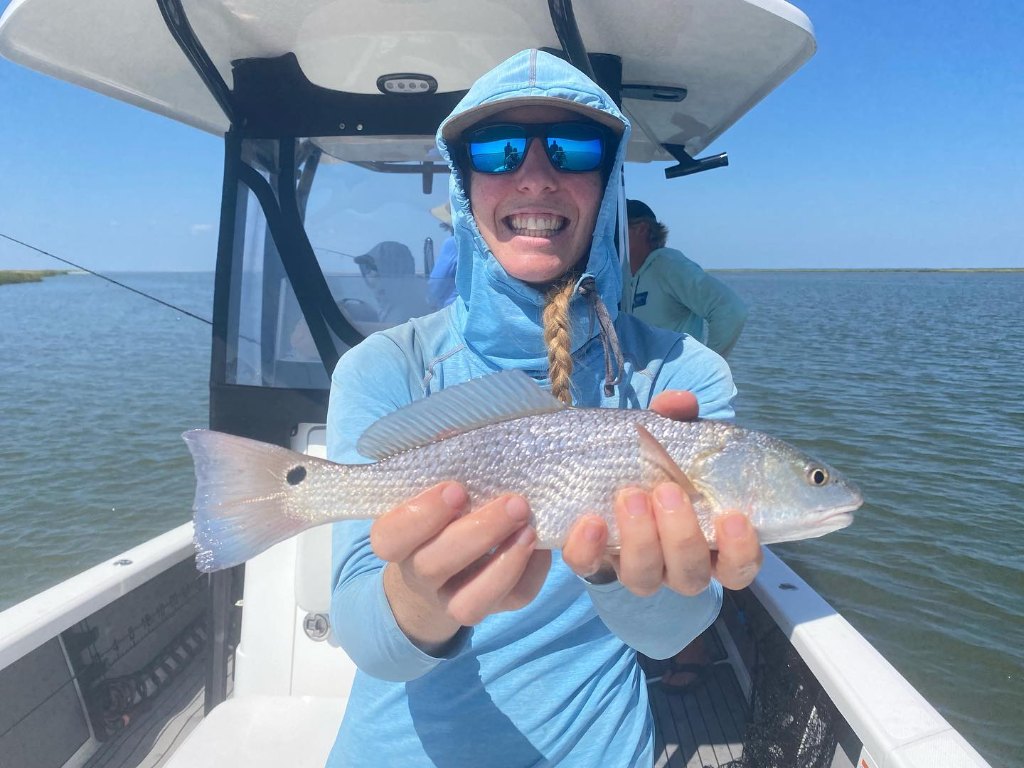
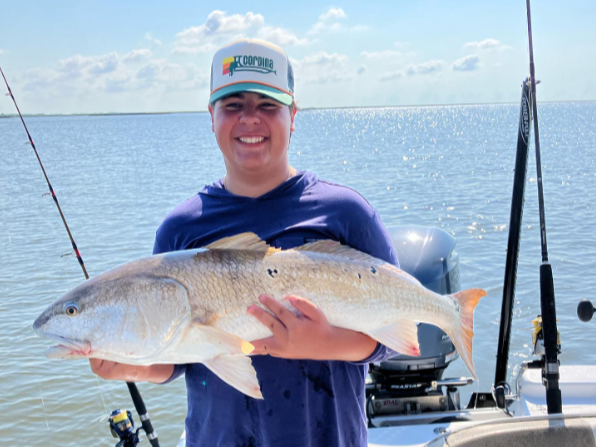
Redfish are the bread and butter of Carolina inshore fishing, and for good reason. These copper-colored bruisers can range from slot-size fish around 18-27 inches up to massive bulls pushing 40+ inches. They're not the fastest swimmers, but they'll use every ounce of their strength to try and break you off in the oysters. Spring and fall are prime time when they school up in huge numbers. You'll hear them before you see them sometimes – that distinctive tailing and splashing in shallow water gets your heart pumping every time.
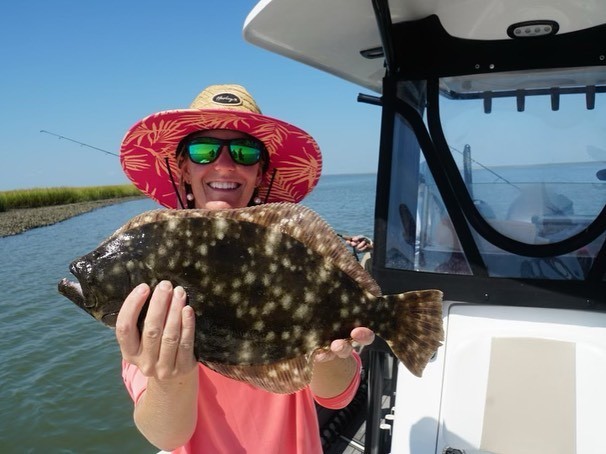
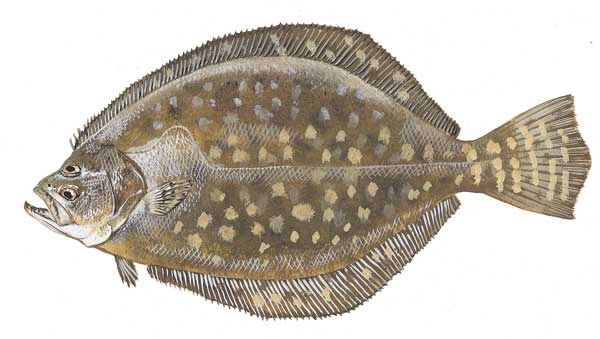
Southern Flounder are the ultimate ambush predators, lying flat on sandy bottoms waiting for baitfish to swim overhead. These flatfish can be tricky to hook since they often mouth the bait before committing, but a well-timed hookset will get you a fish that's hard to beat on the dinner table. They're most active during moving water, especially around creek mouths and channel edges. Fall is typically the best time as they fatten up before their offshore migration.
Gag Grouper are the prize catch when you can find them in the right spots. These bottom dwellers love structure – rocks, ledges, wrecks – anywhere they can ambush prey. They're powerful fish that will try to get back to their hole the second they feel the hook. Most inshore gags run 15-25 inches, and they're incredibly good eating. You'll typically find them in deeper holes and around hard structure, especially during cooler months.
Black Sea Bass might be small, but they're scrappy fighters and excellent table fare. These guys are year-round residents around structure, and they're usually willing to bite when other species are being finicky. They rarely get bigger than a couple pounds inshore, but what they lack in size they make up for in numbers. Perfect fish for kids or anyone who just wants steady action.
Black Drum are the heavy hitters of the inshore world. These fish can live for decades and grow to massive sizes – 30, 40, even 50+ pound fish are possible. They're bottom feeders with incredible strength, using their weight and power to try and break your line on structure. Younger drum in the 5-15 pound range are better eating, while the big breeders are usually released to keep the population healthy. Spring is prime time when they move into shallow water to spawn.
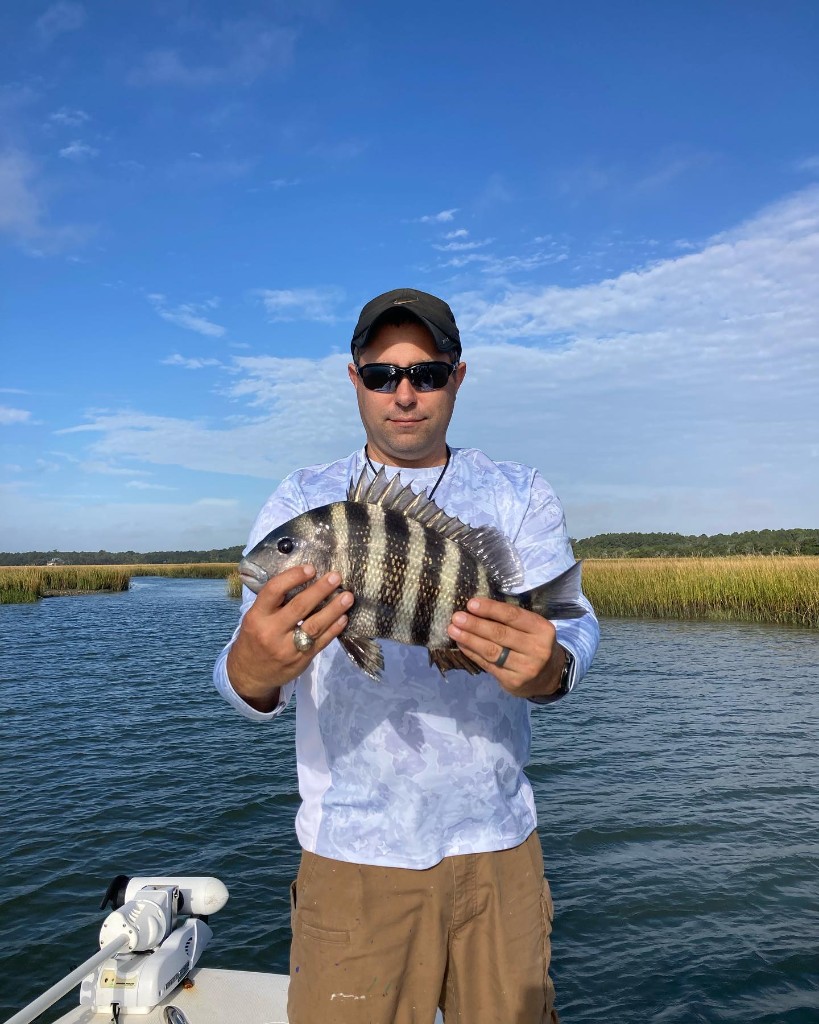
Sheepshead are the convict-striped thieves of the inshore world. These bait stealers have human-like teeth that can crush barnacles and crabs with ease. They require finesse fishing – small hooks, light leaders, and quick reflexes to set the hook before they strip your bait. But master the technique and you've got some of the best eating fish in the ocean. They're most active around structure during cooler months, especially around docks and jetties.
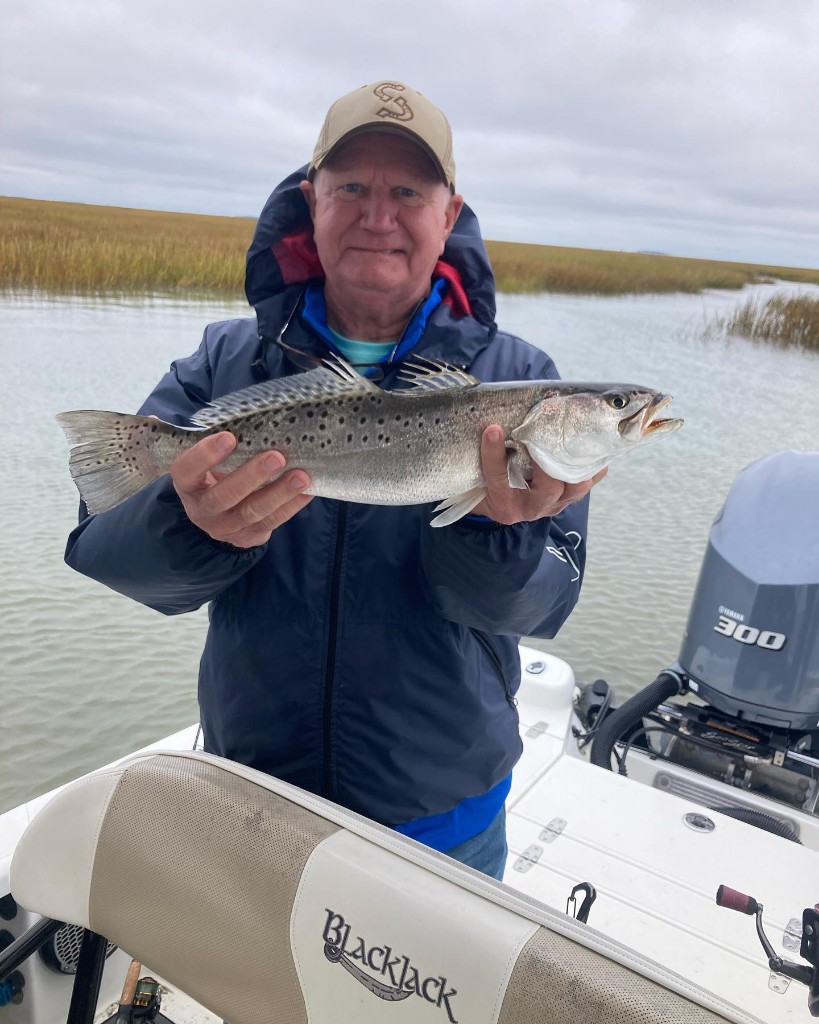
Sea Trout are the most popular inshore species for a reason. They're beautiful fish with excellent table qualities and they're willing biters most of the year. Specks, as locals call them, love grass flats and can be caught on everything from live shrimp to artificial lures. They're not
 Private Trip
 Inshore Fishing
 McClellanville, SC


 Four-hour inshore fishing trip targeting redfish, flounder, and sea trout