St. Augustine Wreck Fishing - Top-Rated Charter
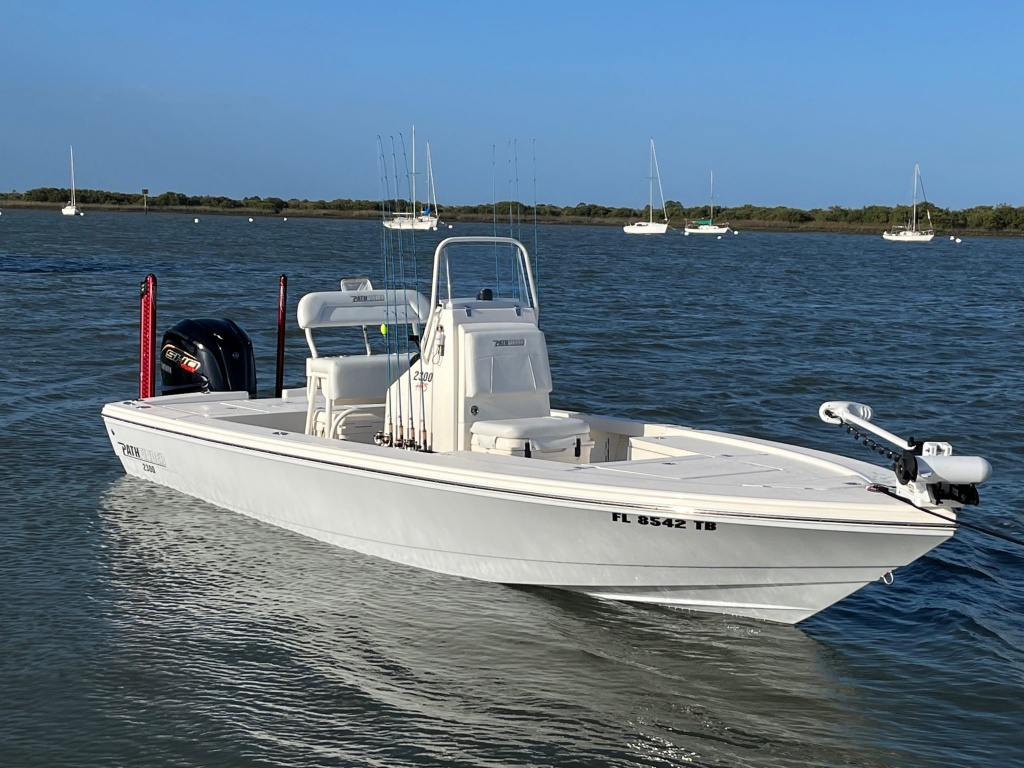
St. Augustine's offshore wrecks hold some of the best fishing action on the entire Atlantic coast. When you're looking to hook into serious gamefish that'll test your drag and your patience, there's no better place than the artificial reefs and sunken structures scattered across our continental shelf. Summer School Charters runs a tight ship with our 23-foot Pathfinder, and we know exactly where these underwater honey holes are located. You'll be fishing with a captain who's spent years learning the GPS marks, current patterns, and seasonal movements that make wreck fishing so productive in these waters.
What to Expect on the Water
Your day starts early because the best wreck fishing happens when the current is right and the baitfish are active. We'll run out to our proven spots where military vessels, old barges, and purpose-sunk ships create the perfect habitat for big predators. The 23-foot Pathfinder handles the offshore conditions beautifully, giving you a stable platform to work from while we're anchored up on structure. With just two anglers max, you get personalized attention and plenty of elbow room to fight fish properly. We provide all your tackle, bait, licenses, and bottled water, plus we'll clean your catch at the end of the day so you can head straight to the grill. Four and six-hour options give you flexibility depending on how much time you want to spend working the wrecks.
Techniques & Tackle Setup
Wreck fishing requires specific techniques and heavy-duty gear to pull fish away from structure before they cut you off. We use circle hooks on sturdy bottom rigs, loaded with fresh cut bait that gets down fast in the current. When we're targeting pelagics around the wrecks, we'll switch to live bait or heavy jigs that can handle the depth and current. The key is getting your bait right in the strike zone without hanging up on the wreck itself - that's where experience makes all the difference. We anchor uptide of the structure and let the current sweep our lines back into the fish zone. Sometimes we'll drift the edges where the big predators cruise, looking for an easy meal. Electronic fish finders show us exactly what's happening below, so we can adjust our approach based on what the fish are doing.
Species You'll Want to Hook
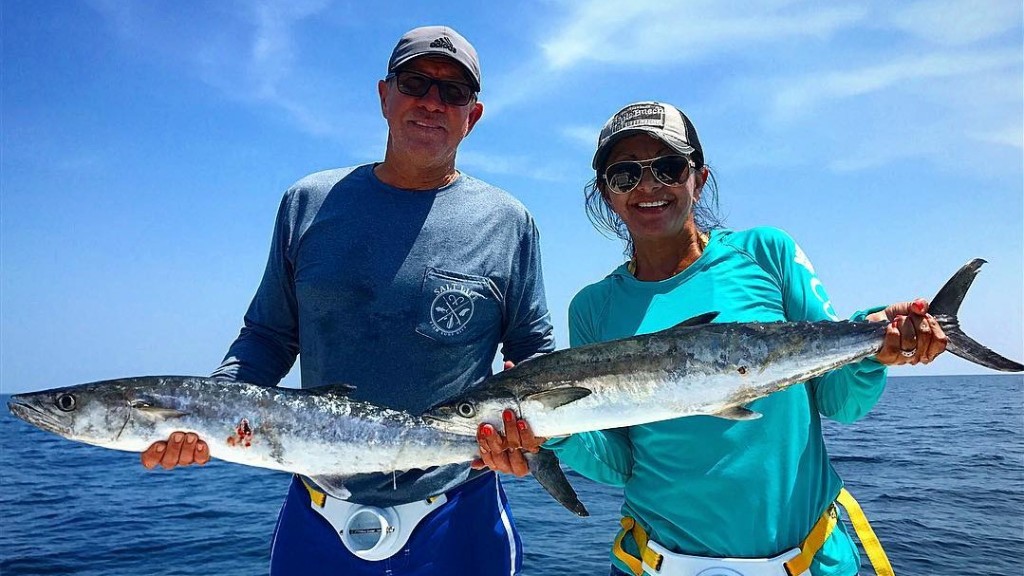
King Mackerel are the bread and butter of our wreck fishing trips, especially during their peak season from April through October. These torpedo-shaped speedsters can reach 30-50 pounds and make blistering runs that'll have your reel screaming. Kings love to ambush baitfish around the structure, and once you hook one, the fight is pure adrenaline. They're also fantastic table fare when prepared right, with firm white meat that's perfect for grilling or blackening.
Wahoo Fish are the wildcards that can show up any time we're working the deeper wrecks. These lean, mean fighting machines can hit 40-60 pounds and are famous for their incredible speed - they're literally one of the fastest fish in the ocean. Wahoo have razor-sharp teeth and a habit of making long, powerful runs that test your equipment and your skills. The meat is outstanding - similar to mahi but with a slightly firmer texture that holds together beautifully on the grill.
Crevalle Jack might not win beauty contests, but they're pound-for-pound some of the strongest fish you'll encounter around these wrecks. These bruisers can weigh 20-40 pounds and fight like they're twice that size. They school up around structure and hit baits with aggressive strikes that'll nearly rip the rod from your hands. Jacks are year-round residents here, making them reliable targets when other species are off the bite.
Cobia are the gentle giants of the wreck scene, growing to impressive sizes of 30-50 pounds or more. These curious fish often cruise right up to the boat, giving you a good look before deciding whether to eat your bait. Spring and fall are prime times for cobia around our local wrecks, and they're prized for their mild, white meat that tastes similar to shark or grouper. They're smart fish that require patience and the right presentation.
Bull Shark encounters add an extra element of excitement to any wreck fishing trip. These powerful predators patrol the deeper structures looking for wounded fish and can reach impressive sizes of 200-400 pounds. While they're not typically targeted as table fare, hooking into a bull shark is a memory that lasts a lifetime. They're present year-round in our waters but most active during the warmer months when baitfish are abundant around the wrecks.
Time to Book Your Spot
St. Augustine wreck fishing delivers world-class action that brings anglers back year after year. Our offshore structures produce consistent results for serious gamefish, and the variety keeps every trip interesting. Whether you're after a cooler full of kings for the dinner table or hoping to tangle with a trophy-sized cobia, these wrecks hold the fish you're looking for. The 23-foot Pathfinder gives us the range to reach the best spots while providing the comfort and safety you need for a day of serious fishing. Book your wreck fishing adventure with Summer School Charters and discover why St. Augustine's artificial reefs are considered some of the best fishing grounds on the East Coast.
 Private Trip
 Wrecks/Reefs Fishing
 St. Augustine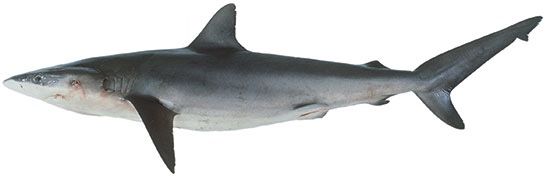


 Target redfish, trout, and flounder on 4-6 hour trips