Lake Erie Fly Fishing with Captain Bob Brown
Picture this: you're standing on the deck of a well-equipped charter boat, fly rod in hand, scanning the expansive waters of Lake Erie for that telltale swirl or rise that signals feeding fish below. Captain Bob Brown has been perfecting his fly fishing approach on these waters for three decades, and he's ready to share every hard-earned secret with you. This isn't your typical Great Lakes charter – we're talking about a specialized 8-hour fly fishing adventure that targets some of the most exciting species Lake Erie has to offer. With a minimum of 4 guests and space for up to 2 anglers, you'll get personalized attention while learning techniques that have made Captain Bob a pioneer in Lake Erie fly fishing.
What to Expect on the Water
Captain Bob's approach to Lake Erie fly fishing is something special. While most guides stick to conventional tackle, Bob has spent 30 years figuring out how to make fly rods work on one of the most challenging Great Lakes. You'll start early, meeting at the dock while the lake is still calm and the fish are most active. The captain provides all the flies – and trust me, he's got patterns you won't find in any fly shop. These are custom ties designed specifically for Lake Erie conditions and the feeding habits of local species. You'll need to bring your own fly rod and reel setup, but Bob works with every angler beforehand to make sure you've got the right weight and line type for the day's conditions. The boat is set up with plenty of casting space, and Bob knows exactly where to position you for the best shots at feeding fish. This is hands-on learning at its finest – you'll pick up casting techniques, reading water, and fly presentation skills that will make you a better angler anywhere you fish.
Fly Fishing Lake Erie Style
Lake Erie fly fishing requires a totally different approach than what you'd use on a trout stream. Captain Bob has developed techniques that account for the lake's size, wind patterns, and the behavior of warm-water species that most fly anglers never target. You'll learn how to handle wind – because let's face it, there's always wind on Erie – and how to present flies to fish that are used to seeing baitfish, not insects. The boat setup includes everything you need for stripping line, fighting fish, and staying comfortable during long casts. Bob's fly selection covers everything from big streamers that imitate gobies and shad to smaller patterns that trigger reaction strikes from bass. You'll fish structure, drop-offs, and open water depending on what the fish are doing that day. The techniques you learn here translate to other big water situations, making this trip valuable for any serious fly angler looking to expand their skills beyond traditional trout fishing.
Species You'll Want to Hook
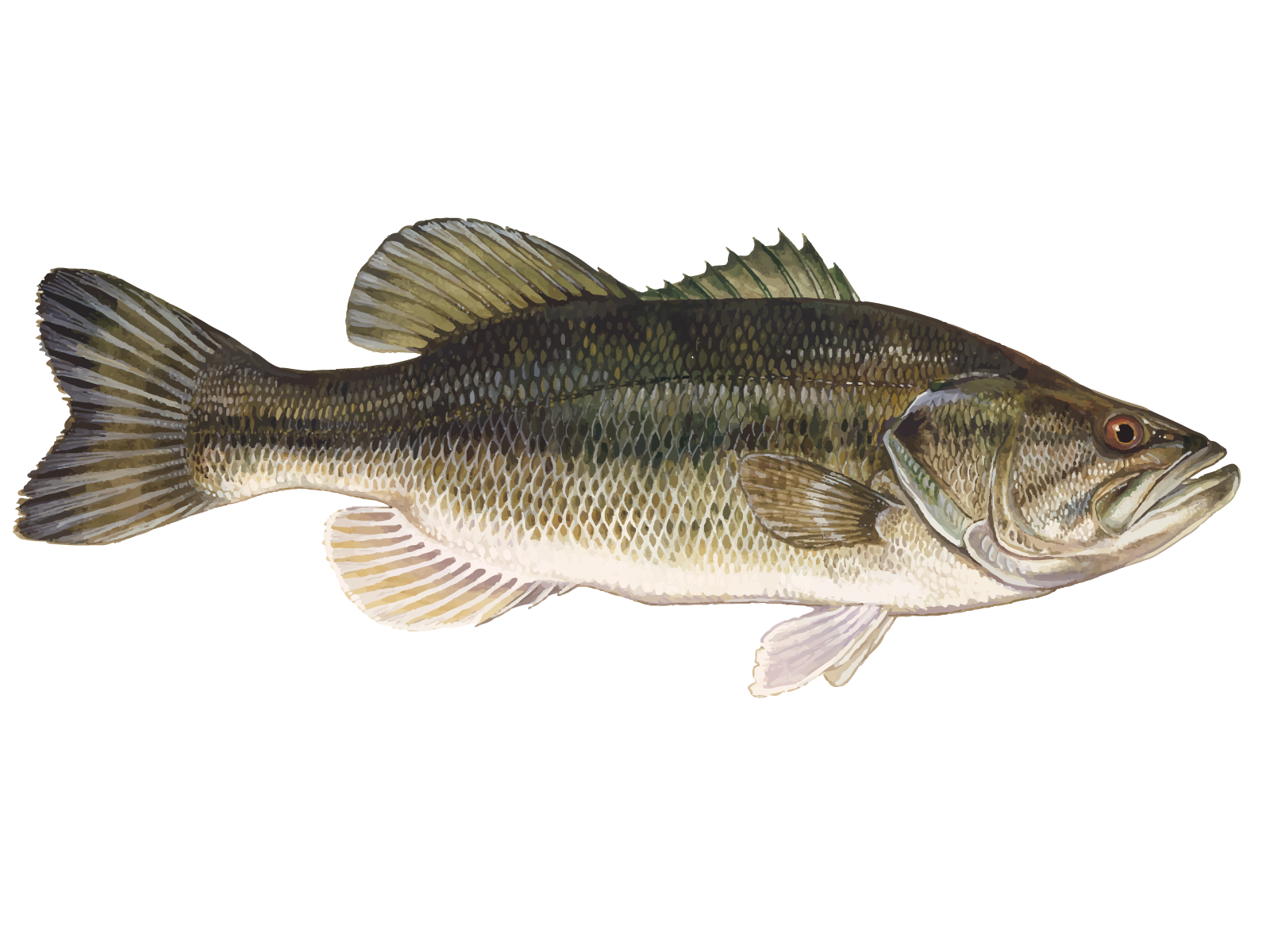
Largemouth Bass are the heavyweight champions of this charter, and Lake Erie grows them big and aggressive. These fish love the warmer, weedy areas near shore and around structure. Spring through fall offers the best action, with fish ranging from 2 to 6 pounds common and the occasional giant pushing 8 pounds or more. What makes them exciting on a fly rod is their explosive strikes and aerial acrobatics – there's nothing quite like watching a 5-pound largemouth clear the water with your streamer in its mouth. They're ambush predators, so Captain Bob's presentation techniques focus on working flies through their strike zones with realistic baitfish action.
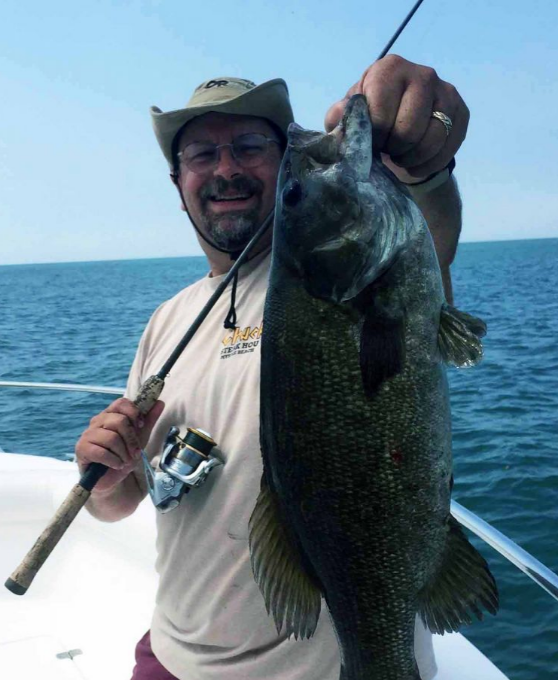
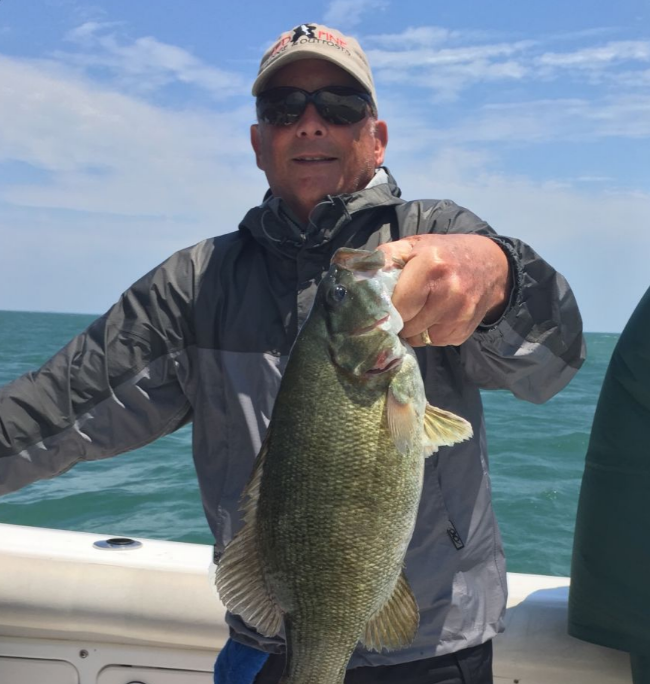
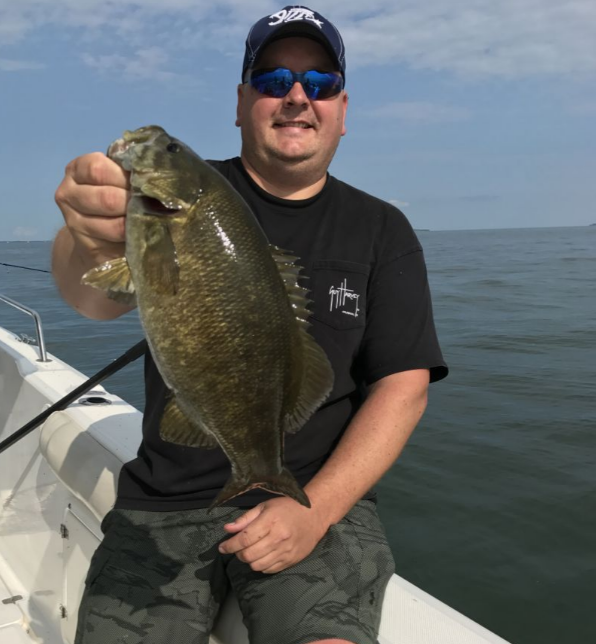
Smallmouth Bass are the scrappiest fighters you'll encounter on Lake Erie. Pound for pound, they're the hardest fighting freshwater fish you can target with a fly rod. These bronze-backed beauties prefer rocky areas, drop-offs, and current breaks where they can ambush crayfish and small baitfish. Peak season runs from late spring through early fall, with fish averaging 2 to 4 pounds. The smallies here are known for their stamina – they'll make multiple runs and jump repeatedly, testing your drag system and fighting skills. Captain Bob targets them with crayfish patterns and small streamers worked along the bottom structure.
White Bass provide some of the most consistent and exciting action on Lake Erie. These schooling fish move in large groups, and when you find them, the fishing can be absolutely electric. They're most active during spring spawning runs and again in fall when they're feeding heavily before winter. White bass typically run 1 to 3 pounds but make up for their size with numbers and aggression. They'll hit streamers with reckless abandon, often providing multiple hookups when the school is active. Captain Bob knows their seasonal patterns and can position the boat to intercept schools as they move through the area.
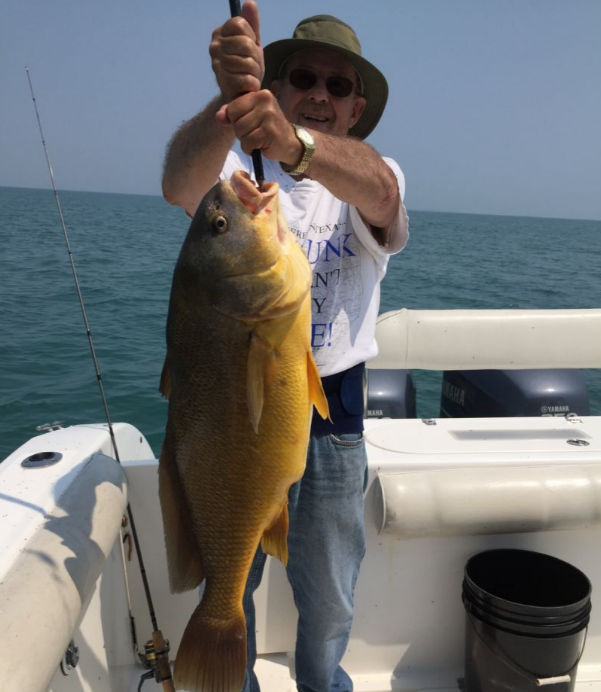
Freshwater Drum might not be the prettiest fish in the lake, but they're absolute bulldogs on a fly rod. These bottom-oriented fish can reach impressive sizes – 5 to 15 pounds isn't uncommon – and they fight with a steady, powerful pull that will test your backing. They're most active from late spring through early fall, feeding on crayfish, mollusks, and small fish near the bottom. What makes them special is their unique croaking sound and their ability to make long, powerful runs. Captain Bob targets them with weighted flies worked slowly along the bottom structure.
Channel Catfish add an element of surprise to every Lake Erie fly fishing trip. These whiskered fighters are opportunistic feeders that will take large streamers, especially during low-light periods. They can range from a few pounds to over 20 pounds, with the bigger fish providing battles that can last 20 minutes or more. Summer offers the best catfish action when they're most active in warmer water. Their fighting style is different from bass – more of a steady, powerful battle than explosive runs – but on a fly rod, a big channel cat will definitely get your attention. Captain Bob's technique involves working flies near bottom structure where catfish hunt for food.
Time to Book Your Spot
Captain Bob Brown's Lake Erie fly fishing charter offers something you won't find anywhere else – three decades of specialized knowledge combined with techniques that
 Private Trip
 Lakes/Reservoirs/Ponds Fishing
 undefined, undefined



 8-hour fly fishing charter with 30-year veteran Captain Bob Brown