Freshwater Float Trips - Deerfield and Swift Rivers
Picture yourself drifting down some of Western and Central Massachusetts' most productive trout waters, rod in hand, with nothing but the sound of flowing water and the anticipation of your next strike. That's exactly what you'll get on our freshwater float trips aboard the "Trout Hunter" - a specialized two-person fly fishing raft designed to get you into the prime holding water that bank anglers can only dream about. Whether you're chasing wild brookies in pristine headwaters or targeting hefty browns in deeper pools, these guided float trips offer access to miles of top-rated trout fishing on the Deerfield and Swift Rivers.
What to Expect on the Water
Your day starts with me rigging up your gear while you soak in the morning mist rising off the water. The Trout Hunter is built specifically for fly fishing - low profile, stable, and quiet enough to slip into feeding lanes without spooking wary trout. We'll cover anywhere from 3-8 miles of river depending on conditions and what the fish are telling us, hitting classic runs, undercut banks, and those deep pools where the big browns like to sulk. Half-day trips run about 4-5 hours on the water, perfect if you want a taste of what float fishing is all about. Full-day adventures give us 7-8 hours to really work the water and chase fish in multiple sections. The beauty of floating is simple - we're always moving to fresh water, and I know every rock, riffle, and honey hole on both rivers.
Drift Fishing Techniques
Float fishing opens up a whole different playbook compared to wade fishing. We'll work everything from dry flies during hatch periods to nymphs and streamers when fish are holding deep. The raft lets us approach pools from angles that would be impossible on foot, and we can cover water efficiently while still taking time to work the best spots thoroughly. I'll position us perfectly for drag-free drifts through productive runs, and when we spot rising fish, we can anchor up and work them properly. The Deerfield offers classic freestone fishing with pocket water and boulder gardens, while the Swift provides more consistent flows and year-round action thanks to its tailwater nature. Both rivers demand different approaches - the Deerfield rewards reading water and quick presentations, while the Swift lets you work methodically through long, productive stretches.
Target Species Breakdown
Brook trout are the native jewels of these waters, and catching one feels like connecting with the soul of New England fishing. These wild fish typically run 8-12 inches, with the occasional 14-incher that'll make your day. They're most active in the cooler months - early spring and fall are prime time - but you can find them in the deeper, oxygen-rich pools even during summer. What makes brookies special isn't just their stunning colors, but their wariness. They've survived in these waters for generations, and landing one means you've truly earned it. They'll rise aggressively to well-presented dry flies and can't resist a properly drifted nymph.
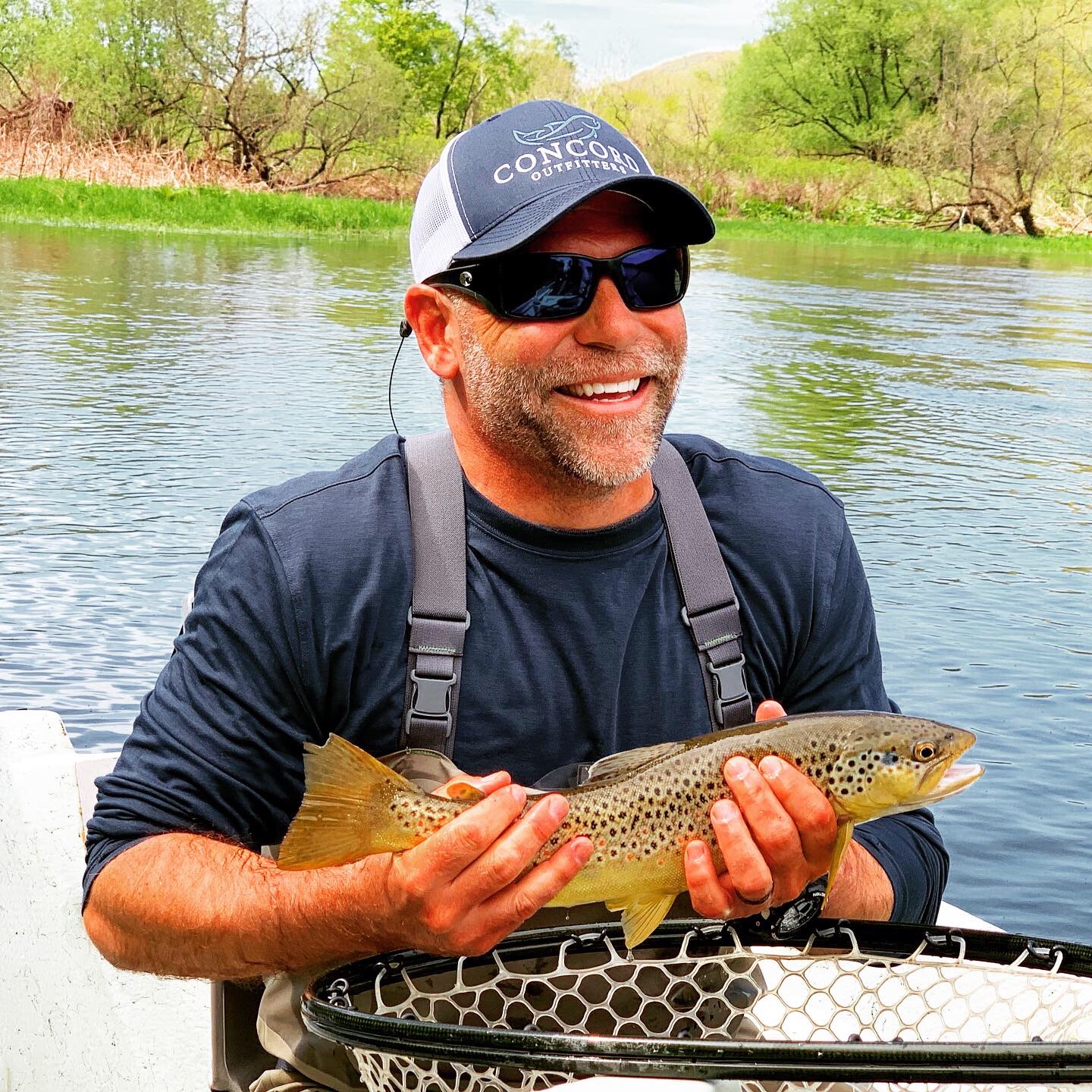
Brown trout are the craftiest residents in both rivers, and they grow big by being smart. These European imports have been in Massachusetts waters for over a century, and they've learned every trick in the book. Most browns we encounter range from 12-16 inches, but both rivers hold fish pushing 20+ inches that have locals talking for months after they're caught. Fall is absolutely prime time for browns as they become more aggressive heading into their spawning period. They're notorious for following streamers without committing, testing your patience and presentation skills. When you do hook into a good brown, expect a fight - they'll use every current seam and undercut bank to try and throw your hook.
Rainbow trout bring the acrobatics to your day on the water. These fish are pure energy, often leaping multiple times when hooked and making blistering runs that'll test your drag system. The rainbows in both the Deerfield and Swift typically range from 10-15 inches, with their silver sides and distinctive pink stripe making them unmistakable. They're less spooky than browns but more selective than brookies, especially during the summer months when they see plenty of fishing pressure. Spring and early summer are peak times for rainbows, particularly when caddis flies and mayflies are hatching. They're suckers for well-tied attractor patterns and will often out-compete other trout for prime feeding positions in faster water.
Time to Book Your Spot
These float trips book up quickly, especially during peak seasons when the fishing is world-class. The combination of expert local knowledge, access to miles of productive water, and the unique perspective that only comes from drifting these renowned trout streams makes this a customer favorite year after year. Whether you're a seasoned fly angler looking to up your game or someone who wants to experience these waters the way they're meant to be fished, a day aboard the Trout Hunter will change how you think about trout fishing. The Swift and Deerfield Rivers are waiting, the trout are feeding, and the best fishing spots are just a float away. Don't let another season slip by without experiencing what many consider the best way to fish for trout in Massachusetts.
 Private Trip
 River Fishing
 Cape Cod MA (saltwater) / Central and Western MA (fresh)


 Target brown, rainbow, and brook trout from specialized drift boat