Full-Day Trout Fishing in Massachusetts & Connecticut
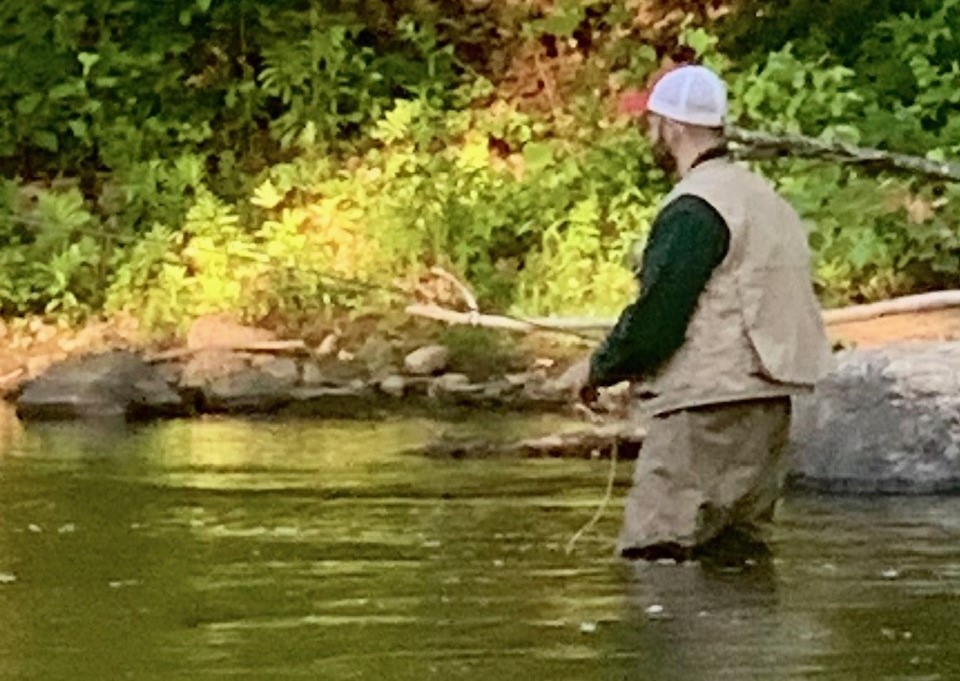
Picture yourself standing knee-deep in crystal-clear water, watching a wild brook trout rise to your perfectly presented dry fly. That's exactly what you'll experience on this personalized 8-hour wading adventure through some of New England's most productive trout waters. As your guide, I'll take you to handpicked spots across Massachusetts and Connecticut where the fishing is consistently good and the scenery never gets old. Whether you're just picking up a fly rod for the first time or you've been chasing trout for decades, we'll find water that matches your skill level and gets your heart racing.
What to Expect on the Water
This isn't your typical cookie-cutter fishing trip. We'll start our day with a conversation about what you want to get out of the experience, then I'll choose our destination based on current conditions, your skill level, and what's been producing lately. New to fly fishing? We'll hit some forgiving pocket water where you can practice your cast and learn to read the currents without getting frustrated. Been at this for years? I know some technical runs that'll test everything you've got – places where the fish are spooky, the presentations need to be perfect, and landing one feels like you've really earned it. The beauty of fishing these smaller rivers is that you're always moving, always learning, and always just one cast away from the fish of the day. We'll cover a lot of water over our 8 hours together, and I'll be right there to help you improve your technique, point out the subtle spots where trout like to hold, and make sure you're getting the most out of every moment on the water.
Techniques & Tactics
Wading these New England rivers is all about adapting your approach to what the water's telling you. We'll be using light tackle and focusing primarily on fly fishing techniques that match the conditions we encounter. In the deeper pools, we might nymph fish with a two-fly setup, dead-drifting weighted patterns along the bottom where the bigger fish like to hang out. When we hit the riffles and pocket water, dry fly fishing becomes magic – watching a native brook trout explode on a well-placed adams or elk hair caddis never gets old. I'll teach you how to approach each spot without spooking the fish, how to position yourself for the best drift, and when to switch up your presentation if the fish aren't cooperating. The gear stays simple but effective: 4 or 5-weight rods that can handle these smaller waters, floating lines for most situations, and a selection of flies that I've found work consistently in these systems. Don't worry about bringing anything – I've got backup rods, reels, waders, and more flies than we could use in a week. The real skill comes in learning to read the water, understanding where trout position themselves in different types of current, and developing the confidence to fish each spot thoroughly before moving on.
Top Catches This Season
The variety of trout fishing across Massachusetts and Connecticut keeps every trip interesting, and each species brings its own personality to the experience. Brook trout are the natives here, and catching one in its home water feels like connecting with something truly wild. These fish love the colder, cleaner headwater sections and they're not shy about crushing a dry fly when the mood strikes them. Brown trout are the craftiest of the bunch – they've been introduced to most of these systems and they've learned to be selective about what they eat. Landing a good brown means you've really had to work for it, reading the water carefully and making presentations that don't put them on guard. Rainbow trout round out the mix and they're often the most acrobatic fighters you'll encounter. When a rainbow takes your fly, get ready for some serious runs and jumps that'll test your drag system and keep you on your toes.
Species You'll Want to Hook
Brook trout are the heart and soul of New England fishing, and for good reason. These native beauties thrive in the cold, well-oxygenated water that flows through Massachusetts and Connecticut's forested valleys. During spring and fall, when water temperatures drop into their comfort zone, brook trout become aggressive feeders and will readily take both dry flies and nymphs. They're not huge – most run between 8 and 12 inches – but their colors are absolutely stunning, with olive backs, red spots with blue halos, and fins edged in white and black. What makes them special is their willingness to fight hard despite their size, and the fact that catching one means you're fishing truly clean water.
Brown trout bring a whole different challenge to these rivers. Originally from Europe, they've adapted perfectly to our local conditions and grown into the smartest fish you'll encounter. Browns can live longer than other trout species, which means the bigger ones have seen every trick in the book. They're most active during low-light periods – early morning, late evening, or overcast days – and they prefer deeper pools with good cover. A 14-inch brown is a solid fish, and anything over 16 inches is a real trophy. They're notorious for following flies without committing, which means you need to vary your retrieve and presentation until you find what triggers them.
Rainbow trout are the athletes of the trout world, and they've been stocked in many of our better rivers to supplement the wild populations. Spring is prime time for rainbows as they become active after the winter months, and they'll often be the most cooperative fish when conditions are tough. They love current and oxygenated water, so focus on the heads and tails of pools where water flows in and out. Rainbows are famous for their aerial displays – when you hook one, expect multiple jumps and long runs that'll make your reel sing. They typically run between 10 and 14 inches in these waters, but their fighting ability makes them feel much larger.
Time to Book Your Spot
Ready to experience some of the best trout fishing New England has to offer? This personalized approach means you'll
 Private Trip
 River Fishing
 Cape Cod MA (saltwater) / Central and Western MA (fresh)


 Full-day guided trout fishing on Massachusetts and Connecticut rivers