Private Backwater Fishing Trip
Southwest Florida's backwaters hold some of the most productive fishing you'll find anywhere along the Gulf Coast. When you step aboard with Tarpon Tamer Fishing Charters, you're getting access to the legendary waters around Naples, Port Charlotte, and Estero Bay – spots that seasoned anglers have been quietly working for decades. These aren't your typical open-water grounds. We're talking about protected flats, mangrove shorelines, and shallow channels where fish feel safe to feed, making them easier to locate and target. The beauty of backwater fishing is that you get consistent action without dealing with rough seas or crowded fishing spots. Whether you've been chasing fish for years or you're still figuring out which end of the rod to hold, these waters deliver the kind of day that keeps you planning your next trip before this one's even over.
What to Expect on the Water
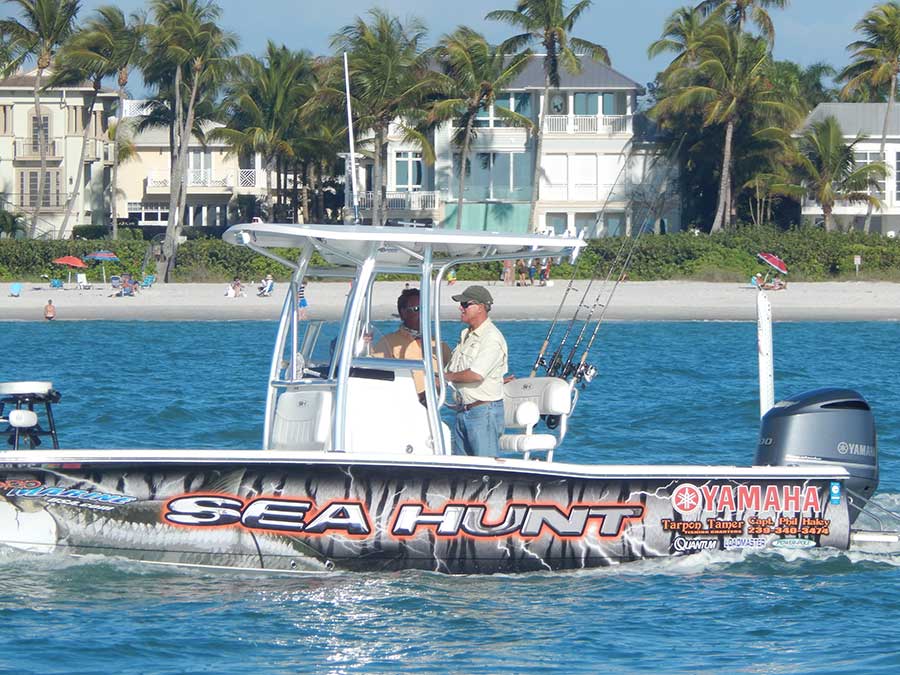
Your private charter accommodates up to four anglers, so you're not sharing space with strangers or waiting your turn to fish prime spots. We launch from multiple locations depending on conditions and where the fish are biting best that day. The backwaters stretch all the way to the Ten Thousand Islands, giving us massive territory to work with. You'll be fishing from a shallow-draft boat designed specifically for these waters – we can get into spots that bigger vessels can't touch. The calm, protected nature of these areas means you'll spend more time with a line in the water instead of fighting seasickness or white-knuckling through rough chop. Most days, you're looking at gin-clear water where you can actually see the fish you're targeting. The scenery doesn't hurt either – mangrove tunnels, grass flats that stretch for miles, and wildlife that includes everything from manatees to dolphins. Just remember, we're unavailable from May 1st through July 15th when these fish are in their spawning cycles and need some peace and quiet.
Tactics That Get Results
Backwater fishing is all about finesse and knowing how to read the water. We're primarily sight-fishing and working structure like oyster bars, mangrove roots, and grass beds where baitfish congregate. Live bait is king out here – we'll have pilchards, shrimp, and pinfish ready to go, but artificial lures absolutely have their place too. Depending on what we're targeting, you might be throwing topwater plugs early in the morning, working soft plastics along drop-offs, or free-lining live bait near structure. The water depth ranges from just a few feet on the flats to maybe 15 feet in the deeper channels, so we're constantly adjusting our approach. Stealth matters more than you might think – these fish get pressured, and they know the difference between a boat that's fishing and one that's just cruising by. We'll pole or use the trolling motor in the skinny stuff, and I'll position us so you're casting with the wind and current, not fighting them. The key is staying mobile and adapting to what the fish are telling us on any given day.
Target Species
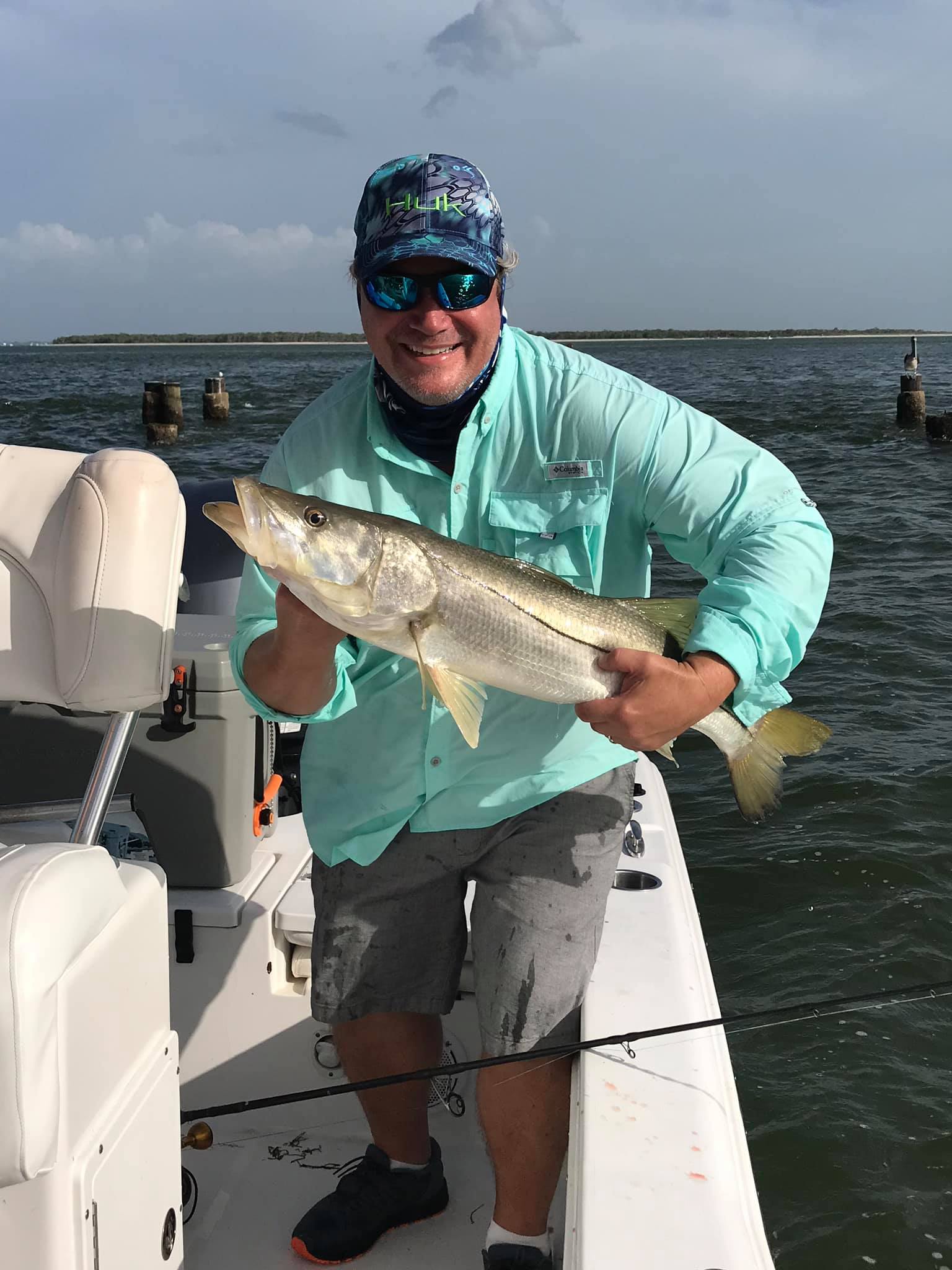
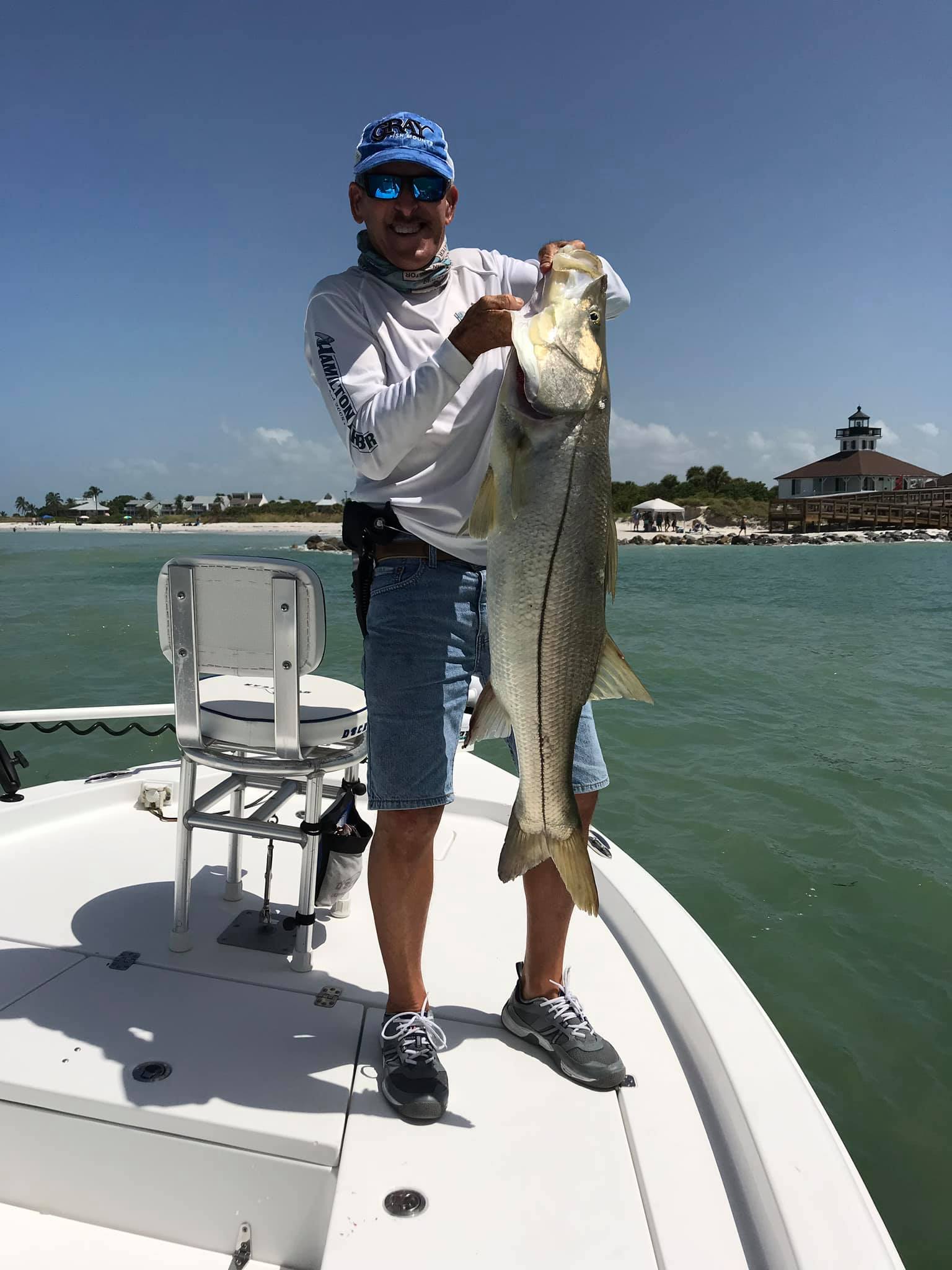
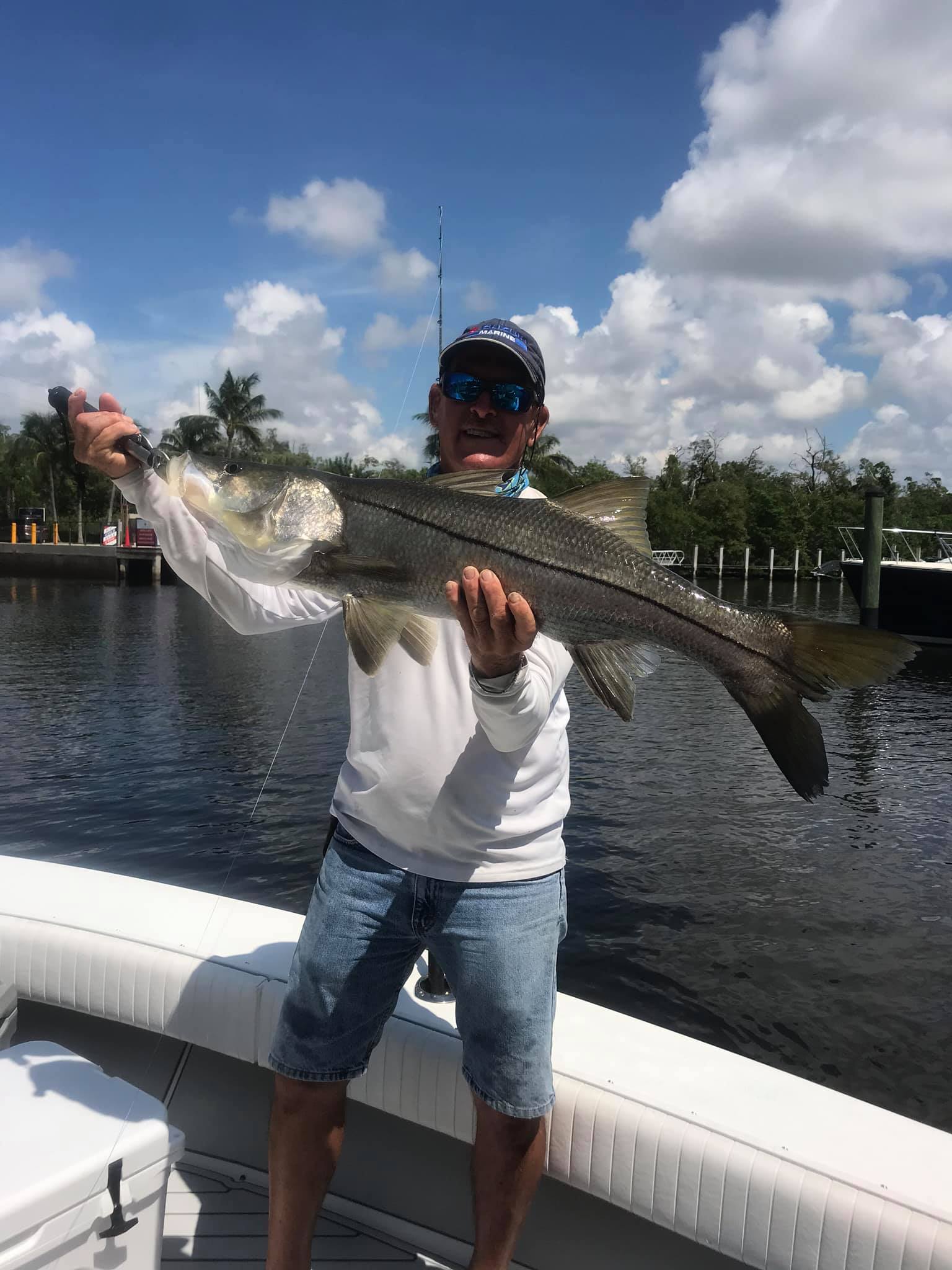
Snook are the bread and butter of Southwest Florida backwater fishing, and for good reason. These ambush predators love hanging around structure – docks, mangrove overhangs, and oyster bars where they can dart out and nail unsuspecting baitfish. They're incredibly aggressive when they feed, often exploding on topwater lures in spectacular fashion. Snook typically run anywhere from 20 to 35 inches in these waters, with the occasional monster pushing 40-plus inches. They're most active during the warmer months, and the best action usually happens during moving water – either incoming or outgoing tide. What makes snook so popular is their fight; they'll jump, make blistering runs, and use every piece of structure they can find to try and break you off. Plus, they're excellent table fare if you decide to keep a few within the slot.
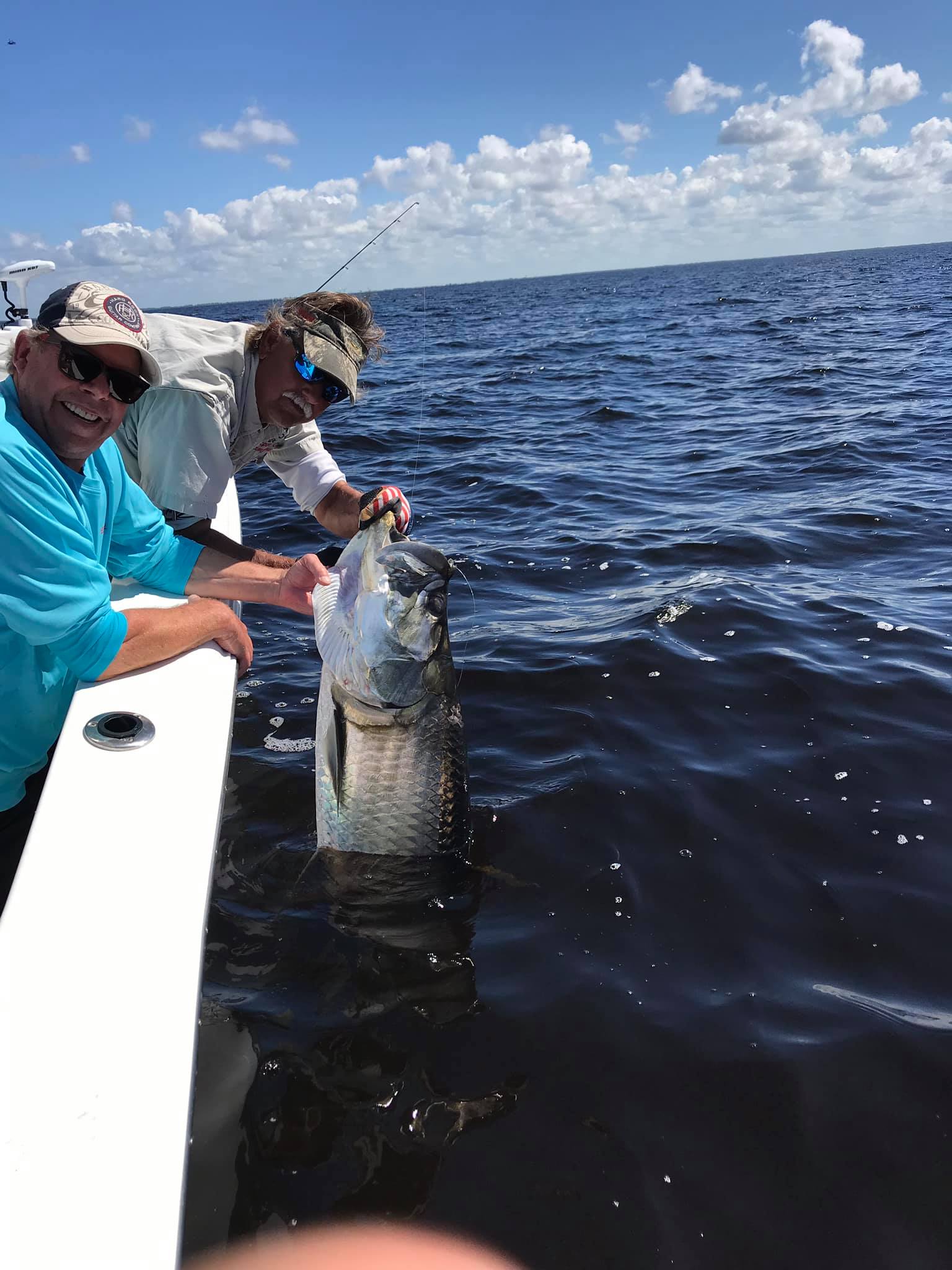
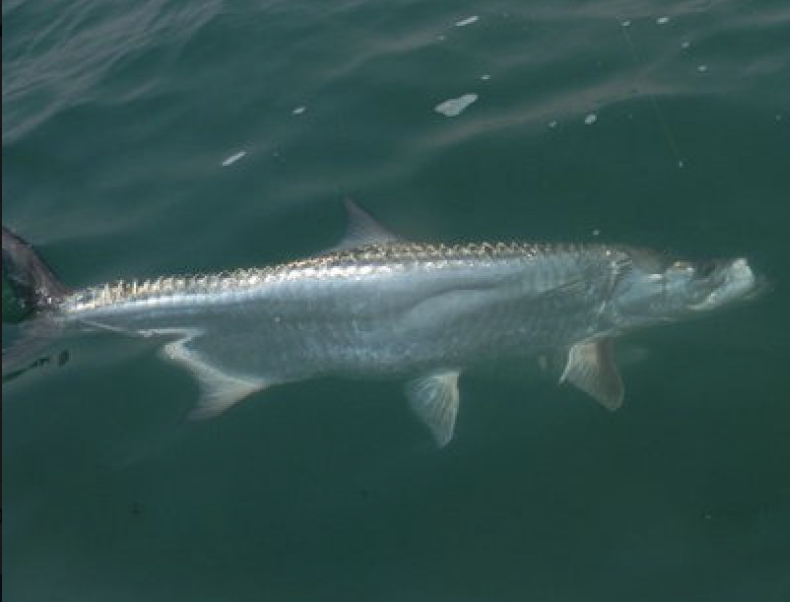
Tarpon fishing in the backwaters is something every angler needs to experience at least once. These silver kings can range from juvenile fish in the 20 to 40-pound class all the way up to mature adults exceeding 100 pounds. The smaller tarpon are more common in the backcountry, but they're every bit as acrobatic as their bigger cousins. When a tarpon takes your bait, you know it immediately – they typically jump within seconds of feeling the hook, and they don't stop there. A single fish might jump six or seven times during the fight, shaking its head violently and throwing spray everywhere. They're catch-and-release only, which is fine because the fight is the real prize anyway. Peak tarpon season runs from late winter through early summer, and they feed heavily on crabs, shrimp, and small fish in these shallow areas.
Sea trout are probably the most consistent fish you'll encounter in these backwaters, and they're perfect for anglers of all skill levels. Spotted seatrout love grass flats and sandy bottoms where they can hunt for shrimp and small baitfish. They typically run between 14 and 20 inches, though bigger gator trout pushing 25 inches show up regularly. What's great about trout fishing is that once you find a school, you can often catch multiple fish from the same spot. They respond well to both live bait and artificials, particularly soft plastics worked slowly along the bottom. Trout bite year-round in these waters, though fall and winter often produce the biggest fish. They're also one of the best eating fish in these waters, with firm white meat that's perfect for the dinner table.
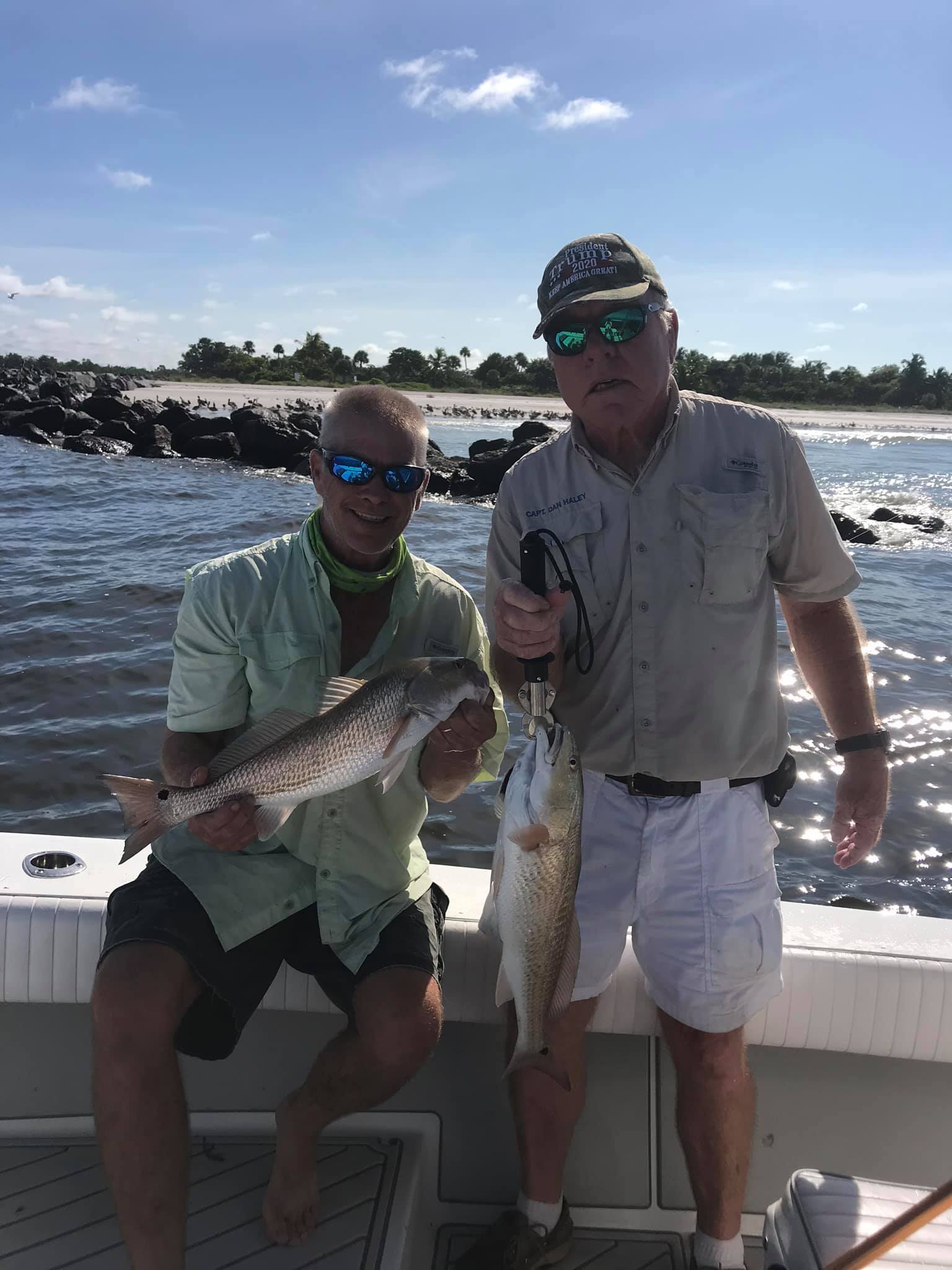
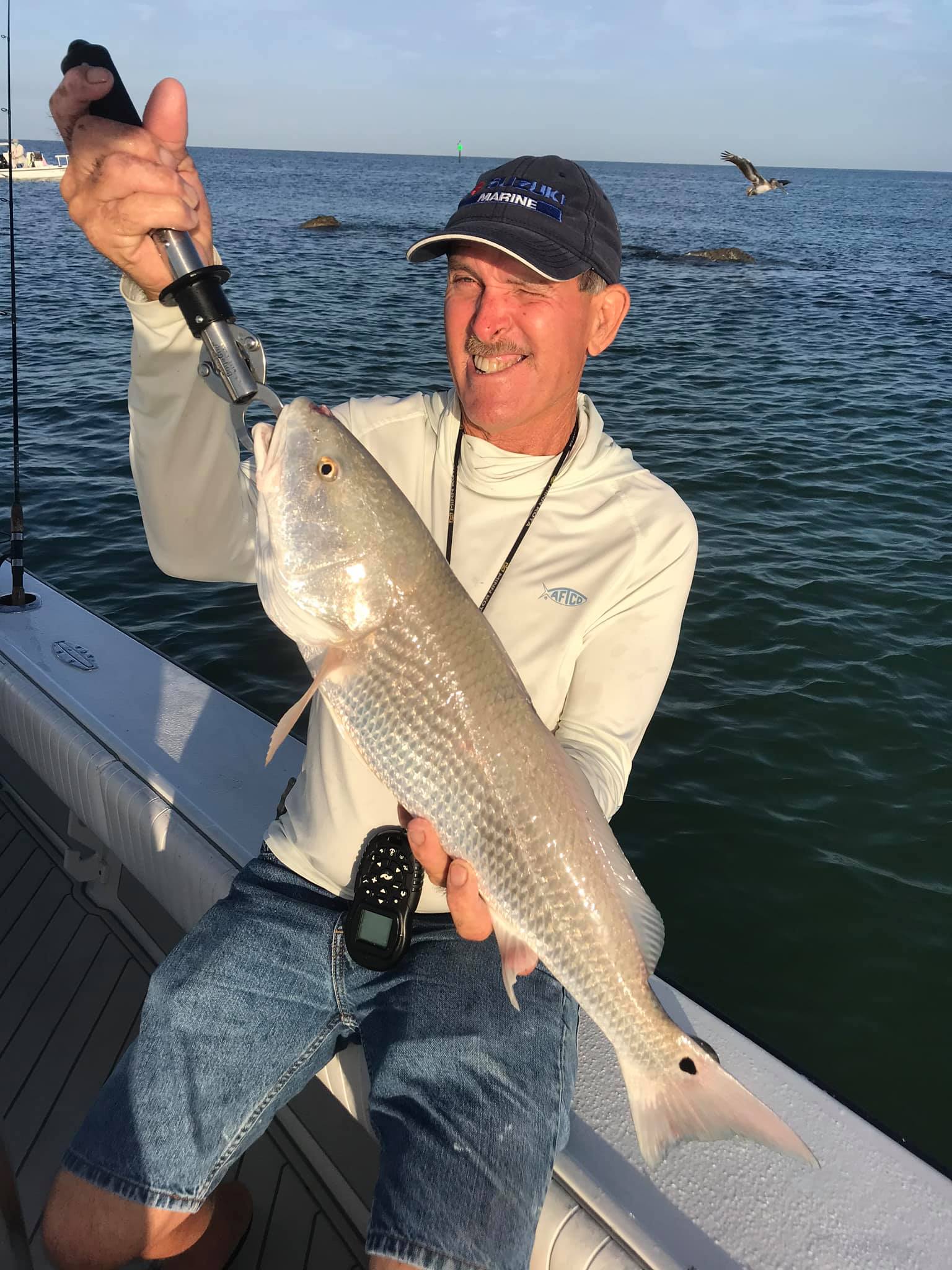
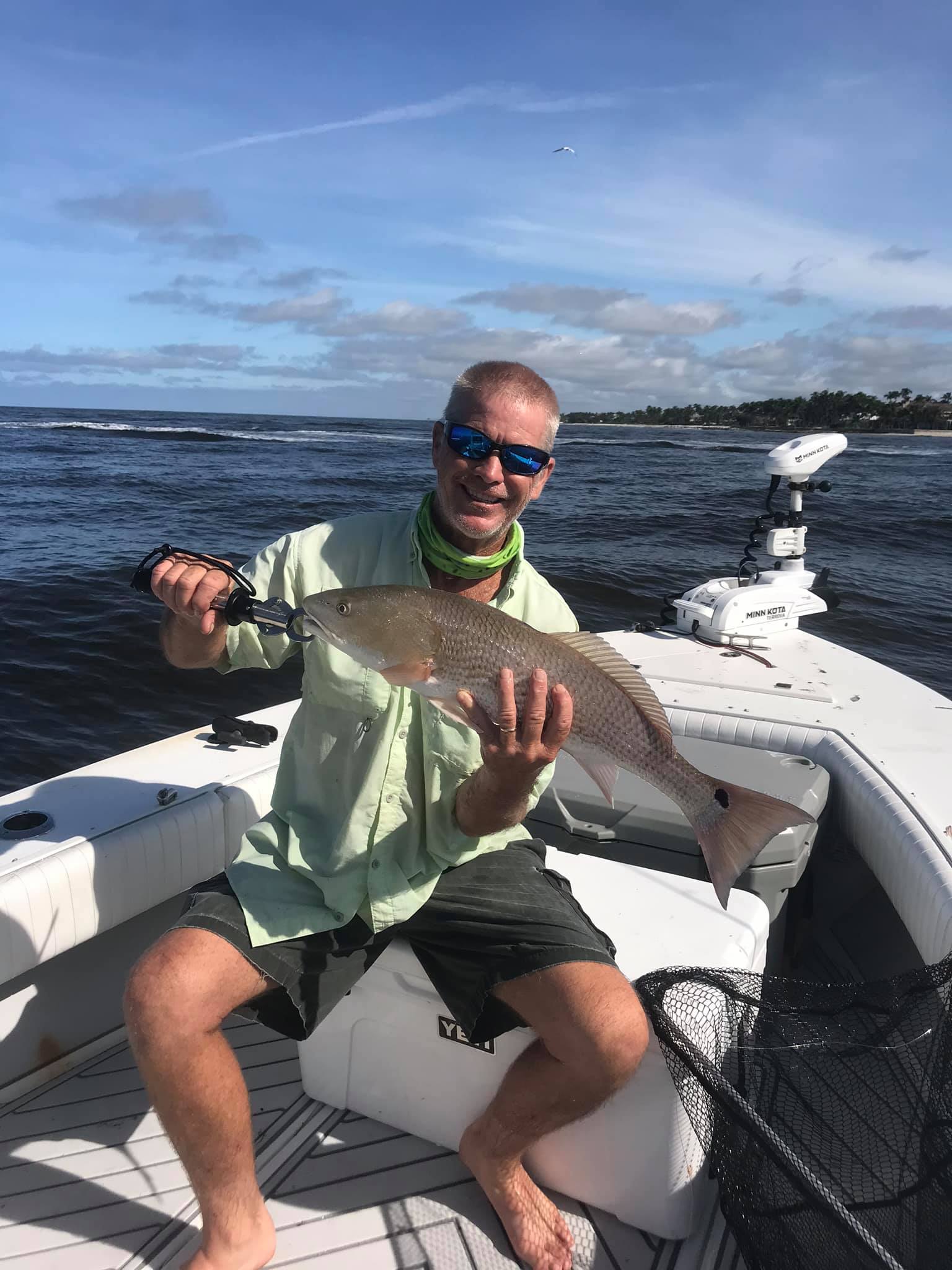
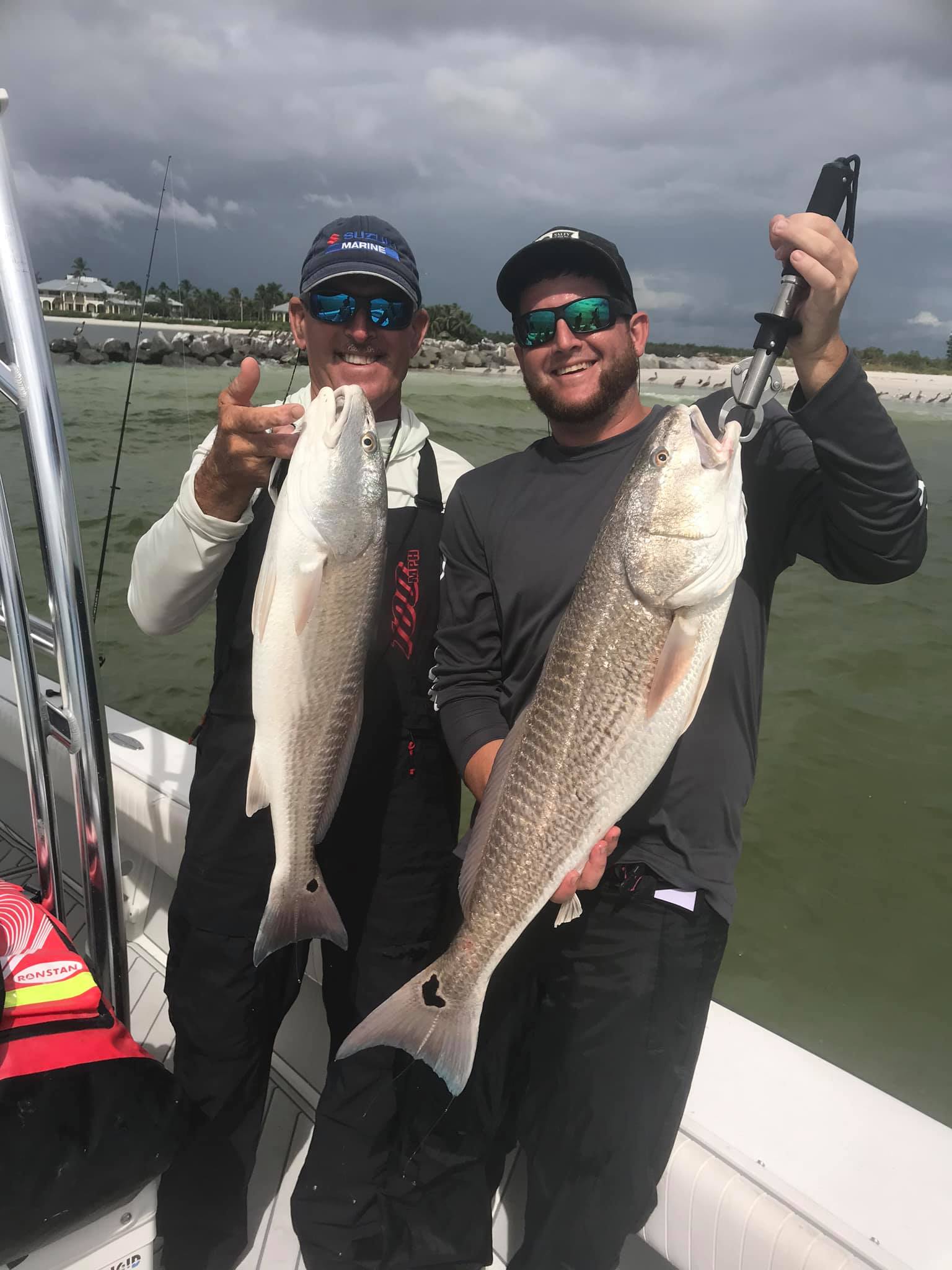
Redfish are the heavyweight champions of the flats, and watching one cruise through inches of water with its back out is something you'll never forget. These copper-colored bulldogs typically range from 18 to 30 inches in the backcountry, though oversized drum over 27 inches are catch-and-release only. Reds are notorious for their power – they'll make long, sustained runs that test your drag
 Private Trip
 Backcountry Fishing
 Naples, FL


 Backwater fishing in Naples, Port Charlotte, and Estero Bay waters