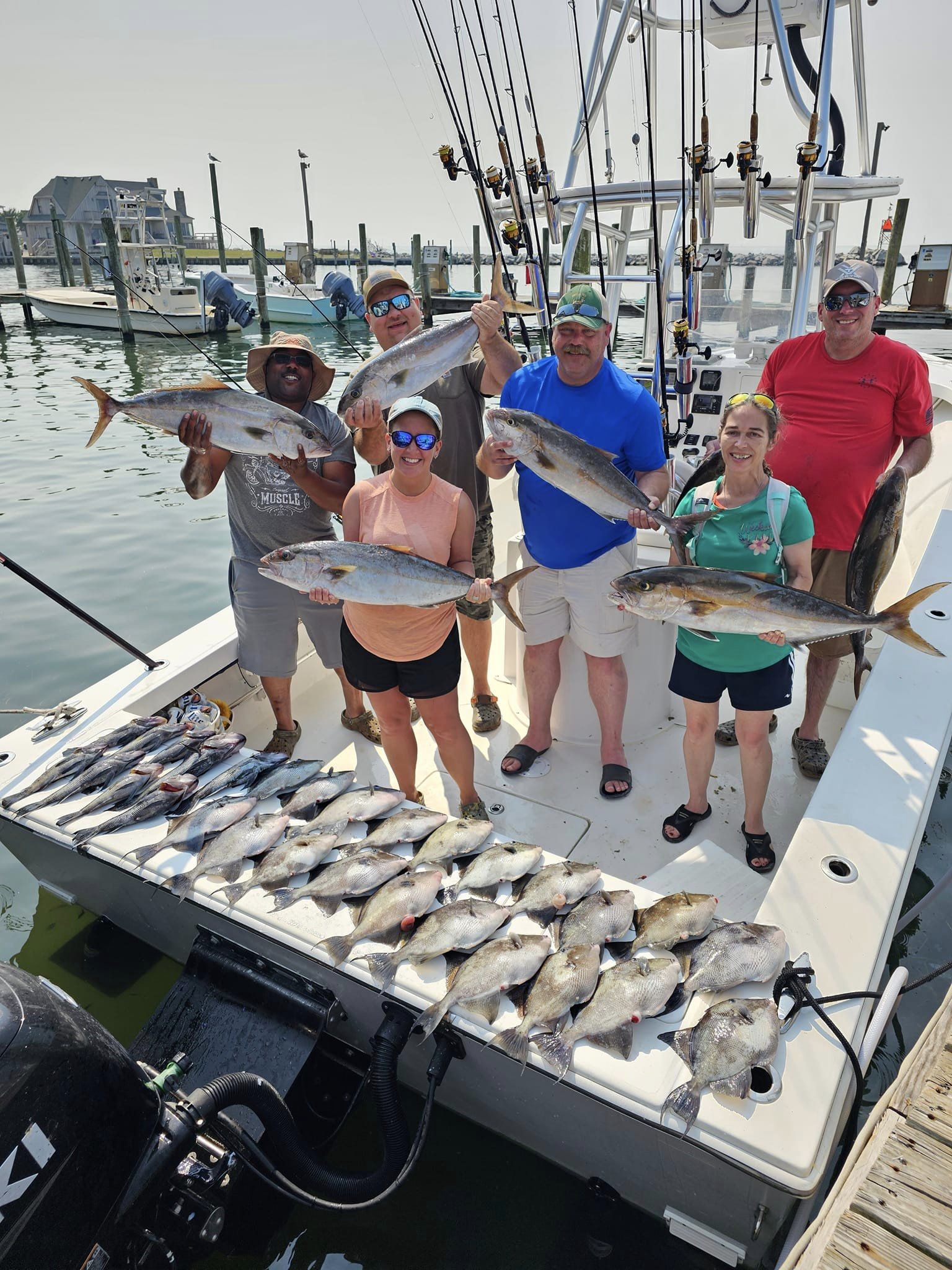
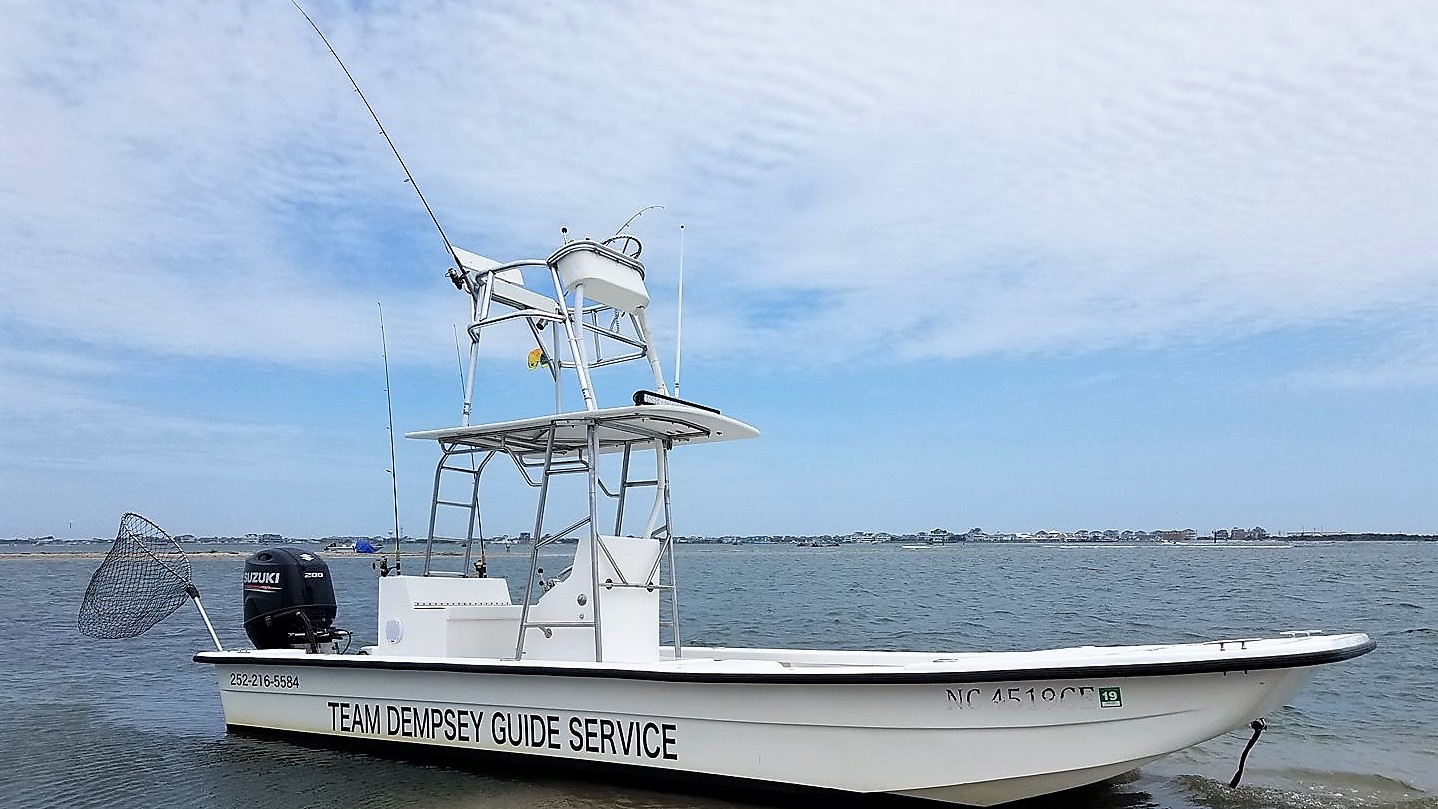
Hatteras Charter Fishing with Team Dempsey
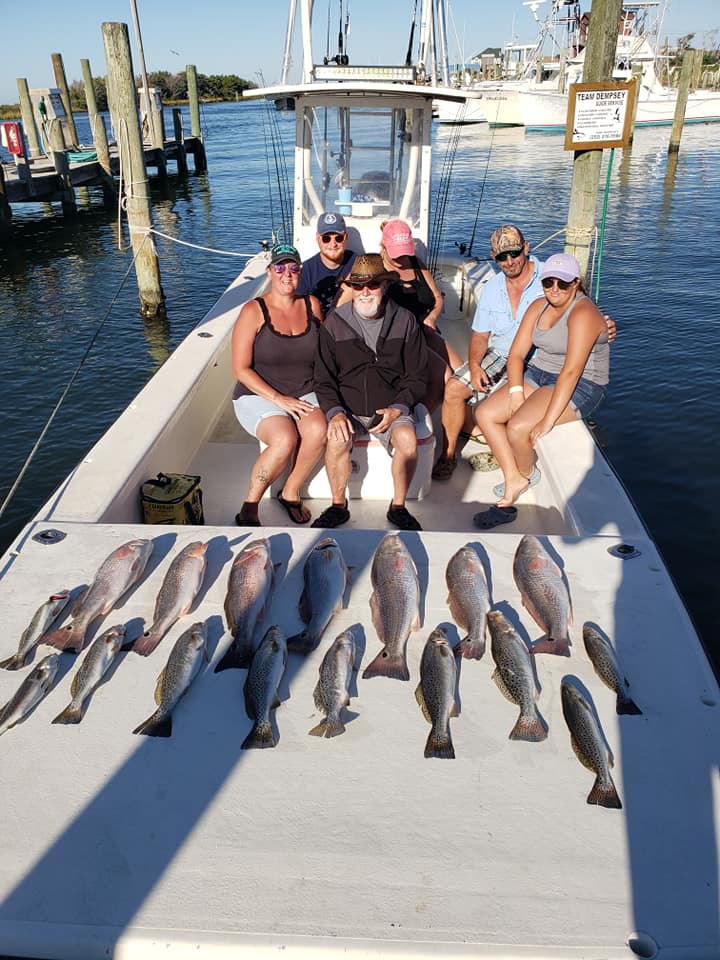
Captain Jake and Team Dempsey Guide Service know these waters like the back of their hand, and they're ready to put you on some serious fish around Hatteras Island. This half-day charter targets the hottest inshore species in North Carolina – we're talking Cobia, Redfish, Sea Trout, Spanish Mackerel, and Bluefish that'll bend your rod and get your heart pumping. With four hours on the water and a maximum of four anglers, you'll have plenty of room to work and all the attention you need to boat some quality fish.
What to Expect on the Water
Your day starts 15 minutes before departure when you'll meet Captain Jake at the dock. He'll have all your gear ready to go – rods, reels, tackle, bait, and even your fishing license are covered in the trip price. All you need to bring is yourself, some snacks and drinks to keep you fueled, sunblock (trust me, the sun reflects hard off these waters), a hat, and a towel for when things get messy. Captain Jake runs both morning and afternoon trips, so whether you're an early bird who loves the dawn bite or prefer to sleep in and fish the afternoon action, there's a slot that works for your schedule. The beauty of a four-hour trip is that it gives you real time to find fish – no rushing from spot to spot. Jake knows where these species hang out during different tides and conditions, and he'll work his tail off to put you on productive water.
Techniques and Tactics
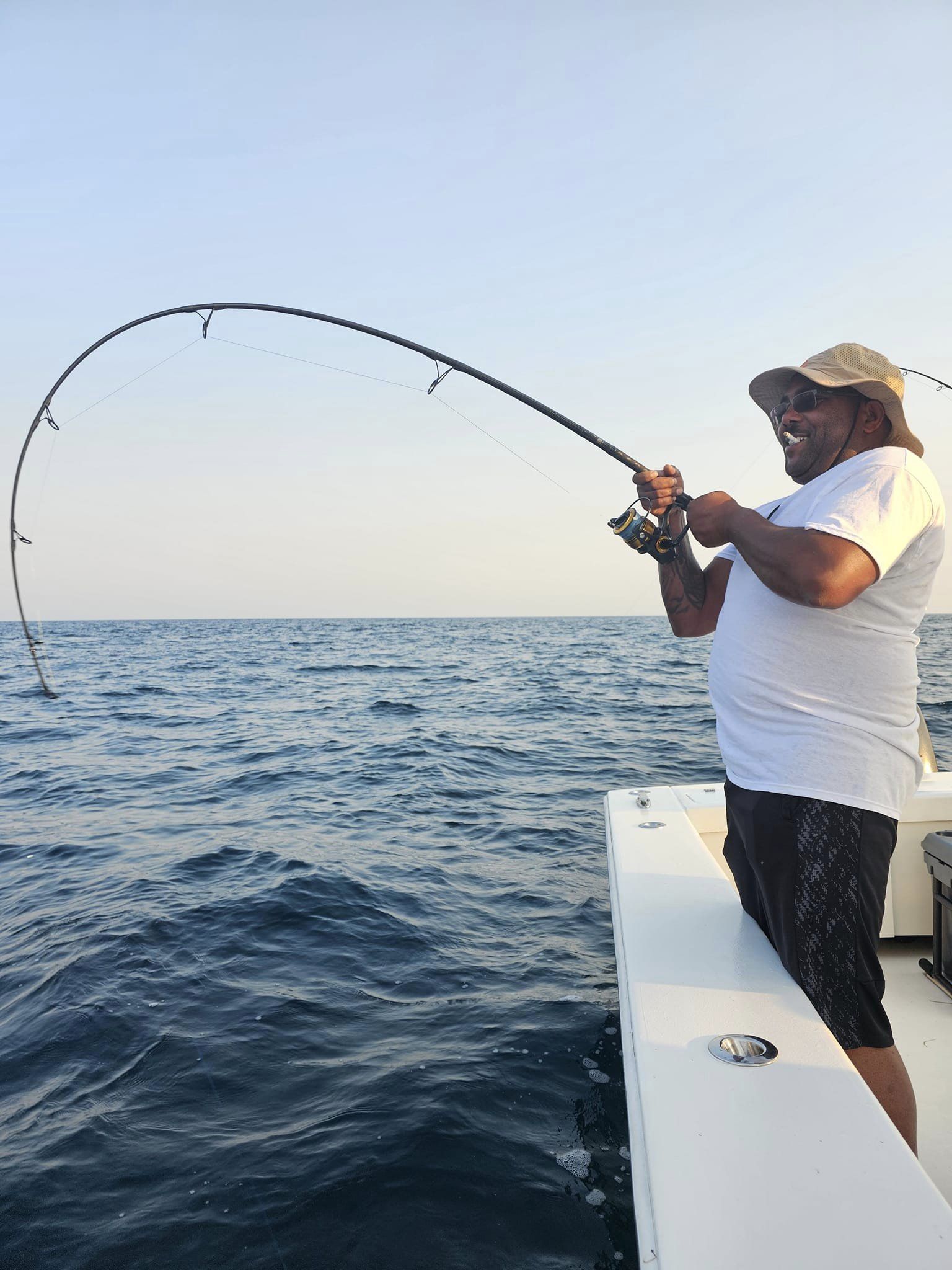
Inshore fishing around Hatteras is all about reading the water and adapting your approach. Captain Jake runs light tackle setups that let you feel every headshake and run these fish make. Depending on what's biting and where, you might be casting live bait around structure, working artificial lures through grass flats, or drifting cut bait in deeper channels. The waters around Hatteras offer everything from shallow sound fishing to near-shore action just outside the inlet. You'll learn to work different depths and cover types – from oyster bars and grass beds where Redfish love to cruise, to the deeper drop-offs where Cobia patrol. Jake's been guiding these waters for years, so he'll teach you the local tricks like reading bird activity, spotting bait schools, and timing your presentations with the tide changes. The gear is sized perfectly for these species – not so heavy that you can't feel the bite, but with enough backbone to handle a bull red or a big Cobia when they decide to make a run.
Top Catches This Season
Sea Trout are hands-down one of the most consistent fish you'll find in these waters year-round. These speckled beauties love grass flats and drop-offs, especially when there's moving water. They'll hit both live shrimp and soft plastic lures, and they fight with surprising strength for their size. Most of the keepers run 14 to 18 inches, but don't be shocked if you hook into a gator trout pushing 20-plus inches – those big females are absolute tanks and they'll test your drag system. Spring through fall offers the best action, but even winter days can produce solid numbers when you find the right water temperature.
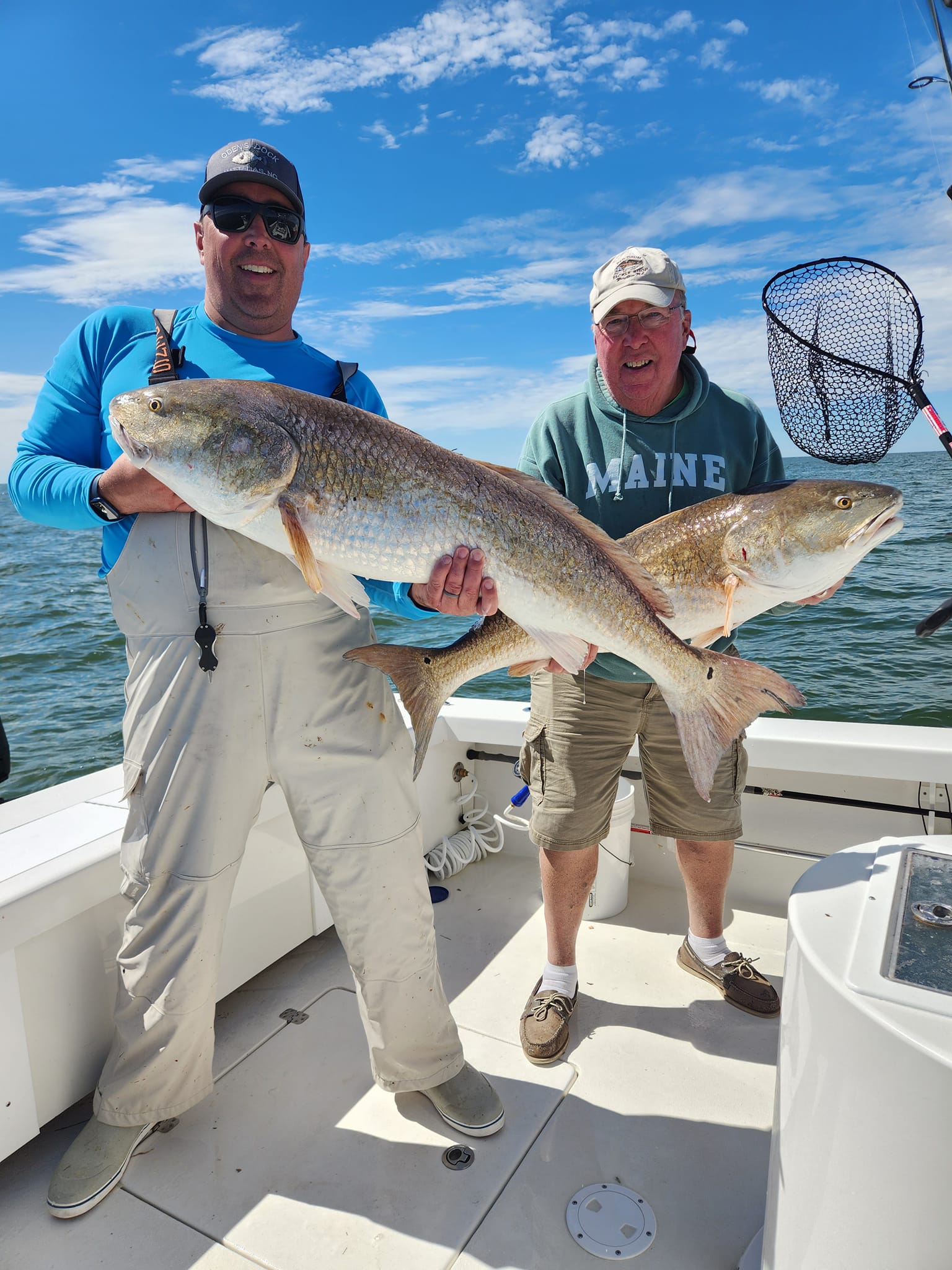
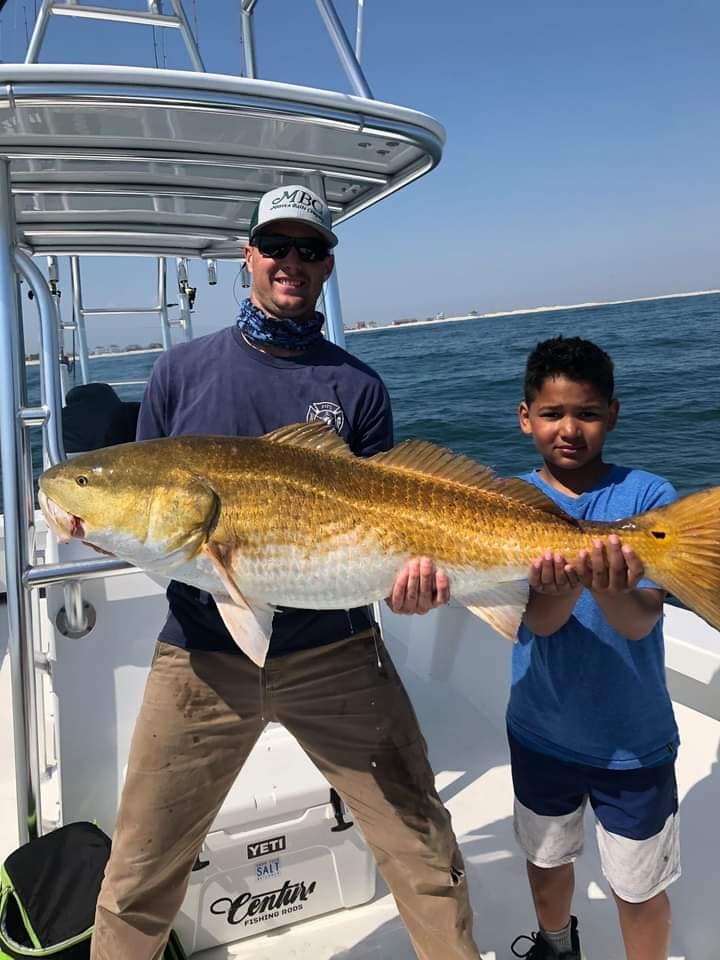
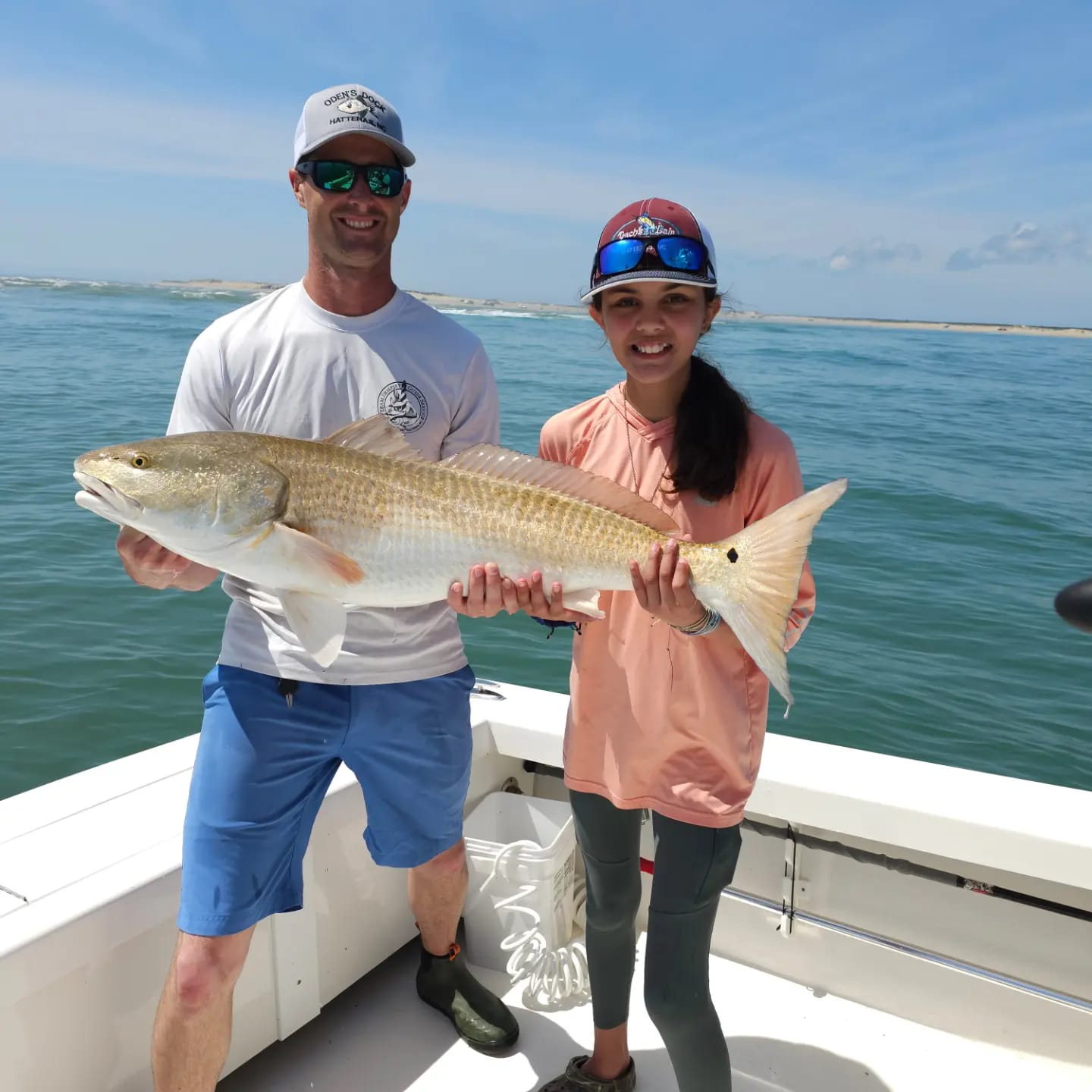
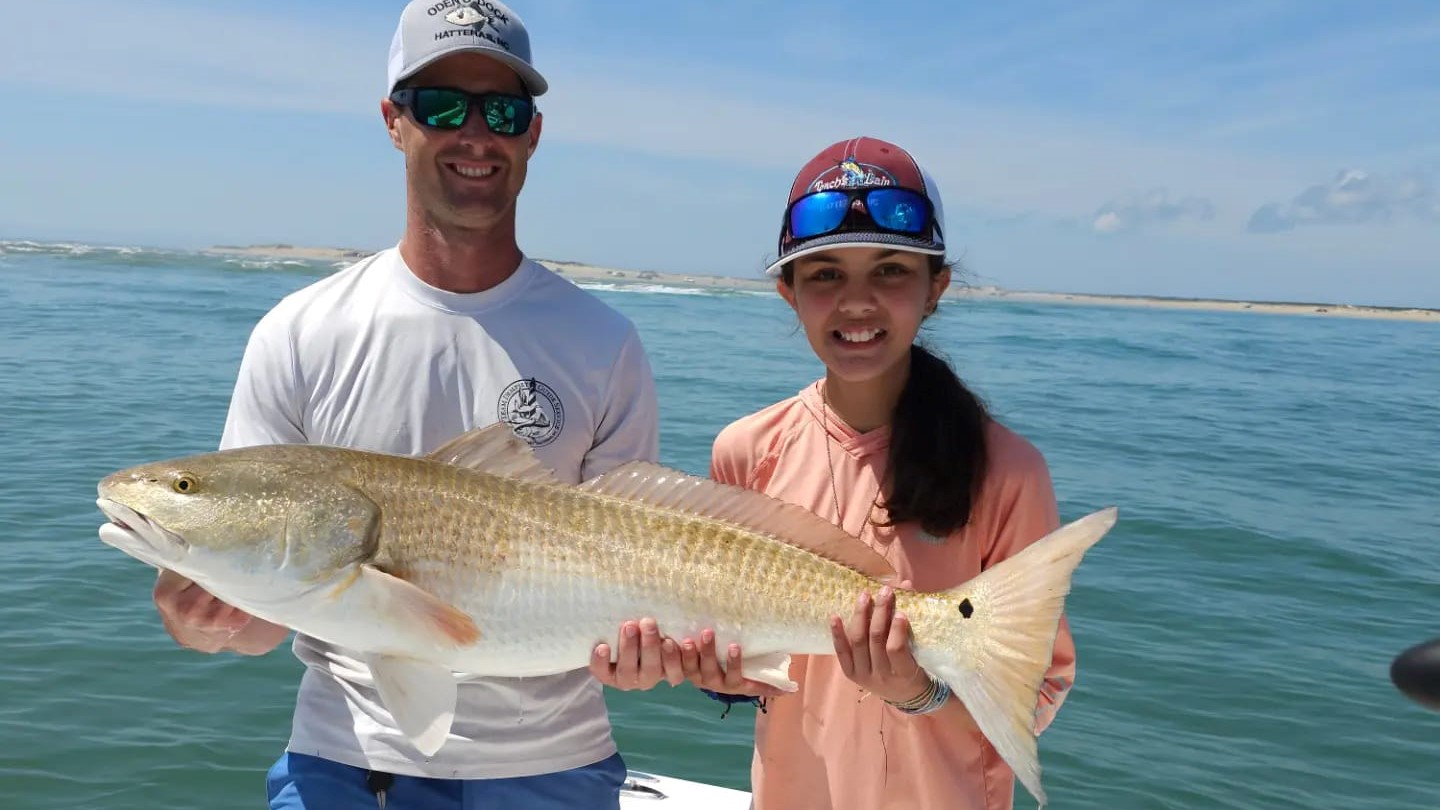
Redfish are the bruisers of the inshore world, and Hatteras waters hold some beautiful specimens. These copper-colored fighters average 18 to 27 inches in the slot, but you'll also encounter over-slot bulls that can stretch past 35 inches and weigh 15-plus pounds. Reds are ambush predators that love structure – think oyster bars, downed trees, and channel edges. They'll crush cut bait, live crabs, and paddle-tail grubs worked slowly along the bottom. Summer and fall are prime time, but these fish stay active most of the year. When a slot red grabs your bait, get ready for multiple runs and some serious head-shaking action.
Cobia are the prize catch that gets every angler's attention. These brown sharks (as some folks call them) are curious fish that often follow rays and other marine life. They're sight-fishing targets when conditions allow, and watching a 30-pound Cobia swim up to investigate your bait is pure adrenaline. They hit hard and fight even harder, peeling drag and making long runs. Peak season runs from late spring through early fall, and while they're not always guaranteed, when Cobia show up, they make the trip memorable. These fish love live eels, crabs, and large swimbaits worked near the surface.
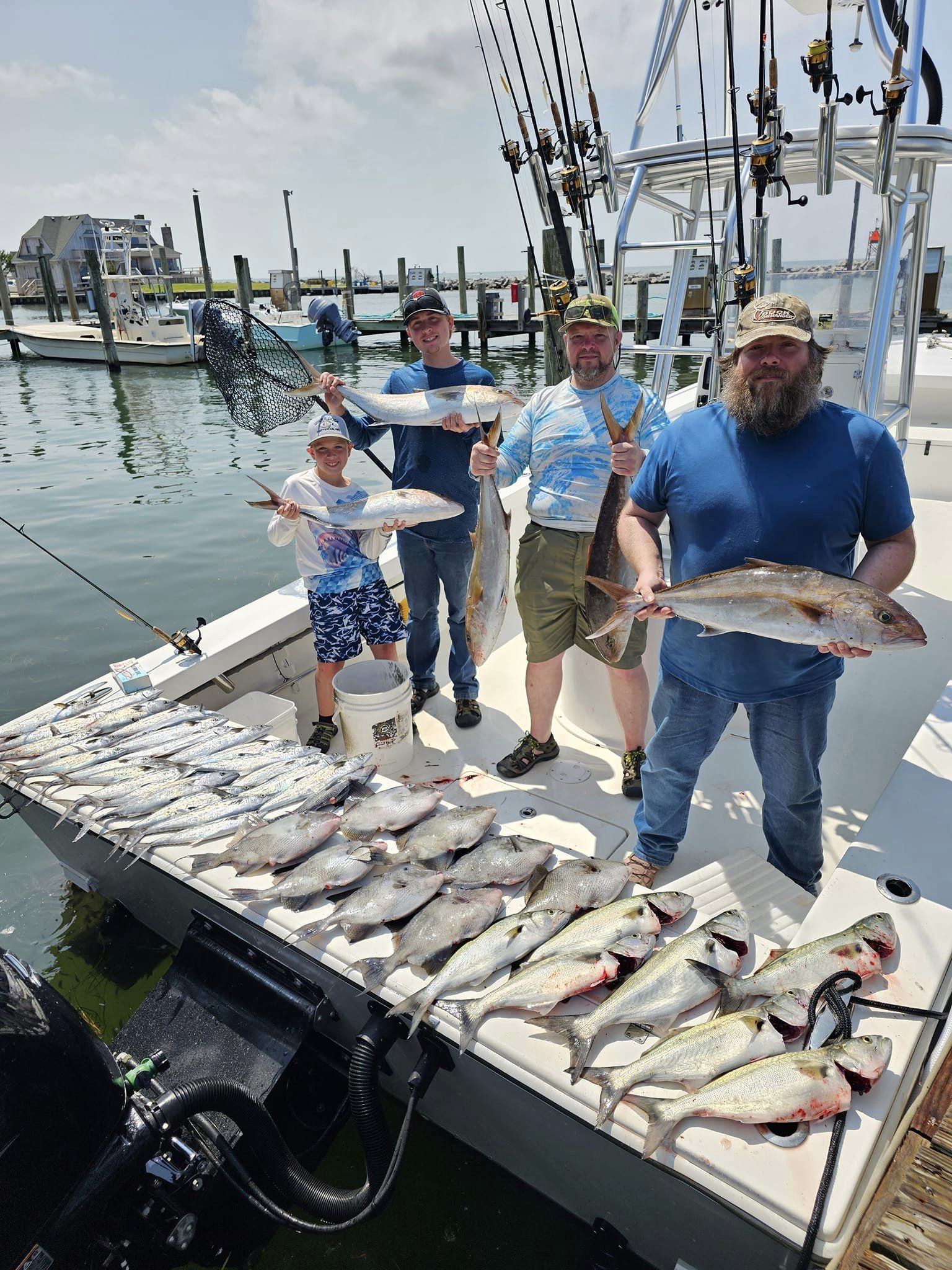
Spanish Mackerel bring non-stop action when they're around. These speed demons hit fast and fight with incredible energy for their size. They school up in massive numbers during their peak season from late spring through early fall, and when you find them, you can catch fish on every cast. They love small spoons, Got-Cha plugs, and live bait rigs. Most Spanish run 12 to 16 inches, but the bigger fish can push 18-plus inches and really bend light tackle. They're perfect for kids and beginning anglers because they bite aggressively and stay hooked well.
Bluefish round out the target list with their aggressive strikes and bulldogging fights. These toothy predators travel in schools and feed voraciously on baitfish. They'll hit cut bait, live offerings, and artificial lures with equal enthusiasm. Blues in these waters typically run 12 to 20 inches, with occasional larger fish mixed in. They're excellent table fare when handled properly and bled immediately. Wire leaders are often necessary when Blues are around – their razor-sharp teeth will cut through mono and fluorocarbon in a heartbeat.
Time to Book Your Spot
Captain Jake and Team Dempsey Guide Service have built their reputation on putting clients on fish and making sure everyone has a great day on the water. With
 Private Trip
 Inshore Fishing
 Washington


 Half-day inshore fishing targeting Cobia, Bluefish, and Spanish Mackerel