Half Day Bass and Walleye Fly Fishing - Tennessee River
The Tennessee River system offers some of the most challenging and rewarding fly fishing in the Southeast, and this half-day guided trip puts you right in the thick of it. Whether you're casting streamers for aggressive smallmouth or working subsurface flies for walleye, you'll be targeting multiple species that'll test your skills and keep your line tight. This isn't your typical trout stream experience – we're talking about big water fishing where technique matters and the fish fight hard.
What to Expect on the Water
Your guide knows every productive stretch, current break, and rocky point where these fish stage up throughout the seasons. We'll cover water efficiently, moving between spots that hold different species depending on conditions, time of year, and what's working that day. The Tennessee River's diverse structure means you'll be fishing everything from shallow flats where bass cruise to deeper channels where walleye suspend. This top-rated experience runs either 4 or 6 hours, giving you flexibility to match your schedule while still putting in serious time with your fly rod. The longer trips often produce the best results since we can adjust tactics and locations as the day develops. You'll need to bring your own gear and flies – this specialized outing assumes you've got the equipment dialed in for the techniques we'll be using.
Fly Selection & Techniques
Success on the Tennessee River requires adapting your approach to match what the fish are doing. We'll likely start with streamers – think woolly buggers, clouser minnows, and crayfish patterns that imitate the forage base these predators feed on. Bass respond well to aggressive strips and sudden pauses, while walleye often prefer a steadier retrieve with subtle twitches. Your fly selection should include various weights since we'll be fishing different depths throughout the trip. Sinking lines or weighted flies become essential when fish are holding deeper, especially during summer months or bright conditions. The guide will share local knowledge about which patterns work best in specific areas, but having a diverse selection gives you options as conditions change. Intermediate to expert anglers get the most from this world-class fishery because the techniques require solid casting skills and the ability to read water effectively.
Species You'll Want to Hook
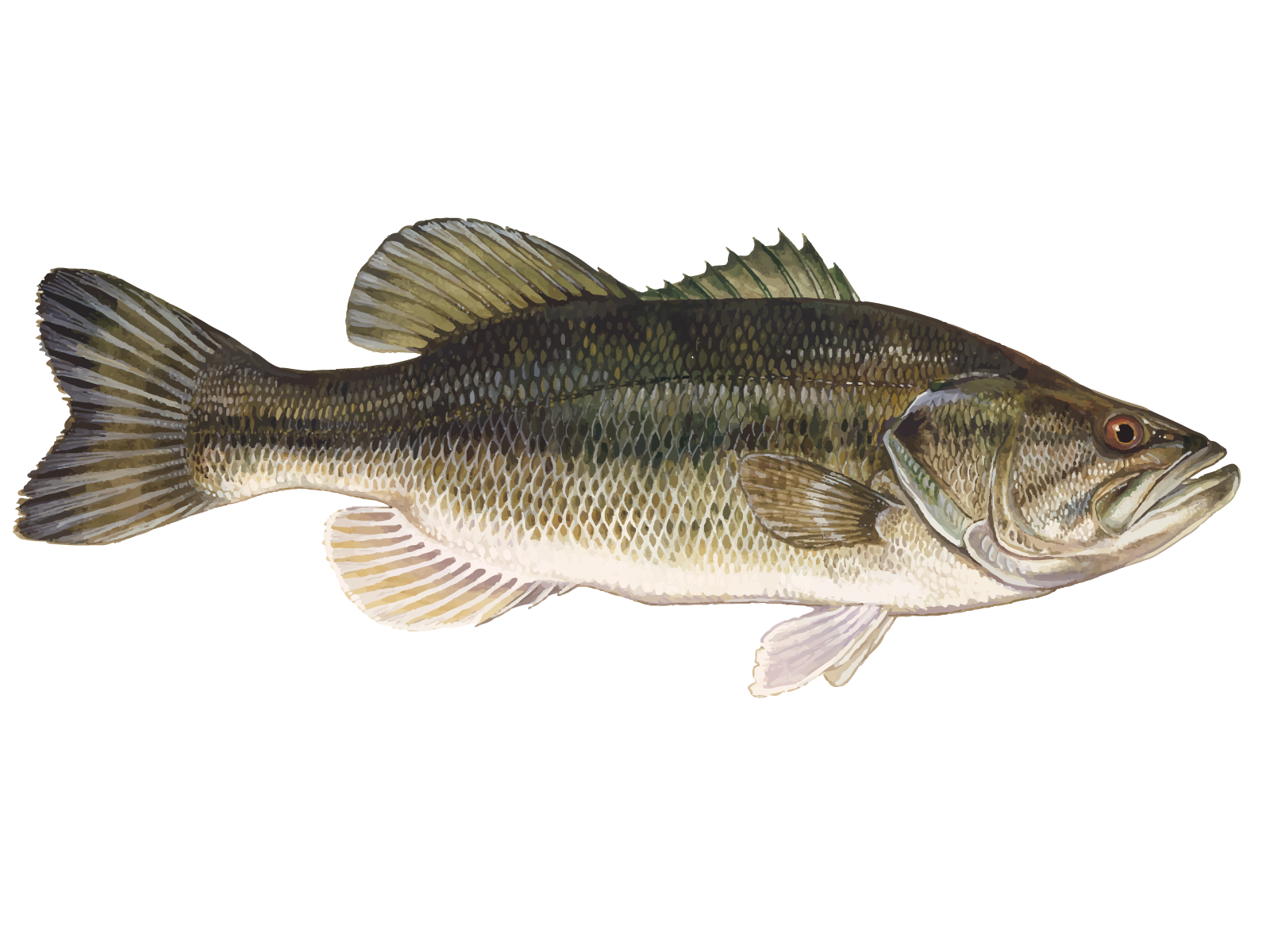
Largemouth bass in the Tennessee River system are opportunistic predators that patrol shallow cover and ambush prey near structure. These fish average 2-4 pounds but can exceed 6 pounds, especially around fallen timber and rocky shorelines. Spring through fall offers the most consistent action, with early morning and evening producing explosive surface strikes. What makes largemouth special here is their willingness to chase flies in open water – something you don't see in smaller lakes and ponds.
Smallmouth bass are the river's scrappiest fighters, preferring rocky bottoms and current breaks where they can ambush baitfish. They typically run 1-3 pounds but make up for size with pure attitude, often jumping multiple times per hookup. These bronze backs are most active during cooler months and love crayfish patterns bounced along the bottom. The Tennessee River's smallmouth population has exploded in recent years, making them a customer favorite for consistent action.
Walleye represent the technical challenge of this fishery, requiring precise presentation and subtle strikes that many anglers miss. These fish school up and can provide steady action once located, typically weighing 2-5 pounds with occasional specimens pushing 8+ pounds. Late fall through early spring produces the best walleye fishing, especially in deeper water near river channels. Their excellent table fare makes them a bonus catch that many anglers specifically target.
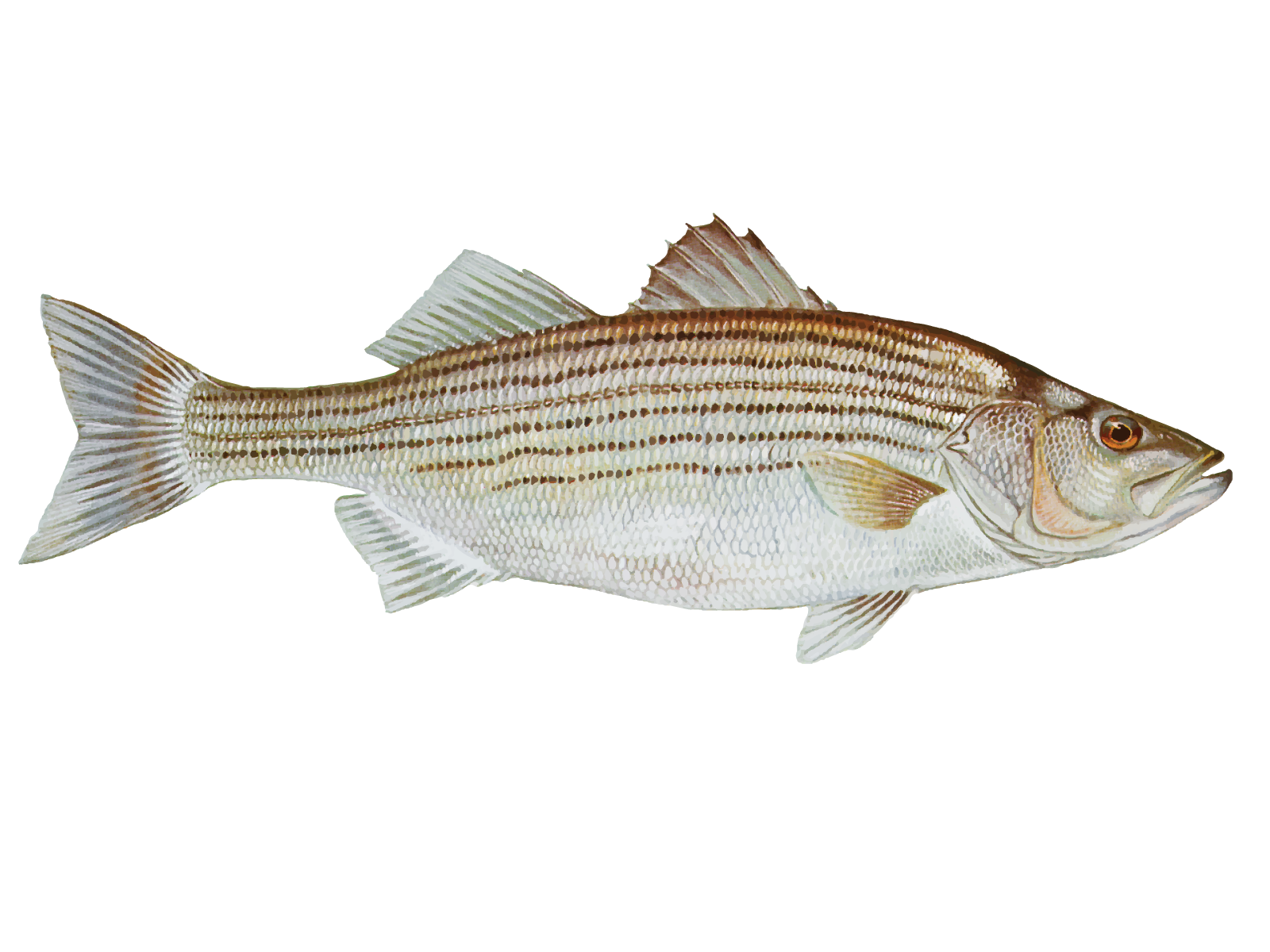
Striped bass migrate through the system seasonally, offering explosive fights and impressive size when conditions align. These silver rockets can exceed 20 pounds and will test your tackle to its limits. They're most common during spring and fall migrations, often feeding aggressively in schools. When the striper bite is on, it's some of the most exciting freshwater fly fishing you'll find anywhere.
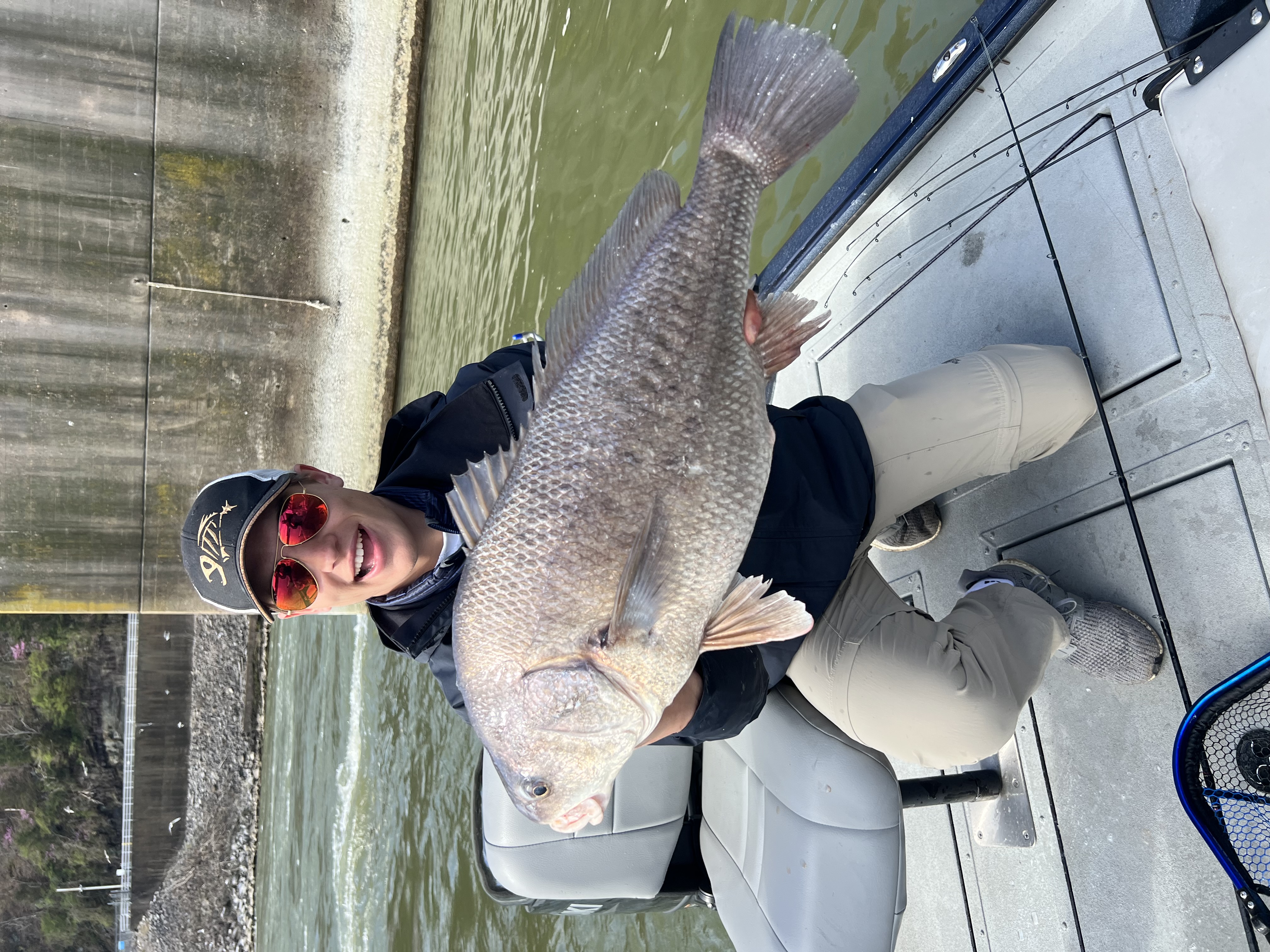
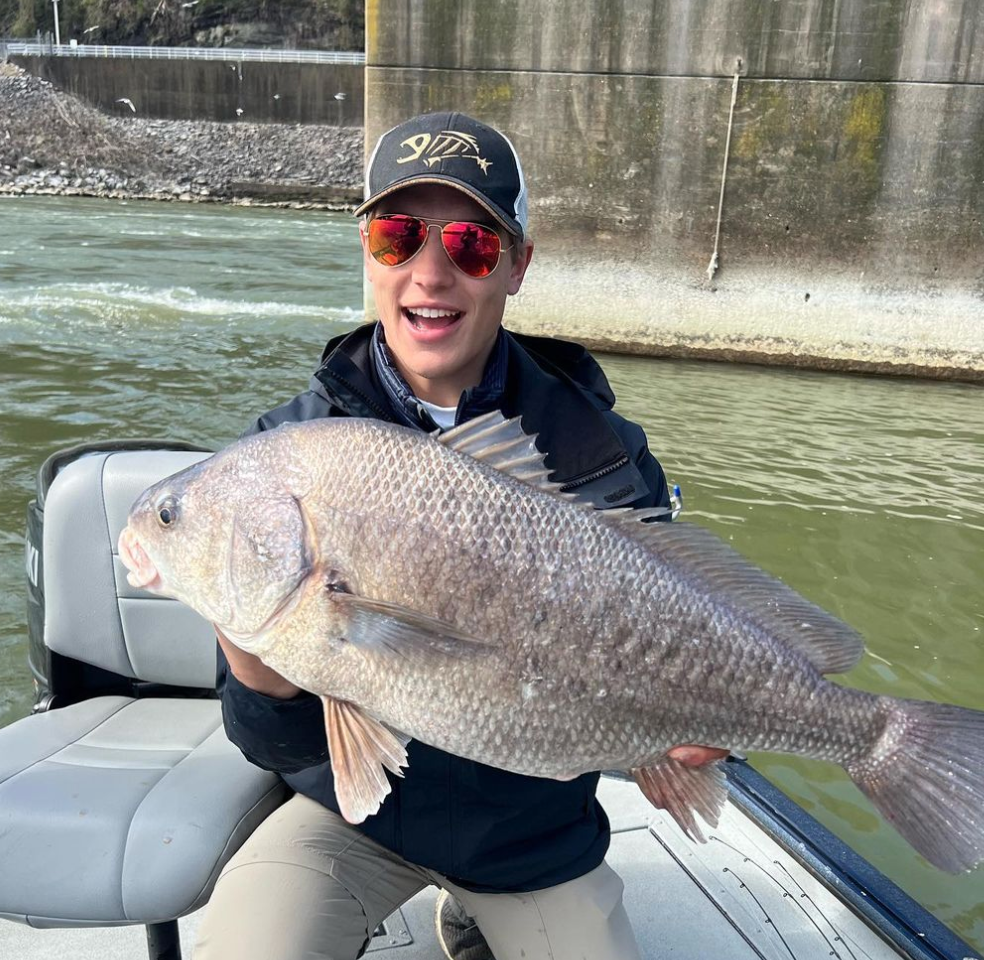
Freshwater drum might seem like an odd target, but these powerful fish provide consistent action and surprising fights on fly gear. They're bottom feeders that respond well to weighted patterns and can be caught year-round. While not the prettiest fish in the river, drum average 3-8 pounds and their bulldogging fights will surprise first-time drum anglers. Many guides consider them an underrated species that's perfect for keeping your rod bent between bass and walleye.
Time to Book Your Spot
The Tennessee River's fly fishing opportunities continue improving each season, and this renowned guided experience puts you on fish that most anglers never target with fly gear. Your guide's local knowledge eliminates the guesswork of finding productive water, while the diverse species list means something's always biting. Whether you choose the 4-hour or 6-hour option, you'll gain insights and techniques that'll make you a better angler long after the trip ends. The small group size ensures personalized instruction and plenty of casting opportunities. Don't wait on this one – the best dates fill up quickly, especially during prime seasons when multiple species are active simultaneously.
 Private Trip
 River Fishing
 Kentucky Lake


 Half-day guided fly fishing on Tennessee River waters