Galveston Jetty Fishing: Half-Day Charters
Looking for some serious action on the water around Galveston? Our 4-hour jetty fishing trips are perfect for anglers who want to maximize their time without committing to a full day. Whether you're an early bird who loves the morning bite or prefer the afternoon action, we've got you covered with both AM and PM departures. The Galveston jetties are legendary fishing spots that consistently produce quality fish year-round, and our experienced captains know exactly where to put you on them.
What to Expect on the Water
When you show up at the dock, everything's ready to roll. Your captain will have the boat prepped, tackle sorted, and a game plan based on what's been biting lately. The jetties create some of the most productive fishing structure along the Texas coast - these rock piles act like magnets for baitfish, which means predators aren't far behind. With a maximum of just 3 anglers per trip, you'll get plenty of personal attention and coaching from your captain. This isn't a cattle boat operation where you're fighting for rail space. You'll have room to fish comfortably and actually learn something while you're out there. The intimate group size also means we can adapt quickly when fish are found, moving spots efficiently without having to coordinate a crowd.
Jetty Fishing Techniques
Fishing the jetties requires a different approach than open water fishing. We'll be working structure, so expect to use heavier weights to get down through the current and stay in the strike zone. Your captain will rig you up with everything from Carolina rigs for bottom feeders to free-lining live bait for the more aggressive species cruising the rocks. The key is reading the current and understanding how different species relate to the structure at different times. When the tide's moving, we might drift along the outside edges. During slack periods, we can get tight to the rocks where the big sheepshead and drum like to hide. Don't worry if you're not familiar with jetty tactics - that's what your guide is for. They'll walk you through proper rigging, explain why we're fishing certain areas, and help you develop the feel for detecting bites in current.
Customer Stories
"Very patient and teaching the whole time for kid who loves fishing. Explained rigging, why chose spots etc." - Melissa
"Our experience with Captain Zach was absolutely fantastic! He brings a delightful mix of fun and expertise to the table, putting in the effort to ensure we had a successful fishing outing. From hooking bait to casting, he was tirelessly engaged throughout. Every moment of our trip was thoroughly enjoyable, and without a doubt, we'll be booking again with Texas Fishing Charters, LLC." - Caroline
"Captain Zack was great and the whole trip was excellent. I would recommend him to anyone. Very accomodating." - Keziah
Species You'll Want to Hook
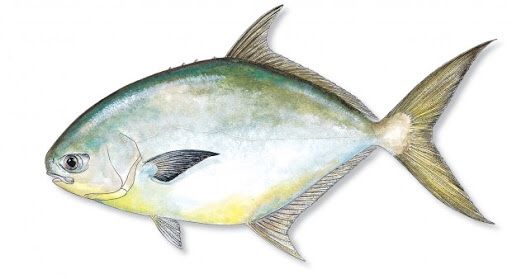
Florida Pompano are the crown jewel of jetty fishing, and for good reason. These silver bullets are some of the best eating fish in the Gulf, with firm white meat that's perfect on the grill. Pompano typically run in schools, so when you find one, there are usually more around. They love sandy bottom areas near structure and have a habit of following the tide lines. Spring and fall are prime time for pomps, when they're moving along the coast in good numbers. What makes them special isn't just the fight - though they'll surprise you with their strength - it's that sweet, delicate flavor that keeps anglers coming back.
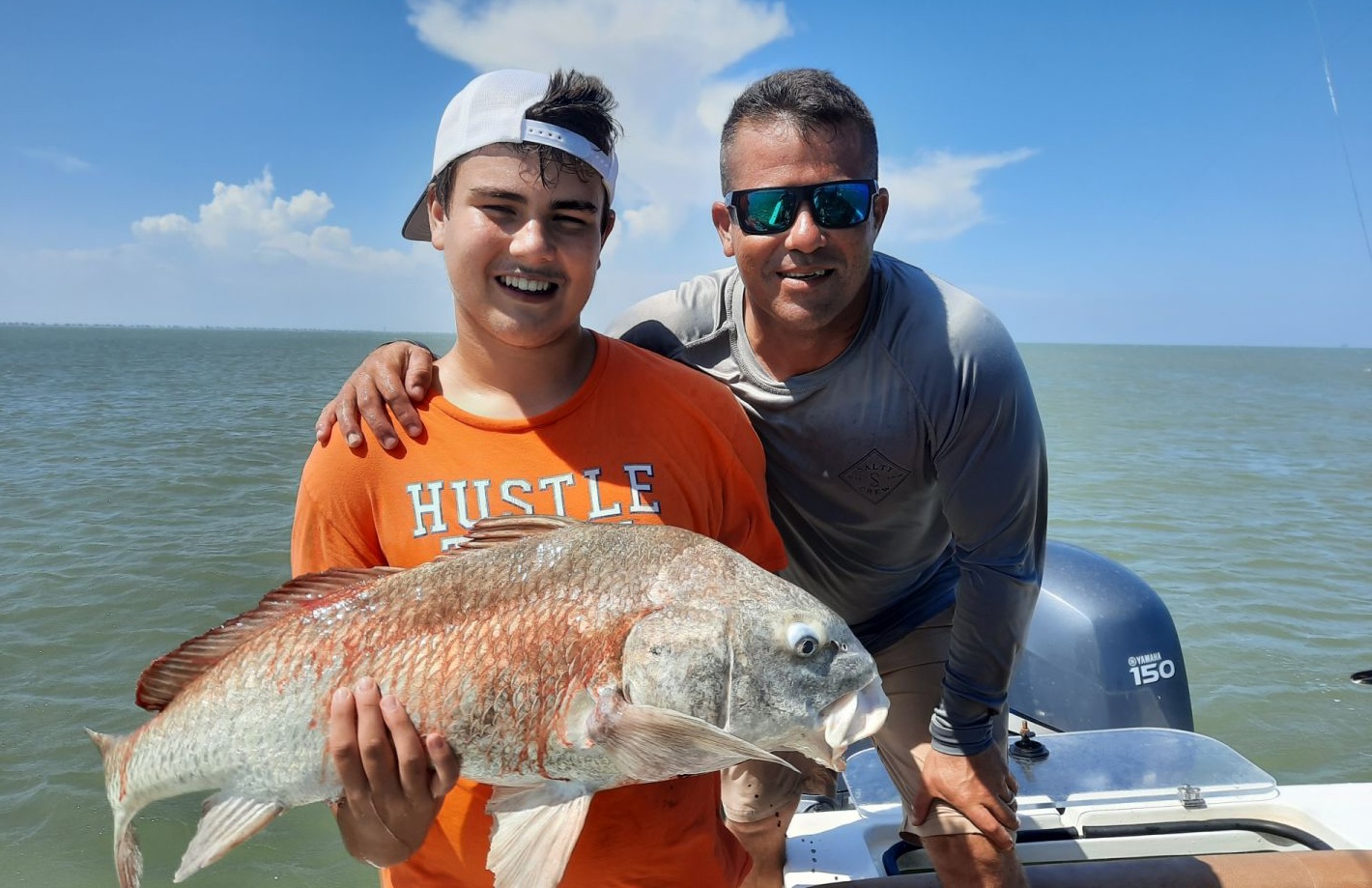
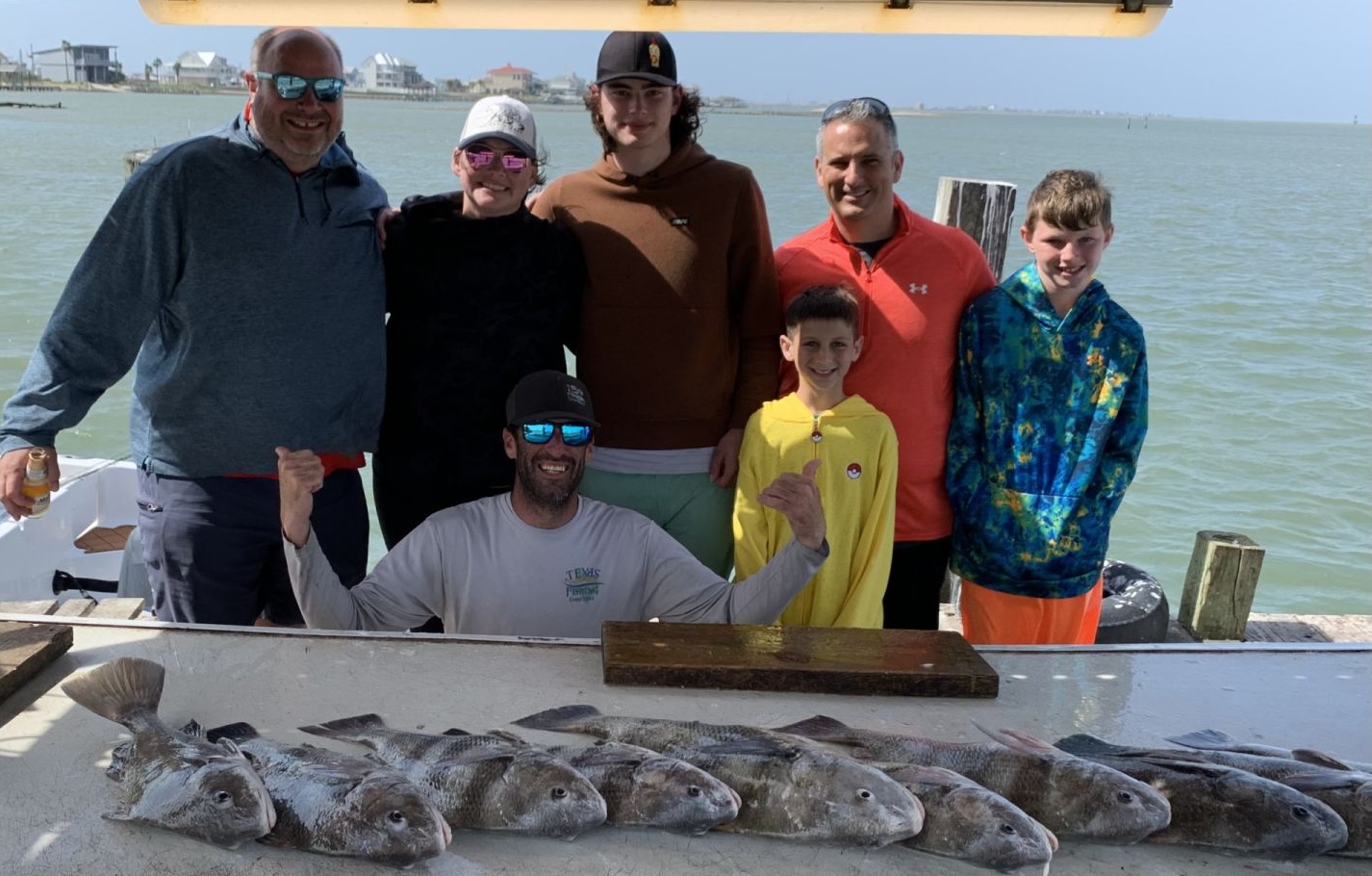
Black Drum are the heavyweights of the jetty scene. These fish can grow massive, with trophy specimens pushing 40+ pounds not uncommon around the rocks. They're bottom feeders with powerful jaws designed for crushing crabs and shellfish, so when you hook one, you'll know it immediately. The fight is all about power and endurance rather than speed. Black drum are most active during their spawn in late winter and early spring, when the big bulls move shallow. Even the smaller "puppy drum" provide excellent action and make great table fare. Their cousin the red drum might steal the spotlight, but black drum are equally rewarding to target.
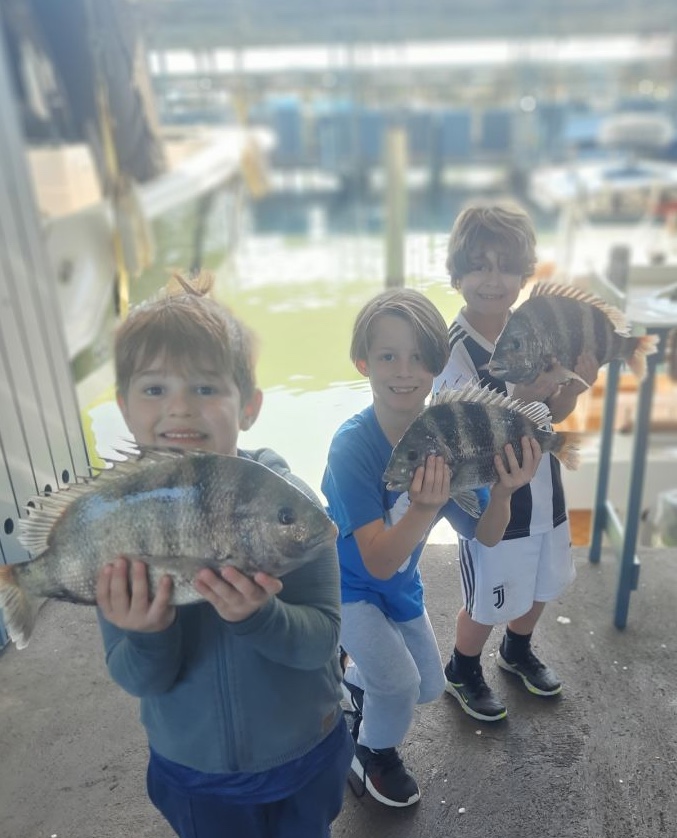
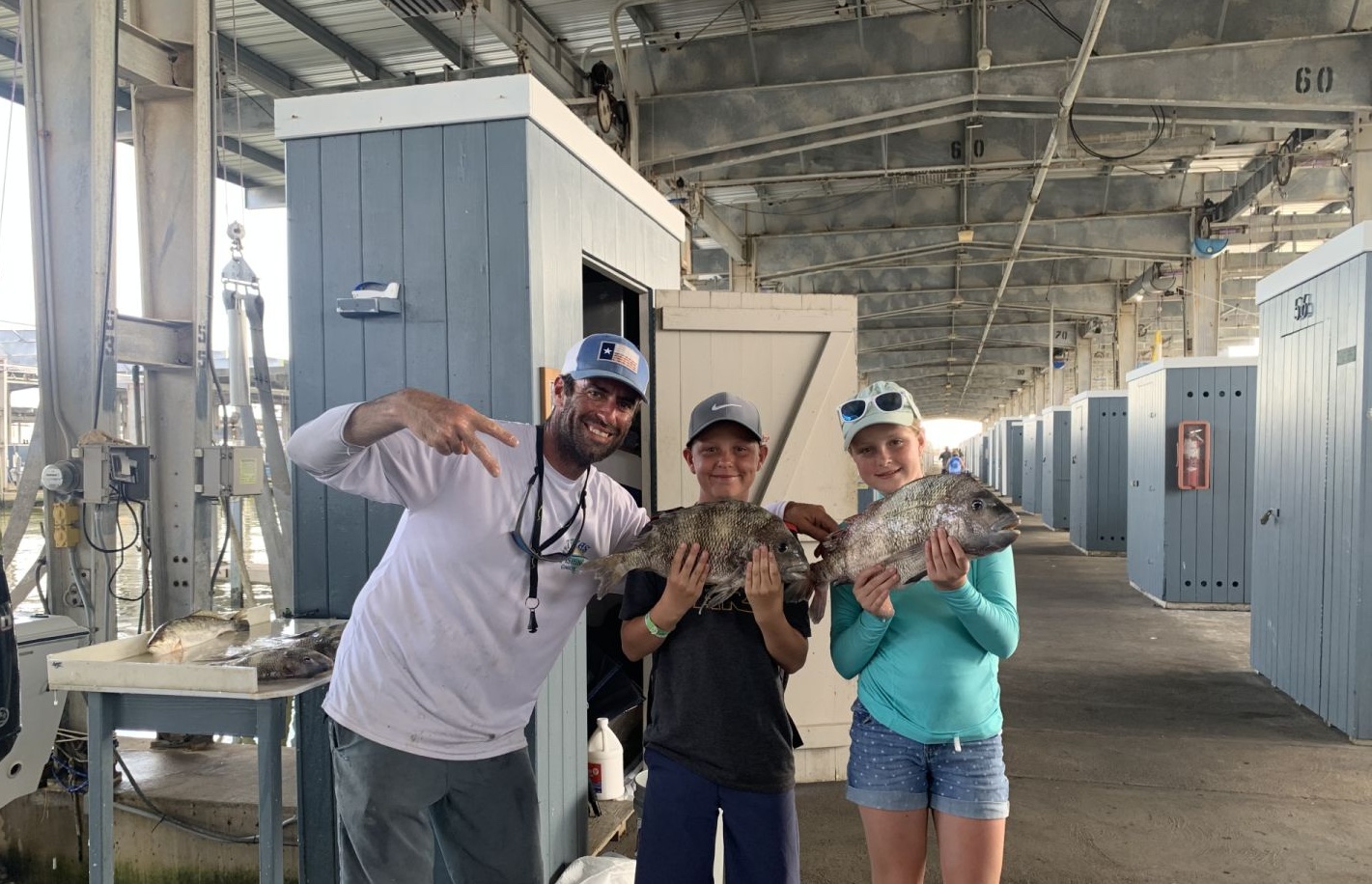
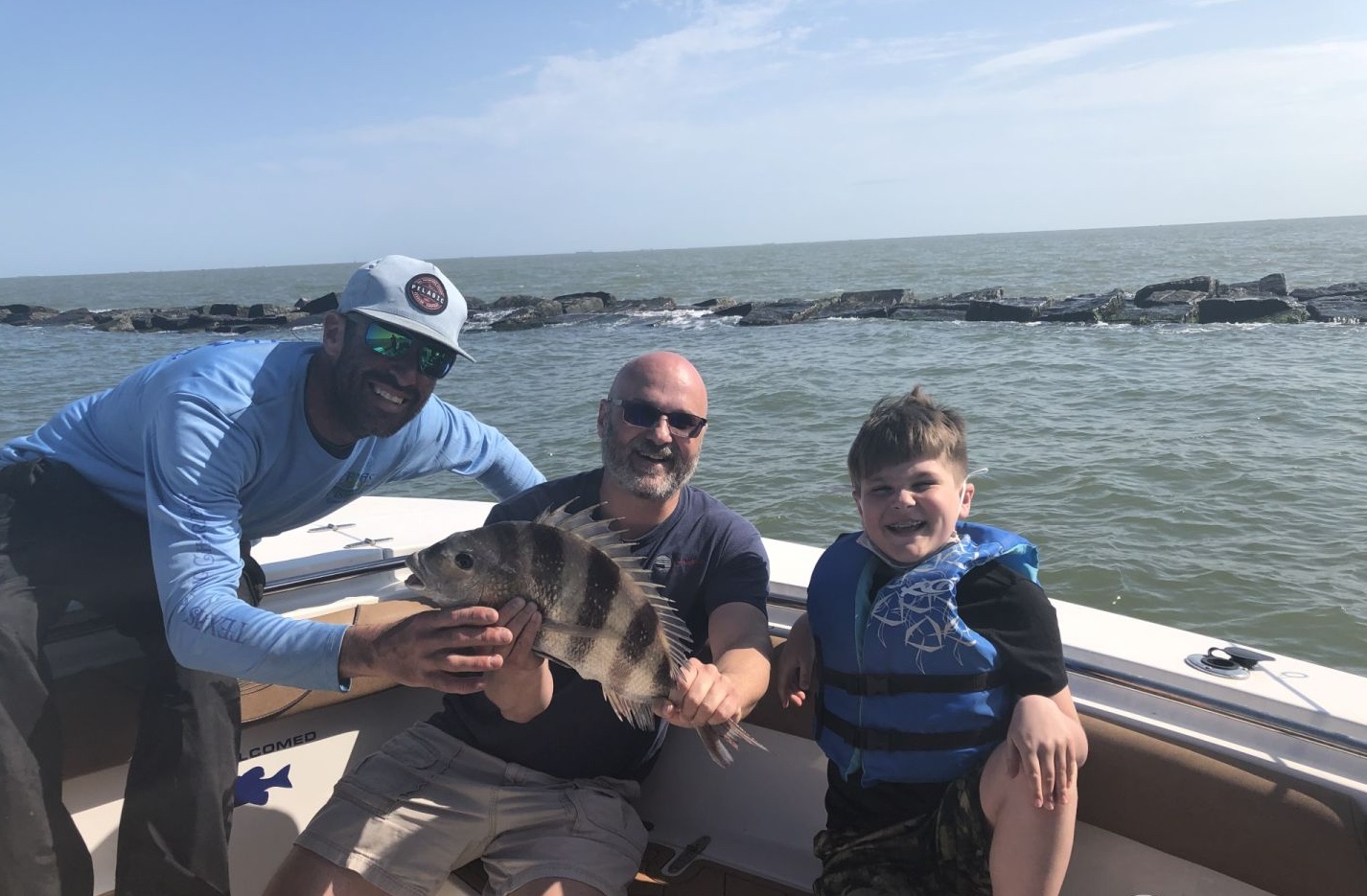
Sheepshead earn their reputation as bait stealers, but that's what makes them so challenging and fun to catch. These convict-striped fish have human-like teeth and incredible precision when it comes to picking baits clean. They're structure-oriented fish that love pilings, rocks, and jetties where they can hunt for barnacles and crabs. The trick is using the right bait - fiddler crabs are hard to beat - and detecting their subtle bite before they rob you blind. Sheepshead are excellent eating with firm, white meat, making them a favorite target for anglers who appreciate both the challenge and the reward.
Redfish are the poster child of Texas coastal fishing, and the jetties hold some quality specimens. These copper-colored fighters are known for their bulldogging runs and stubborn refusal to give up easily. Reds around the jetties tend to be slot fish or oversized bulls, both offering different but equally exciting experiences. The slot fish are perfect for the cooler, while the bulls provide pure adrenaline on light tackle. Redfish are year-round residents, but they're most predictable during the warmer months when they're actively feeding. Their aggressive nature and willingness to hit both live and artificial baits makes them a guide favorite.
Crevalle Jack might not win any beauty contests, but they'll test your tackle and your endurance like few other fish. These silver torpedoes are pure muscle, known for long, blistering runs that can leave your arms burning. Jack crevalle are opportunistic feeders that travel in schools, often creating feeding frenzies when they corner baitfish against the jetties. Summer is prime time for jacks, when the water's warm and baitfish are abundant. While they're
 5.0(27 Reviews)
 Private Trip
 Offshore Fishing
 Top Rated
 Galveston, TX



 Four-hour fishing charter targeting Galveston Jetties waters