Beginner Fishing Charleston SC - Redfish & More
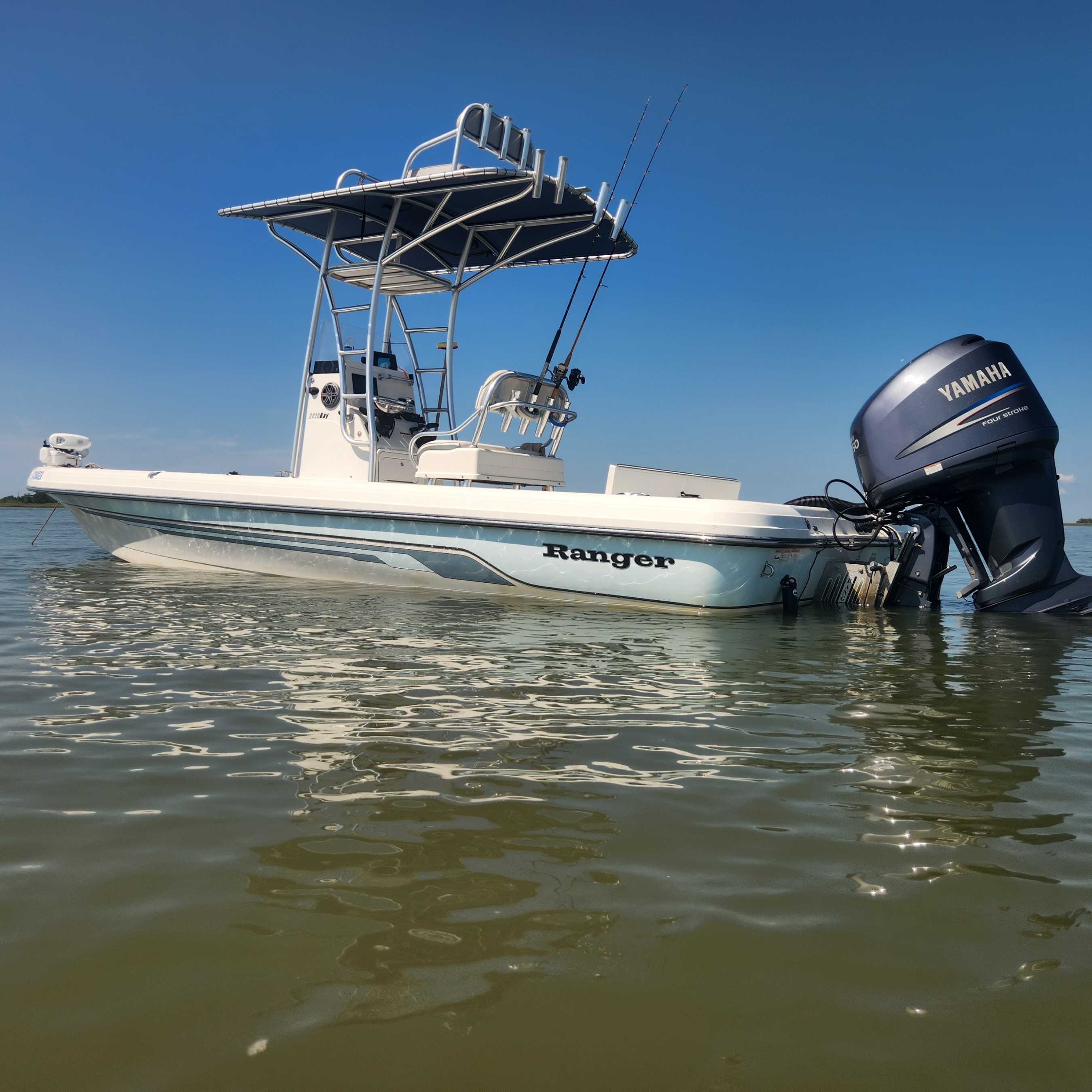
Captain Cody Dakin knows exactly what it's like to cast your first line in Charleston's pristine inshore waters. His beginner fishing trip takes the intimidation factor completely out of the equation, focusing on getting you hooked up with some of the Lowcountry's most popular game fish. Whether you're a complete rookie or bringing the family out for their first taste of saltwater fishing, this 2-person max trip gives everyone plenty of elbow room and personal attention. You'll spend your time in the scenic creeks and flats around Charleston, where the fish are plentiful and the scenery never gets old. No need to stress about gear or technique - Cody provides top-quality rods, reels, tackle, and all the local know-how you need to start landing fish right away.
What to Expect on the Water
Your day starts with a quick rundown of basic fishing fundamentals - how to hold your rod, when to set the hook, and reading the signs that fish are nearby. Captain Cody keeps things relaxed and educational, making sure everyone feels confident before the first cast. The boat heads out into Charleston's famous marsh systems, where you'll fish around oyster bars, grass flats, and creek mouths that hold some serious fish. The pace stays comfortable, with plenty of time to soak in the coastal scenery between bites. Cody tailors each trip based on tides, weather, and what's biting that day, so you're always fishing where the action is hottest. Don't worry about looking like a pro - everyone starts somewhere, and these waters are forgiving enough that beginners regularly outfish seasoned anglers.
Gear Setup & Techniques
All the tackle is provided, from medium-action spinning rods perfect for beginners to a full selection of baits and lures that work in Charleston's inshore waters. You'll learn to fish with both live bait and artificials, depending on what the fish are preferring that day. Captain Cody breaks down the basics of reading water, understanding tidal movements, and spotting the structure where game fish like to hang out. The techniques stay simple but effective - think carolina rigs for bottom fish, popping corks for trout, and sight fishing for redfish when conditions are right. Everything is hands-on learning, so you'll pick up skills that transfer to future fishing adventures. The boat stays in protected waters where conditions are manageable, making it easy to focus on fishing instead of fighting rough seas or strong currents.
Species You'll Want to Hook
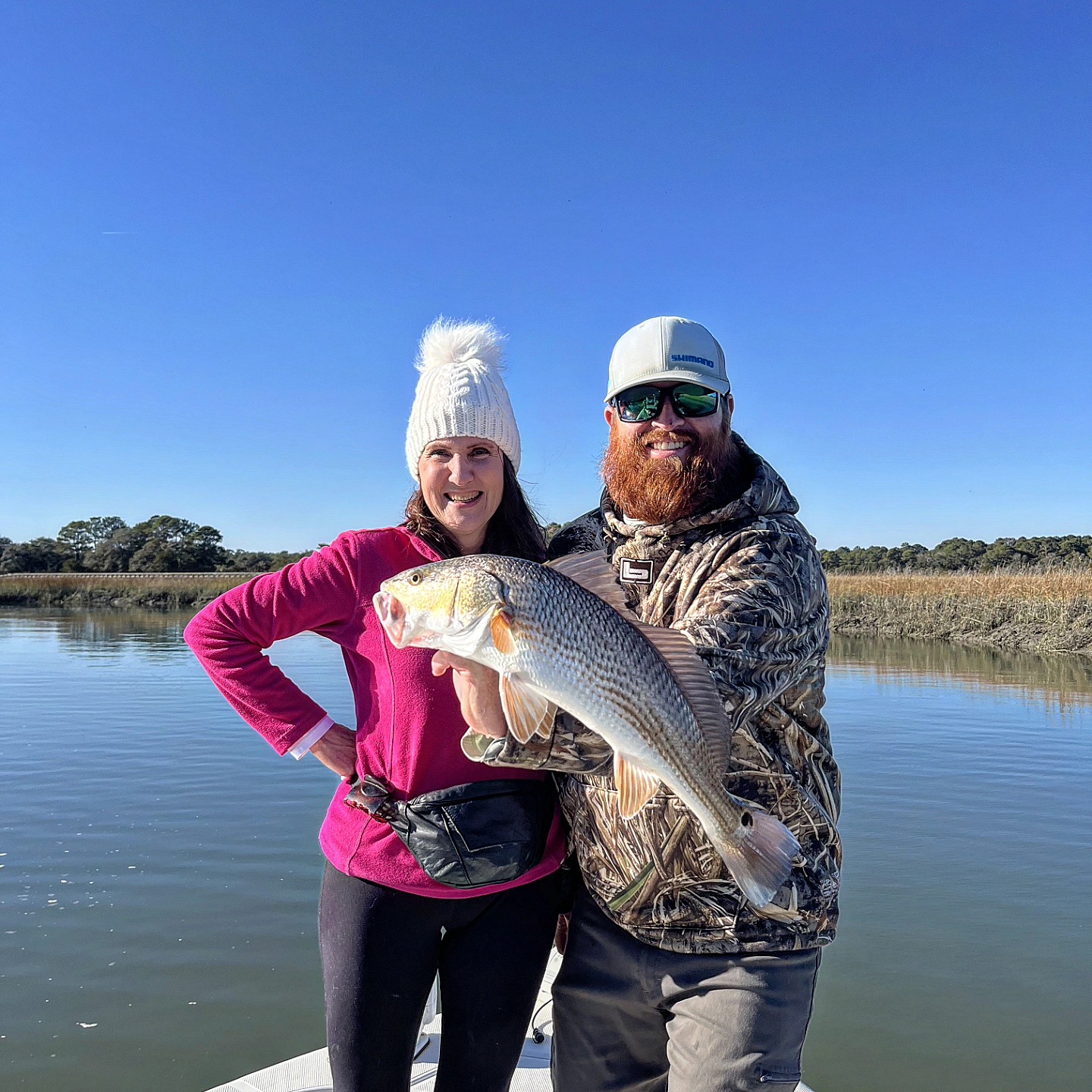
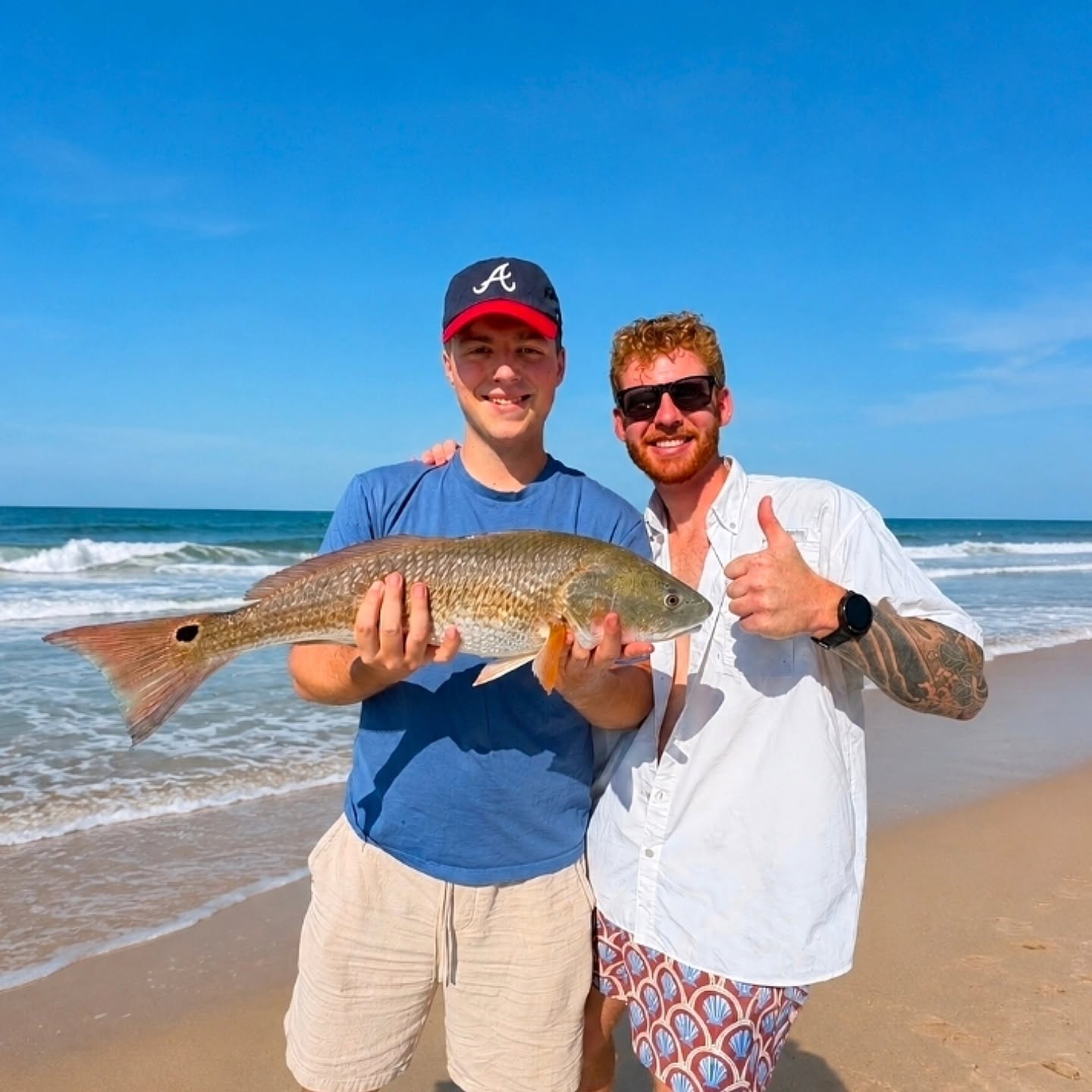
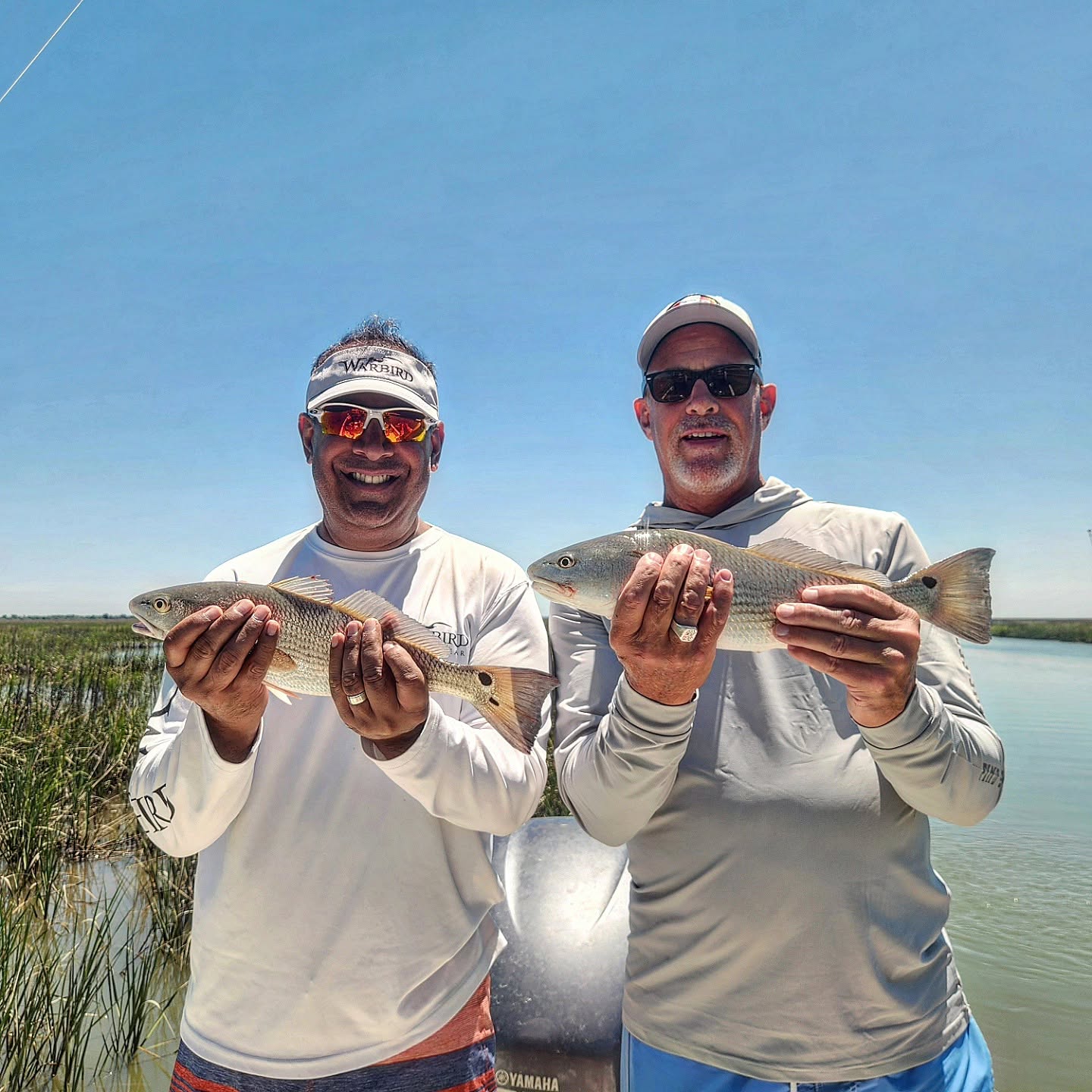
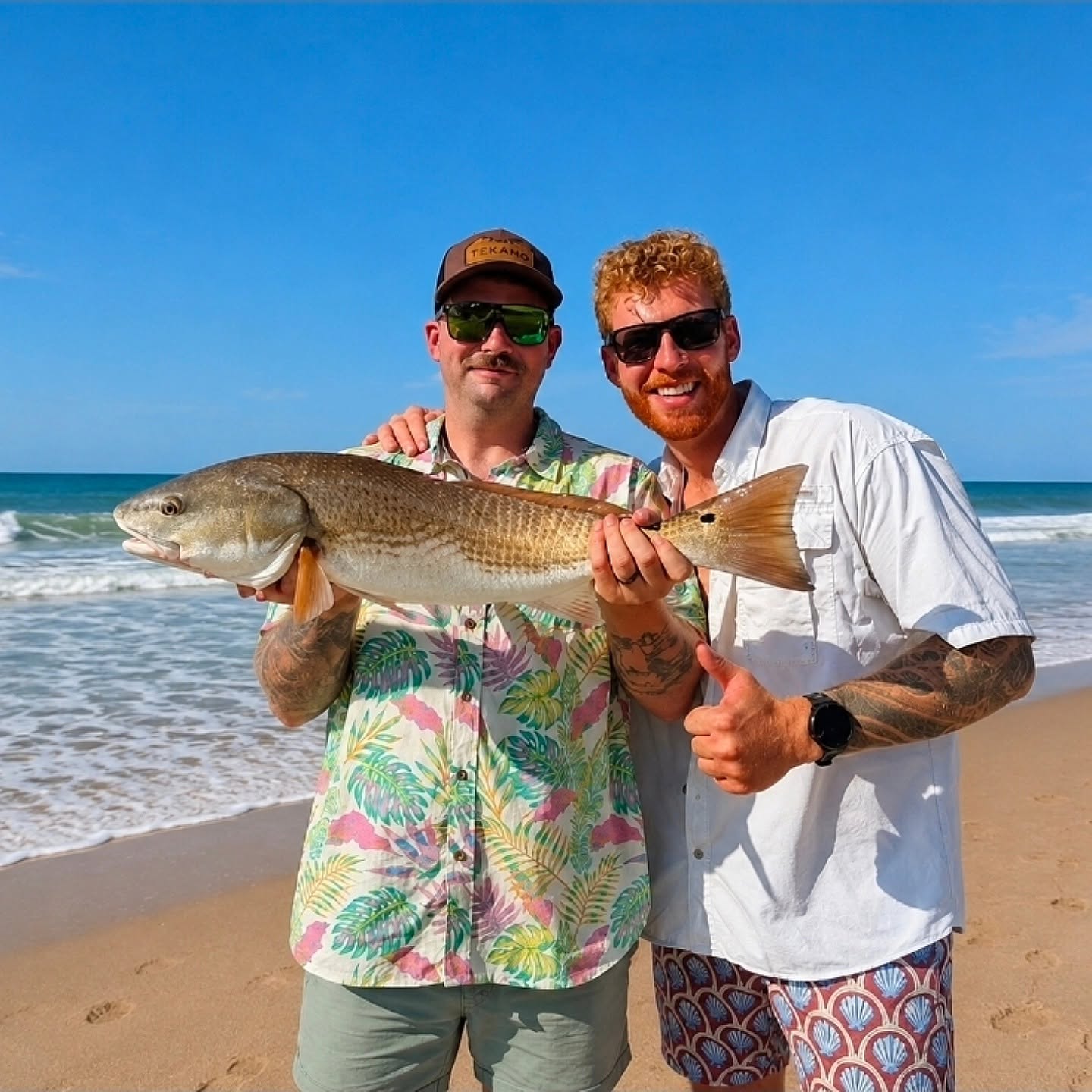
Redfish are the crown jewel of Charleston inshore fishing, and for good reason. These copper-colored bruisers average 18-27 inches in the slot and put up a fight that'll test your drag system. They're most active during moving tides, especially around oyster bars and grass edges where they hunt for crabs and shrimp. What makes reds so special for beginners is their willingness to eat - they're not overly picky and will hit both live bait and lures with equal enthusiasm. Fall and spring offer the most consistent action, but you can find quality redfish year-round in Charleston's waters.
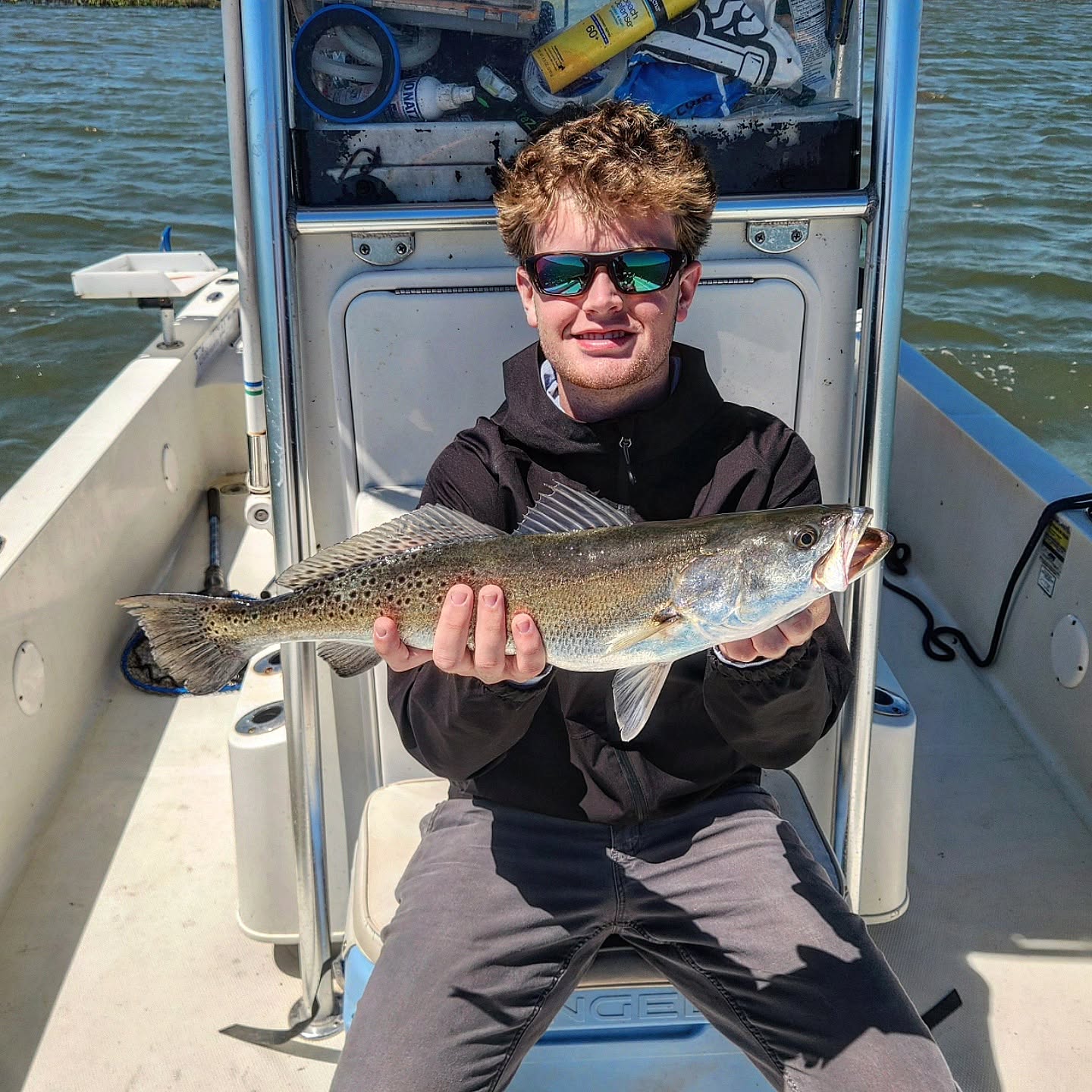
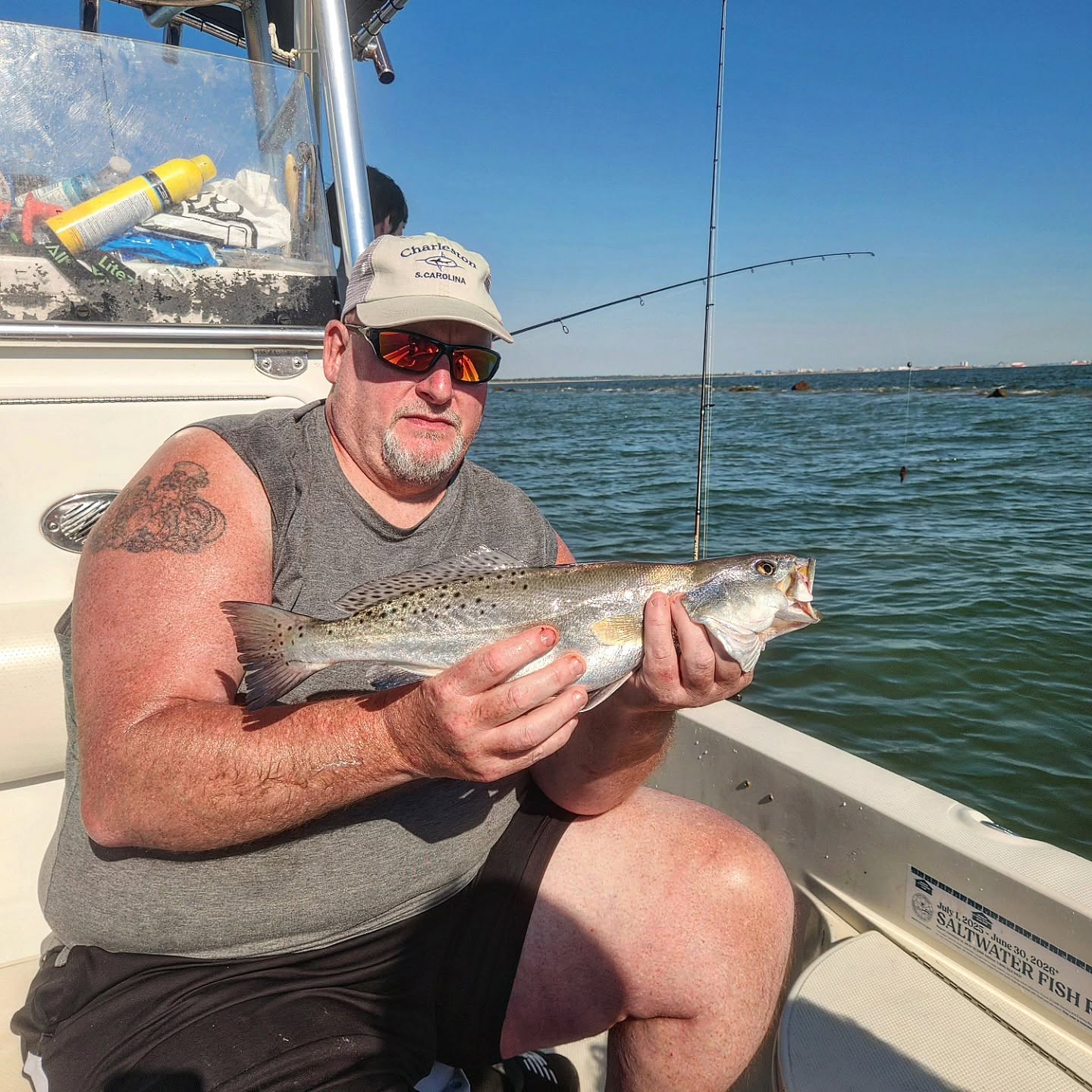
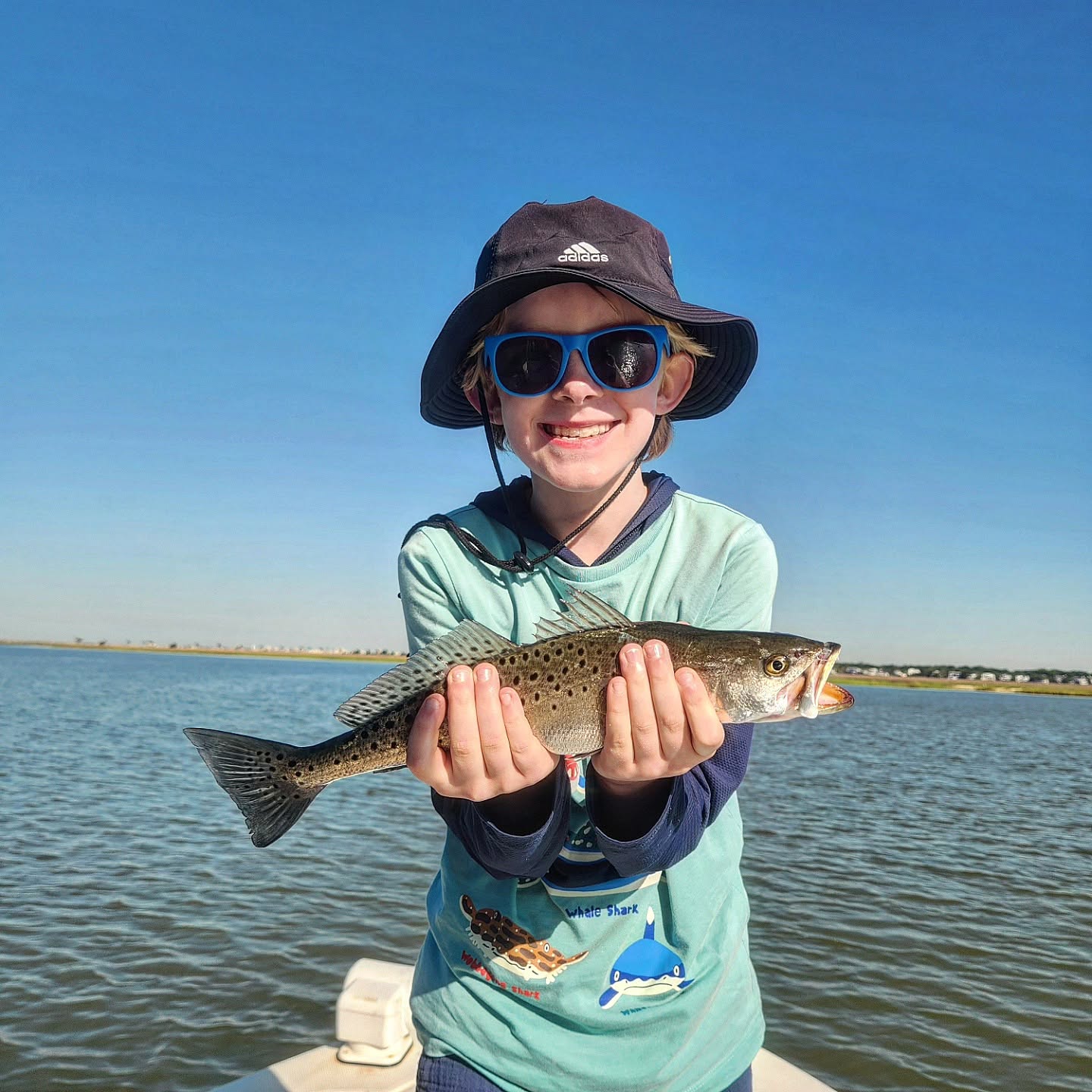
Sea Trout might not have the bulk of a redfish, but they make up for it with explosive strikes and acrobatic jumps. These spotted beauties love grass flats and creek mouths, especially during the warmer months when they're most active. Trout are perfect for learning proper hook-setting technique since they have soft mouths that require a gentle touch. They respond well to both live shrimp and soft plastic baits, making them an ideal target species for anglers just getting comfortable with different presentations. Summer and early fall produce the most consistent trout action in the Charleston area.
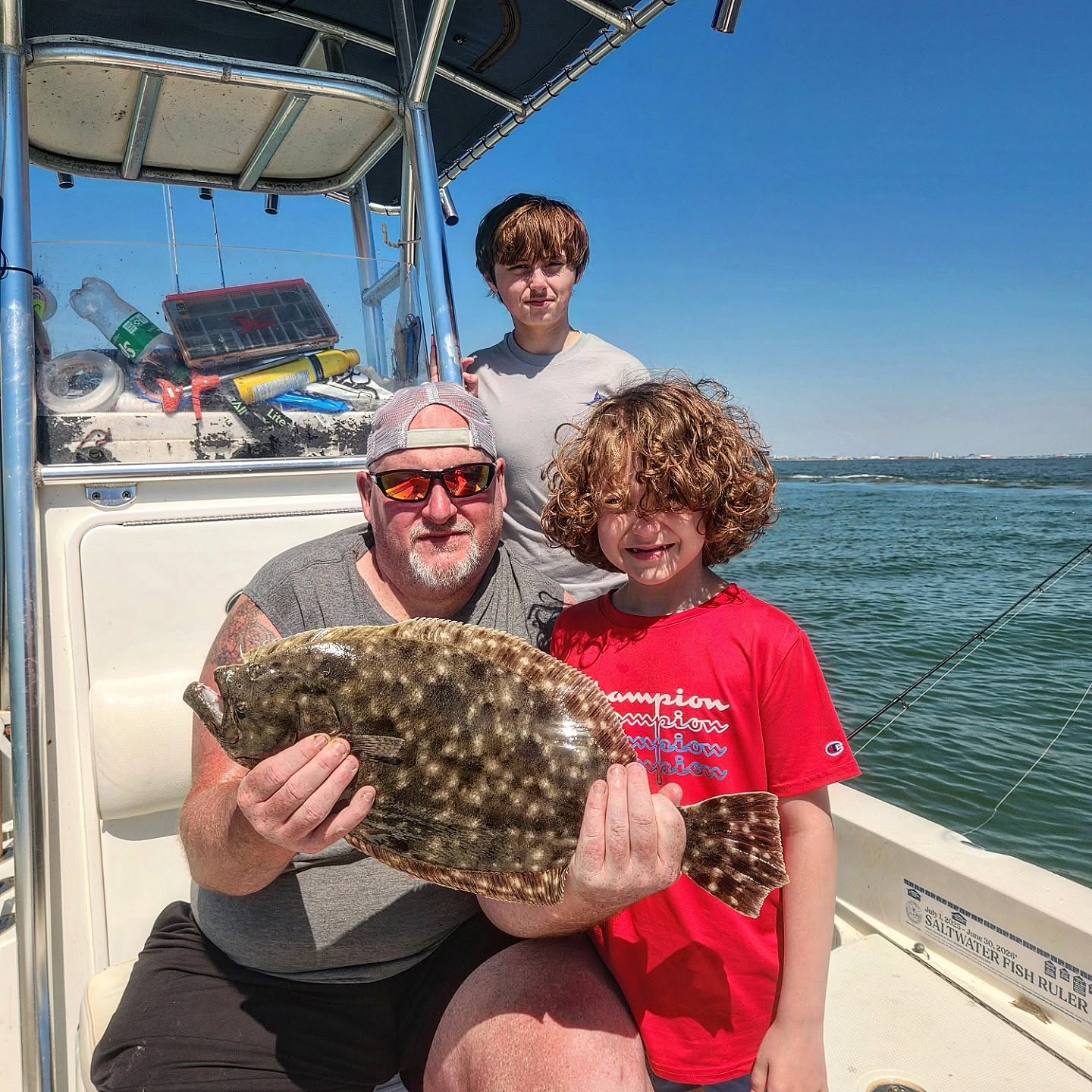
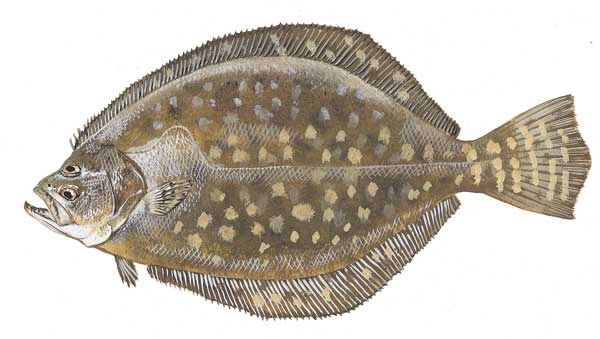
Southern Flounder are the masters of camouflage, lying flat against sandy bottoms waiting to ambush unsuspecting prey. These flatfish can grow surprisingly large, with keeper-sized flounder ranging from 15-20+ inches. They're most active during cooler months, particularly late fall and early spring when they're moving between inshore and offshore waters. Flounder fishing teaches patience and bottom-reading skills since you're targeting specific structure and depth changes. Their firm white meat makes them a favorite among anglers who enjoy eating their catch.
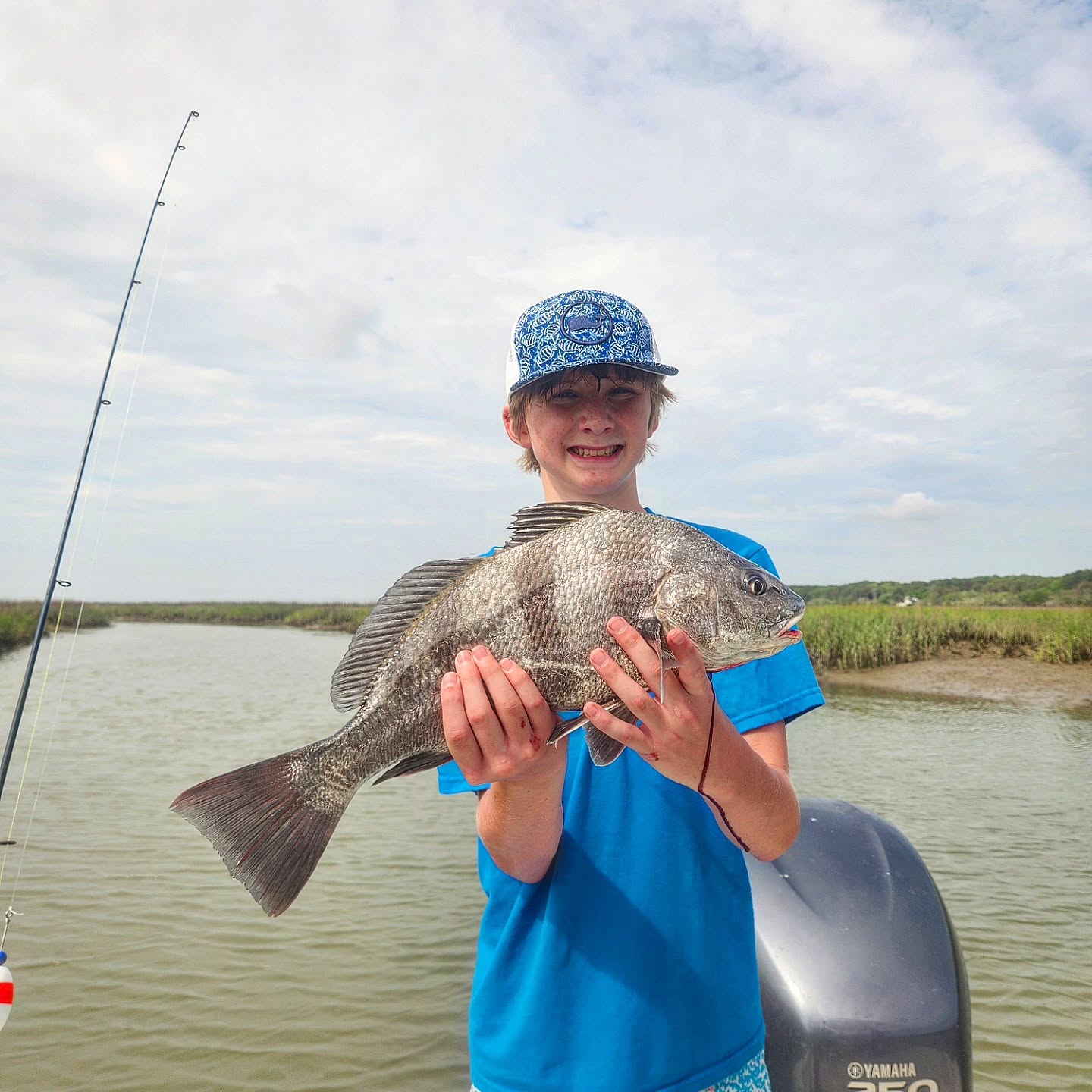
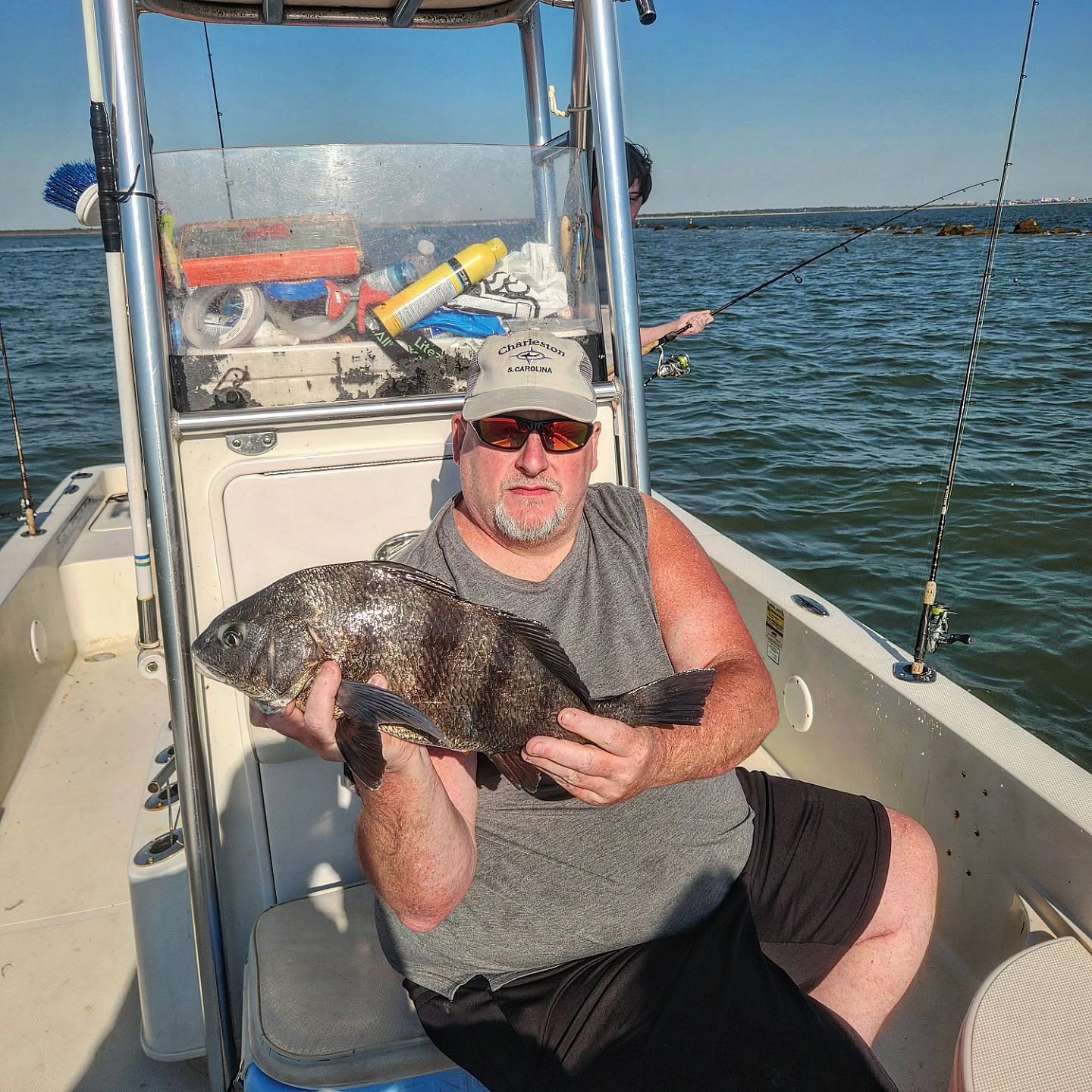
Black Drum don't win any beauty contests, but they make up for it with sheer power and size potential. These bottom-dwellers can range from schoolie-sized fish around oyster bars to monster drum that'll test your tackle to the limit. They're most active during cooler months and have a particular fondness for blue crabs and cut bait. Black drum are excellent for beginners because they're not spooky and will often stay in one area once you locate them. Their strong, steady runs provide a different fighting experience compared to the quick bursts of redfish and trout.
Sheepshead earn their nickname "convict fish" thanks to the black stripes running down their silver sides. These structure-oriented fish hang around pilings, docks, and oyster bars, using their human-like teeth to crush barnacles and crabs. They're considered one of the trickiest fish to hook due to their light bite and quick mouth, but that challenge makes them rewarding for anglers ready to step up their game. Sheepshead fishing teaches subtlety and concentration - skills that transfer well to other species. Winter months typically provide the best sheepshead action when they school up around inshore structure.
Time to Book Your Spot
Captain Cody's beginner trips fill up fast, especially during prime fishing seasons when the bite is hot and the weather's cooperating. The intimate 2-person setup means you're getting personalized instruction and plenty of opportunities to get your line wet. This isn't just about catching fish - though you'll definitely do that - it's about building confidence and learning skills that'll serve you well on future fishing adventures. The memories you'll create exploring Charleston's beautiful marshes and battling these world-class game fish

 Private Trip
 Inshore Fishing
 Charleston, SC


 Perfect beginner trip targeting Redfish, Trout, and Flounder inshore