South Florida Inshore Fishing Charter for Beginners
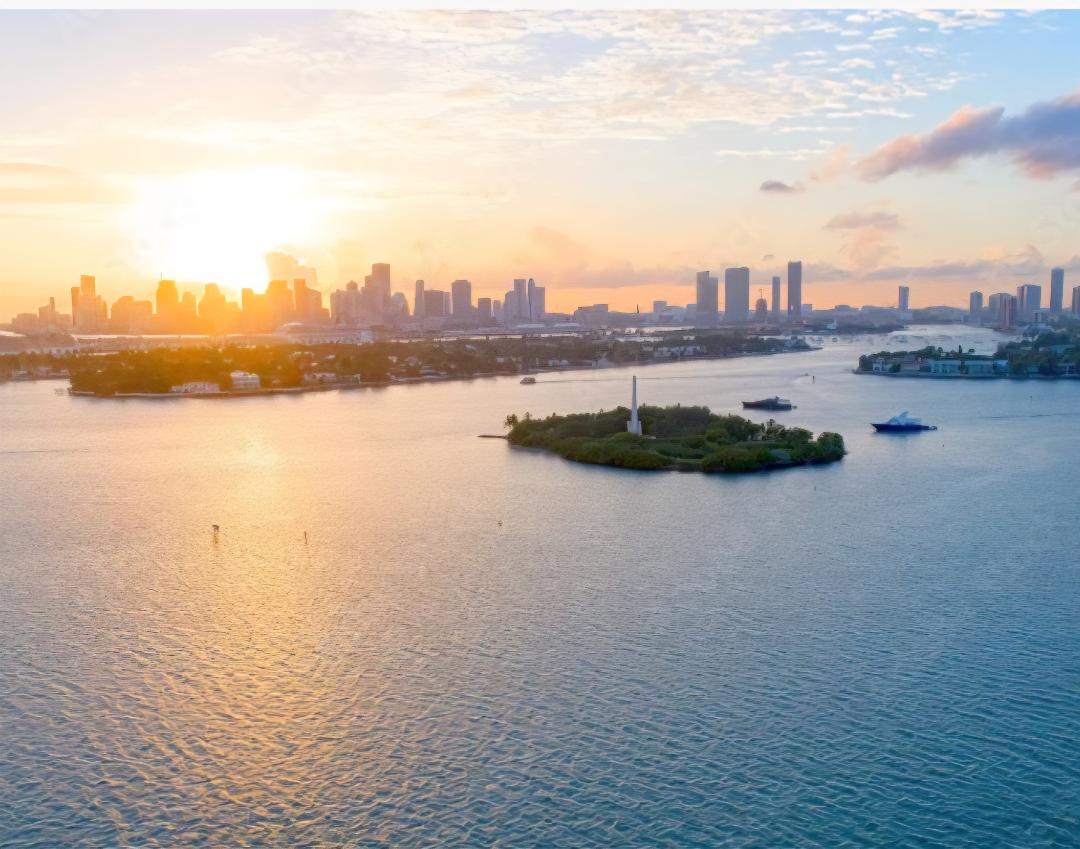
If you're ready to get your feet wet in South Florida's legendary inshore fishing scene, this 8-hour private charter with Tropical Tides Fishing Charters is exactly what you need. We're talking about a full day on some of the most productive shallow waters in the country, where even first-timers regularly hook into fish that'll have them talking for years. You'll have your pick of launch points—from Miami's Crandon Park Marina to the wild backcountry of Flamingo in the Everglades, or down to the crystal-clear flats of the Florida Keys at Caribbean Club or Founders Park. Each spot offers its own flavor of fishing, but they all share one thing: hungry fish and plenty of them.
What to Expect on the Water
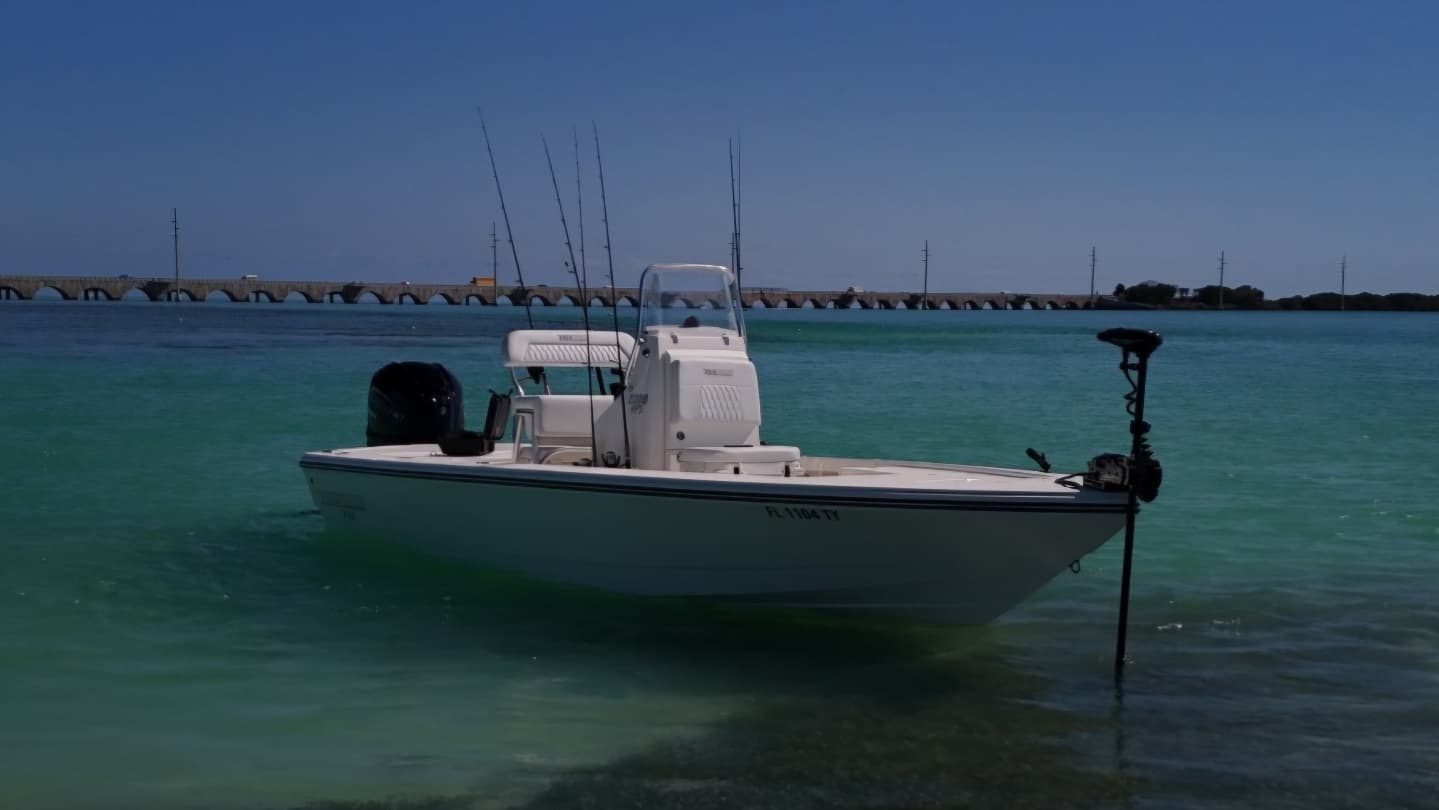
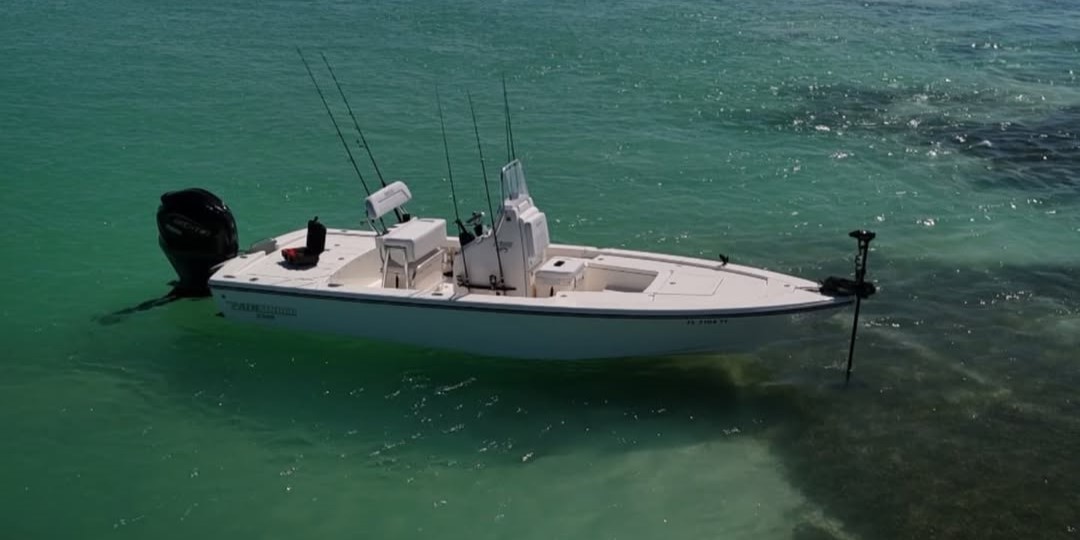
This isn't your typical crowded party boat experience. You're getting a private charter that's all about learning the ropes while actually catching fish. The captain knows these waters like the back of his hand and will adjust the game plan based on conditions, season, and what's biting. Early morning usually means working the mangrove shorelines and grass flats where snook and redfish cruise for breakfast. As the sun climbs higher, you might drift over some deeper pockets where cobia hang out, or pole through skinny water stalking tailing redfish. The beauty of inshore fishing is the variety—one minute you're sight-casting to a laid-up tarpon, the next you're working a popping cork over a grass bed loaded with trout. Everything's included in your trip: quality rods and reels spooled with fresh line, a cooler full of live bait and lures, fishing licenses, ice, water, and fuel. Your only job is to show up ready to fish and maybe bring some snacks if you get hungry between hookups.
Techniques and Tackle
Inshore fishing in South Florida is all about reading the water and matching your presentation to the conditions. You'll learn to work with lighter tackle—typically spinning gear in the 2500 to 4000 size range spooled with 10-15 pound braid and a fluorocarbon leader. Live bait fishing is king down here, and you'll get hands-on experience rigging live shrimp, pinfish, and pilchards on circle hooks. The captain will teach you how to free-line a bait along a mangrove edge, how to work a jig head under a popping cork, and when to switch to artificials like soft plastics or topwater plugs. Depending on where you launch, the terrain changes dramatically. In the Everglades, you're navigating narrow creeks and potholes surrounded by endless sawgrass. The Keys offer crystal-clear flats where you can sight-fish to cruising fish in two feet of water. Miami's Biscayne Bay gives you a mix of structure fishing around bridges and markers, plus open flats perfect for beginners to get comfortable with their casting. Each environment teaches different skills, but the fundamentals remain the same: quiet approaches, accurate casts, and patience.
Top Catches This Season
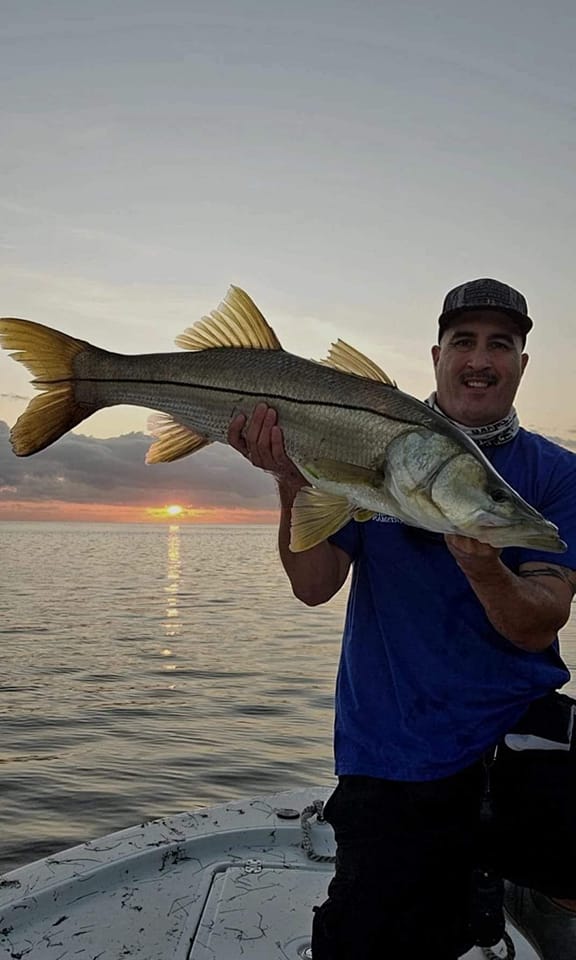
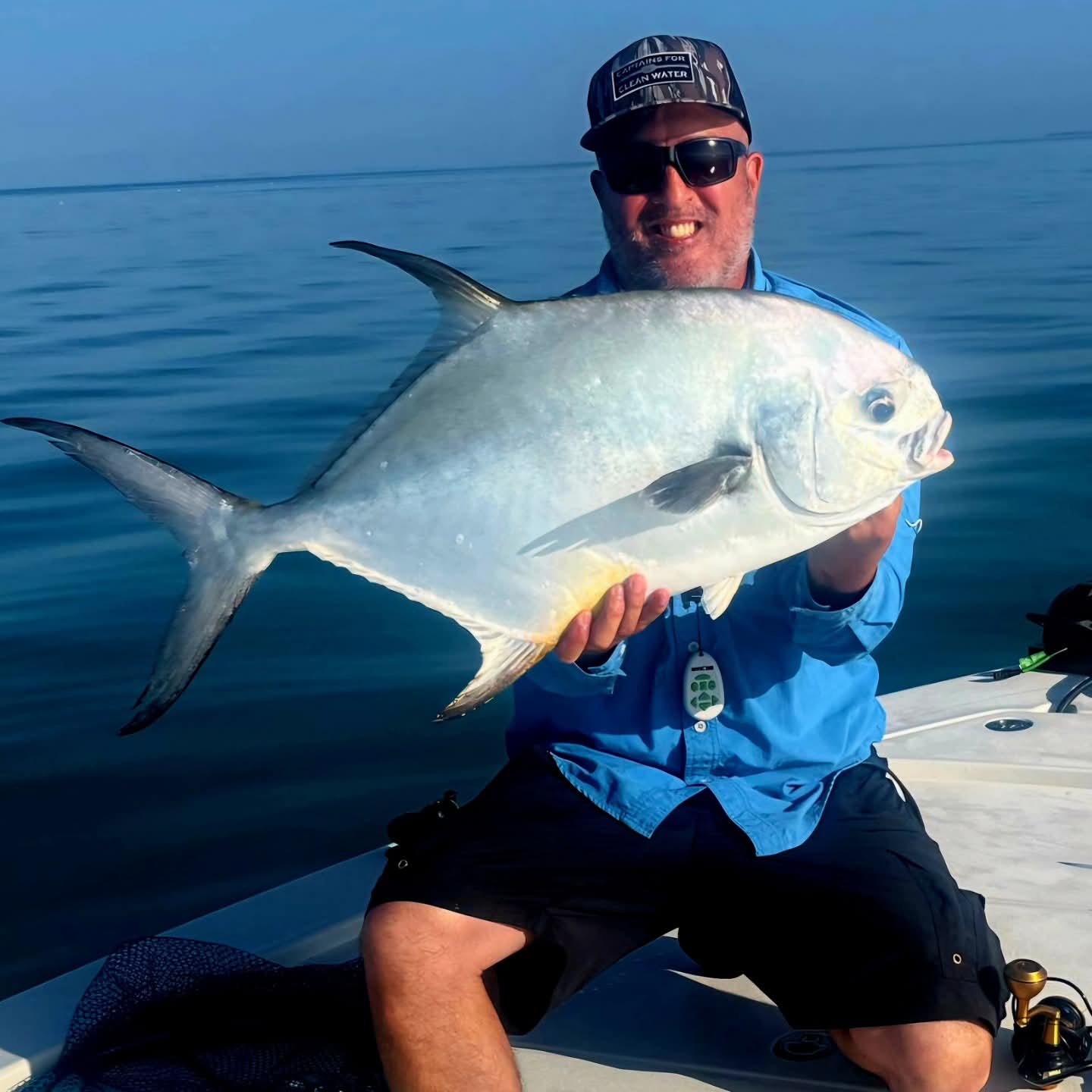
South Florida's inshore waters are famous for their diversity, and this charter targets some of the most sought-after species in the region. Snook are the undisputed kings of the mangroves, and for good reason. These ambush predators love to hang around structure—docks, mangrove roots, bridge pilings—where they can dart out and crush a bait. They're incredibly strong fighters that'll make multiple runs and try every trick in the book to throw the hook. Spring and fall are prime time when they're feeding heavily before and after spawning season. What makes snook special is their attitude; they hit hard and fight harder, often jumping and gill-rattling right at the boat. Tarpon fishing is what legends are made of, especially in the backcountry waters around Flamingo and the Keys. These silver kings can range from juvenile fish in the 10-30 pound range up to monsters pushing 100 pounds or more. Peak season runs from late spring through early fall, but you can find them year-round in deeper channels and basins. When a tarpon eats your bait, everything changes—they'll launch themselves completely out of the water in spectacular fashion, sometimes multiple times. It's pure adrenaline, and even experienced anglers get shaky hands when they see that silver flash coming up behind their bait.
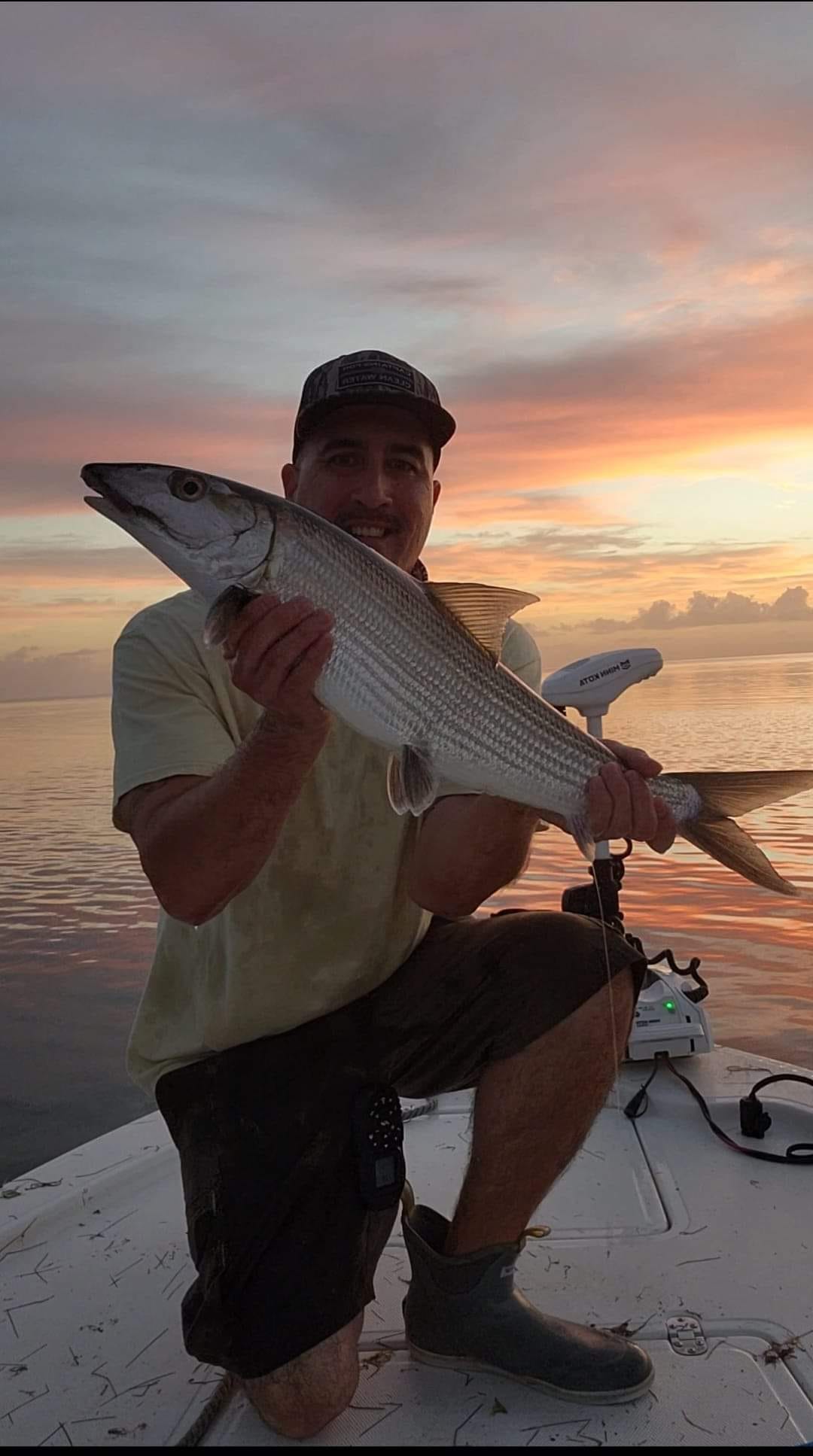
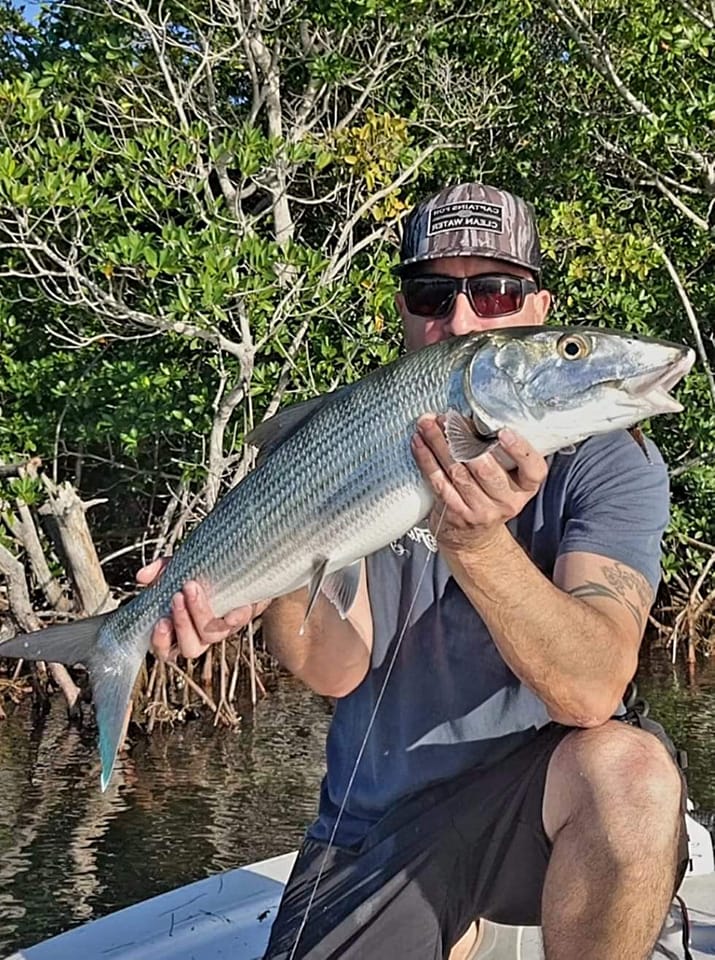
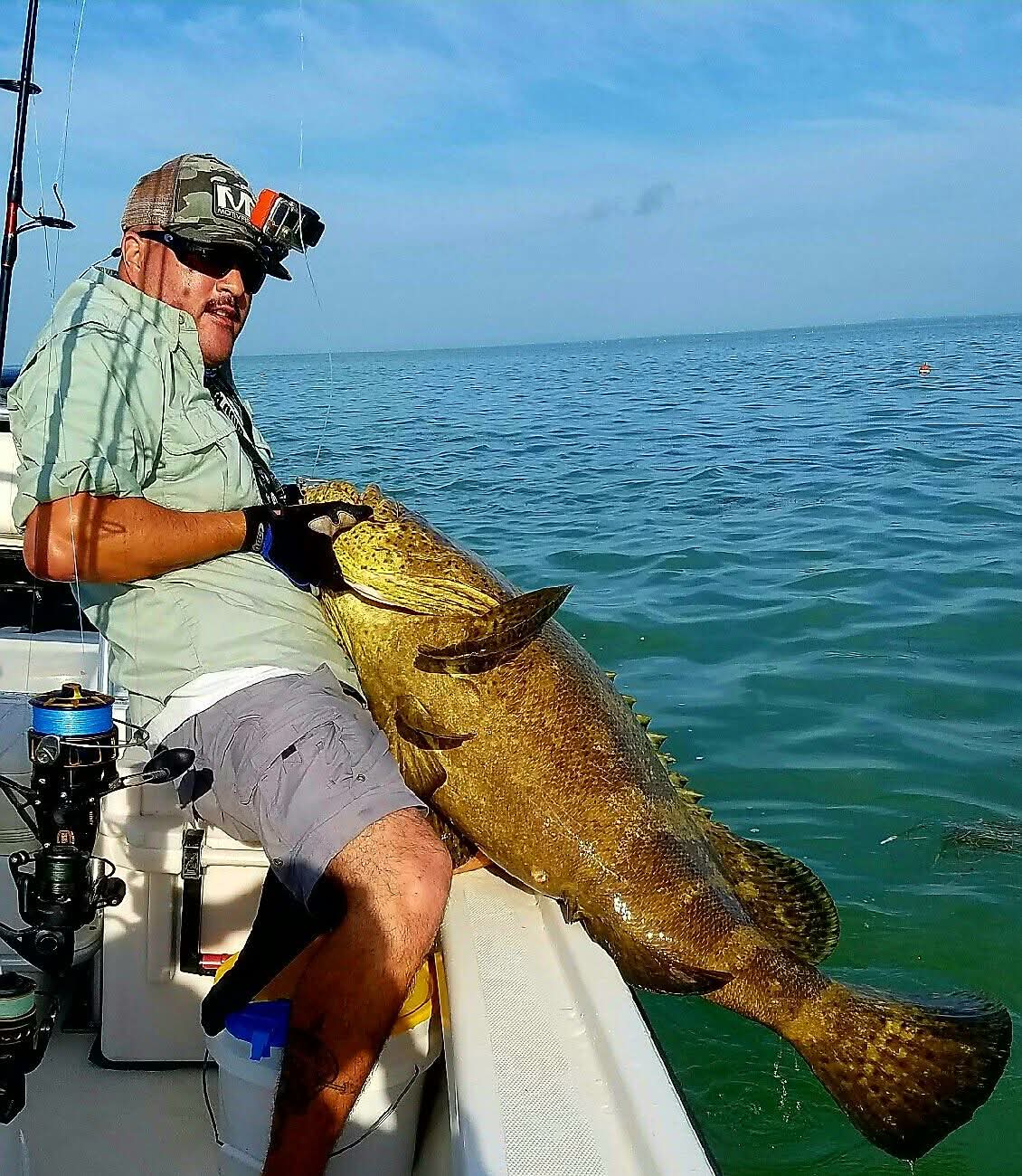
Bonefish represent the technical side of flats fishing, and the Keys portion of this charter offers some of the best bonefishing opportunities in the world. These spooky fish cruise the shallow flats in small schools, tailing and mudding as they root around for crabs and shrimp. They're incredibly wary and require precise casts and stealthy approaches. What makes bones so addictive is the sight-fishing aspect—you can actually see them coming and have to time your cast perfectly. When hooked, they make blistering runs across the flats that'll strip line off your reel faster than you thought possible. Goliath grouper fishing adds serious muscle to the mix, especially around structure in deeper water. These giants can weigh several hundred pounds and will test every component of your tackle. They don't run like other fish—instead, they use their bulk and the structure to try to break you off. It's a true tug-of-war that requires heavy tackle and strong arms. Cobia are the wild cards of the inshore scene, often showing up when you least expect them. They're curious fish that will sometimes swim right up to the boat, giving you multiple shot opportunities. Spring migration brings the best cobia action, when they're moving through in good numbers and feeding aggressively on crabs and baitfish.
Time to Book Your Spot
This beginner-friendly inshore charter delivers exactly what South Florida fishing is all about—variety, action, and the chance to learn from an experienced local captain who knows where the fish live. Whether you choose the Everglades' backcountry
 Private Trip
 Inshore Fishing
 Homestead, FL


 8-hour private inshore fishing charter for up to 4 beginners