Inshore Fishing Trip - Swansboro, NC
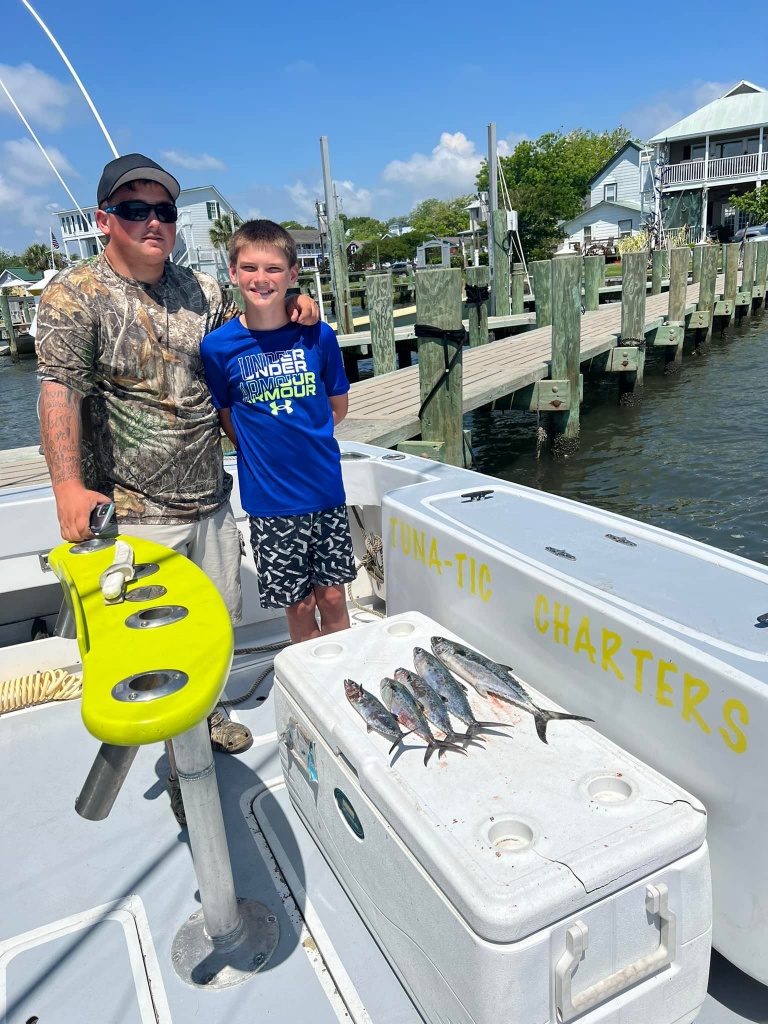
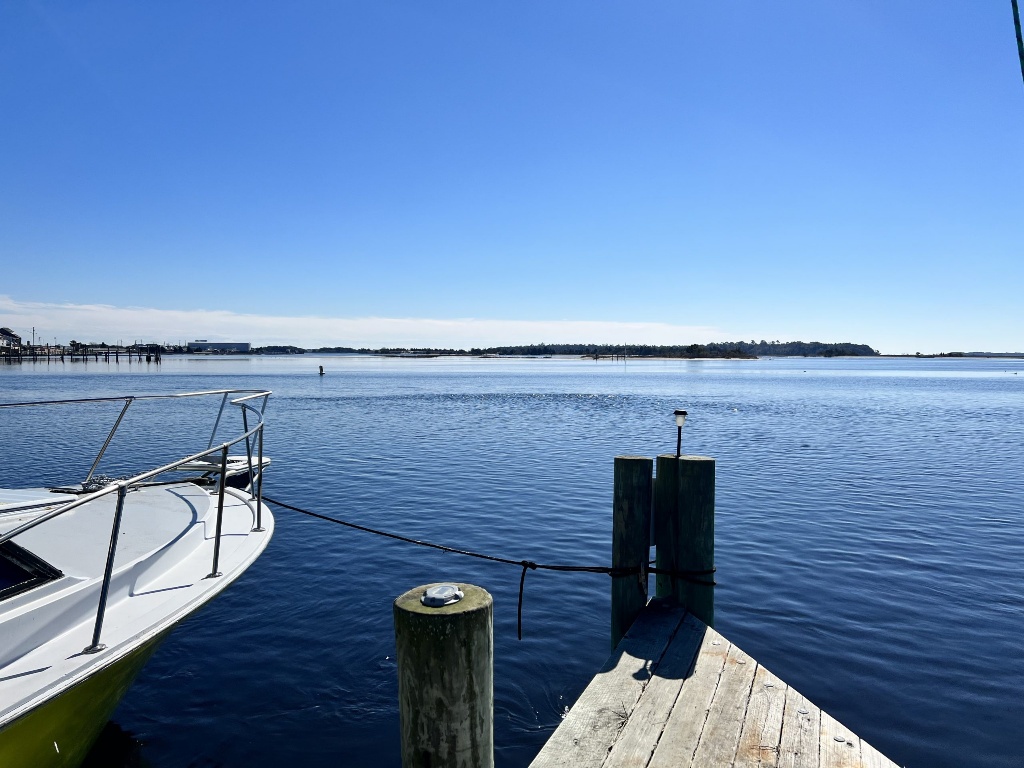
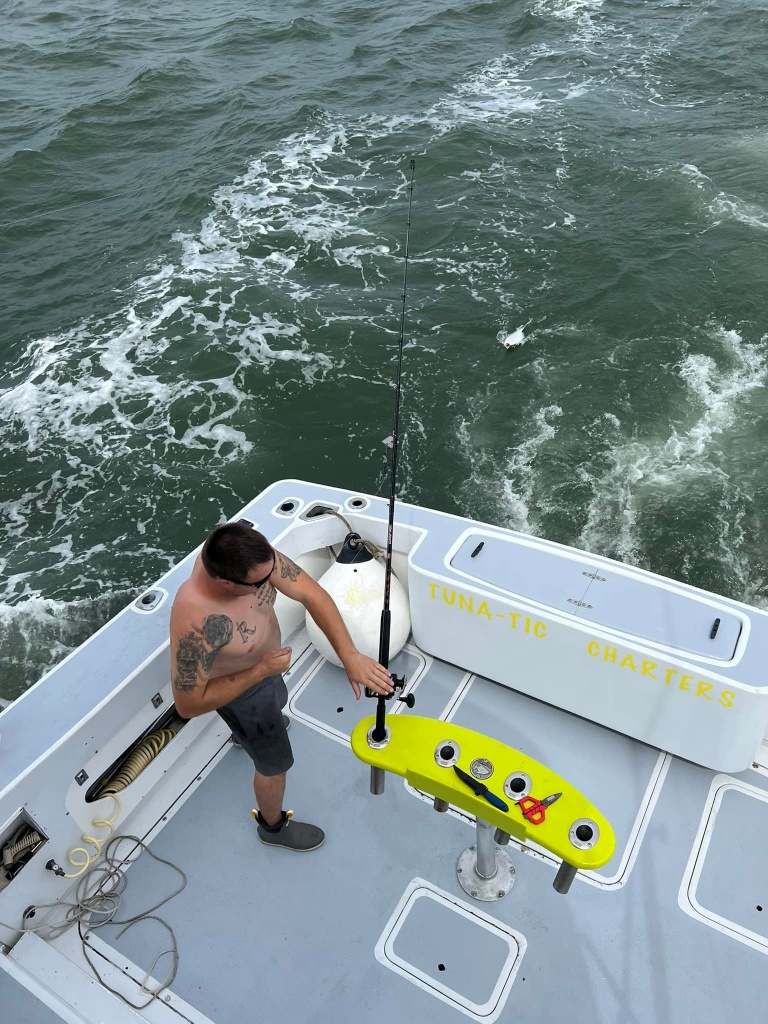
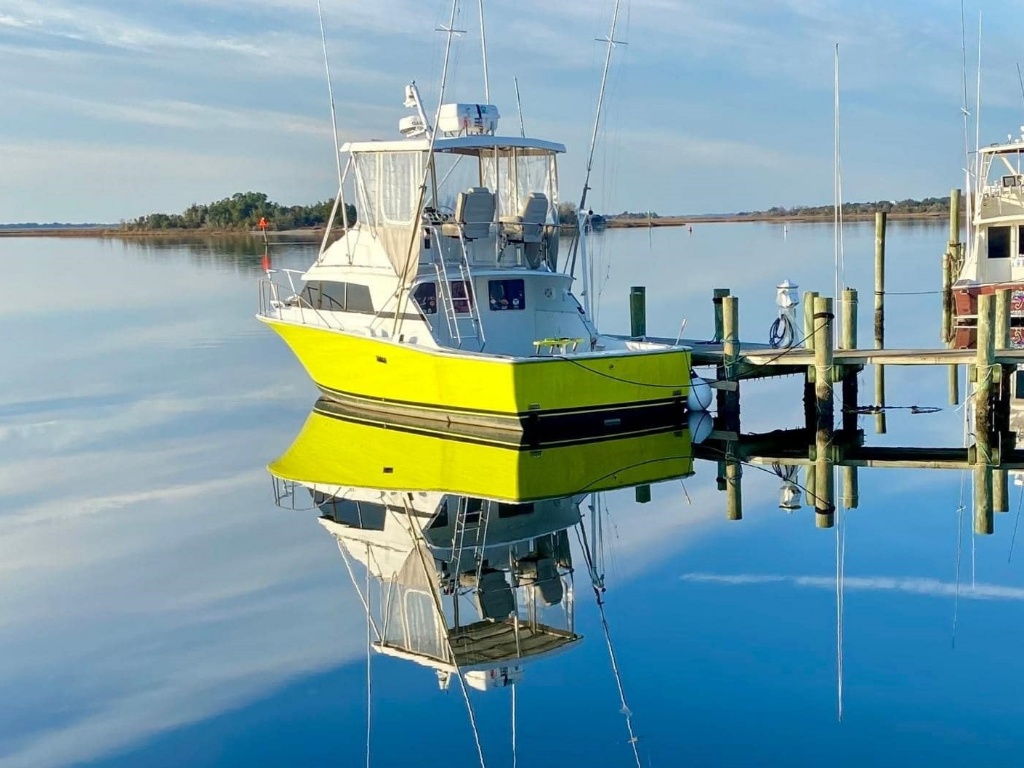
Looking for some serious fishing action without heading way offshore? Tuna-Tic Charters has you covered with our top-rated inshore fishing trips right out of Swansboro, NC. Whether you're planning a family day on the water or you're a competitive angler looking to fill the cooler, we've got the local knowledge and dedication to put you on fish. Our experienced captain knows these waters like the back of his hand, and we're committed to making sure you have the best shot at landing some impressive catches. With room for up to 6 anglers, this trip strikes the perfect balance between having enough space to fish comfortably and keeping the group size manageable for personalized attention.
What to Expect on the Water
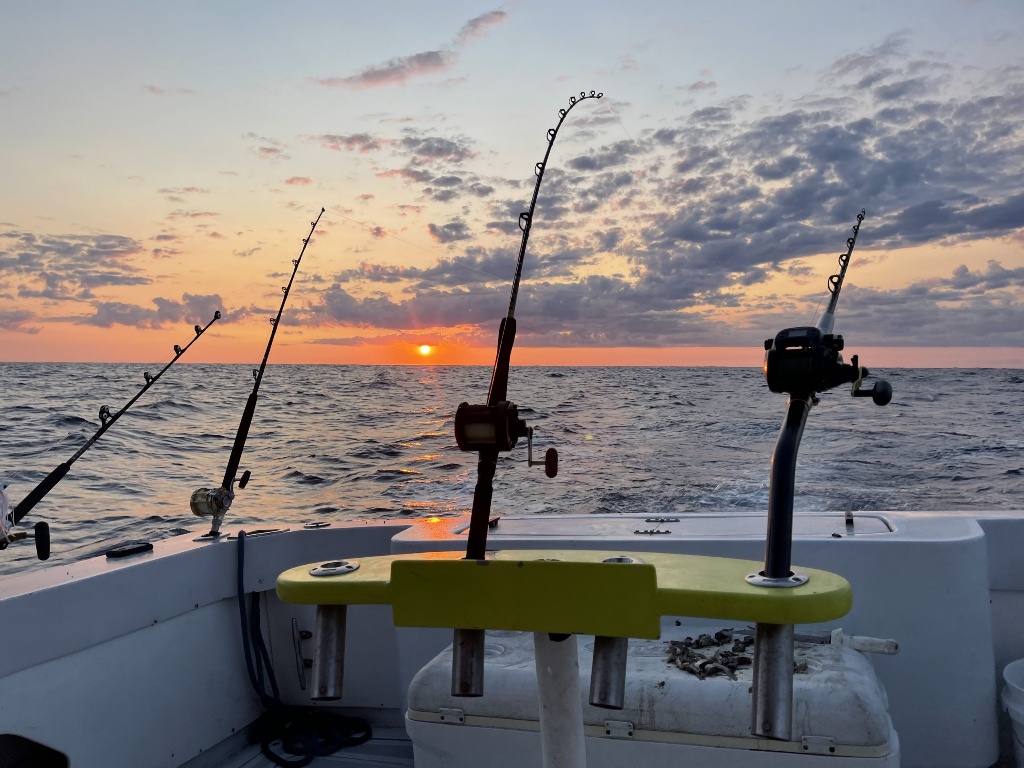
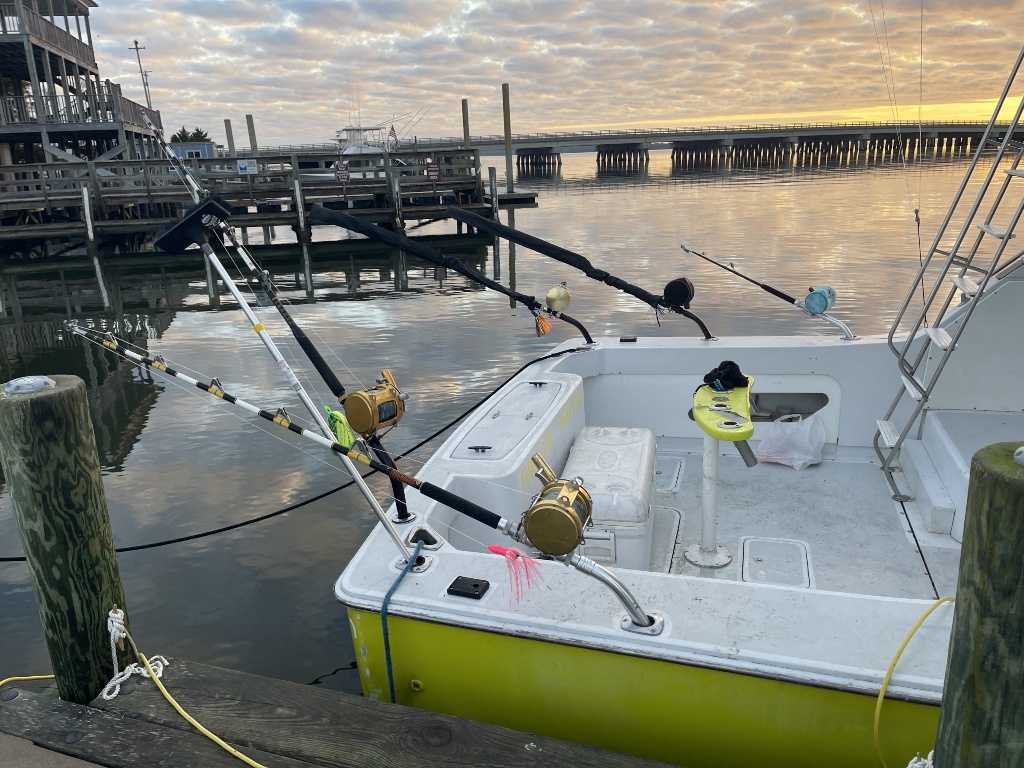
When you step aboard with Tuna-Tic Charters, you're getting more than just a boat ride – you're getting a world-class fishing experience tailored to what's biting. Our inshore trips focus on the productive waters around Swansboro, where the Intracoastal Waterway meets the Atlantic. This unique geography creates the perfect conditions for a variety of species to thrive. The morning usually starts early, around sunrise when the fish are most active. We'll brief you on the game plan for the day based on recent conditions, tides, and what we've been seeing out there. The boat is equipped with everything you need – quality rods, reels, tackle, and bait. All you need to bring is your fishing license, some snacks and drinks, and plenty of enthusiasm. The captain will work hard to put you on fish, adjusting tactics throughout the day as conditions change. From the moment we leave the dock, you'll be fishing productive water, and we don't quit until we've given it our all to get you that memorable catch.
Tactics and Techniques
Inshore fishing around Swansboro requires a mix of techniques depending on what we're targeting and where the fish are holding. We'll often start with trolling along structure and drop-offs, pulling lures at various speeds to cover water and locate active schools. When we mark fish on the sounder, we'll switch to vertical jigging or live bait fishing to really dial in on them. The key to success here is reading the water – understanding how currents, temperature breaks, and structure all play into where fish will be feeding. We use a combination of conventional and spinning gear, matched to the target species and conditions. Light tackle is often the name of the game for maximum sport, but we'll bump up the gear when we're after bigger fish or fishing around heavy structure. Bait selection varies throughout the day, from live menhaden and shrimp to an arsenal of proven lures including spoons, jigs, and soft plastics. The captain will coach you through different presentations and help you dial in your technique, whether you're a beginner learning the basics or an experienced angler looking to pick up some local tricks.
Target Species You'll Hook
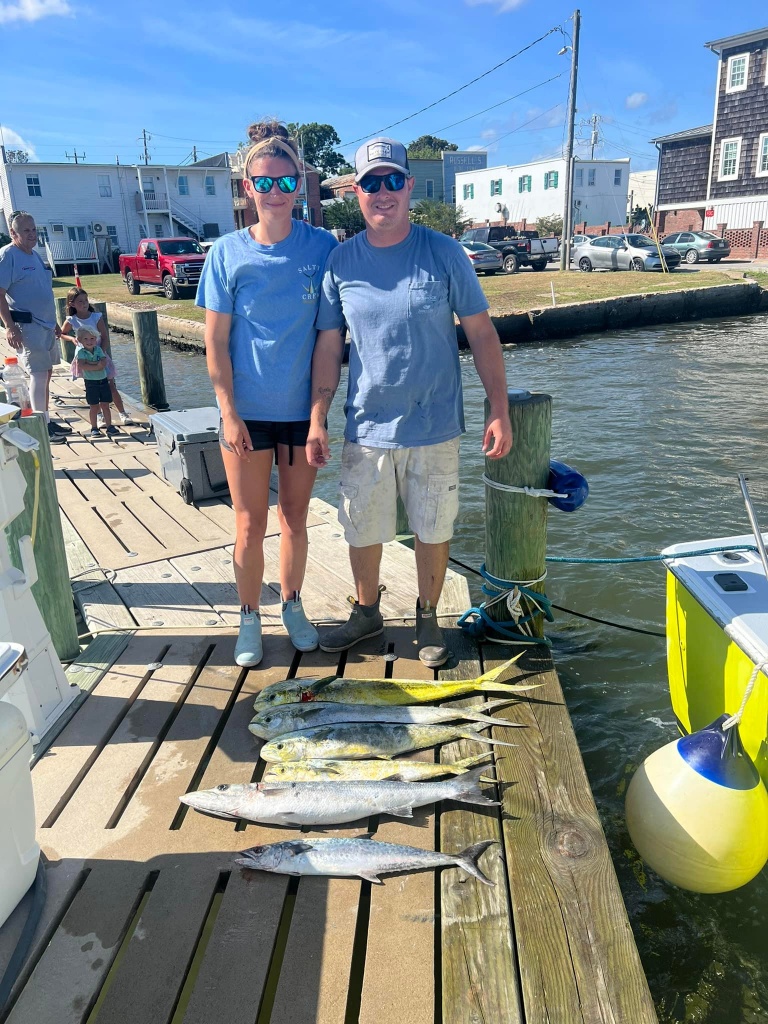
Mahi-mahi, also known as common dolphinfish, are absolute customer favorites and for good reason. These stunning fish are built for speed and acrobatics, often clearing the water multiple times during the fight. They typically show up in our waters from late spring through early fall, with peak action happening during the summer months. Mahi travel in schools, so when you hook one, there's often more around – we call it "mahi madness" for a reason. They're drawn to floating debris, weed lines, and temperature breaks, making them perfect targets for our inshore waters. What makes them so exciting is their aggressive nature and the spectacular aerial display they put on. Plus, they're absolutely delicious on the table, with firm white meat that's perfect for grilling.
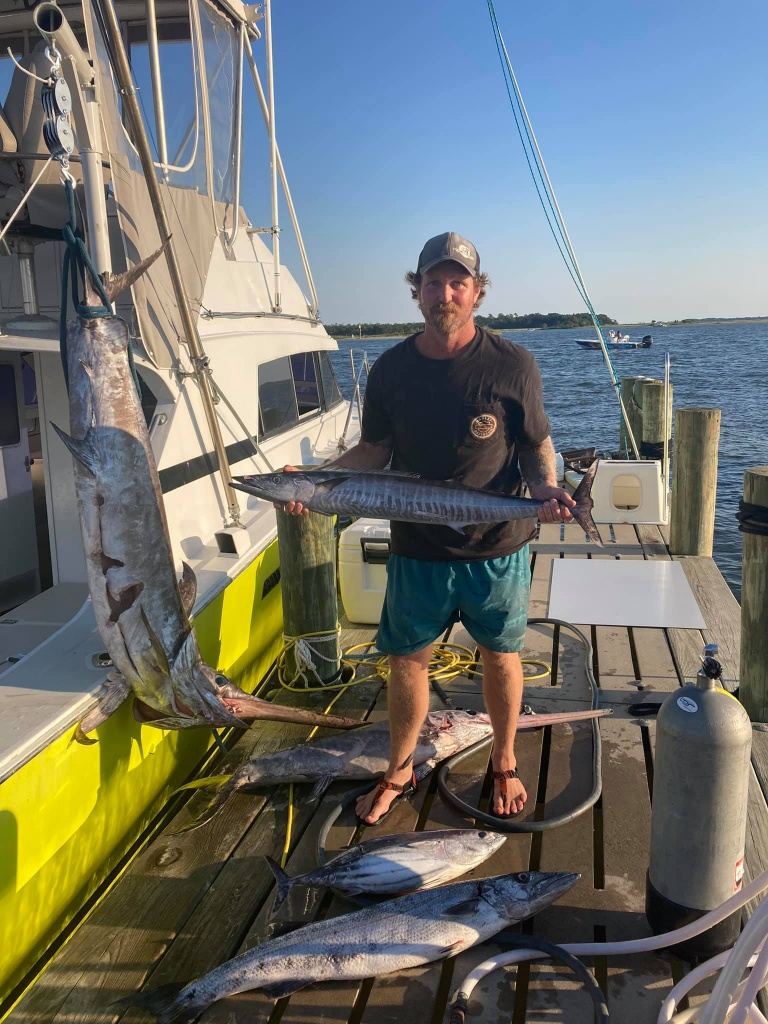
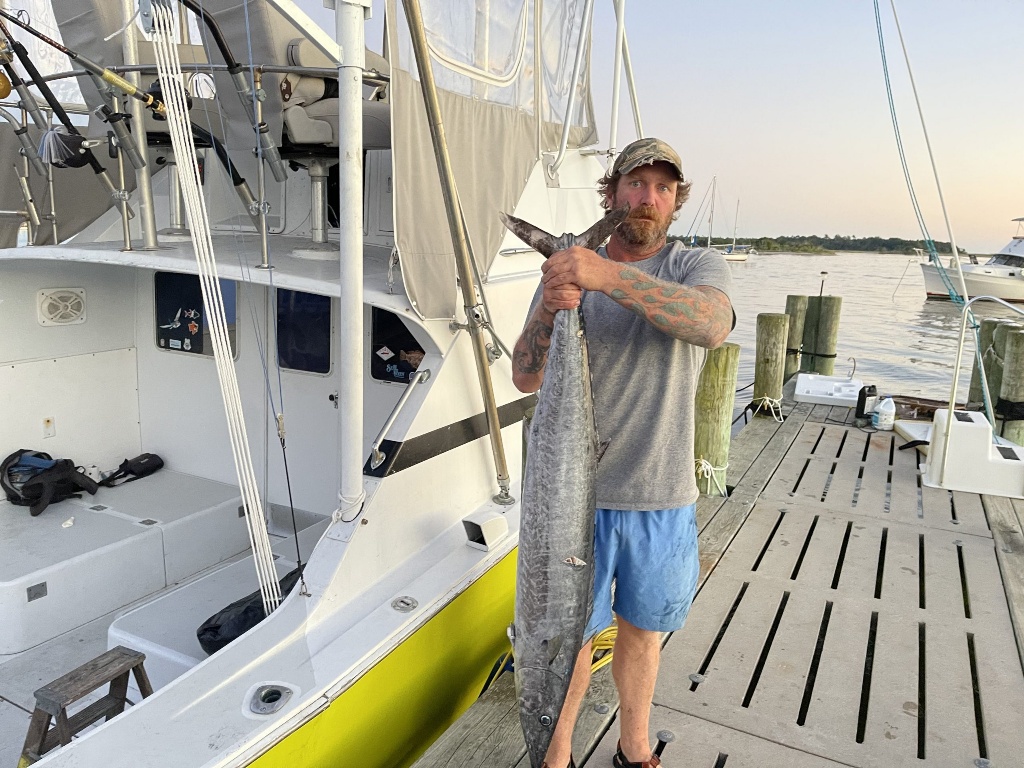
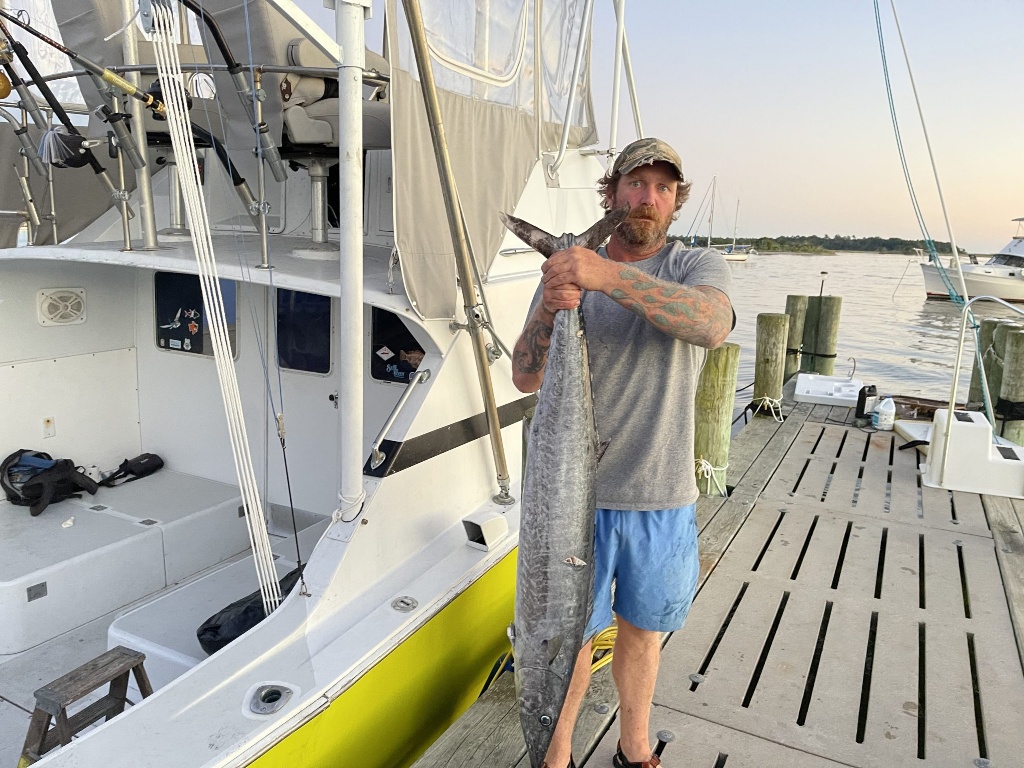
Wahoo are the speed demons of the ocean, capable of reaching speeds over 60 mph. These torpedo-shaped predators are known for their devastating strikes and blistering runs that will test both your tackle and your reflexes. In our area, wahoo fishing is best from fall through early spring, when they move closer to shore following baitfish. They're typically caught while trolling high-speed lures or rigged ballyhoo along temperature breaks and current edges. What makes wahoo so special is their unpredictability – they can show up anywhere and at any time, often when you least expect it. The fight is intense but relatively short, as they tend to make one or two screaming runs before coming to the boat. Their razor-sharp teeth and sleek appearance make them one of the most impressive fish you'll ever see.
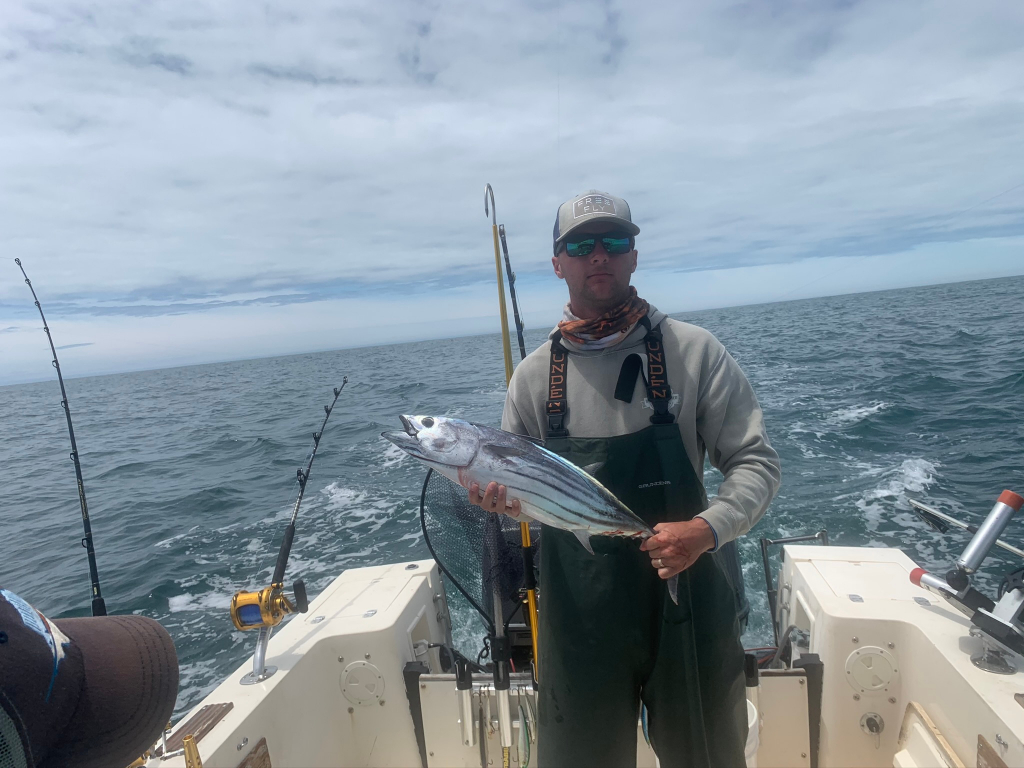
Yellowfin tuna are the holy grail for many anglers, combining incredible strength with remarkable endurance. These fish are built like underwater missiles, with powerful bodies designed for long-distance travel and deep diving. Around Swansboro, yellowfin fishing picks up when water temperatures are right and baitfish are abundant, typically from late spring through fall. They're often found around structure, temperature breaks, and areas where currents converge. What makes yellowfin so challenging and rewarding is their intelligence and power – they'll test every knot, every drag setting, and every ounce of your strength. The fight can last 30 minutes or more, with the fish making multiple deep runs and direction changes. Landing a quality yellowfin is an achievement that will have you talking for years.
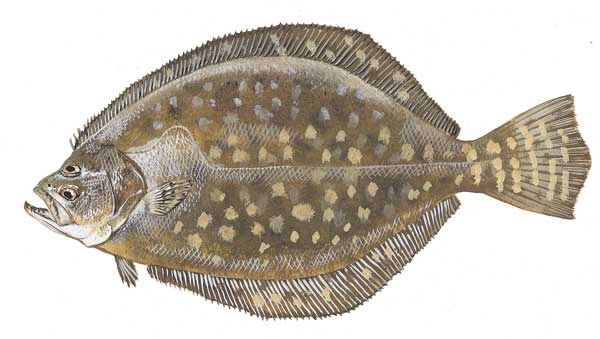
Southern flounder might not be the flashiest fish we target, but they're definitely one of the most sought-after for the dinner table. These flatfish are masters of camouflage, lying in wait on sandy bottoms near structure, inlets, and grass beds. Flounder fishing is productive year-round in our area, but really heats up in fall when they're staging for their offshore spawning migration. What makes flounder fishing special is the finesse required – they're subtle biters that require patience and skill to detect. The fight isn't about raw power but rather about their ability to use their flat body to create resistance in the current. Many anglers love targeting flounder because they're relatively predictable if you know where to look, and there's nothing quite like a fresh flo
 Private Trip
 Inshore Fishing
 Swansboro, NC


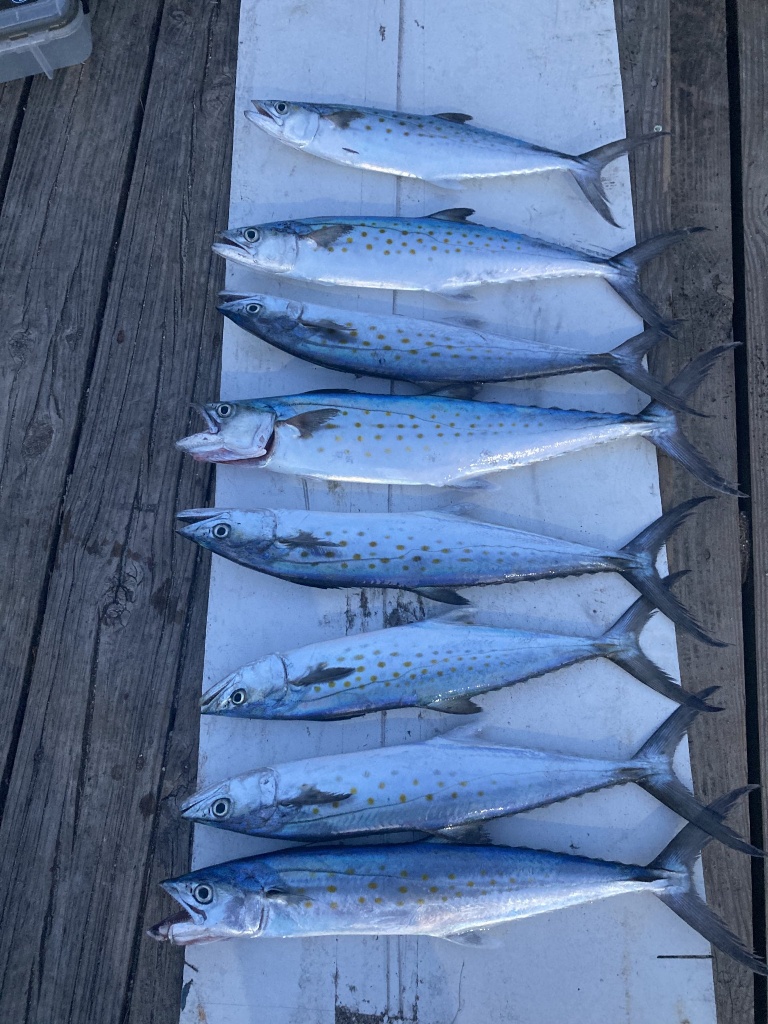
 Inshore fishing trip targets Tuna, Mahi-mahi, and Wahoo species