3-Hour Inshore Trip at Pensacola Pass
Looking for a perfect morning on the water without the commitment of an all-day charter? This top-rated 3-hour inshore fishing adventure with Twisted Palms Salty Adventures hits the sweet spot for families and beginners wanting to get their lines wet around Pensacola Pass. We're talking about a laid-back trip that focuses on fun and learning the ropes, not stuffing your cooler to the brim. You'll head out to the productive jetties or maybe sneak over to a nearby wreck if Mother Nature's cooperating, targeting some of the Gulf's most reliable biters using light tackle that even the kids can handle.
What to Expect on the Water
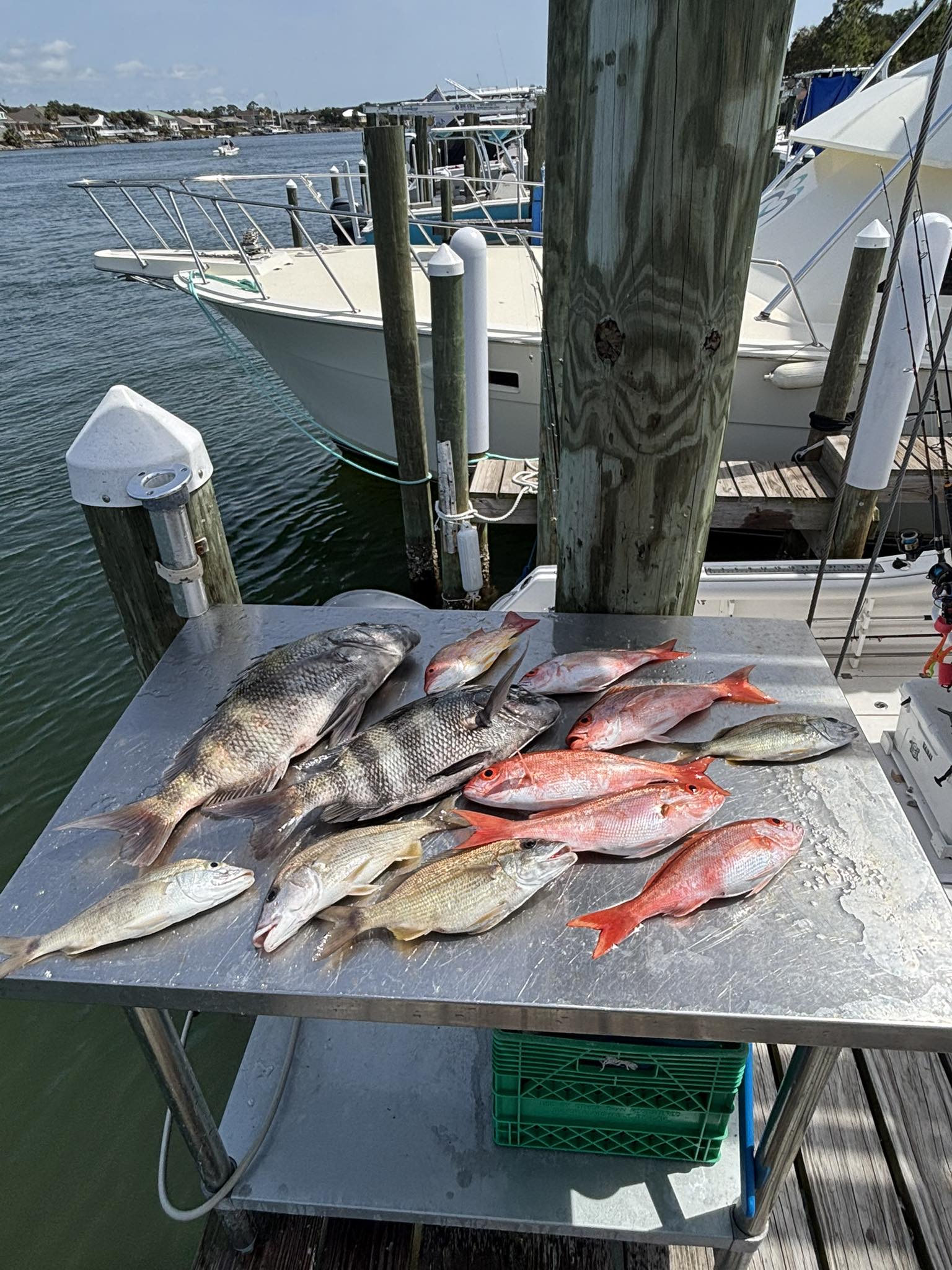
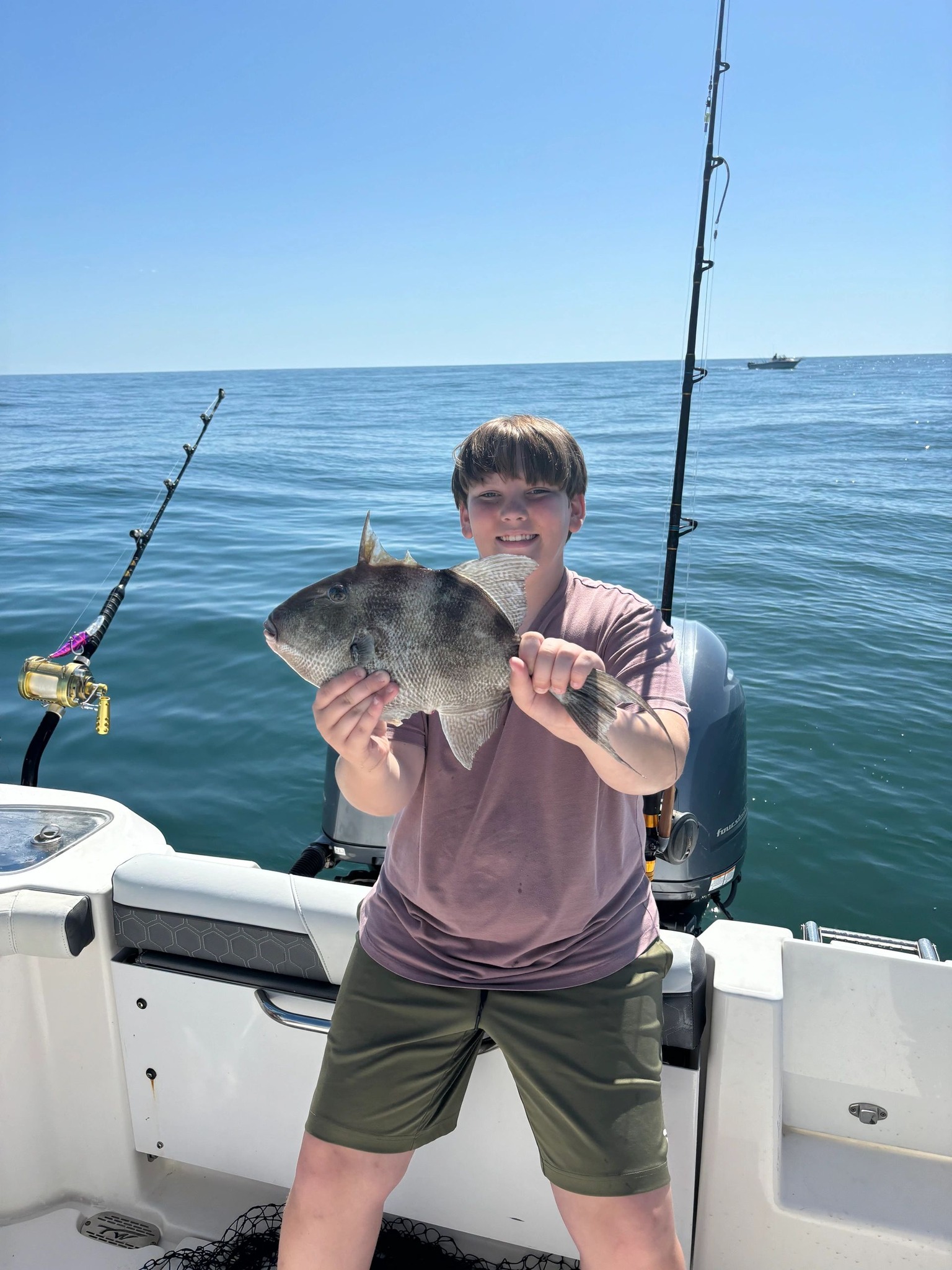
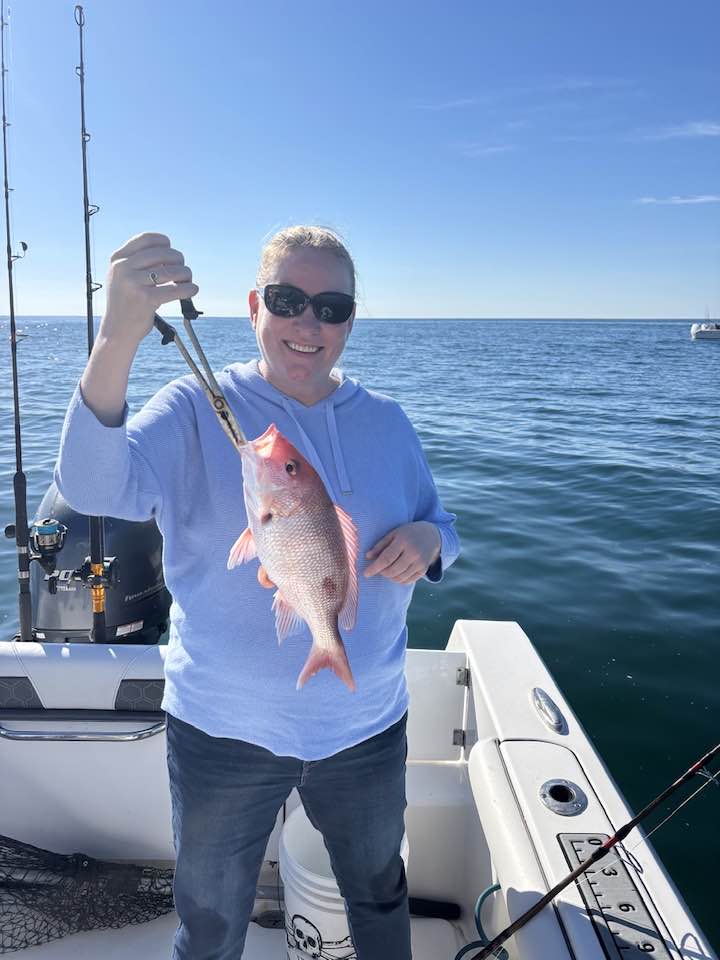
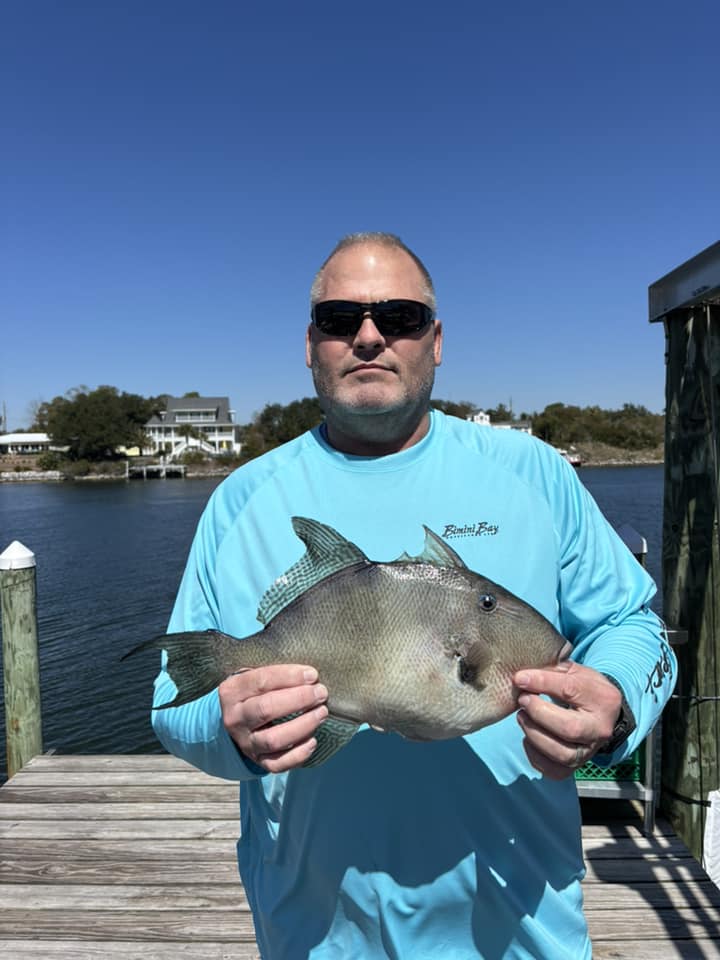
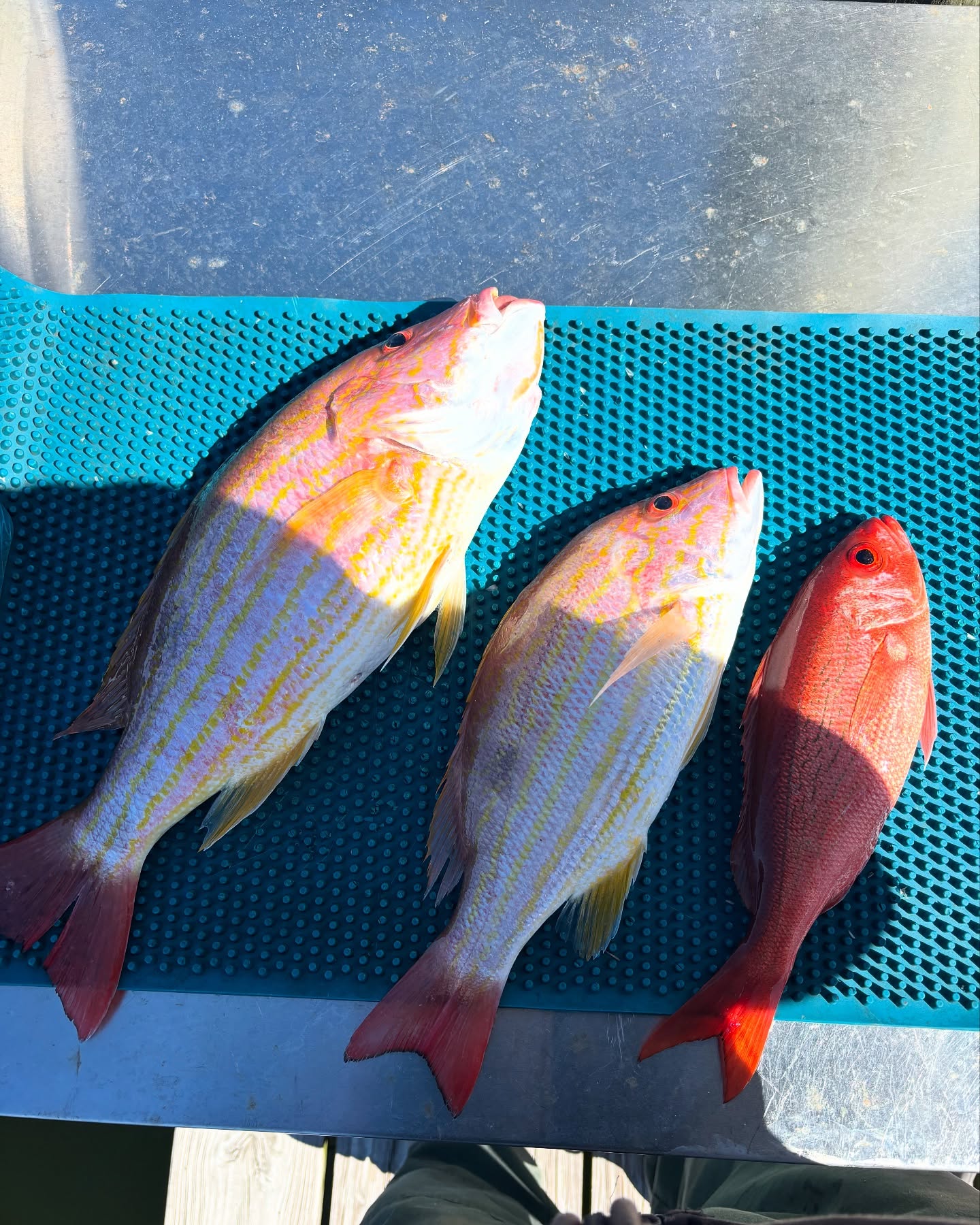
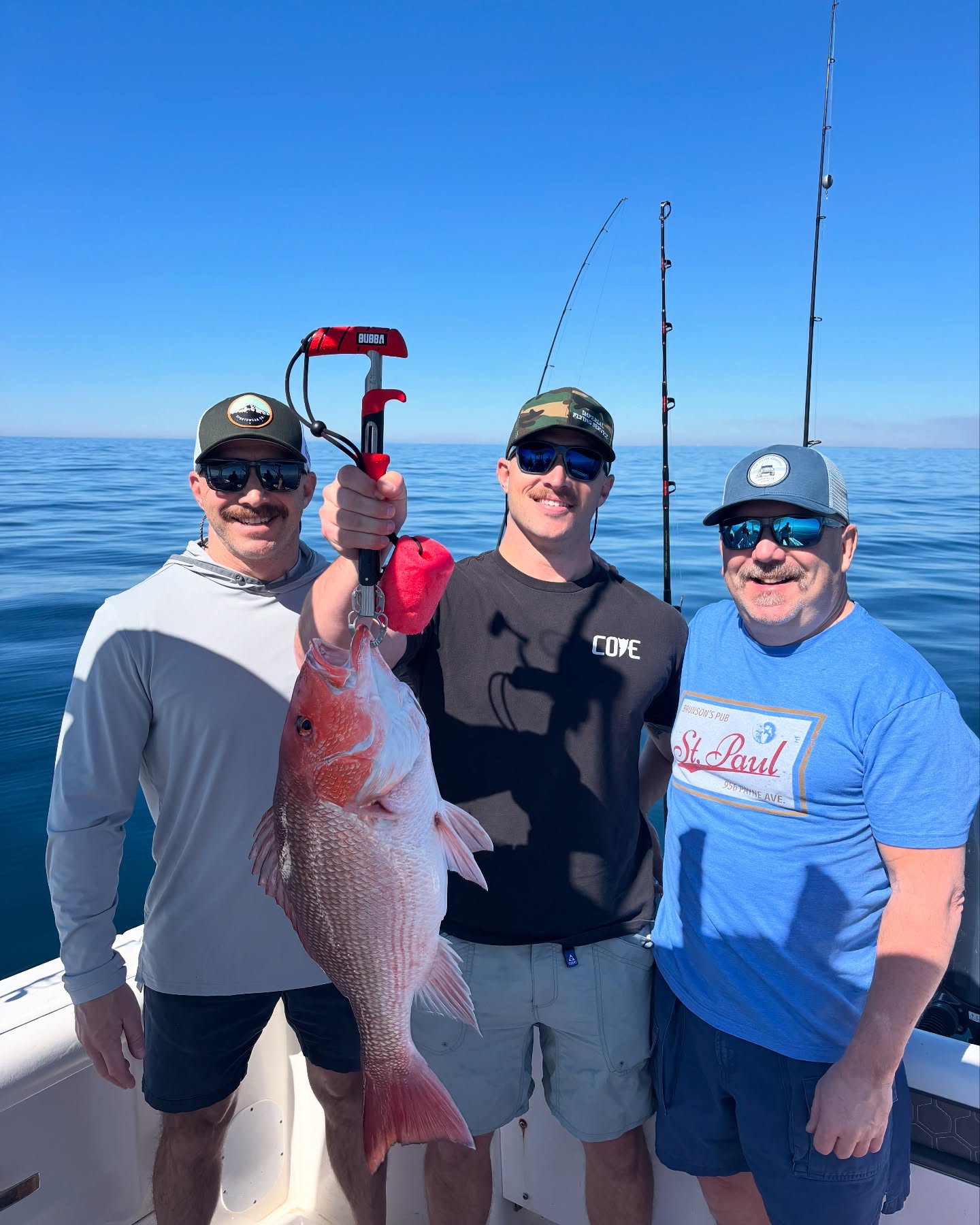
This morning trip starts early when the fish are most active and the crowds haven't shown up yet. Your captain will size up conditions and decide whether to work the rock jetties around Pensacola Pass or venture just outside to one of the local wrecks that hold fish year-round. The beauty of this trip is its flexibility - we're not locked into one spot or technique. You might find yourself dropping baits around the jetty structure where Sheepshead love to hide, or drifting over a wreck where Triggerfish and small Snapper set up shop. The boat accommodates up to 2 guests, so you're getting personalized attention and plenty of elbow room to cast without tangling lines. Don't expect to come home with enough fish to feed the neighborhood - this trip is designed around the experience of fishing, not commercial-level harvesting. Perfect for families wanting quality time together or beginners who want to learn proper bottom fishing techniques without feeling rushed.
Light Tackle & Bottom Fishing
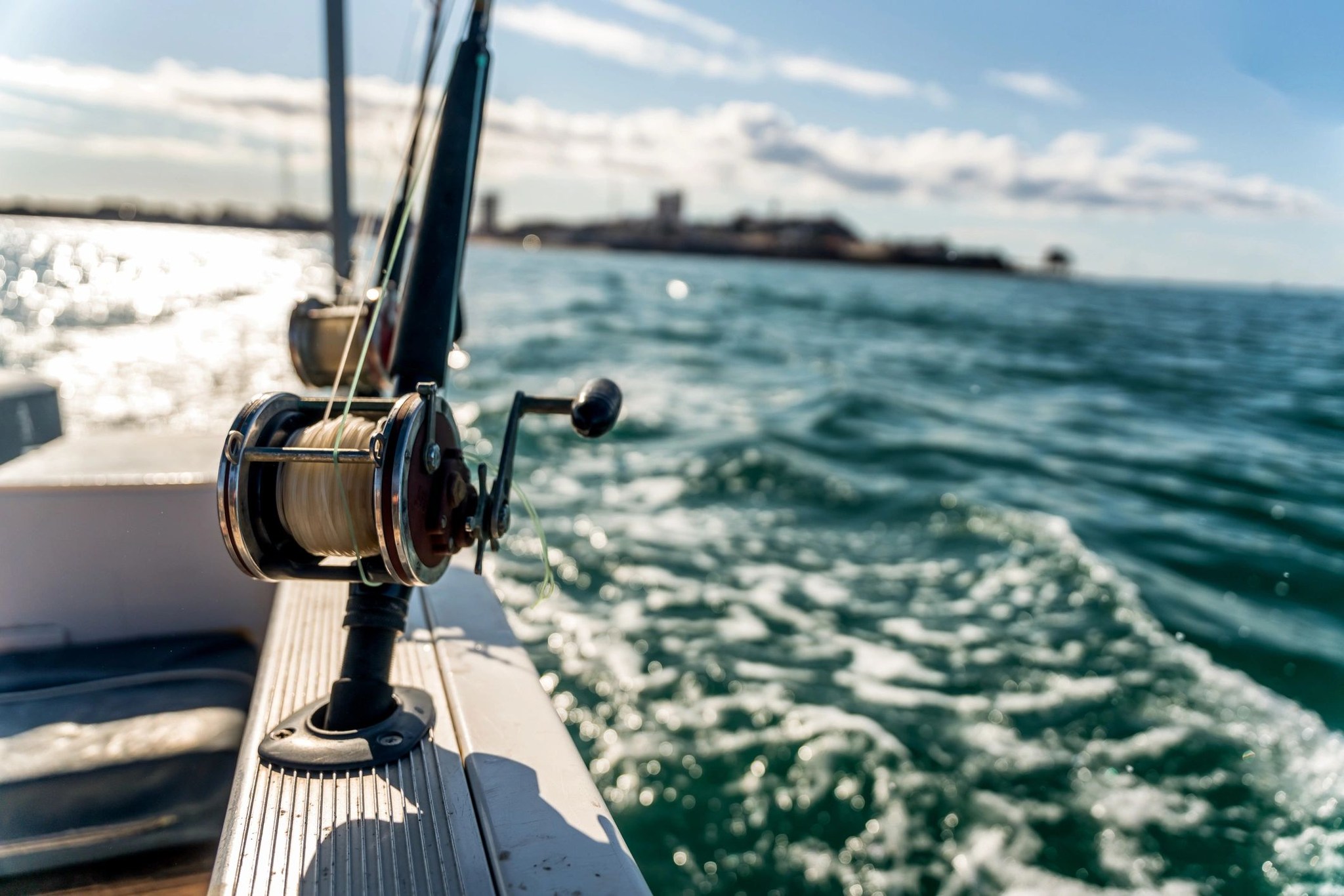
We're keeping things simple and effective with light tackle setups that make every fish feel like a monster. Your guide provides all the gear, from medium-action rods matched with spinning reels to a tackle box full of proven local baits. Most of the action happens with bottom fishing techniques - dropping weighted rigs down to where the fish are holding around structure. You'll learn how to feel the difference between a fish bite and your sinker bouncing off the rocks, plus how to work different baits like cut squid, shrimp, and small baitfish. The jetties create excellent habitat with their rocky structure providing hiding spots for bait and predators alike. When conditions allow a move to the wreck, expect slightly deeper water but the same straightforward approach - find the structure, drop your bait, and stay alert for that telltale tap-tap-tap. Your captain will coach you through proper hook-setting technique and how to fight fish without losing them at the boat. Light tackle means you feel every head shake and run, making even smaller fish surprisingly fun to catch.
Target Species You'll Want to Hook
Bluefish are the speedsters of this fishery and absolute blast on light tackle. These aggressive predators travel in schools and when you find them, the action gets hot fast. Blues typically run 2-4 pounds in these waters and fight way above their weight class with blistering runs and acrobatic jumps. They're most active during cooler months from fall through early spring, but you can find scattered fish year-round around the jetties. What makes them special is their willingness to hit almost any bait and their never-give-up attitude once hooked.
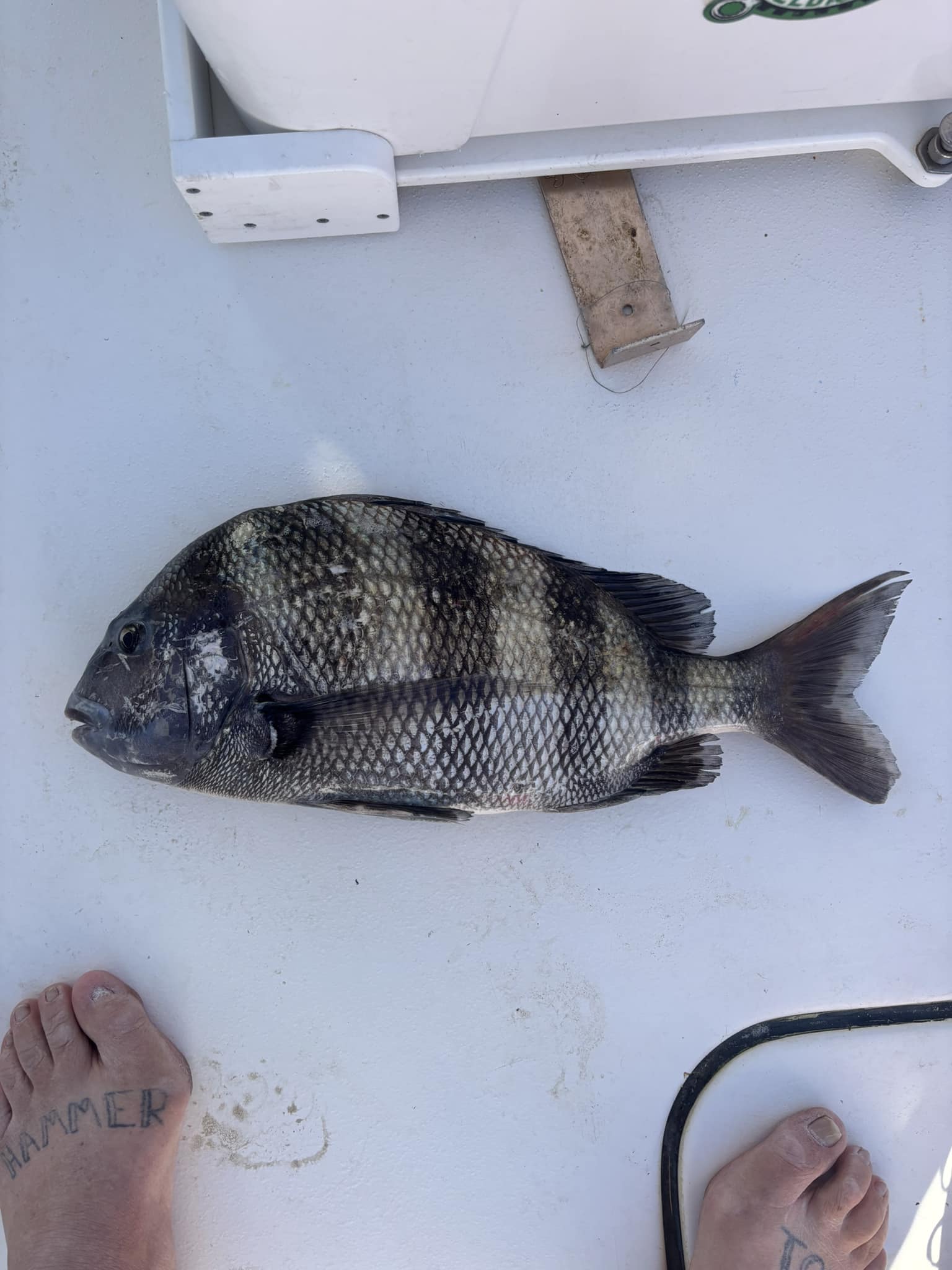
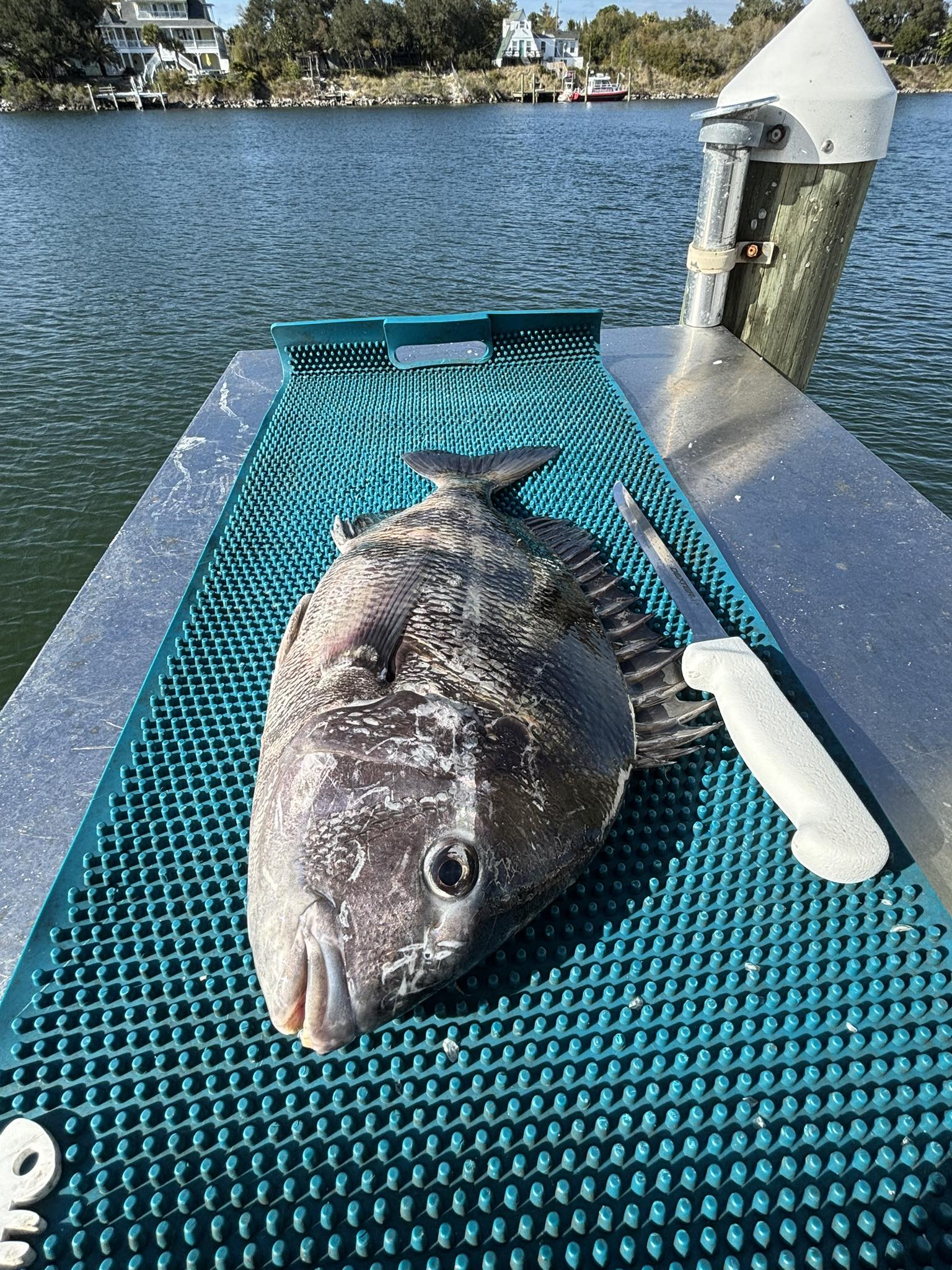
Sheepshead are the craftiest fish you'll target on this trip, known for their light bite and incredible ability to steal bait. These black-and-white striped convicts love hanging around the jetty rocks, feeding on barnacles and small crustaceans. They average 1-3 pounds but can surprise you with fish pushing 5-6 pounds. Winter through early spring offers the best Sheepshead action when they move inshore to spawn. Landing one requires patience and quick reflexes - they're famous for their subtle bite that feels more like your weight getting snagged than a fish.
King Mackerel bring the speed and power that gets anglers addicted. These silver missiles can show up any time from spring through fall, especially around the area wrecks just outside the pass. Even smaller "school kings" in the 10-15 pound range will test your drag system and make you appreciate that light tackle setup. They're ambush predators that typically hit fast-moving baits, and their first run is something you'll remember long after the trip ends. Peak season runs from late spring through early fall when bait concentrations draw them close to shore.
Redfish are the bronze bruisers that make the inshore waters around Pensacola Pass famous. These drum family members are built for power, not speed, using their broad tails to bulldoze toward structure when hooked. Slot-sized reds typically measure 18-27 inches and provide steady, determined fights perfect for beginners to practice their technique. They're year-round residents but most cooperative during spring and fall months. What makes reds special is their predictability - find the right structure and bait, and they'll usually cooperate.
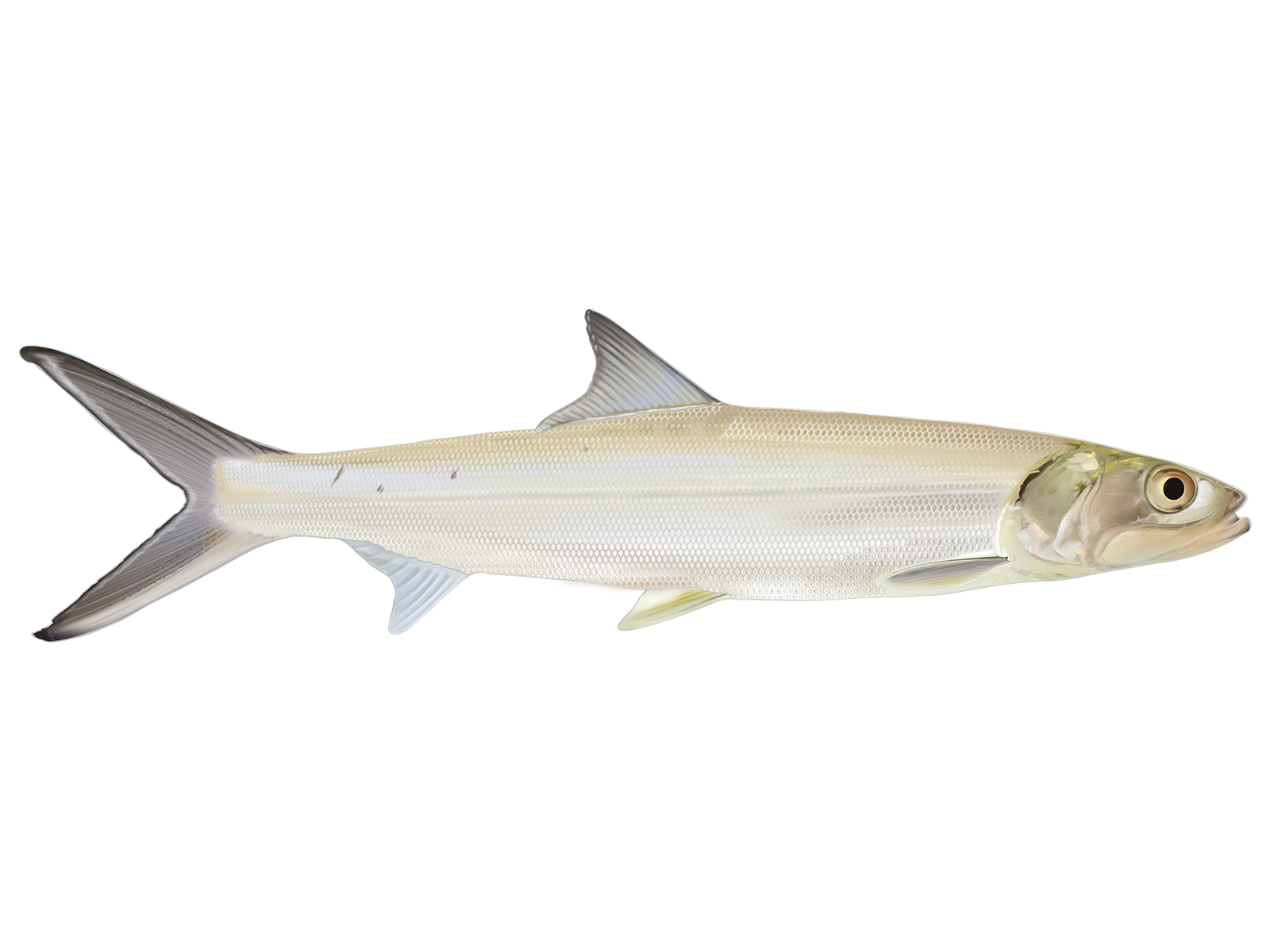
Ladyfish might be the most underrated fighters in these waters, earning the nickname "poor man's tarpon" for their jumping ability. These silver torpedoes rarely exceed 3-4 pounds but make up for size with sheer athleticism, often jumping multiple times during a fight. They're abundant warm-weather residents that provide fast action when other species are being finicky. Kids especially love Ladyfish because they bite readily and put on an aerial show that's impossible to ignore. They're perfect confidence-builders for new anglers learning to fight fish properly.
Time to Book Your Spot
This customer-favorite morning trip delivers exactly what it promises - a relaxed, educational fishing experience that won't wear you out or break the bank. Whether you're introducing kids to fishing, learning the basics yourself, or just want a few hours on the water without the full-day commitment, this 3-hour adventure around Pensacola Pass hits all the right notes. Your experienced captain knows
 Private Trip
 Offshore Fishing
 Pensacola, FL



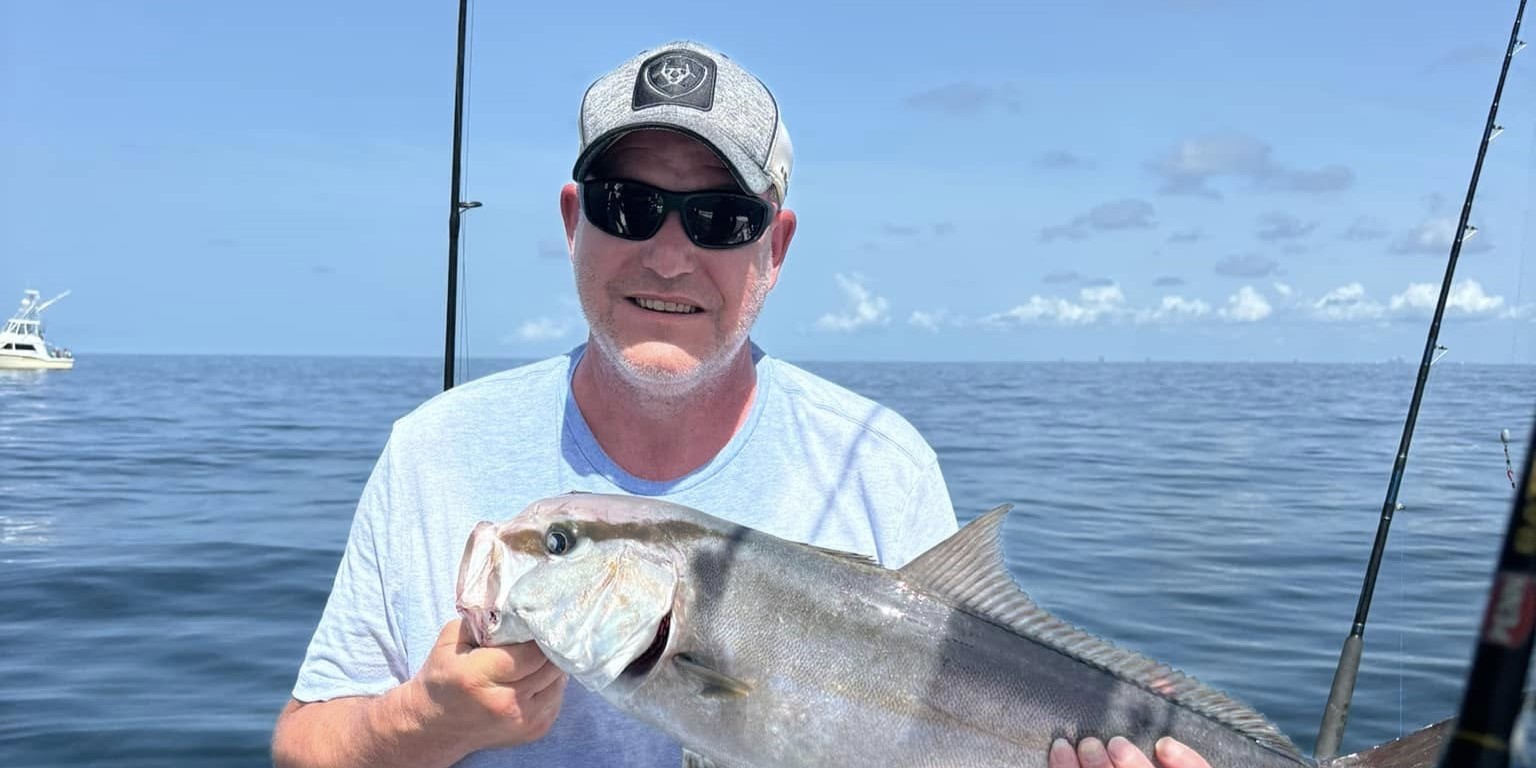
 Three-hour family-friendly fishing trip targeting Snapper and Triggerfish