Quick Cast Family-Friendly Fishing Trip In Tampa Bay
Looking for a perfect introduction to Tampa Bay fishing without committing your whole day? This two-hour charter hits the sweet spot for families with young kids or anyone wanting to test the waters before diving deeper into the fishing scene. Captain and crew know exactly how to make these shorter trips count, focusing on productive spots where the action comes fast and the memories stick around long after you're back on dry land. The calm, protected waters of Tampa Bay make this an ideal choice for first-timers who want to experience the thrill of hooking into redfish, snook, and other local favorites without dealing with rough seas or overwhelming gear.
What to Expect on the Water
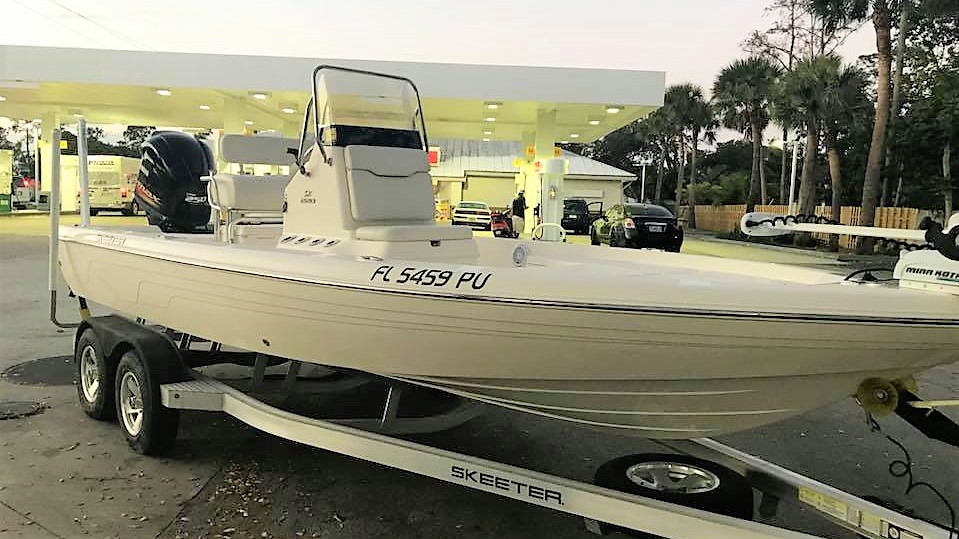
Your adventure kicks off from one of Tampa Bay's convenient boat launches, where you'll meet your experienced captain who knows these waters like the back of their hand. The boat is comfortable and stable, perfect for keeping everyone relaxed while you learn the ropes. Two hours might sound short, but it's amazing how much fishing you can pack into that time when you're working with a guide who knows exactly where the fish are hanging out. The captain will have all your tackle rigged and ready, so you can focus on the fun part – dropping lines and waiting for that telltale tug. Kids love the instant gratification of inshore fishing, where bites often come within minutes of getting your bait in the water. The shallow grass flats and mangrove shorelines create perfect hunting grounds for the species that call Tampa Bay home, and the protected nature of these spots means you'll stay comfortable even if there's a breeze kicking up outside the bay.
Tackle and Techniques
Your captain comes equipped with quality spinning reels spooled with appropriate line weights for the species you're targeting. Most of the fishing happens with live bait like shrimp, pinfish, or pilchards, though artificial lures definitely have their place when the fish are aggressive. You'll be working shallow water structure – think oyster bars, grass edges, and mangrove points where predator fish set up to ambush their next meal. The captain will teach you how to read the water, pointing out subtle changes in depth and structure that hold fish. Casting accuracy matters more than distance in these spots, so don't worry if you can't bomb a lure clear across the bay. Short, precise casts to specific targets like downed trees or grass lines often produce the best results. The gear is user-friendly enough for beginners but quality enough to handle whatever decides to grab your hook, from scrappy jacks to bull redfish that can really test your drag system.
Top Catches This Season
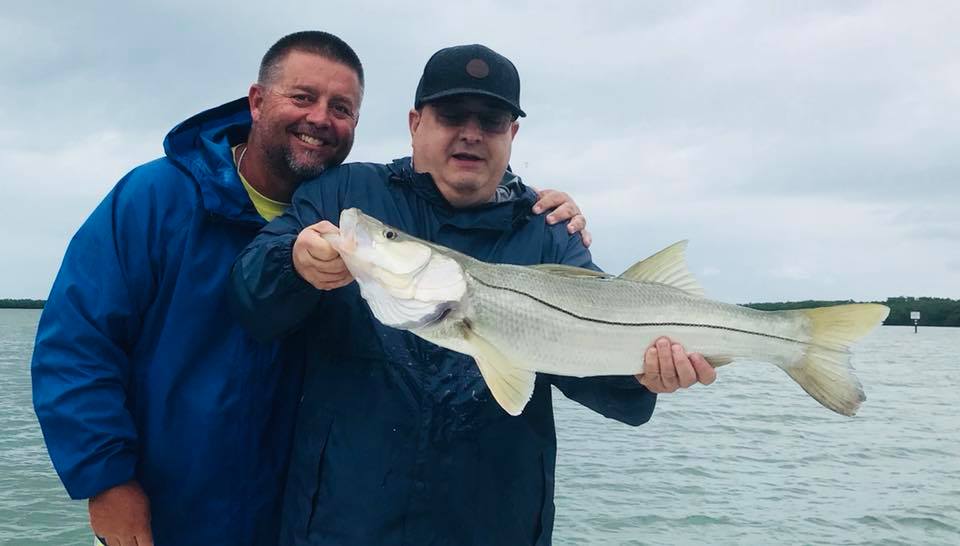
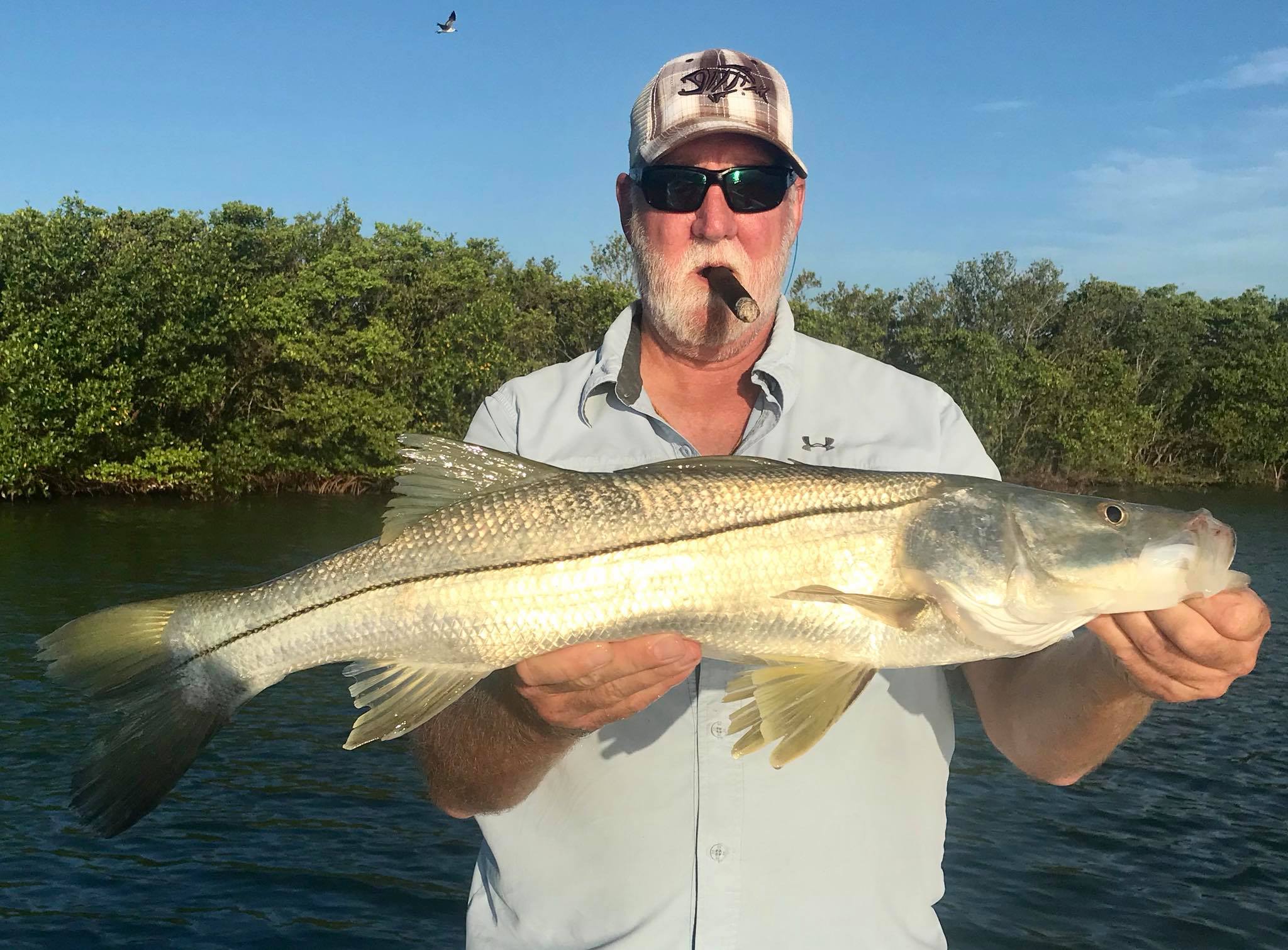
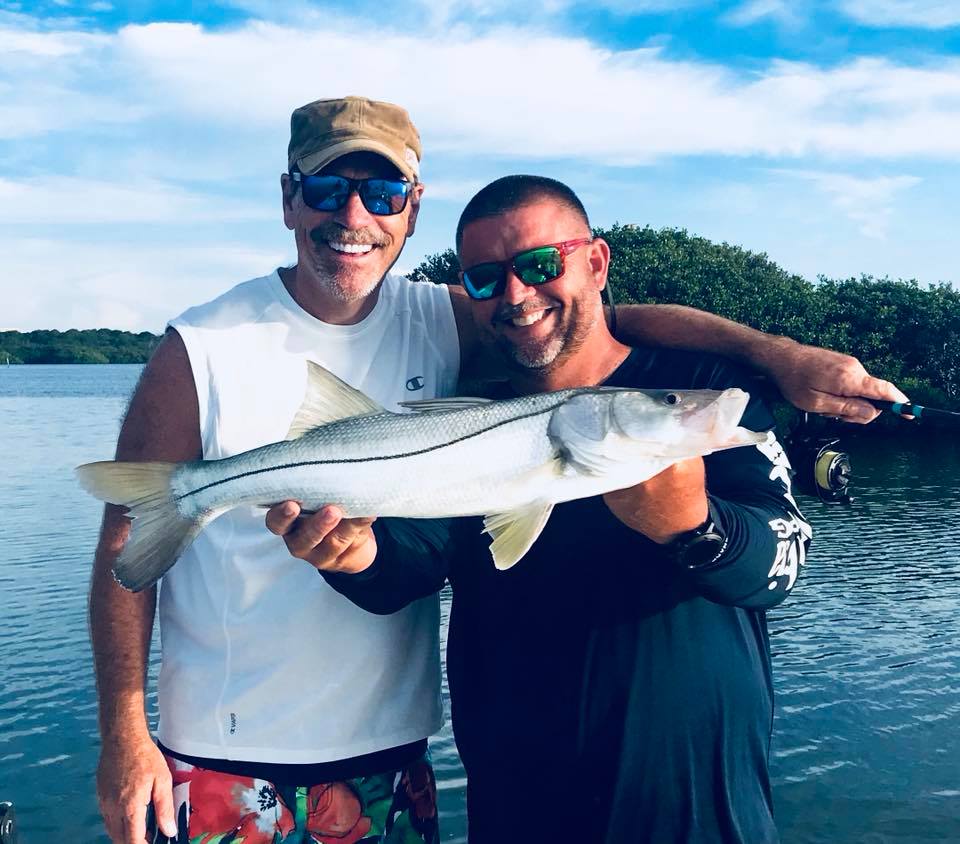
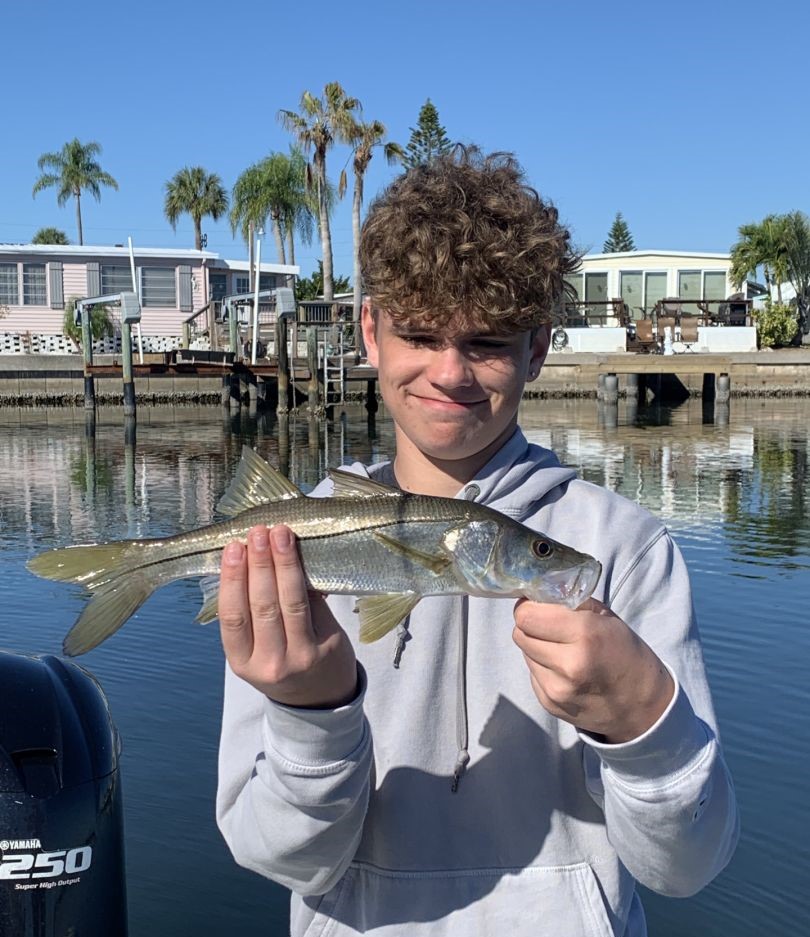
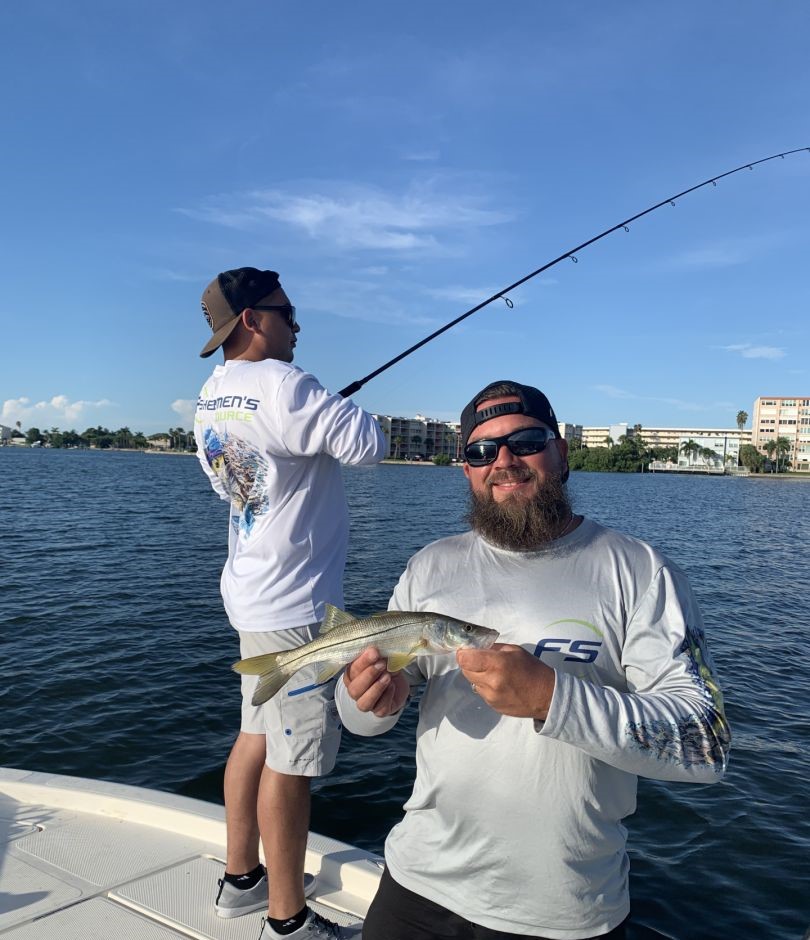
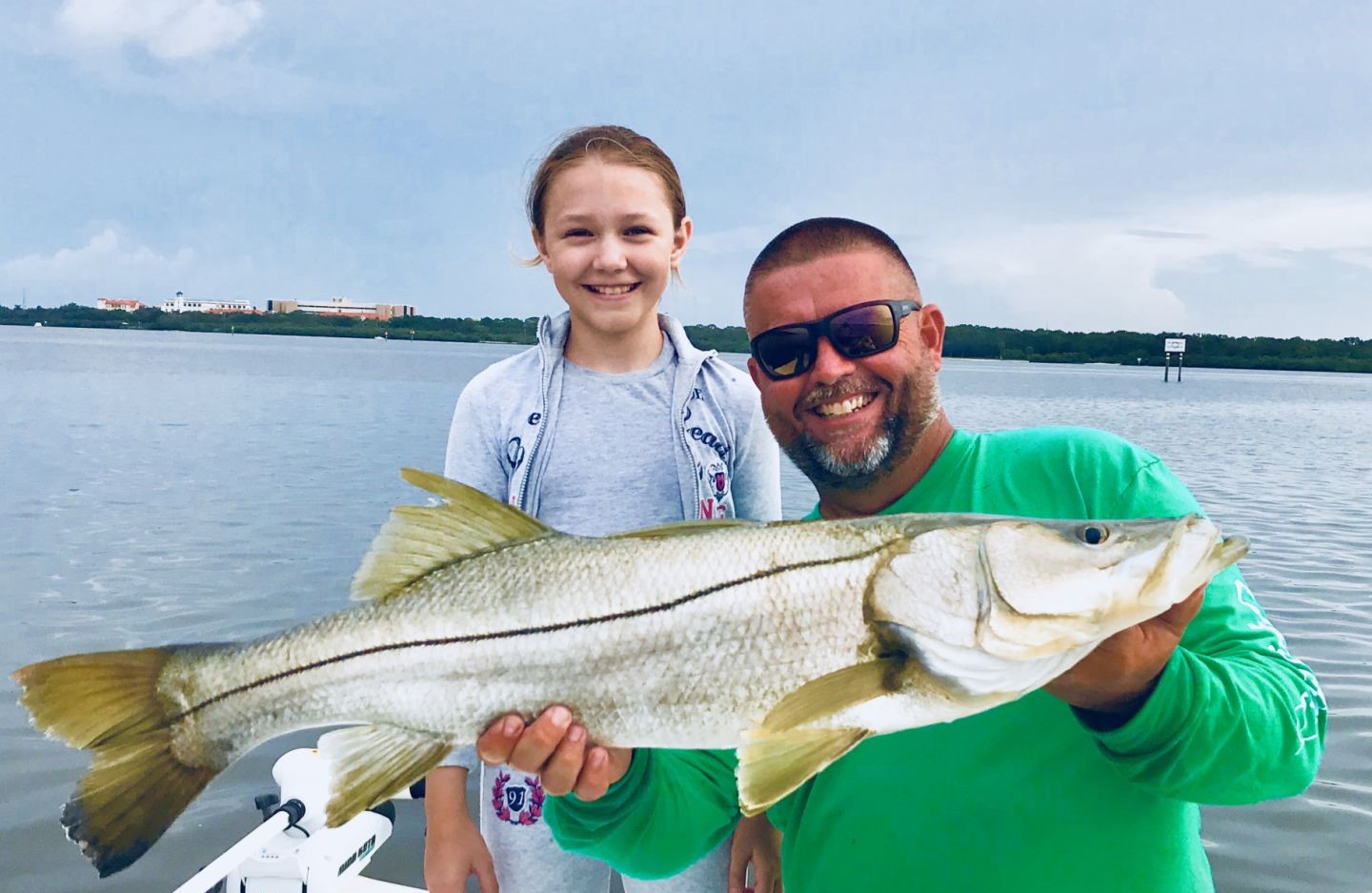
Snook are the crown jewel of Tampa Bay inshore fishing, and these silver rockets know how to put on a show. They love hanging around structure like docks, bridges, and mangrove overhangs where they can ambush unsuspecting baitfish. Spring through fall offers the best snook action, with fish ranging from schoolie-sized "rats" perfect for kids to catch up to trophy-class fish that can stretch over 30 inches. What makes snook special is their explosive strike and acrobatic fight – they'll jump, gill-rattle, and make powerful runs that get everyone on the boat excited. The slot limit keeps the fishery healthy, so you'll likely encounter fish both above and below the keeper range, giving everyone plenty of photo opportunities.
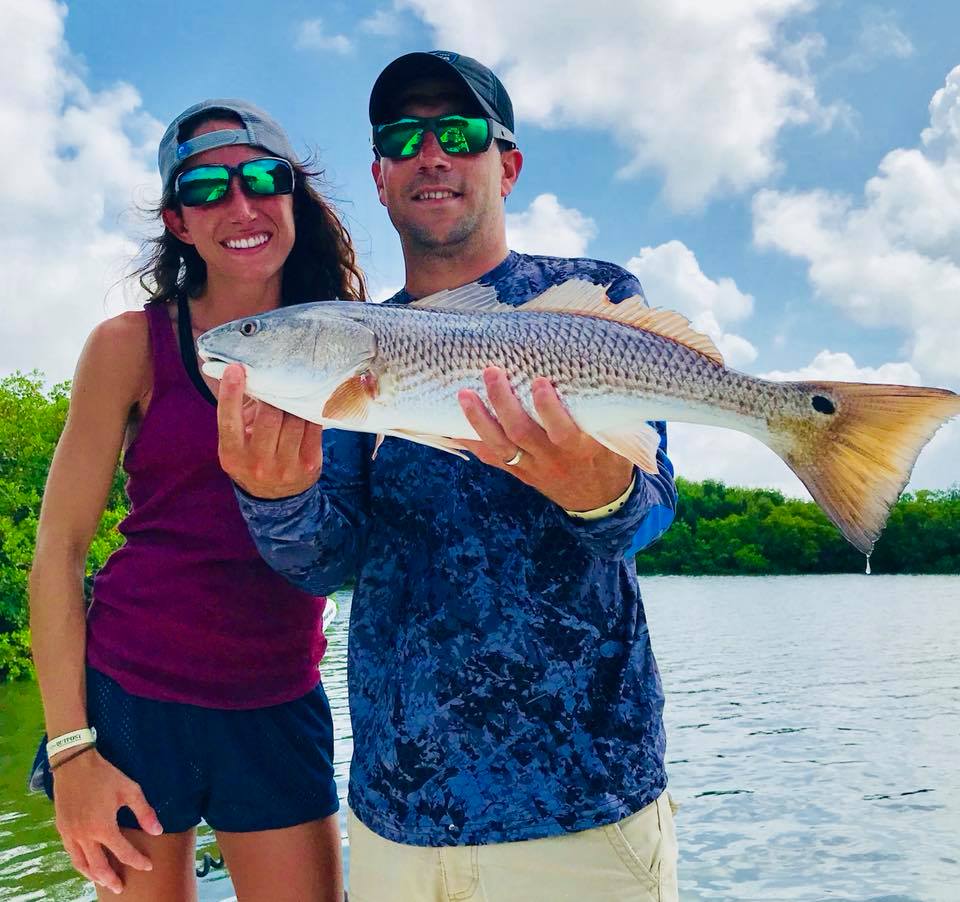
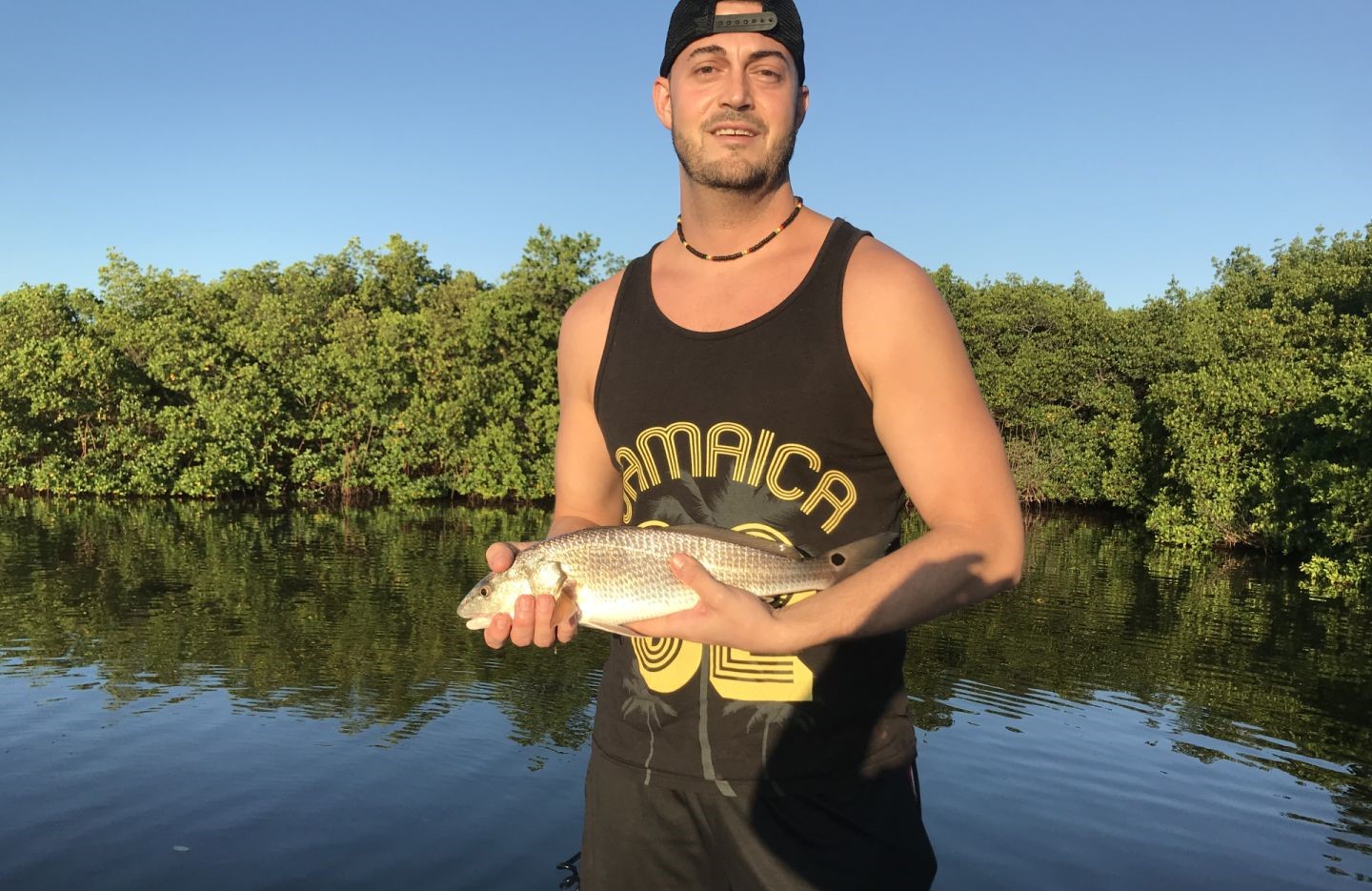
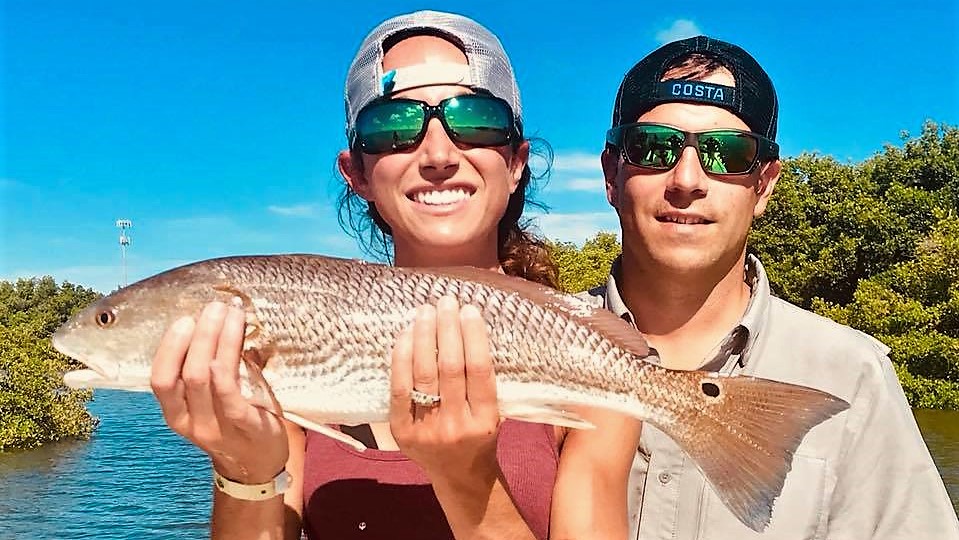
Redfish patrol Tampa Bay year-round, making them one of the most reliable targets for family trips. These copper-colored bruisers are built for power rather than speed, using their broad tails to make sustained runs that test your arm strength. Look for them cruising shallow grass flats or tailing in super skinny water where you can actually see their backs breaking the surface. Fall brings some of the best redfish action as schools of fish move through the bay, but summer fishing can be fantastic too, especially early morning or late afternoon. Reds eat just about anything you put in front of them, from live shrimp to cut bait, making them perfect confidence boosters for nervous first-timers. Their willingness to bite and photogenic copper sides make them instant favorites with kids and adults alike.
King Mackerel might seem like an odd addition to an inshore trip, but Tampa Bay's proximity to deeper water means these speedsters sometimes venture into the bay, especially during their spring and fall migrations. When kings are around, they provide some of the fastest action you'll find anywhere – these fish are built for speed and their initial runs can peel line off your reel like nothing else. They're excellent table fare too, so if you're lucky enough to hook into a keeper-sized king, you're looking at some fantastic meals. The key is having fresh, lively bait and being ready when they show up, because king mackerel don't mess around when they decide to feed.
Crevalle Jack might not win any beauty contests, but they make up for their looks with pure fighting power. These golden bulldogs are probably pound-for-pound the strongest fish you'll encounter in Tampa Bay, capable of making runs that will surprise anyone not familiar with their capabilities. They travel in schools and compete aggressively for food, so when you find them, the action can be non-stop. Kids love catching jacks because they bend rods and make reels sing, giving them a taste of what it feels like to battle a serious fish. While most people release jacks, they serve an important role in the ecosystem and provide fantastic sport for anglers who appreciate a good fight.
Cobia are the wild cards of Tampa Bay fishing – you never know when one might show up, but when they do, everyone remembers it. These brown sharks (that's what some folks call them, though they're not sharks at all) are curious fish that often approach the boat for a closer look. They're excellent eating and grow to impressive sizes, with even small cobia putting up memorable fights. Spring brings the best cobia opportunities as fish move through the bay during their spawning migration, but summer residents stick around structure and provide occasional opportunities for lucky anglers. Their distinctive appearance and willingness to eat large baits make them standout catches that often
 Private Trip
 Inshore Fishing
 Tampa Bay


 Two-hour family-friendly fishing trip in Tampa Bay waters