Inshore Fishing on Shinnecock Bay
Captain Mike knows these waters like the back of his hand, and he's ready to put you on fish whether you're picking up a rod for the first time or you've been chasing stripers for decades. Shinnecock Bay offers some of the most consistent inshore fishing on Long Island's East End, with protected waters perfect for beginners and challenging spots that'll test seasoned anglers. This top-rated fishing experience adapts to your skill level – we're talking light tackle bay fishing for newcomers and serious wreck fishing or inlet drifts for those looking to step up their game. With only four spots on the boat, you get the personal attention that makes all the difference between a good day and a great one.
What to Expect on the Water
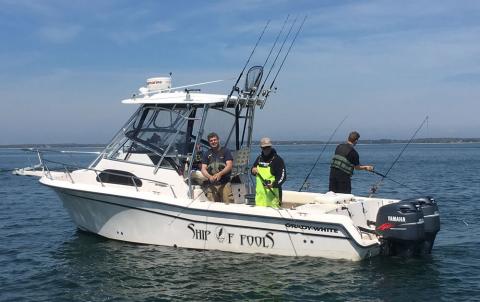
Your day starts with flexible timing because Captain Mike gets it – sometimes the fish bite better at dawn, other times they're more active later in the morning. When you pull up, just follow that gravel path all the way down to where the boat's waiting. The beauty of Shinnecock Bay is its diversity. New anglers typically start in the calmer bay waters where you can focus on learning proper technique without fighting heavy seas. You'll be working with lighter tackle, maybe some bottom rigs for scup and sea bass, or trying your hand at drifting for flounder. But if you've got some salt in your beard already, Captain Mike will take you to the local wrecks where bigger fish hang out, or set up some trolling runs through the inlet where the stripers cruise. The boat handles four anglers comfortably, so there's plenty of room to cast without tangling lines or bumping elbows.
Tackle and Techniques
Captain Mike keeps his boat stocked with quality gear, so you don't need to worry about bringing anything unless you've got a lucky rod you can't fish without. For the bay fishing, we're talking medium-light spinning setups with enough backbone to handle a decent striper but sensitive enough to feel a nibbling scup. Bottom fishing is bread and butter here – simple high-low rigs with circle hooks and just enough weight to keep you on the bottom. Bait varies with the season, but squid, clams, and sandworms are reliable producers. When the conditions are right for trolling, Captain Mike breaks out the umbrella rigs and bunker spoons, covering water efficiently to find active fish. Drift fishing the inlet requires a bit more finesse – you're reading the current, adjusting your drift, and staying ready for that sudden bend in the rod when a bass picks up your offering. The captain calls the shots on technique based on conditions, tides, and what the fish are telling him that day.
Target Species You'll Want to Hook
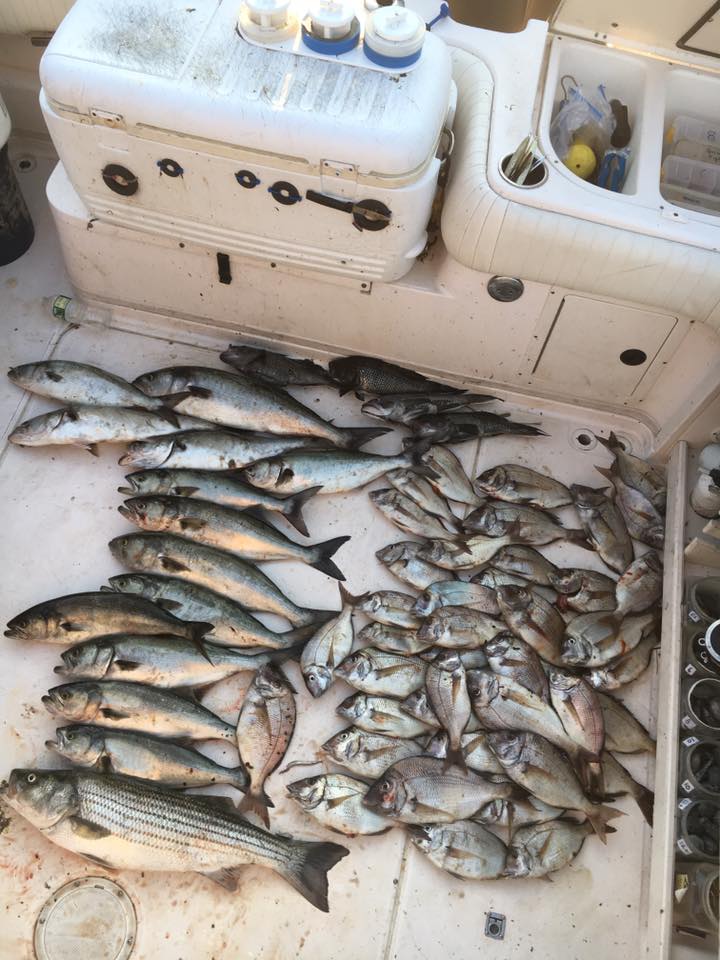
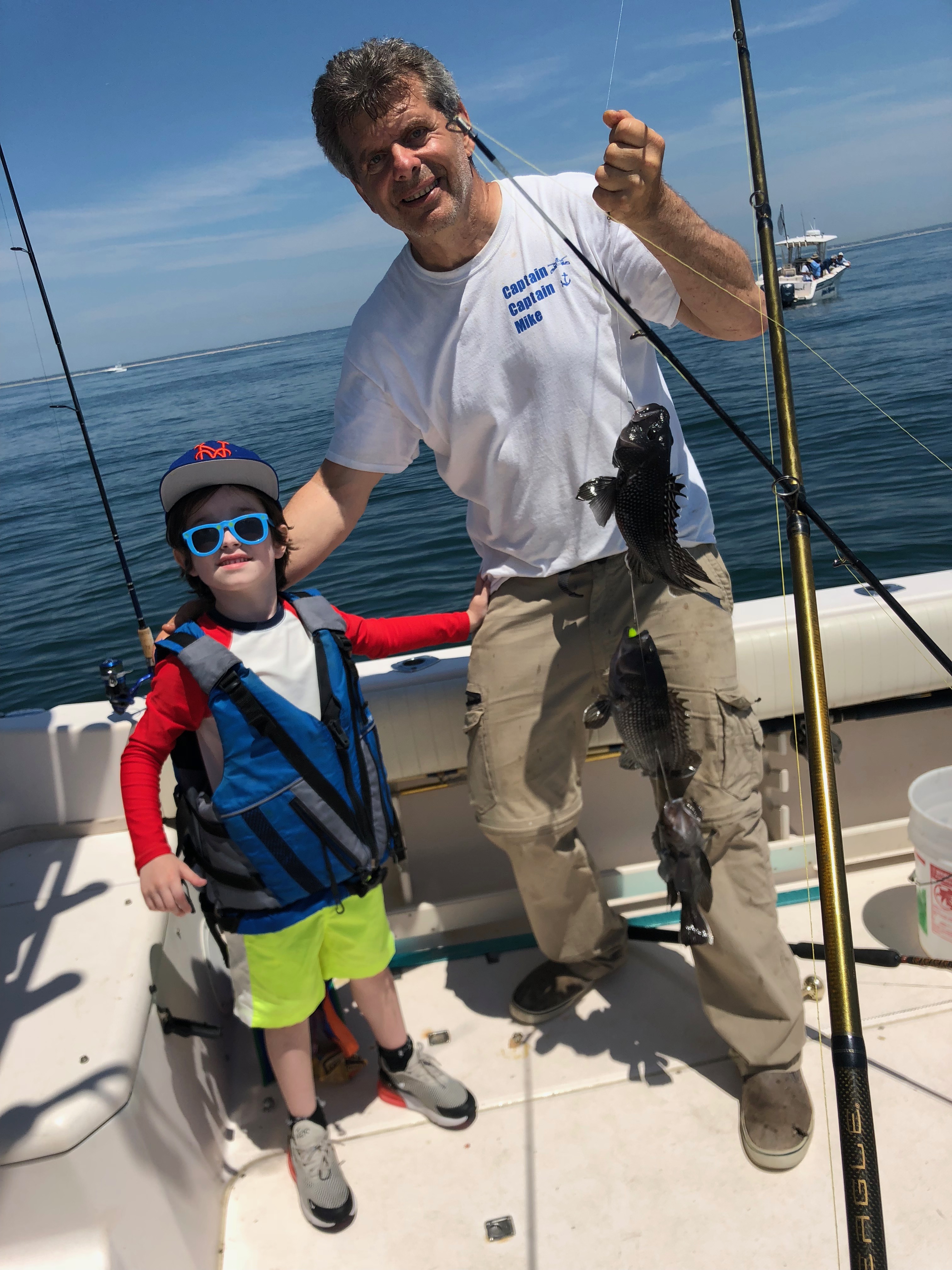
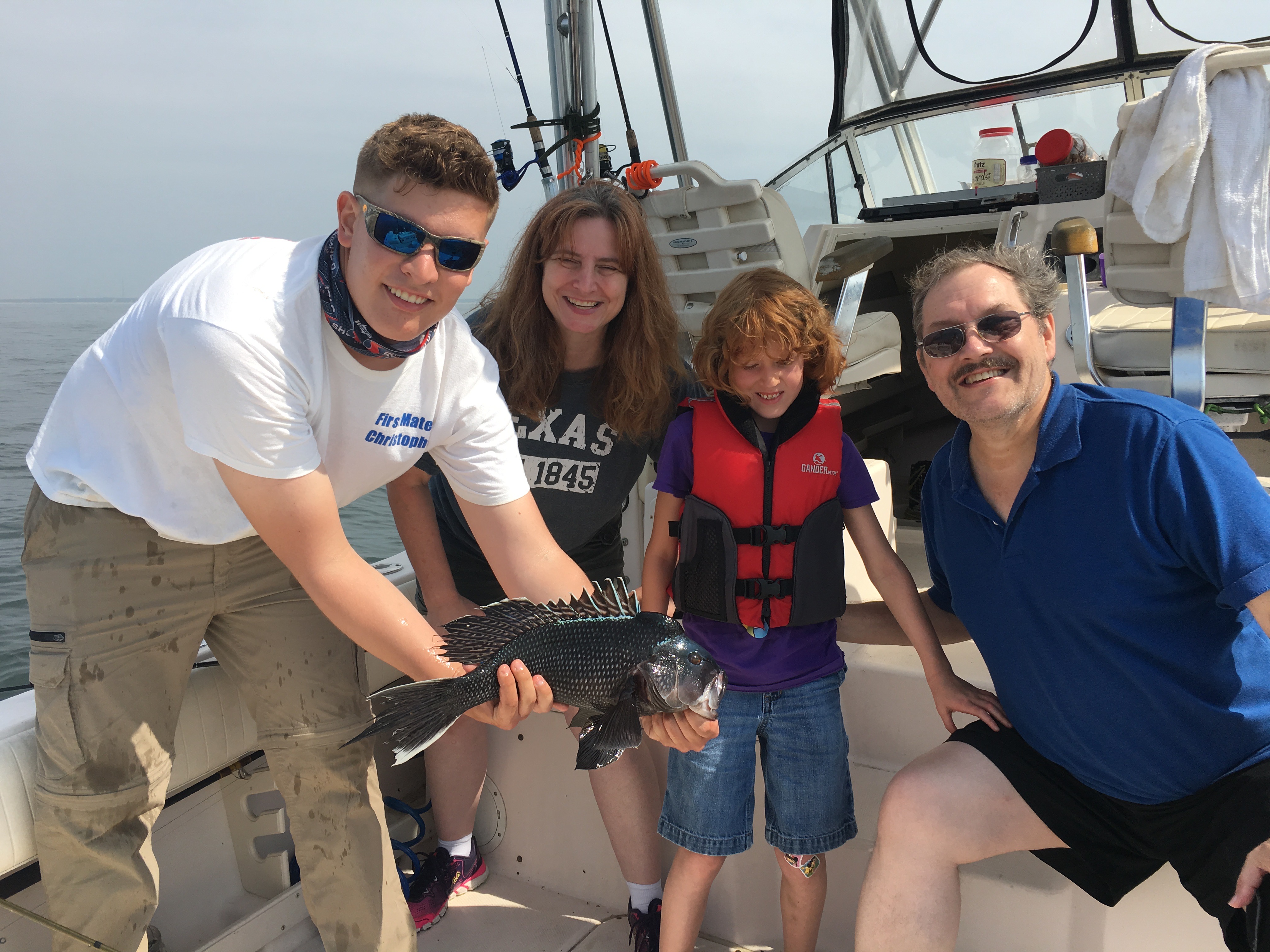
Black sea bass are the workhorses of Shinnecock Bay, and they're perfect for building confidence if you're new to saltwater fishing. These chunky bottom dwellers love structure – rocks, wrecks, and drop-offs where they can ambush crabs and smaller fish. They typically run 1-3 pounds in the bay, with occasional bigger specimens around the wrecks. Sea bass are aggressive feeders and great fighters for their size, plus they make excellent table fare. Peak season runs from late spring through early fall, and they're often the most cooperative species when other fish get finicky.
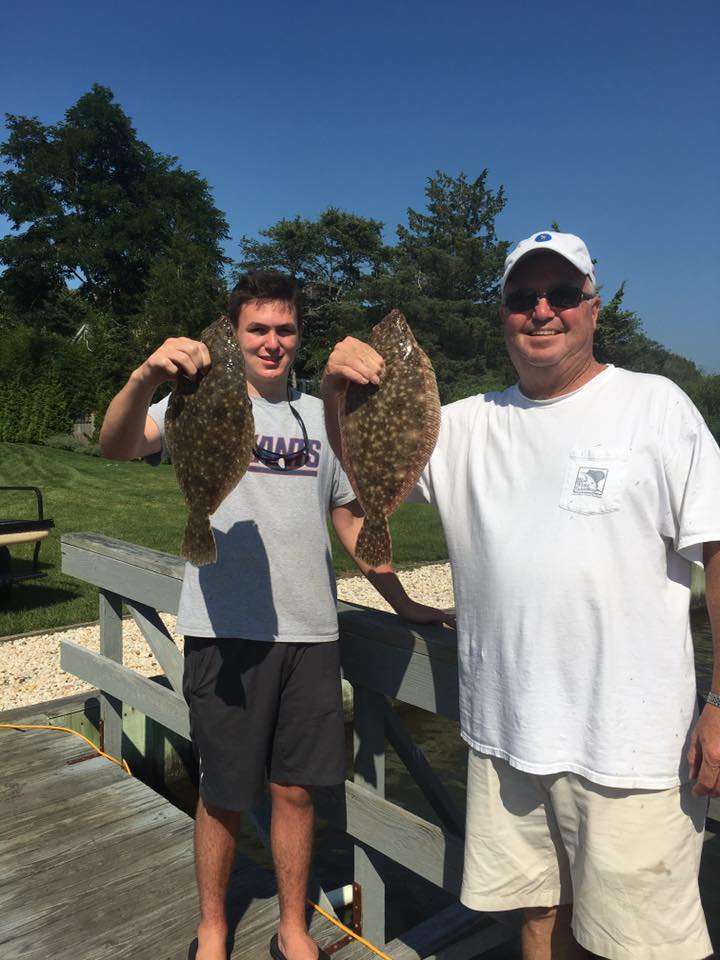
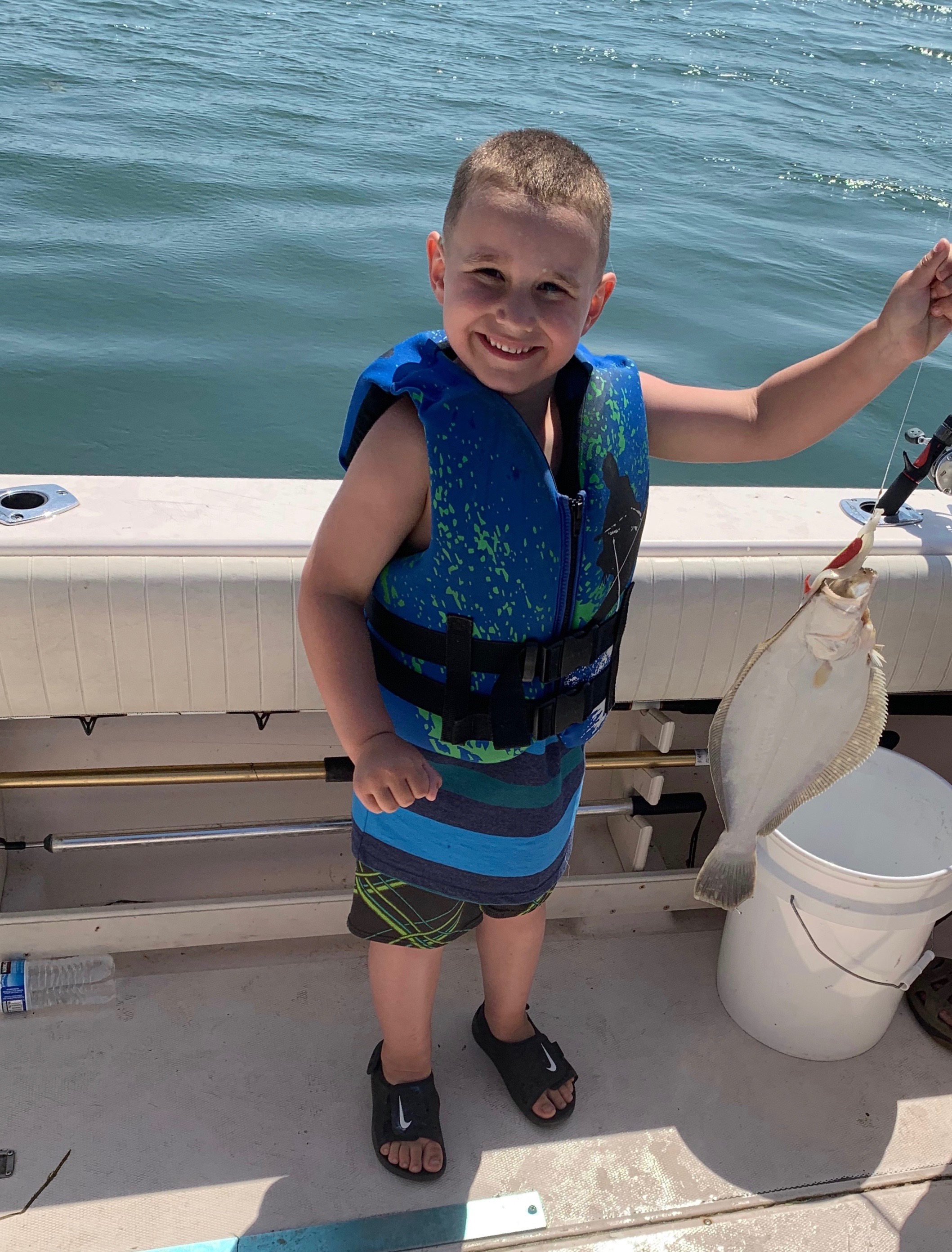
Summer flounder, or fluke as the locals call them, are the flatfish champions of these waters. These ambush predators bury themselves in sand and mud, waiting to inhale anything that swims by. A keeper fluke in Shinnecock Bay typically measures 19+ inches, but the bay produces plenty of doormat-sized fish that'll test your drag system. They're master mimics, changing color to match the bottom, and they fight with surprising strength once hooked. The best fluke action usually happens from late spring through early fall, with peak fishing in summer when they're actively feeding in preparation for their offshore migration.
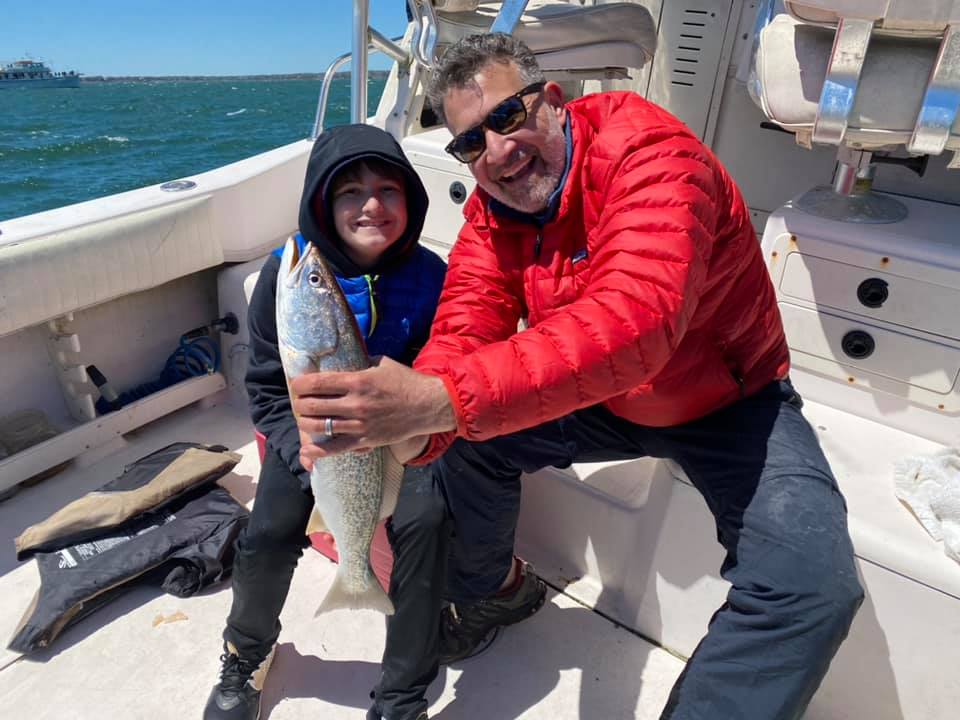
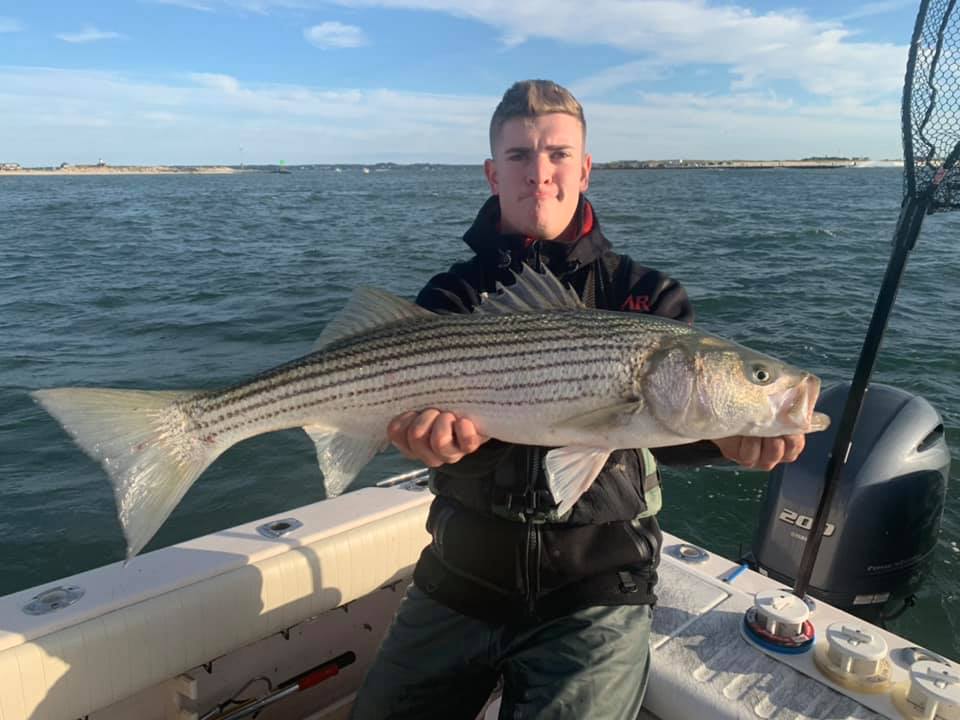
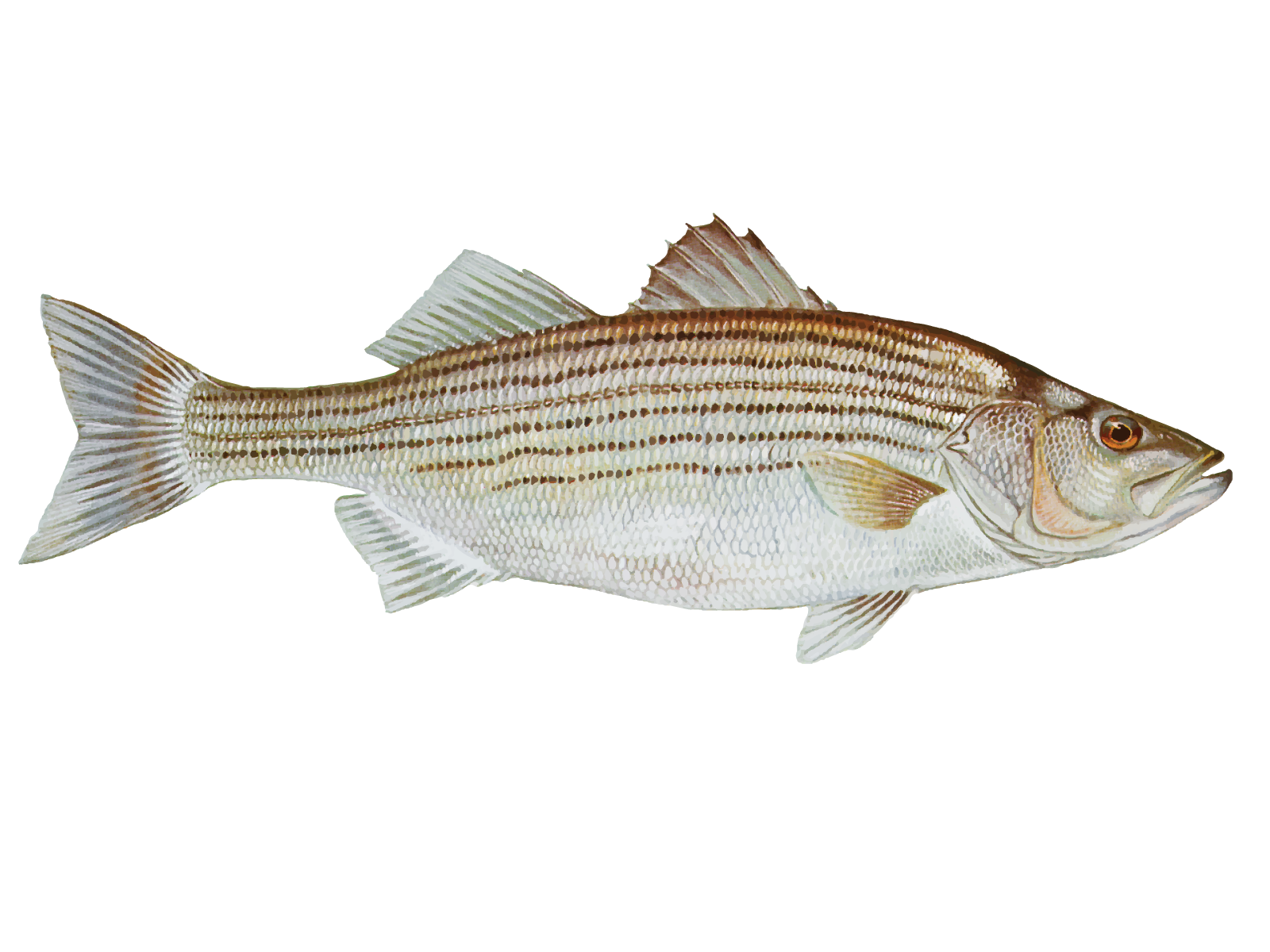
Striped bass are the crown jewel of East Coast fishing, and Shinnecock Inlet is a renowned striper highway. These fish range from schoolie-sized bass around 18-28 inches up to real cows pushing 40+ inches and 30+ pounds. Stripers are incredibly smart and adaptable – they'll hit everything from live eels to topwater plugs depending on conditions. What makes them special is their fighting ability; a good striper will make multiple runs, use the current against you, and keep you guessing until it's in the net. Spring and fall migrations bring the best action, but resident fish provide steady opportunities throughout the warm months.
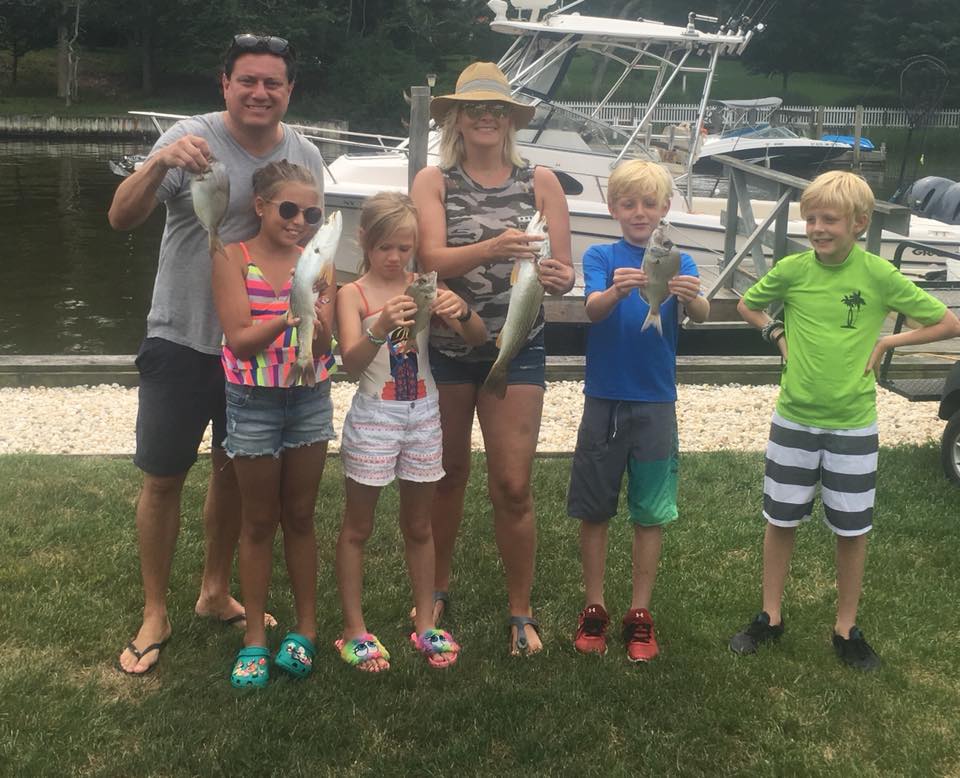
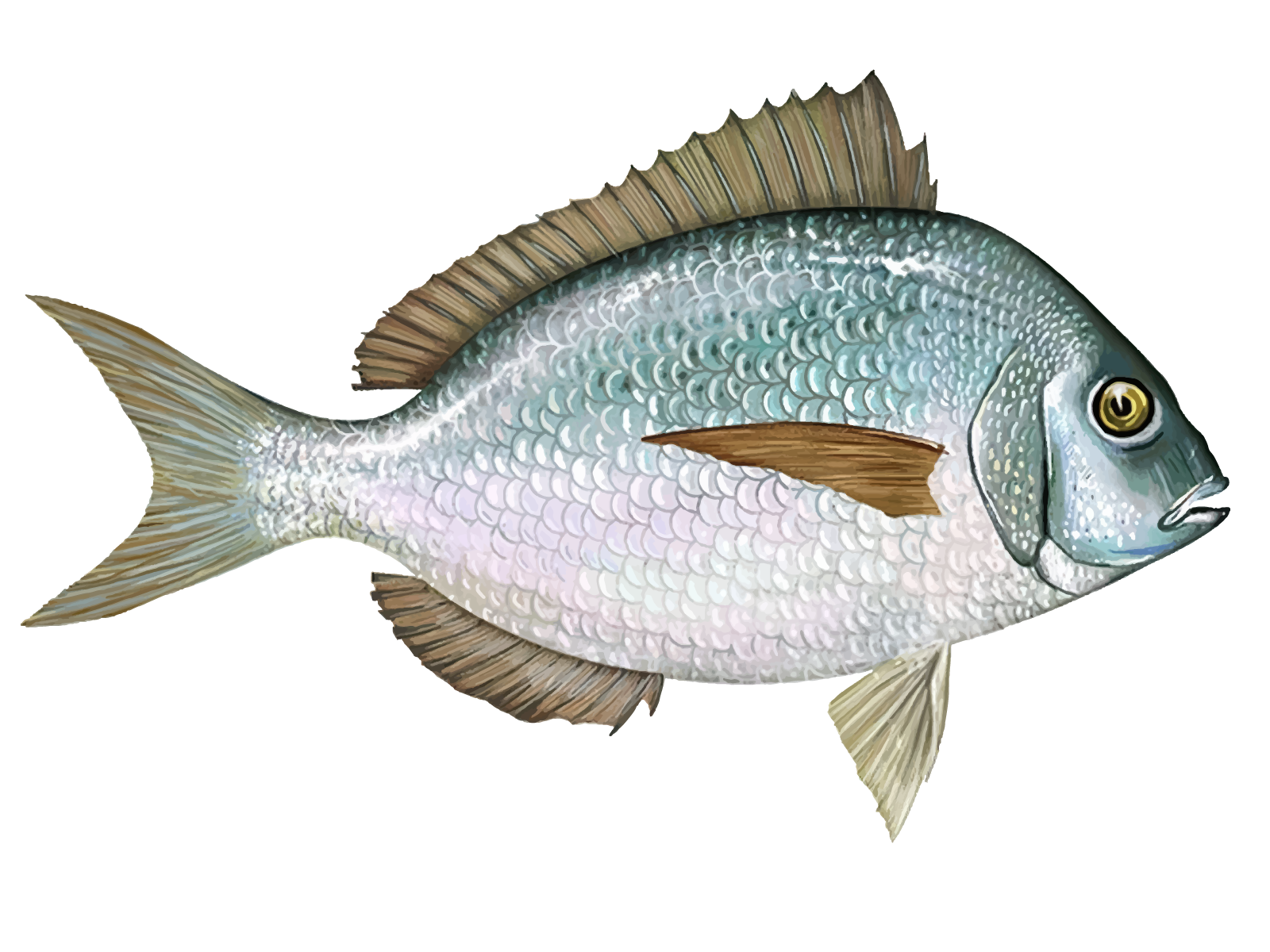
Scup, also known as porgy, might not win any beauty contests, but they're scrappy little fighters that keep rods bent when other species are taking a break. These silver-sided brawlers typically run 8-14 inches in Shinnecock Bay, and they travel in schools, so where you find one, you'll usually find more. They're curious and aggressive, often outcompeting other species for bait. Scup are also some of the best eating fish in these waters – sweet, flaky white meat that's perfect for the dinner table. They're most active from late spring through early fall, and they're particularly reliable when fishing pressure pushes other species into deeper water.
Time to Book Your Spot
Captain Mike's flexible scheduling and local expertise make this a customer favorite for good reason. Whether you're looking to introduce someone to saltwater fishing or you want to target specific species around the wrecks and inlet, this world-class fishery delivers consistently. The four-person limit means you're not fighting crowds, and the captain's willingness to adapt techniques based on your experience level ensures everyone goes home with stories worth telling. Shinnecock Bay's protected waters and diverse fishing opportunities make it the perfect choice for your next fishing adventure. Don't wait – the best dates fill up fast, especially during peak season when the fishing is red hot.
 5.0(1 Reviews)
 Private Trip
 Inshore Fishing
 East Quogue, NY

 Beginner-friendly fishing in protected Shinnecock Bay waters