Florida Flats Fishing: Okeechobee to Pine Island
Picture this: you're standing on the bow of a flats boat, watching the sun paint the shallow waters gold while your captain poles silently through gin-clear water. This is what Florida flats fishing is all about – and with Unlimited Outdoors, you're getting access to some of the best shallow water action from Lake Okeechobee down to Stuart and over to Pine Island. Whether you're a weekend warrior or someone who's been chasing fish on skinny water for decades, this charter puts you right where the big four – snook, tarpon, sea trout, and redfish – like to hang out.
What to Expect on the Water
Your day starts early, because that's when the fish are most active and the water's glassy smooth. You'll meet your captain at the launch, and within minutes you're running out to prime fishing grounds. The beauty of covering multiple areas like Okeechobee, Stuart, and Pine Island means your guide can adapt to conditions – if the wind's howling on the coast, you might find yourself working the protected backcountry around Pine Island. If the lake's firing, that's where you'll spend your time. This is a two-angler maximum trip, so you're not fighting for casting room or competing with a crowd. Your captain knows these waters like his backyard and will put you on fish while sharing the kind of local knowledge that only comes from years of reading tides, weather, and fish behavior. Expect to cover water efficiently, make precise casts to structure and shorelines, and learn techniques that'll make you a better angler long after this trip ends.
Flats Boat Tactics & Gear
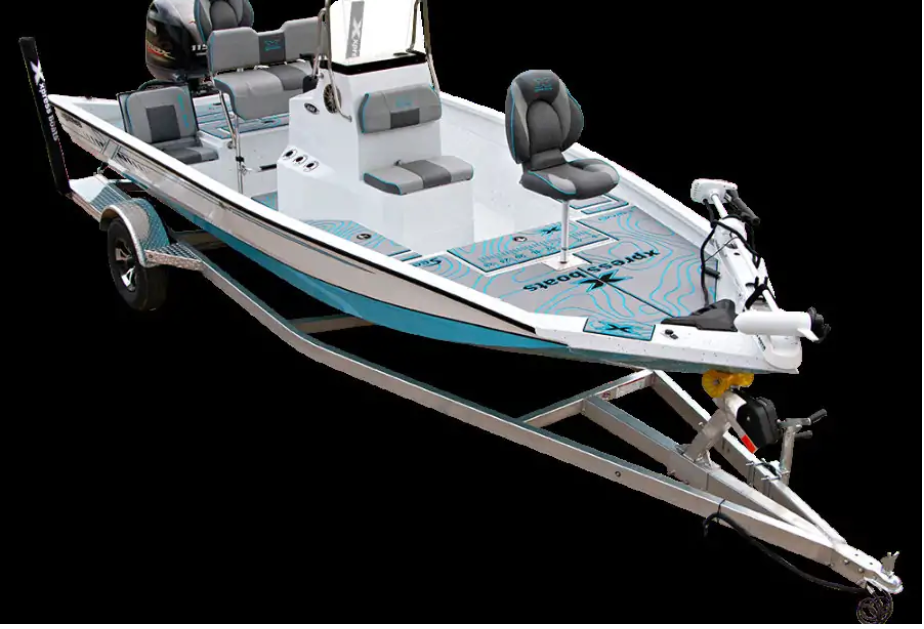
Flats fishing is all about stealth and precision. Your captain will be running a shallow-draft boat designed specifically for this kind of work – think 18 to 22 feet with a poling platform and trolling motor for those ultra-quiet approaches. You'll be sight fishing a lot of the time, which means spotting fish before you cast to them. Your guide will position the boat using push pole power in the shallows, keeping noise to absolute minimum. Tackle varies by target species, but expect medium to medium-heavy spinning gear loaded with 15-20 pound braid and fluorocarbon leaders. Live bait like pilchards, pinfish, and shrimp are staples, but don't be surprised if your captain breaks out the artificial lures when fish are aggressive – topwater plugs, soft plastics, and spoons all have their place. The key is matching your presentation to conditions and fish mood. In deeper grass flats, you might be working jigs and soft baits. Around structure like docks and mangroves, live bait presentations often shine. Your captain handles the boat positioning and provides all tackle, but feel free to bring your own rods if you've got favorites.
Target Species Breakdown
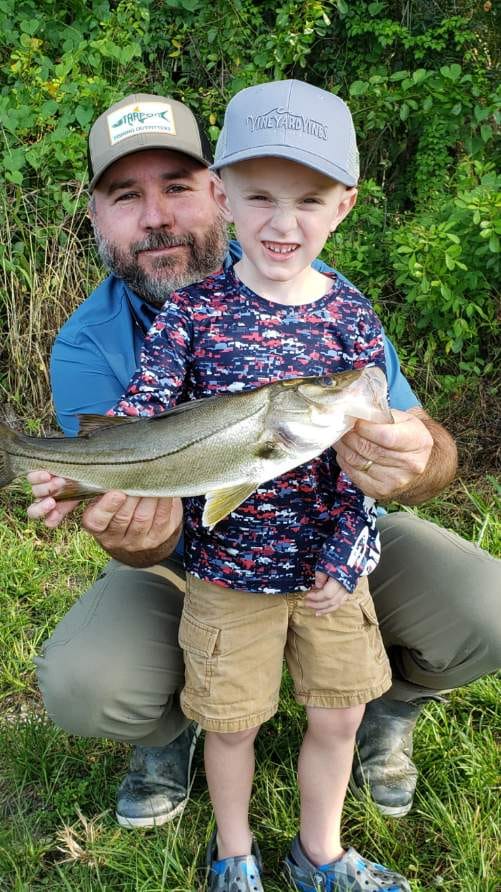
Snook are the kings of Florida's inshore waters, and for good reason. These ambush predators love structure – think dock pilings, mangrove overhangs, and bridge shadows. They're most active during dawn and dusk, but in these waters you can find them feeding throughout the day if conditions are right. A good snook will run 24-28 inches and put up a fight that includes powerful runs and gill-rattling jumps. What makes them special is their intelligence – they're picky eaters that require precise presentations. When you hook one, that first run toward structure will test your drag and your nerves. The thrill comes from outsmarting a fish that's survived by being cautious.
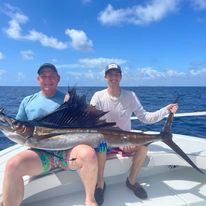
Tarpon are pure adrenaline on a fishing line. These silver kings can range from juvenile fish in the 20-40 pound class up to giants over 100 pounds, depending on season and location. Peak tarpon action typically runs from April through August, with the bigger fish showing up during their annual migration. What sets tarpon apart is their aerial display – when hooked, they'll jump repeatedly, trying to throw the hook with head shakes that you can hear from 50 yards away. They're not great table fare, so it's all about the fight and the photo. Landing a tarpon, especially your first one, is a rite of passage for serious anglers. The combination of size, strength, and acrobatics makes every tarpon hookup a lottery ticket.
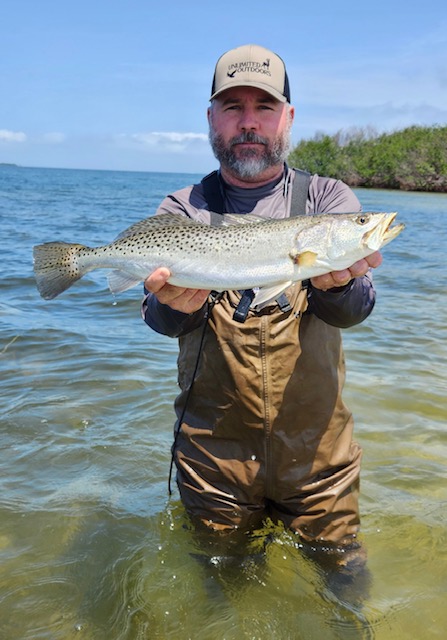
Sea trout are the bread and butter of Florida flats fishing, and they're perfect for anglers who want consistent action. These spotted beauties typically range from 14-20 inches, with the occasional "gator trout" pushing 24-26 inches. They're most active during cooler months, from October through March, and they love grass flats where they can ambush baitfish. Sea trout have soft mouths, so the fight is more about finesse than power, but they make up for it with numbers. On a good day, you might catch a dozen or more. They're also excellent table fare, making them a favorite for families who want to bring dinner home. The key to consistent trout fishing is finding the right depth – usually 3-6 feet of water over grass beds.
Redfish are the bulldogs of the flats, known for their powerful, sustained runs and copper-colored sides that flash in shallow water. They typically range from 20-28 inches in slot size, though you'll occasionally tangle with oversized "bull reds" that can stretch over 35 inches. What makes reds special is their willingness to eat – they're less finicky than snook and will often compete with each other for baits. You'll find them tailing in super shallow water, cruising grass flats, and hanging around oyster bars. The fight is all about endurance – they don't jump, but they'll pull drag for what feels like forever. Redfish are available year-round, but fall and winter often produce the most consistent action as they school up for their spawning runs.
Time to Book Your Spot
 Private Trip
 Flats/Shallows Fishing
 Okeechobee, FL


 Saltwater fishing across Okeechobee, Stuart, and Pine Island waters