Family Inshore Fishing Charter in Islamorada
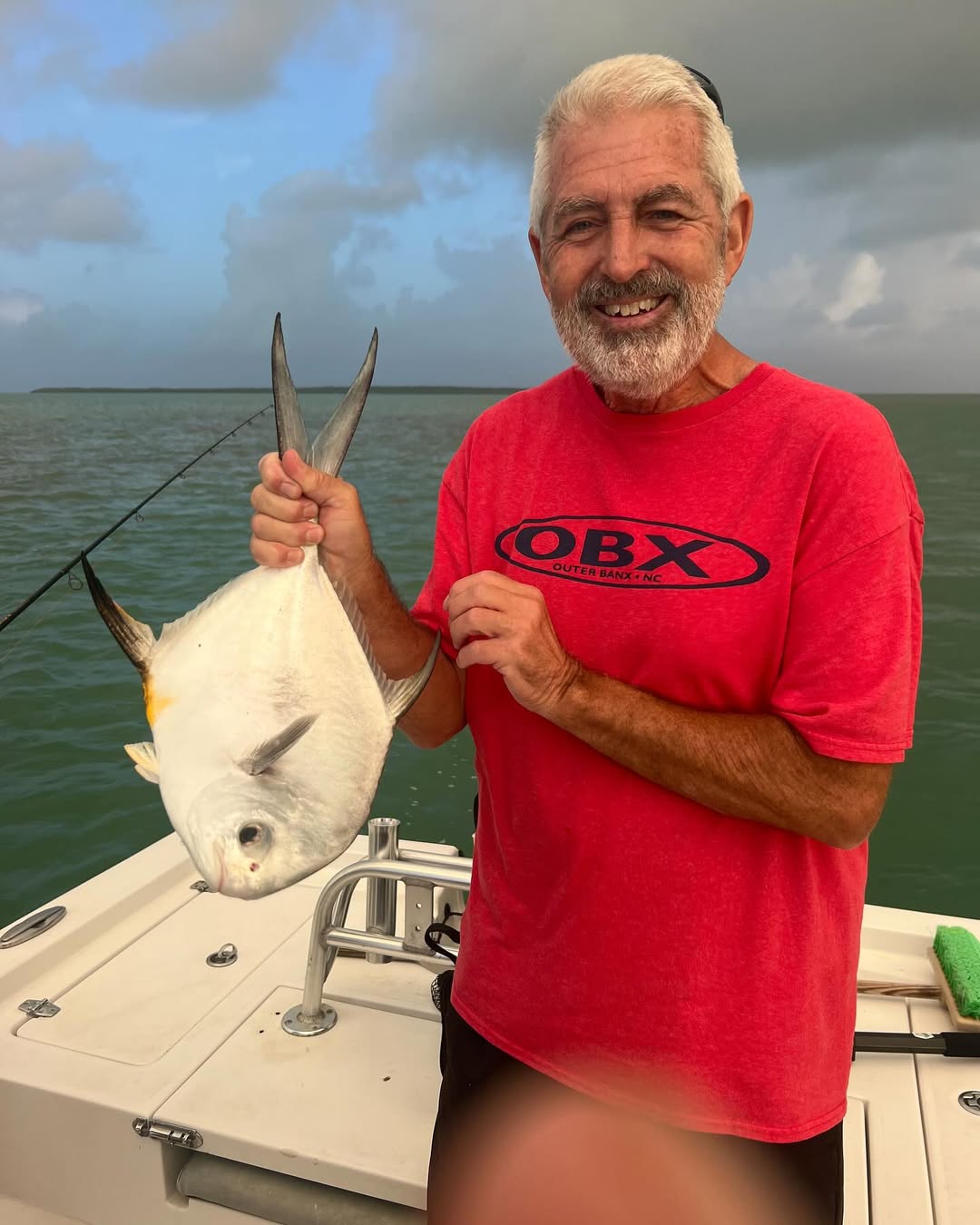
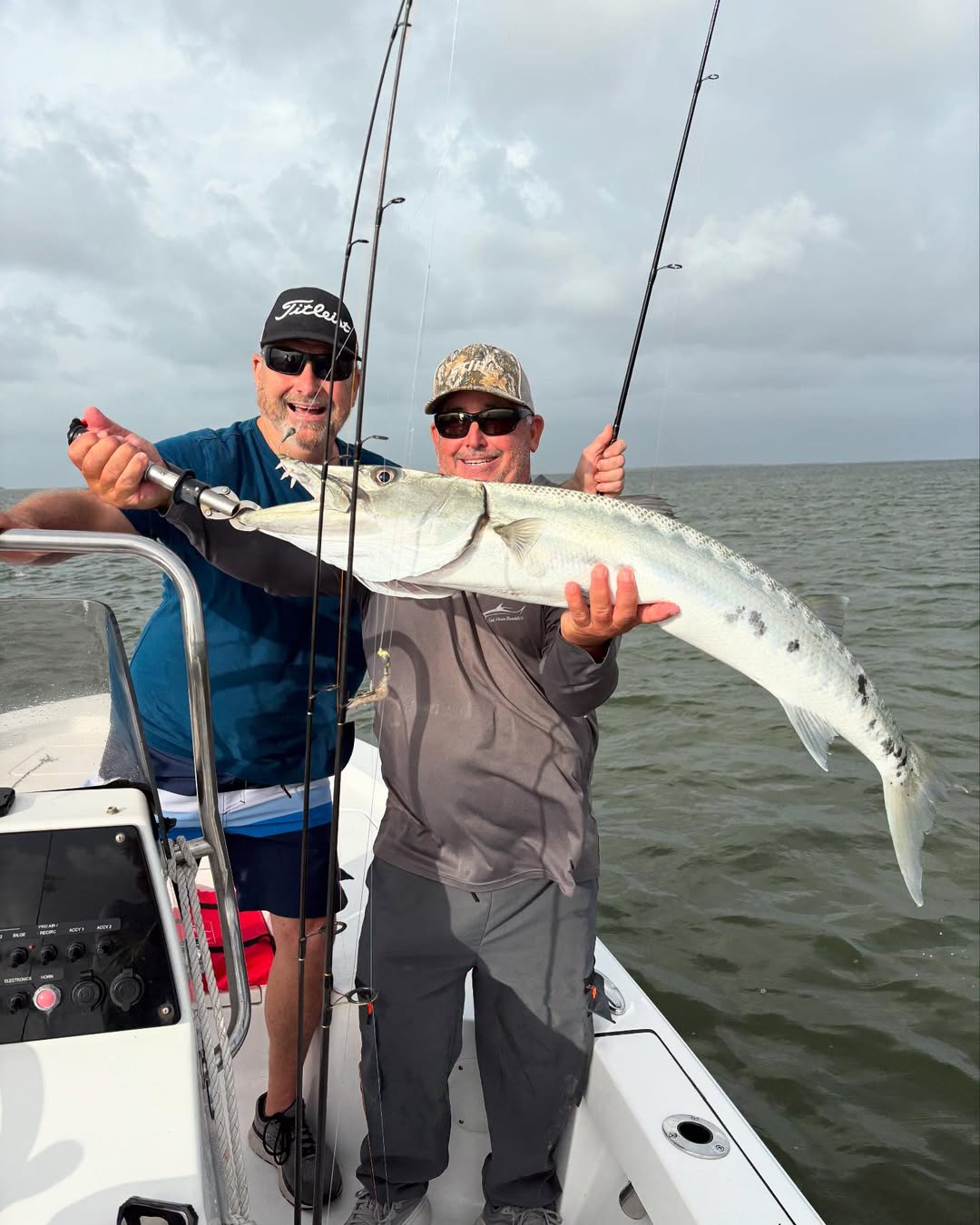
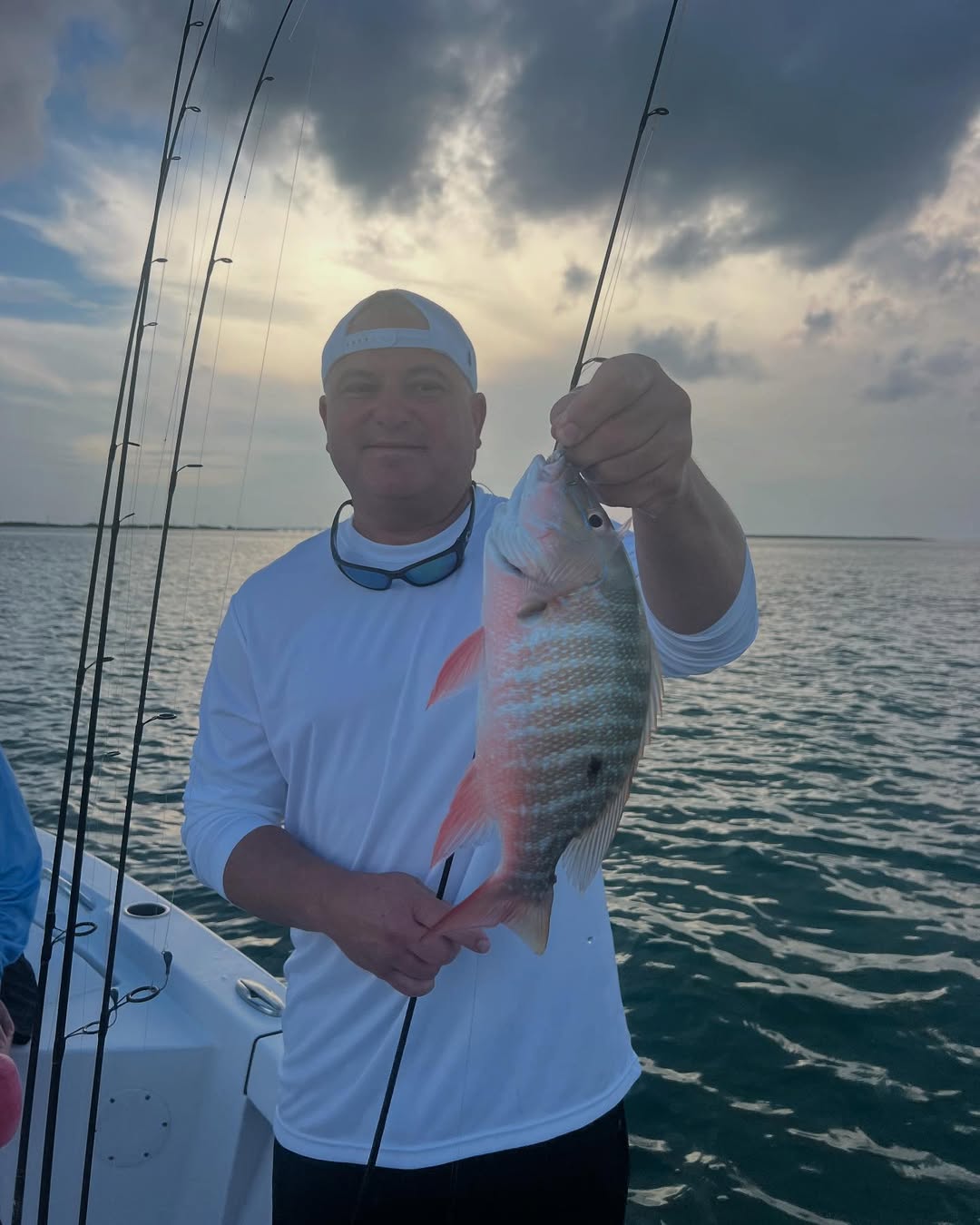
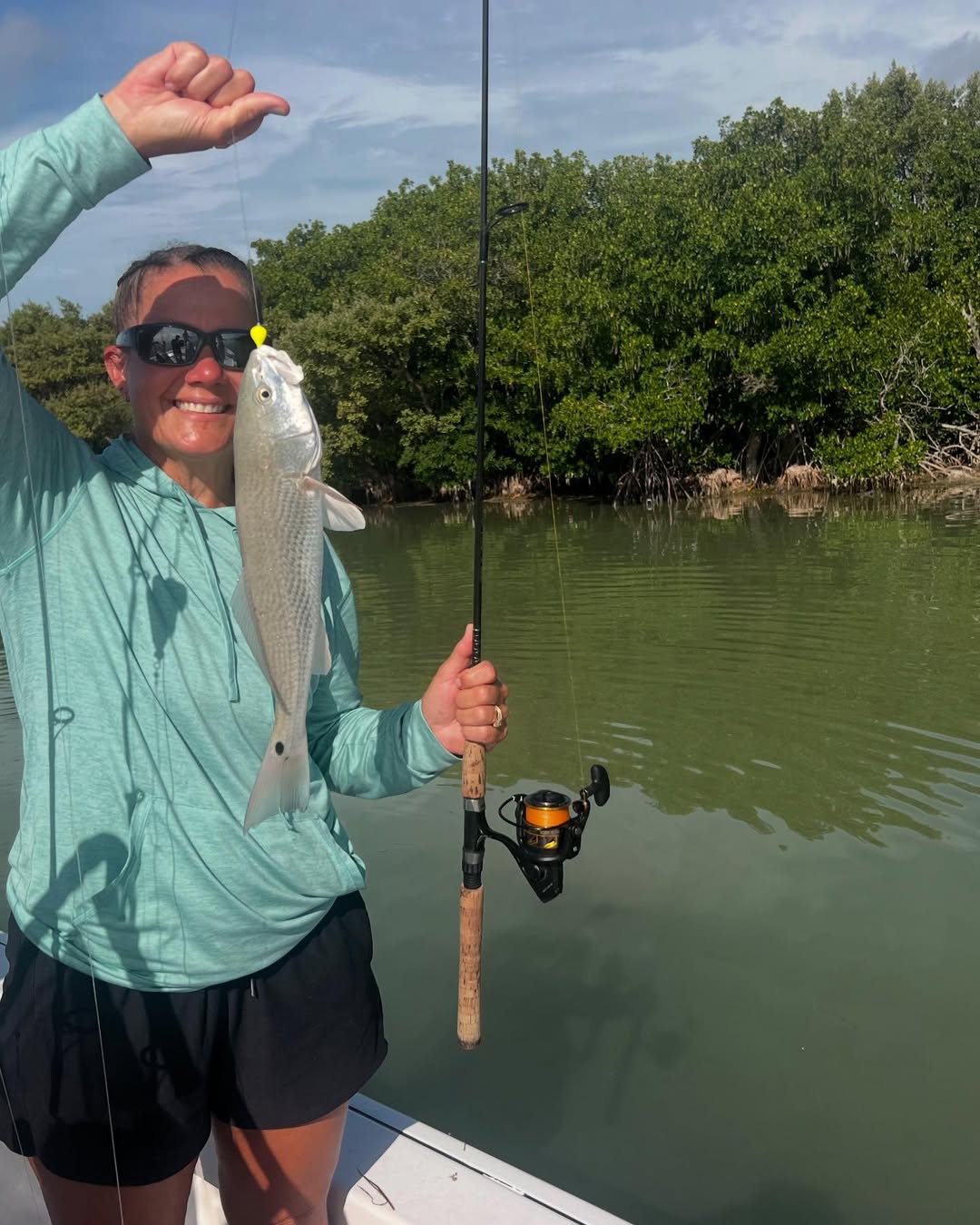
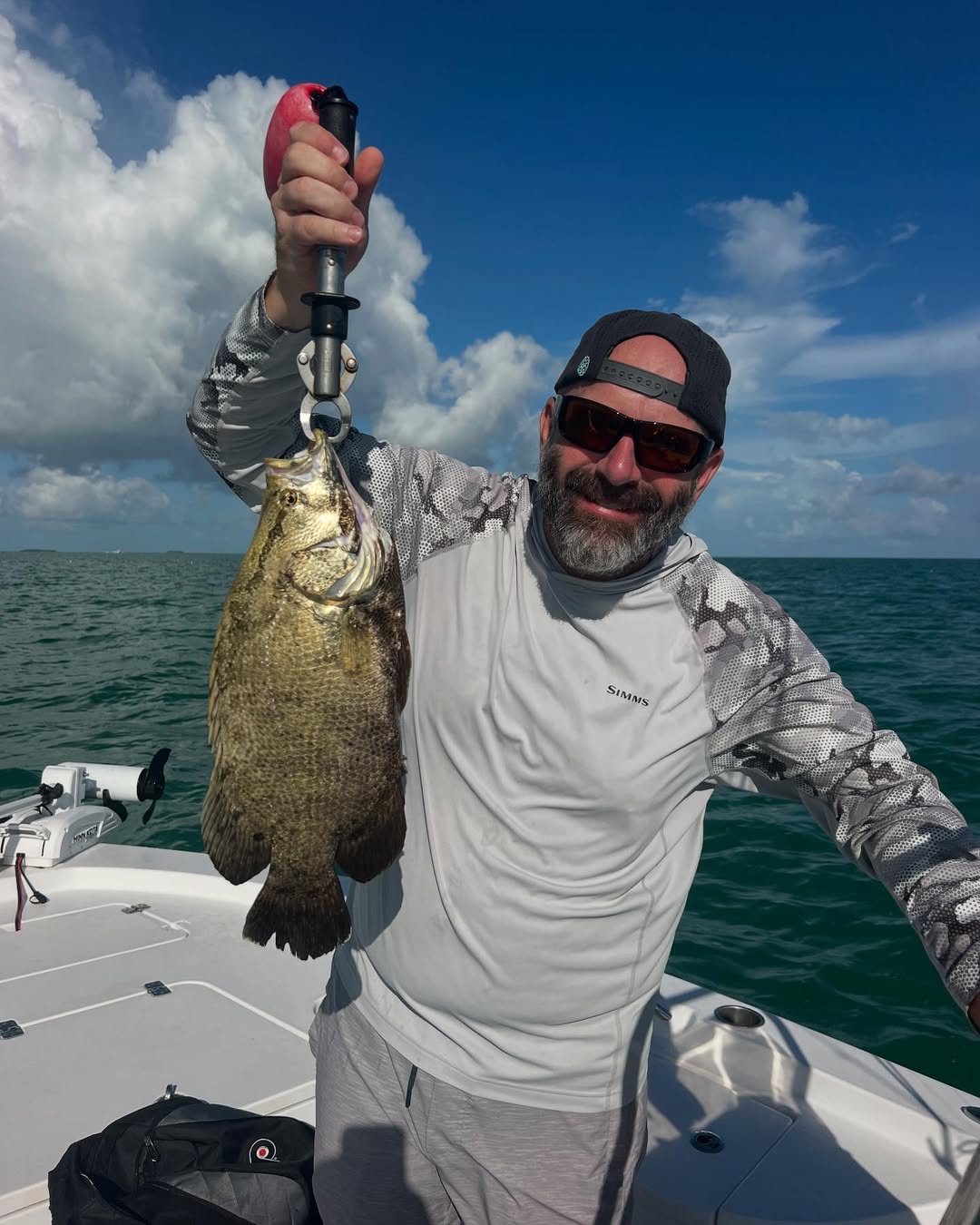
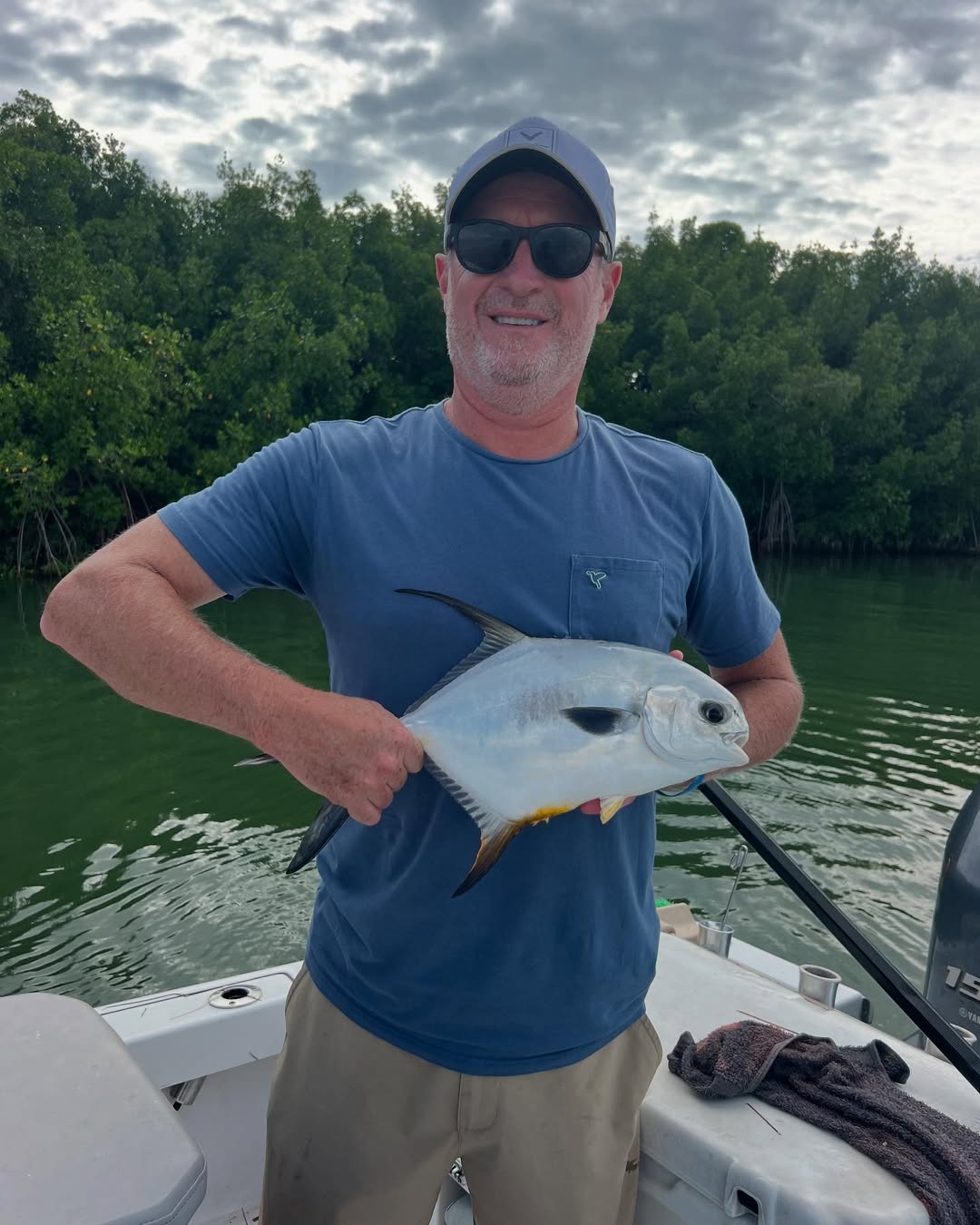
Islamorada sits right in the heart of the Florida Keys, where the backcountry flats meet crystal-clear inshore waters. This 3-hour family fishing charter gives you the perfect taste of what makes this area legendary among anglers. Whether you've got kids who've never held a rod or seasoned family members looking to add some variety to their fishing game, this trip delivers consistent action in some of Florida's most productive waters. The protected backcountry areas and nearby bridges create the ideal environment for multiple species, and with departure times starting as early as 7 AM, you can beat the heat and catch fish when they're most active.
What to Expect on the Water
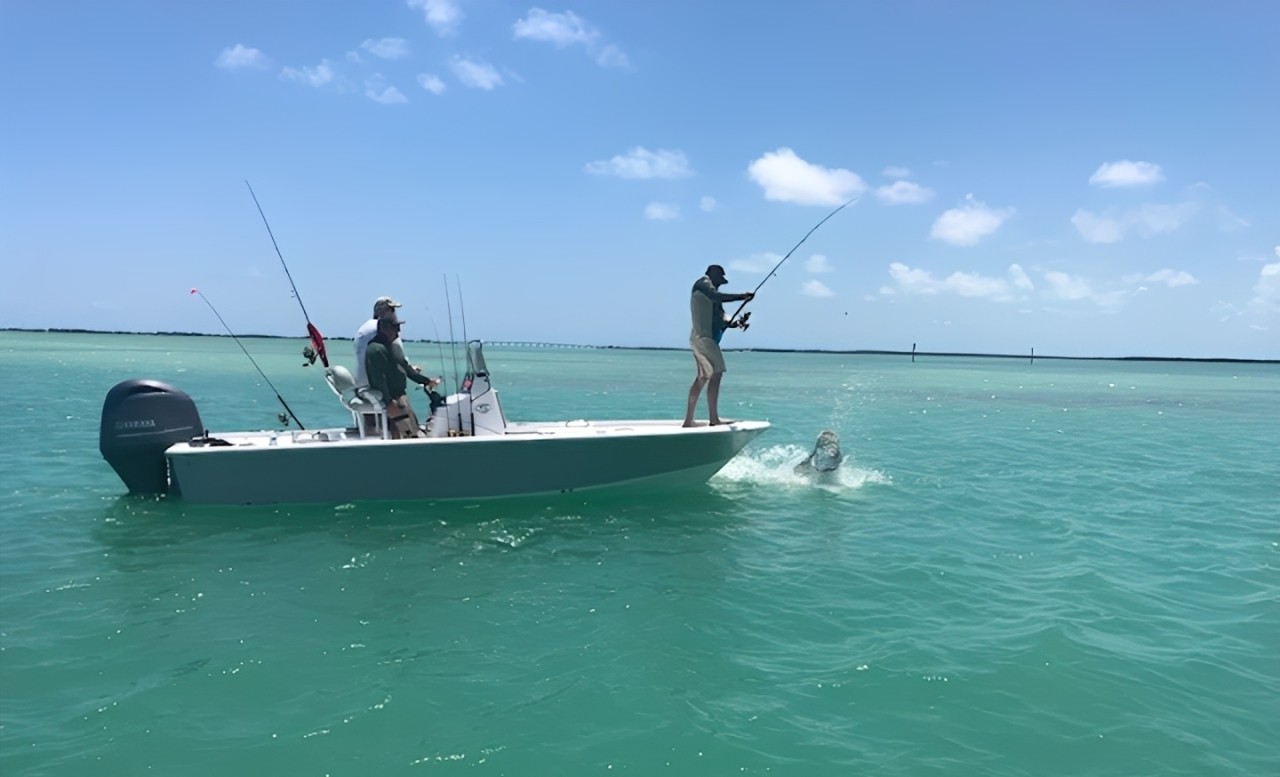
Your guide knows these waters like the back of their hand, and they'll put you on fish from the moment you start casting. The beauty of Islamorada's inshore fishing lies in its diversity – one minute you're working the shadow lines under a bridge for snook, the next you're drifting over grass flats targeting sea trout. The backcountry areas offer protection from wind and waves, making this trip comfortable for families with younger anglers. Don't be surprised if you spot some of the local wildlife between fish – dolphins often cruise these same areas hunting baitfish, and manatees are common in the shallower backcountry zones. The occasional crocodile sighting adds some excitement, though they're typically more interested in sunbathing than bothering anglers. With flexible scheduling and all gear provided, this charter removes the guesswork and lets you focus on what matters: getting fish to the boat and creating memories with your family.
Techniques & Tackle Setup
Your captain comes equipped with everything needed for a successful day, from light spinning tackle perfect for the kids to medium-action rods that can handle larger inshore species. Live bait is the name of the game here – pilchards, pinfish, and shrimp are local favorites that consistently produce bites. The guide will match your bait and technique to the conditions and target species for the day. Bridge fishing often means dropping live bait into the current and letting it sweep naturally under the structure where predator fish ambush their prey. When working the flats, you might switch to artificial lures like soft plastics or topwater plugs that create commotion and trigger aggressive strikes. The shallow backcountry areas require a stealthy approach – your guide will pole or drift quietly into position, keeping noise to a minimum while positioning you for the best shots at cruising fish. This variety keeps everyone engaged and gives family members of different skill levels multiple ways to succeed on the water.
Top Catches This Season
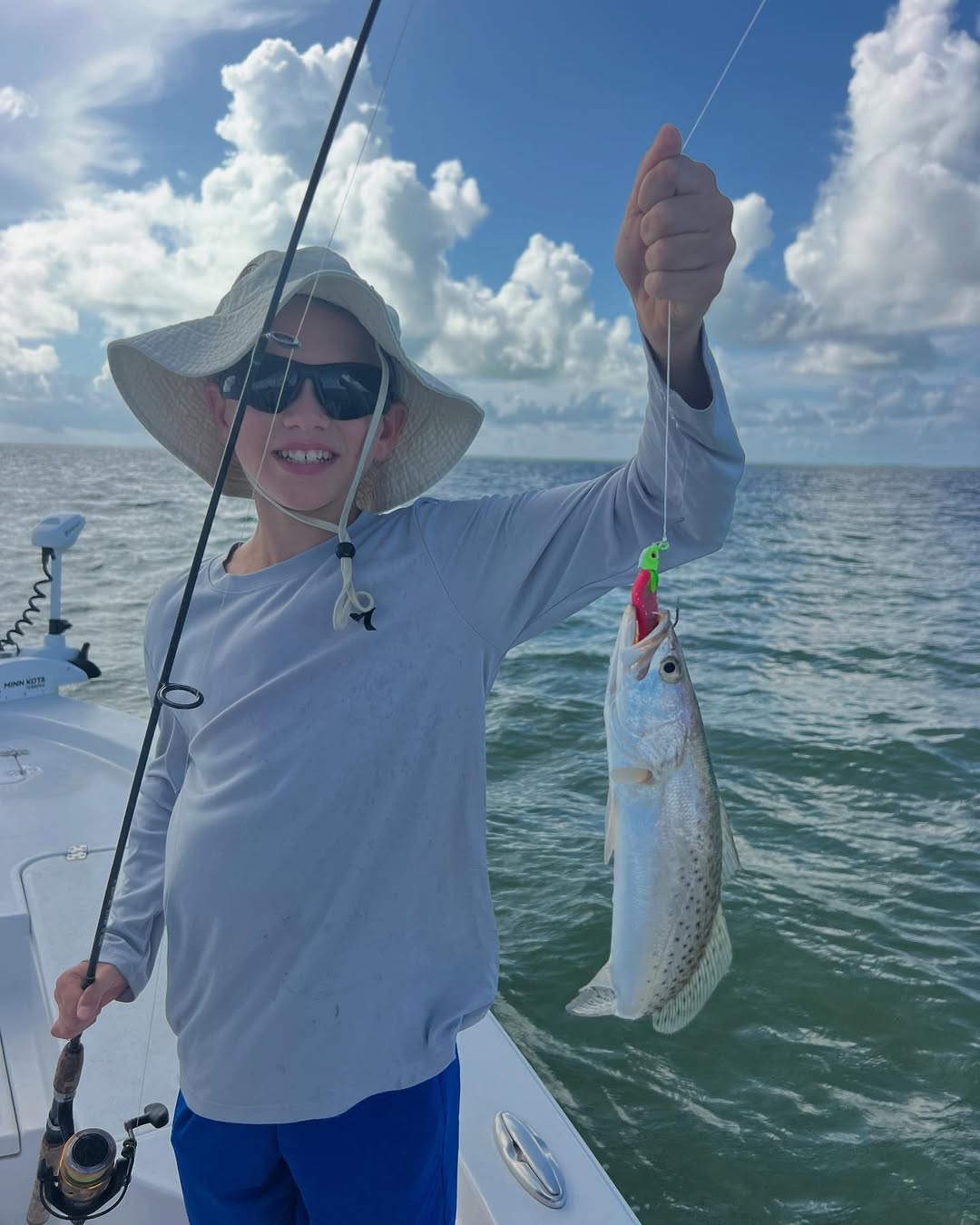
Sea trout are the bread and butter of Islamorada's inshore scene, and for good reason. These spotted beauties love the grass flats and are perfect for teaching younger anglers proper hooksets and fighting techniques. They typically run 12-18 inches in these waters, with the occasional keeper-sized trout pushing 20+ inches. Early morning and late afternoon produce the best action, when trout move shallow to feed on glass minnows and small crustaceans. The fight is manageable but exciting, and they make excellent table fare when you decide to keep a few for dinner.
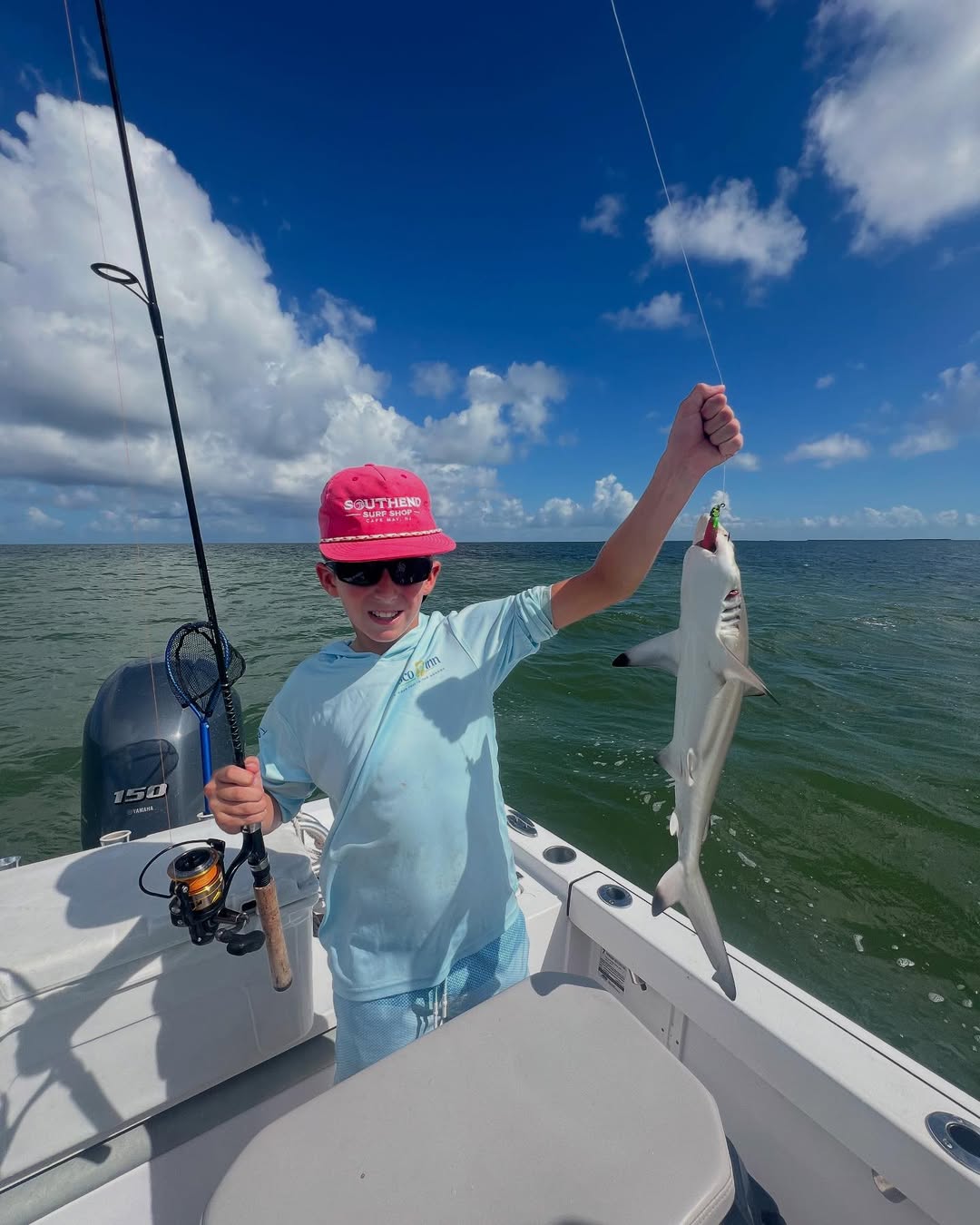
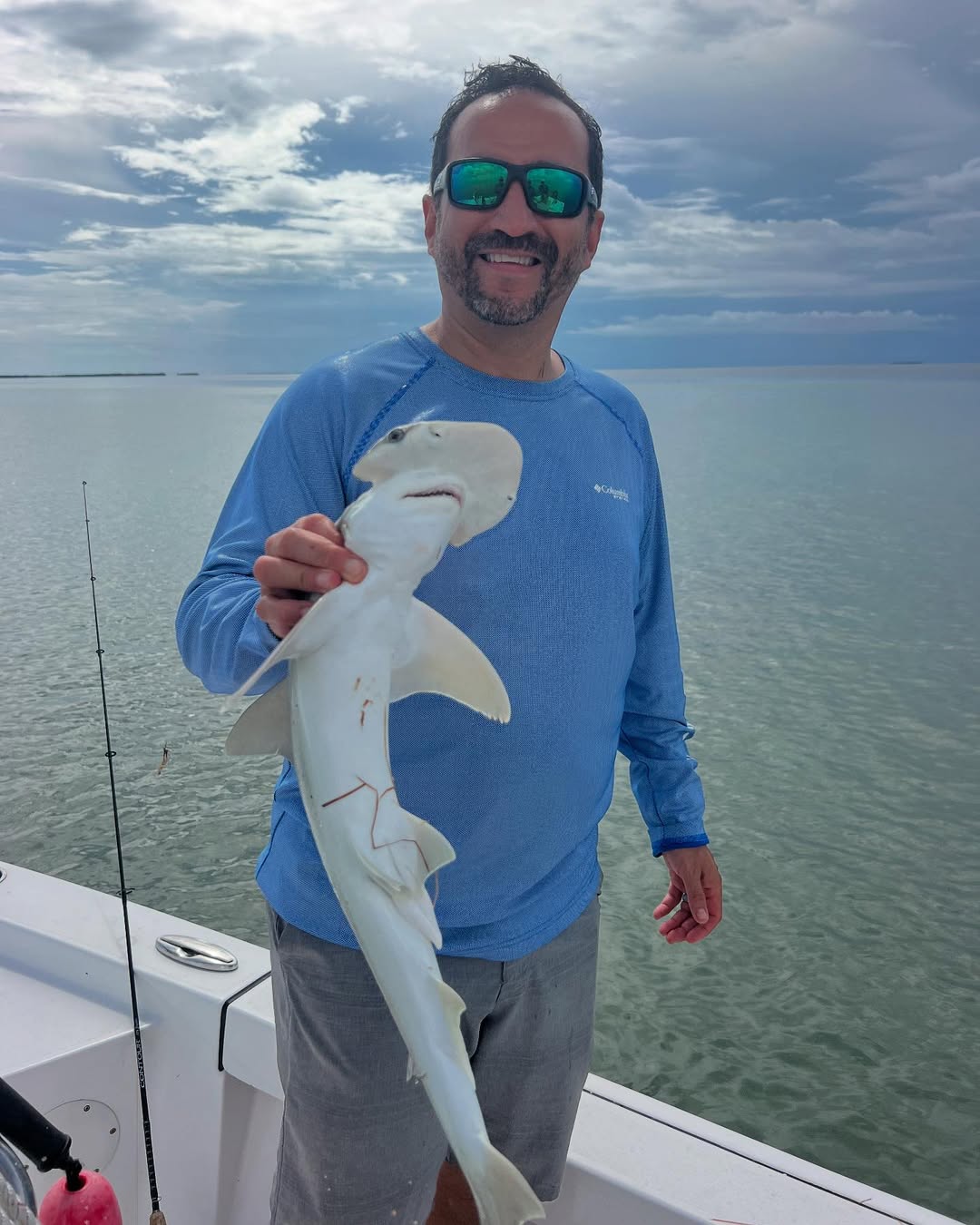
Blacktip sharks bring a completely different energy to the trip. These aggressive predators cruise the flats and channel edges, often announcing their presence with explosive strikes and immediate runs that get everyone's attention. Most blacktips in this area range from 3-5 feet, providing plenty of fight without being overwhelming for family groups. They're particularly active during moving tides when baitfish get pushed through the area. The sight of a blacktip's dorsal fin cutting through shallow water gets hearts racing, and the ensuing battle creates stories that last long after the trip ends.
Crevalle jacks are the bulldogs of the inshore world, and Islamorada's population is both healthy and aggressive. These fish don't grow huge here – most run 5-15 pounds – but they fight with incredible determination and never give up until they're at the boat. Jacks often travel in schools, so when you find one, there are usually more nearby. They'll hit live bait, artificials, and pretty much anything that moves through their territory. Kids love catching jacks because they provide non-stop action and bend rods in half with their powerful runs.
Spanish mackerel add speed and excitement to any family trip. These torpedo-shaped fish are incredibly fast and hit baits with lightning strikes that test reflexes and drag settings. They typically run 1-3 pounds in these waters but make up for their size with blistering runs and acrobatic jumps. Mackerel are also excellent eating, with firm white meat that's perfect for grilling or making fish tacos. They're often found around structure and bait schools, making them a reliable target when other species are being finicky.
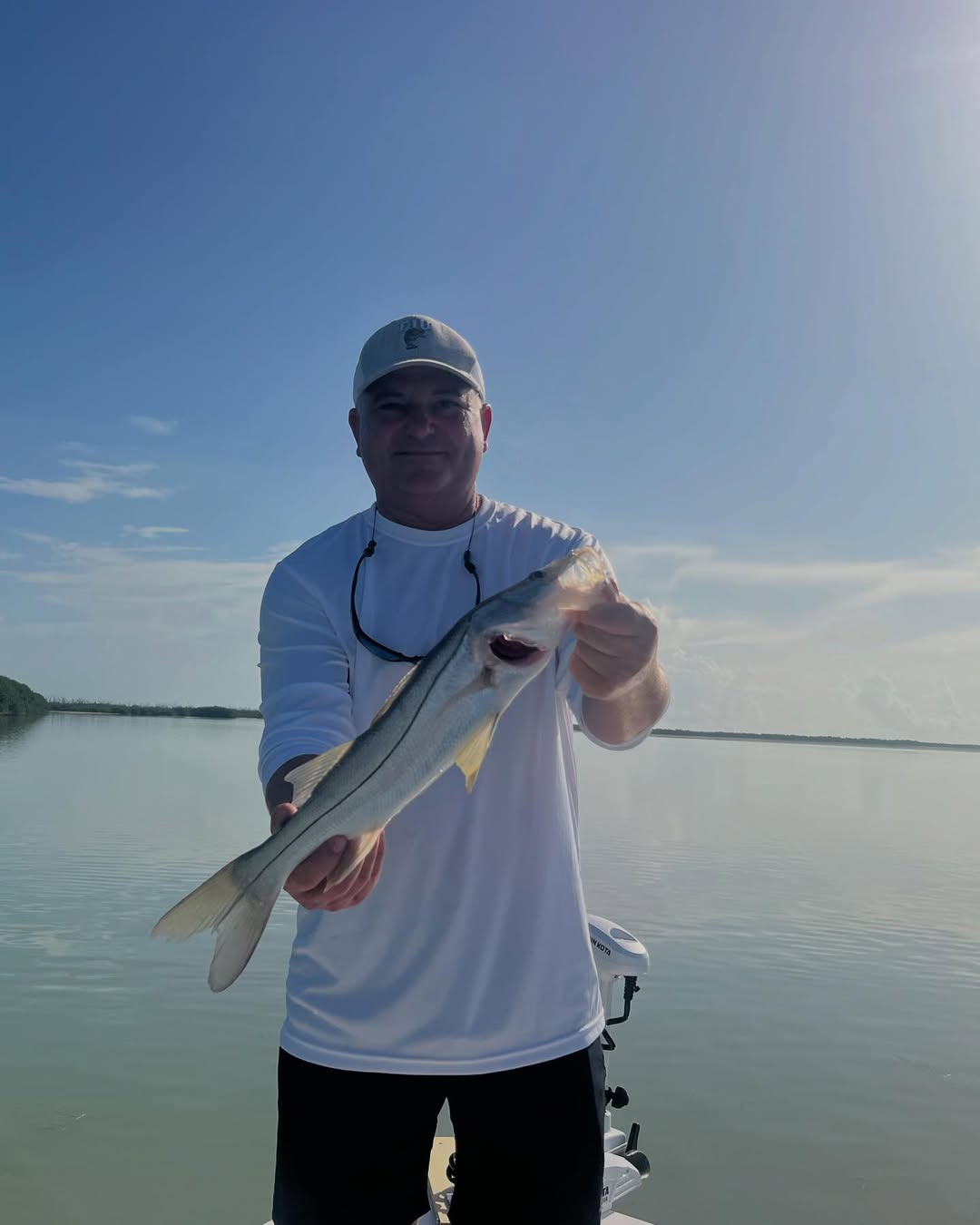
Snook represent the premium inshore species in South Florida, and Islamorada's bridges and mangrove shorelines provide prime habitat. These ambush predators lurk in shadows and strike with authority, making every hookup feel significant. Snook are catch-and-release only during certain seasons, but the thrill of fooling one of these smart, structure-oriented fish never gets old. They're known for their powerful runs toward cover and their ability to throw hooks with gill-rattling jumps. Finding snook requires patience and precise bait placement, making them the perfect target for more experienced family members while beginners work on easier species nearby.
Time to Book Your Spot
This family inshore charter delivers exactly what it promises – consistent action in comfortable, protected waters with professional guidance and all the gear you need. The combination of species diversity, flexible scheduling, and family-friendly approach makes it a standout choice for groups with varying experience levels. Your guide's local knowledge ensures you'll fish the most productive spots for current conditions, whether that's working bridge pilings during a tide change or drifting grass flats during prime feeding times
 Private Trip
 Backcountry Fishing
 Islamorada, FL


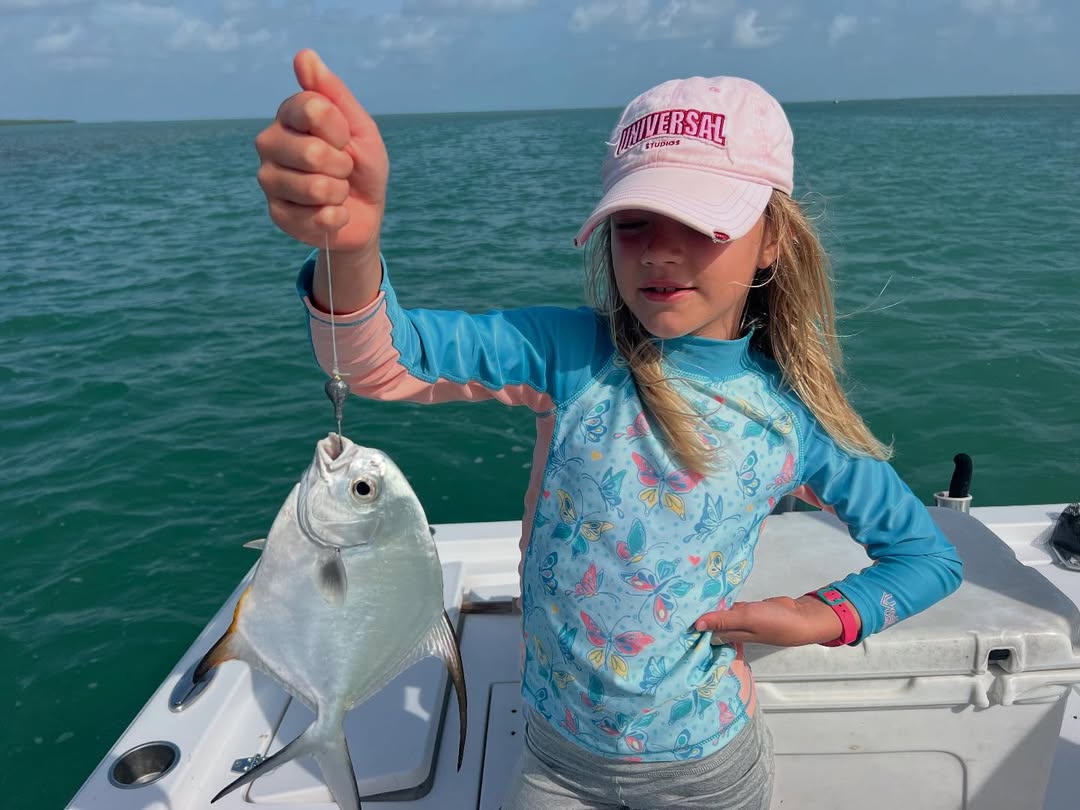
 Three-hour inshore fishing charter targeting tarpon, snook, and snapper