Indiana Bass Fishing Guides
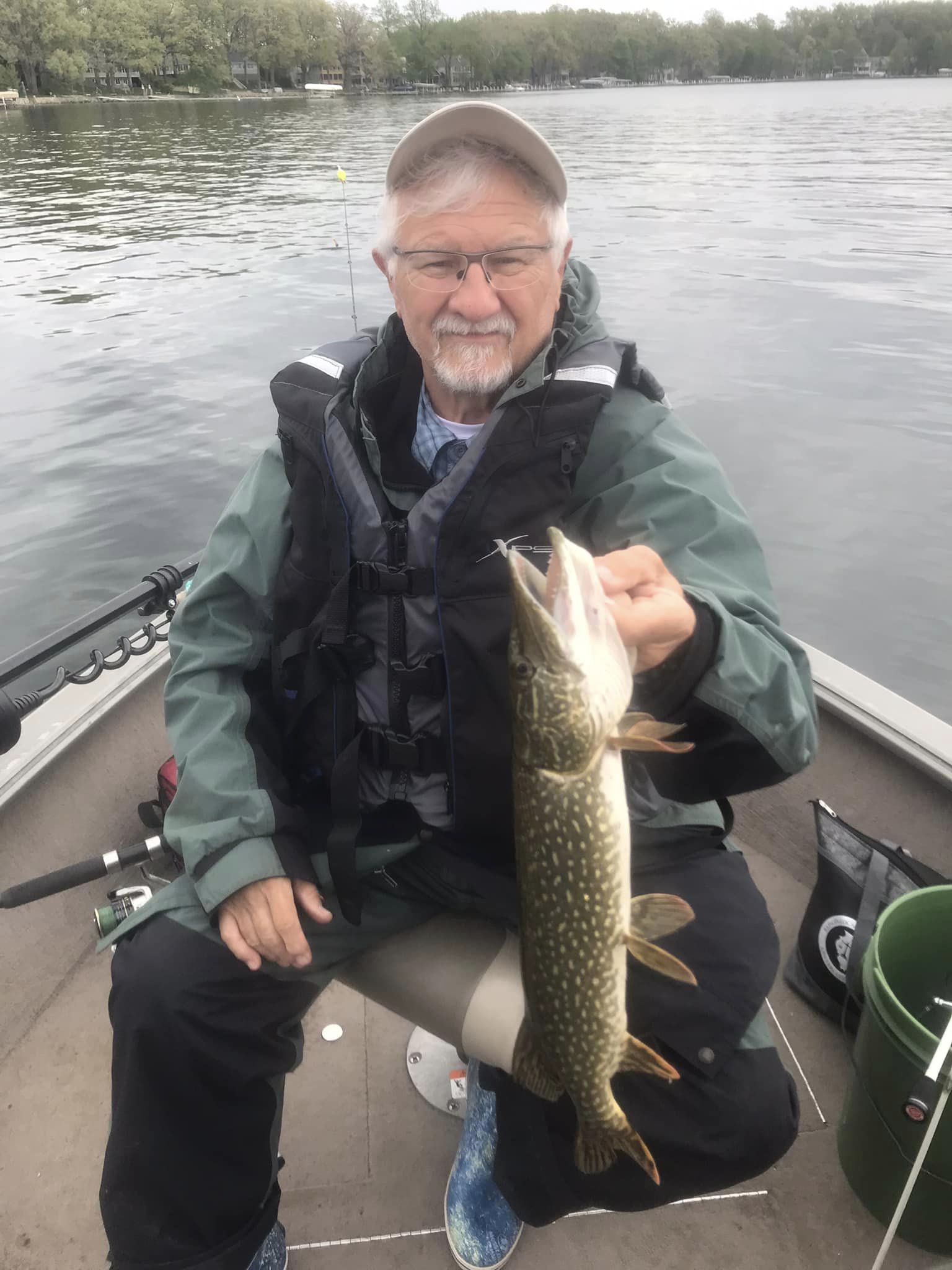
Picture this: you're casting lines in some of Indiana's most productive waters, just outside South Bend, with a full three-quarters of your day dedicated to nothing but pure fishing action. This isn't your typical weekend trip to the local pond – we're talking about a world-class fishing experience on lakes that consistently produce trophy bass and plenty of pan fish to keep your rod bent all day long. Whether you're a seasoned angler looking to add some Midwest fish to your list or someone who just loves the peace of being on the water with a line in, this trip delivers exactly what you're after.
What to Expect on the Water
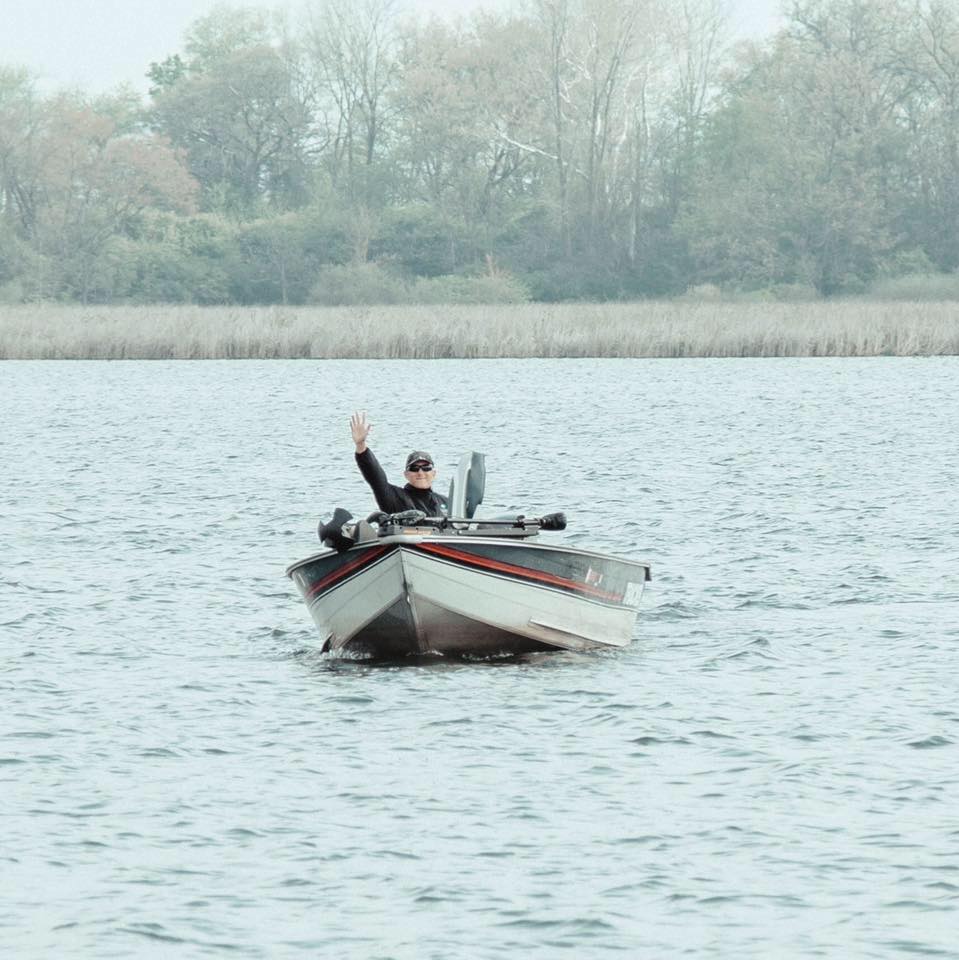
Your fishing adventure starts early, giving you the best chance at those prime feeding windows when fish are most active. We'll spend our time working the famous lakes around South Bend, waters that local anglers have been keeping secret for years. These aren't your crowded, overfished spots – we're talking about productive waters where largemouth bass grow fat and happy, smallmouth bass fight like they've got something to prove, and the panfish are plentiful enough to keep kids and adults equally entertained. The trip is set up for two guests, though we can accommodate up to four if you want to bring along some fishing buddies or make it a family affair. Don't forget to grab your Indiana freshwater fishing license before we head out, and feel free to pack some snacks and drinks to keep your energy up during the day. There's nothing quite like cracking open a cold one after landing a personal best bass.
Techniques and Tackle
We'll be running a variety of techniques depending on what the fish are telling us on any given day. Early morning usually means topwater action – there's nothing that gets your heart pumping like a massive bass exploding on a surface lure right at sunrise. As the day progresses, we might switch to working deeper structure with jigs and soft plastics, or if the fish are suspended, we'll break out the crankbaits and spinnerbaits to cover water efficiently. The lakes around South Bend offer diverse structure – from rocky points perfect for smallmouth to weedy bays where largemouth love to ambush prey. We'll adjust our approach based on seasonal patterns, weather conditions, and what's working best. All the essential gear is provided, but if you've got a lucky lure or a favorite rod you can't fish without, bring it along. Sometimes that personal touch makes all the difference between a good day and a legendary one.
Top Catches This Season
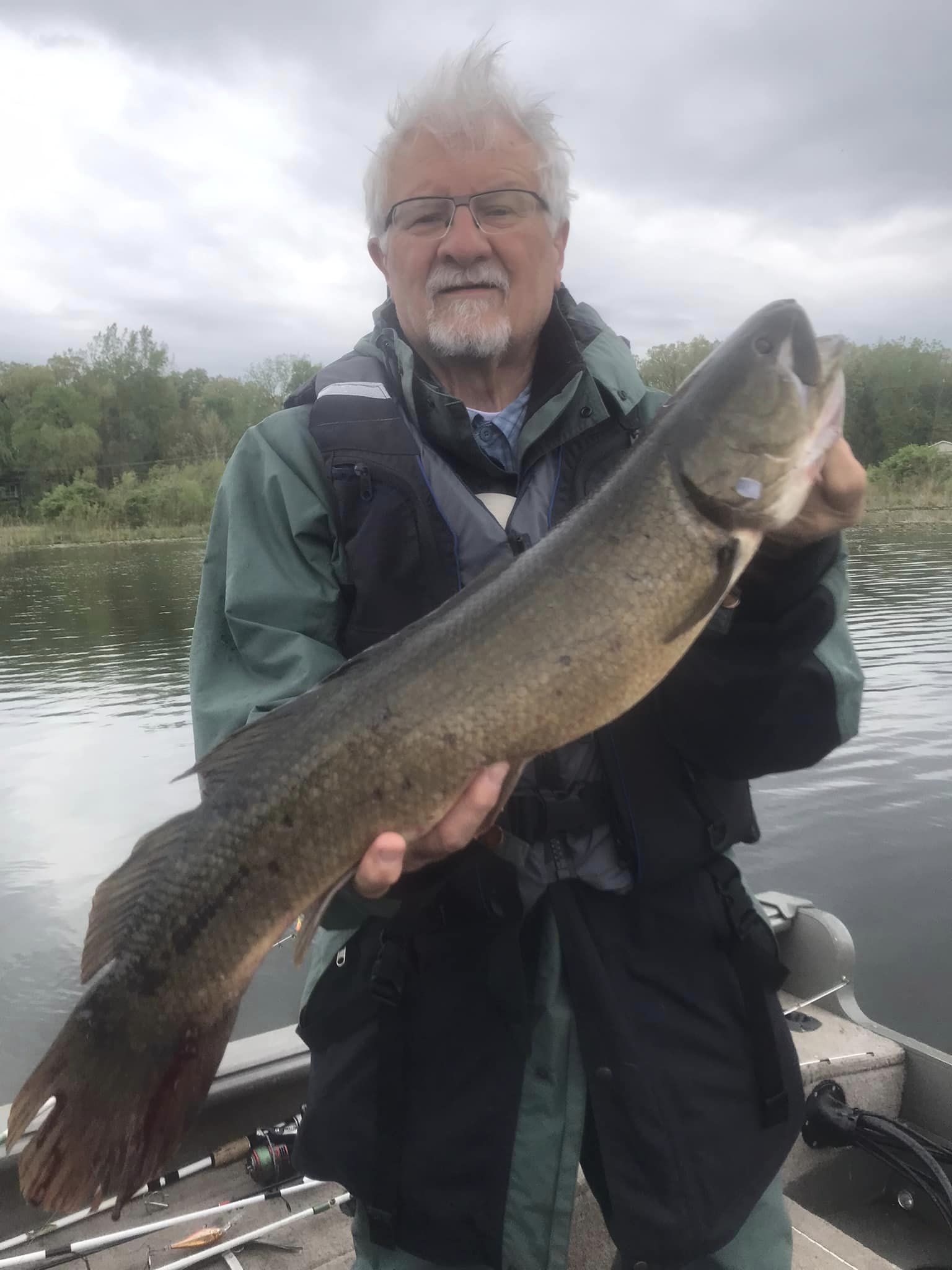
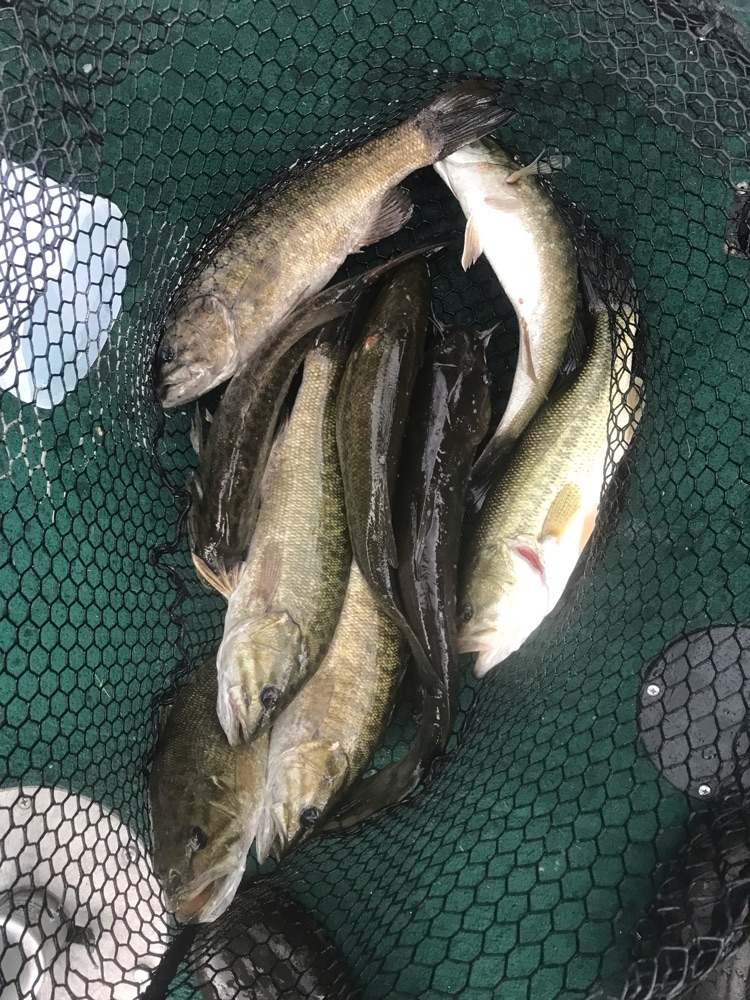
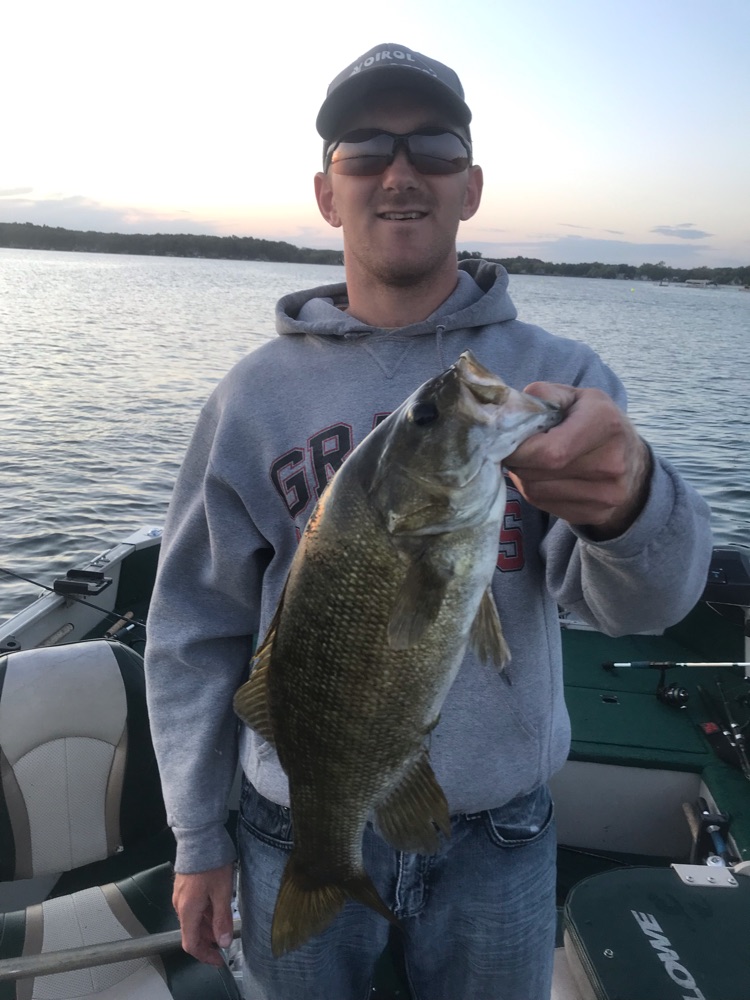
The largemouth bass in these waters are the real stars of the show. These fish average 2-4 pounds, but don't be surprised when you tie into something pushing six or seven pounds – it happens more often than you'd think. Spring and fall are prime times when these bass are feeding heavily, preparing for spawn or fattening up before winter. They're aggressive, fight hard, and always seem to jump at the worst possible moment, keeping you on your toes. Smallmouth bass here are scrappy fighters that punch way above their weight class. They love the rocky structure and clearer water, typically running 1-3 pounds but fighting like they're twice that size. These bronze backs are most active during cooler months and will test your drag system with their acrobatic fights.
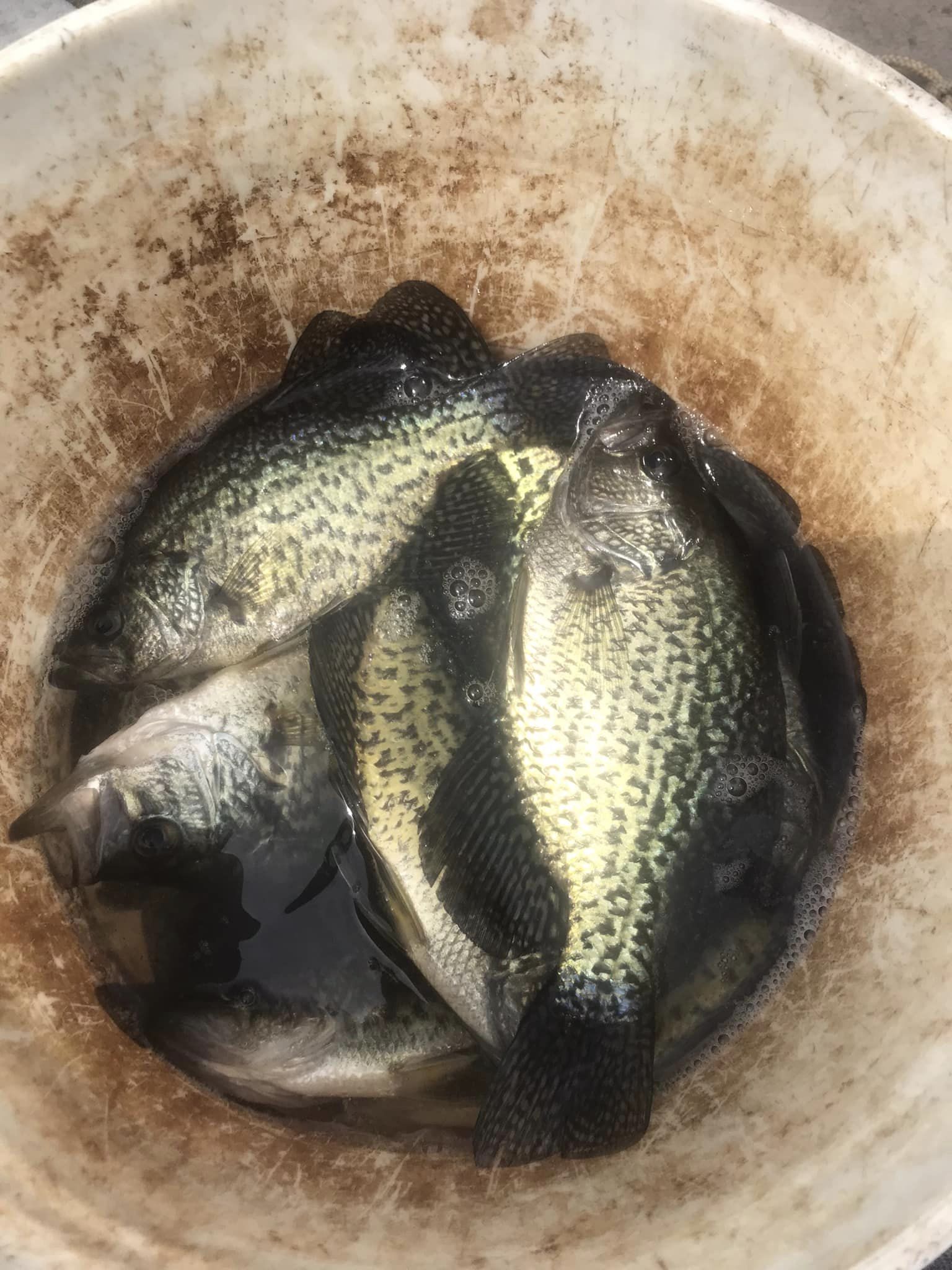
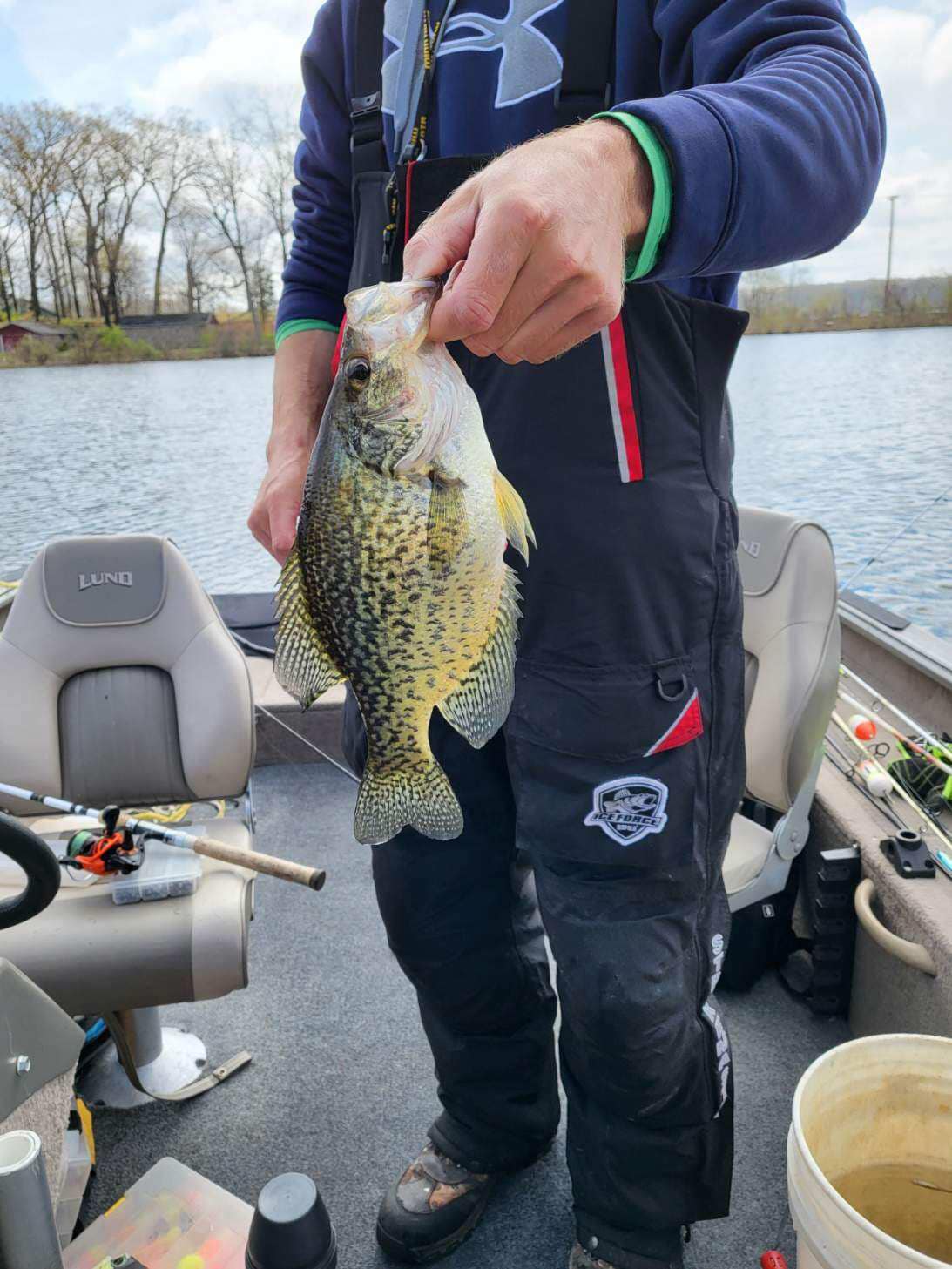
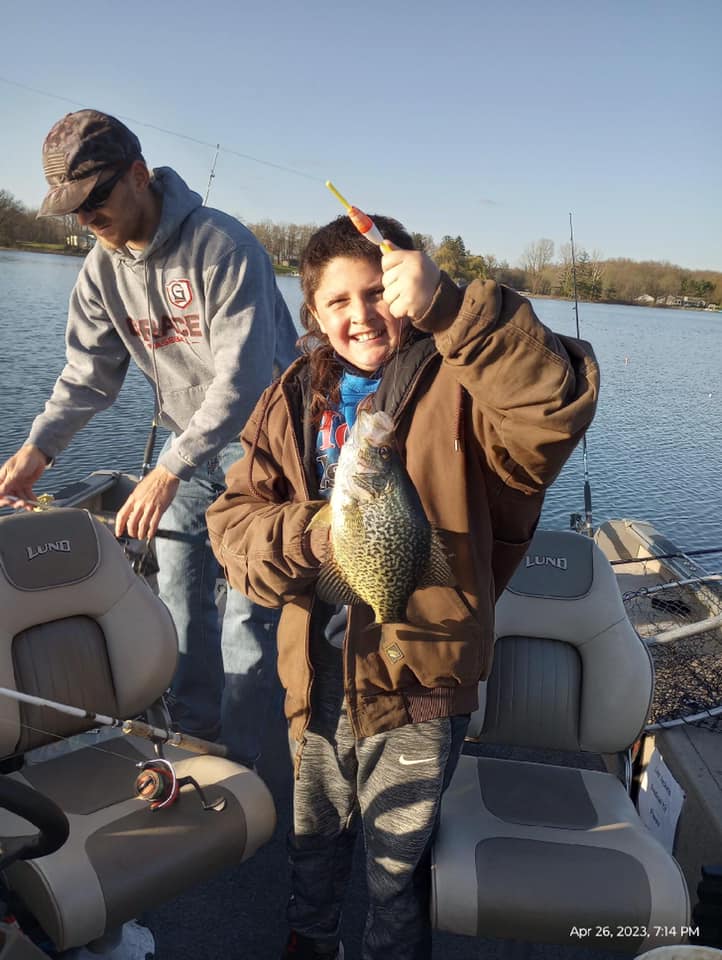
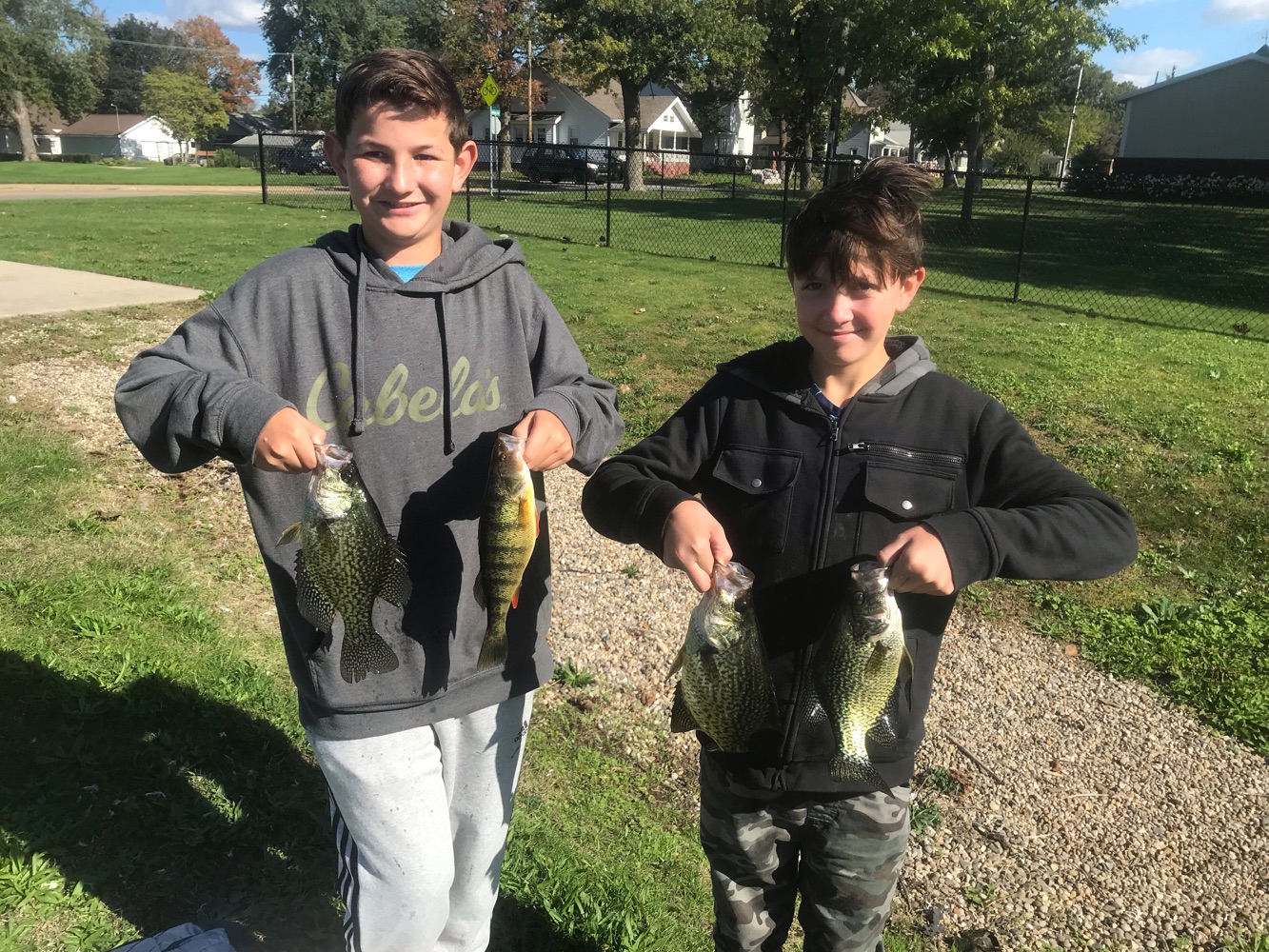
American yellow perch are the perfect species when you want consistent action and excellent table fare. They school up tight, especially in fall and winter, so once you find them, you're usually in for steady fishing. Most run 8-12 inches, perfect for the frying pan. Bluegill are the crowd-pleasers, especially if you're bringing kids along. They're aggressive, plentiful, and always willing to bite. Peak bluegill action happens during their spawn in late spring when they're protecting their beds and will attack almost anything you throw at them. Pumpkinseed sunfish add some color to your catch with their brilliant orange and blue markings. They behave similarly to bluegill but tend to prefer slightly deeper water with more structure. These little fighters are beautiful fish and great for photos before release.
Time to Book Your Spot
This top-rated fishing experience gives you everything you need for a memorable day on Indiana's best bass waters. With room for up to four anglers, expert guidance to put you on fish, and three-quarters of a full day to work every productive spot, you're getting serious value for a trip that many consider the best fishing experience in the South Bend area. The lakes we fish are trending upward in terms of fish population and size, thanks to good management and smart fishing practices. Whether you're looking to land your personal best bass, introduce someone new to fishing, or just spend quality time on the water away from daily distractions, this trip delivers. Don't wait too long to secure your dates – the best fishing days fill up fast, especially during peak seasons when the bite is hot and every angler wants to get in on the action.
 Private Trip
 Lakes/Reservoirs/Ponds Fishing
 Indiana

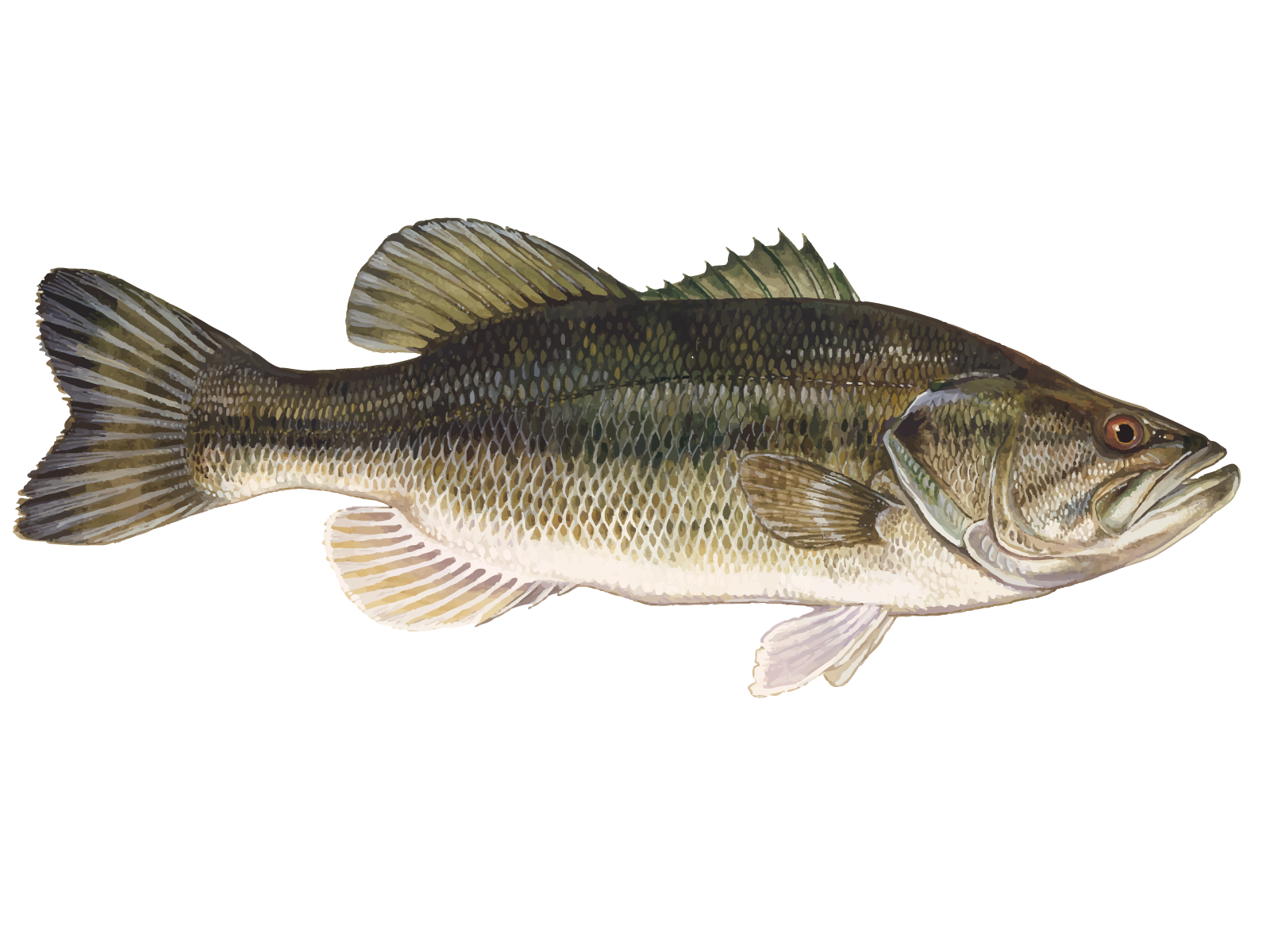


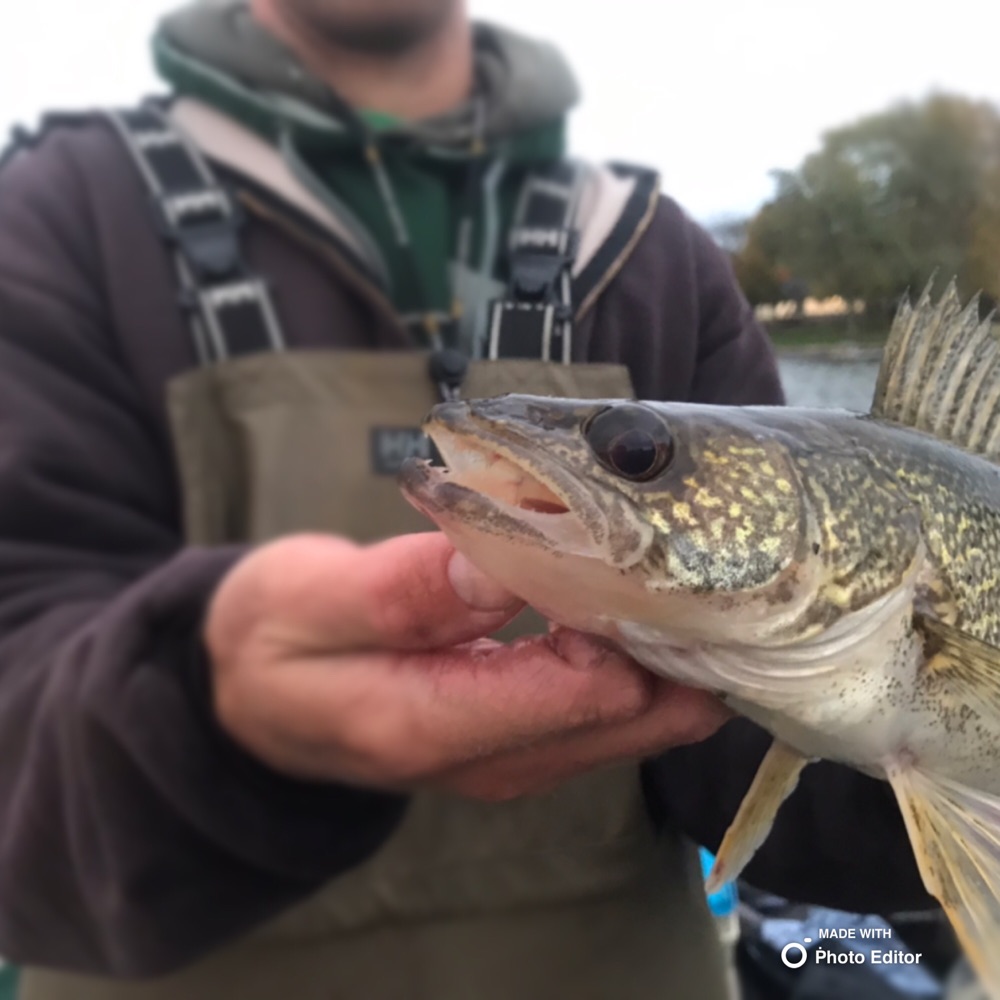
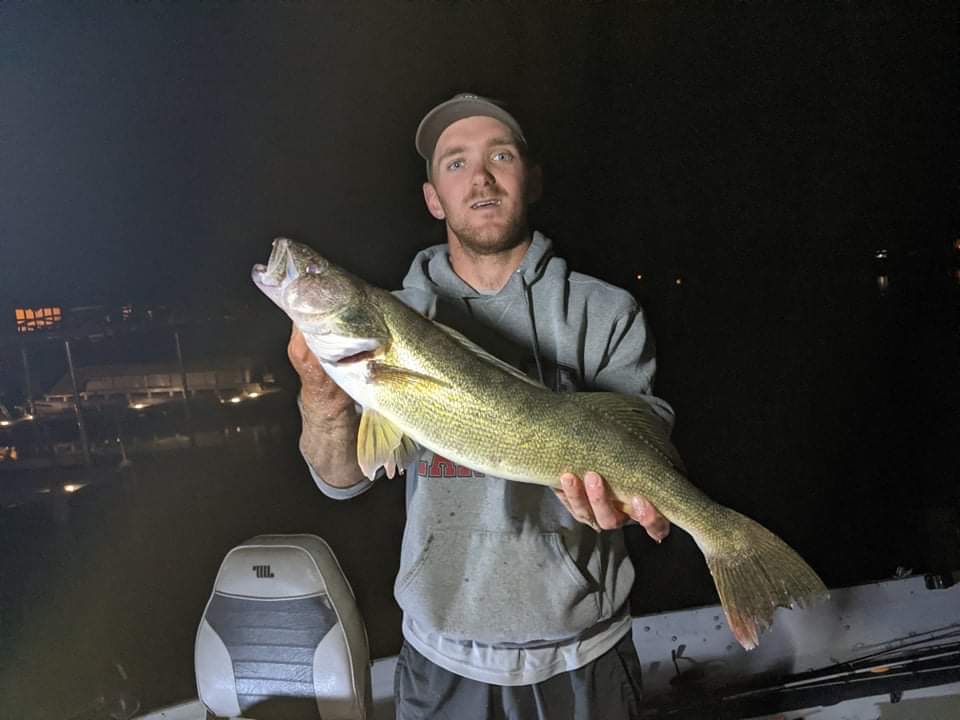
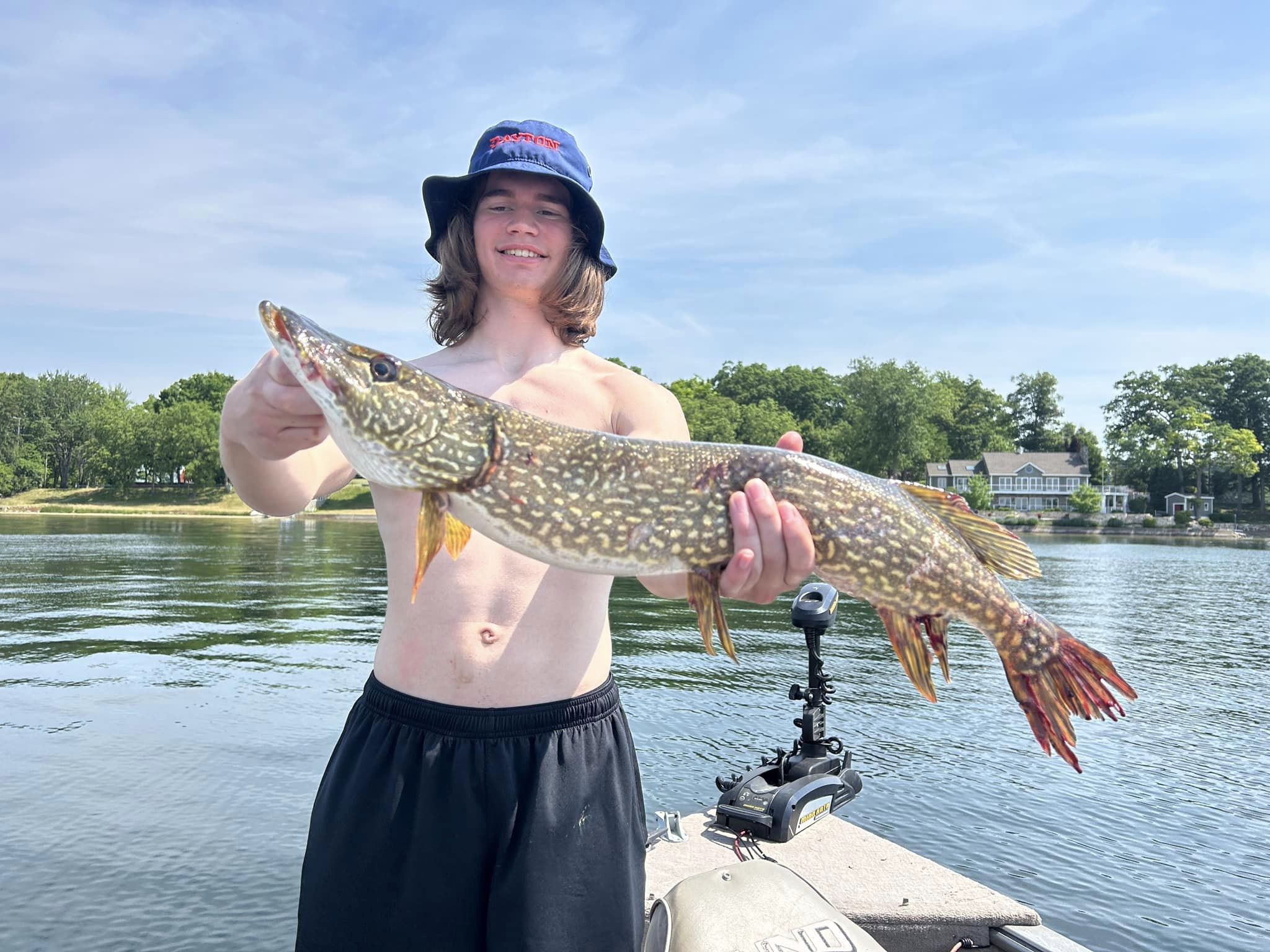
 Target largemouth bass, smallmouth bass, walleye and perch species