Full Day Fishing Trip In Eastern North Carolina
Eight solid hours on the water – that's what separates this top-rated inshore charter from the quick half-day trips everyone else is running. When you're out here with Wicked East Charters, you're getting the full treatment: time to work multiple spots, adjust tactics when fish get finicky, and really dial in your technique. Eastern North Carolina's inshore waters are legendary for their variety, and this extended trip gives you the best shot at connecting with Spanish mackerel, bonito, false albacore, and whatever else is running hot. Whether you're bringing the family for a day they'll never forget or you're a serious angler looking to put some serious numbers on the board, this charter delivers the kind of action that keeps people coming back season after season.
What to Expect on the Water
This isn't your typical "let's try one spot and call it a day" kind of trip. With eight hours to work with, Captain and crew can really show you what Eastern North Carolina's inshore fishery is all about. You'll start early, hitting the prime feeding windows when fish are most active, and you'll have the luxury of time to explore different structures, grass flats, and drop-offs until you find where the action is hottest. The boat is rigged specifically for inshore work – light tackle that lets you feel every head shake and run, but with enough backbone to handle the bigger drum and bonito that call these waters home. Expect to cover some serious ground, from shallow flats where Spanish mackerel slash through bait schools to deeper channels where false albacore patrol like underwater missiles. The crew knows these waters like their own backyard, and they'll put you on fish while teaching you the little tricks that separate good days from great ones.
Techniques and Tackle
Eastern North Carolina inshore fishing is all about reading the water and adapting your approach. You'll be throwing everything from live bait under corks to fast-moving artificials, depending on what the fish are telling you. The boat comes loaded with quality spinning gear perfectly matched to these species – nothing too heavy that kills the fight, nothing too light that costs you fish. Live shrimp and finger mullet are always prime choices, but don't be surprised when the crew breaks out the sabiki rigs to load up on fresh bait, or when they hand you a casting rod rigged with a deadly spoon or jig. Trolling is a big part of the program here, especially when targeting bonito and false albacore that cruise the edges of structure. You'll learn to watch the electronics, read bird activity, and spot the subtle signs that separate productive water from empty ocean. The crew will have you working different depths and presentations until you find what flips the switch – that's half the fun of a full-day trip.
Top Catches This Season
Little tunny, or false albacore as most folks call them, are the speedsters of the inshore scene around here. These fish hit like freight trains and fight like they're twice their size, typically running 3-8 pounds with the occasional double-digit bruiser. Fall is prime time for false albacore, when they show up in big schools chasing bait along the beaches and nearshore structure. They're absolute suckers for small jigs and spoons worked fast through the water column, and once you hook one, get ready for multiple screaming runs that'll test your drag and your nerves. What makes them so special is their speed – they're built like torpedoes and fight accordingly.
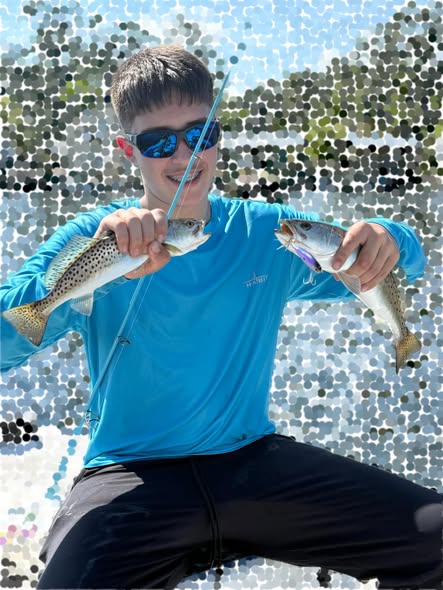
Spanish mackerel are the bread and butter of summer inshore fishing here, and for good reason. These fish are aggressive, willing biters that'll crush live bait, dead bait, and artificials with equal enthusiasm. Most run 1-3 pounds, but the bigger "smoker kings" can push 4-5 pounds and provide surprising fights on light tackle. They school up around grass flats and structure from late spring through early fall, and when you find them, you can usually count on steady action. Their razor-sharp teeth mean you'll need a wire leader, but their willingness to bite makes them perfect for anglers of all skill levels. Plus, they're fantastic table fare when handled properly.
Bluefish are the bulldogs of the inshore world – not the prettiest fighters, but they make up for it with pure aggression and determination. Eastern North Carolina sees good runs of blues from spring through fall, with fish ranging from snapper-sized juveniles to 10+ pound choppers that can bend a rod double. They travel in schools and feed with reckless abandon, often creating feeding frenzies that'll spoil you for other fishing. Bluefish will hit just about anything you throw at them, but they're particularly fond of cut bait and fast-moving lures. Fair warning: those teeth are no joke, so the crew will handle the unhooking duties.
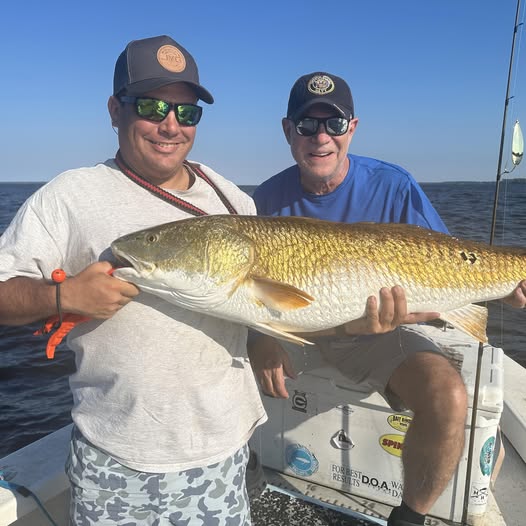
Black drum are the heavyweights of the flats, often running 20-40 pounds with occasional giants pushing 50+. These fish are all about finesse – they're not going to crush a fast-moving lure like a Spanish mackerel, but present them with a well-placed piece of crab or shrimp near structure, and they'll make your reel sing. Spring and fall are prime times for big drum, and they're often found around oyster bars, bridge pilings, and deeper channels. The fight is more about power than speed – long, steady runs that test your tackle and your patience. Landing a quality black drum is always a highlight of any inshore trip.
Atlantic bonito are the cousins of the false albacore, and they share that same torpedo-like build and lightning speed. These fish typically show up in late summer and fall, often mixed in with schools of false albacore. They're slightly smaller on average, usually running 2-6 pounds, but what they lack in size they make up for in sheer athleticism. Bonito are incredibly fast and make blistering runs that'll have your drag screaming. They're also excellent table fare, with firm, flavorful
 Private Trip
 Inshore Fishing
 North Carolina


 Eight-hour inshore charter targeting Spanish mackerel and bonito