Charter Fishing Topsail NC | 6 Hour Charter Trip
There's something special about the waters around Topsail that keeps anglers coming back season after season. When you book a 6-hour charter with us, you're not just getting a fishing trip - you're getting access to some of North Carolina's most productive inshore waters with a captain who knows exactly where the fish are holding. We've built our reputation on putting clients on fish, whether you're a weekend warrior looking to bend some rods or a seasoned angler chasing that next personal best. Our boat handles up to 6 anglers comfortably, so bring your crew and get ready for a day that'll have you planning your next trip before you even hit the dock.
What to Expect on the Water
Your day starts early when we push off from the marina, heading into the maze of creeks, sounds, and nearshore waters that make Topsail such a fishing hotspot. The beauty of a 6-hour charter is having enough time to really work different spots without feeling rushed. Our captain reads the water like a book - checking tide charts, wind direction, and recent reports to put together a game plan that maximizes your time on productive water. You'll fish everything from shallow grass flats where redfish cruise in skinny water to deeper channel edges where black drum stack up during certain tides. The boat comes rigged with top-shelf tackle, but feel free to bring your own rods if you've got favorites. We keep the live well stocked with fresh bait, and our tackle selection covers everything from light spinning gear for trout to heavy conventional setups when we're targeting bigger drum.
Techniques & Tactics
Inshore fishing around Topsail means adapting your approach based on what the fish are doing and where they're feeding. We'll start the day sight fishing for reds in the shallows if conditions are right - nothing beats watching a bronze back cruise up to your bait in three feet of crystal clear water. When the bite slows in the skinny stuff, we'll move to structure fishing around docks, oyster bars, and creek mouths where black drum and spotted weakfish like to hold. Live shrimp and finger mullet are our go-to baits, but we'll switch to artificials when the fish are aggressive or when we want to cover more water quickly. The captain will have you working everything from popping corks in the grass beds to bouncing bottom rigs along channel drops. Atlantic bonito show up seasonally and when they're here, we'll break out the light tackle and small jigs - these speedsters will test your drag system and put a serious bend in your rod.
Species You'll Want to Hook
Black drum are the heavyweights of our inshore waters and a true customer favorite around Topsail. These bruisers can push 40-50 pounds and fight like freight trains, making long runs and testing your patience with their bulldogging power. Fall and winter are prime time for big drum, when they school up in deeper channels and around structure. They're suckers for fresh shrimp and blue crab, and once you hook into a bull drum, you'll understand why anglers specifically target these fish. The fight alone is worth the trip, but they also make excellent table fare if you decide to keep a slot fish.
Atlantic bonito bring pure speed and excitement when they move through our waters during their seasonal migrations. These mini-tunas typically show up in late summer and fall, and when they're here, the action can be absolutely wild. Bonito average 3-8 pounds but fight way above their weight class, making blistering runs and acrobatic jumps that'll leave your arms burning. They school up and feed aggressively on small baitfish, making them perfect targets for light tackle fishing. The key is finding the birds - when you see diving terns and gulls, there's usually a school of bonito busting bait underneath.
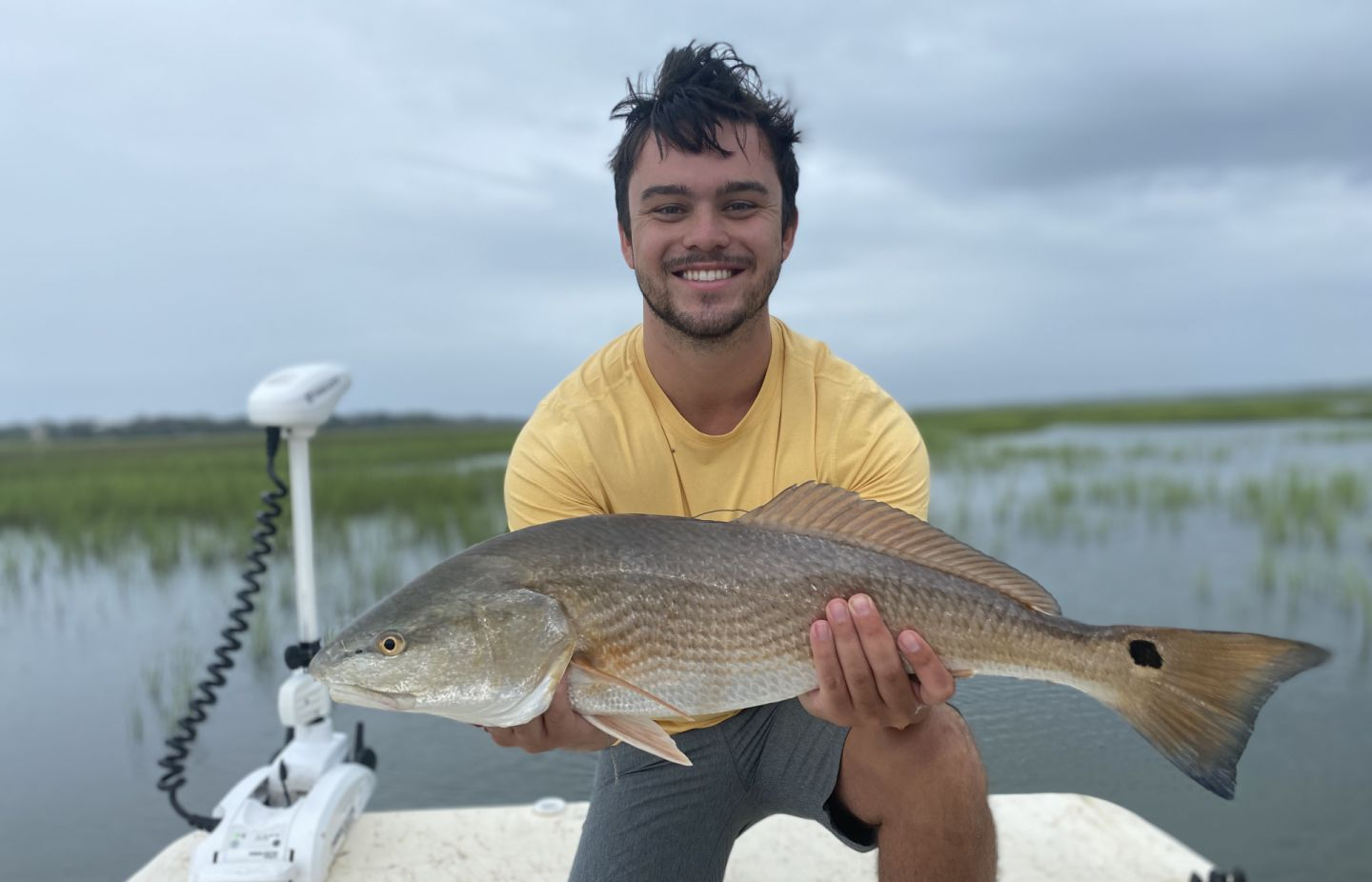
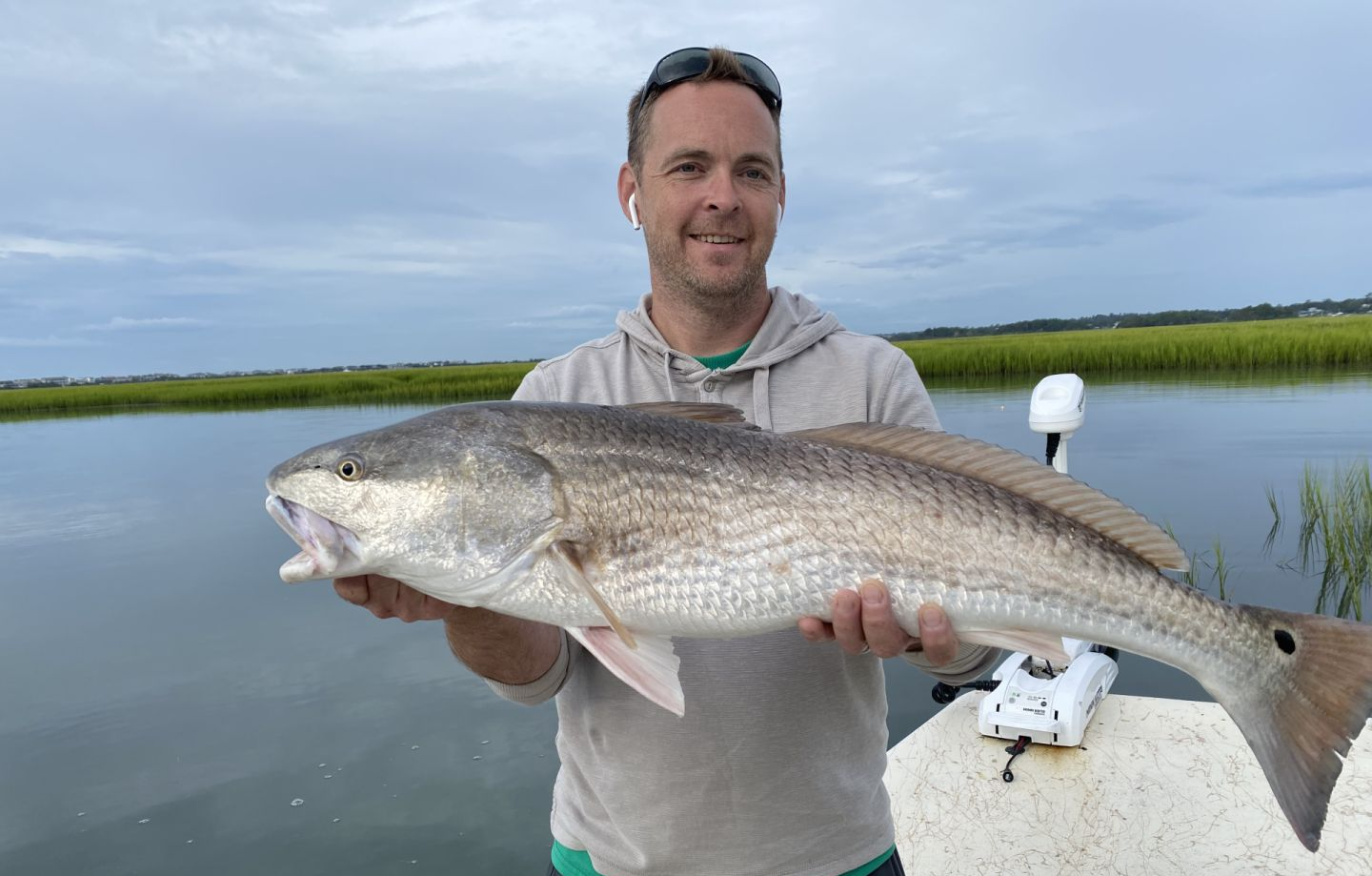
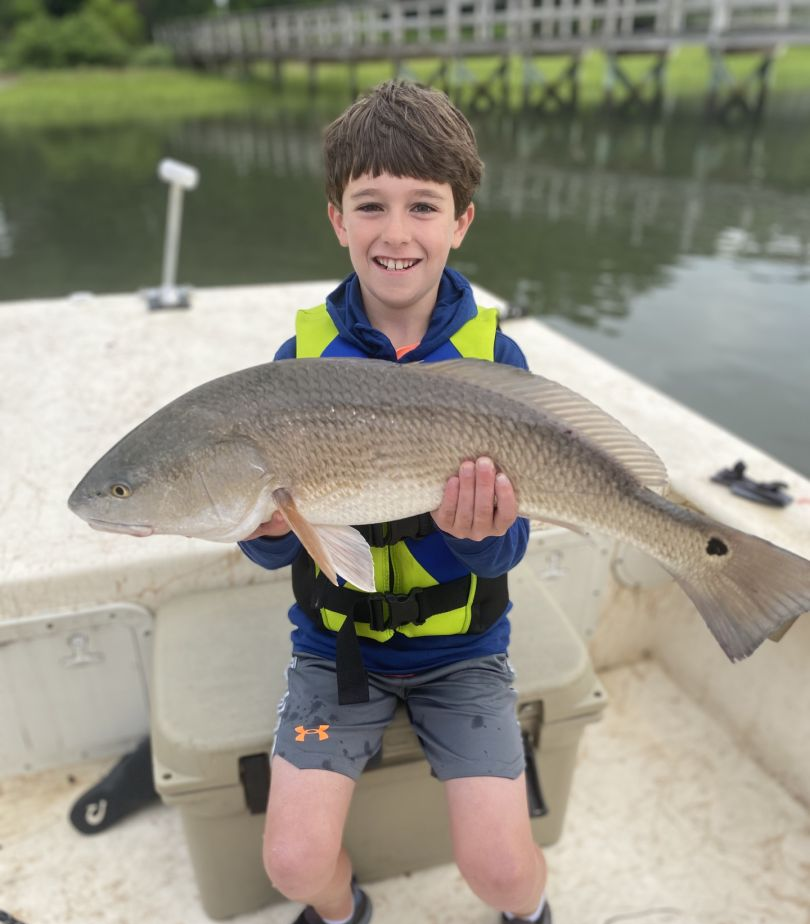
Redfish are the crown jewel of North Carolina inshore fishing, and Topsail's grass flats and creek systems provide world-class red drum habitat. These copper-colored fighters are available year-round but really turn on during fall when they school up for their spawning runs. Slot reds typically run 18-27 inches and provide fantastic fights on medium tackle, while oversized bull reds can stretch past 40 inches and really test your skills. What makes redfish special is their willingness to eat in shallow water where you can sight cast to cruising fish - it's about as close to hunting as fishing gets.
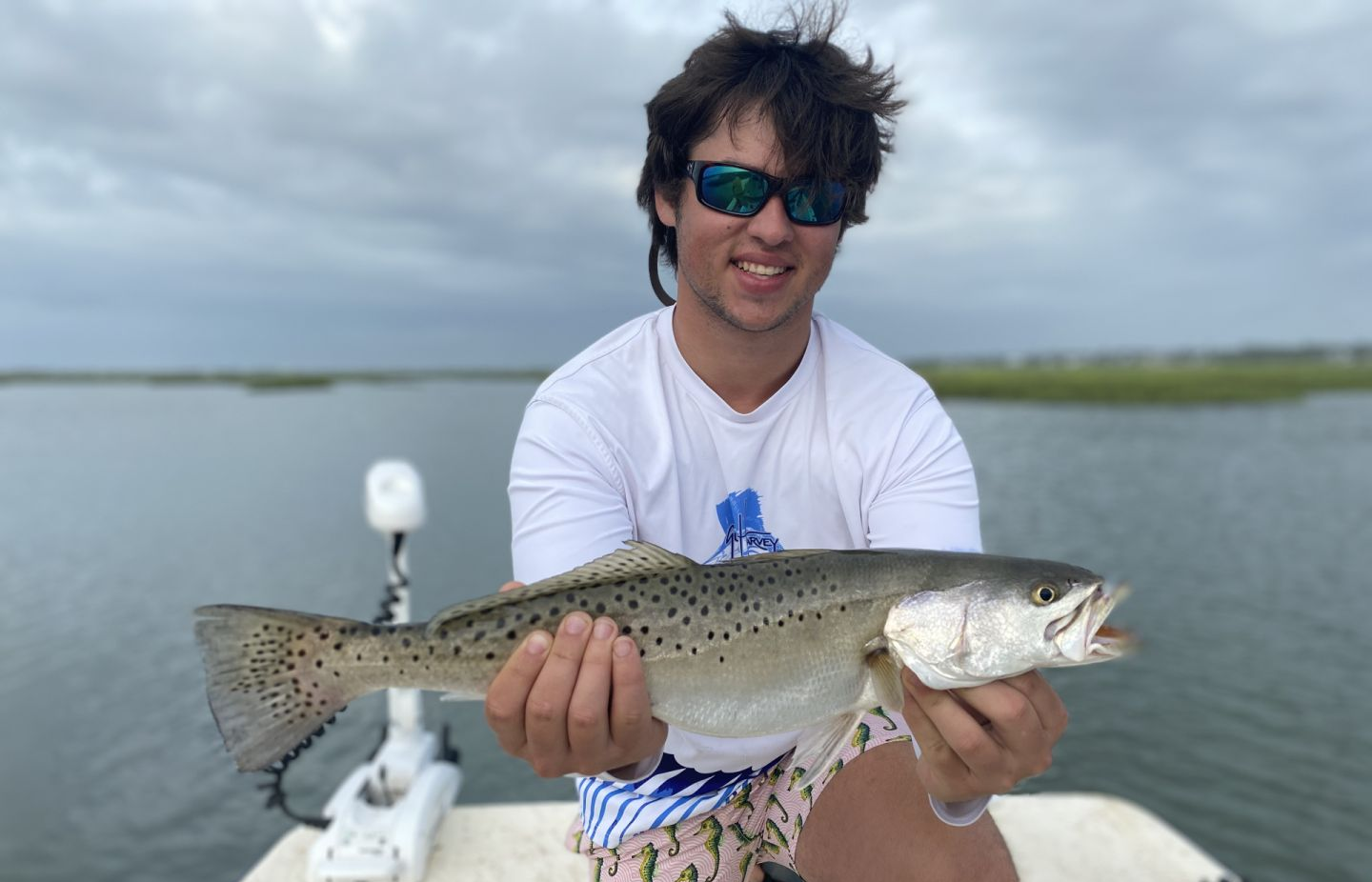
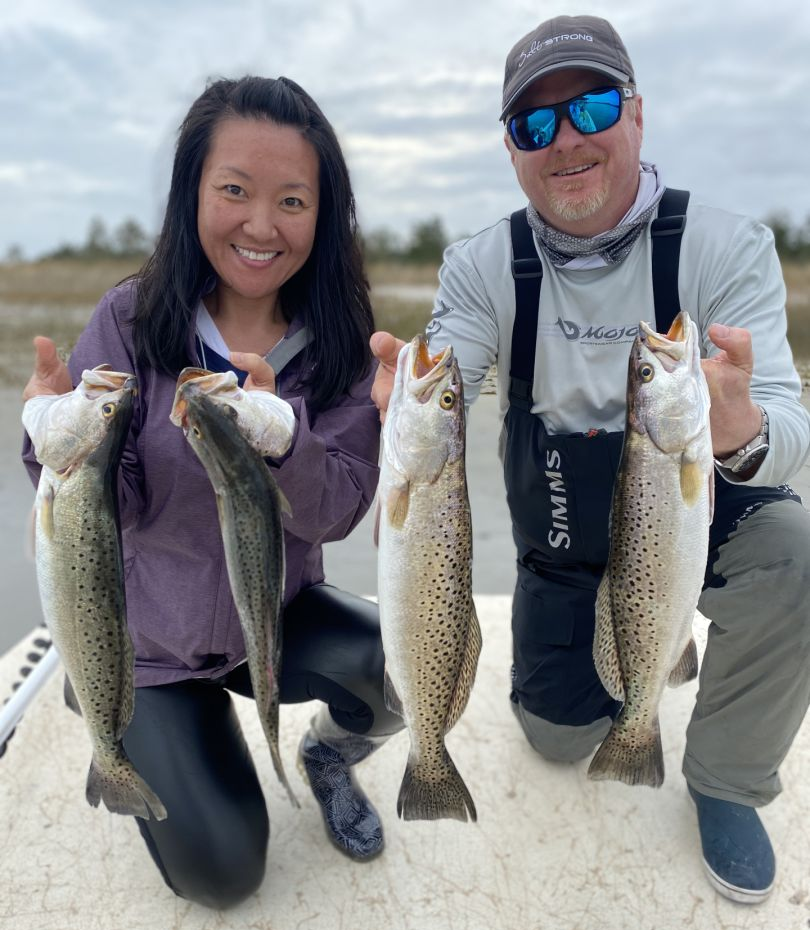
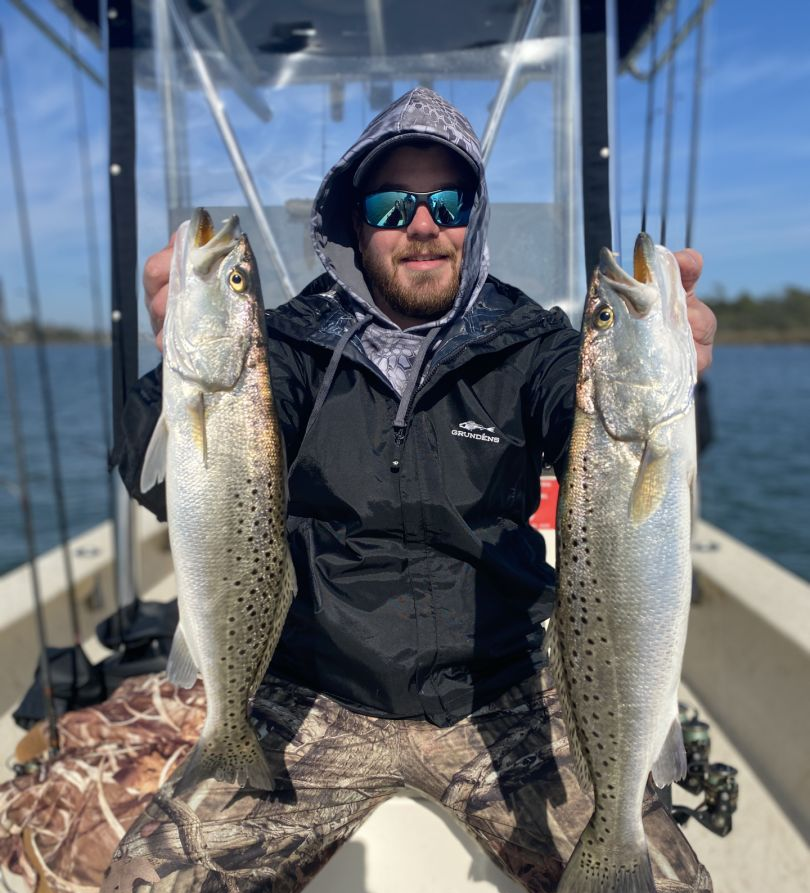
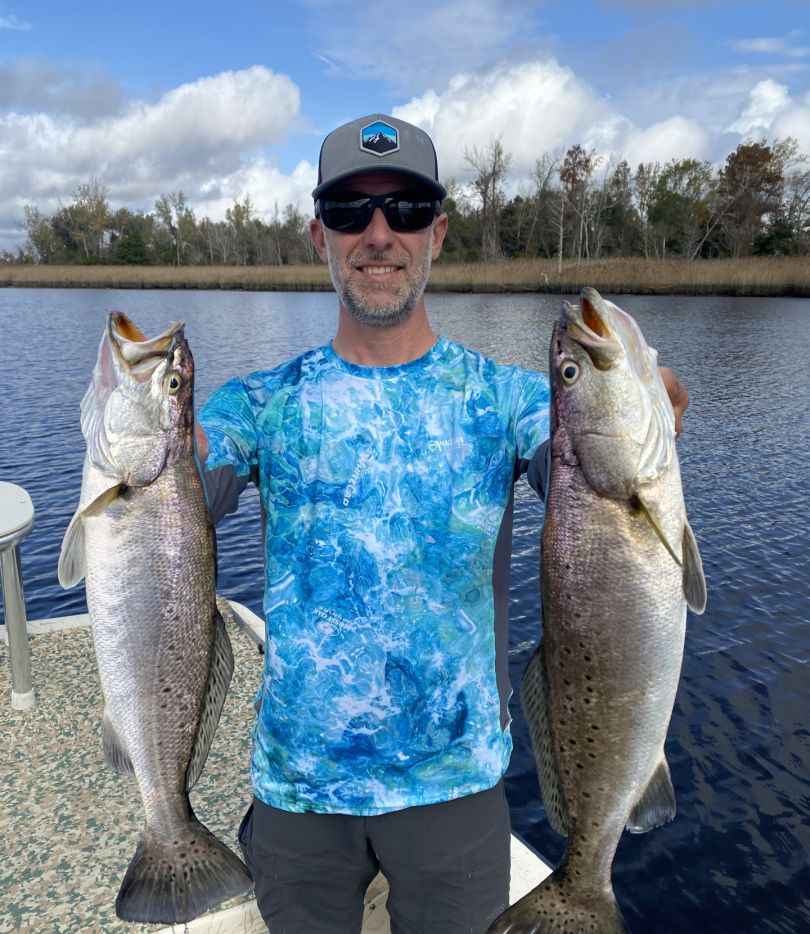
Spotted weakfish, or speckled trout as most locals call them, are the bread and butter of our inshore fishery. These beautiful fish are perfectly designed for their environment, with excellent eyesight and lightning-fast reflexes that make them exciting to target. Specks are most active during cooler months around Topsail, when they move into deeper holes and channels to escape temperature fluctuations. They're notorious for their soft mouths, so keeping steady pressure without horsing them is key. A good speckled trout bite can keep your cooler full and your arms tired - they school up tight and when you find them, multiple hookups are common.
Time to Book Your Spot
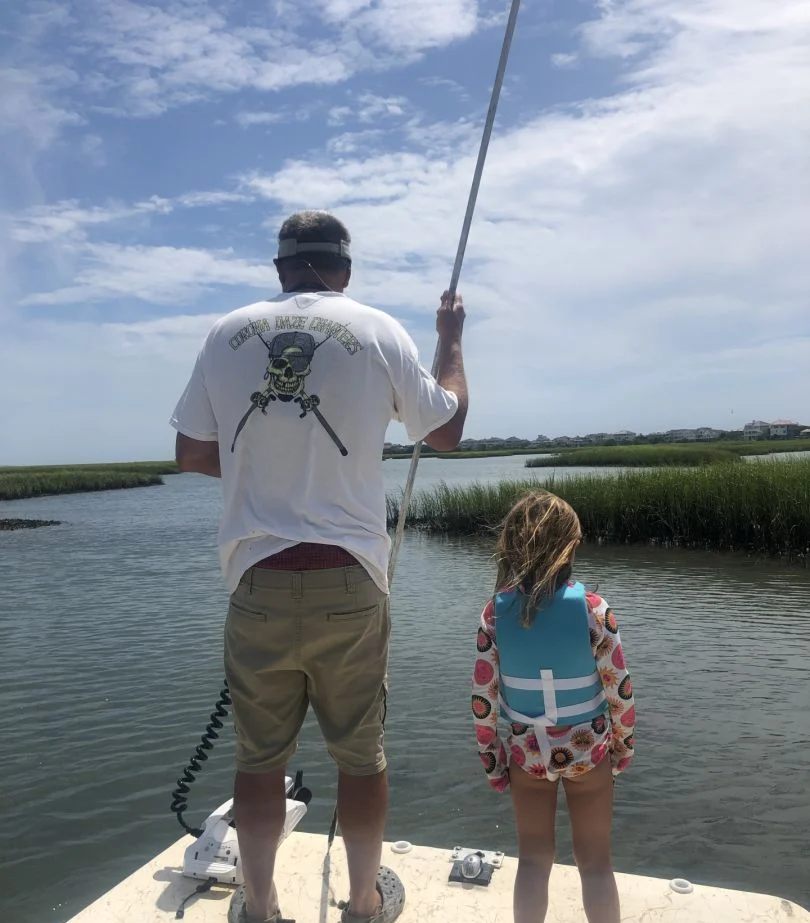
A 6-hour charter gives you the perfect balance of fishing time and value, letting you experience multiple fishing scenarios without committing to a full day on the water. Our calendar fills up fast during peak seasons, especially when the fishing reports are hot and word gets around about good bites. Whether you're planning a guys' trip, introducing kids to saltwater fishing, or just need to get away from the daily grind, this charter delivers the goods. The combination of Topsail's productive waters, our experienced captain, and quality equipment means you're setting yourself up for success before you even wet a line. Don't wait - the fish are biting and your spot on the boat is just a phone call away.

 Private Trip
 Inshore Fishing
 Wilmington


 6-hour inshore fishing charter targets multiple game fish species